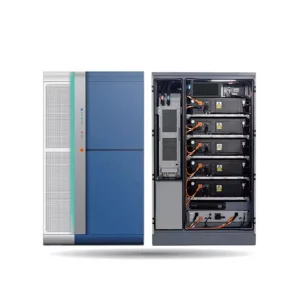
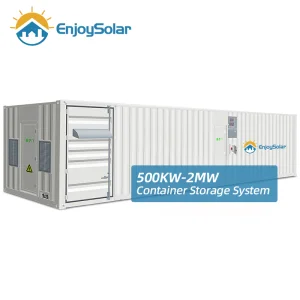
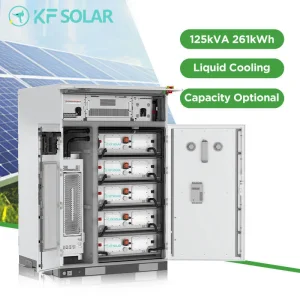
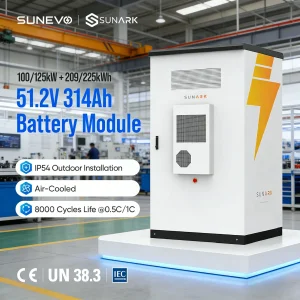
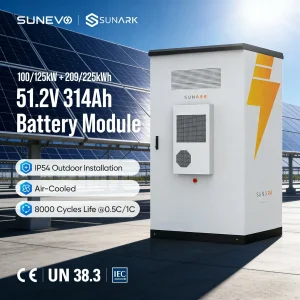
Highly stable LiFePO4 battery platforms designed for local industrial integration, commercial peak shaving, and renewable smoothing applications.
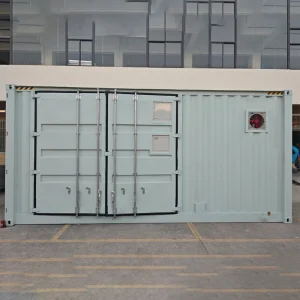
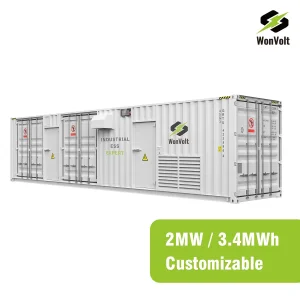
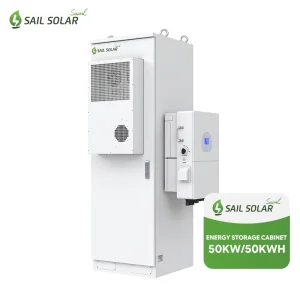
Whitepaper on Central Asia Smart Grid Infrastructure
Uzbekistan is rapidly transitioning from traditional fossil-fuel energy generation toward a modernized, green-energy economy. Under the national development strategies, the country is actively targeting to generate 27 GW of renewable energy capacity by 2030, leveraging its massive solar and wind potentials. However, this high level of variable renewable integration presents significant operational challenges to the centralized grid infrastructure controlled by JSC "National Electric Grid of Uzbekistan".
Without large-scale commercial and industrial (C&I) and utility-scale Battery Energy Storage Systems (BESS), the sudden fluctuations in solar irradiance and wind speeds risk destabilizing regional grid frequencies. This dynamic has catalyzed an urgent procurement wave for outdoor containerized LFP (Lithium Iron Phosphate) battery solutions that offer both high cycles and rapid C-rate charge-discharge transitions. By deploying advanced BESS architectures, regional factories, manufacturing plants, and grid operators are achieving reliable frequency regulation, black start capability, and robust energy shifting.
Strategic Information Gain: Climate Constraints in Central Asia
Traditional battery cabinets often fail in Uzbekistan because of the extreme seasonal temperature differentials (ranging from -25°C in dry winters to over +45°C in desert summers). Outdoor BESS equipment designed for this region must feature dynamic HVAC systems or closed-loop liquid cooling structures paired with heavy thermal insulation. Without active environmental balancing inside the container, thermal runaway hazards and premature cell capacity degradation are highly accelerated.
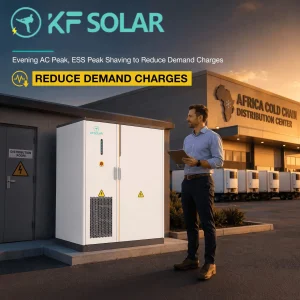
Industrial sectors such as textile manufacturing, chemical engineering, and mineral excavation in Tashkent, Samarkand, Navoiy, and the Fergana Valley require uninterrupted, clean power. For instance, textile processing plants lose thousands of dollars per minute of voltage sag. Utilizing a multi-megawatt outdoor containerized system acting in UPS/Backup configuration allows factories to cut peak demand costs by up to 40% and secure absolute power continuity.
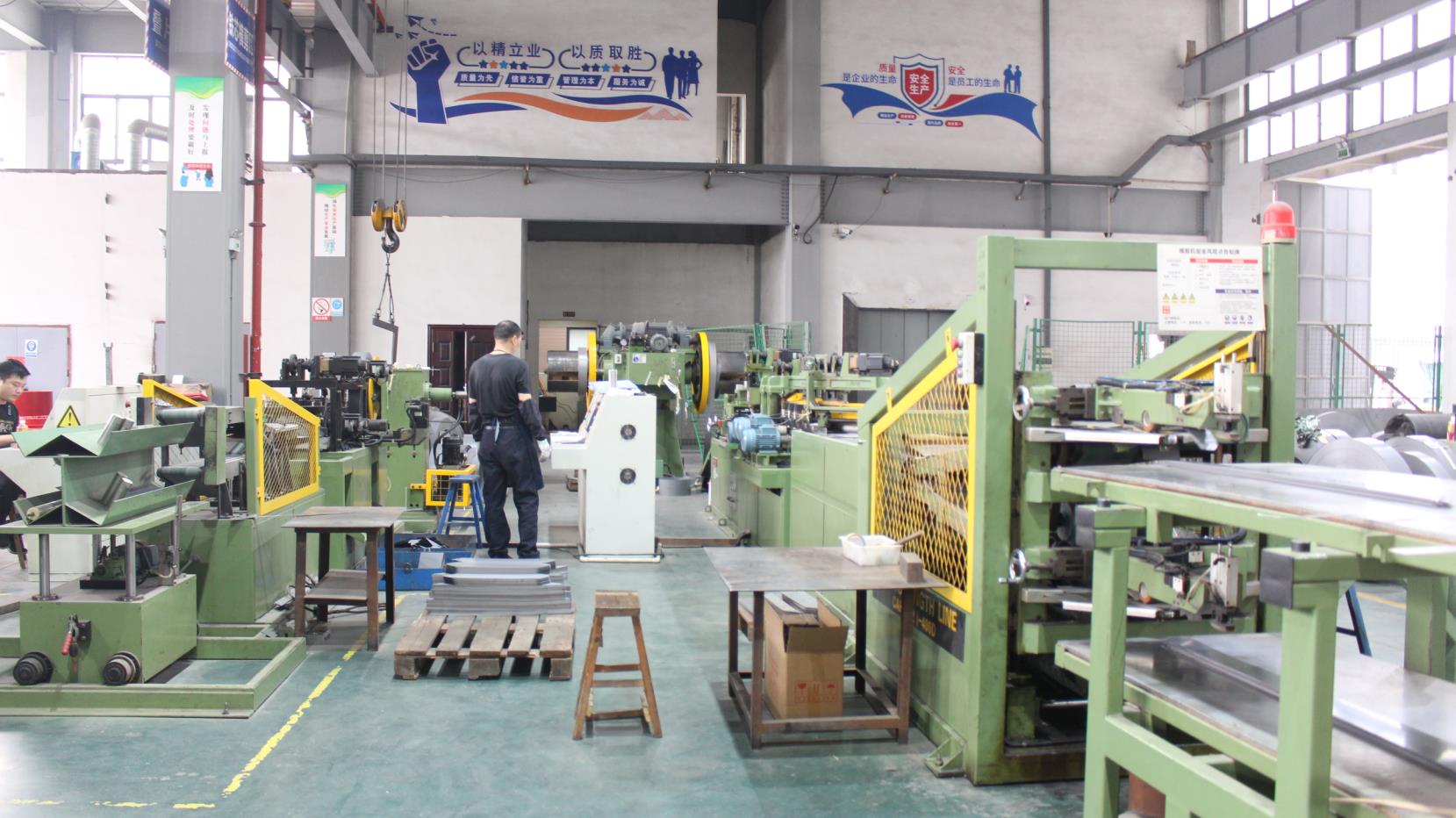
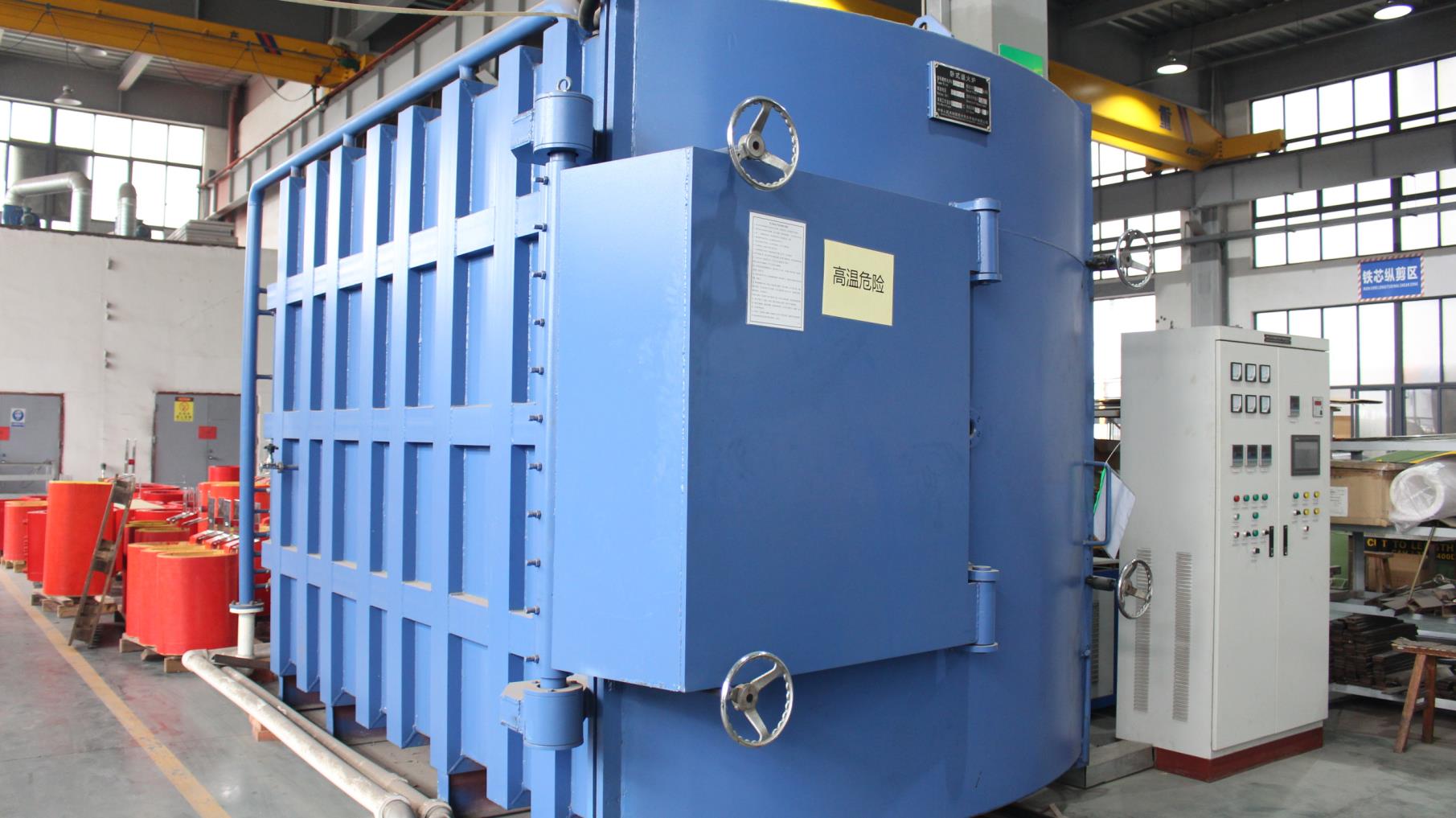
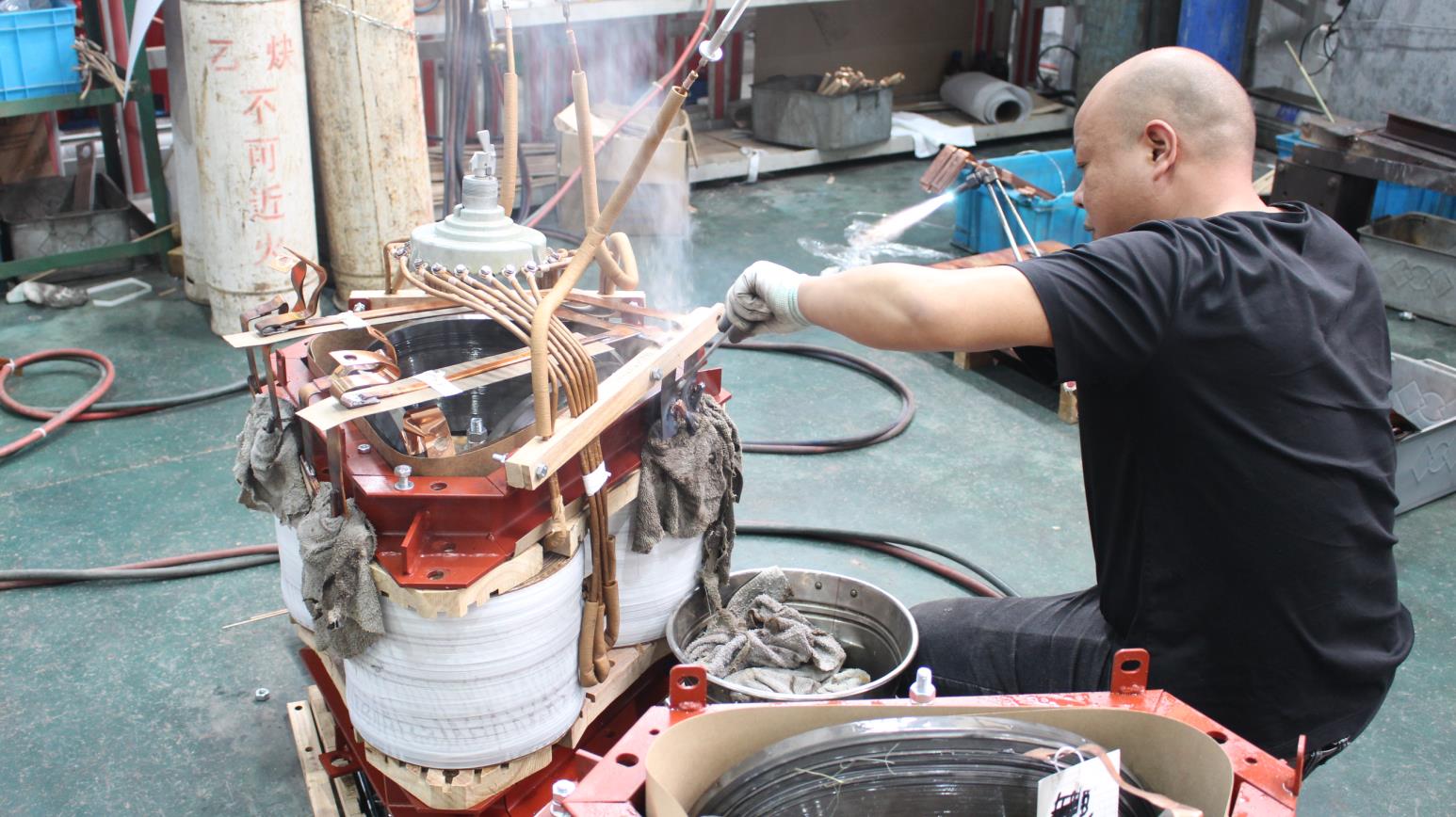
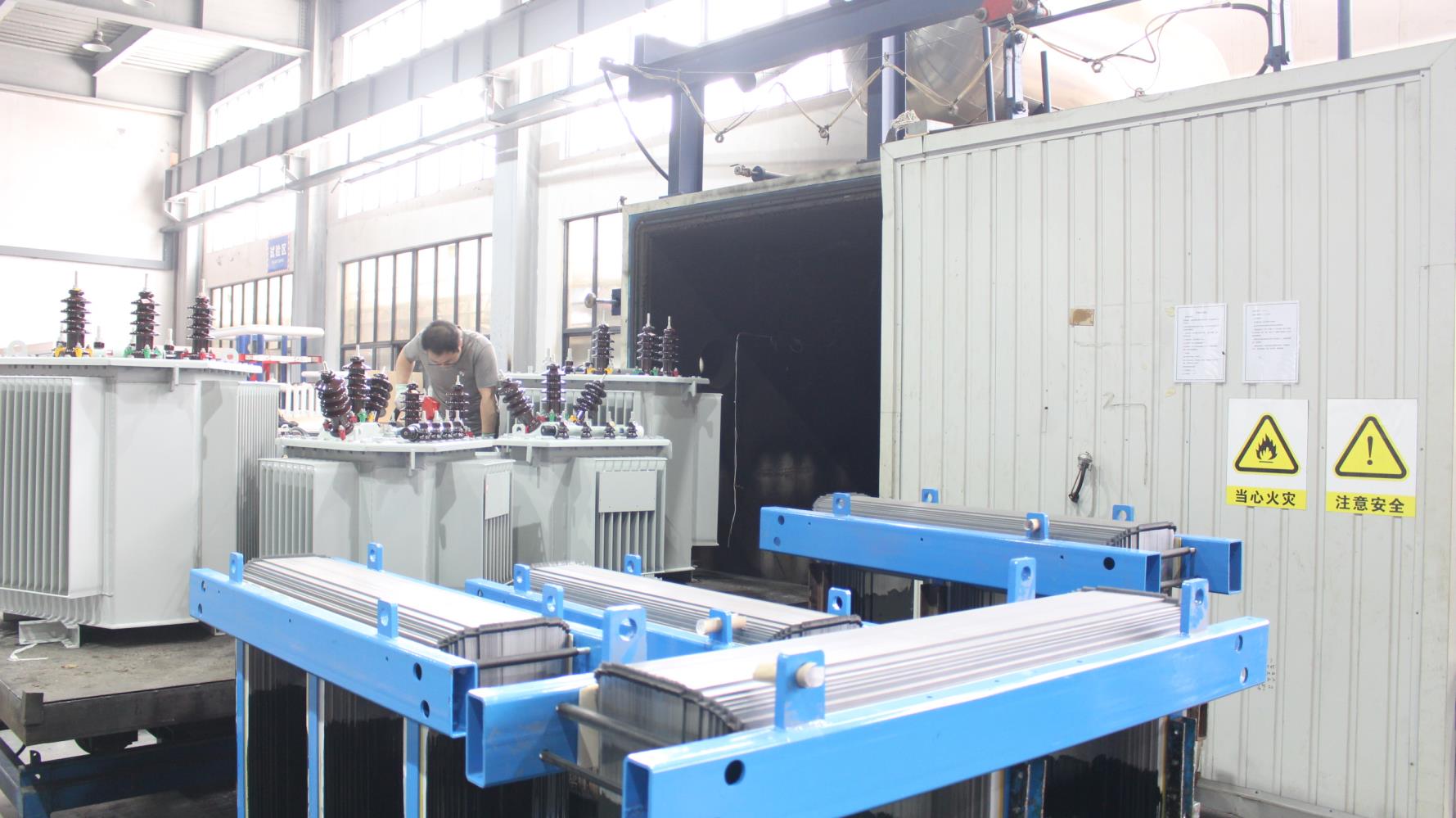
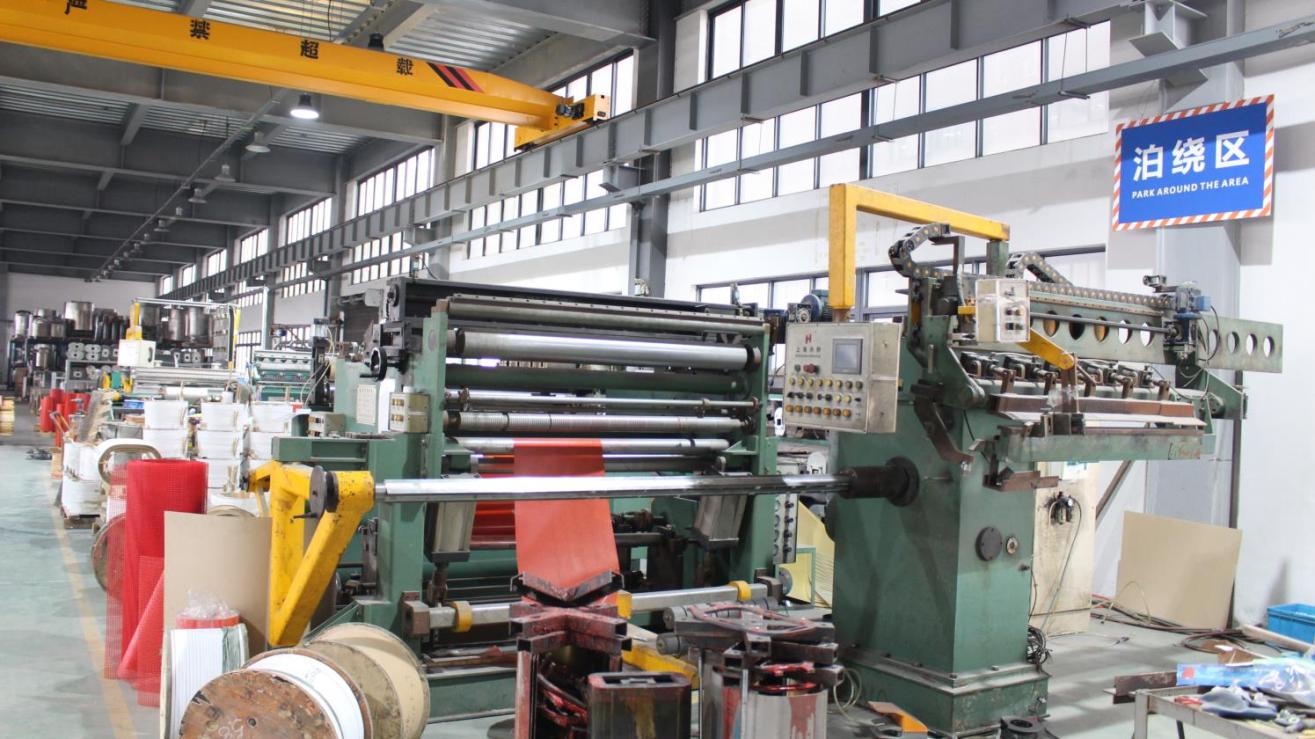
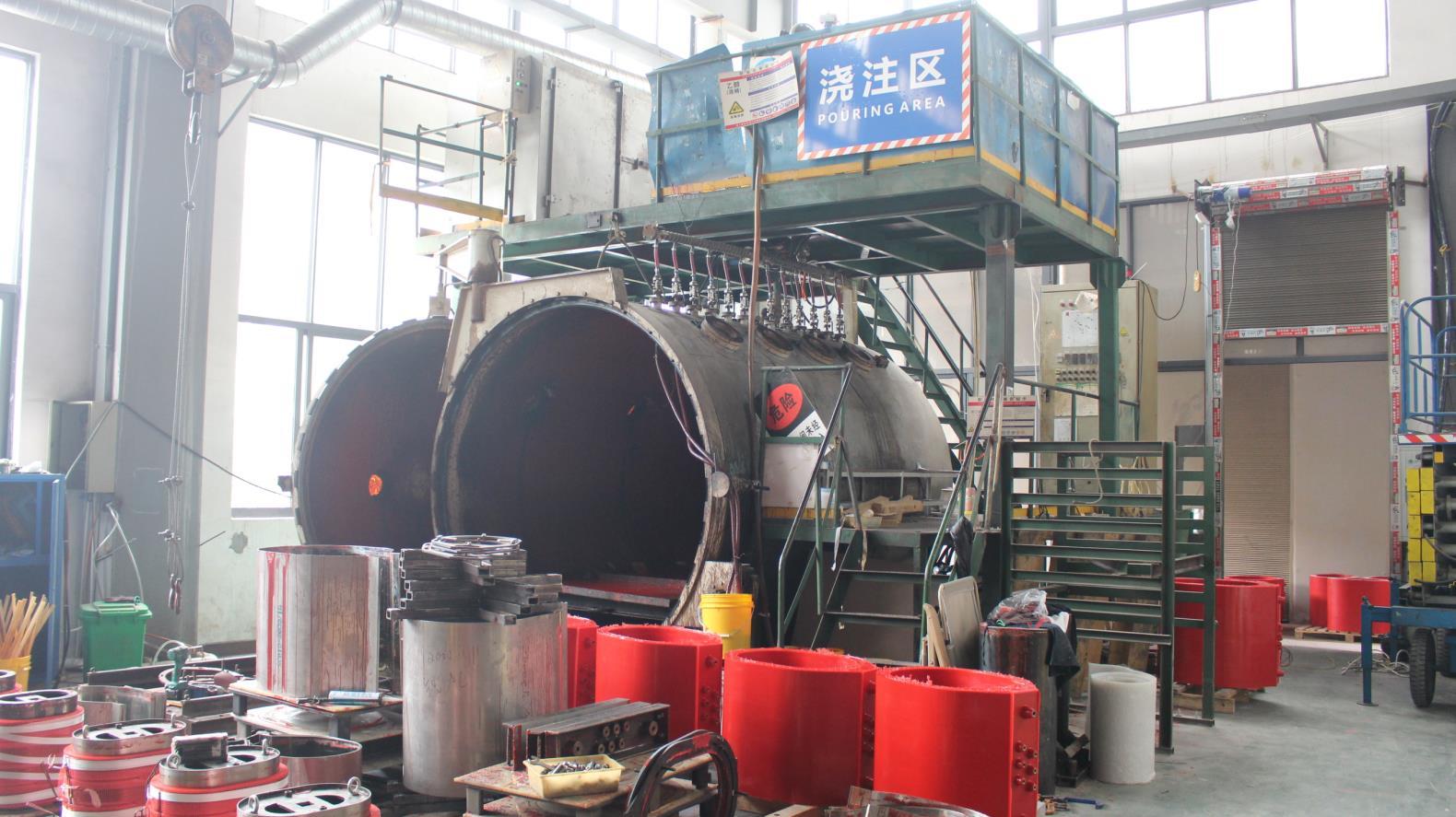
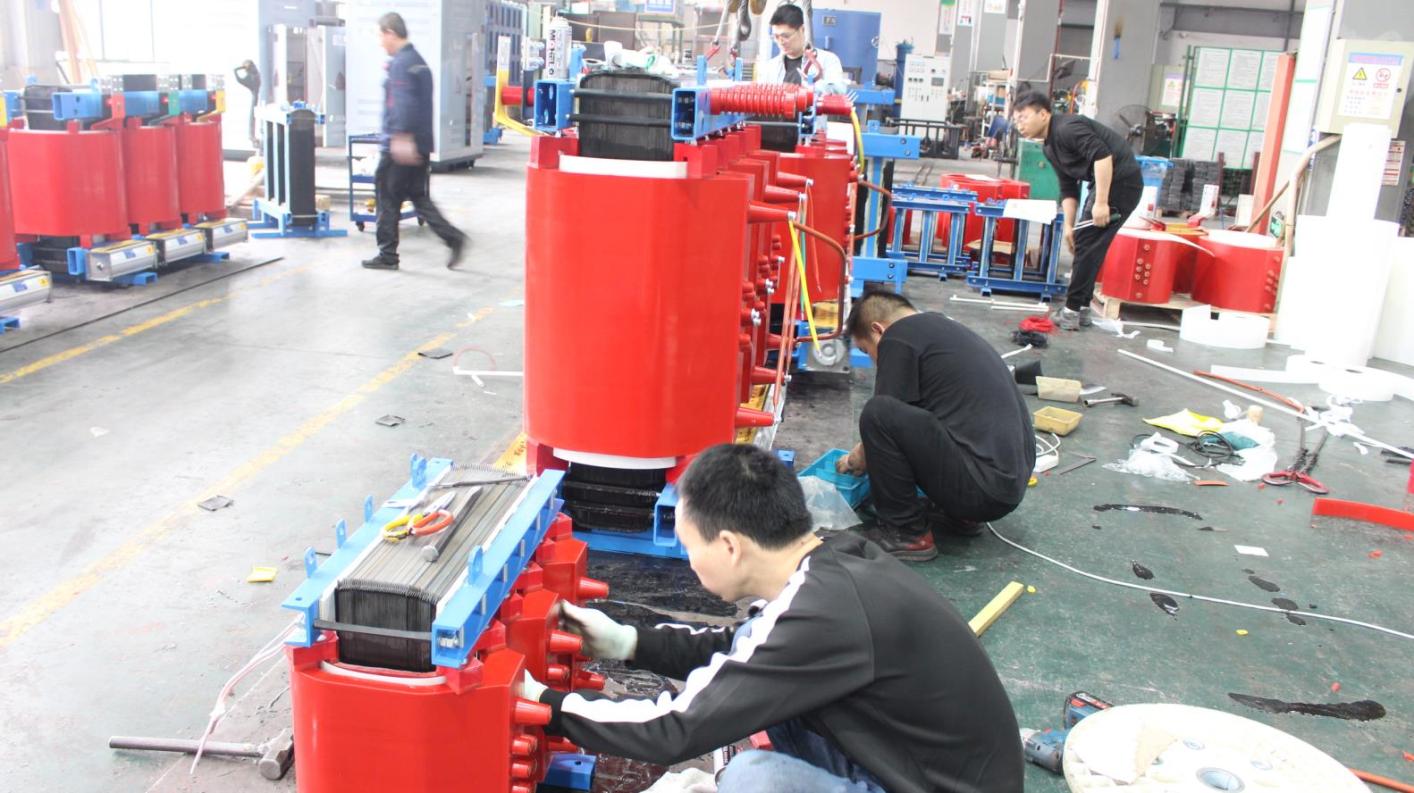
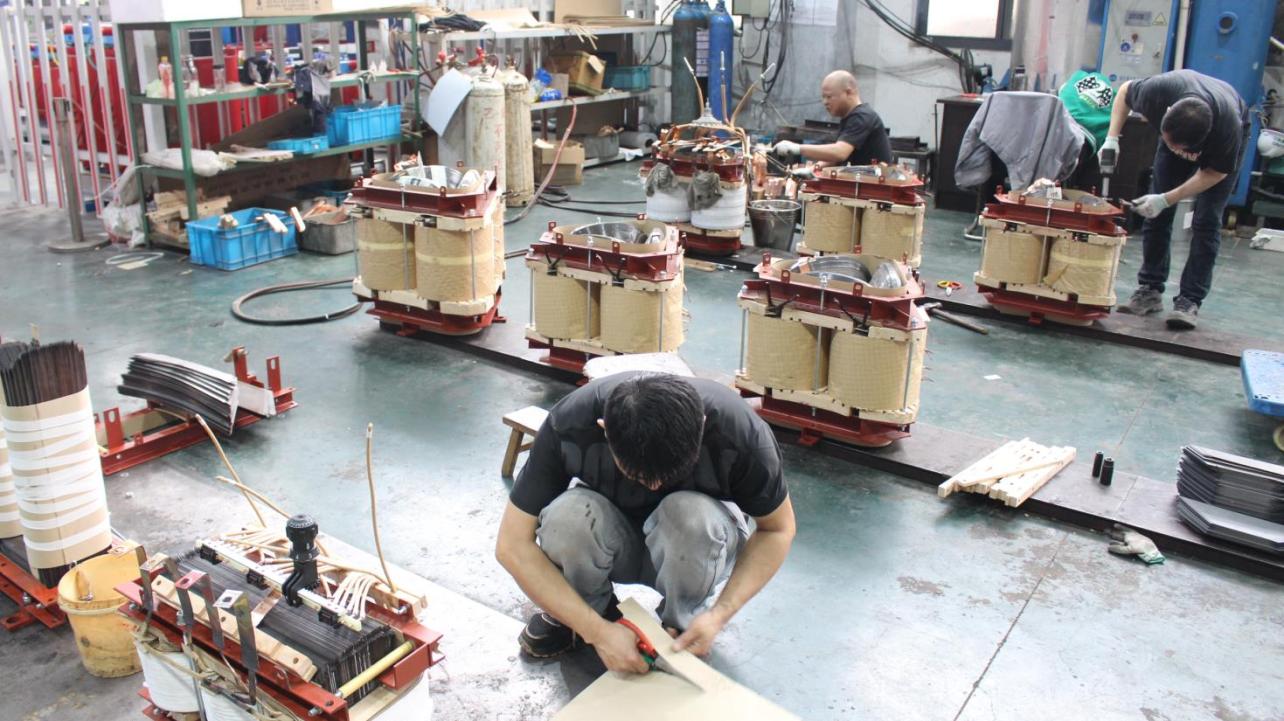
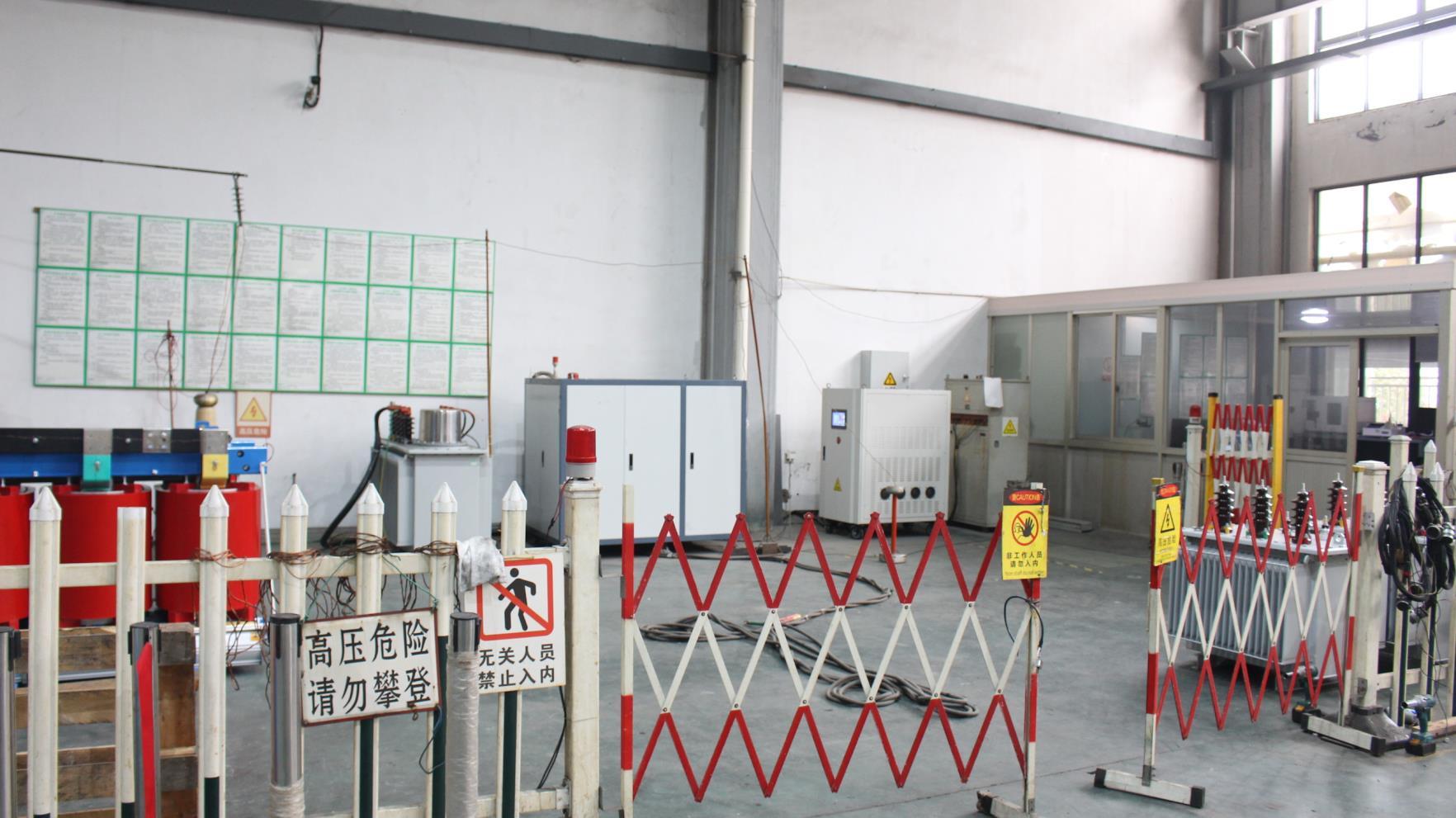
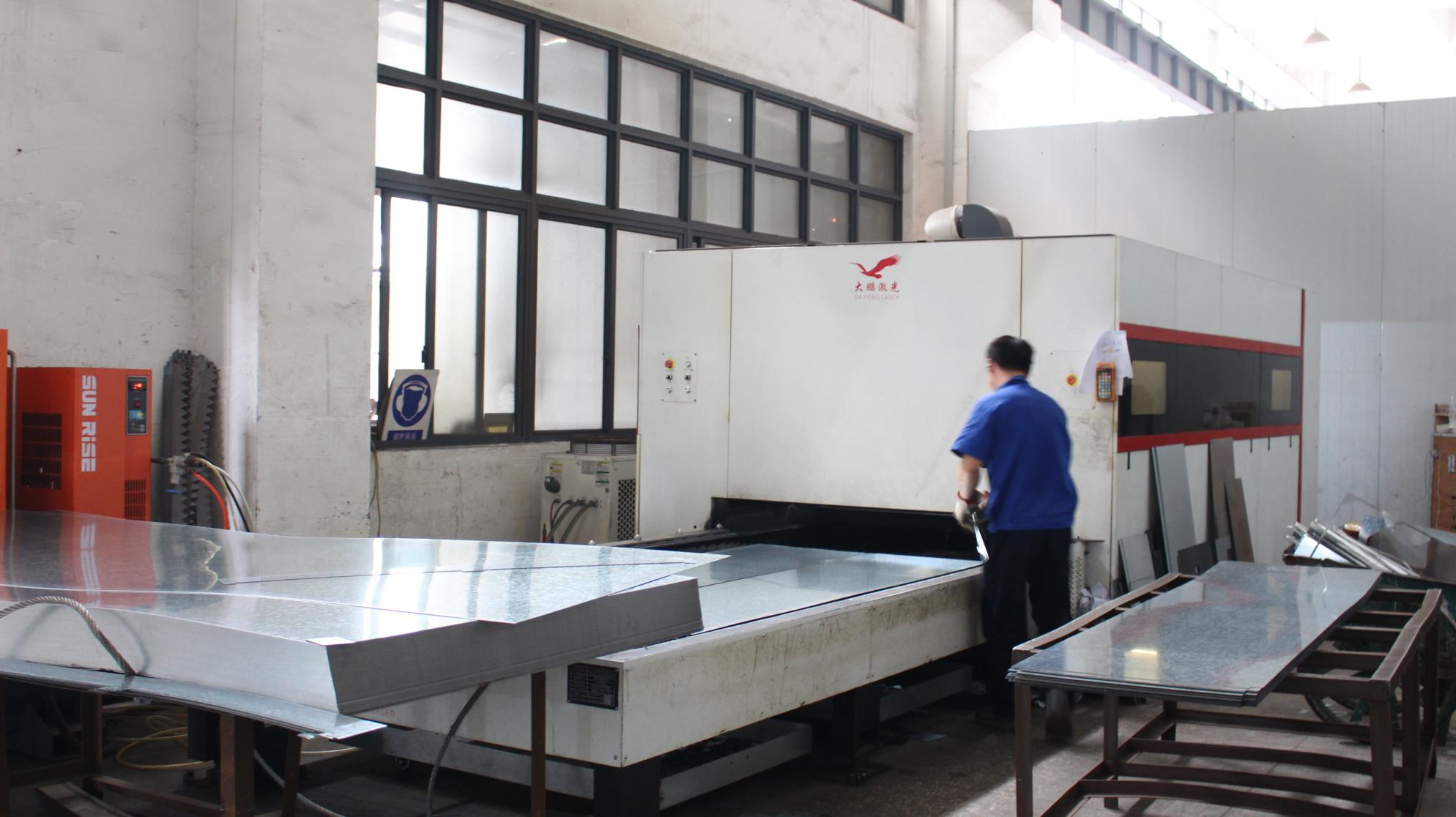
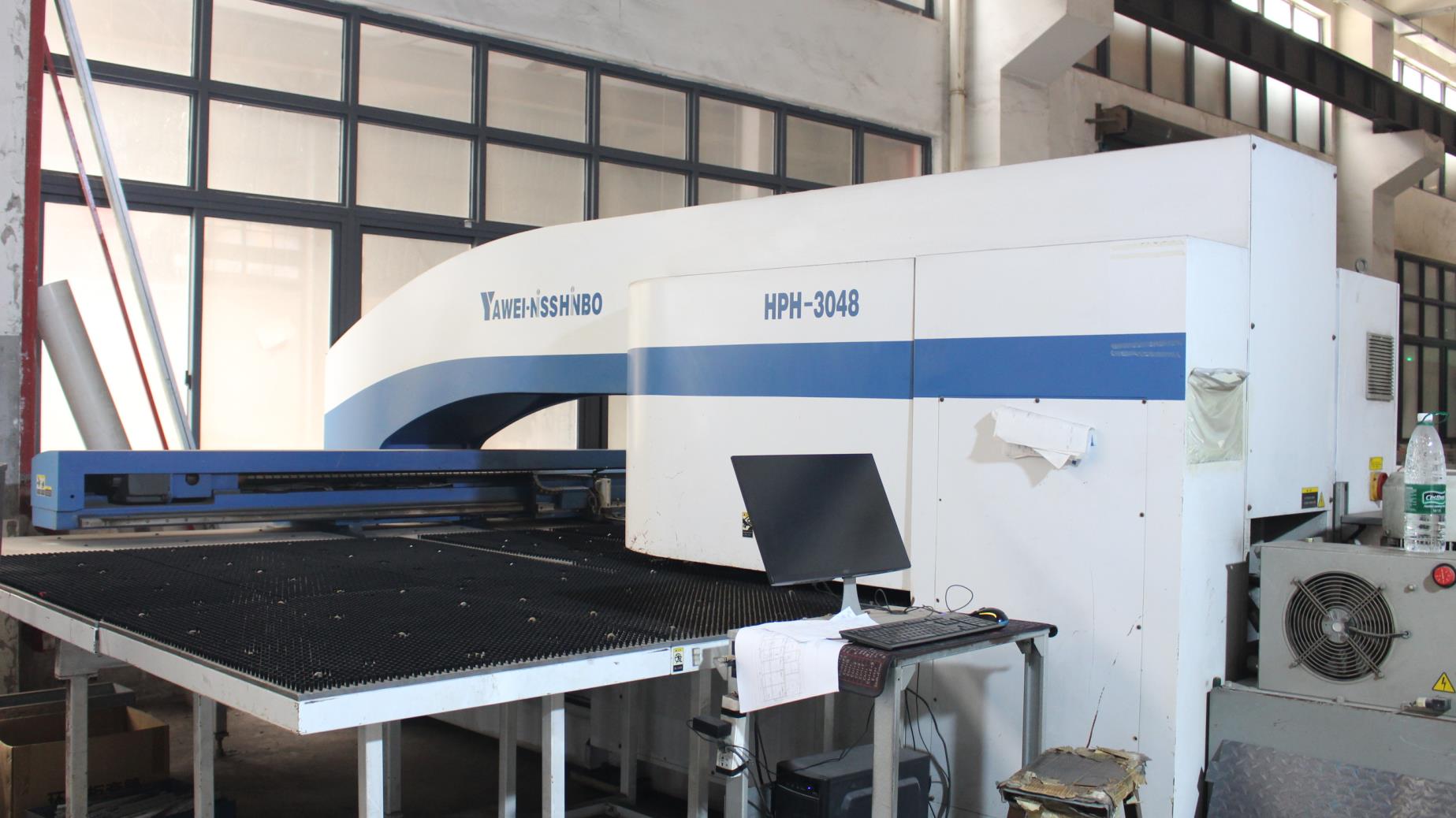
Zhejiang Zeno Electric Co., Ltd. is a national high-tech enterprise located in the manufacturing hub of Ningbo, China, with a registered capital of 52 million yuan. We integrate research and development (R&D), production, quality testing, and international distribution of advanced power equipment and smart energy storage platforms.
Rooted in Ningbo and supported by a highly specialized team of power engineers and thermodynamic technicians, Zeno Electric has successfully served national grids, municipal solar arrays, and high-energy-demand industrial sectors. Our commitment centers on maximizing power availability, safety, and long-term economic returns for our clients across the globe.
Our comprehensive engineering portfolio covers a broad spectrum of grid-stabilizing and heavy power systems. We focus on engineering high-density battery cabinets, high/low voltage complete power distribution setups, ring main units (RMU), smart EV charging infrastructures, and prefabricated transformer substations.
We provide comprehensive turnkey power engineering services up to 220kV. This includes system modeling, mechanical design, climate simulations, localized grid alignment, custom software integration (EMS/SCADA), international logistics, and comprehensive field commissioning.
Understanding the architectural choices when specifying utility BESS installations is crucial. Zeno Electric integrates class-A Lithium Iron Phosphate (LiFePO4) cell chemistry, widely recognized for high safety profiles, thermal stability, and deep depth-of-discharge (DOD) performance up to 95%. Below is the technology roadmap explaining how we configure systems for Uzbekistan's specific infrastructure challenges:
| Technical Feature | Air-Cooling Cabinet System | Liquid-Cooling Container System |
|---|---|---|
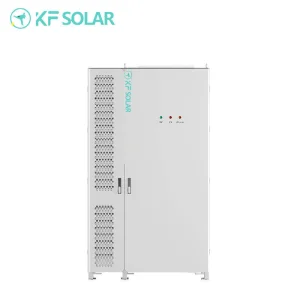
| Recommended Capacity | 50kWh - 250kWh | 500kWh - 5MWh+ |
| Thermal Deviation | < 5°C across cells | < 2.5°C across cells |
| Footprint Density | Medium footprint density | Ultra-high density (up to +35% saving) |
| Auxiliary Consumption | 10-15% of energy capacity | 6-8% energy consumption optimization |
| Best Use Case | C&I Peak Shaving, Backup, EV Stations | Utility-Scale PV/Wind Farms, Grid Stabilizing |
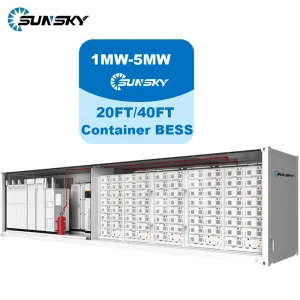
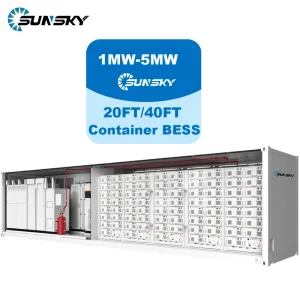
For large-scale arrays exceeding 1MW/2MWh, Liquid Cooling is our standard technical recommendation. By routing cooling plate channels containing water-glycol coolant directly under the cells, we eliminate internal hot-spots and maintain the temperature difference within 2.5°C. This level of control extends cell lifespan by up to 20%, ensuring the system reliably operates throughout its projected 15-year lifecycle in harsh climates.
Additionally, safety is enforced through multi-layer protection systems. Zeno systems are configured with double-action fire suppression: aerosol total-flooding inside the cabinets and localized gas suppression (Novec 1230 / FK-5-1-12) triggered at the battery rack level. Combined with a localized Battery Management System (BMS) offering three layers of electrical insulation monitoring and cell-level voltage checking, our units prevent thermal propagation before it can initialize.
For purchasing directors managing critical grid assets, compliance is non-negotiable. Every unit shipped from Zeno Electric's factory undergoes exhaustive factory acceptance testing (FAT) to ensure compliance with global certifications including IEC 62619, UL 9540A, CE-LVD, and UN 38.3 for battery transport safety.
Furthermore, we align our BESS integration with the strict local standards of Central Asian grid authorities. Our systems are engineered to facilitate rapid integration with JSC "National Electric Grid of Uzbekistan" communication systems through standardized Modbus TCP/IP, CAN bus, and DNP3 protocols. This simplifies local utility approvals and shortens grid interconnection lead times.
Logistics Efficiency: Ningbo to Uzbekistan Route Integration
Located in Ningbo, Zeno Electric leverages close proximity to one of the world's largest deepwater ports. For deliveries to landlocked Uzbekistan, we orchestrate intermodal rail transport via China-Europe block trains passing through the Alashankou/Khorgos land gateways. This direct rail route delivers complete containerized BESS arrays to Tashkent, Samarkand, or Bukhara within 18 to 22 days under strict temperature-monitored transport protocols.
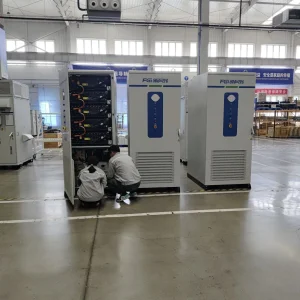
Our on-site commissioning services cover physical landing, high-voltage terminations, coolant charging, and control programming. Additionally, we provide localized technical support and diagnostic training to help local engineering teams manage monitoring, load shifting, and predictive maintenance schedules independently.
Technical details and procurement guidance for deploying energy storage systems in Central Asia.
Lithium Iron Phosphate (LiFePO4 or LFP) offers superior thermal stability, a longer cycle life (often exceeding 6,000 cycles at 80% Depth of Discharge), and zero risk of toxic gas emission under extreme heat. These characteristics make it ideal for Central Asia's hot summers, offering a safer alternative to other lithium chemistries.
Our containers are built using high-density thermal insulation panels (polyurethane sandwich structures) rated to withstand external ambient temperatures from -30°C to +55°C. For liquid-cooled configurations, the HVAC system automatically shifts between cooling and internal heating modes, maintaining cell core temperatures within the optimal 20°C to 30°C window.
Yes, our systems are designed to match international grid connection protocols. We program our Smart EMS and Power Conversion Systems (PCS) to support voltage ride-through, active reactive power control, and automatic frequency response to align with Uzbekistan's grid compliance requirements.
Typically, manufacturing and testing takes 45 to 60 days depending on the system's capacity. Cargo is then loaded into standard shipping configurations or directly onto rail flatbeds in Ningbo. Rail transit to Tashkent or adjacent logistics hubs typically takes about 20 days, followed by final road delivery to the project site.
Yes, we provide comprehensive installation guidance and testing services. Our engineers can supervise mechanical positioning, high-voltage wiring, sensor calibration, and software programming. Additionally, we provide complete operation manuals and training to enable local engineering teams to run the systems safely.
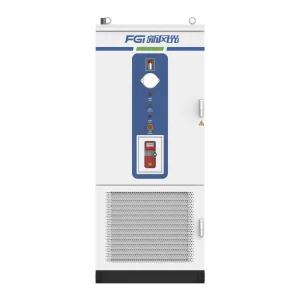
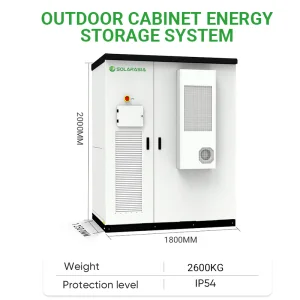
From commercial scale cabinets to multi-megawatt containers, select the right hardware platform for your industrial requirements.
 Zeno Electric