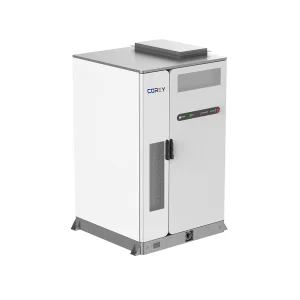
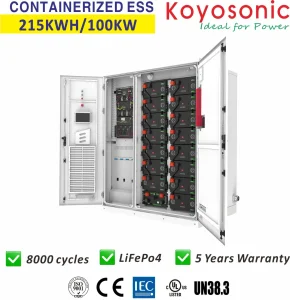
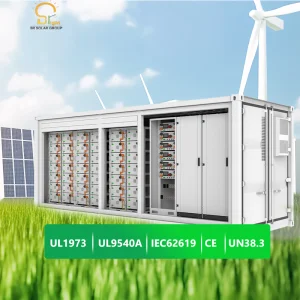
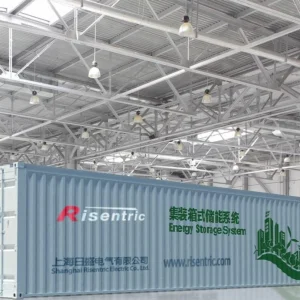
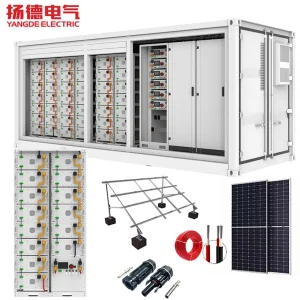
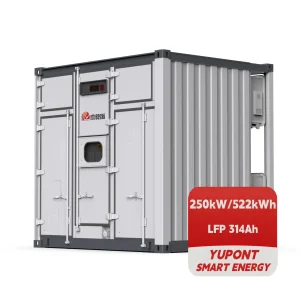
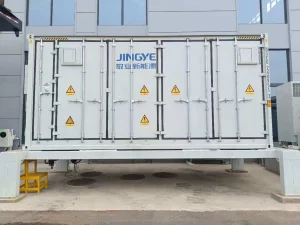
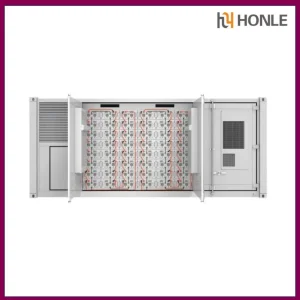
Explore our highly integrated, pre-engineered container systems designed for commercial, industrial, and utility-scale deployments globally.
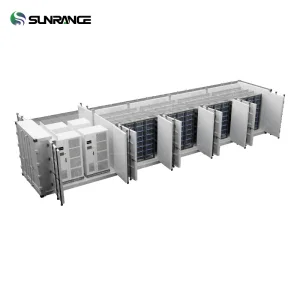
The global transition towards decentralized renewable energy has made grid instability a major challenge. Containerized Battery Energy Storage Systems (BESS) are essential solutions, providing utility-scale capacity, frequency regulation, and peak-shaving capabilities to stabilize grid operations.
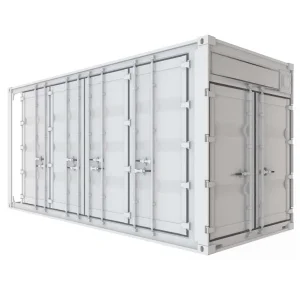
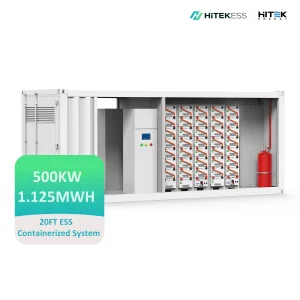
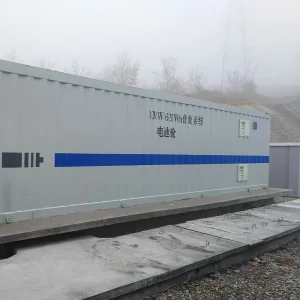
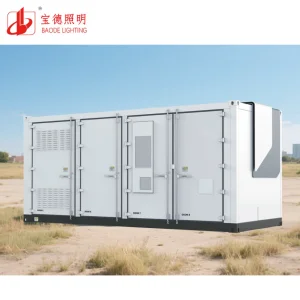
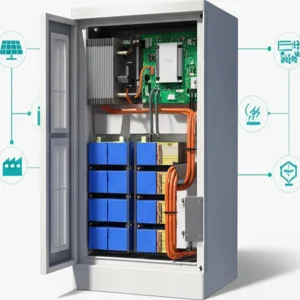
These systems pack lithium-ion batteries, liquid cooling loops, fire suppression, Power Conversion Systems (PCS), and smart Energy Management Systems (EMS) into standard 10ft, 20ft, or 40ft ISO shipping containers. This plug-and-play setup simplifies on-site engineering, reduces installation time, and provides high energy density with small physical footprints.
Modern systems rely on lithium iron phosphate (LiFePO4) chemistry because of its thermal stability and long lifecycle. By using high-capacity cells (such as 280Ah and 306Ah) alongside liquid cooling thermal management, modern containerized systems run at stable temperatures, preventing thermal runaway while improving round-trip efficiency (RTE) up to 90%.
Zhejiang Zeno Electric Co., Ltd. is a national high-tech enterprise located in Ningbo, with a registered capital of 52 million yuan. The company integrates research and development (R&D), manufacturing, sales, and service of advanced power equipment and energy systems.
Rooted in Ningbo and supported by a strong engineering and technical team, Zeno Electric has steadily expanded its business across China and international markets. Through continuous innovation and quality-driven development, the company has become a trusted provider in the power and energy industry, with growing influence in both utility and industrial sectors.
With a focus on sustainable development and smart energy transformation, we are committed to delivering safe, efficient, and intelligent power solutions that support the global transition toward cleaner and more digitalized energy systems.
As both a manufacturer and turnkey EPC service provider, we bridge the gap between high-performance battery systems and robust high-voltage grid connections. Our engineering expertise covers every stage of the process, from cell balancing to 220kV substations, ensuring your storage project connects safely and efficiently to the grid.
In-house development of custom BMS, EMS, and distribution controls to guarantee seamless component compatibility.
Certified containers shipped to strict compliance markets across Europe, North America, and Southeast Asia.
A global perspective on how engineering requirements, technological advances, and safety regulations impact procurement strategies.
The industry is moving from 1000V DC configurations to 1500V DC architectures. This increase reduces cabling costs, increases system density, and boosts Power Conversion System (PCS) efficiency by up to 1.5%.
Liquid cooling is fast becoming the standard for projects over 1MWh. Liquid-cooled plates deliver uniform heat distribution, prevent hot spots, and reduce auxiliary energy consumption, significantly improving overall system lifetime.
International procurement requires strict compliance with standards like NFPA 855, UL 9540A, and IEC 62933. Certified thermal propagation limits must prevent combustion from spreading between neighboring cells.
We design, engineer, and manufacture complete power distribution equipment, advanced energy storage systems, and medium-to-high voltage grid infrastructure.
Zhejiang Zeno Electric Co., Ltd. specializes in power equipment and integrated energy system solutions. Our product portfolio covers a wide range of advanced technologies, including:
In addition, we undertake turnkey power engineering projects up to 220kV, providing end-to-end services that include system planning, engineering design, equipment manufacturing, installation, commissioning, and long-term maintenance.
To better serve diverse customer needs, we offer fully customized, one-to-one energy solutions tailored to specific project requirements. Our integrated service model helps clients:
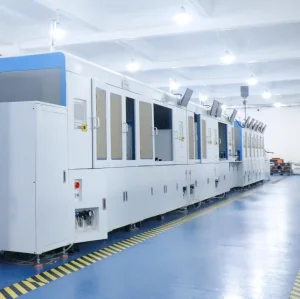
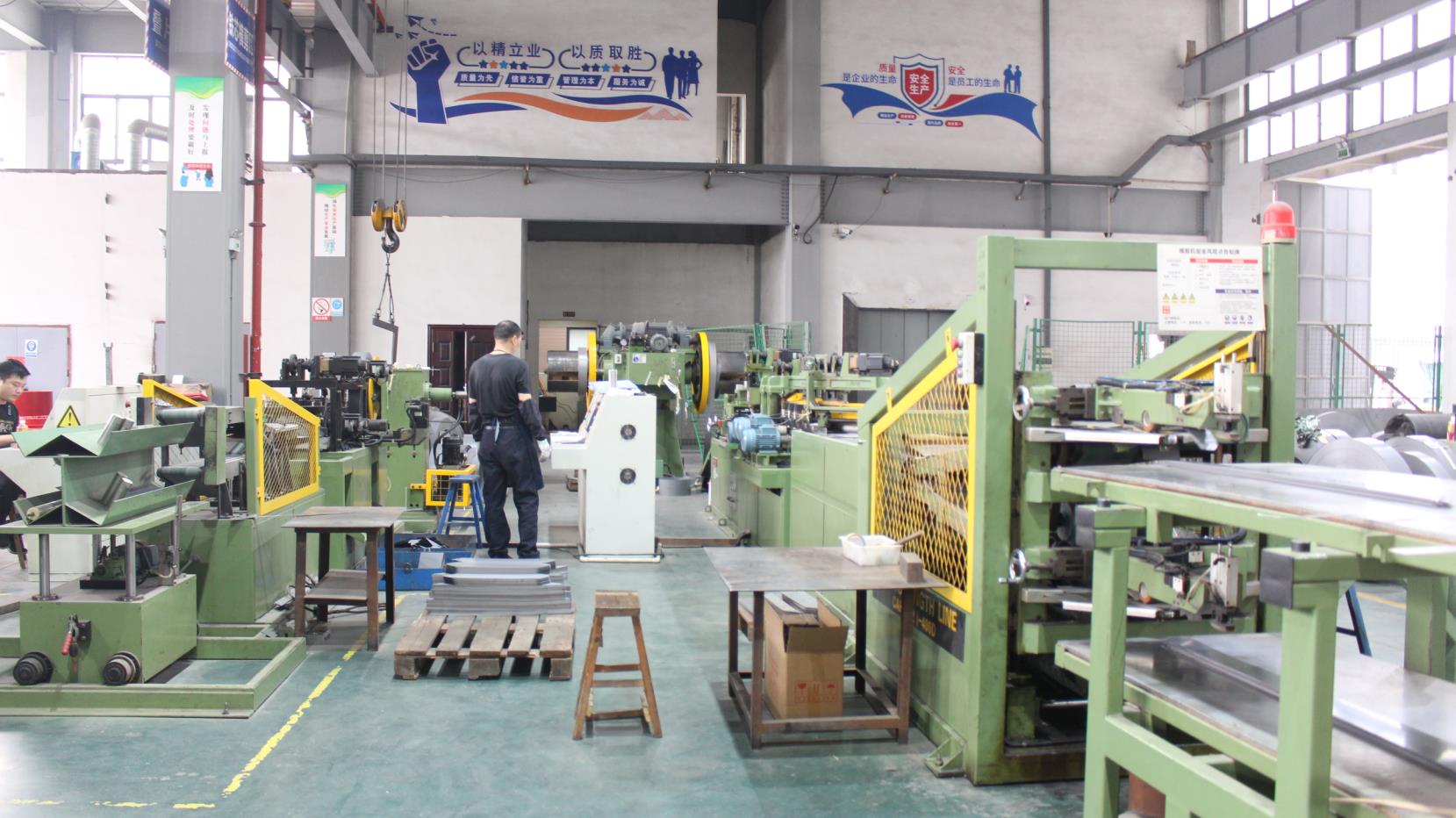
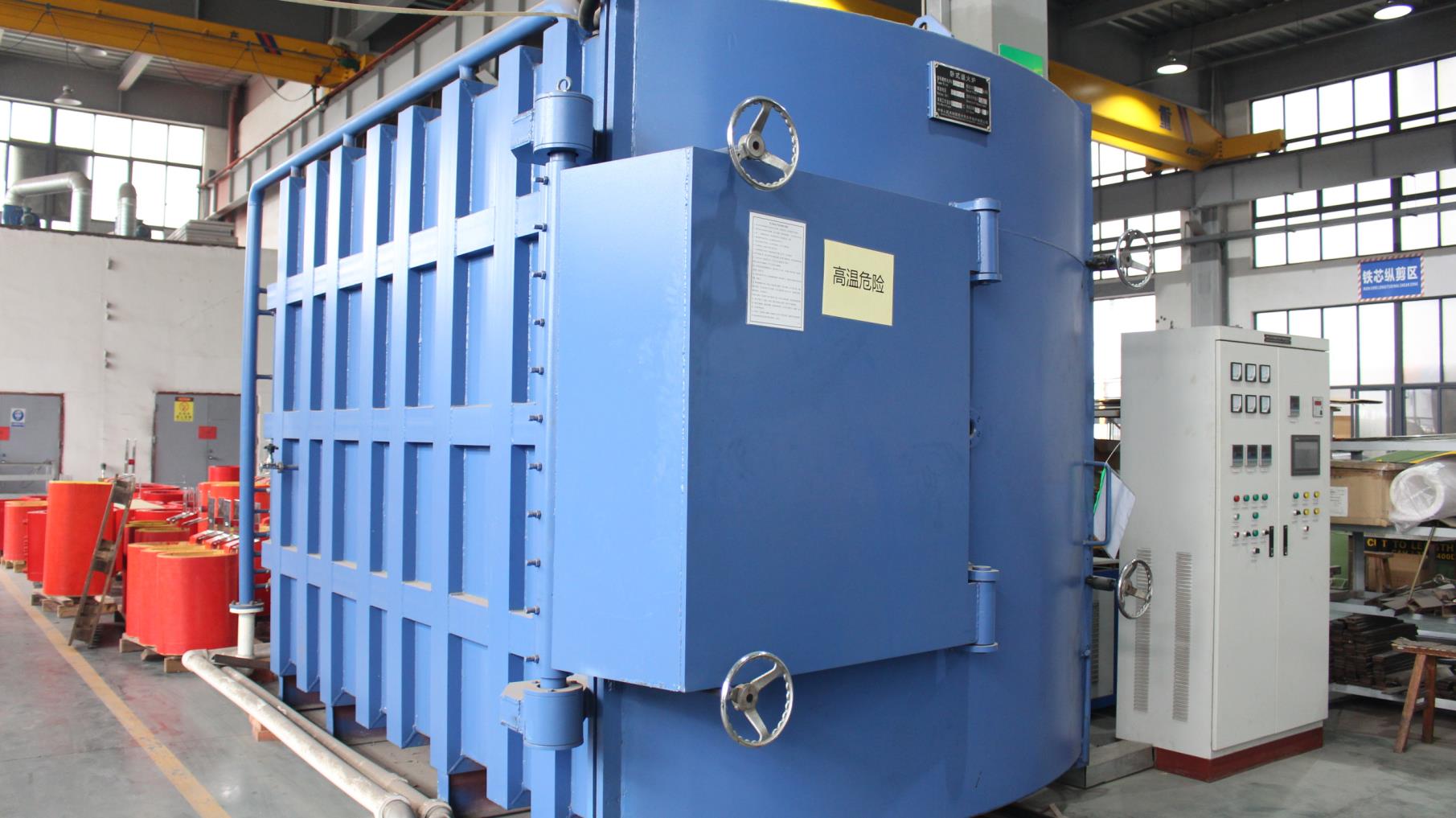
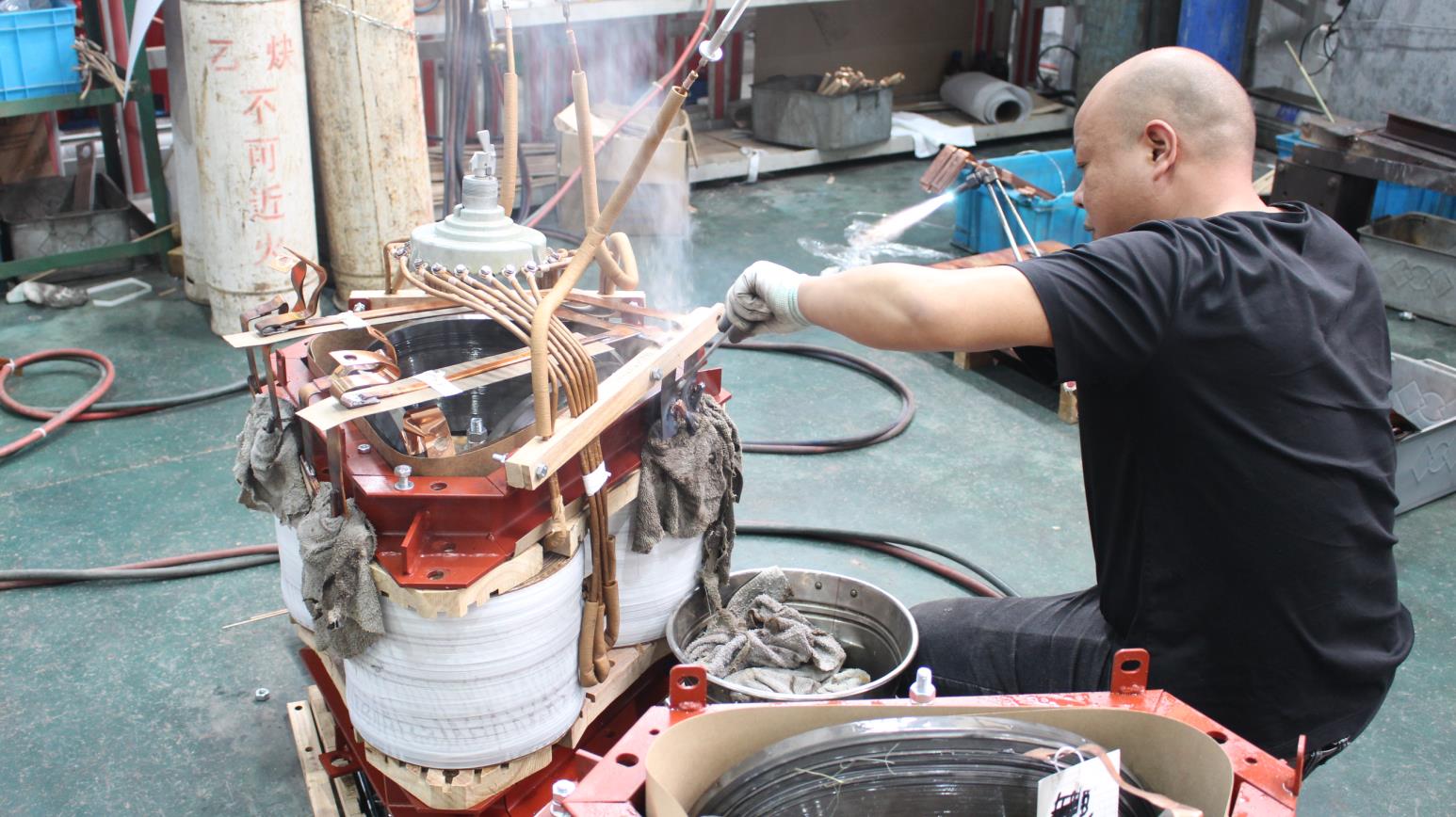
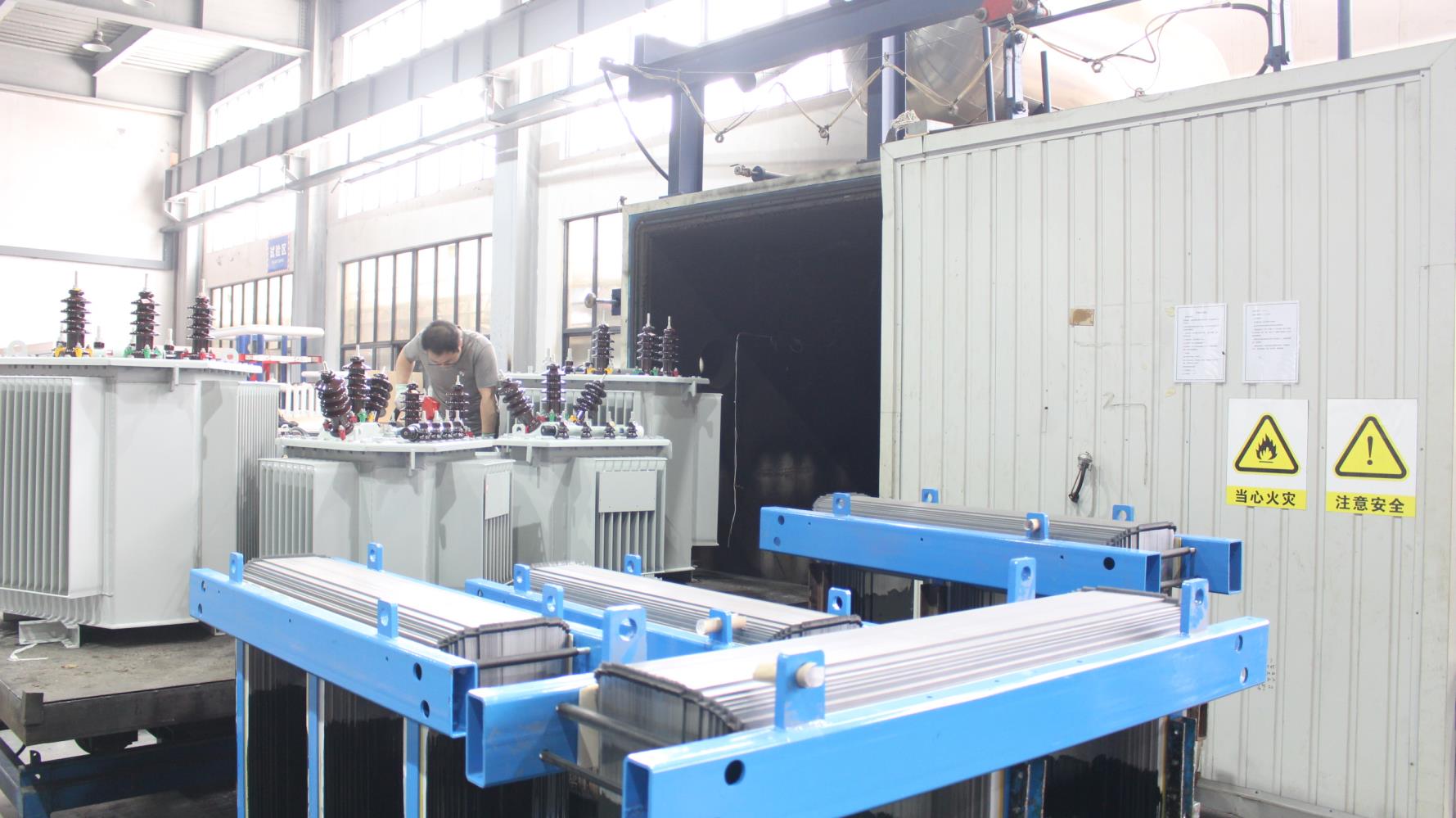
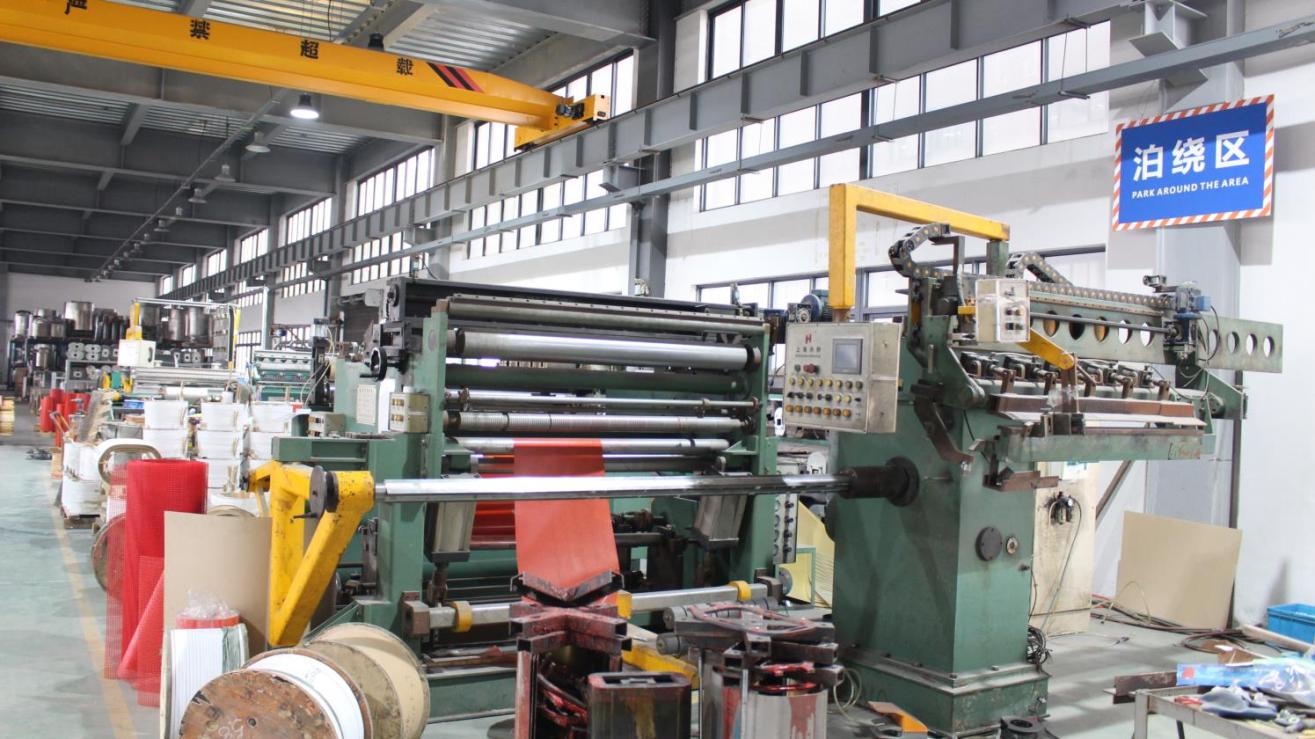
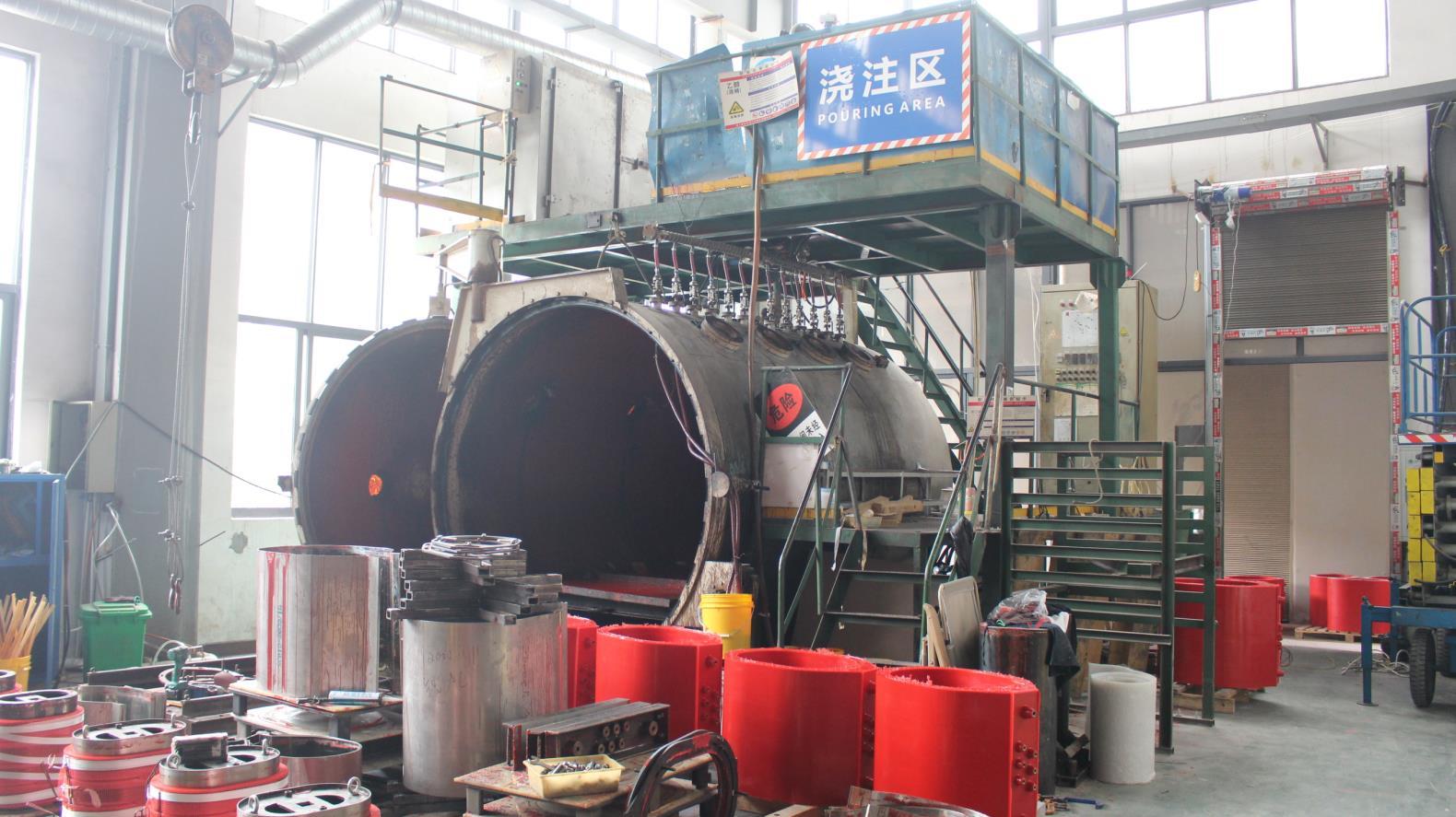
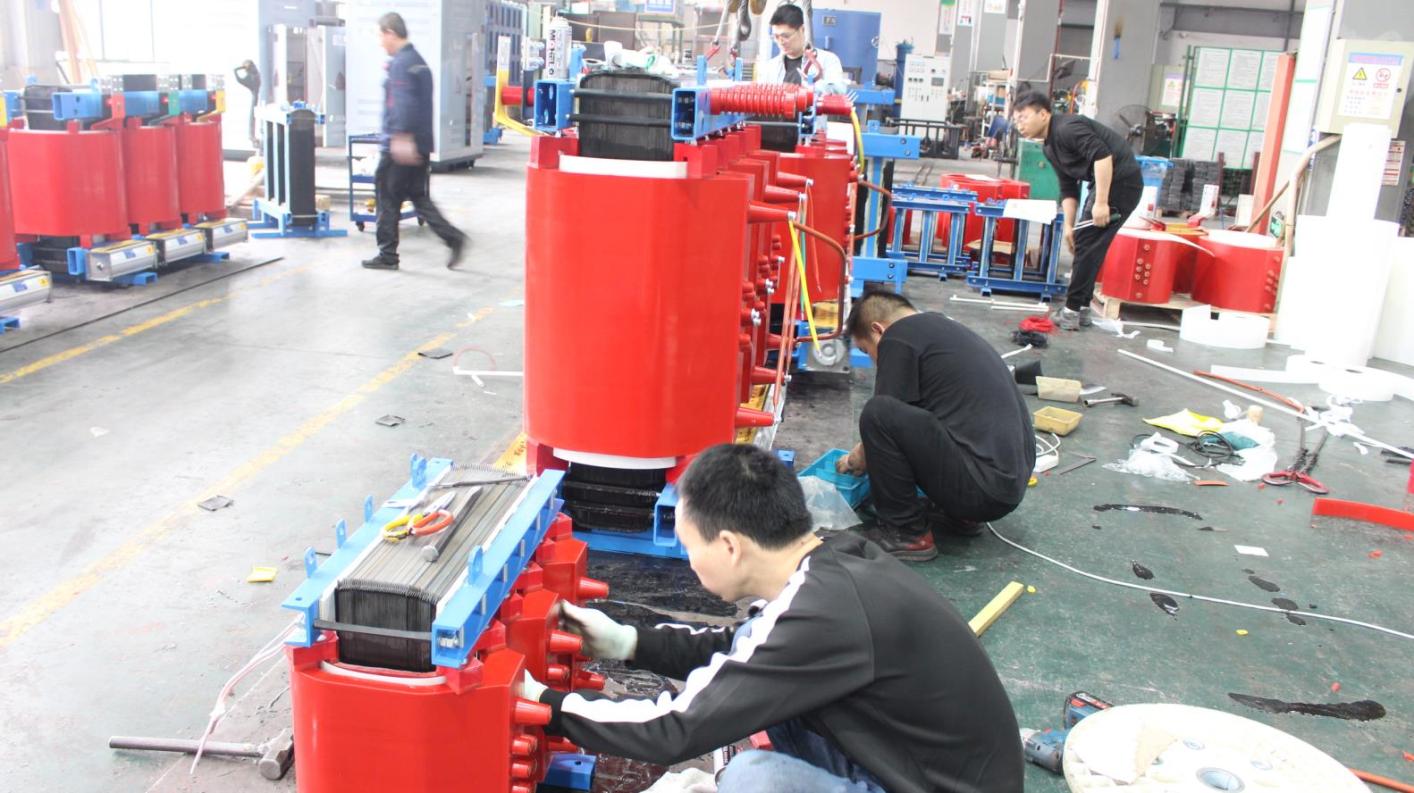
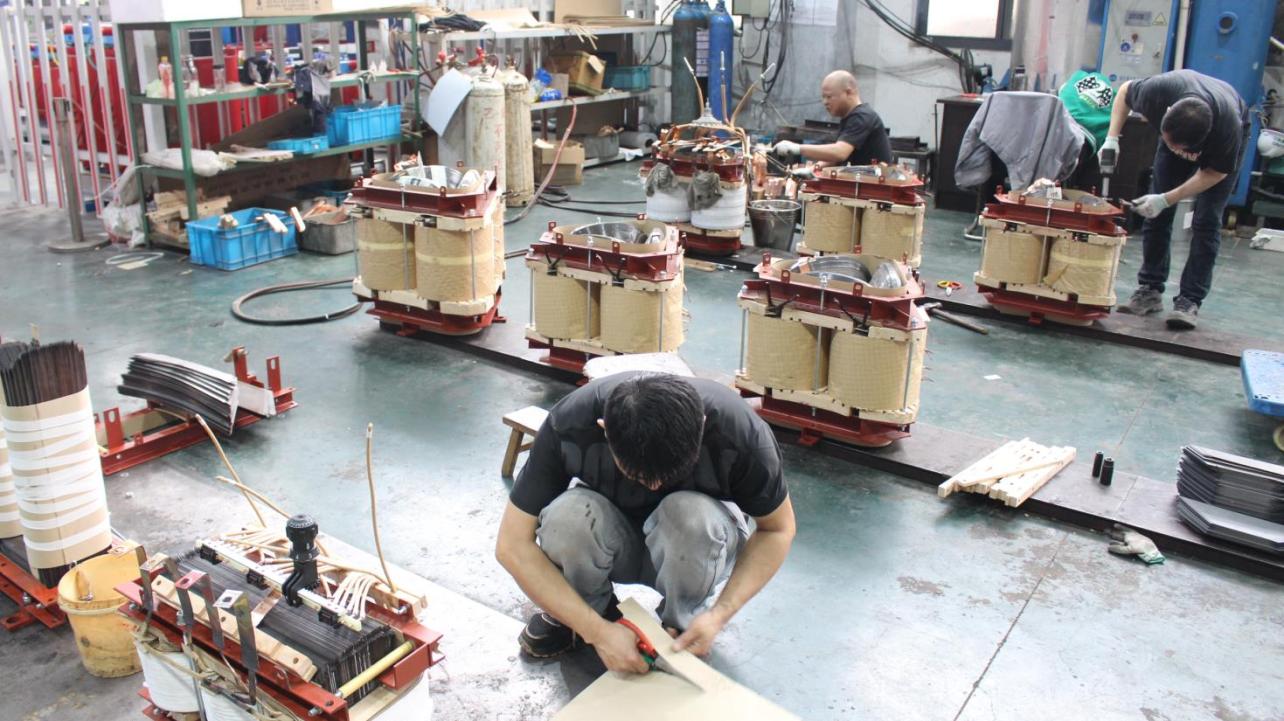
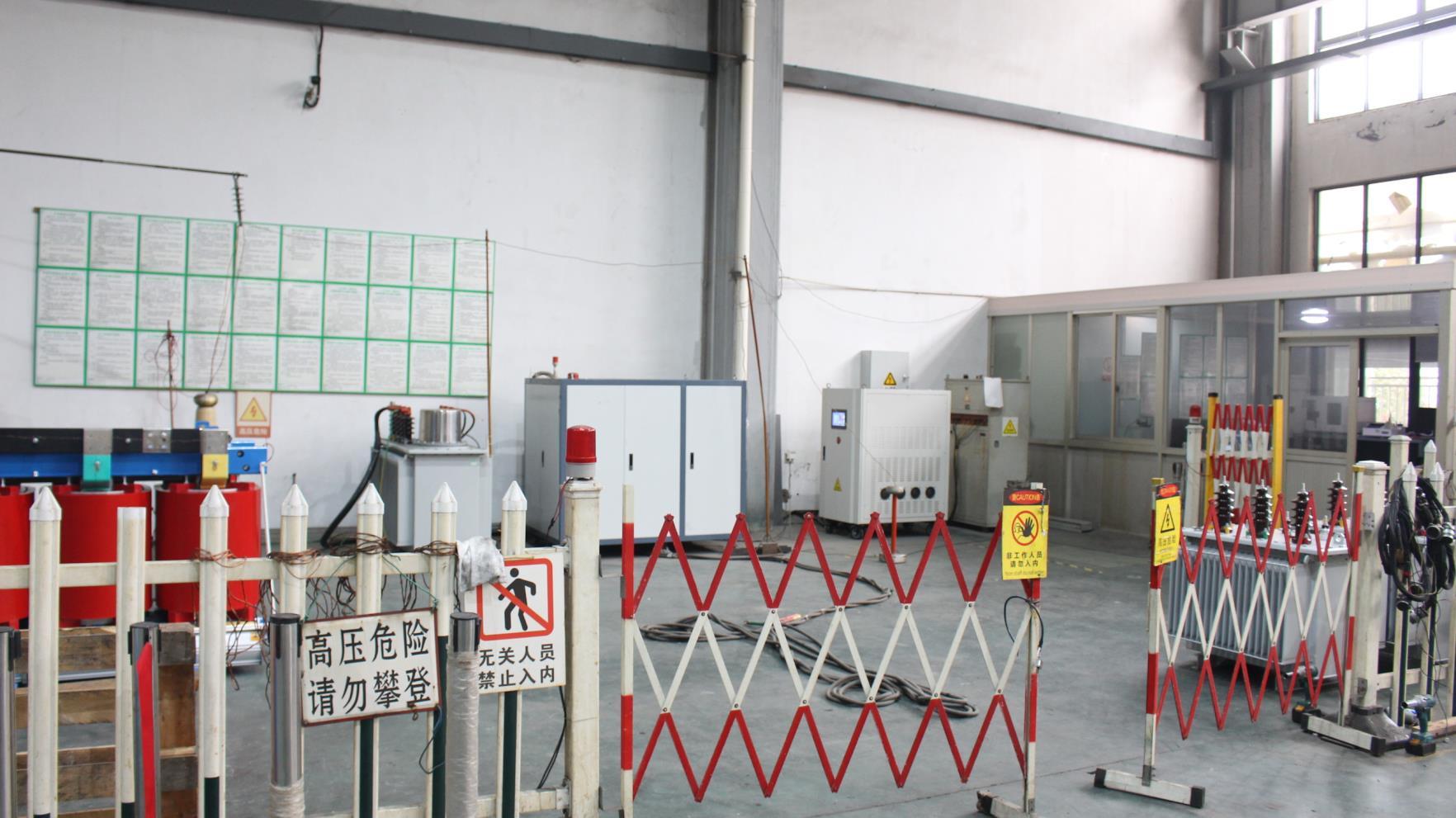
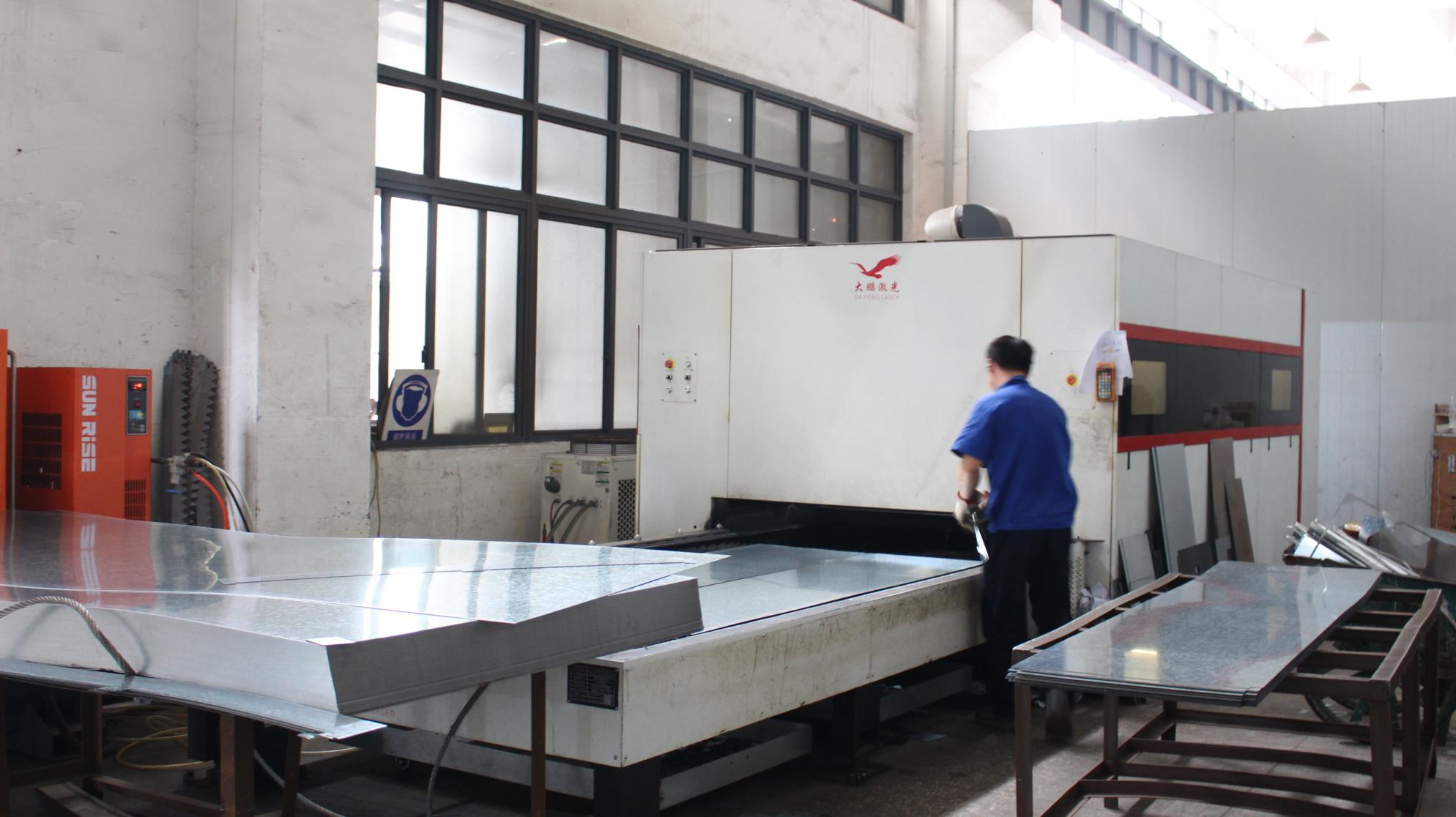
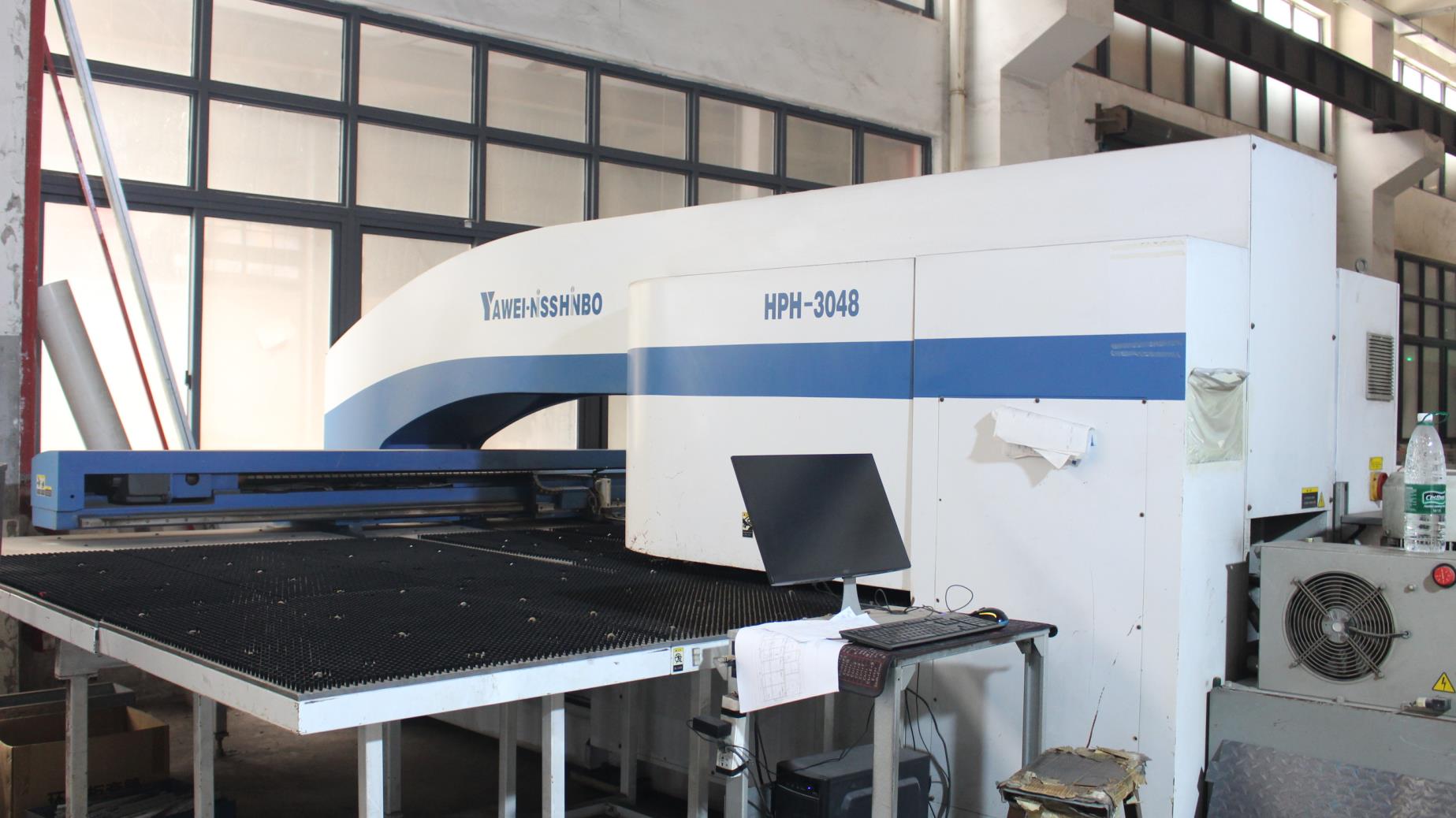
Our ISO-certified facility features advanced metal shearing, automated coil winding, vacuum drying, and rigorous insulation testing, ensuring high-quality manufacturing at every step.
Connecting containerized storage to the electrical grid requires navigating complex, localized regulations. Utility operators require strict control over system metrics like low-voltage ride-through (LVRT), total harmonic distortion (THD), and active/reactive power response times.
We design our BESS platforms to support modern grid codes around the world, including standard European EN 50549 regulations and North American IEEE 1547 parameters. Our Power Conversion Systems (PCS) can be adjusted to match local grid dynamics, protecting equipment from voltage spikes and grid disturbances.
Beyond equipment delivery, we provide field engineering support. We help our clients manage the permitting, inspection, and local utility approval processes, ensuring compliance with building, environmental, and fire codes.
| Standard | Application Area | Target Market |
|---|---|---|
| IEC 62619 / 62933 | Cell Safety & System Performance | Global / Europe |
| UL 9540 / 9540A | Fire Safety & Thermal Runaway Test | North America |
| NFPA 855 | Installation & Fire Protection Standards | North America |
| CE Directive | Electrical Safety & EMC Compliance | European Economic Area |
Our engineering team continuously adapts to market demands, integrating advanced thermal management, solid-state chemistries, and AI-driven control software into our product designs.
We are designing platforms built for next-generation LFP cells (up to 314Ah+) and exploring solid-state alternatives. These high-capacity designs increase volumetric energy density, enabling up to 6MWh within a standard 20-foot container.
Our software team is developing AI-driven Energy Management Systems. These systems monitor cell degradation, coordinate load shifting, and optimize charging based on real-time electricity pricing to maximize project return on investment.
We are expanding our product range to include hybrid storage options. These systems pair high-capacity batteries with supercapacitors or hydrogen fuel cells, delivering both rapid peak response and long-duration storage.
Detailed engineering explanations to help you make informed procurement decisions.
Air cooling uses HVAC systems to circulate cooled air through battery racks, which works well for low-power or highly intermittent projects. Liquid cooling circulates fluid directly through plates mounted next to the cells. This provides far more uniform heat dissipation, maintains cell temperatures within a narrow range (usually <3°C difference), and extends battery lifetime, making it the preferred option for high-density, multi-megawatt installations.
We use a multi-tiered safety approach. The base layer uses inherently stable LiFePO4 cell chemistry. Next, our smart Battery Management System (BMS) continuously monitors cell voltage and temperature, shutting down system components if abnormal readings are detected. Finally, standard containers are equipped with off-gas detection (detecting carbon monoxide and hydrogen gas early) and automatic aerosol or gas fire suppression systems to meet NFPA 855 and UL 9540A codes.
Yes. Our containerized systems are rated to IP54/IP55, providing protection against dust and moisture. For hot environments, integrated liquid cooling and climate control maintain optimal internal temperatures. For freezing conditions, internal heating pads warm the batteries before charging begins, preventing damage and maintaining performance down to -30°C.
We provide full customization, including custom battery chemistries, adjustable container dimensions, specific PCS voltages (such as 400V, 480V, and medium-voltage transformer couplings), and EMS software customized for local grid regulations. We also design systems to meet specific certifications required by regional markets, including CE, UL, and IEC standards.
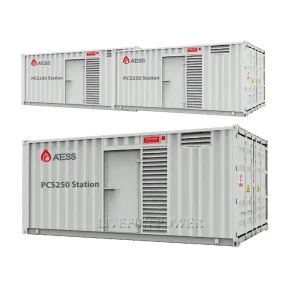
Explore our additional pre-engineered options, ranging from compact hybrid configurations to high-capacity industrial systems.
 Zeno Electric