Explore our core tier-one sustainable power systems engineered to meet international safety and operational efficiency standards.
The global transition towards carbon neutrality by 2050 has catalyzed an unprecedented surge in demand for sustainable power solutions. According to the International Energy Agency (IEA), global renewable energy capacity must triple by 2030 to align with Paris Agreement goals. This transition has shifted the electrical power paradigm from centralized, fossil-fueled generation to decentralized, weather-dependent renewable energy sources. This massive influx of intermittent wind and solar power has made the integration of advanced grid equipment, smart substations, and utility-scale Battery Energy Storage Systems (BESS) a non-negotiable imperative for grid stability.
Legislative frameworks such as the Inflation Reduction Act (IRA) in the United States, the REPowerEU plan in the European Union, and China's comprehensive "1+N" policy system for reaching Peak Carbon and Carbon Neutrality are channeling billions in investments toward electrical equipment manufacturing. Today's manufacturing factories are no longer merely assembling components; they are designing integrated energy management environments featuring artificial intelligence (AI), thermal management systems, and robust safety mitigations to secure critical grid architectures.
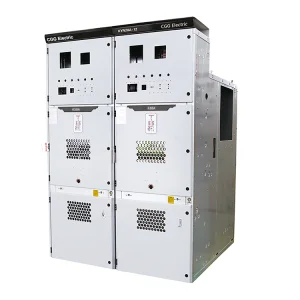
Within this ecosystem, the demand for high and low voltage distribution switchgears, liquid-cooled battery storage systems, and step-up wind/solar substations has reached an all-time high. To maintain competitiveness, modern sustainable power solutions factories must exhibit advanced levels of engineering competency, strict quality control procedures, and deep compliance with international testing frameworks such as IEC, CE, and GB standards. This paradigm shift has made the qualification of power equipment OEMs a key evaluation step for engineering procurement companies (EPCs) and project developers worldwide.
Zhejiang Zeno Electric Co., Ltd. is a premier national high-tech enterprise strategically situated in the industrial hub of Ningbo, China. Backed by a registered capital of 52 million yuan, Zeno Electric has established itself as an authoritative voice and integrated manufacturer in the global power sector. Our corporate structure seamlessly integrates advanced Research and Development (R&D), precision manufacturing, global sales channels, and dedicated engineering maintenance services.
Rooted in Ningbo's rich industrial manufacturing zone and supported by an elite engineering and technical team, Zeno Electric has systematically expanded its footprints across domestic Chinese provinces and key international markets including Southeast Asia, the Middle East, Europe, and South America. Through persistent technological innovation, safety-first engineering philosophies, and quality-driven growth, Zeno Electric has evolved into a trusted utility-scale provider. We empower utility entities, industrial complexes, and commercial developers to confidently execute their smart energy transformations.
Our engineering portfolio specializes in delivering robust, high-performance power equipment and integrated smart energy system solutions, categorized under the following core focus areas:
In addition to our robust product design, we possess the licenses and capabilities to execute turnkey power engineering contracts up to 220kV. This comprehensive capability allows Zeno Electric to provide a true single-source project cycle—encompassing preliminary system planning, electrical engineering design, custom equipment manufacturing, on-site installation, grid commissioning, and long-term diagnostic maintenance. By leveraging our integrated service model, clients successfully optimize energy applications, streamline grid approval processes, reduce CAPEX and OPEX, and ensure high operational reliability.
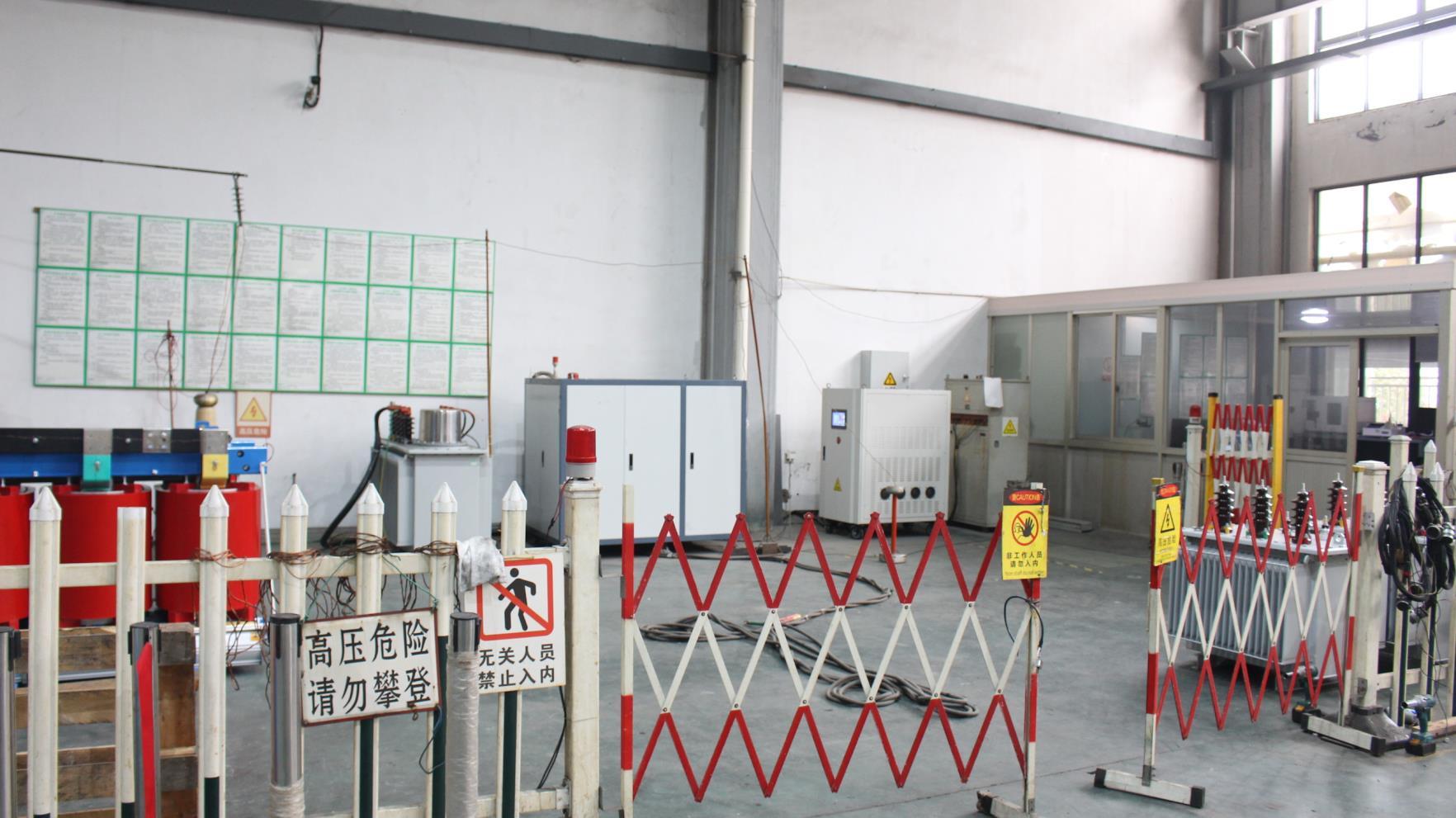
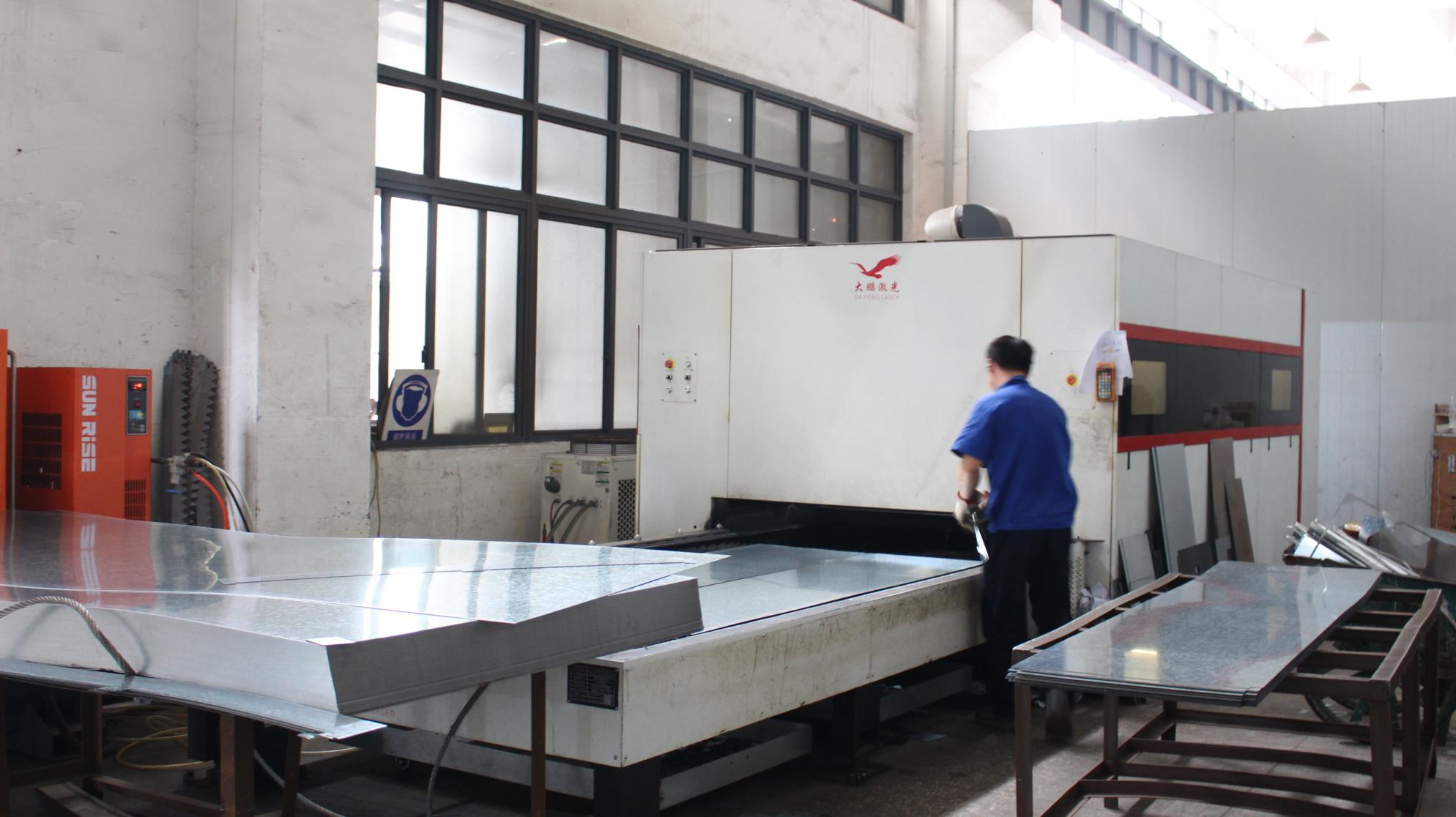
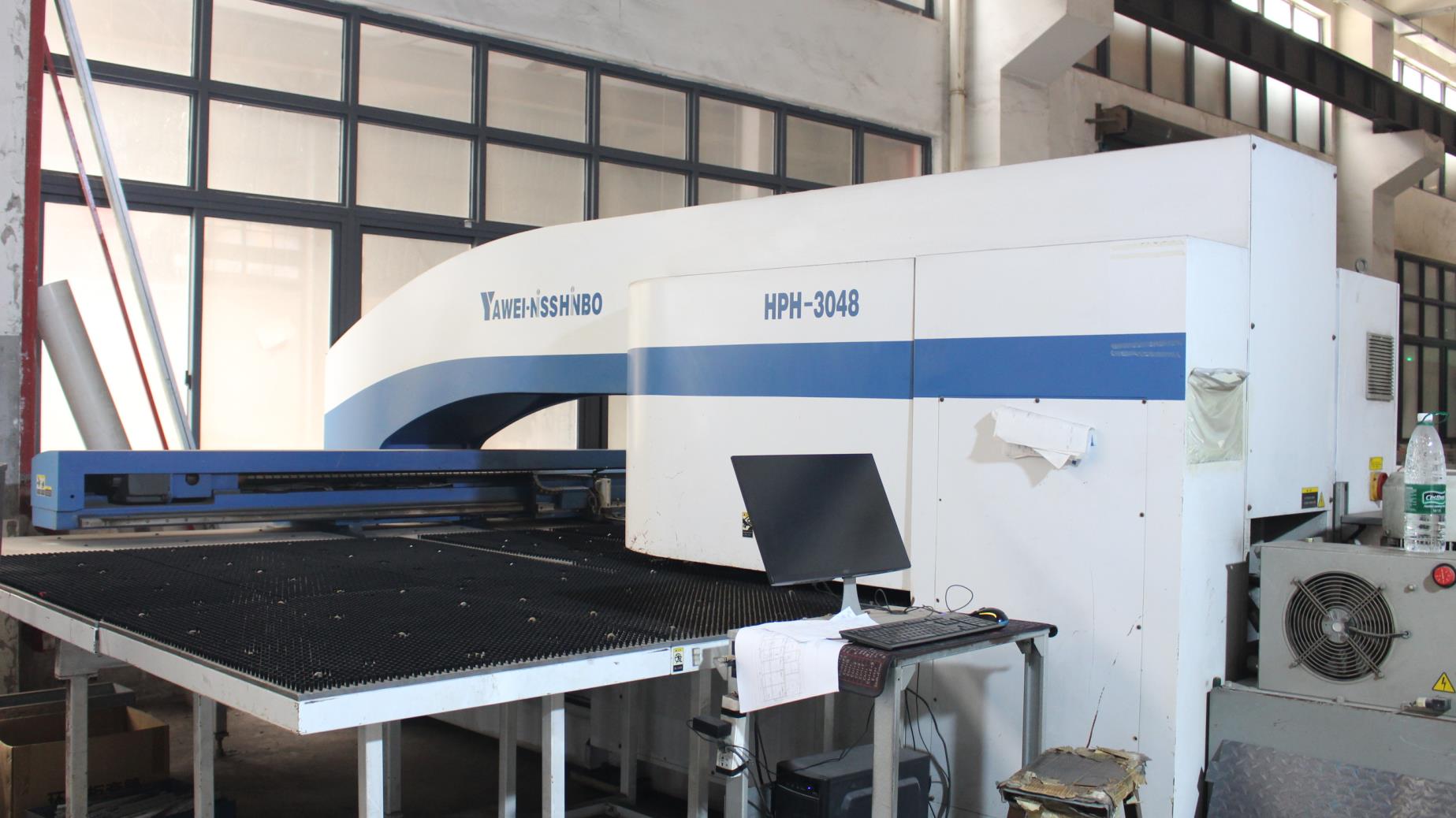
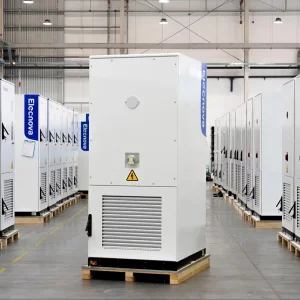
Inside Zeno Electric's state-of-the-art production facility, where precision engineering meets rigorous quality control protocols.
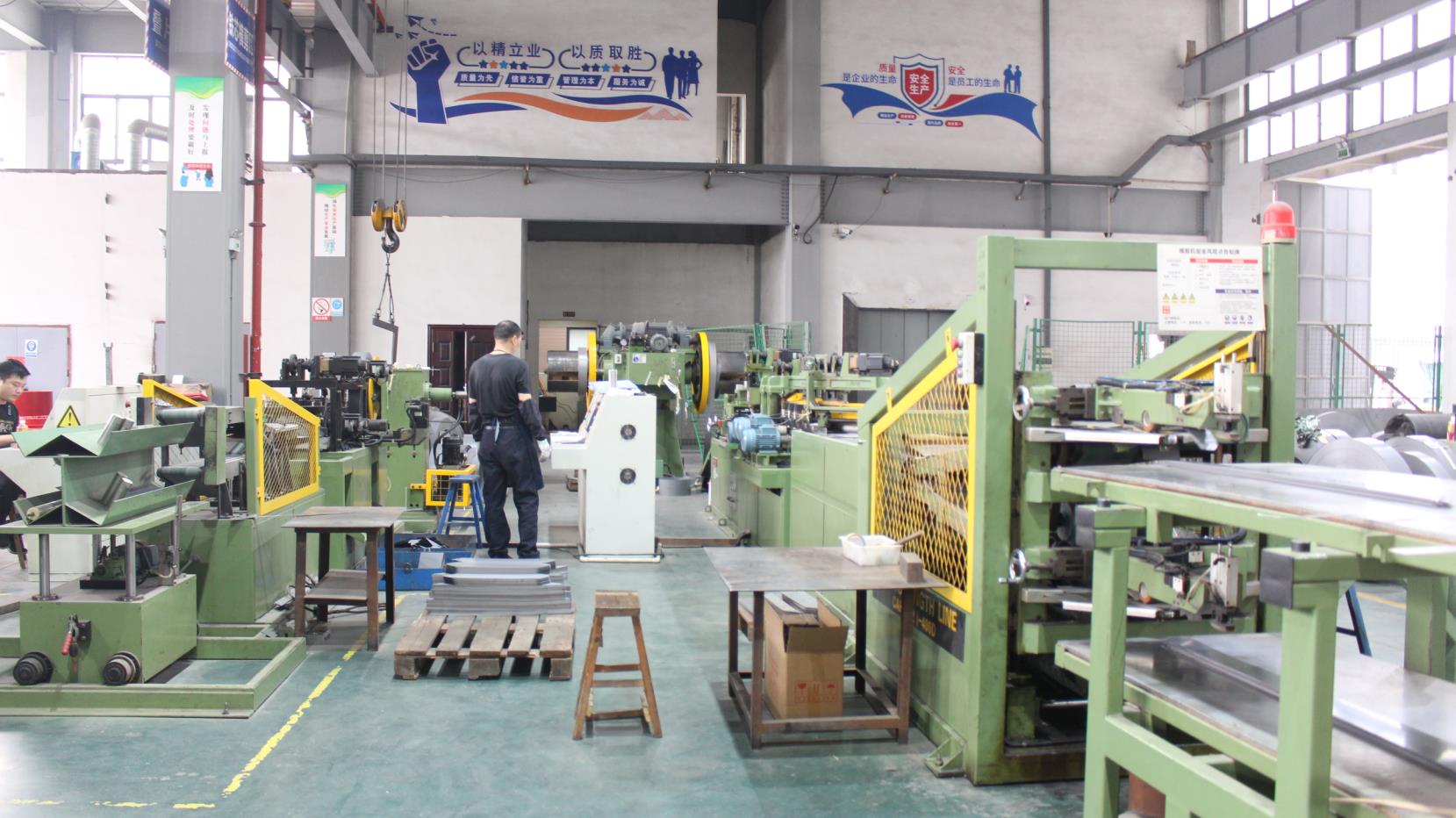
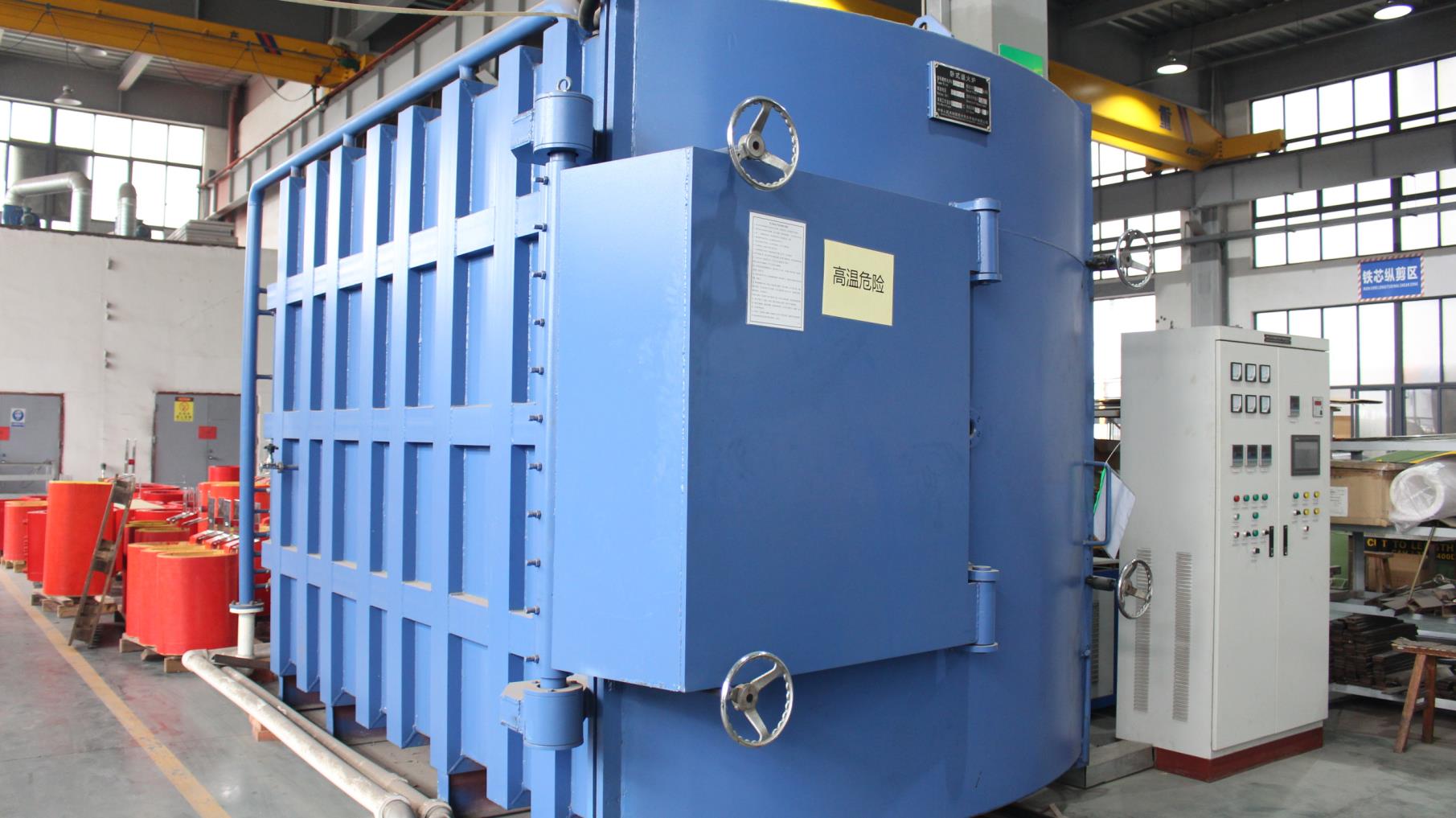
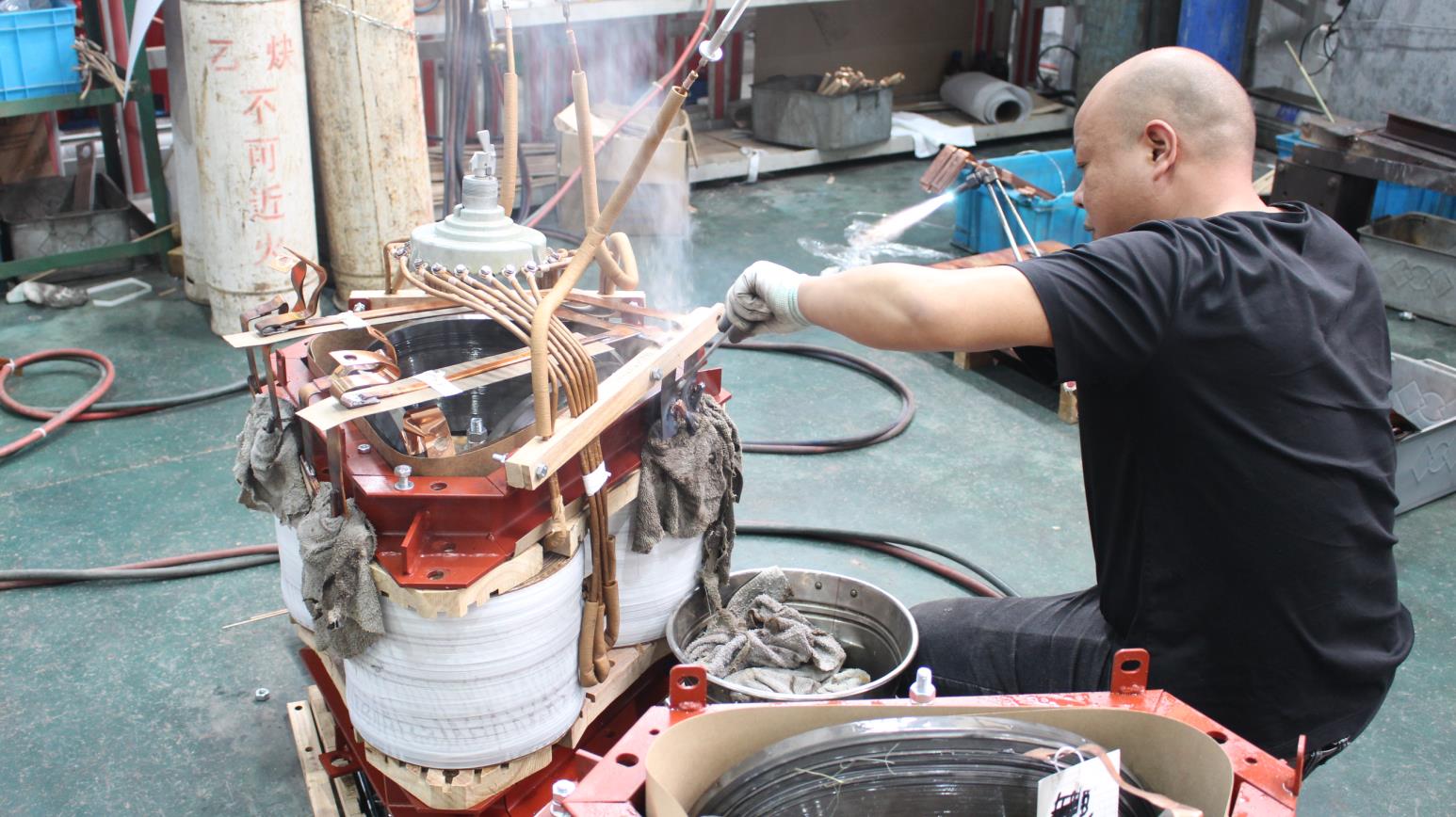
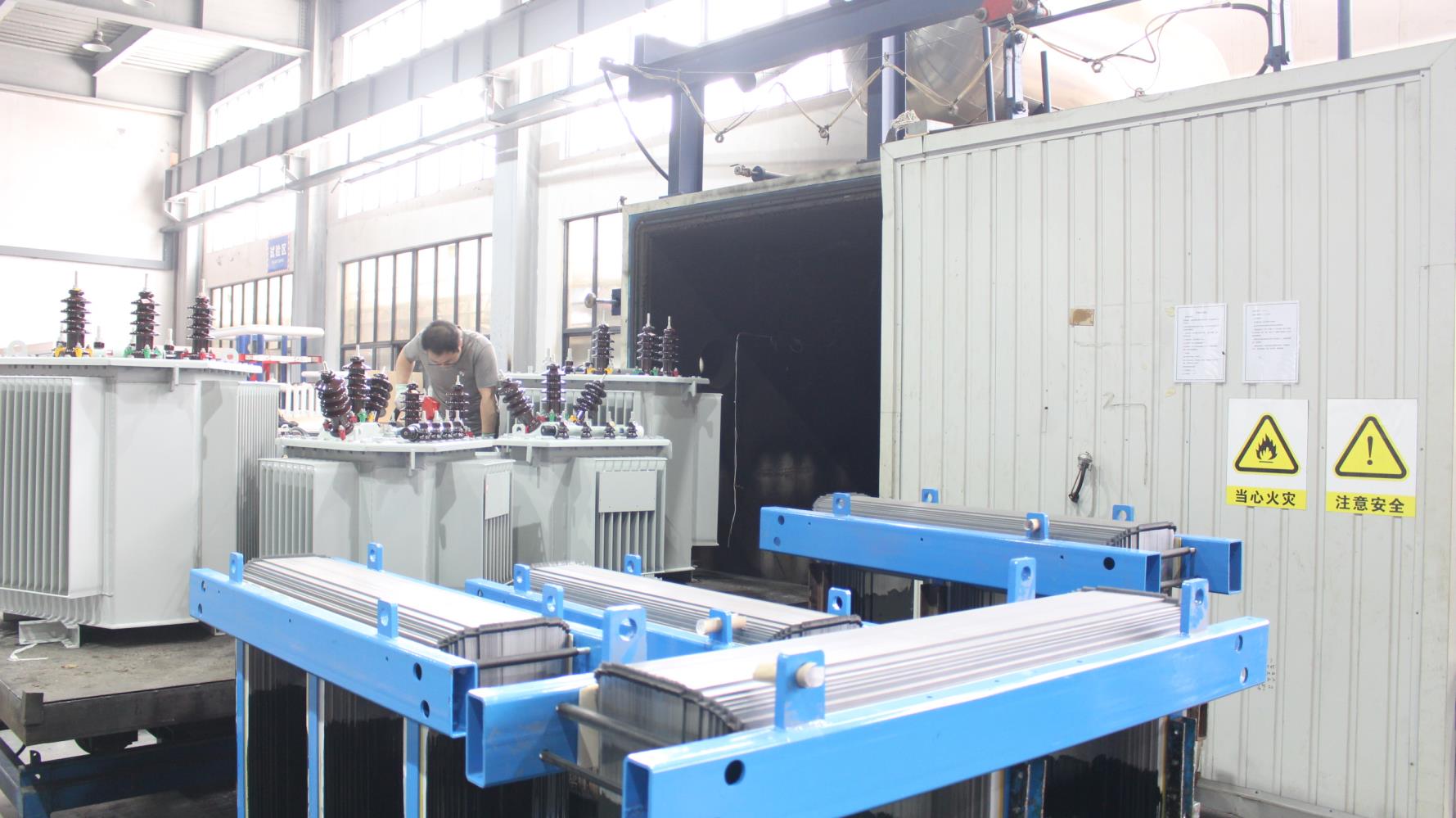
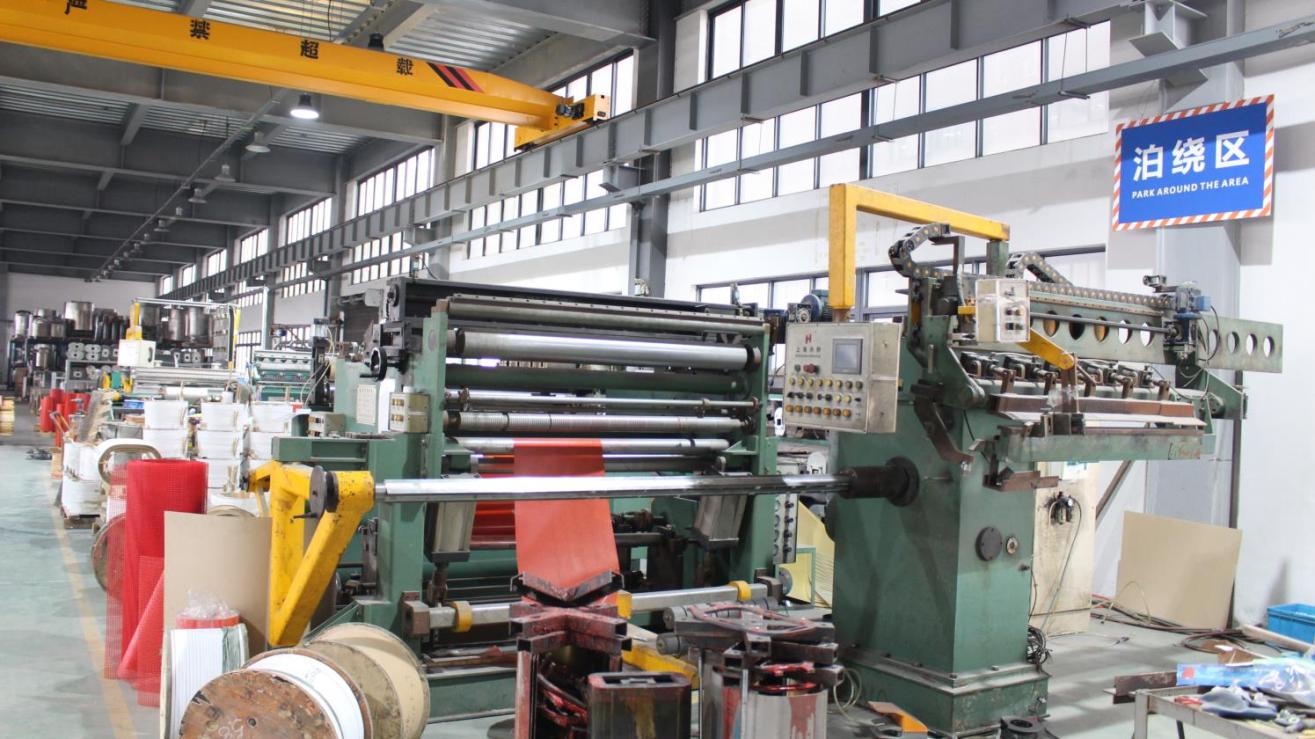
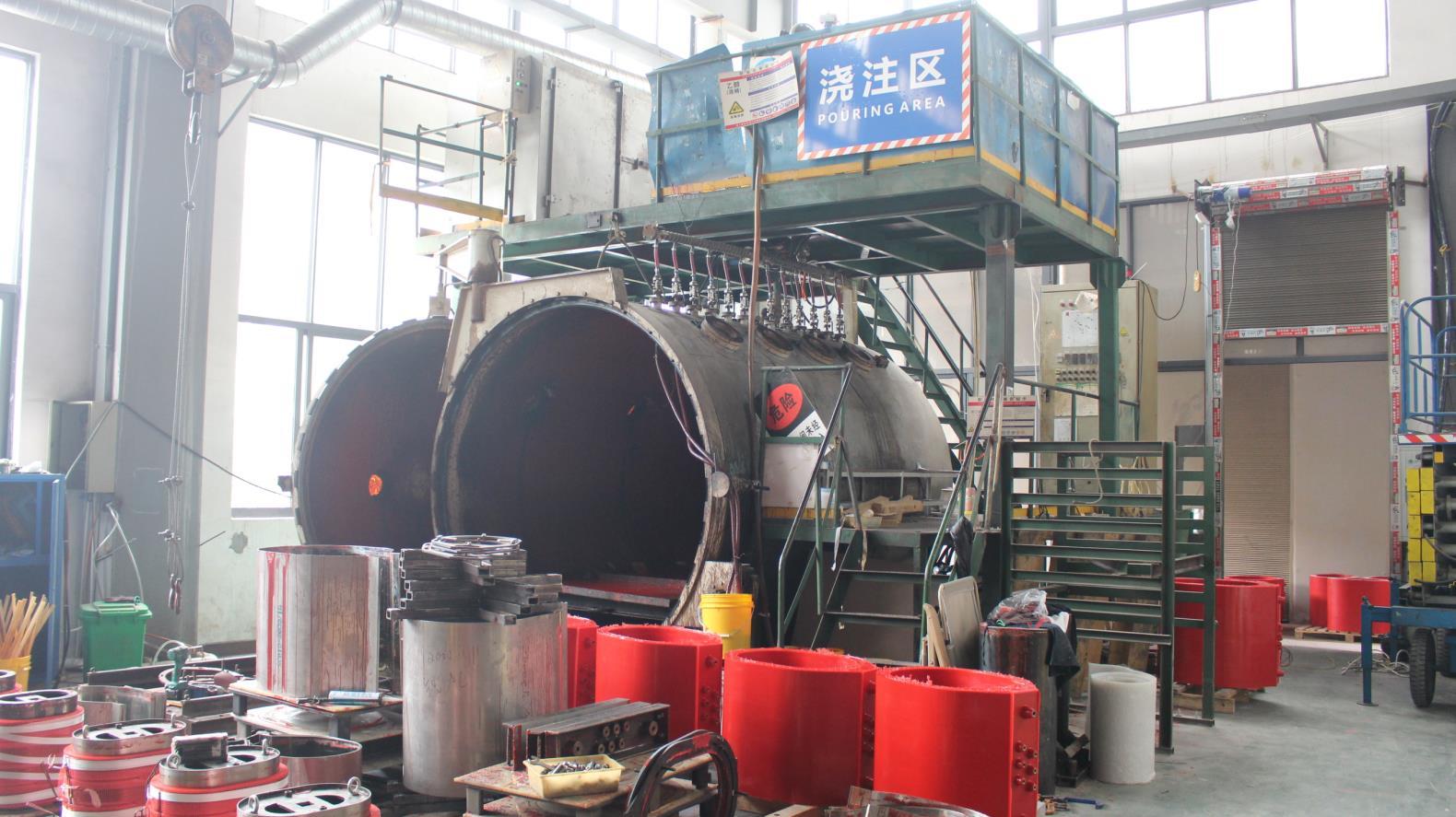
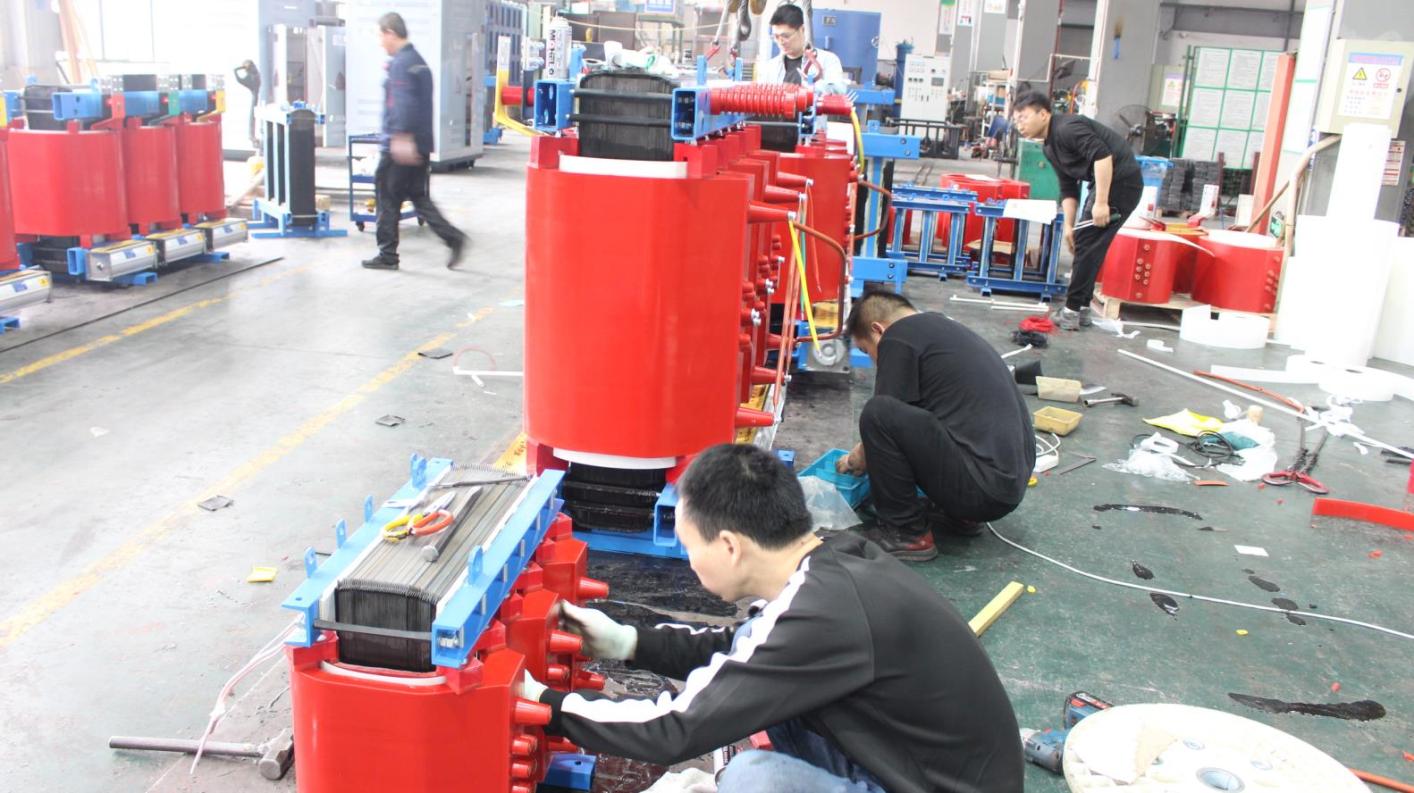
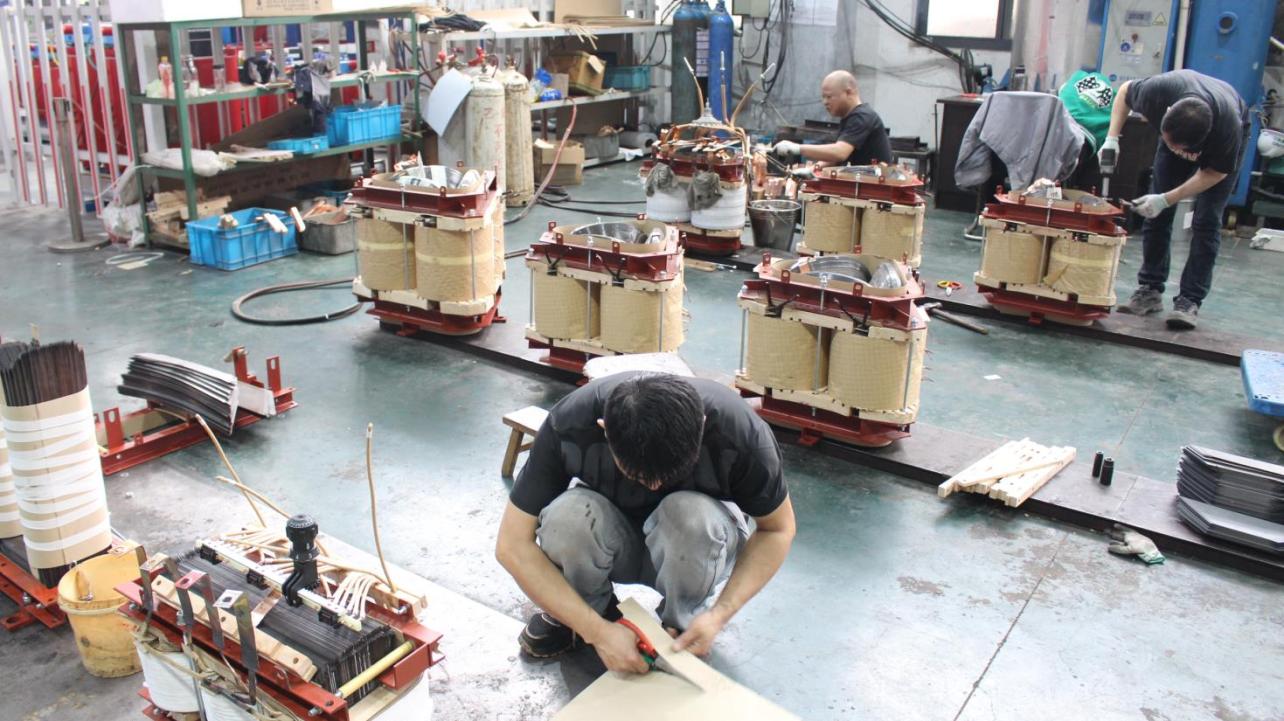
The power hardware landscape is undergoing a digital revolution. Over the next decade, technology roadmaps from leading factories will emphasize three key pillars: advanced thermal management, grid edge intelligence, and eco-friendly gas alternatives for medium and high voltage switchgears.
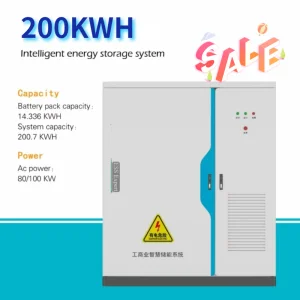
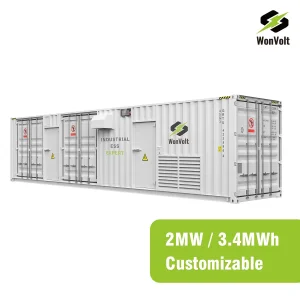
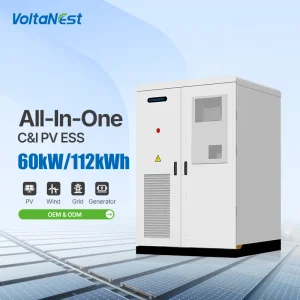
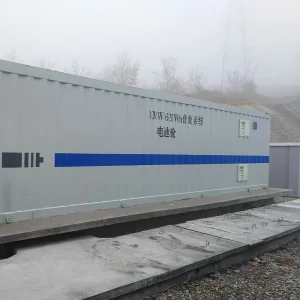
As battery energy densities increase, safety and cycle life are directly tied to temperature control. Traditional air-cooled systems struggle with temperature uniformity, leading to localized battery degradation. Liquid cooling systems utilize a closed-loop coolant cycle that keeps cell temperature differentials within 3°C, extending overall battery cell life by up to 20%. Zeno Electric's liquid-cooled BESS containers offer a compact footprint and reliable heat dissipation, reducing auxiliary power consumption by up to 30% compared to traditional HVAC systems.
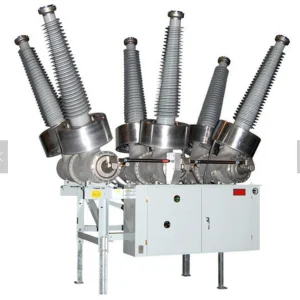
Sulfur hexafluoride (SF6) has been the standard insulating gas in medium and high voltage switchgears due to its excellent dielectric properties. However, because its global warming potential is 23,500 times greater than CO2, regulatory pressures are driving the industry toward dry air, nitrogen, and innovative eco-gases. Zeno Electric is actively pursuing R&D in zero-carbon insulating switchgear solutions to ensure compliance with future emissions standards without compromising dielectric strength or safety.
Modern substations and energy storage facilities are evolving into IoT hubs. By using digital twins, operators can simulate stress tests, predict component wear, and optimize power dispatch. Zeno Electric integrates smart sensors and intelligent terminal units (RTUs) across our transformers and switchgears. This connectivity links hardware directly with cloud-based EMS, enabling remote diagnostics and preventative maintenance programs that reduce sudden downtime by up to 45%.
Deploying sustainable power equipment requires tailored configurations that match the operational challenges of specific environments. Zeno Electric provides robust solutions across multiple critical applications:
For industrial facilities, peak demand charges can make up a significant portion of monthly utility bills. Zeno Electric's outdoor liquid-cooled ESS cabinets allow factories to charge batteries during low-tariff off-peak hours and discharge them during peak demand times. This peak-shaving application mitigates high demand charges, provides emergency backup power, and stabilizes internal voltage profiles against grid disturbances.
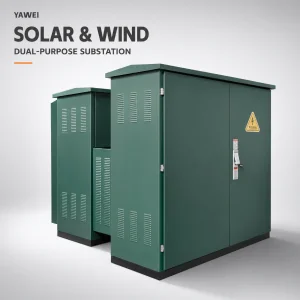
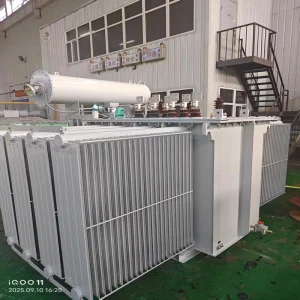
Solar PV plants and wind farms are frequently located in remote regions with weak grid connections. Sudden fluctuations in generation can cause local grid instability or curtailment. Our prefabricated, CE-certified step-up compact substations (10kV to 35kV) convert renewable power efficiently for long-distance transmission. When paired with containerized BESS solutions, they smooth power outputs and meet the strict grid-code compliance standards required by utility operators.
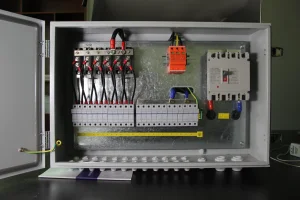
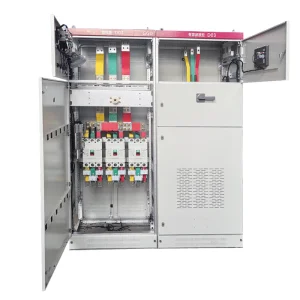
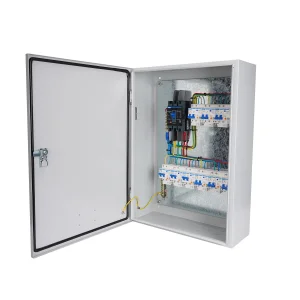
Additionally, in metropolitan and heavy industrial zones, Zeno Electric's low-voltage complete metal distribution cabinets (such as the GGJ series with intelligent reactive power compensation) ensure power factor optimization. Improving the power factor from 0.8 to 0.95+ reduces transmission line losses, prevents utility penalties, and protects downstream equipment from premature failures caused by harmonic distortion.
Critical engineering considerations, standard compliance queries, and product configuration advice from our lead engineers.
Safety in lithium-ion BESS container systems requires a multi-layered mitigation strategy. First, cell-level safety relies on stable LFP (Lithium Iron Phosphate) chemistry. Second, the Battery Management System (BMS) must monitor voltage, current, and temperature, enabling rapid isolation if thermal runaway is detected. Third, active HVAC or liquid-cooling loops are essential to keep temperatures consistent. Finally, containment units must include early smoke and gas detection alongside automated fire suppression systems, such as Novec 1230 or aerosol agents, coupled with deflagration panels to vent pressure safely.
Liquid cooling is preferred because liquid has a heat capacity coefficient roughly four times higher than air. This enables rapid thermal dissipation and maintains temperature differences across all cells within 3°C. In contrast, air cooling systems can experience temperature variations of 8°C or more within a single pack, leading to uneven cell aging, reduced battery capacity, and elevated risks of localized thermal runaway. Liquid cooling also reduces the physical footprint of the system and lowers internal auxiliary energy consumption.
Prefabricated compact substations (such as our ZGS-12 series) offer significant advantages in terms of deployment speed, cost, and footprint. They integrate the step-up transformer, high-voltage switchgear, and low-voltage distribution panels into a single, weather-proof enclosure (IP54 or IP55). Because these units are fully assembled and tested at our factory, on-site installation time is reduced to basic cable connections. This accelerates commissioning and lowers total project installation costs.
Industrial facilities operate numerous inductive loads, such as electric motors, pumps, and transformers, which draw reactive power from the grid. This lowers the power factor and causes line losses. Using intelligent reactive power compensation devices, like the GGJ Low Voltage Cabinet, introduces capacitor steps to supply this reactive power locally. This increases the overall power factor close to 1.0, reduces the load on incoming transformers, stabilizes facility voltage levels, and eliminates low power factor penalties charges by utility companies.
EPC contractors must verify that manufacturers hold ISO 9001, ISO 14001, and ISO 45001 certifications to ensure consistent quality and safety management. For products, compliance with international standards like IEC (International Electrotechnical Commission) and CE marks is essential. Transformers, switchgears, and BESS equipment should undergo type-testing by recognized third-party laboratories (such as KEMA or TÜV) to verify short-circuit performance, dielectric strength, and IP protection levels.
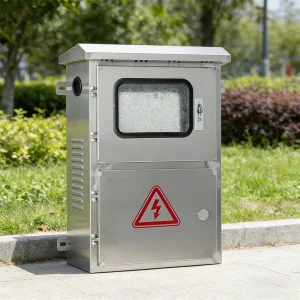
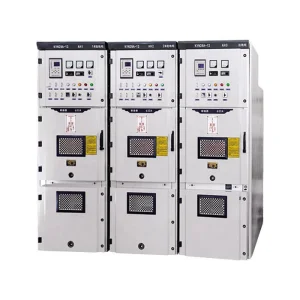
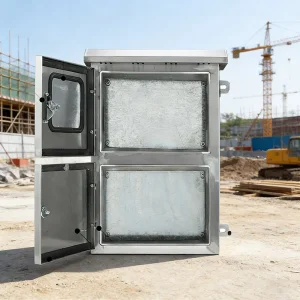
Complete your energy infrastructure projects with our highly reliable transformers, switchgears, and heavy-duty outdoor enclosures.
 Zeno Electric