Zeno Electric
1 / 5

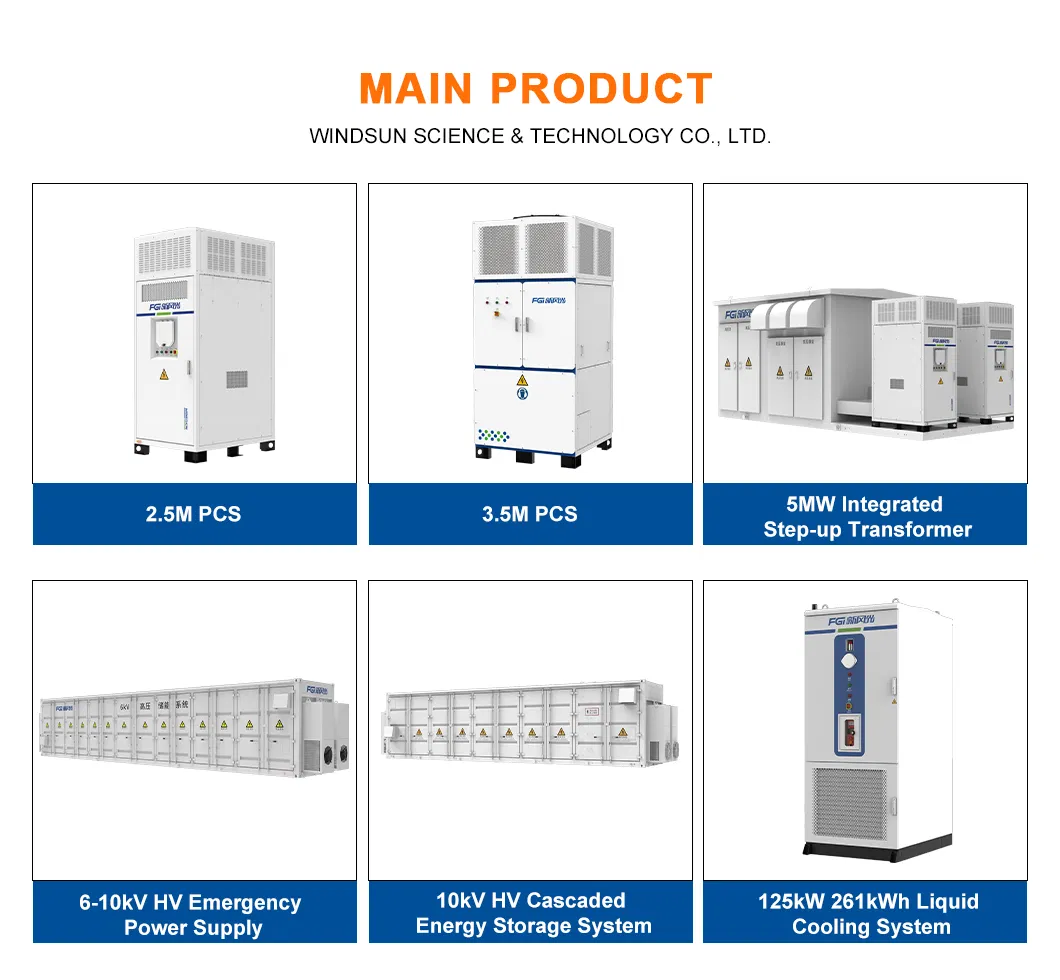
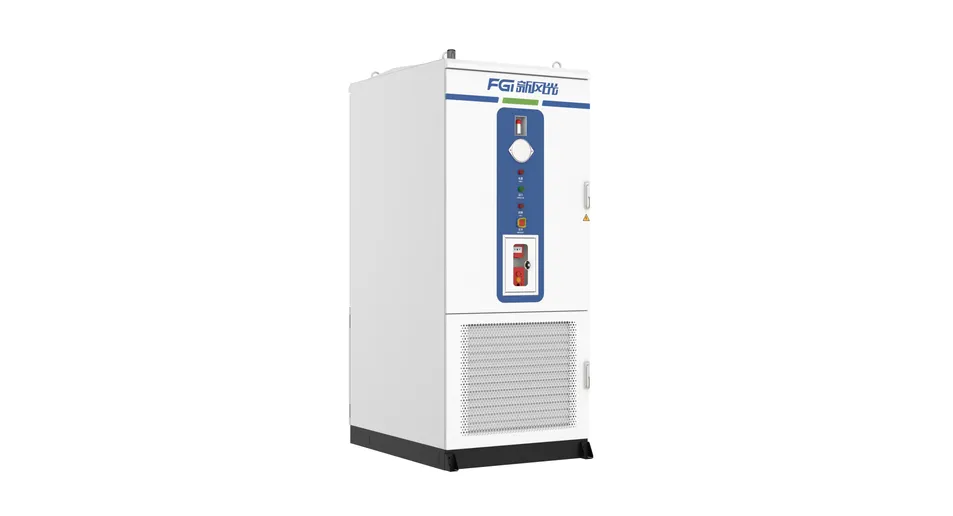
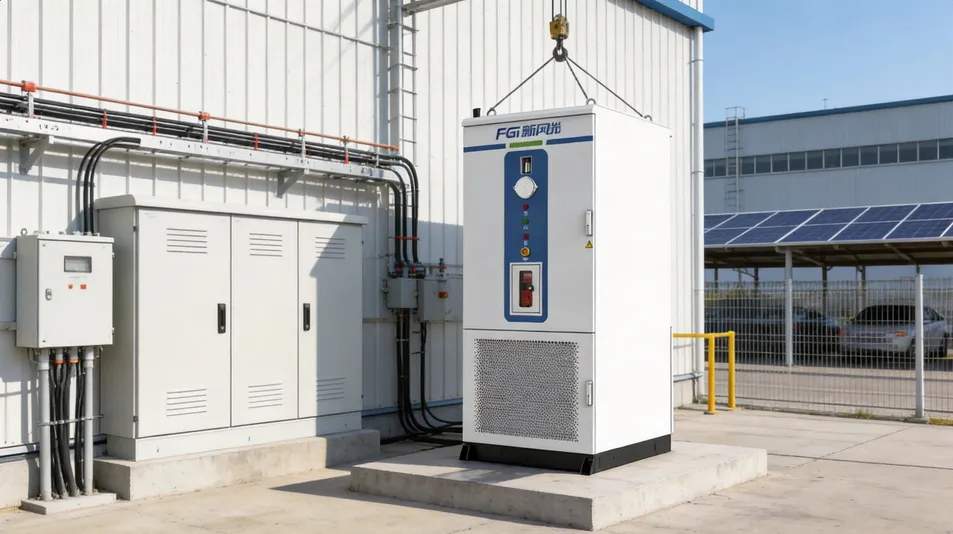
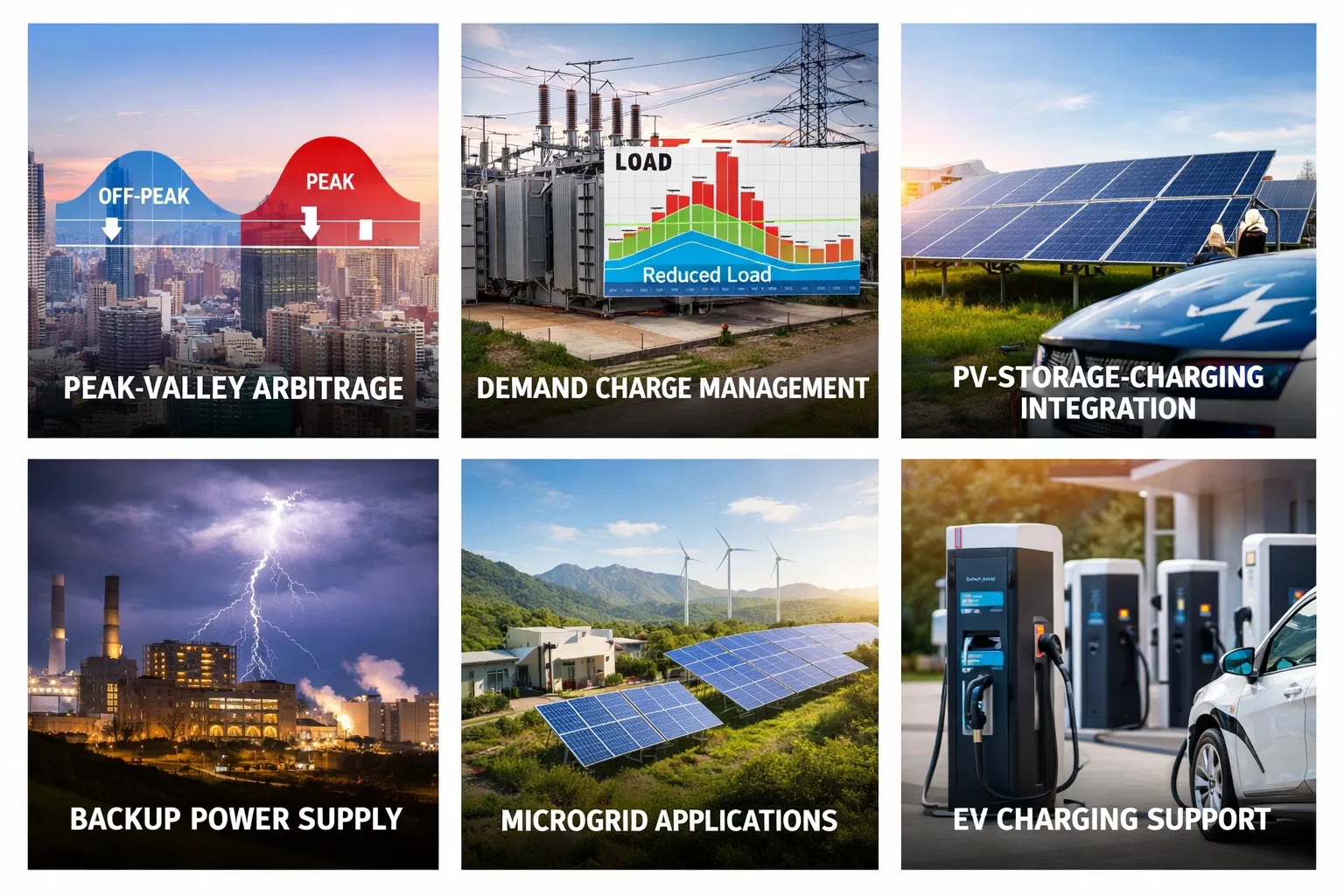
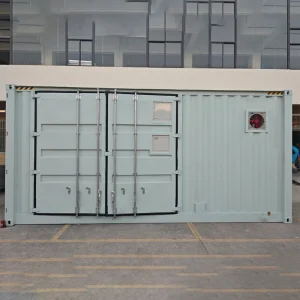
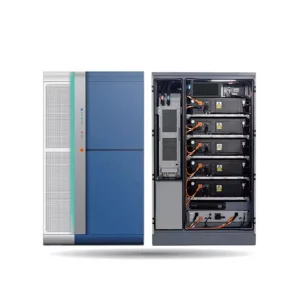
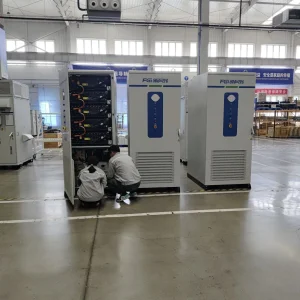
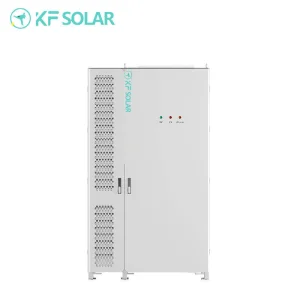
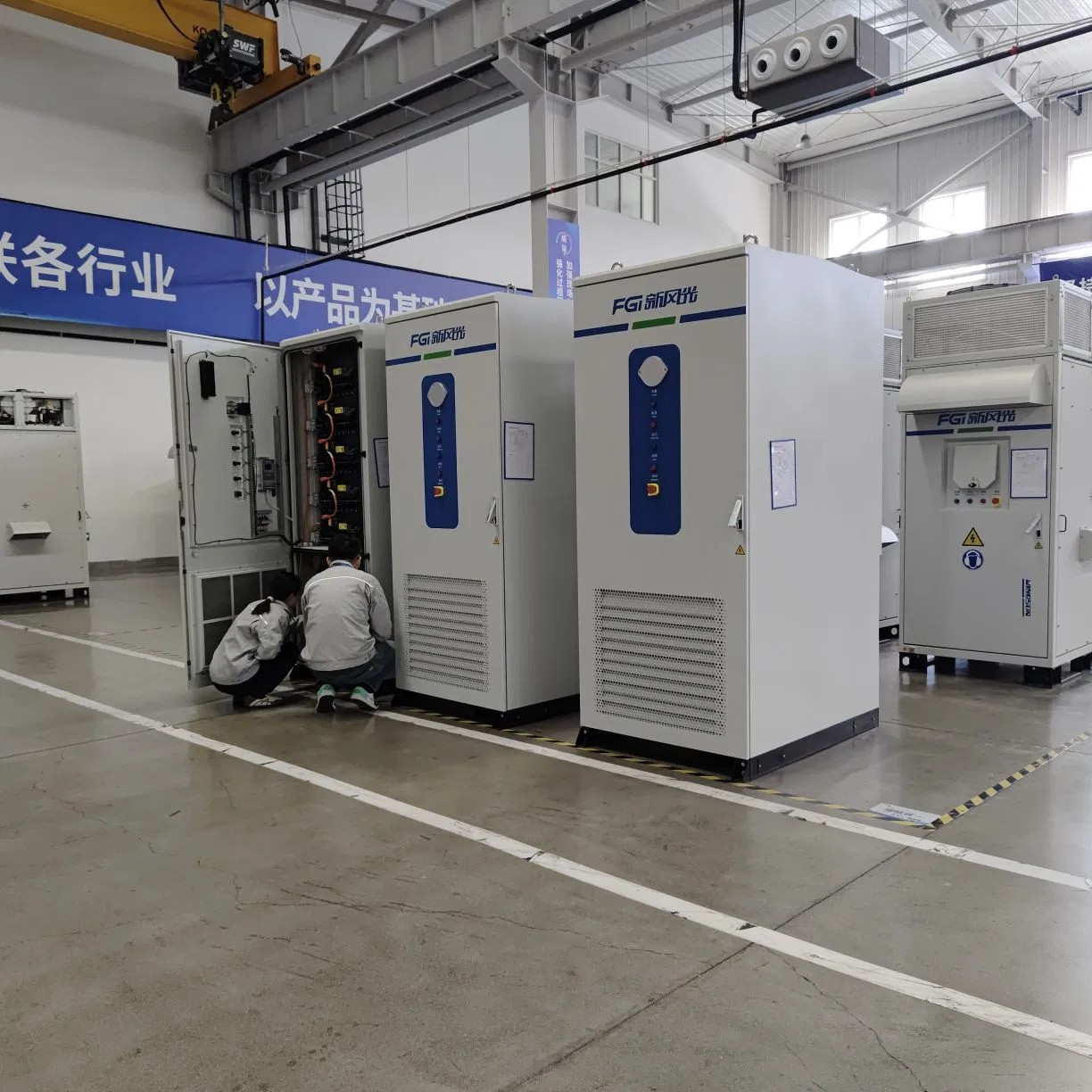
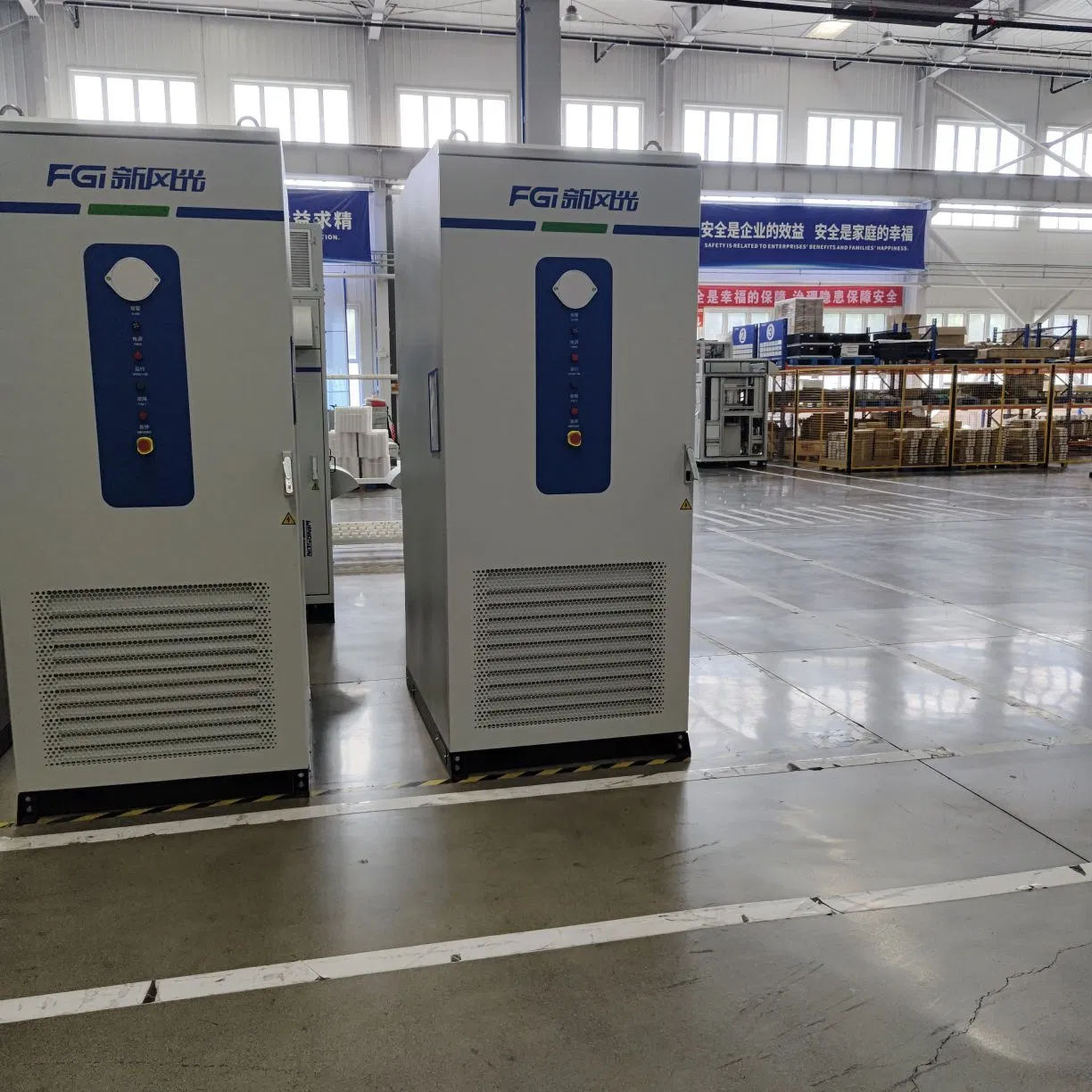
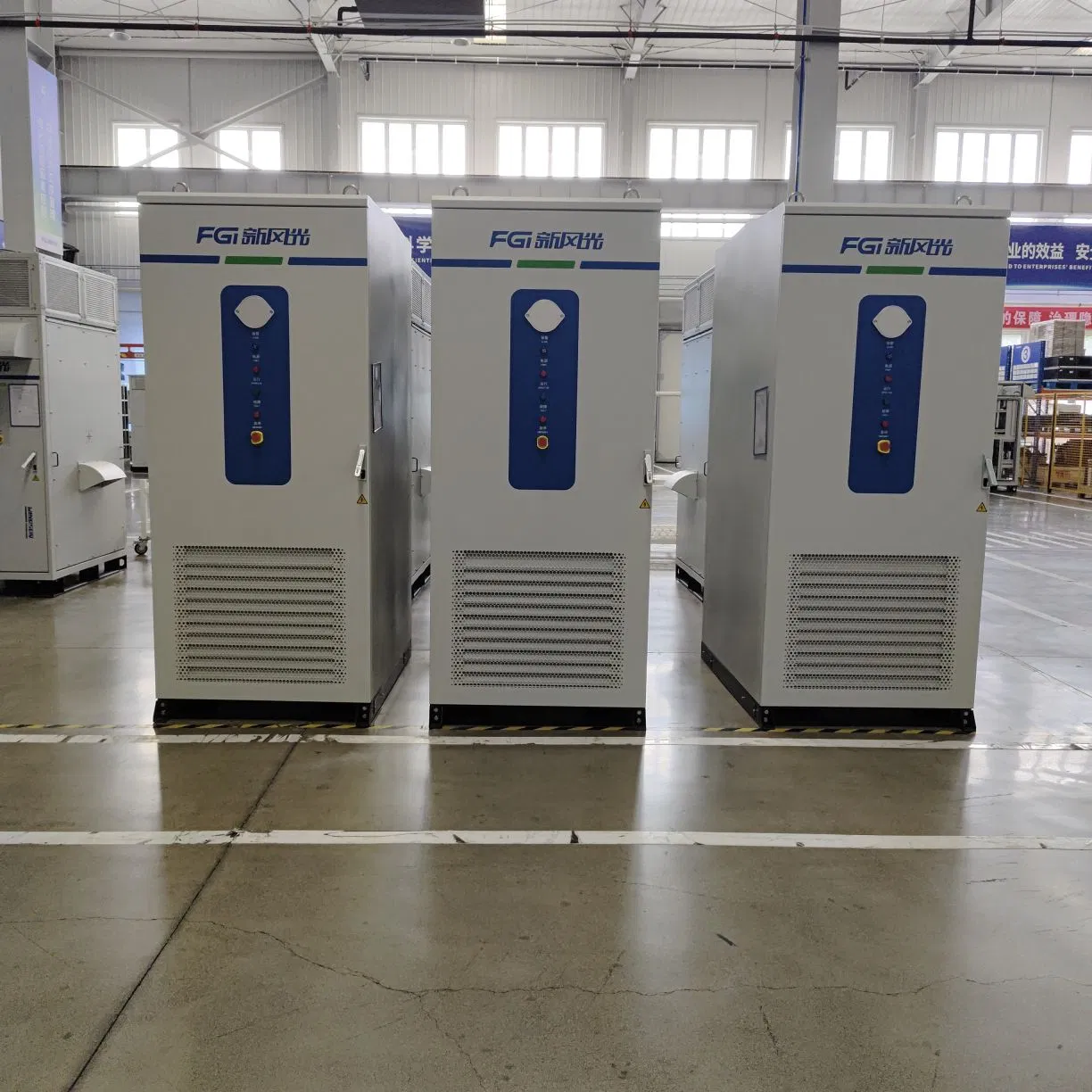
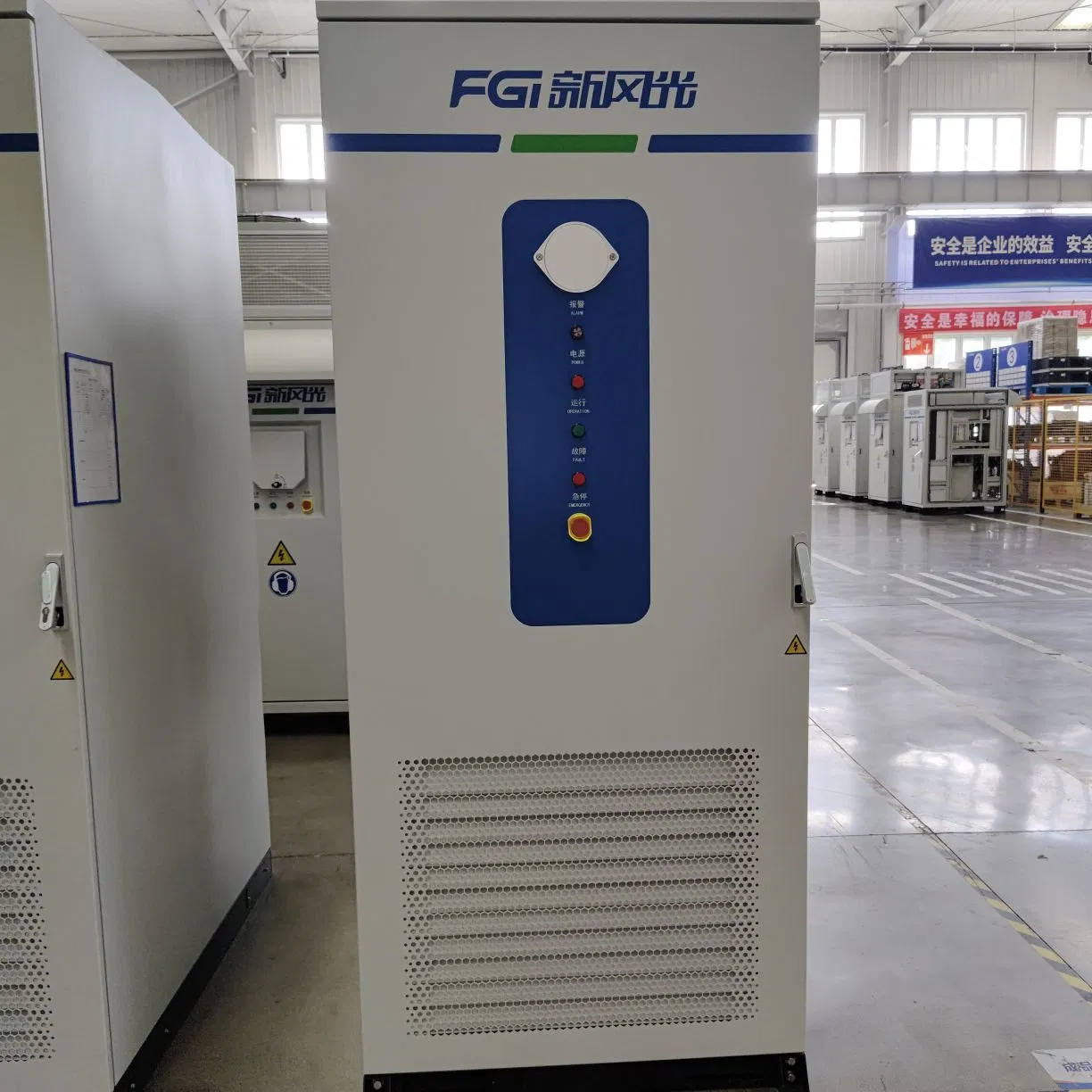
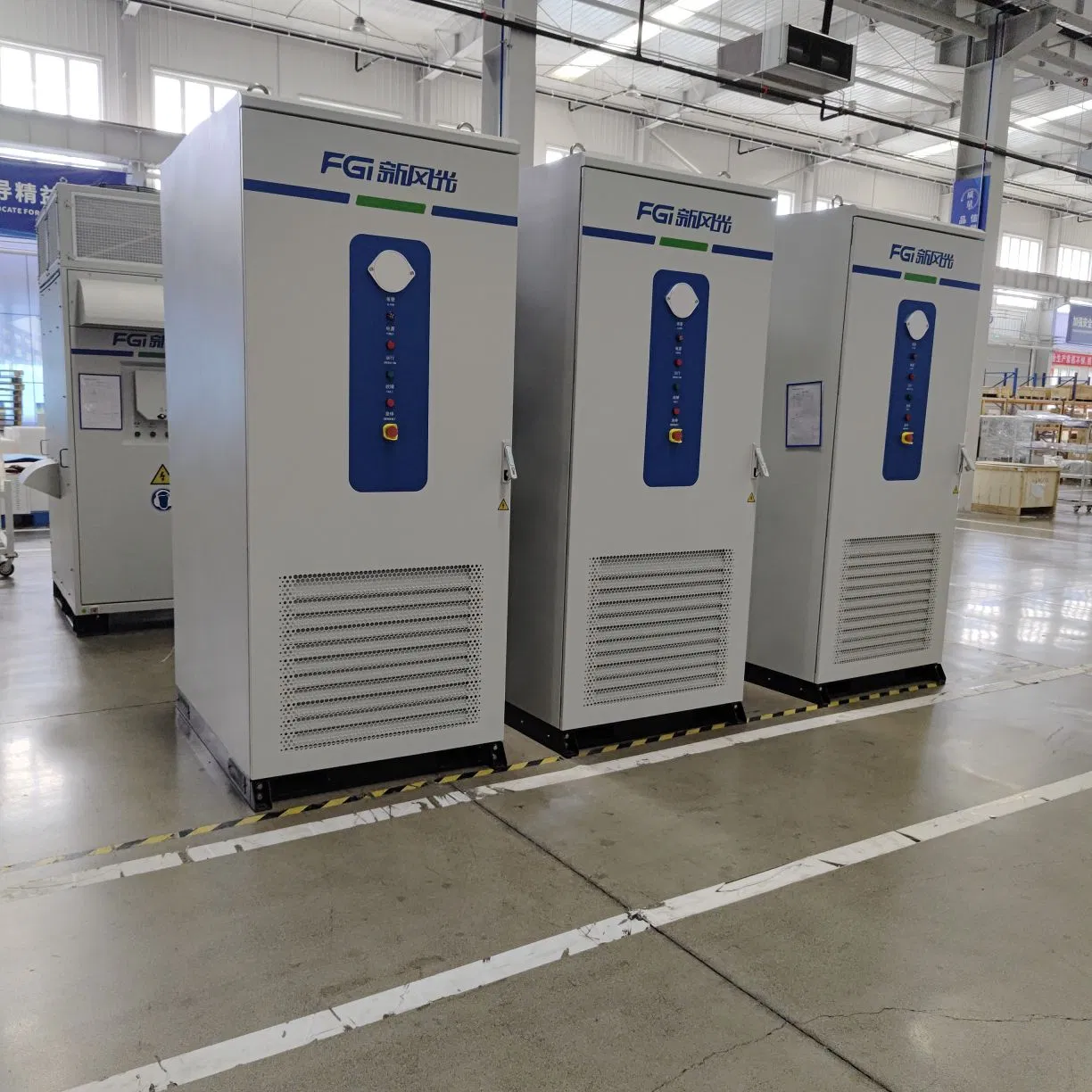
This standardized, all-in-one energy storage system is purpose-built for commercial and industrial peak shaving and valley filling. This unit seamlessly integrates a battery cluster, PCS, BMS, EMS, and a dual-channel cooling system into a single, robust IP55-rated enclosure. Built for scalability, the system supports the parallel connection of up to 10 units, providing a flexible energy capacity ranging from 261 kWh to a massive 2,610 kWh.
| Parameter | Specification |
|---|---|
| System Rating (Single Cabinet) | 125 kW / 261 kWh |
| Max. Parallel Configuration | 10 units per group (Total: 1250 kW / 2610 kWh) |
| Cooling Method | Liquid cooling (DC side), Air cooling (AC side) |
| Cycle Life | 6,000 cycles (@25℃, 0.5P, 90% DOD, 70% EOL) |
| Max. System Efficiency | ≥ 88% (@ 0.5P) |
| Dimensions (W × D × H) | 1000 × 1300 × 2400 mm |
| Weight | 2.8 Tons |
| Protection Class | System: IP55 / Battery Pack: IP67 / PCS: IP20 |
| Corrosion Resistance | C4-M |
| Noise Level | < 70 dB |
| Operating Temperature | -20℃~ 50℃ (Derating above 45℃) |
| Storage Temperature | -20℃~ 55℃ |
| Operating Humidity | 0 ~ 95% RH (non-condensing) |
| Operating Altitude | ≤ 2000 m |
| Fire Protection System | Pack & Cabin level aerosol extinguishing, Ventilation, Sound & Light Alarm, Water firefighting interface |
| Detectors | Temperature, Smoke, H2 (Hydrogen) |
| Communication Protocol | Modbus TCP/RTU, IEC104, MQTT |
| Operation Modes | Peak shaving & Valley filling, Demand Control, Load Following, Anti-backflow |
| AC Grid-connected | |
| Rated AC Power (kW) | 125 |
| Overload Capacity (kW) | 138 |
| Wiring Method | 3P+N+PE |
| Allowable Grid Voltage Range (Vac) | 400 (-15% ~ +15%) |
| Allowable Grid Frequency Range (Hz) | 50/60 (-2.5 ~ +2.5) |
| Power Factor | -0.99 ~ +0.99 |
| Maximum Conversion Efficiency | ≥98.5% |
| Unbalanced Load Capacity | 100% |
| AC Off-grid | |
| AC Off-grid Voltage (V) | 400 (-15% ~ +15%) |
| AC Off-grid Frequency (Hz) | 50 Hz |
| Off-grid Output Voltage Distortion Rate | ≤3% |
| DC Side | |
| Battery Type | Lithium Iron Phosphate |
| Combination | 1P260S |
| Rated Capacity (Ah) | 314 |
| Rated Energy (kWh) | 261.248 |
| Rated Voltage (V) | 832 |
| Rated Charge and Discharge Rate | 0.5P |
| Operating Voltage Range (V) | 728 ~ 936 (Cell: 2.8 ~ 3.6) |
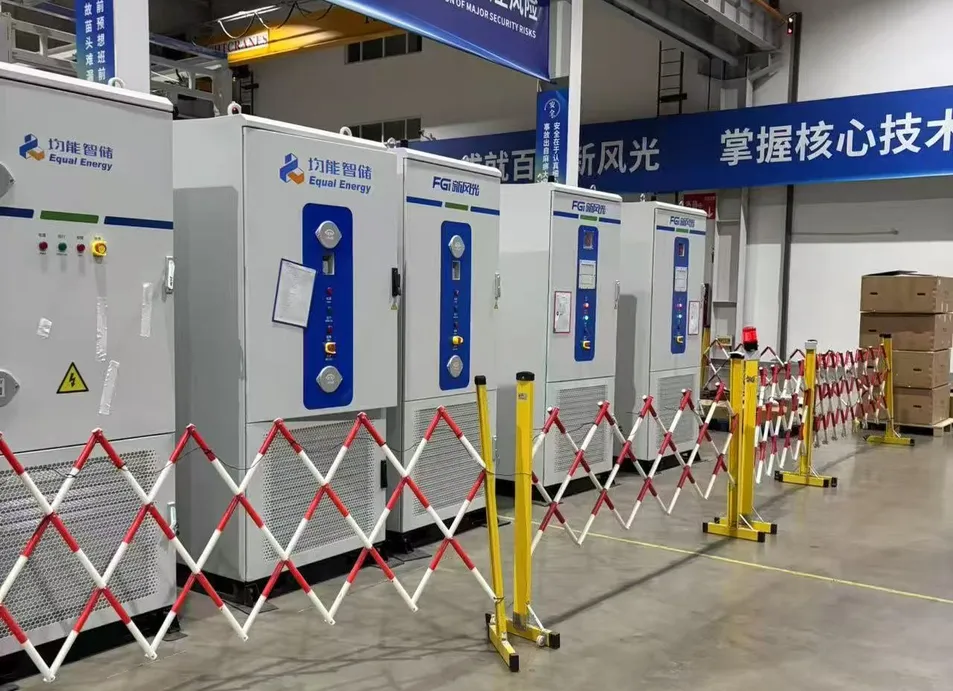
Technology: The system employs Liquid Cooling for the DC side (Battery PACKs) and Air Cooling for the AC side (PCS/Electrical compartment).
Benefit: Maintains optimal battery temperature (ΔT ≤ 5℃), ensuring high efficiency and extending cycle life. The liquid cooling unit provides a cooling capacity of 5.0 kW.
Design: Features a physical partition separating the Electrical Compartment and Battery Compartment using thermal insulation and flame-retardant materials.
Protection: Equipped with a dual fire protection strategy (PACK-level + Cabin-level) including hot aerosol extinguishing devices, H2 detection, and an explosion-proof ventilation system.
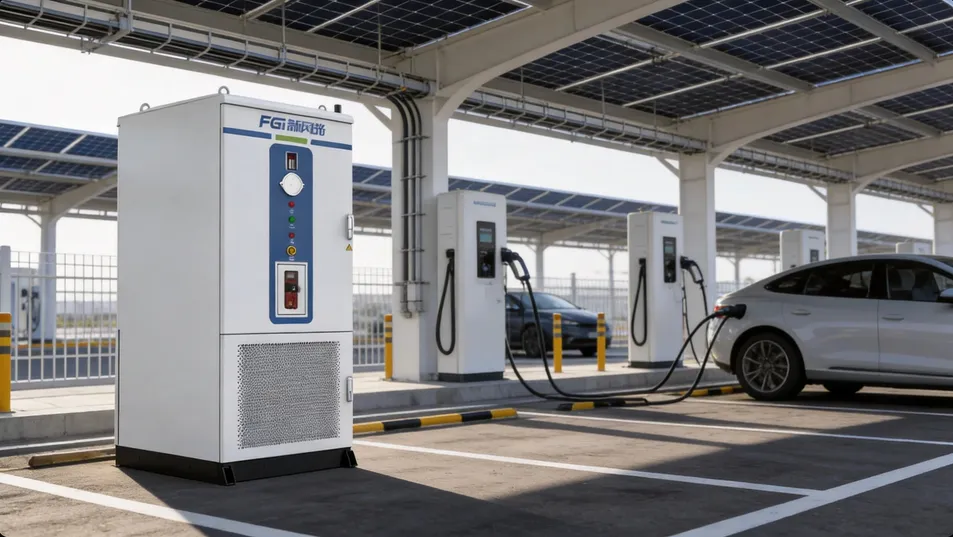
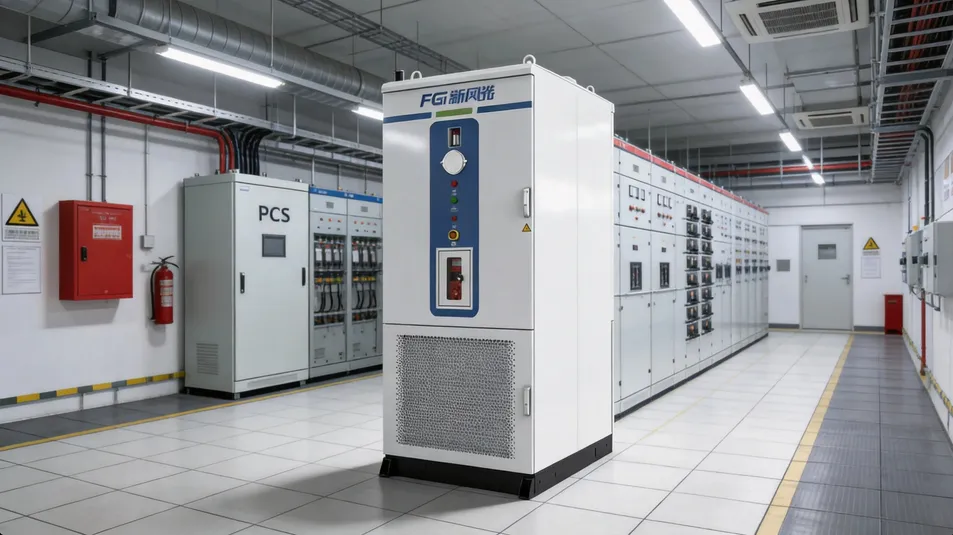
Components: Fully integrates 125kW PCS (with built-in high-voltage box), 261kWh Battery Cluster, BMS, EMS, and auxiliary power supply.
Benefit: Reduces on-site installation complexity. The unit supports plug-and-play operation and can run independently or in parallel with other cabinets.
Performance: Features a stable 1P260S cell configuration. Backed by a rigorous rating of 6,000 cycles (@25℃, 0.5P, 90% DOD), this system ensures long-term operational stability and delivers a superior return on investment (ROI).