Zeno Electric
1 / 5

Package Size: 110.00cm * 140.00cm * 250.00cm
Package Gross Weight: 2800.000kg
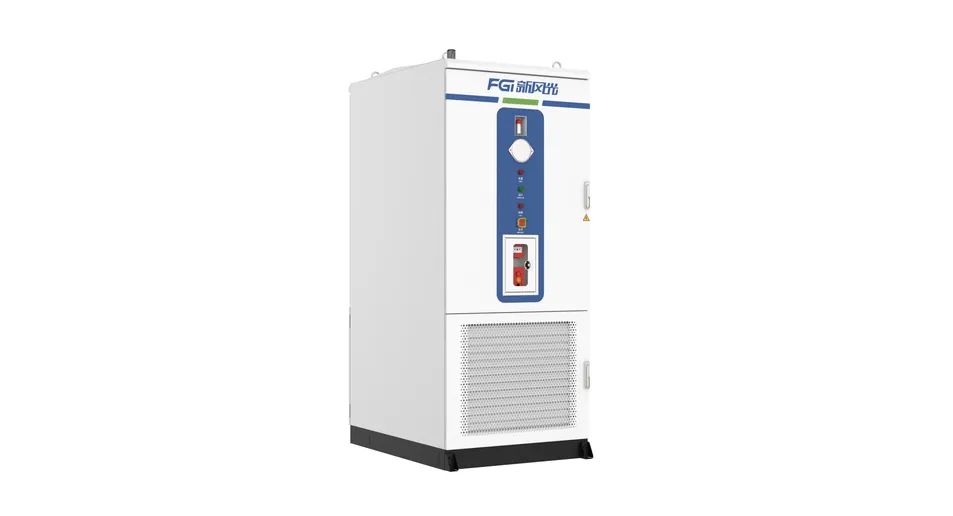
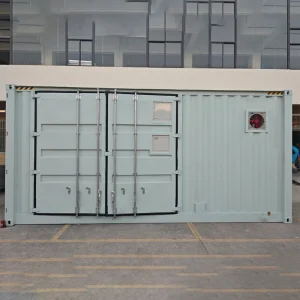
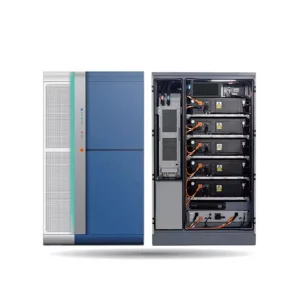
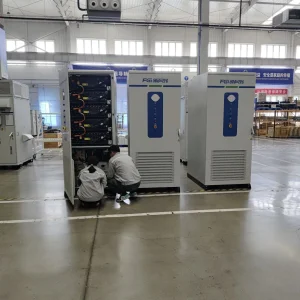
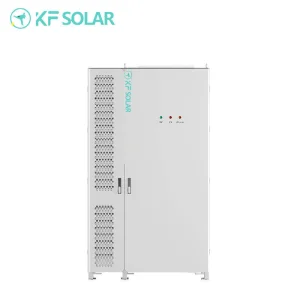
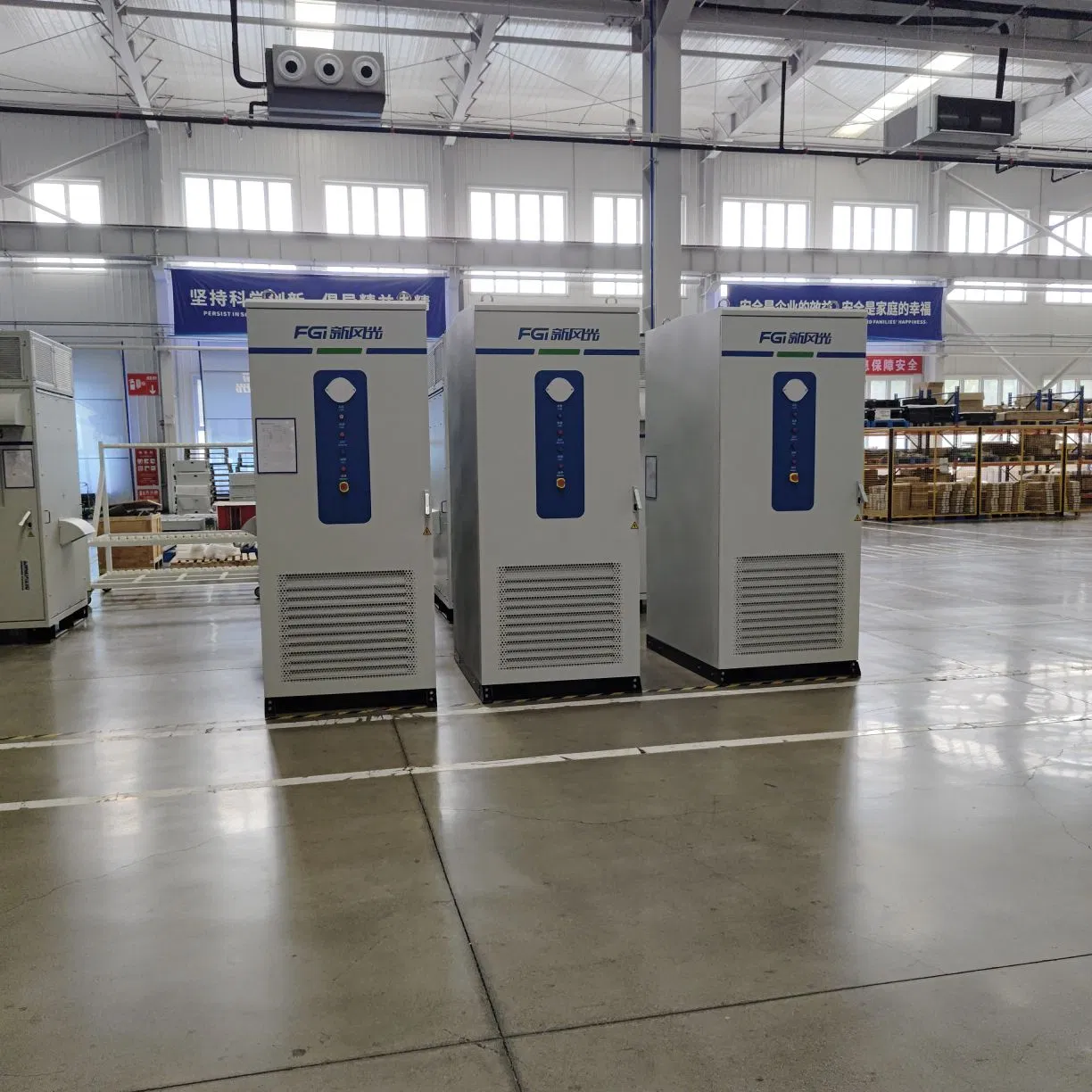
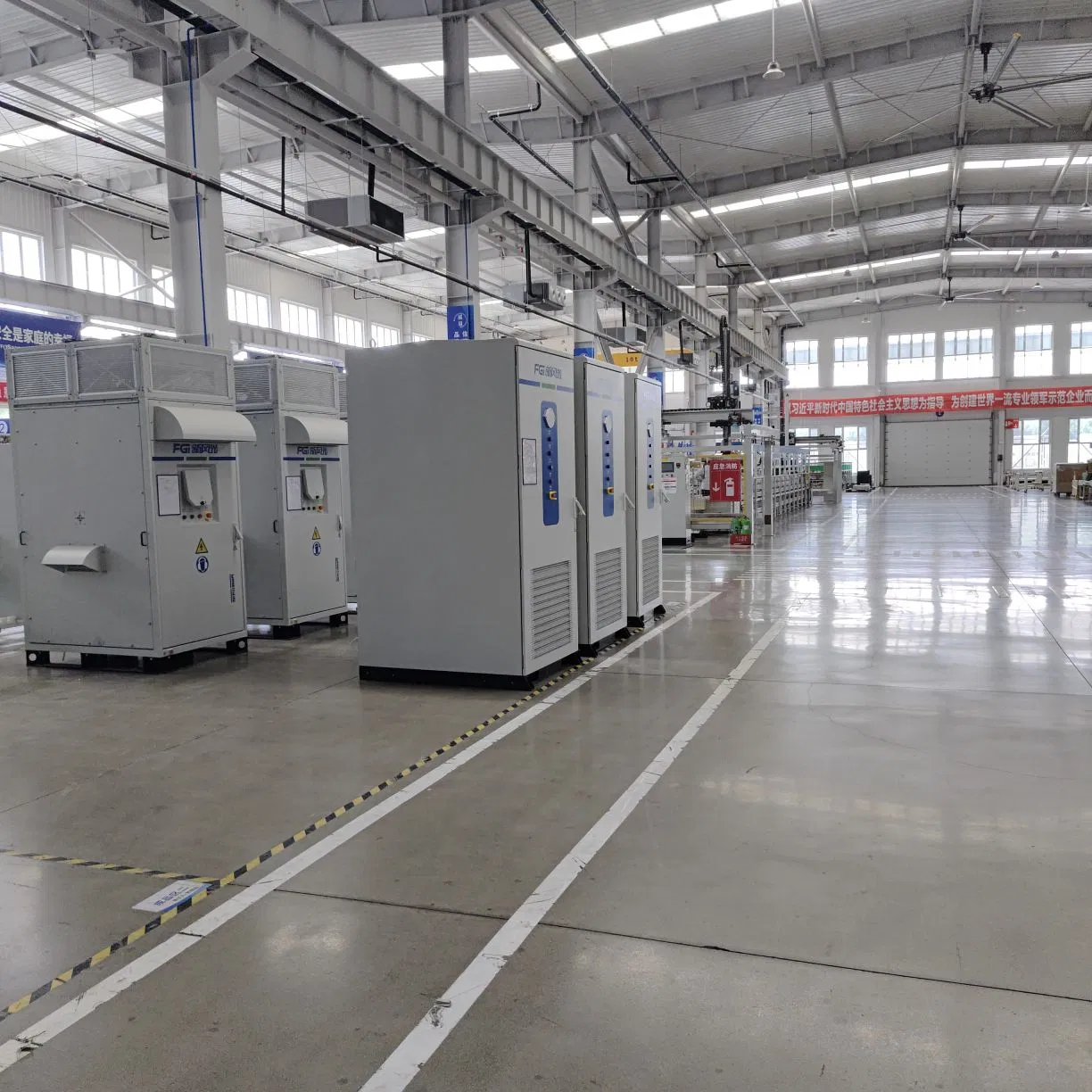
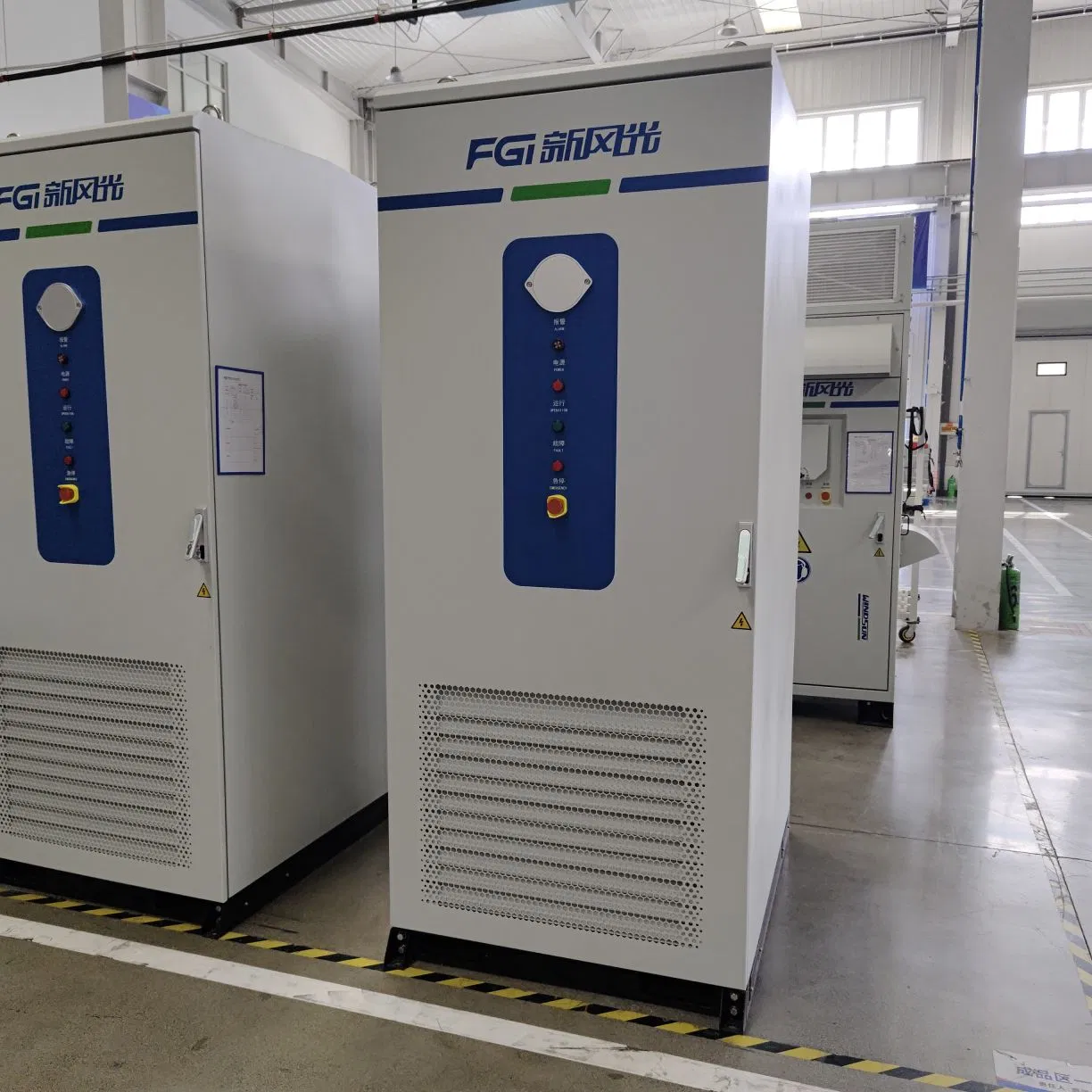
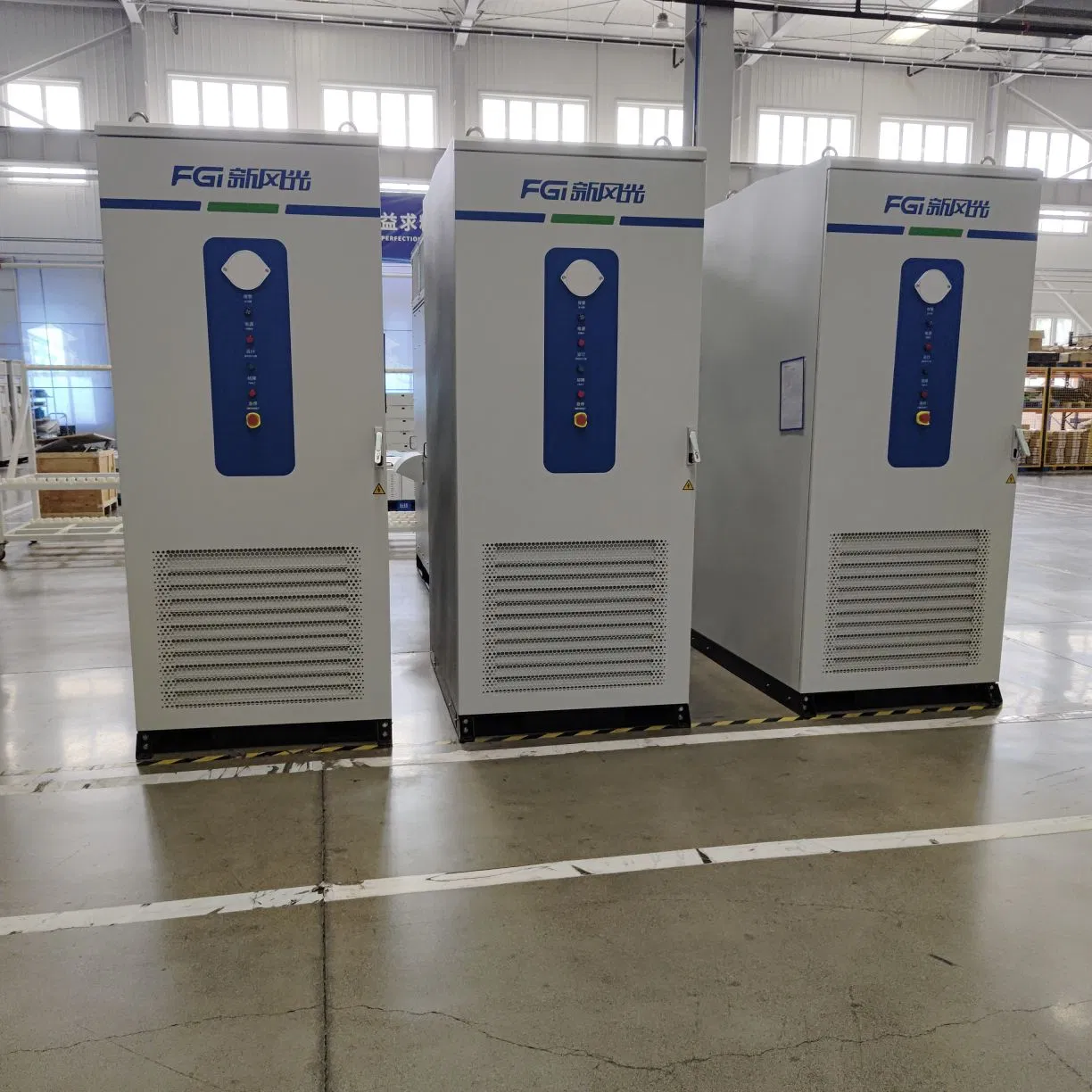
The FGESS-125K/261K-0.4OW is a standardized, all-in-one energy storage system purpose-built for commercial and industrial peak shaving and valley filling. This unit seamlessly integrates a battery cluster, PCS, BMS, EMS, and a dual-channel cooling system into a single, robust IP55-rated enclosure. Built for scalability, the system supports the parallel connection of up to 10 units, providing a flexible energy capacity ranging from 261 kWh to a massive 2,610 kWh.
| Parameter | Specification |
|---|---|
| System Rating (Single Cabinet) | 125 kW / 261 kWh |
| Max. Parallel Configuration | 10 units per group (Total: 1250 kW / 2610 kWh) |
| Cooling Method | Liquid cooling (DC side), Air cooling (AC side) |
| Cycle Life | 6,000 cycles (@25℃, 0.5P, 90% DOD, 70% EOL) |
| Max. System Efficiency | ≥ 88% (@ 0.5P) |
| Dimensions (W × D × H) | 1000 × 1300 × 2400 mm |
| Weight | 2.8 Tons |
| Protection Class | System: IP55 / Battery Pack: IP67 / PCS: IP20 |
| Corrosion Resistance | C4-M |
| Noise Level | < 70 dB |
| Operating Temperature | -20℃~ 50℃ (Derating above 45℃) |
| Storage Temperature | -20℃~ 55℃ |
| Operating Humidity | 0 ~ 95% RH (non-condensing) |
| Operating Altitude | ≤ 2000 m |
| Fire Protection System | Pack & Cabin level aerosol extinguishing, Ventilation, Sound & Light Alarm, Water firefighting interface |
| Detectors | Temperature, Smoke, H2 (Hydrogen) |
| Communication Protocol | Modbus TCP/RTU, IEC104, MQTT |
| Operation Modes | Peak shaving & Valley filling, Demand Control, Load Following, Anti-backflow |
| AC Grid-connected | |
| Rated AC Power (kW) | 125 |
| Overload Capacity (kW) | 138 |
| Wiring Method | 3P+N+PE |
| Allowable Grid Voltage Range (Vac) | 400 (-15% ~ +15%) |
| Allowable Grid Frequency Range (Hz) | 50/60 (-2.5 ~ +2.5) |
| Power Factor | -0.99 ~ +0.99 |
| Maximum Conversion Efficiency | ≥98.5% |
| Unbalanced Load Capacity | 100% |
| AC Off-grid | |
| AC Off-grid Voltage (V) | 400 (-15% ~ +15%) |
| AC Off-grid Frequency (Hz) | 50 Hz |
| Off-grid Output Voltage Distortion Rate | ≤3% |
| DC Side | |
| Battery Type | Lithium Iron Phosphate |
| Combination | 1P260S |
| Rated Capacity (Ah) | 314 |
| Rated Energy (kWh) | 261.248 |
| Rated Voltage (V) | 832 |
| Rated Charge and Discharge Rate | 0.5P |
| Operating Voltage Range (V) | 728 ~ 936 (Cell: 2.8 ~ 3.6) |
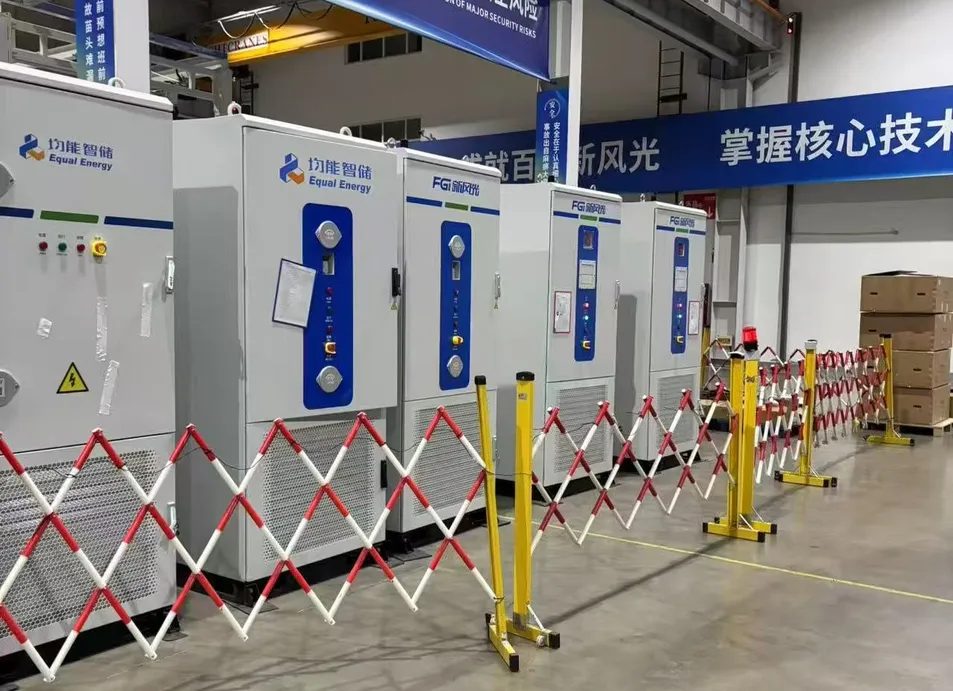
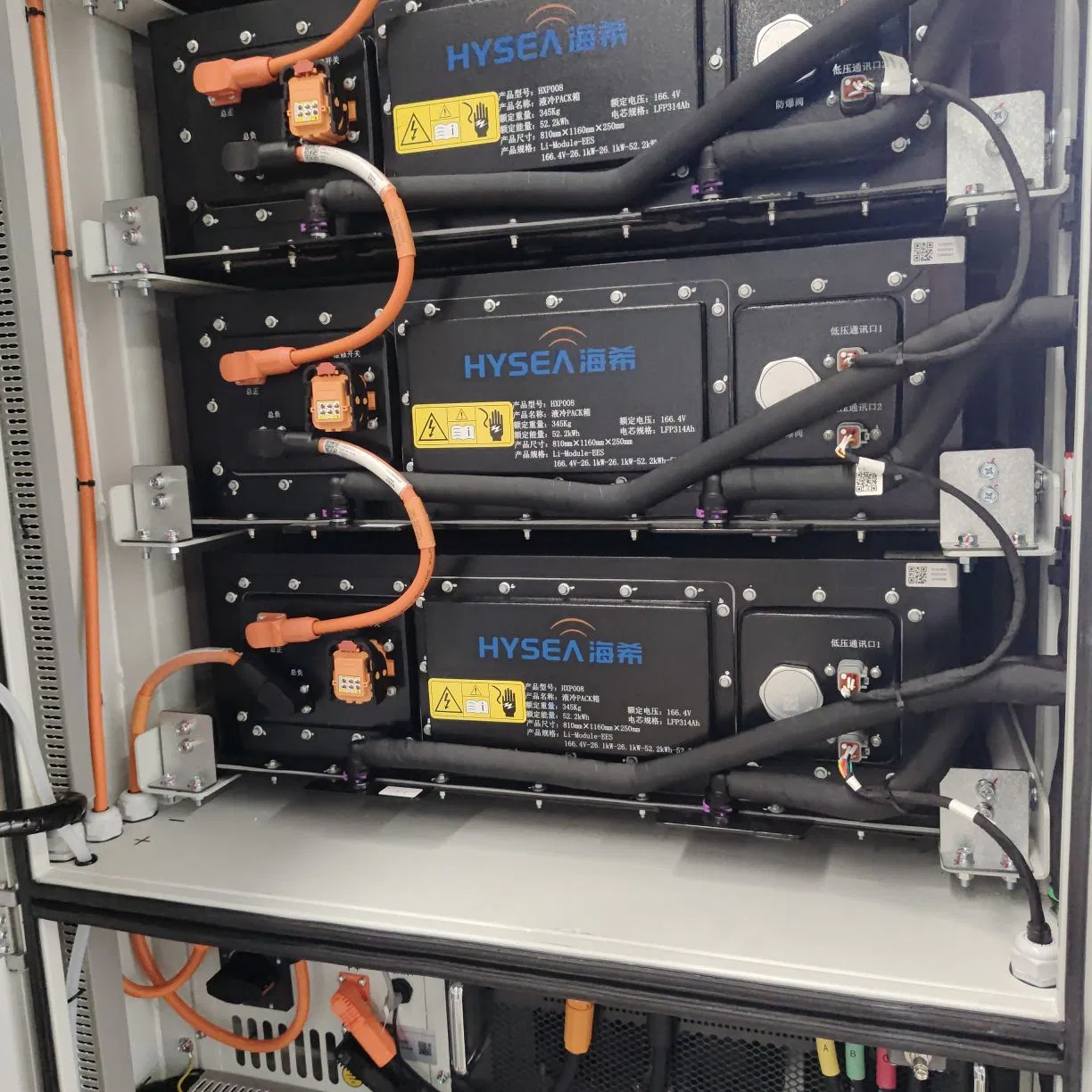
Technology: The system employs Liquid Cooling for the DC side (Battery PACKs) and Air Cooling for the AC side (PCS/Electrical compartment).
Benefit: Maintains optimal battery temperature (ΔT ≤ 5℃), ensuring high efficiency and extending cycle life. The liquid cooling unit provides a cooling capacity of 5.0 kW.
Design: Features a physical partition separating the Electrical Compartment and Battery Compartment using thermal insulation and flame-retardant materials.
Protection: Equipped with a dual fire protection strategy (PACK-level + Cabin-level) including hot aerosol extinguishing devices, H2 detection, and an explosion-proof ventilation system.
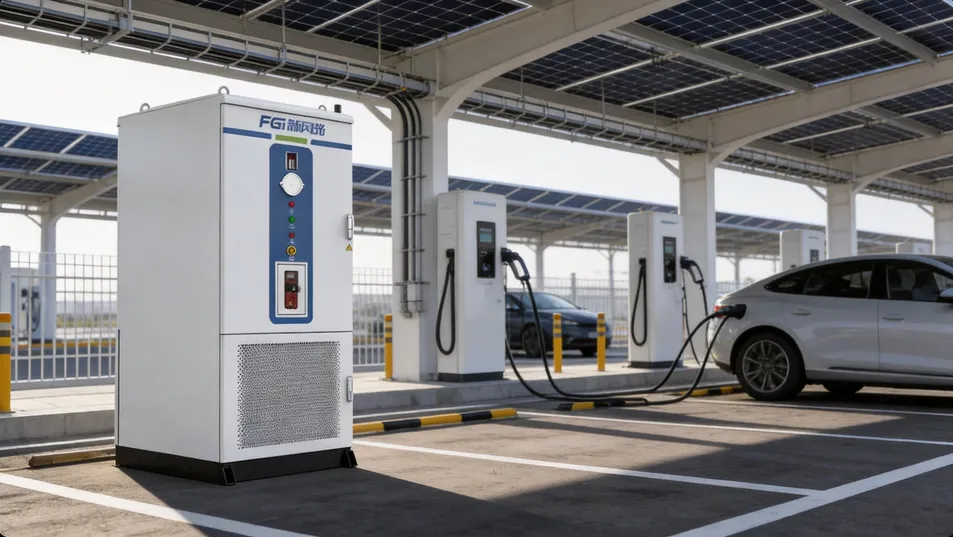
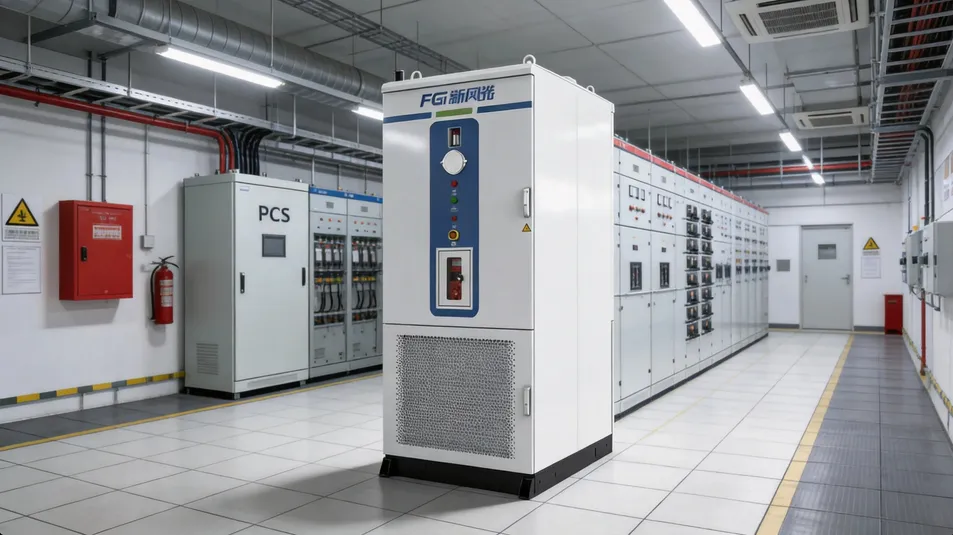
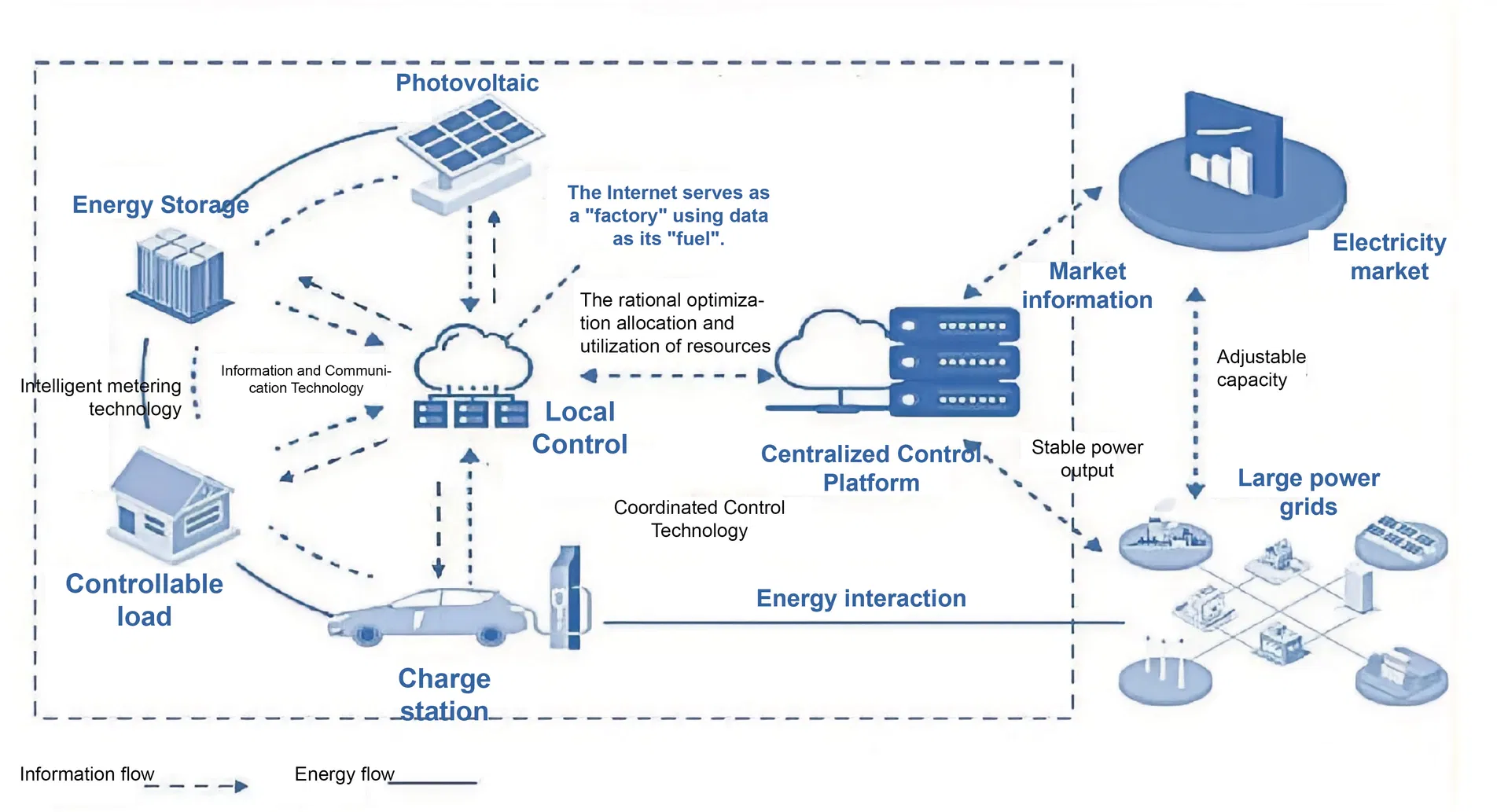
Components: Fully integrates 125kW PCS (with built-in high-voltage box), 261kWh Battery Cluster, BMS, EMS, and auxiliary power supply.
Benefit: Reduces on-site installation complexity. The unit supports plug-and-play operation and can run independently or in parallel with other cabinets.
Performance: Features a stable 1P260S cell configuration. Backed by a rigorous rating of 6,000 cycles (@25℃, 0.5P, 90% DOD), this system ensures long-term operational stability and delivers a superior return on investment (ROI).
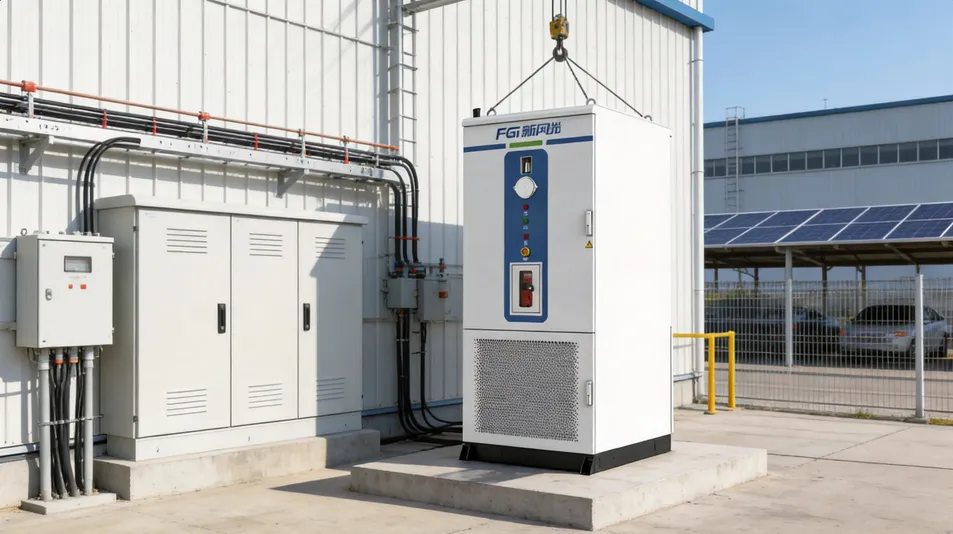
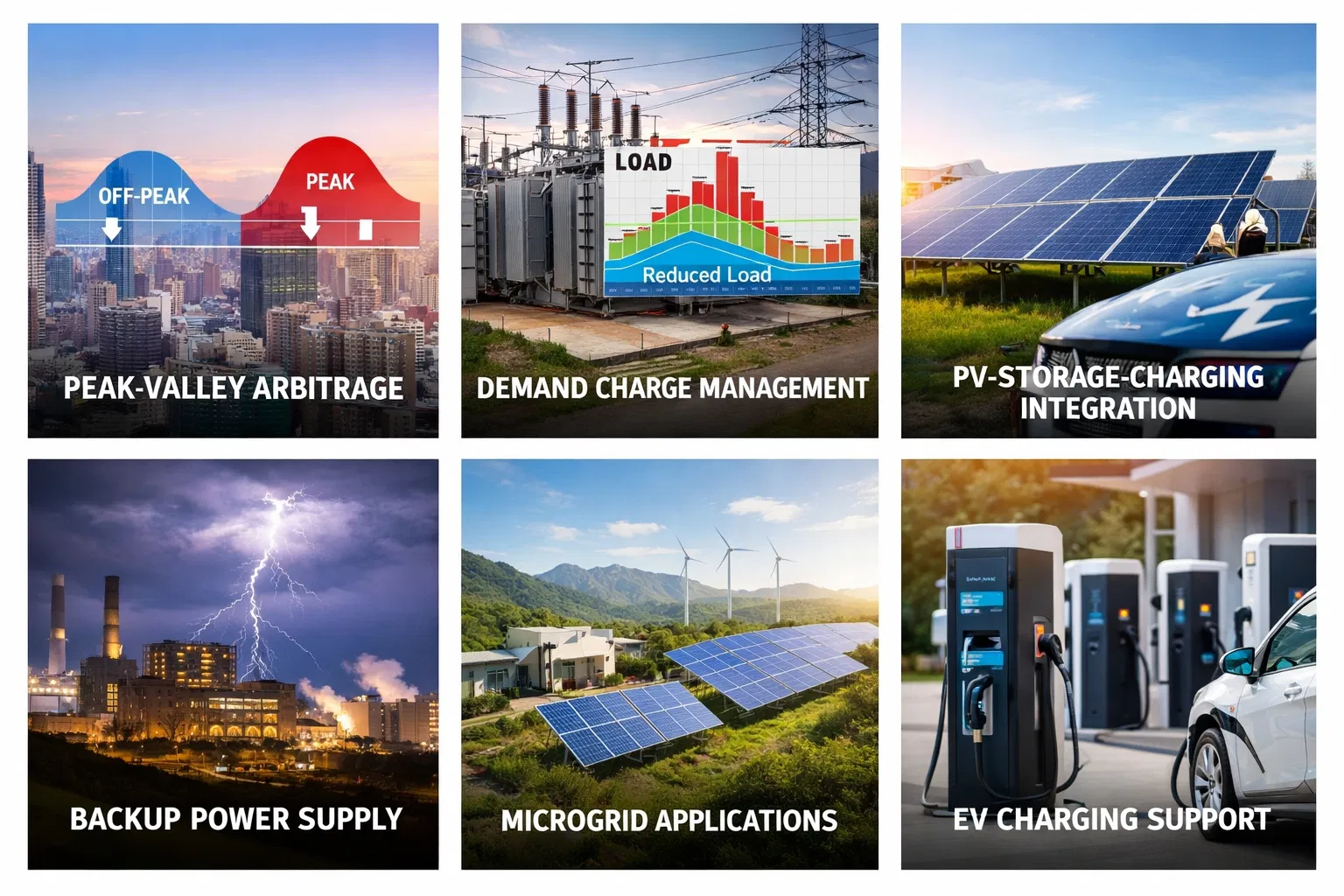
Charge during off-peak electricity pricing periods and discharge during peak hours to reduce energy costs.
Optimize transformer loading and reduce peak demand charges for commercial and industrial users.
Store excess solar power and supply clean energy to EV charging stations.
Ensure continuous and stable power for factories, commercial buildings, and critical loads during grid outages.
Support independent or hybrid microgrid systems in remote areas, industrial parks, and island applications.
Improve charging station stability, reduce grid impact, and enable fast charging expansion.