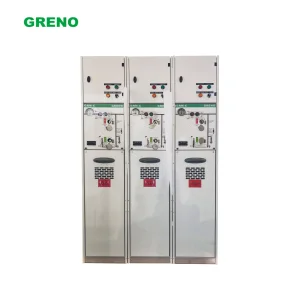
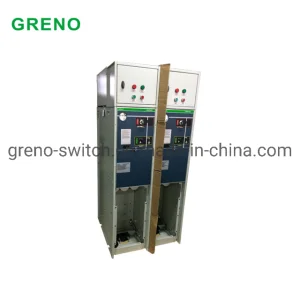
Optimized compact power distribution solutions suited for Namibia's municipal, commercial, and solar energy interfaces.
How Next-Gen Gas-Insulated Switchgears are driving grid stability, mineral mining, and utility security across Sub-Saharan Africa.
Namibia is on the cusp of an energy revolution. Driven by ambitious national projects under NamPower (Namibia Power Corporation) and the Harambee Prosperity Plan, the country is actively expanding its transmission grids to support domestic power generation, reduce dependency on Southern African Power Pool (SAPP) imports, and harness rich solar, wind, and green hydrogen potential. However, the physical and climate challenges governing Southern Africa require highly specialized, resilient electrical distribution infrastructure.
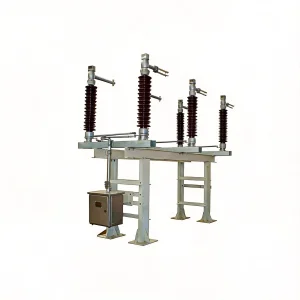
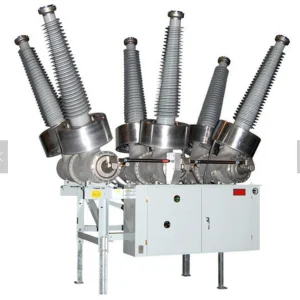
The Namibian transmission landscape requires transmission networks capable of bridging vast distances between generation nodes, such as the Ruacana Hydroelectric Power Station on the northern border, and the main demand centers in Windhoek, Swakopmund, and the Erongo mining belt. In these environments, traditional Air-Insulated Switchgear (AIS) substations frequently experience reliability limits. The solution is Gas-Insulated Switchgear (GIS) technology, which encapsulates active high-voltage conductors inside a grounded metal container pressurized with SF6 (Sulfur Hexafluoride) or alternative insulation gas. By replacing open air paths with a highly dielectric medium, substation footprints are reduced by up to 70%, while core electrical components are insulated from external atmospheric challenges.
Namibia hosts some of the most challenging operating environments in the world. Equipment deployed here must withstand:
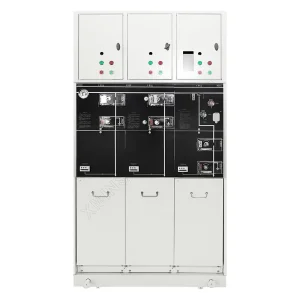
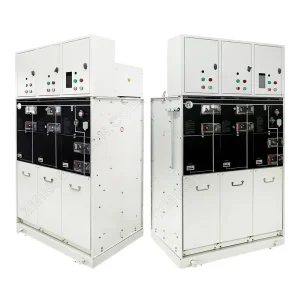
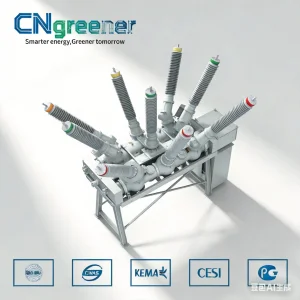
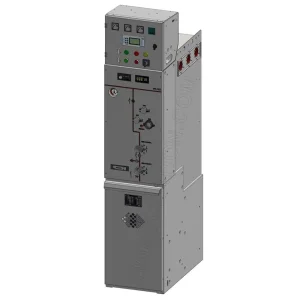
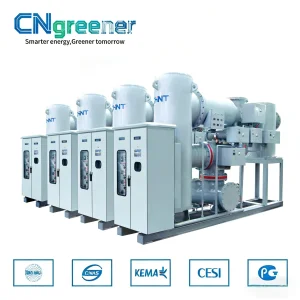
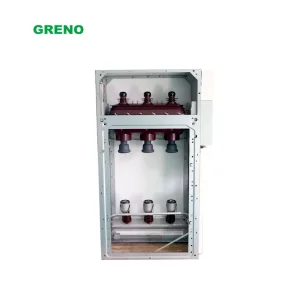
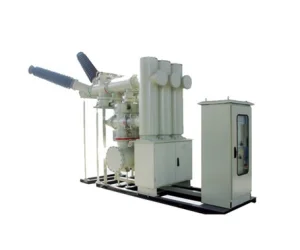
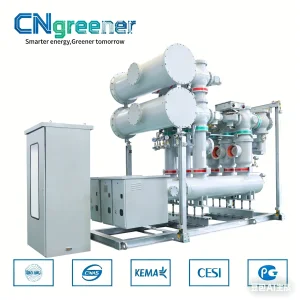
Our Gas-insulated Switchgear (GIS) designs directly address these problems. By completely enclosing circuit breakers, busbars, disconnectors, and instrument transformers inside gas-tight stainless steel or aluminum enclosures, we isolate critical systems from dust, salt, moisture, and temperature fluctuations. This design prevents corrosion and dielectric failures, ensuring high operational reliability for Namibia’s utility and mining sectors.
A premier national high-tech enterprise dedicated to advanced energy distribution infrastructure.
Zhejiang Zeno Electric Co., Ltd. is a national high-tech enterprise located in Ningbo, with a registered capital of 52 million yuan. The company integrates research and development (R&D), manufacturing, sales, and service of advanced power equipment and energy systems.
Rooted in Ningbo and supported by a strong engineering and technical team, Zeno Electric has steadily expanded its business across China and international markets. Through continuous innovation and quality-driven development, the company has become a trusted provider in the power and energy industry, with growing influence in both utility and industrial sectors.
With a focus on sustainable development and smart energy transformation, we are committed to delivering safe, efficient, and intelligent power solutions that support the global transition toward cleaner and more digitalized energy systems.
Zhejiang Zeno Electric Co., Ltd. specializes in power equipment and integrated energy system solutions. Our product portfolio covers a wide range of advanced technologies, including:
In addition, we undertake turnkey power engineering projects up to 220kV, providing end-to-end services that include system planning, engineering design, equipment manufacturing, installation, commissioning, and long-term maintenance. To better serve diverse customer needs, we offer fully customized, one-to-one energy solutions tailored to specific project requirements. Our integrated service model helps clients:
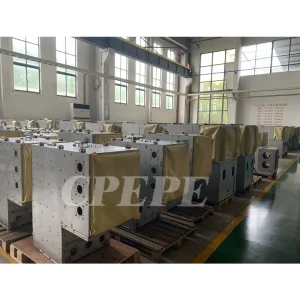
Peek inside our state-of-the-art Ningbo factory to observe the precision manufacturing processes behind our power solutions.
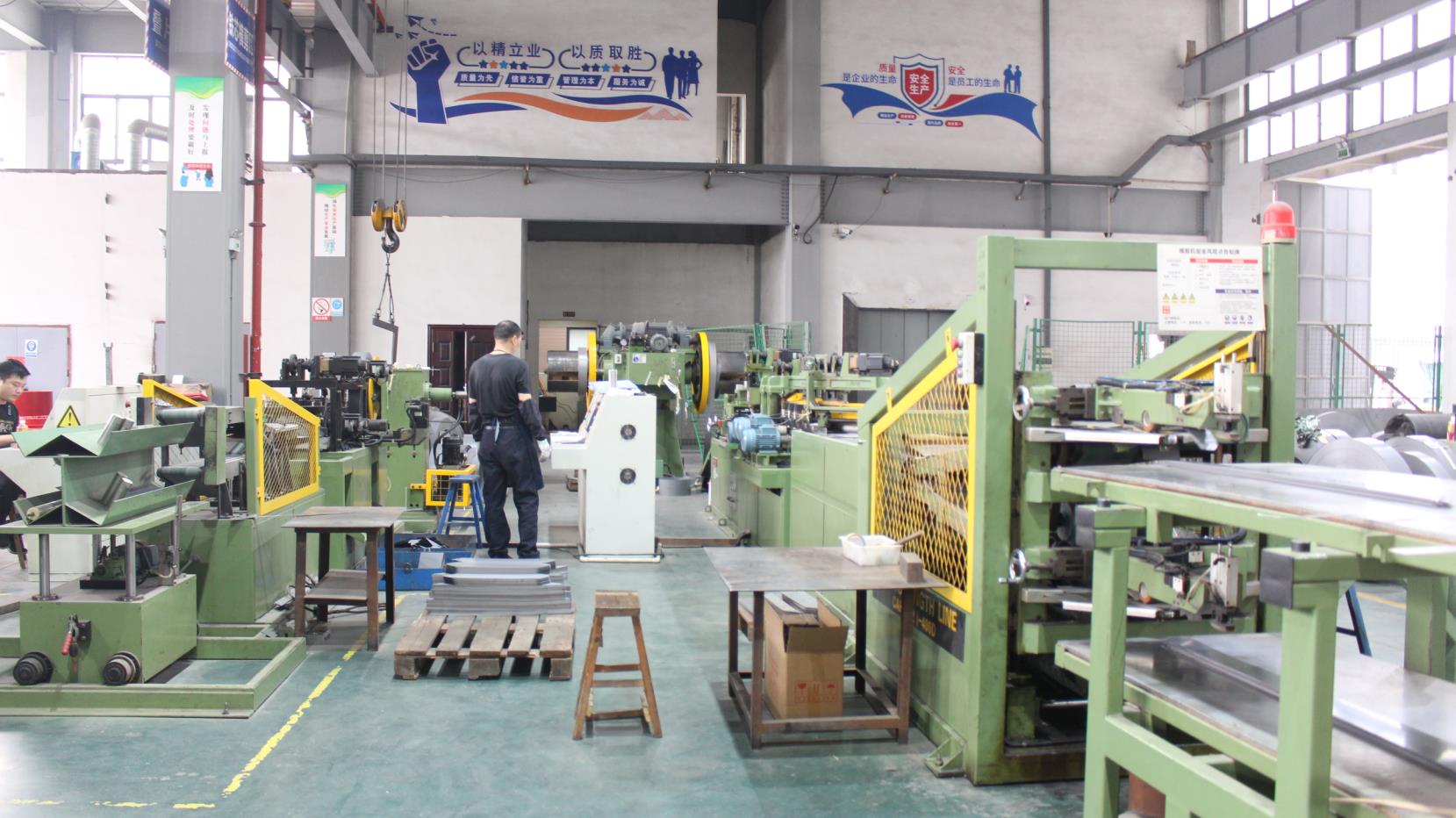
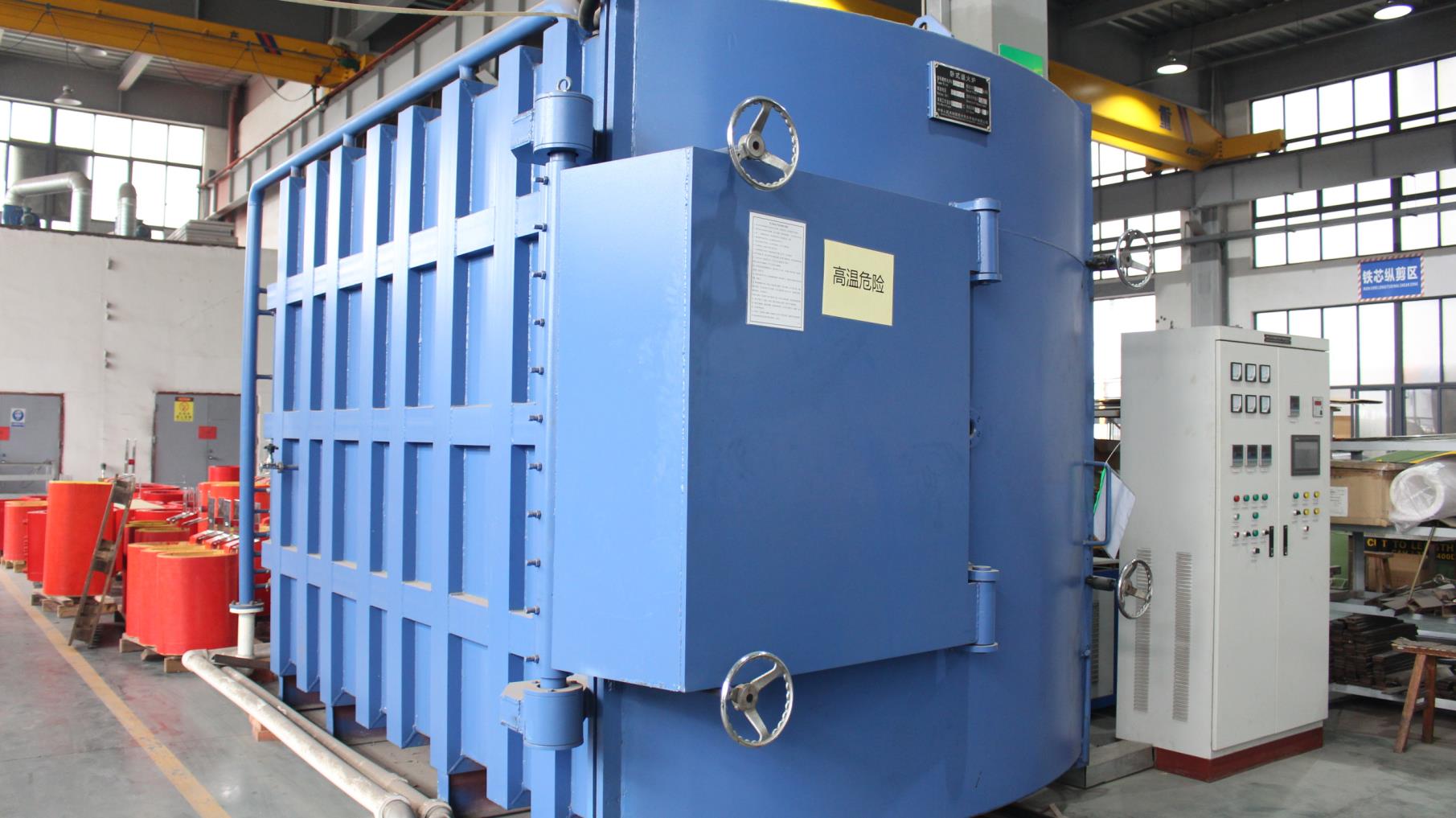
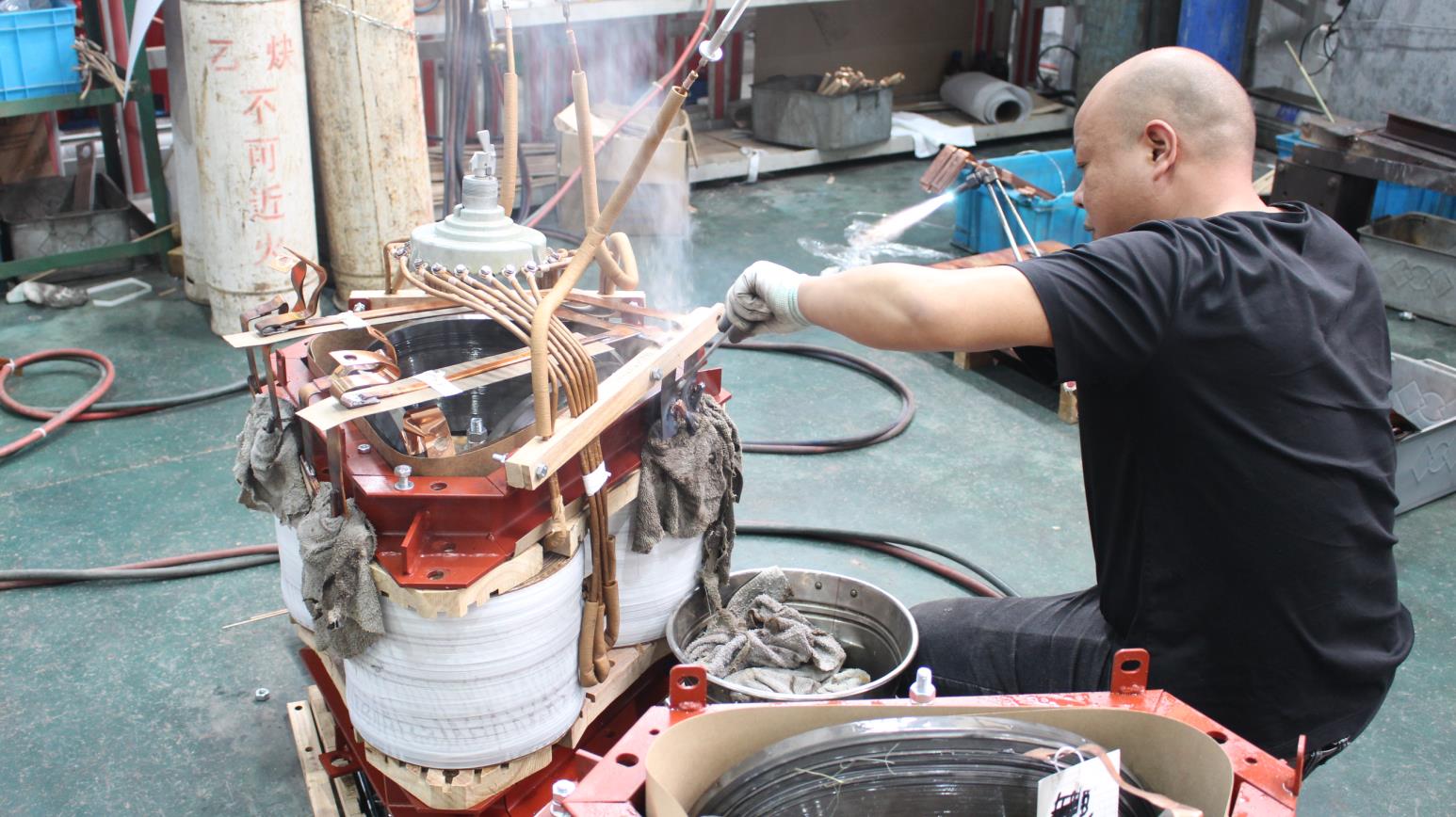
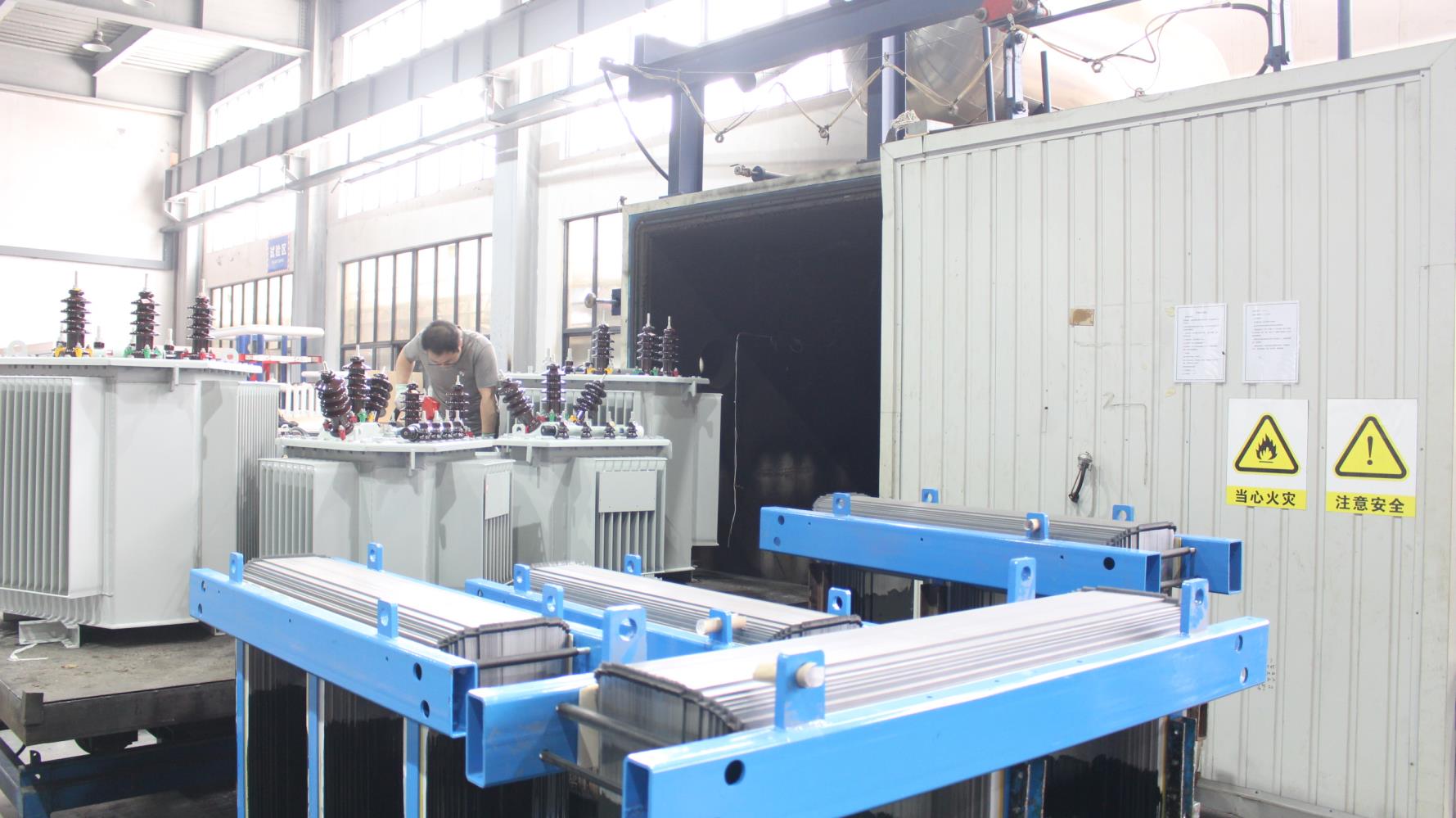
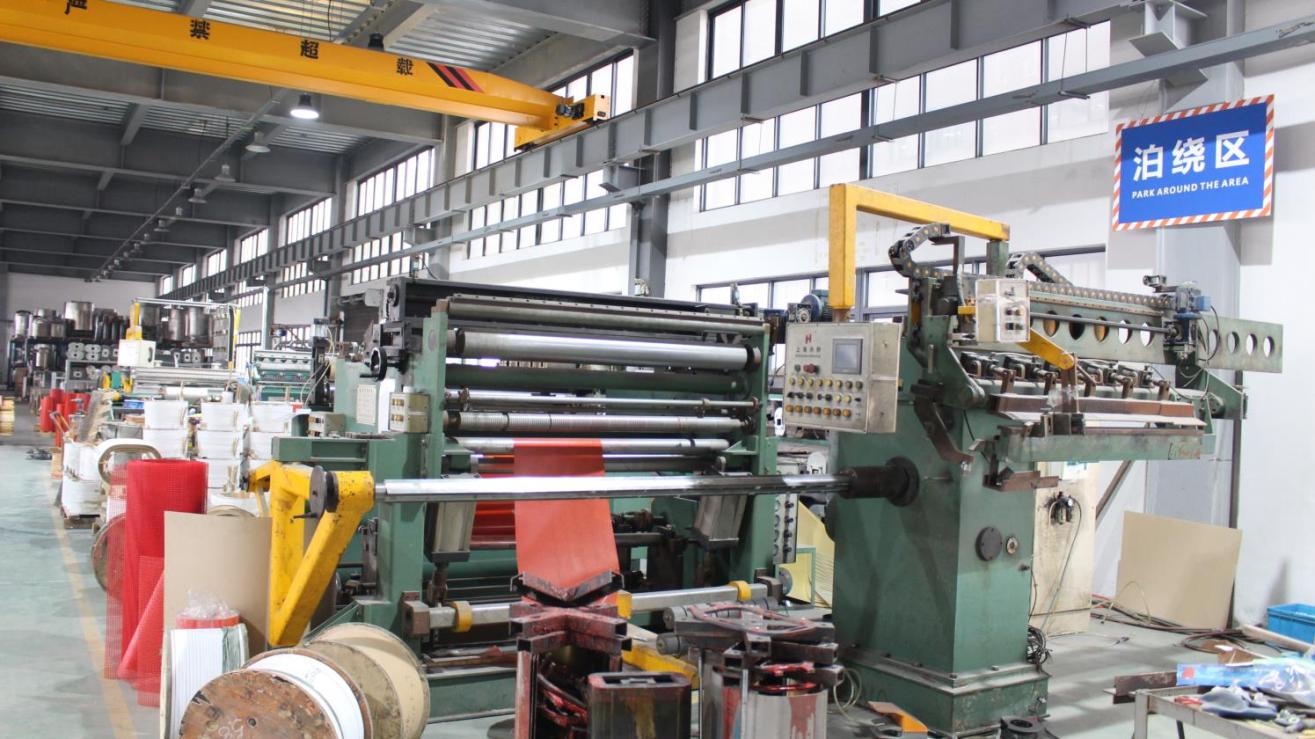
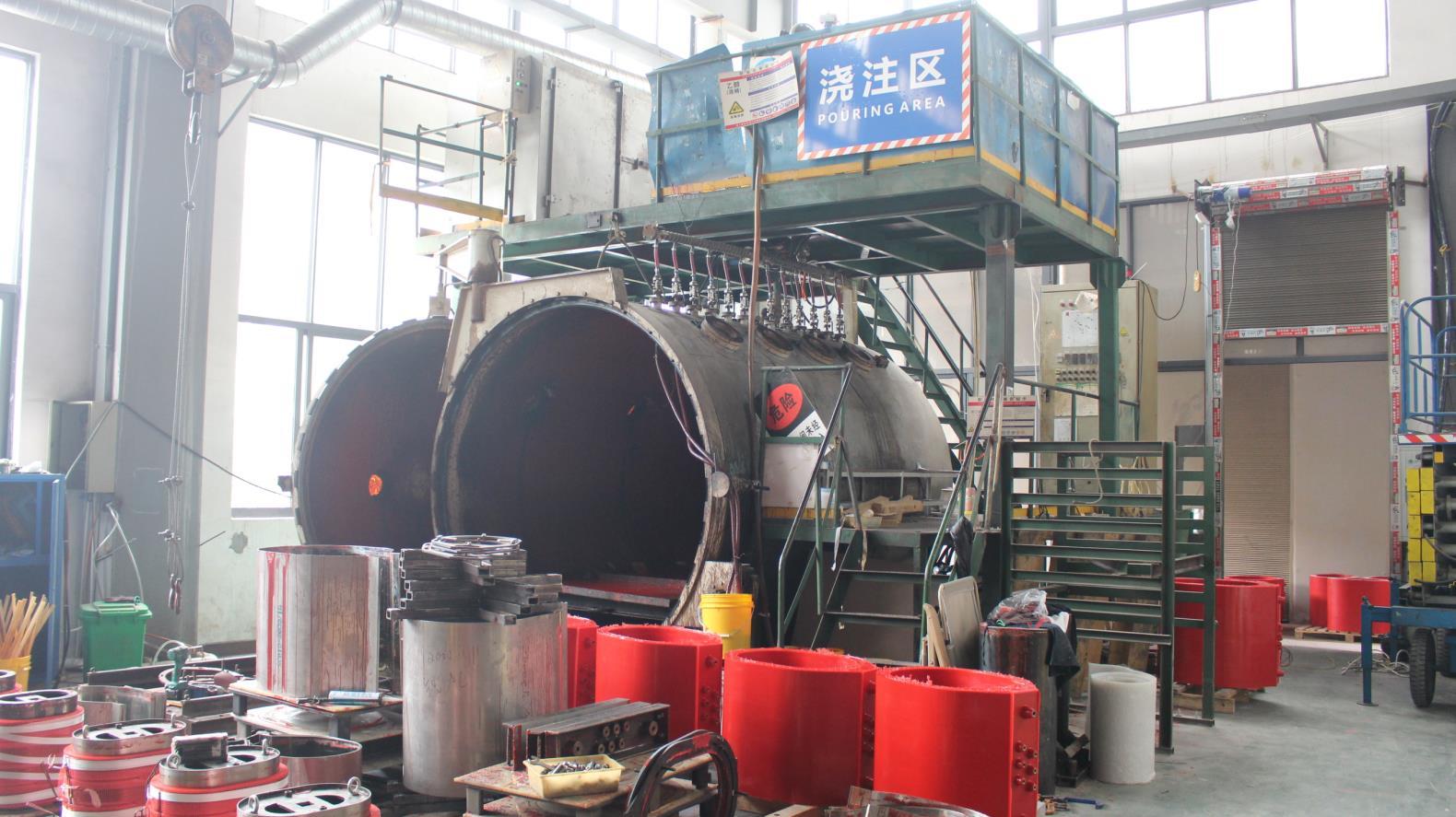
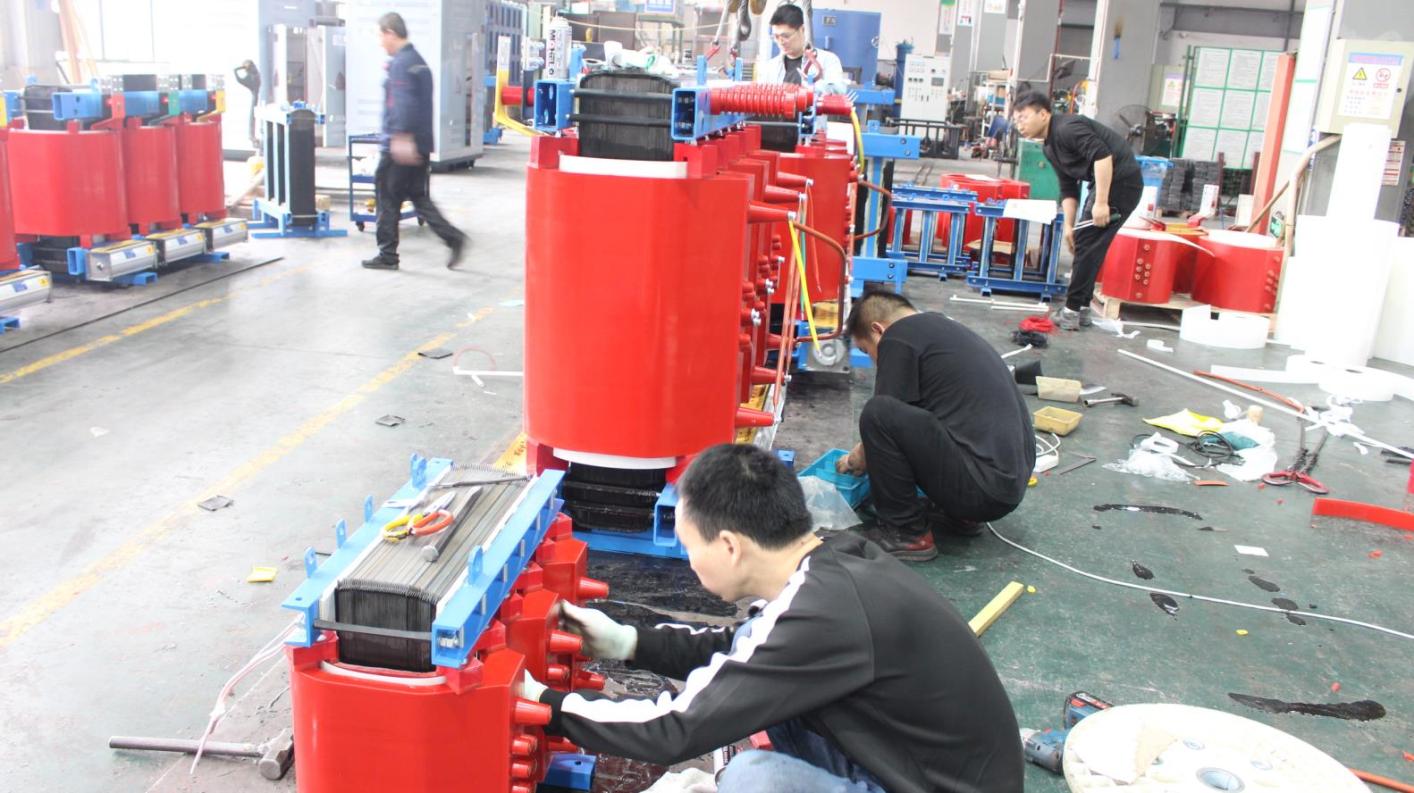
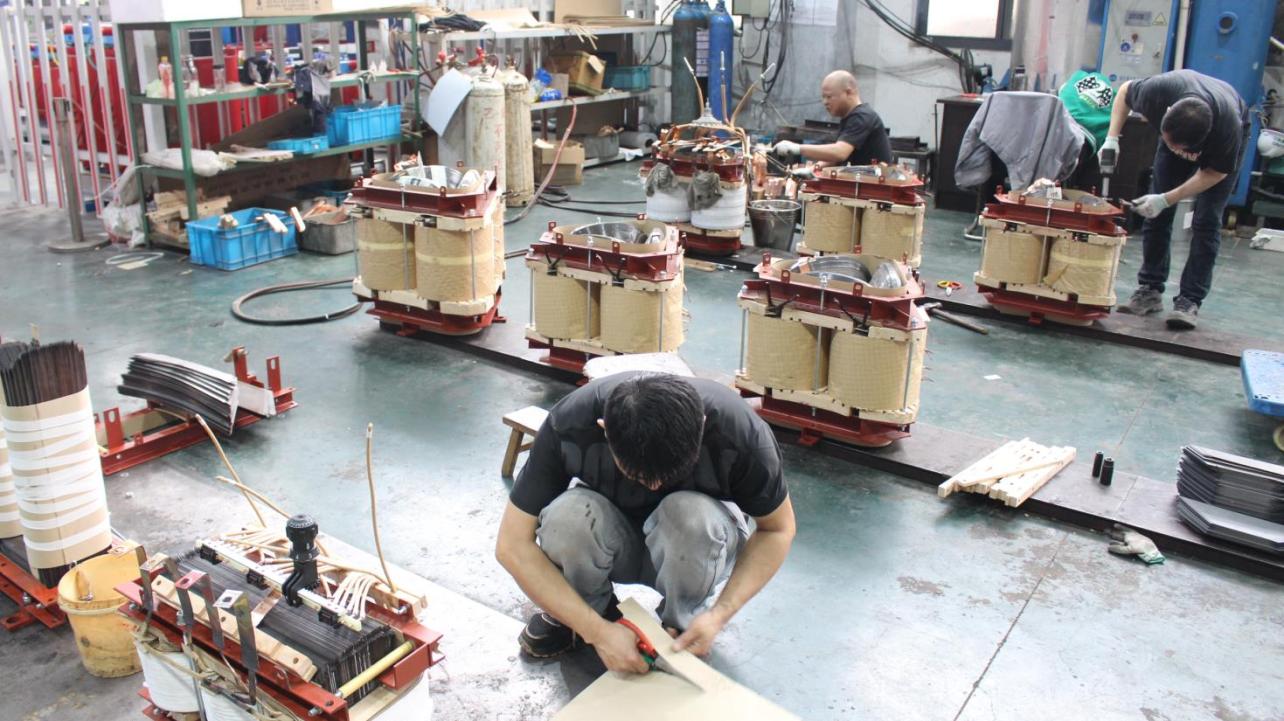
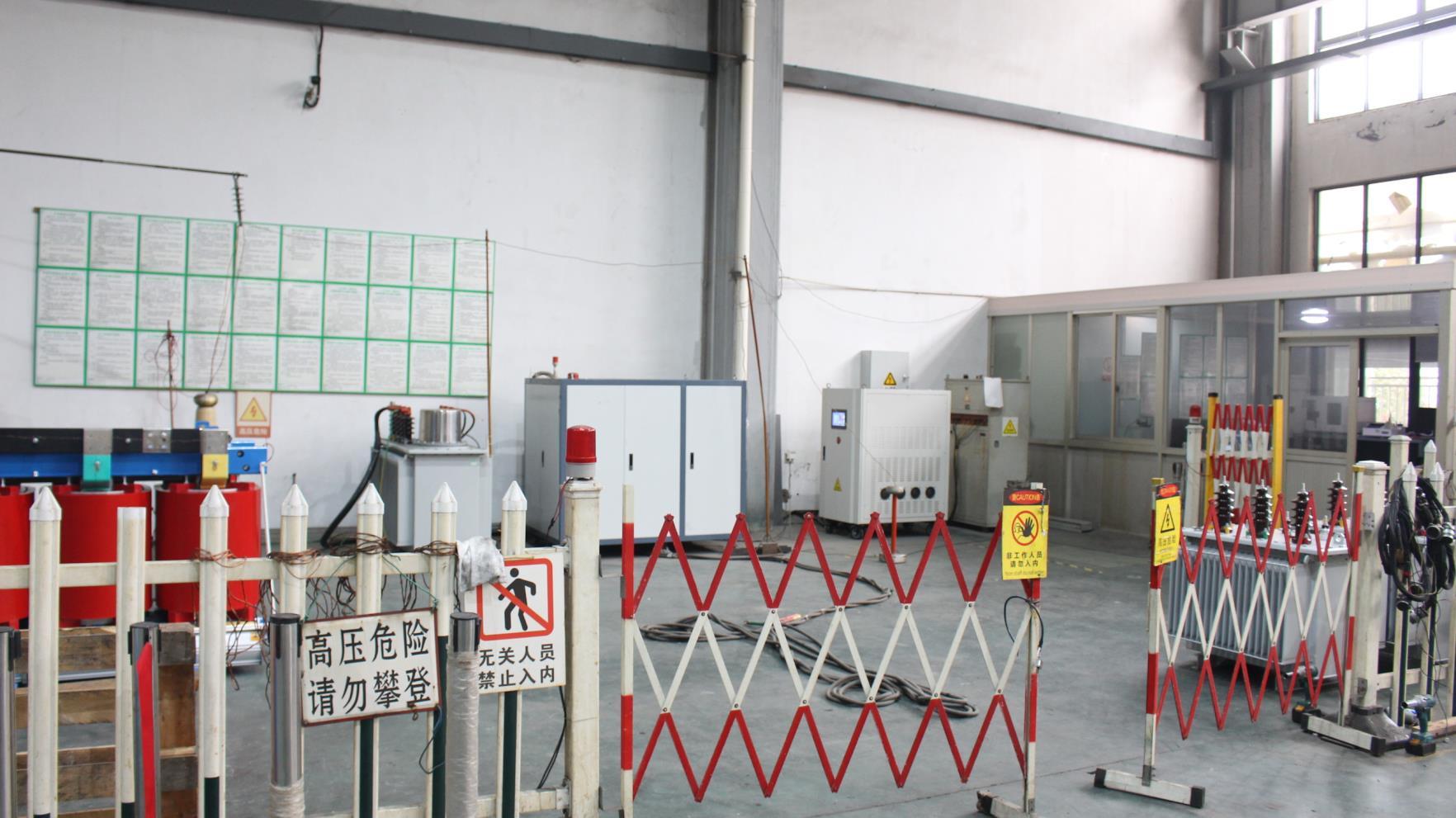
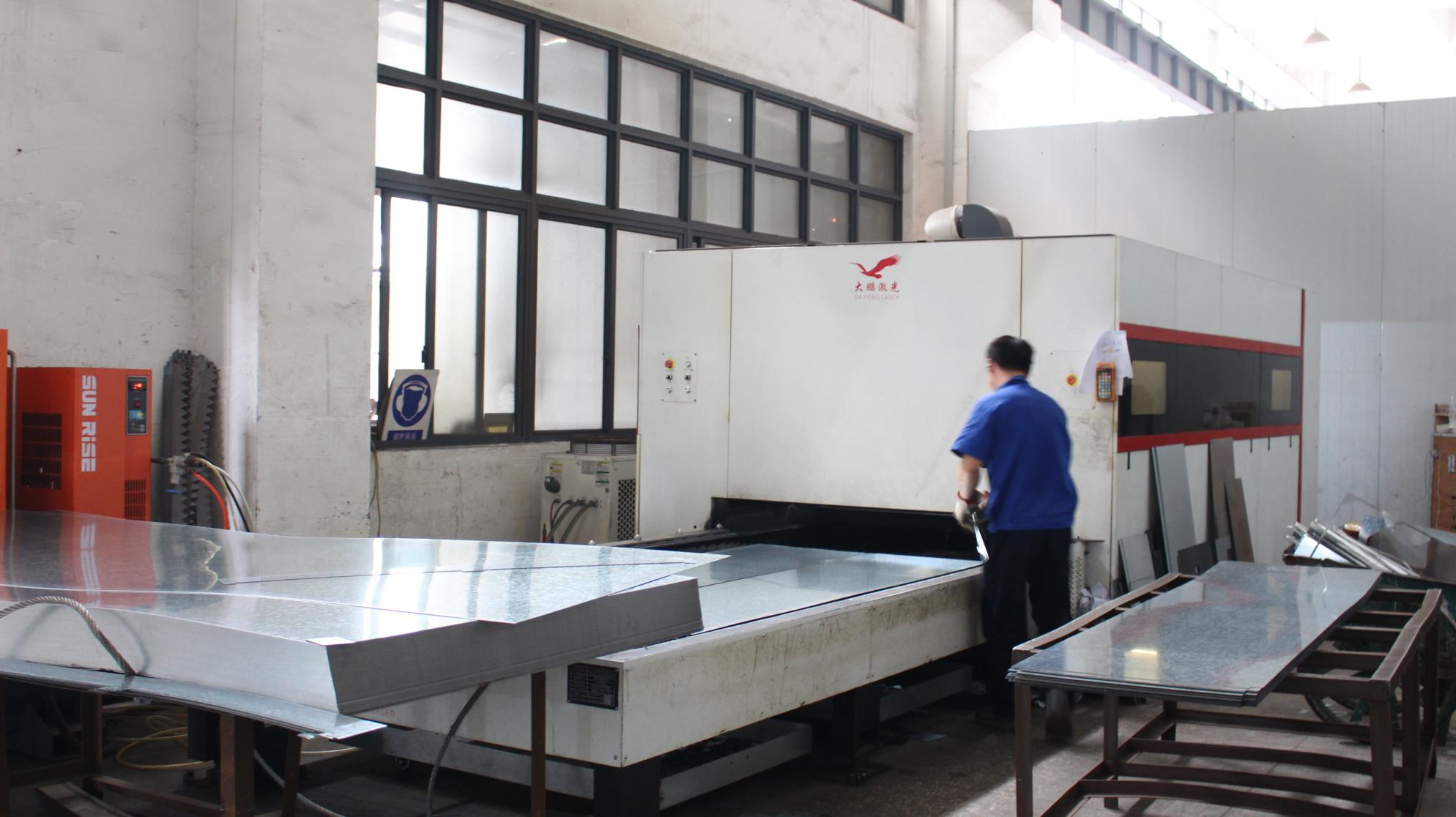
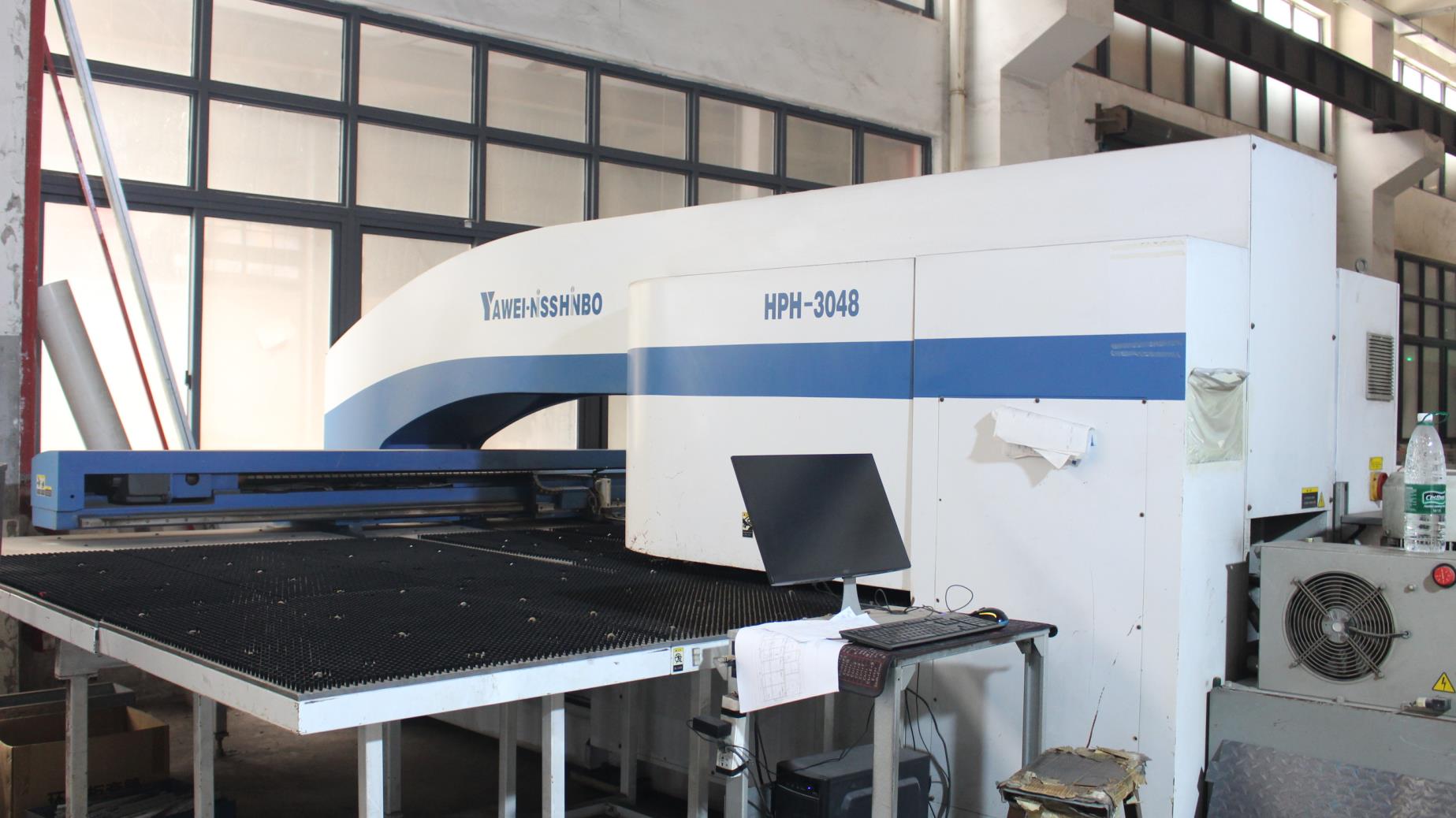
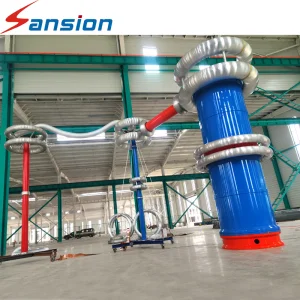
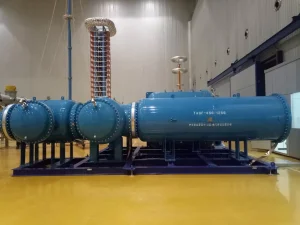
Engineered options supporting modular plant setups and reliable onsite insulation testing.
Understanding where and how modern GIS technology stabilizes and secures industrial operations.
Namibia's economy relies heavily on industrial mining operations (such as the Husab and Rössing Uranium mines). These projects require continuous, high-current supply systems. GIS substations protect mining distribution grids from fine dust deposits and mineral processing particles.
Solar IPPs and wind energy projects along the coastal zones require grid connections that can handle fluctuating power levels. Our compact, prefabricated GIS modules enable fast onsite installation and clean integration with regional distribution lines.
Harbors like Walvis Bay require substation equipment that resists saltwater damage. Enclosed GIS designs protect copper conductors and contacts from moisture and salt-driven corrosion, preventing insulation degradation.
Modern electrical infrastructure procurement requires strict compliance with international testing standards. Utility engineering teams in Southern Africa routinely align their purchasing specs with IEC 62271-200 (for metal-enclosed MV switchgear) and IEC 62271-203 (for gas-insulated metal-enclosed switchgear at rated voltages of 52 kV and above). Our products undergo full type testing at third-party laboratories to verify:
Although SF6 remains the industry standard for high-voltage insulation due to its excellent physical properties, the global power industry is shifting toward more environmentally friendly options. Regulatory updates and international carbon targets are accelerating the development of alternative insulation gas combinations, such as synthetic air, CO2-based gas mixtures, or fluoronitrile (C4-FN) compounds.
Zeno Electric is at the forefront of this technology. We are continuously researching and testing alternative gas and solid-insulated technologies (SIS) to help our clients build sustainable, lower-emission power grids without sacrificing safety or footprint efficiency.
Answers to common technical, logistics, and installation questions about deploying GIS systems in Africa.
For standard medium-voltage configurations (e.g., 12kV/24kV RMUs), production takes 6 to 8 weeks. Custom high-voltage configurations (e.g., 110kV/220kV systems) require 12 to 16 weeks, which includes customized design reviews, casting, testing, and shipping preparation from our Ningbo port facility to the Port of Walvis Bay.
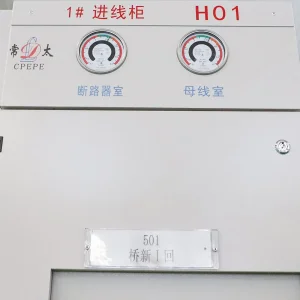
Our gas compartments use high-grade double O-ring seal designs made from EPDM rubber, which resists degradation under high temperatures. We also include integrated, temperature-compensated gas density monitors. These sensors track gas density rather than just raw pressure, preventing false alarms caused by temperature changes and providing reliable warnings for any minor pressure changes.
Yes. All Zeno Electric GIS control panels are equipped with smart remote terminal units (RTUs) that support Modbus RTU/TCP, DNP3, and IEC 60870-5-104 protocols. We also offer IEC 61850-compliant options for substation automation, allowing seamless integration with regional control centers.
We provide complete remote support and can dispatch specialized field service engineers to Namibia to oversee assembly, gas filling, vacuum testing, and commissioning. We also supply variable-frequency resonant test systems to verify equipment performance before energizing the substation.
AIS installations suffer from rapid corrosion of exposed copper joints and tracking on outdoor insulators due to salt fog. GIS systems solve this by sealing all live high-voltage components inside a gas-tight enclosure. This design prevents salt and moisture ingress, significantly reducing maintenance costs and operational risks.
Explore our full line of high-voltage and medium-voltage switchgears designed for global export.
 Zeno Electric