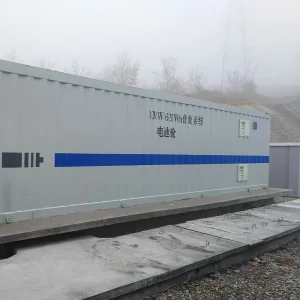
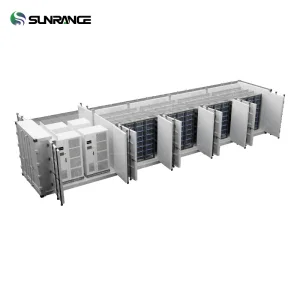
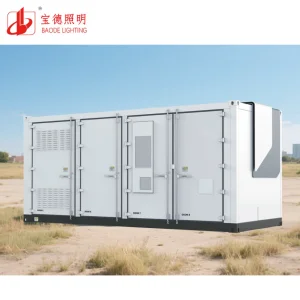
Explore our premium-tier, outdoor integrated containerized battery energy storage systems (BESS) engineered to stabilize grid connectivity, facilitate PV integration, and provide high-density emergency backup for Nagoya industrial complexes.
As the industrial heartland of Japan and the capital of Aichi Prefecture, Nagoya is a global powerhouse for automotive manufacturing, aerospace engineering, and heavy machinery production. With Japan's ambitious national pledge to achieve carbon neutrality by 2050, Nagoya’s manufacturing core is under intense pressure to decarbonize. High-volume manufacturing plants face two parallel challenges: integrating volatile renewable energy sources (such as rooftop solar PV arrays) and maintaining absolute grid stability. Even millisecond-level power fluctuations can disrupt automated robotics lines, leading to substantial financial losses.
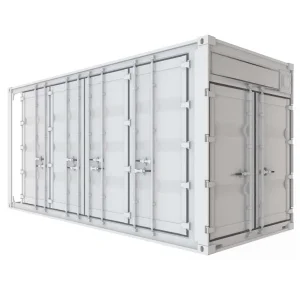
Containerized Battery Energy Storage Systems (BESS) are critical to this transition. By installing centralized, containerized lithium-ion storage solutions, factories in the Nagoya port area and industrial zones can capture excess solar energy generated during daytime non-production periods and discharge it during peak operational hours. This process—known as peak shaving—not only reduces high utility demand charges but also supports local distribution networks managed by Chubu Electric Power.
Globally, the utility-scale energy storage market is transitioning from legacy Lead-Acid and early-generation NMC chemistry toward highly stable, cobalt-free Lithium Iron Phosphate (LiFePO4) chemistry. BESS installations are no longer mere backup assets; they are active grid participants. Through Virtual Power Plant (VPP) configurations, containerized energy systems are deployed to provide frequency response, voltage control, and black-start capabilities. The emergence of high-voltage systems (specifically 1500V DC architectures) has dramatically optimized round-trip efficiency (RTE) while reducing the structural footprint and overall balance-of-system (BOS) costs.
Procuring containerized energy storage systems from Chinese manufacturers offers distinct advantages in cost optimization, vertical integration, and rapid deployment. By leveraging the world's most robust lithium battery ecosystem—which spans raw material refining, cell production, BMS (Battery Management System) design, and full-container assembly—companies like Zhejiang Zeno Electric Co., Ltd. deliver cost-efficient, tier-1 quality components that match or exceed stringent global safety standards.
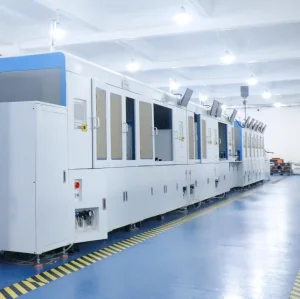
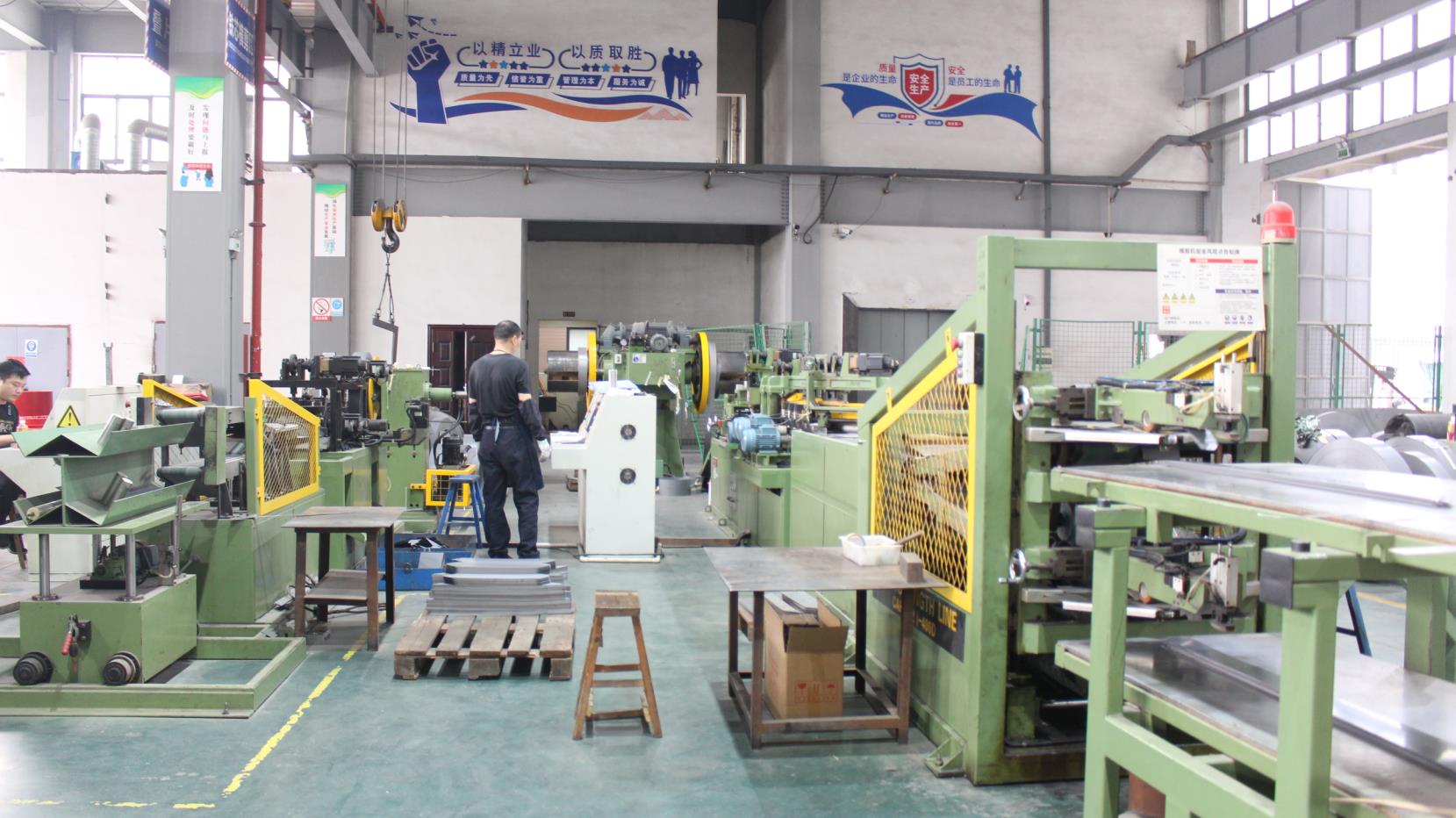
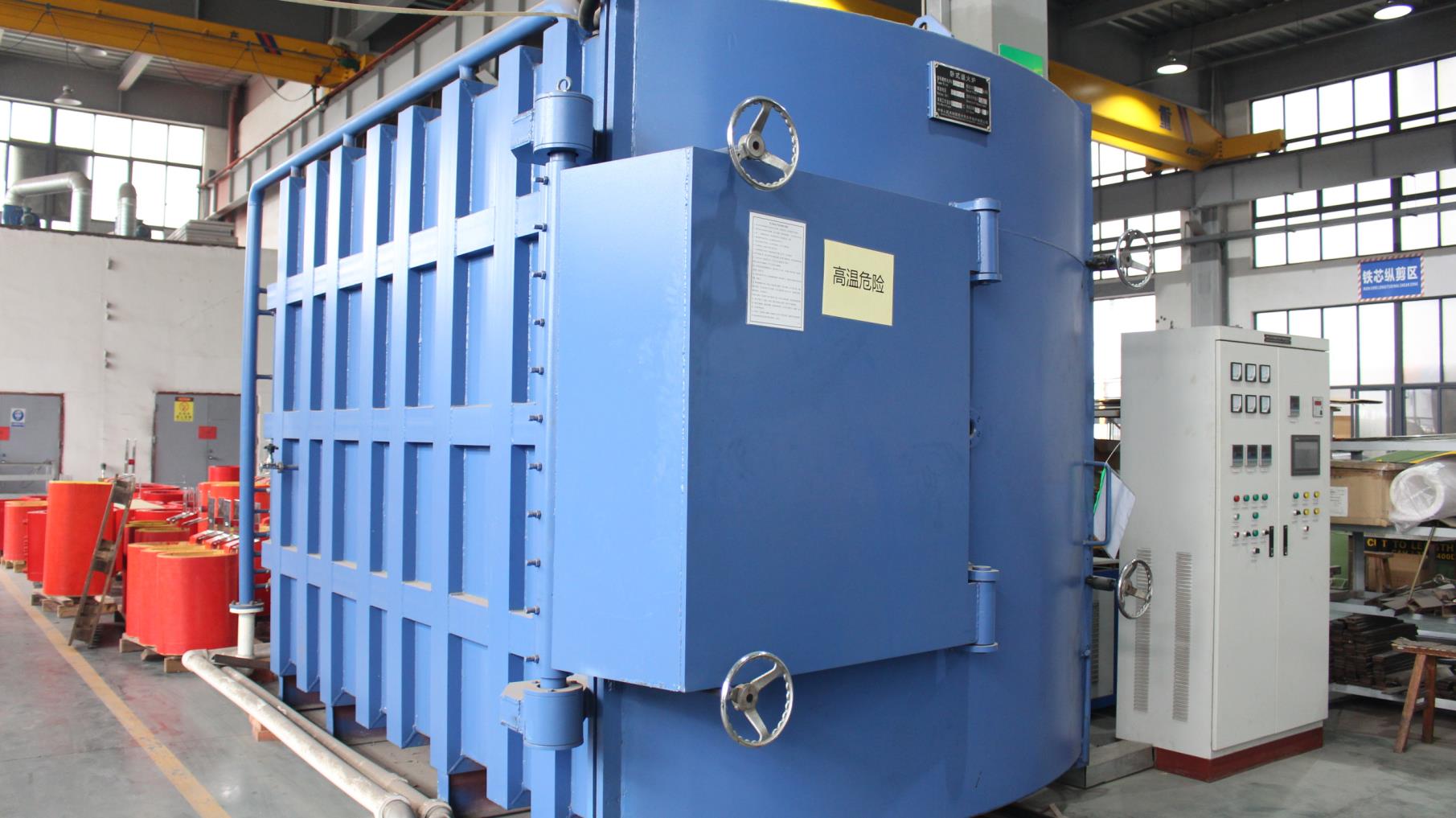
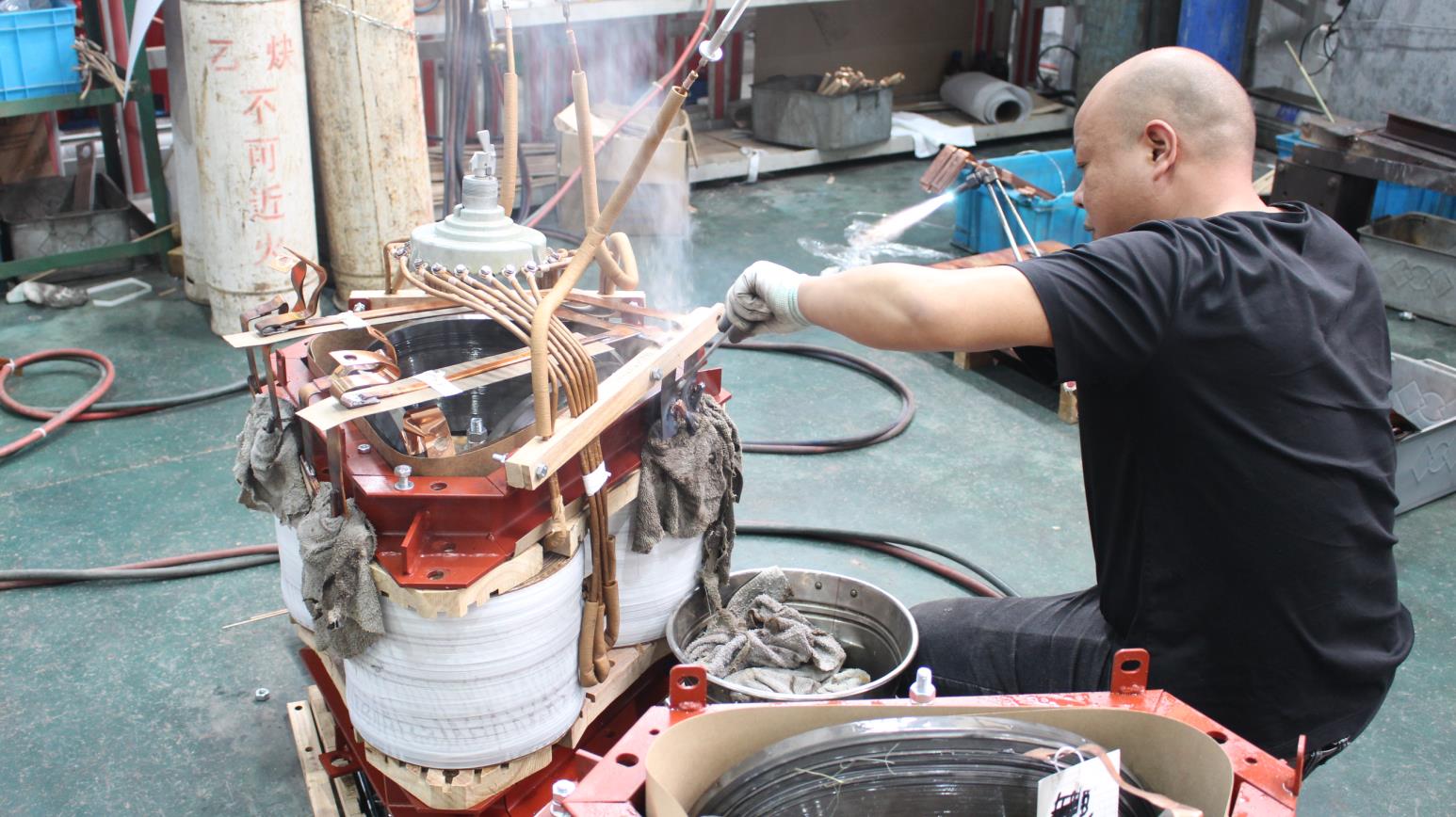
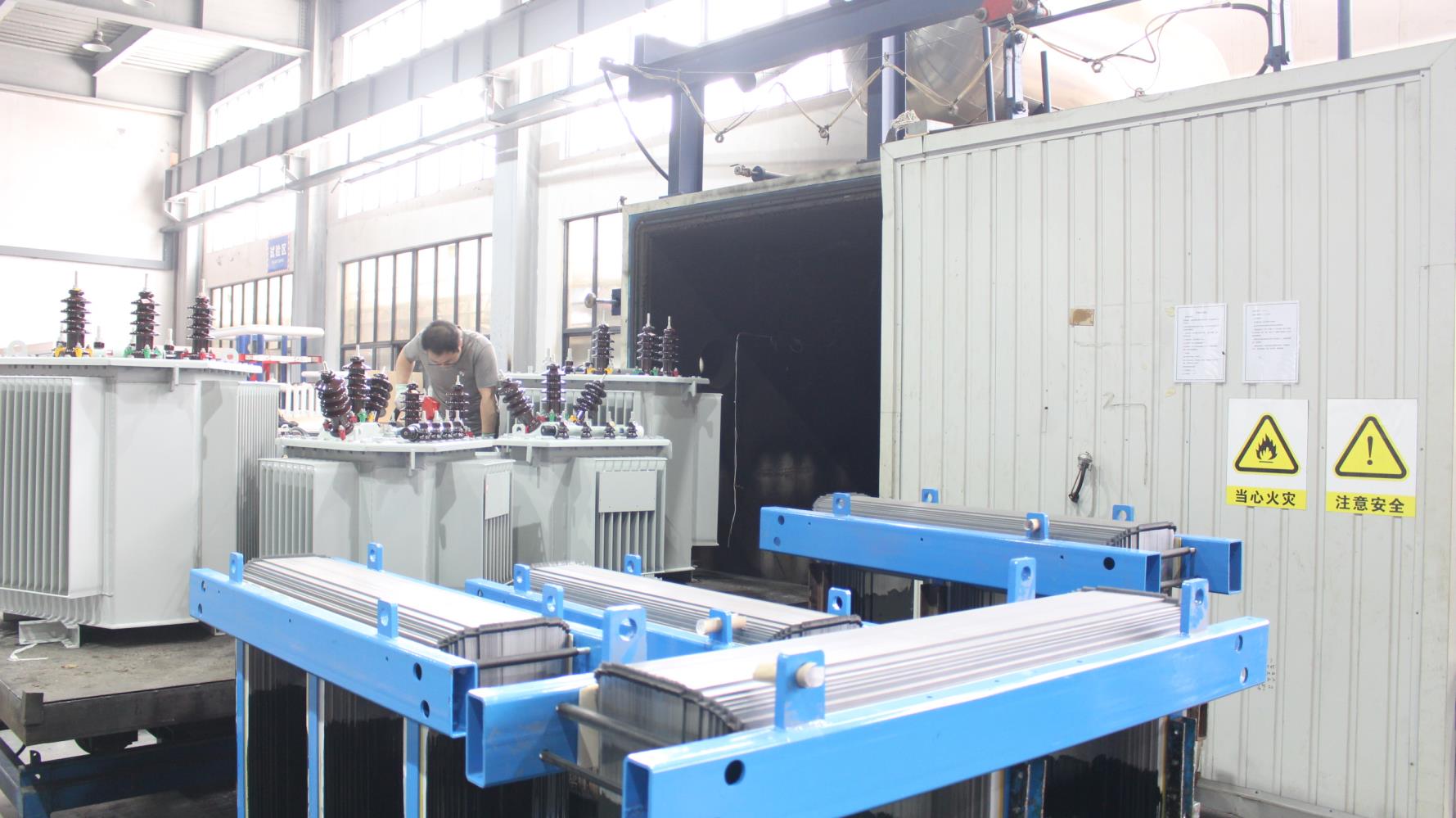
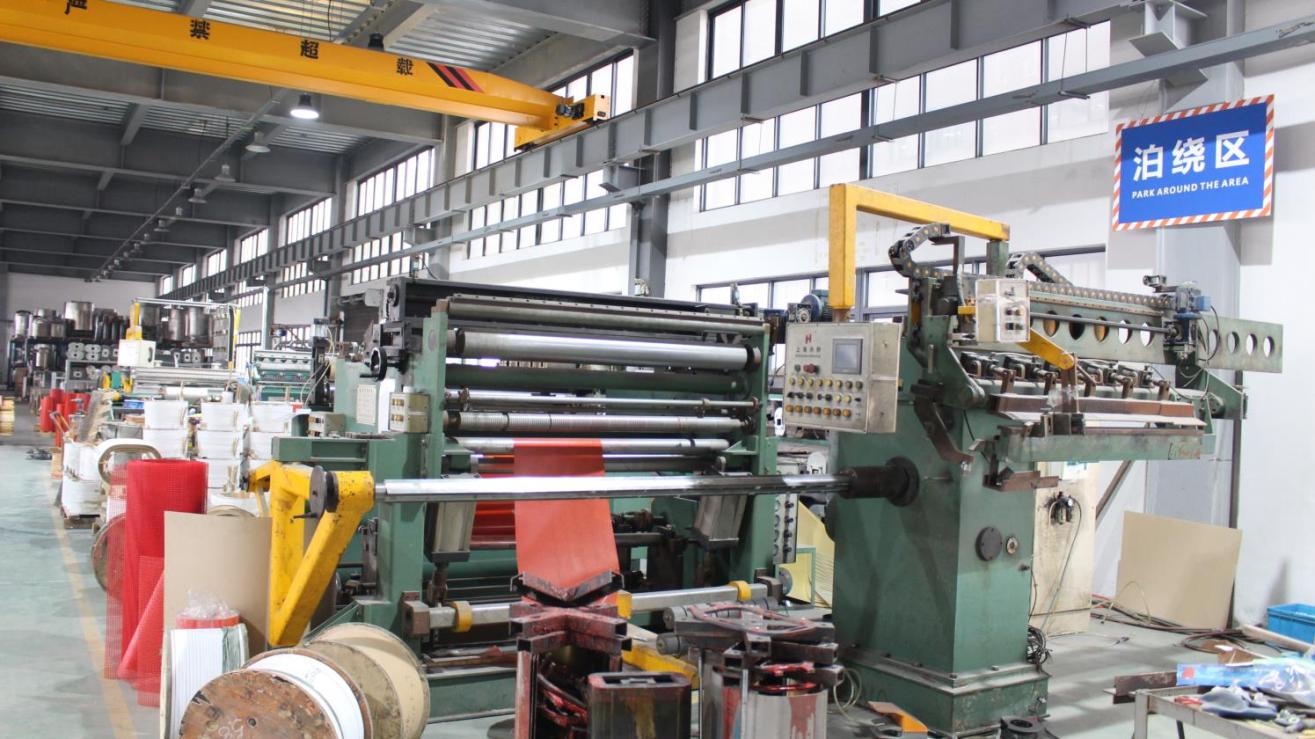
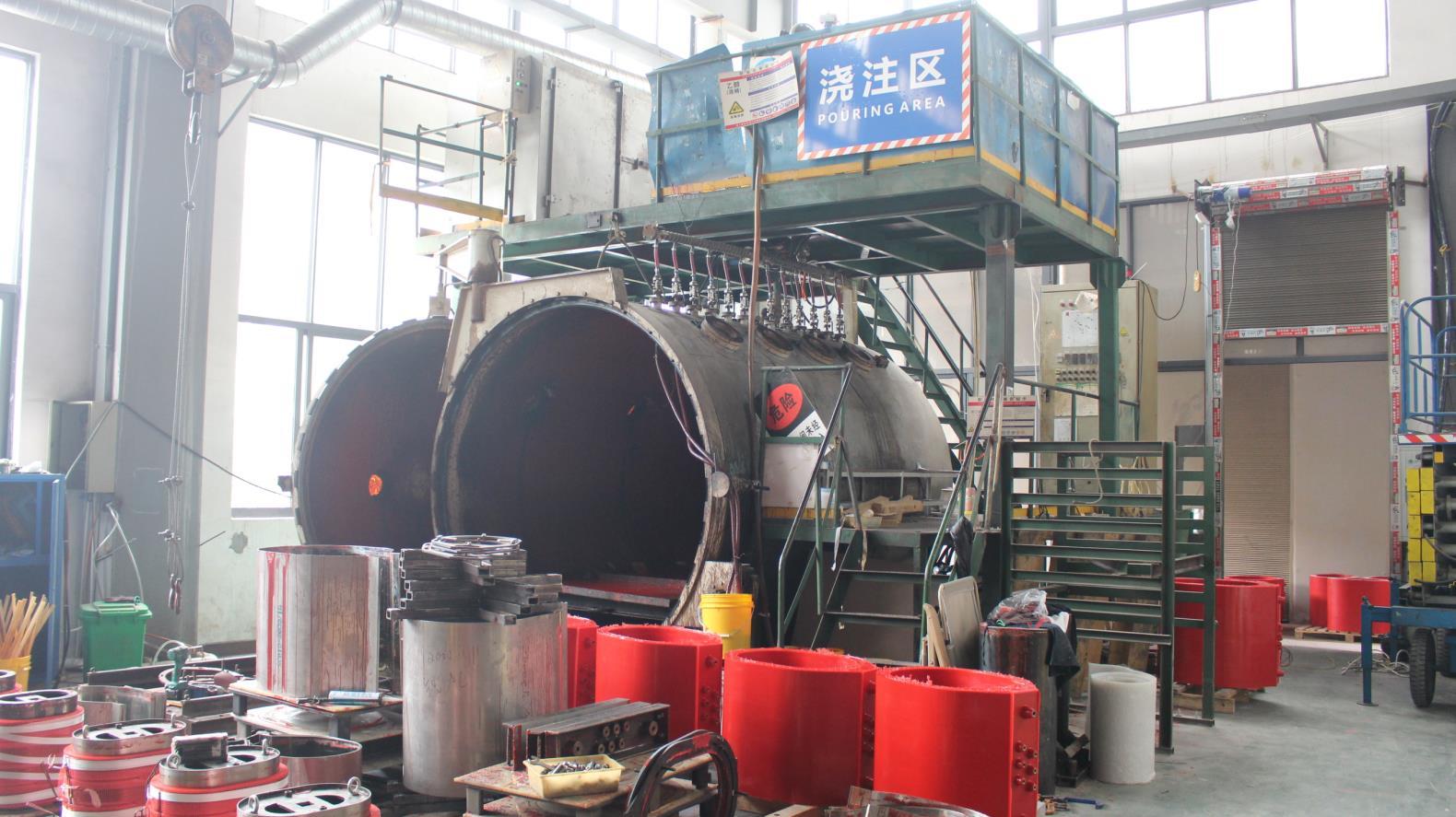
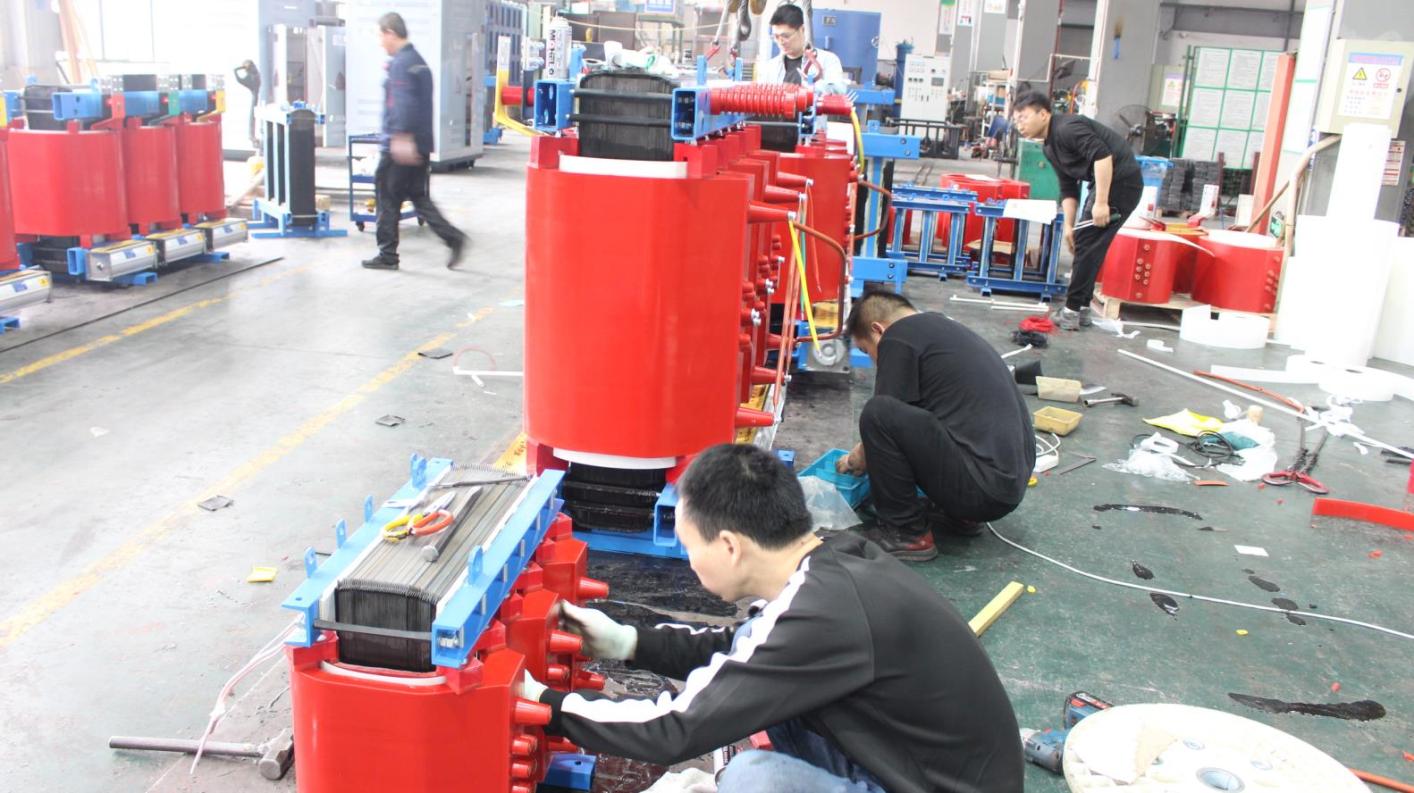
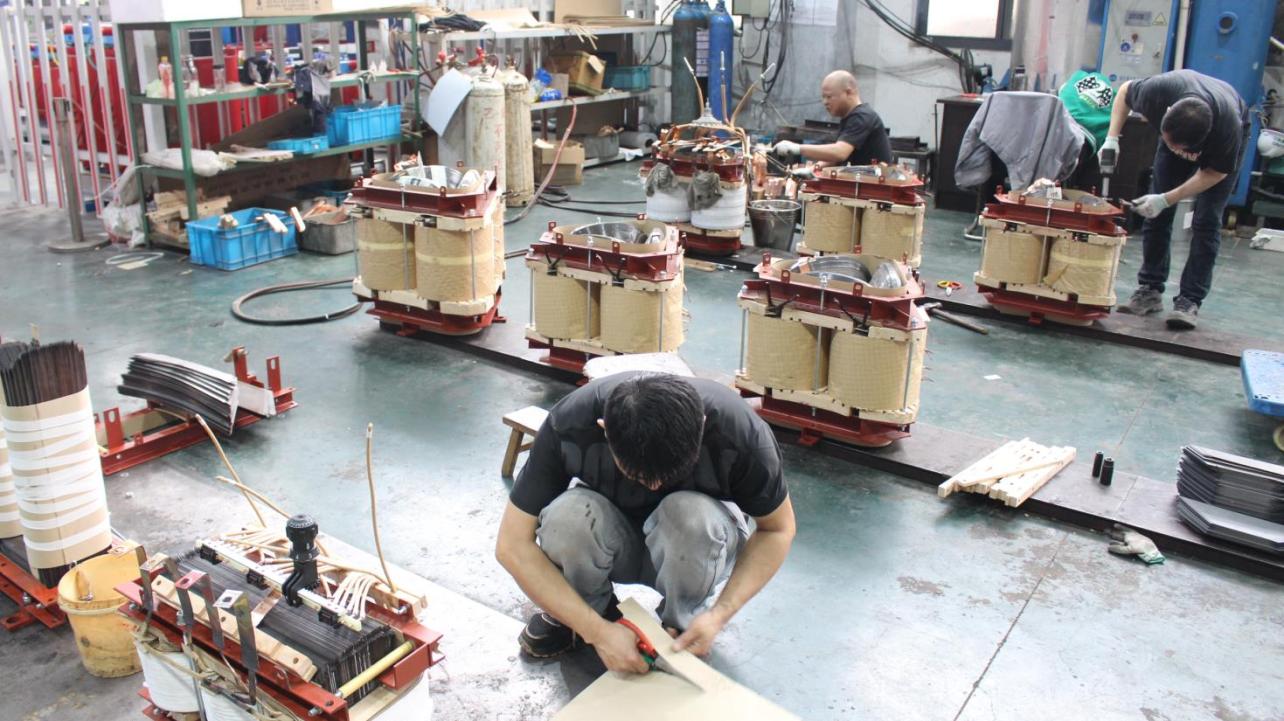
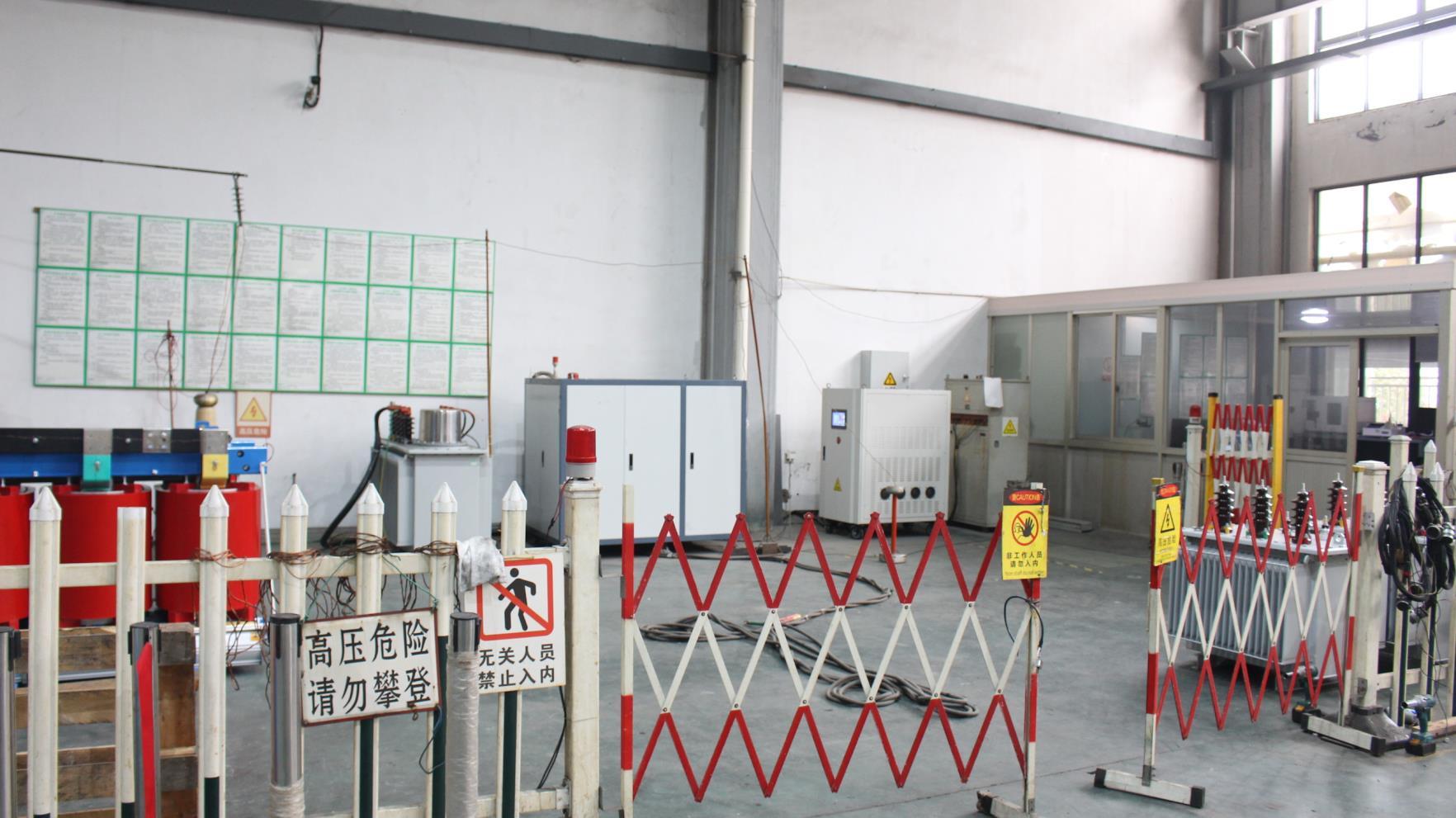
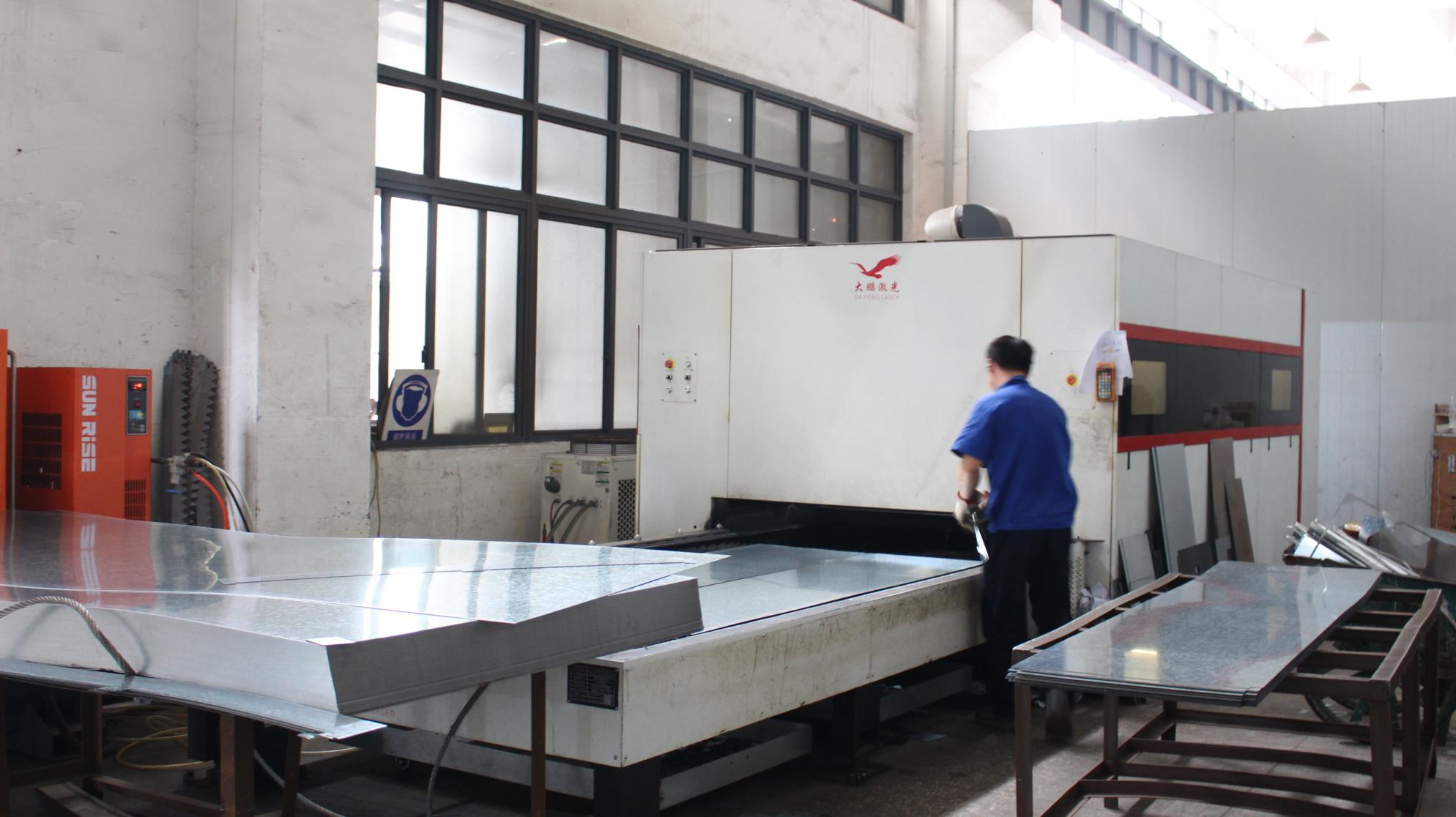
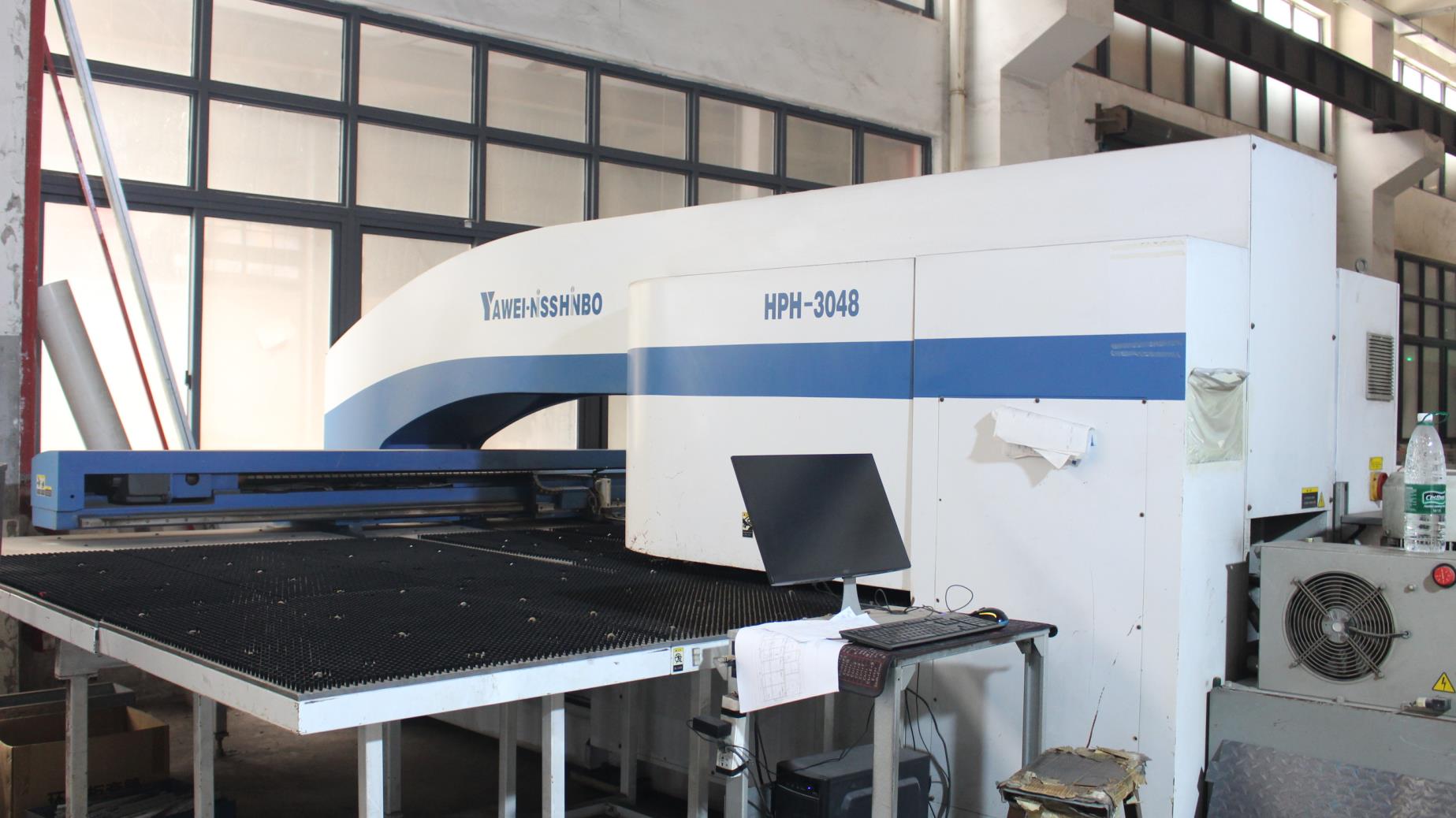
Our manufacturing facility integrates advanced power systems engineering with high-precision fabrication. We maintain complete ownership over the production process, ensuring absolute reliability for Nagoya buyers:
Manufacturing automotive chassis or stamping carbon fiber components requires high energy throughput during specific shifts. Operating these lines drives peak demand charges high. Zeno’s 1MWh to 2MWh containerized systems can store energy during low-tariff nighttime hours or capture rooftop solar, discharging it during manufacturing peaks. This protects internal electrical lines from voltage drops and optimizes energy usage.
Nagoya, situated on the Pacific coast, is subject to typhoons and seismic threats. Regional governments prioritize disaster mitigation. Installing an outdoor IP54-rated containerized storage system paired with localized solar generation ensures that critical facilities—such as communication centers, logistics hubs, and water processing plants—can operate in islanded mode during grid outages.
As logistics companies in Nagoya modernize to electric trucks, charging multiple vehicles simultaneously creates demand spikes. A 500kW to 1MWh buffer container offsets these loads, preventing utility transformer overloads and reducing infrastructure upgrading costs.
Our engineers continuous evaluate next-generation BESS trends to optimize container reliability:
Zhejiang Zeno Electric Co., Ltd. is a national high-tech enterprise located in Ningbo, with a registered capital of 52 million yuan. Our organization integrates the complete lifecycle of advanced power equipment: including research and development (R&D), manufacturing, domestic sales, and international export services. By maintaining a strong engineering and technical team, Zeno Electric has established high-performance energy infrastructure across China, expanding globally to serve key industrial markets including Nagoya.
We specialize in modern electrical distribution and containerized power hardware:
We handle turnkey power engineering projects up to 220kV. By managing design, grid approval pathways, transformer integration, and final installation, we provide a unified service that reduces capital costs and enhances efficiency for global procurement teams.
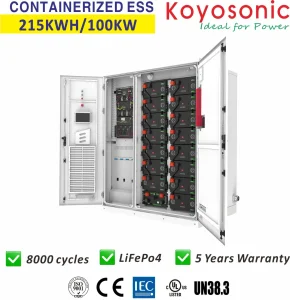
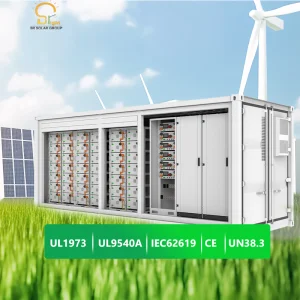
Our containerized battery storage solutions comply with key international standards including IEC 62933 (Electrical Energy Storage Systems), IEC 62619 (safety requirements for lithium battery systems), CE, and UN38.3 for transport safety. We coordinate with local Japanese engineering partners to ensure compliance with METI regulations and local fire safety codes.
Liquid cooling provides superior thermal uniformity, maintaining cell temperature differences within ±2°C. This prevents localized degradation. The sealed design of liquid-cooled loops also prevents salt-heavy, humid coastal air in Nagoya from entering the battery rack, reducing corrosion risk compared to air-cooled systems.
Yes. Our prefabricated substations and containerized systems include integrated step-up transformers (e.g., 0.4kV to 6.6kV or 22kV) and match with local Ring Main Units (RMU) to connect directly with industrial facility distribution panels.
Choose from our full range of international and customized models configured for commercial, industrial, and utility networks in Japan and global markets.
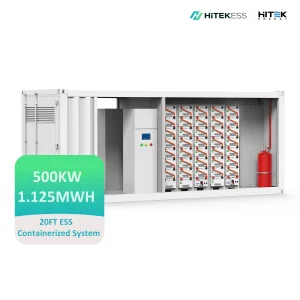
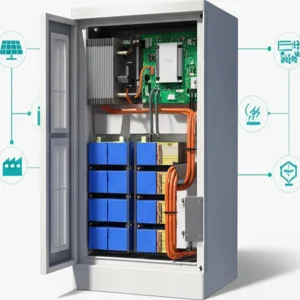
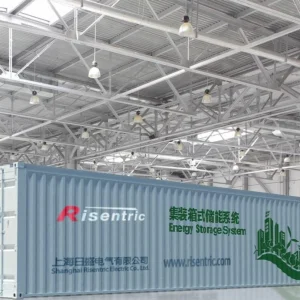
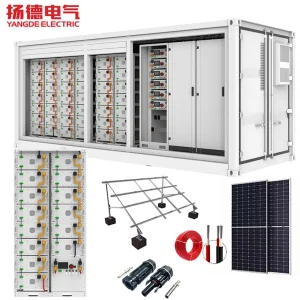
Connect with Zhejiang Zeno Electric's senior engineering team to design, configure, and import standard-compliant containerized BESS solutions tailored for Nagoya's climate, industrial regulations, and grid demands.
 Zeno Electric