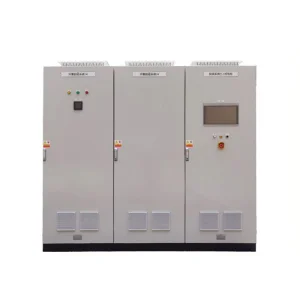
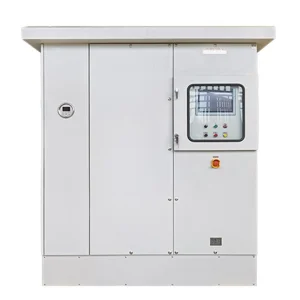
Highly integrated battery storage cabinet packages tailored for Northern Italy's regulatory framework and grid parameters.
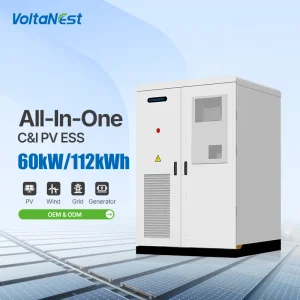
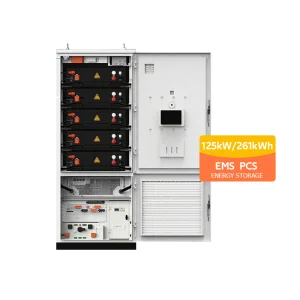
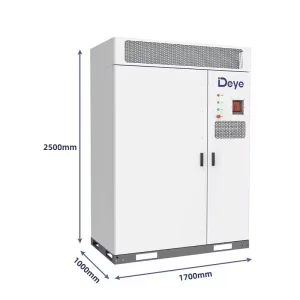
Aligning with Lombardy's regional energy strategies, PNRR objectives, and CEI grid connection standards.
As the economic engine of Italy, the Lombardy region contributes to over 20% of the national GDP. Milan, its capital, acts as a primary hub for advanced manufacturing, high-density logistics, chemical processing, and fashion design houses. However, this dense concentration of heavy and light industries places an unprecedented burden on the local distribution grid, managed by entities like Unareti. The volatility of the Italian wholesale electricity market, reflected in the fluctuating Prezzo Unico Nazionale (PUN), exposes local businesses to massive operational cost risks during daily peak pricing intervals.
To secure competitiveness under Italy's National Integrated Mitigation and Energy-Climate Plan (PNRR), Milanese enterprises are rapidly transitioning from passive grid consumption to active, hybrid energy management. Battery Energy Storage Systems (BESS) are no longer luxury additions; they are core infrastructure elements. Compact, high-density C&I energy storage cabinets offer the key to mitigating astronomical peak charges, providing immediate power backup to continuous manufacturing lines, and maximizing the self-consumption of rooftop photovoltaic (PV) arrays installed across local industrial zones like Sesto San Giovanni, Pero, and San Donato Milanese.
From standard air cooling to liquid-phase thermodynamics and smart battery management systems.
Traditional air-cooled cabinets suffer from uneven internal thermal gradients (exceeding 5°C difference between cells), reducing operational lifespan. Modern global trends favor active liquid cooling using water/glycol loops, keeping internal cell temperature deviations within 2.5°C, expanding cycle life to 8,000+ loops and optimizing continuous performance.
Lithium Iron Phosphate (LiFePO4) remains the industry gold standard due to its chemical stability and safety. Transitioning from low-voltage (48V) to high-voltage (>700V DC) system configurations cuts system transformation losses, minimizes cable heat generation, and dramatically improves inverter conversion efficiency.
Modern C&I storage systems feature intelligent Energy Management Systems (EMS) that interface with Virtual Power Plants (VPP). Through predictive algorithms analyzing historical usage patterns, local weather, and spot tariff markets, these cabinets optimize when to charge, discharge, or hold reserve capacities.
Solving specific regional challenges through localized engineering configurations.
Advanced metal fabrication requires sudden, high-current draw during punching, cutting, and welding cycles. These demand spikes trigger expensive peak demand penalties from Italian grid operators. By positioning a 100kW / 215kWh LFP battery cabinet on-site, facilities can use the batteries to absorb short-term load surges. The grid registers a flat, predictable load profile, resulting in immediate reduction in demand charges.
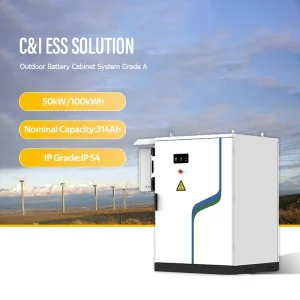
With Milan operating as a key European logistics gateway, distributions centers require high-capacity EV fleet charging depots. Charging multiple delivery vans concurrently draws megawatts of localized power. Integrating a localized, outdoor all-in-one cabinet (like our 125kW/261kWh systems) enables local EV fleet managers to store solar energy during daytime and rapidly charge their delivery fleet at night without overloading the regional medium-voltage grid.
Continuous chemical processes and high-precision textile weaving cannot tolerate momentary grid dropouts or micro-voltage sags. A momentary power outage can ruin entire production batches, costing tens of thousands of Euros. Deploying high-voltage C&I storage cabinets with seamless microsecond grid transfer (UPS transition) guarantees stable, continuous operation, safeguarding automated machinery and manufacturing outputs.
Zhejiang Zeno Electric Co., Ltd. is a national high-tech enterprise located in Ningbo, with a registered capital of 52 million yuan. We integrate research and development (R&D), manufacturing, sales, and service of advanced power equipment, high/low voltage power distribution components, and industrial-grade BESS solutions.
Rooted in Ningbo and supported by a strong engineering and technical team, Zeno Electric has steadily expanded its business across China and international markets, including direct support for engineering partners in the Milan and wider European markets. Through continuous innovation and quality-driven development, the company has become a trusted provider in the power and energy industry, with growing influence in both utility and industrial sectors. Our specialized manufacturing facility operates under strict ISO 9001, ISO 14001, and ISO 45001 management protocols to deliver safe, certified equipment.
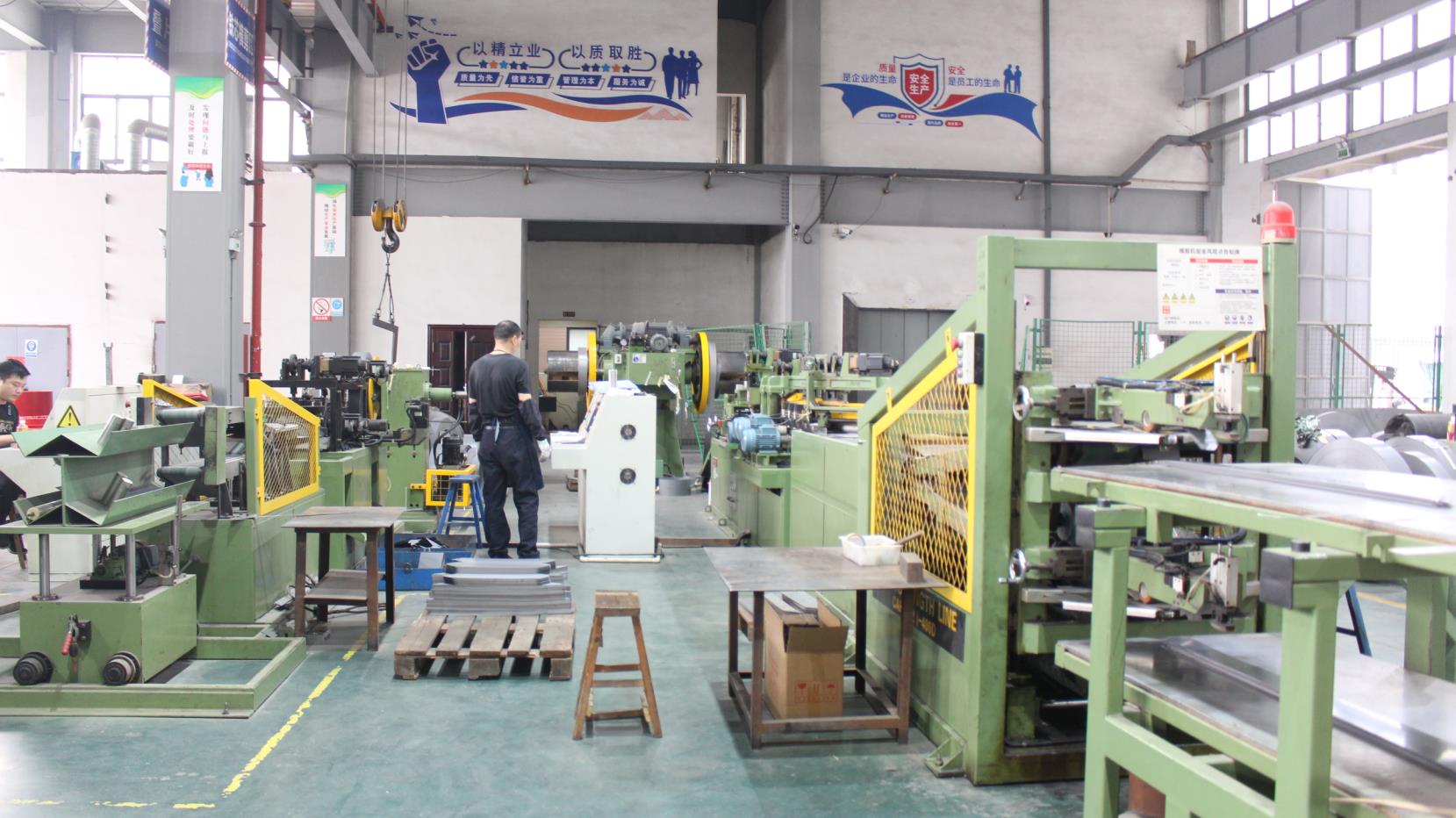
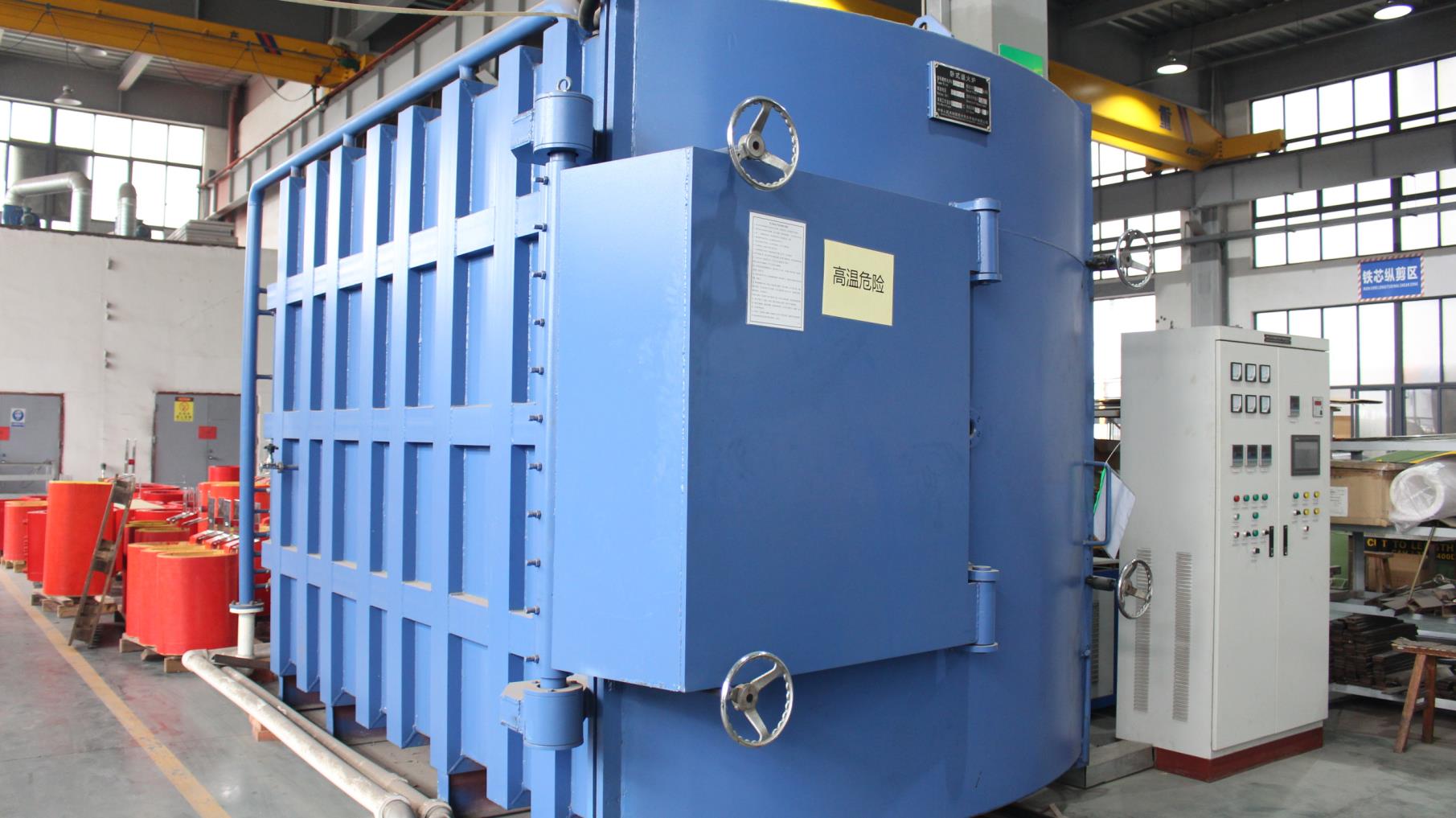
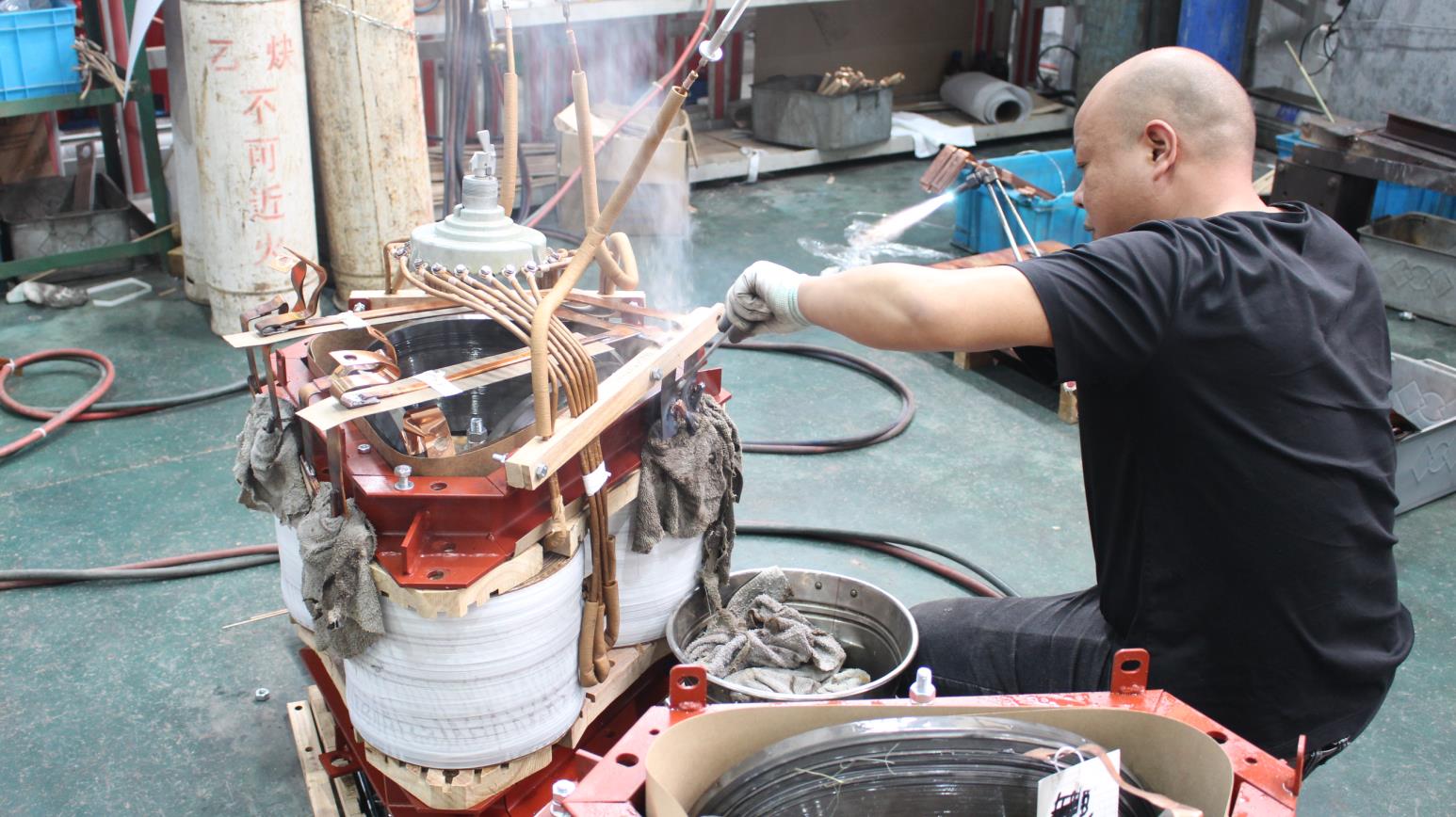
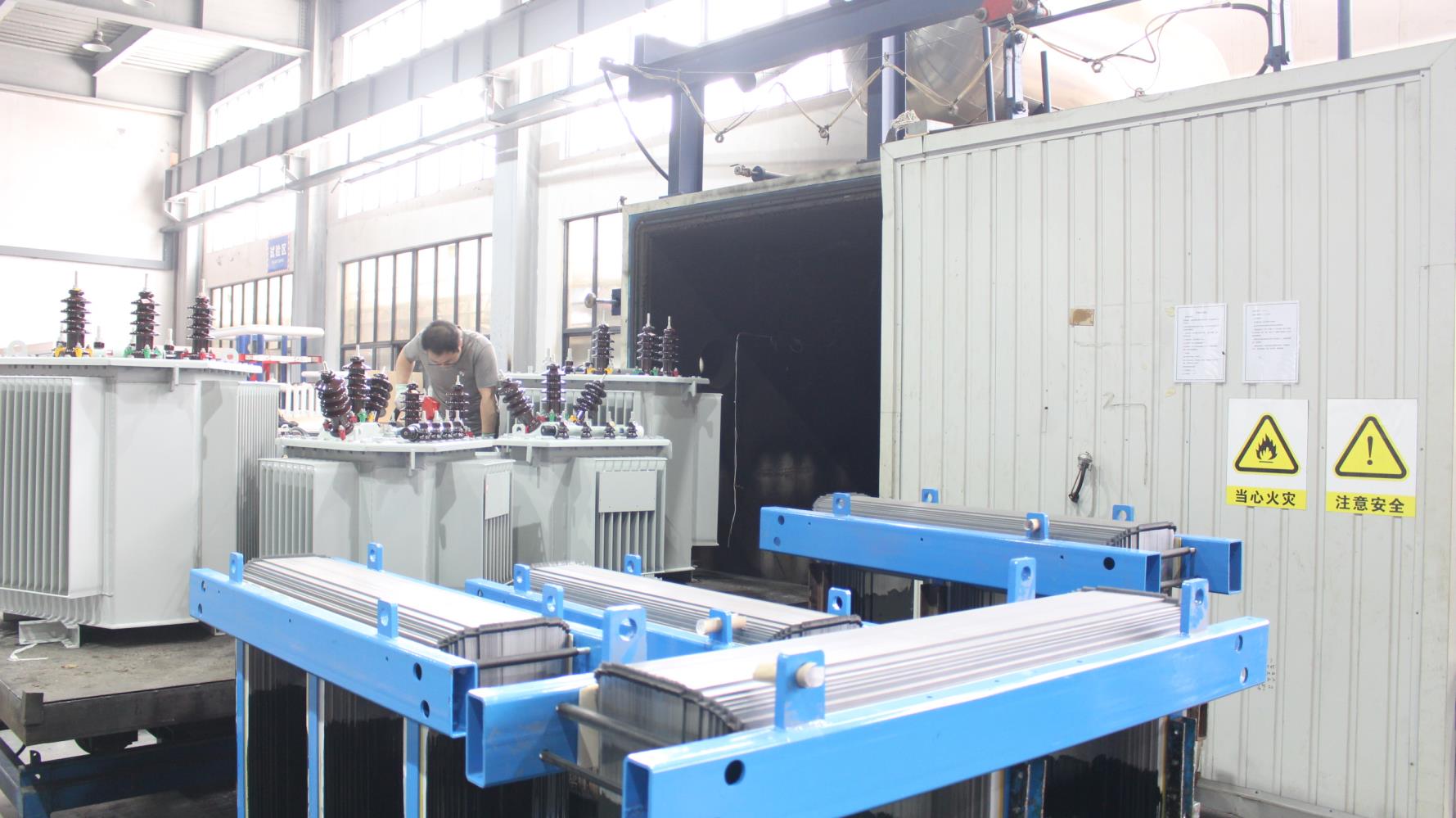
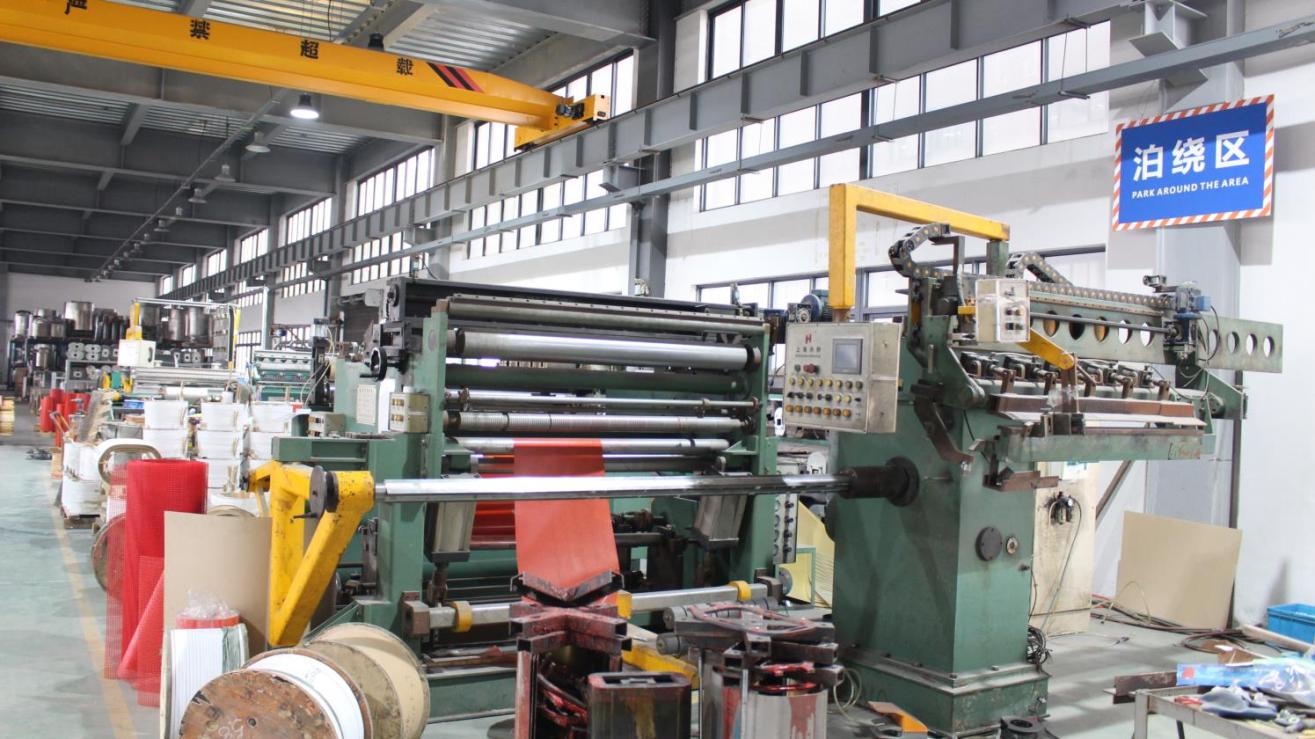
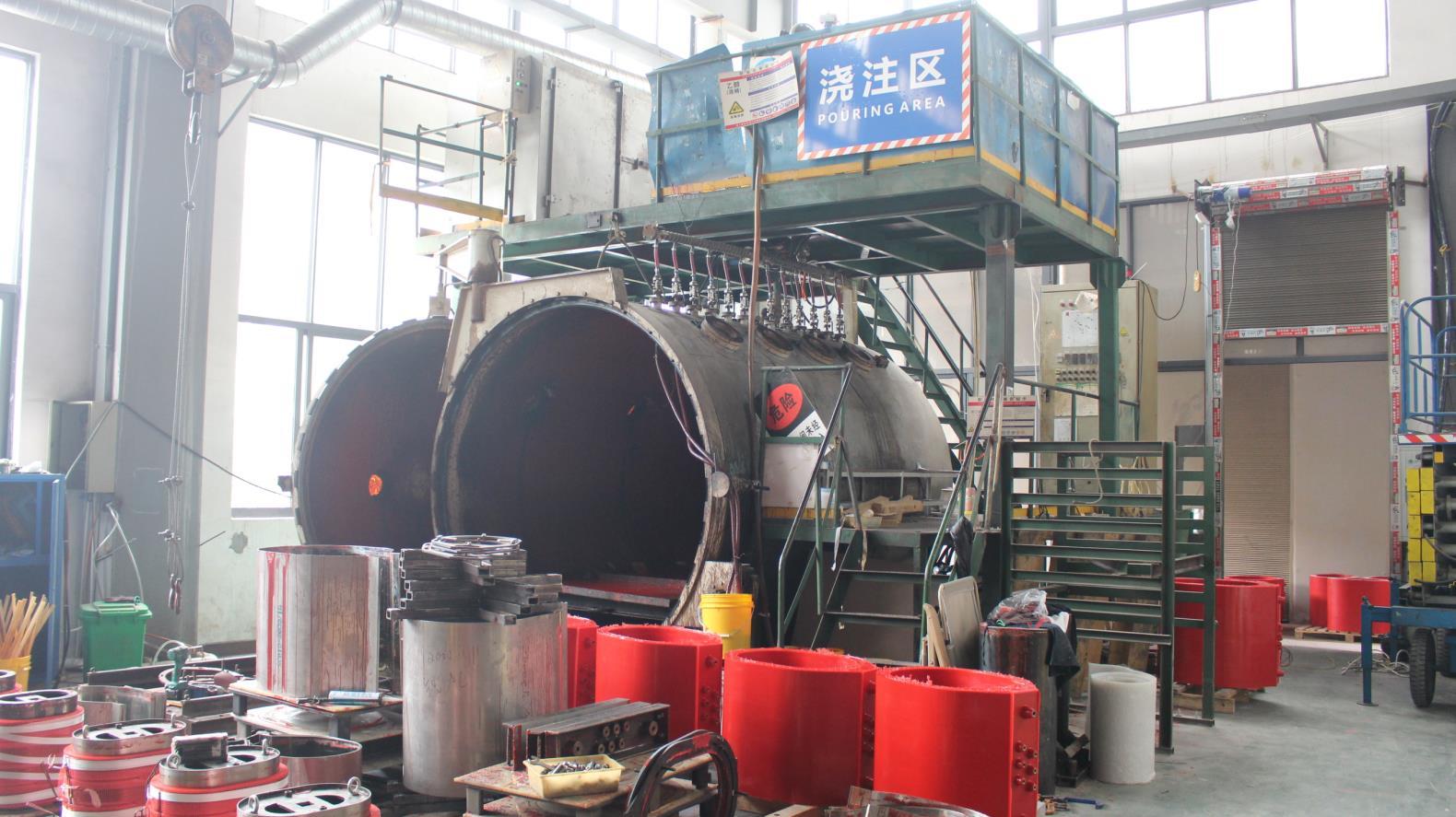
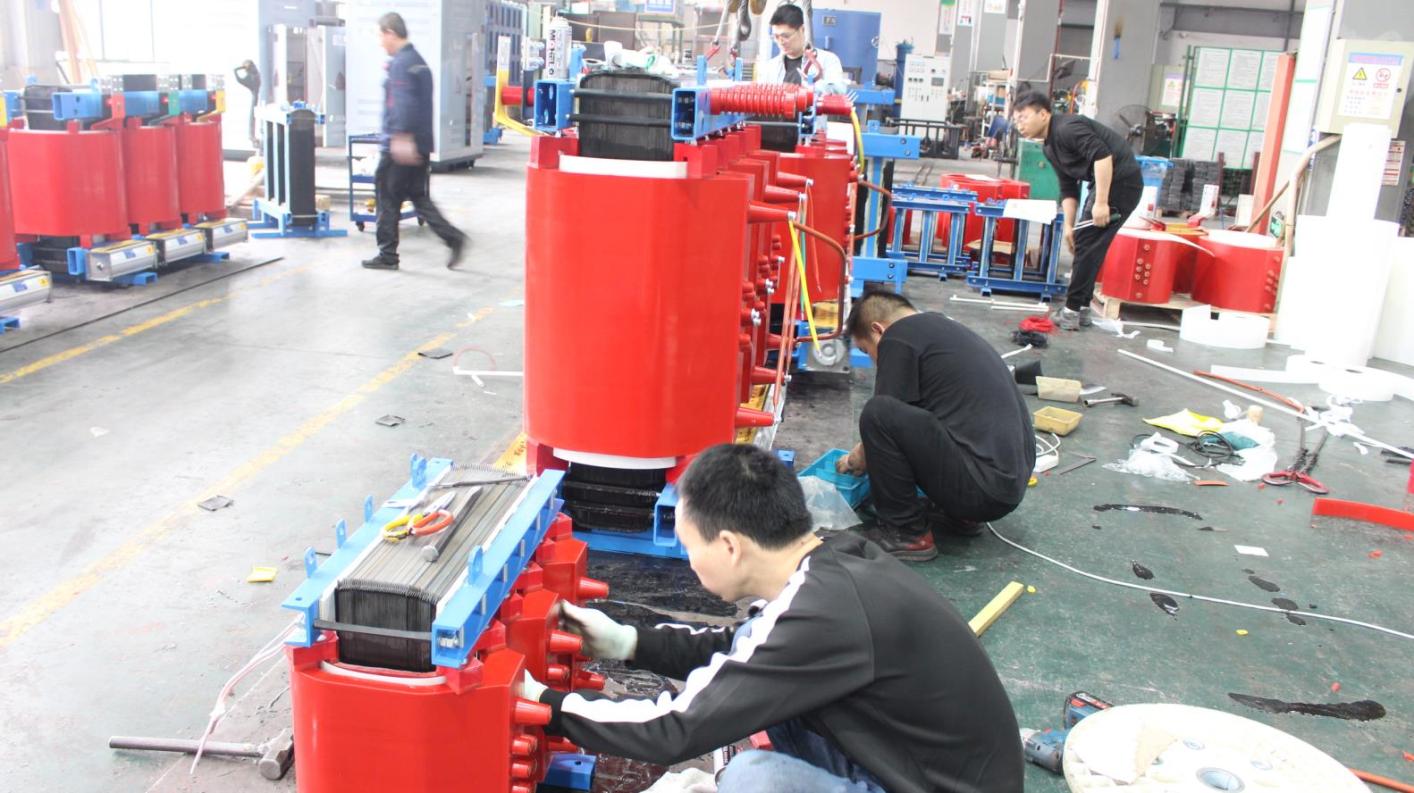
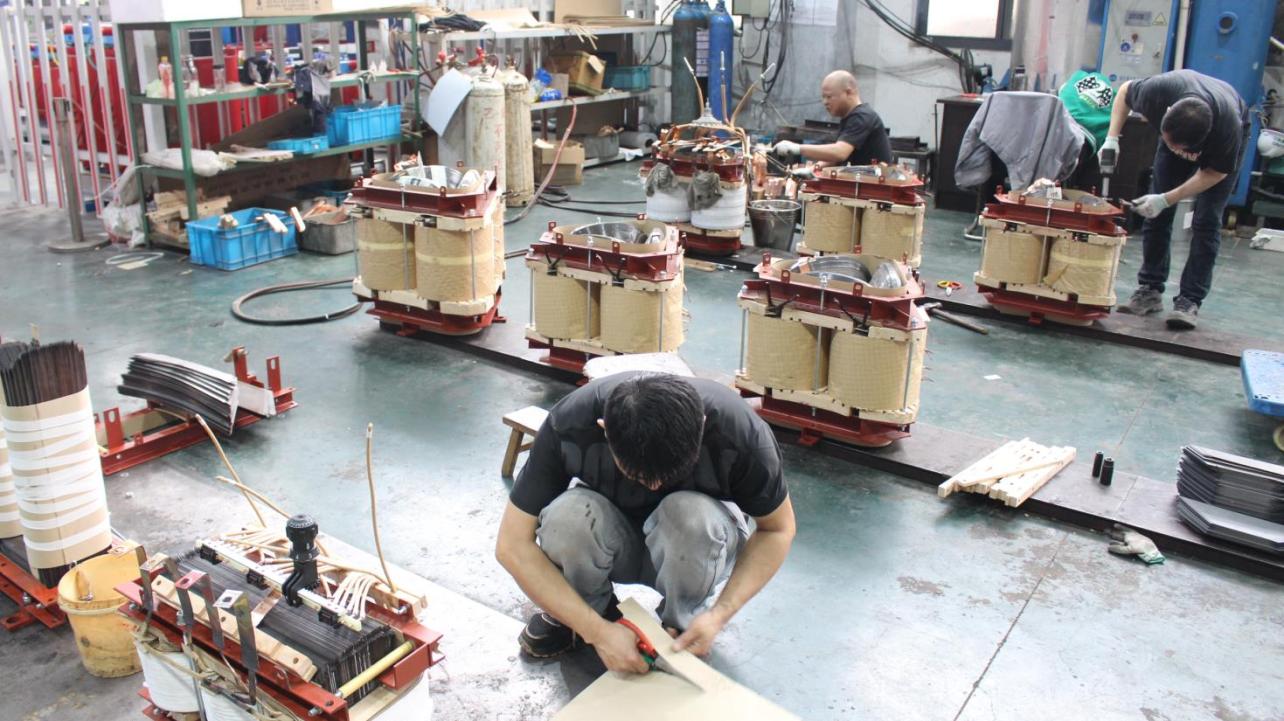
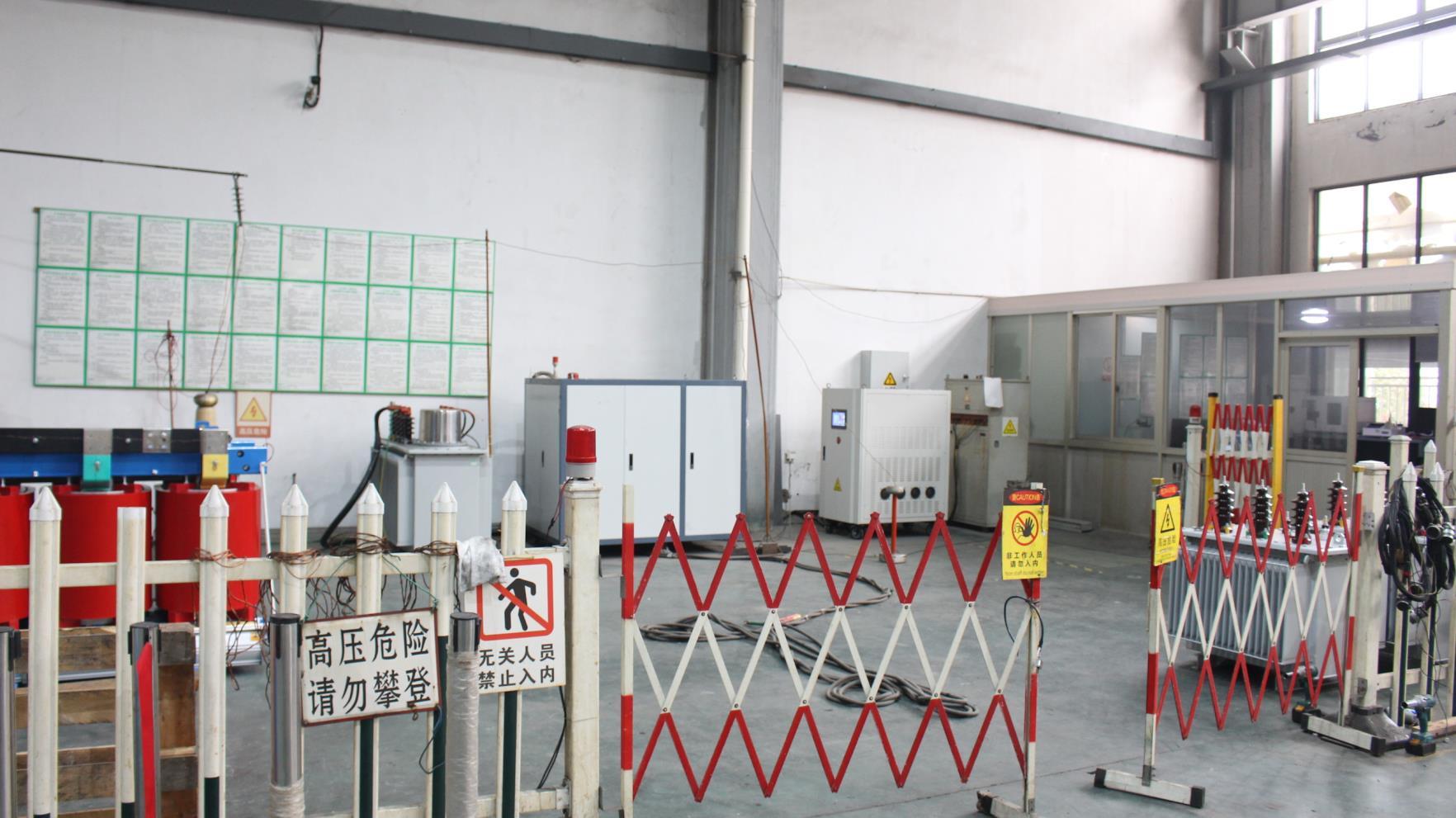
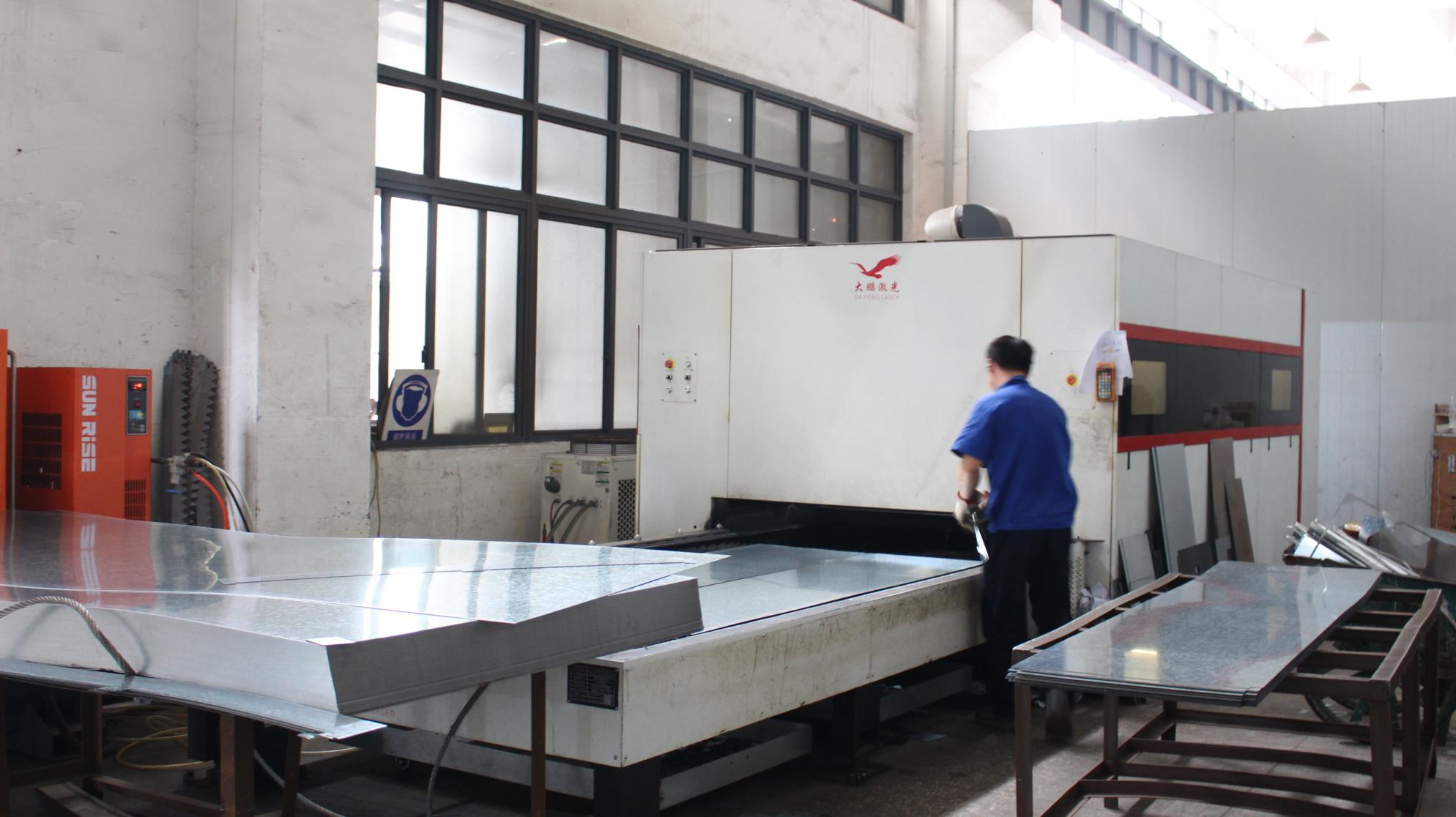
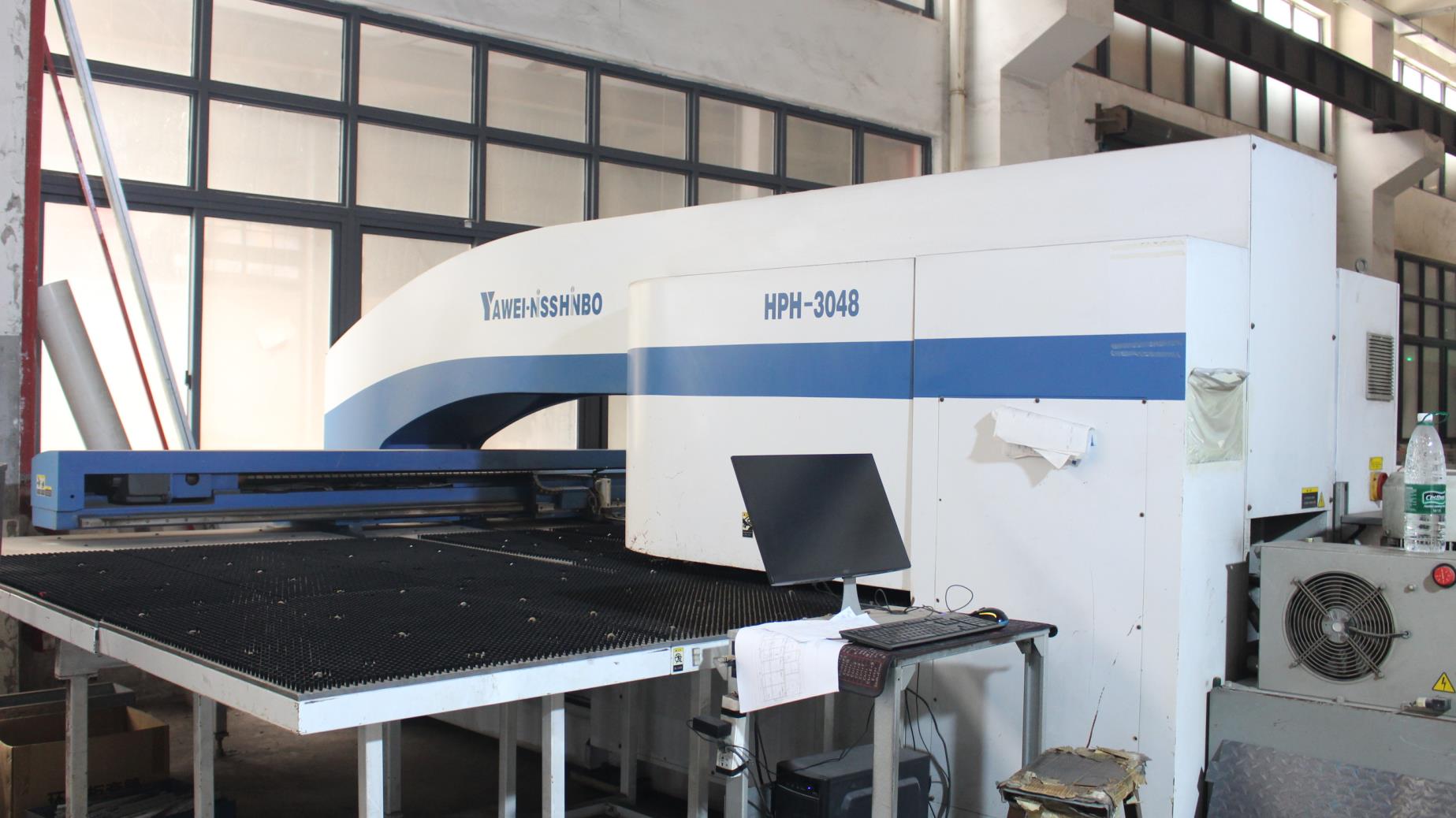
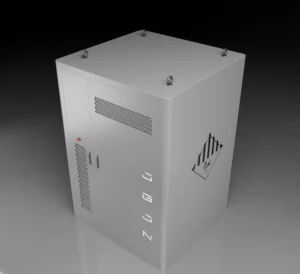
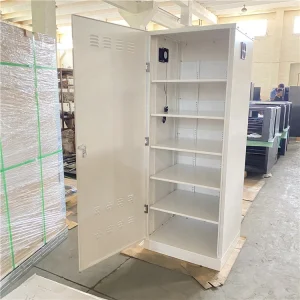
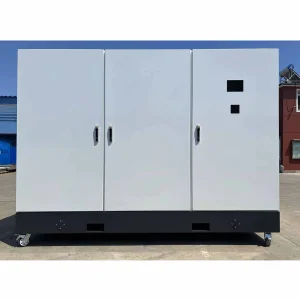
Explore our certified product portfolio, covering grid-scale lithium battery packages, heavy-duty enclosures, and PLC control cabinets.
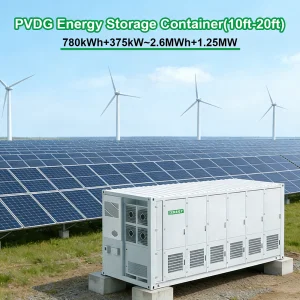
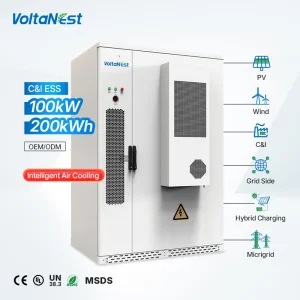
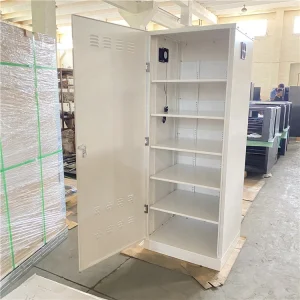
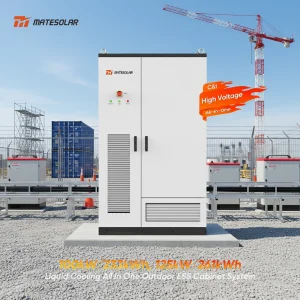
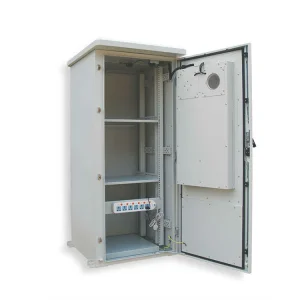
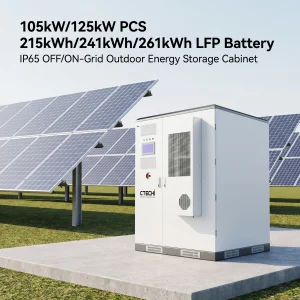
Unifying power conversion, smart monitoring and localized automation systems.
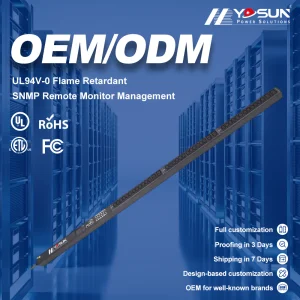
Deploying energy storage systems at commercial sites requires seamless integration with existing plant process controls. Zeno Electric’s C&I battery enclosures are engineered to interface directly with industrial control rooms. By housing customizable PLC (Programmable Logic Controller) electrical control cabinets alongside modern communication standards (Modbus TCP/IP, CAN bus, SNMP), we ensure local engineering teams in Milan can monitor state of charge (SoC), state of health (SoH), and temperature stats in real time.
Our solutions feature multi-level safety integration. If the PLC detects abnormal temperature spikes or thermal variations, automatic isolation sequences shut down affected rack arrays, deploy aerosol fire suppression materials, and alert local monitoring control centers. This fast response time avoids systemic thermal runaways and complies fully with stringent Italian safety protocols and local municipal fire safety codes.
Technical and regulatory insights regarding C&I BESS deployment in Northern Italy.
In Italy, including Lombardy and Milan, all grid-tied electrical storage cabinets must fully comply with CEI 0-21 (low-voltage connections) and CEI 0-16 (medium-voltage connections). These regulations define specifications for active/reactive power regulation, fault ride-through capabilities, and grid decoupling. Additionally, systems must be registered in the Terna GAUDÌ portal before activation.
Liquid cooling keeps internal cell temperatures stable and uniform. In contrast to air cooling, liquid cooling circuits limit temperature differences between cells to less than 2.5°C. This uniform thermal control significantly slows cell degradation, improves safety, and extends the battery life to 8,000+ charge cycles.
Italian grid operator tariffs charge businesses heavily based on their maximum monthly peak power consumption. By discharging stored power during production peaks, the C&I battery system reduces the demand drawn from the grid, lowering monthly demand fees and minimizing consumption costs during high-rate electricity periods.
Yes. Our cabinets feature double-wall insulation, IP55/IP65 ingress protection, advanced multi-level battery management systems, and specialized aerosol fire suppression units. The outdoor steel and aluminum structures are designed to withstand harsh weather conditions while isolating thermal runaways, complying with fire safety guidelines like NFPA 855.
Yes, our systems support both DC-coupled (via hybrid charge controllers) and AC-coupled configurations. This flexibility allows businesses to integrate BESS cabinets directly into existing solar PV installations without replacing operational grid-tie inverters.
The typical ROI ranges from 4 to 6 years, depending on local solar capacity, peak tariff differences, and available PNRR or regional decarbonization grants. System lifespans exceeding 15 years ensure long-term cost savings and operational stability for your facility.
 Zeno Electric