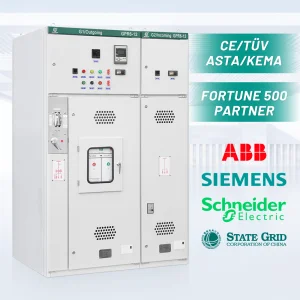
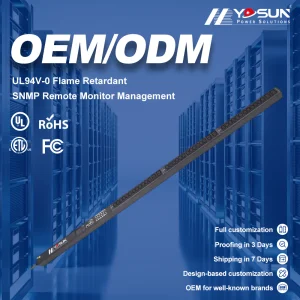
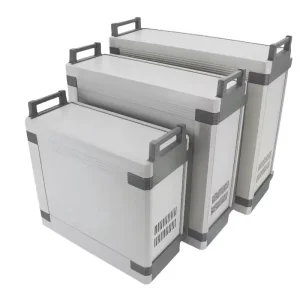
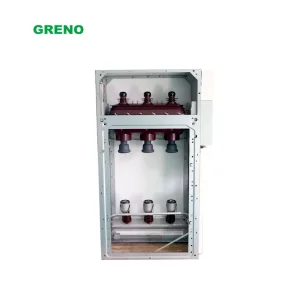
Explore our top-tier medium voltage switchgear, rack-mount power distribution units, robust enclosures, and energy storage systems custom engineered to optimize operational efficiency.
As the global energy transition accelerates, the demand for highly specialized transformers and reactors has shifted from simple voltage adjustment to high-precision system-wide stabilization. Modern power networks must balance highly volatile renewable inputs (such as solar photovoltaics and wind turbines) while feeding critical infrastructure like hyperscale data centers, industrial manufacturing lines, and regional energy grids. In this context, OEM (Original Equipment Manufacturer) custom design becomes the cornerstone of operational continuity.
"Integrating massive distributed renewable sources without advanced magnetic control devices invites grid instability, harmonic contamination, and catastrophic equipment failures. Customized transformers and reactors are the buffer that prevents grid-level disruption."
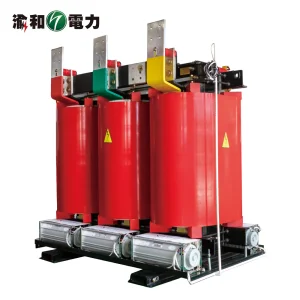
Magnetic components like dry-type transformers, detuned reactors, line/load reactors, and high-capacity step-up transformers must withstand intense thermal stresses, non-linear load structures, and harsh environmental variables. For industrial plants, standard catalog products often fail to meet requirements regarding size limitations, specialized voltage taps, high-harmonic loads, and local grid compliance. Dedicated OEM and ODM engineering ensures that each magnetic assembly is customized to minimize losses, reduce footprint, and extend system lifetime to over 30 years.
Zhejiang Zeno Electric Co., Ltd. is a national high-tech enterprise located in the critical industrial hub of Ningbo, China, operating with a registered capital of 52 million yuan. We integrate research and development (R&D), advanced precision manufacturing, global sales, and complete lifecycle services for advanced power distribution equipment and modern energy systems.
Rooted in Ningbo's rich industrial supply ecosystem and supported by an experienced, elite engineering team, Zeno Electric has established a robust track record in domestic and international markets. Through continuous technological innovation and rigorous quality assurance protocols, we have emerged as a premier partner for utilities, commercial property developments, heavy industries, and renewable developers globally.
Our comprehensive production capabilities and specialized offerings encompass:
Zeno Electric manages turnkey power projects up to 220kV. We guide customers from the initial system feasibility study and engineering drafting, through structural manufacturing, factory acceptance testing (FAT), site commissioning, and preventive maintenance. This vertically integrated model simplifies regional utility approval pathways, optimizes overall capital expenditure (CAPEX), and ensures consistent, low-loss performance over a long operational lifespan.
Our facility utilizes precision machinery and rigorous engineering standards to ensure each component meets strict international electrical codes.
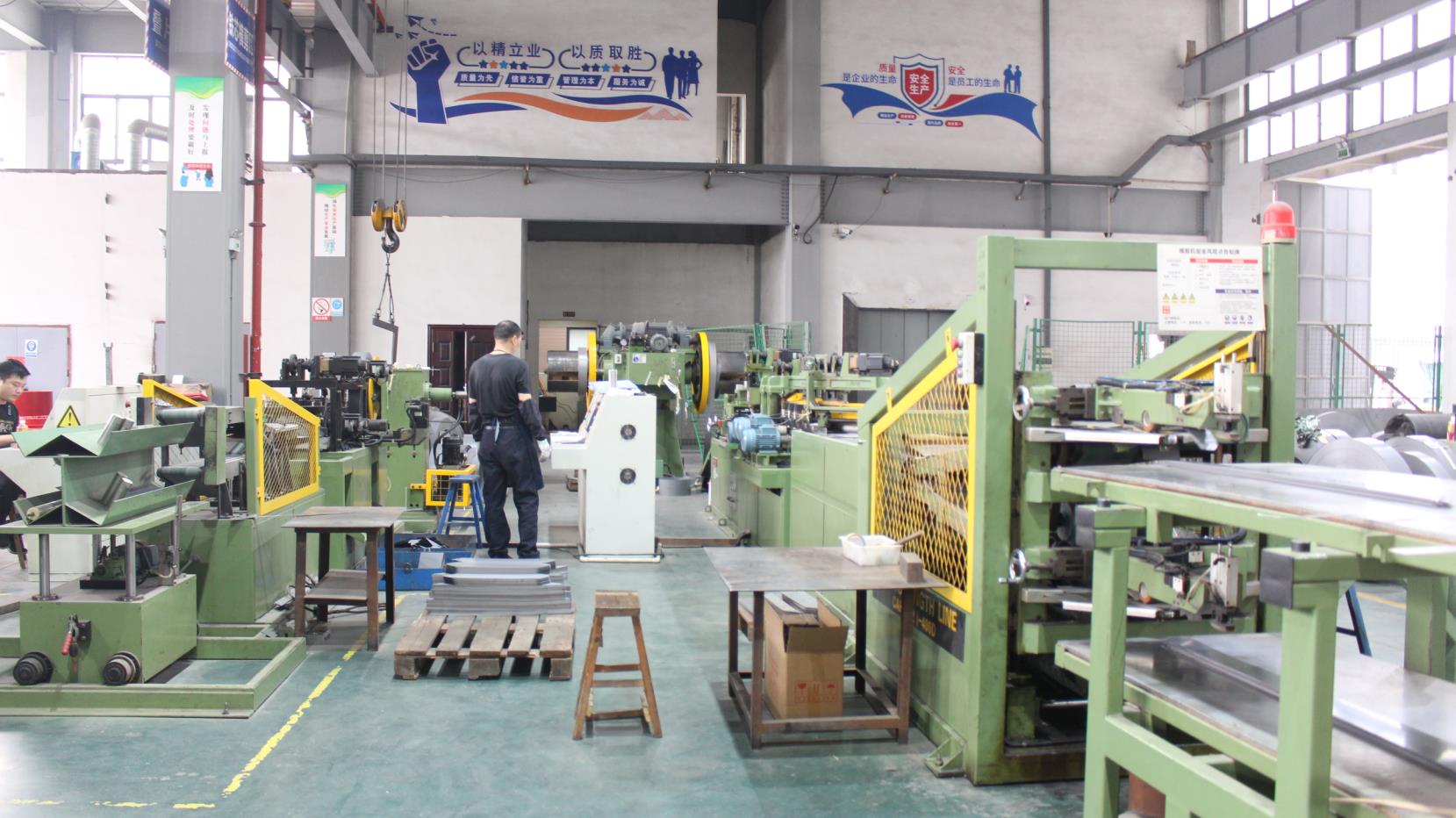
High-precision slicing of cold-rolled grain-oriented (CRGO) silicon steel sheets to reduce hysteresis and core losses.
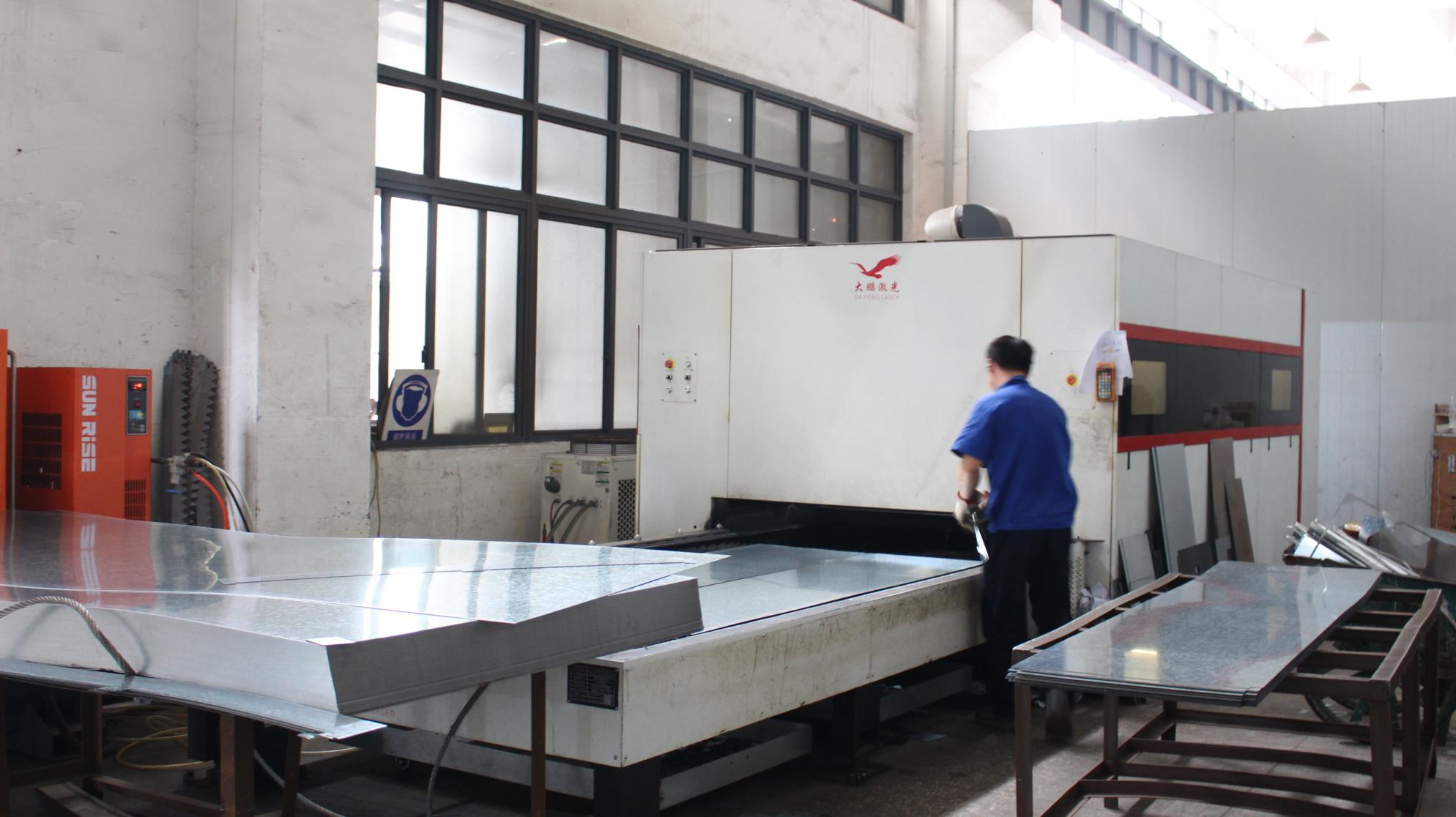
Precise mechanical shearing of conductive foils and structural metals to meet rigorous blueprint tolerances.
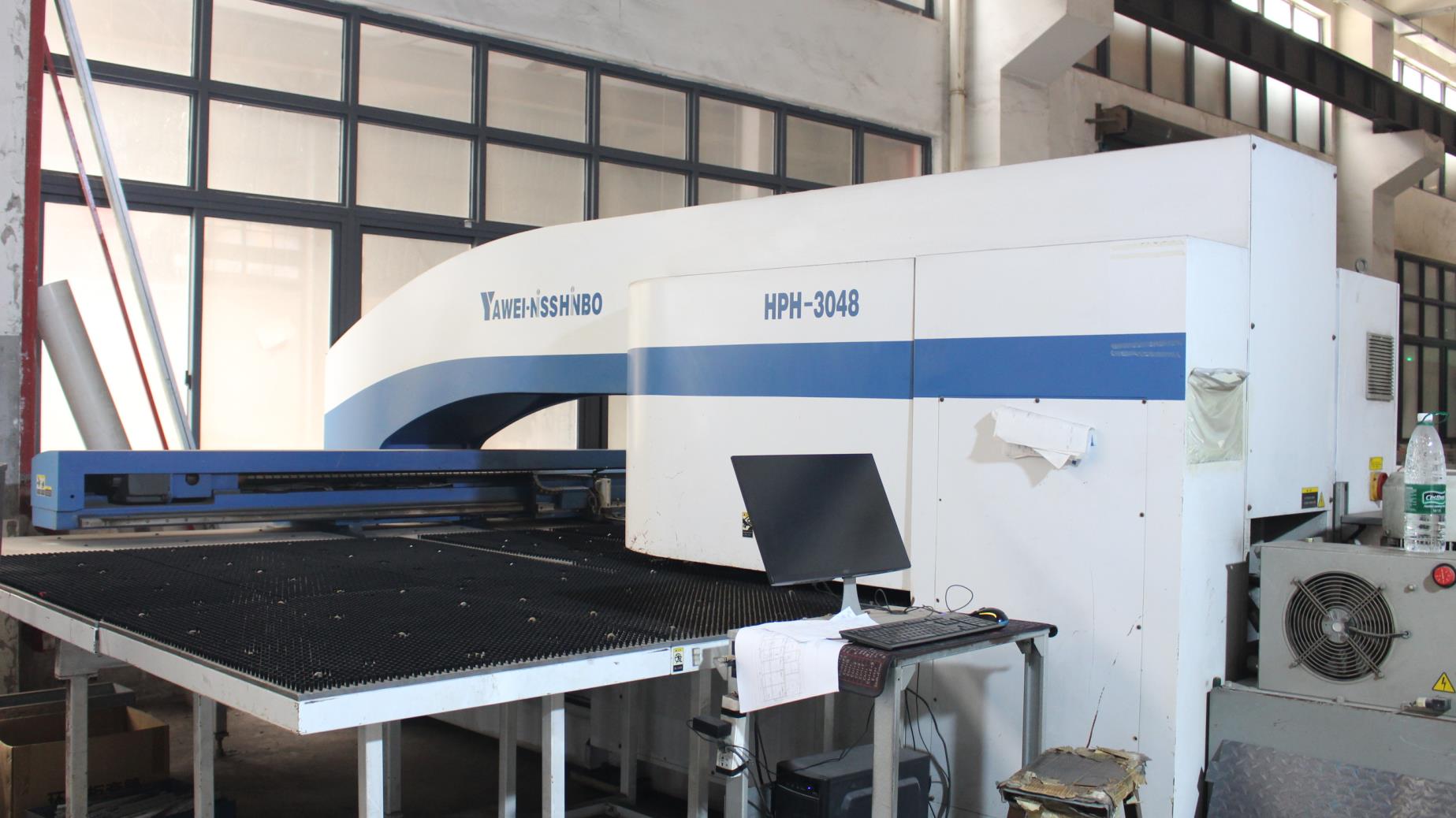
CNC-controlled punching of copper busbars and structural sheet metals for secure, high-current connection points.
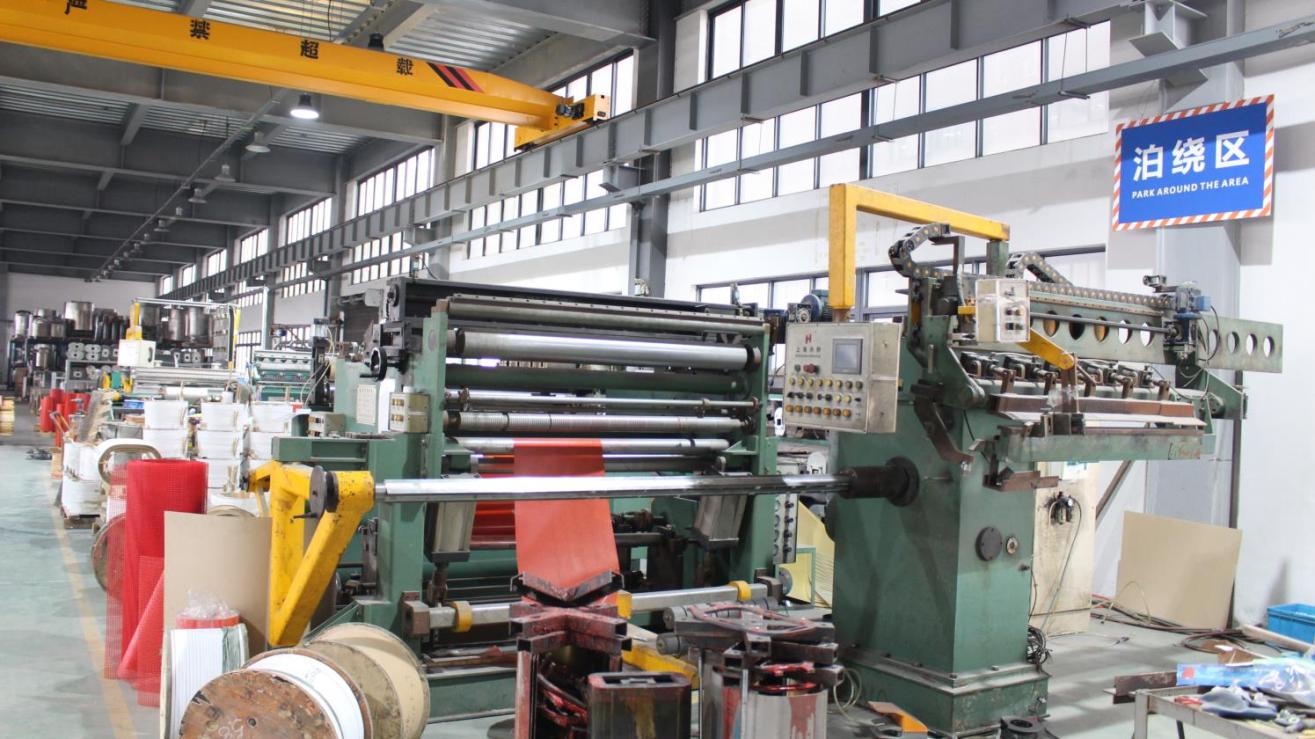
Automated and manual winding of high-grade copper or aluminum conductors to establish exact voltage and reactance ratios.
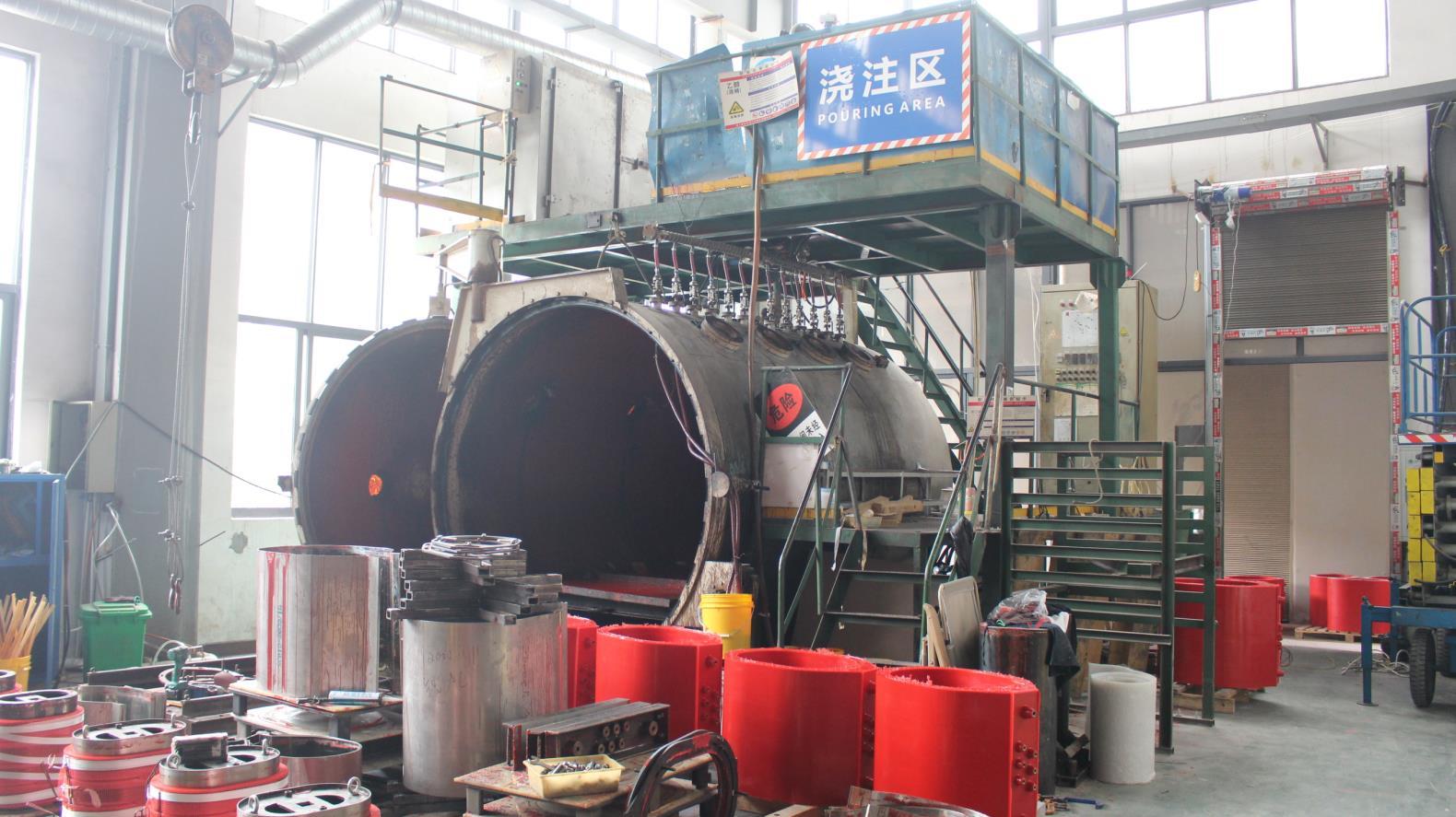
Vacuum pressure casting of epoxy resin to seal dry-type coils, preventing moisture penetration and partial discharge.
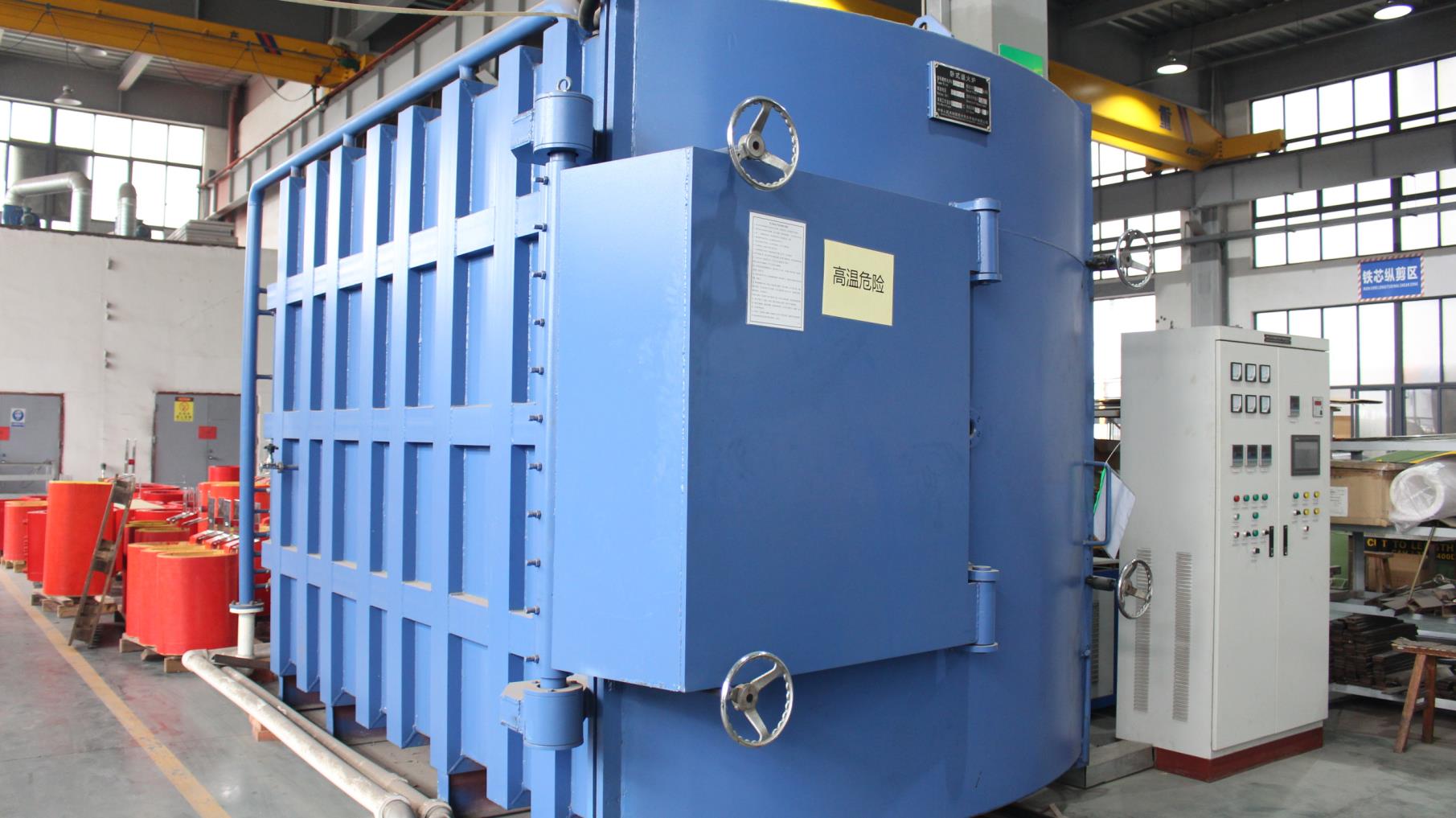
Controlled thermal curing cycles to relieve internal stresses and solidify resin-insulated components.
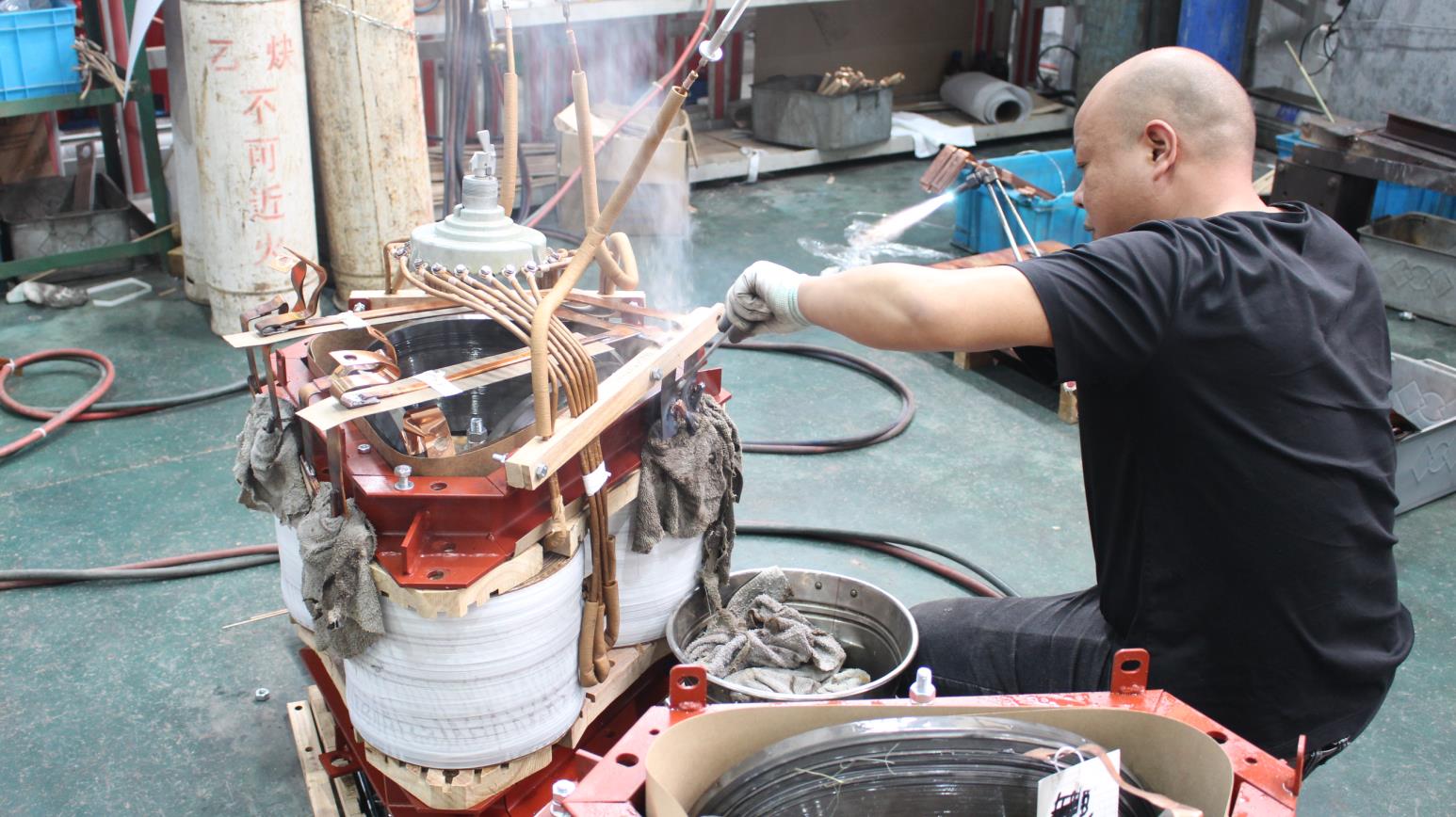
High-integrity welding of steel tanks to prevent any dielectric fluid or insulating oil leaks under pressure.
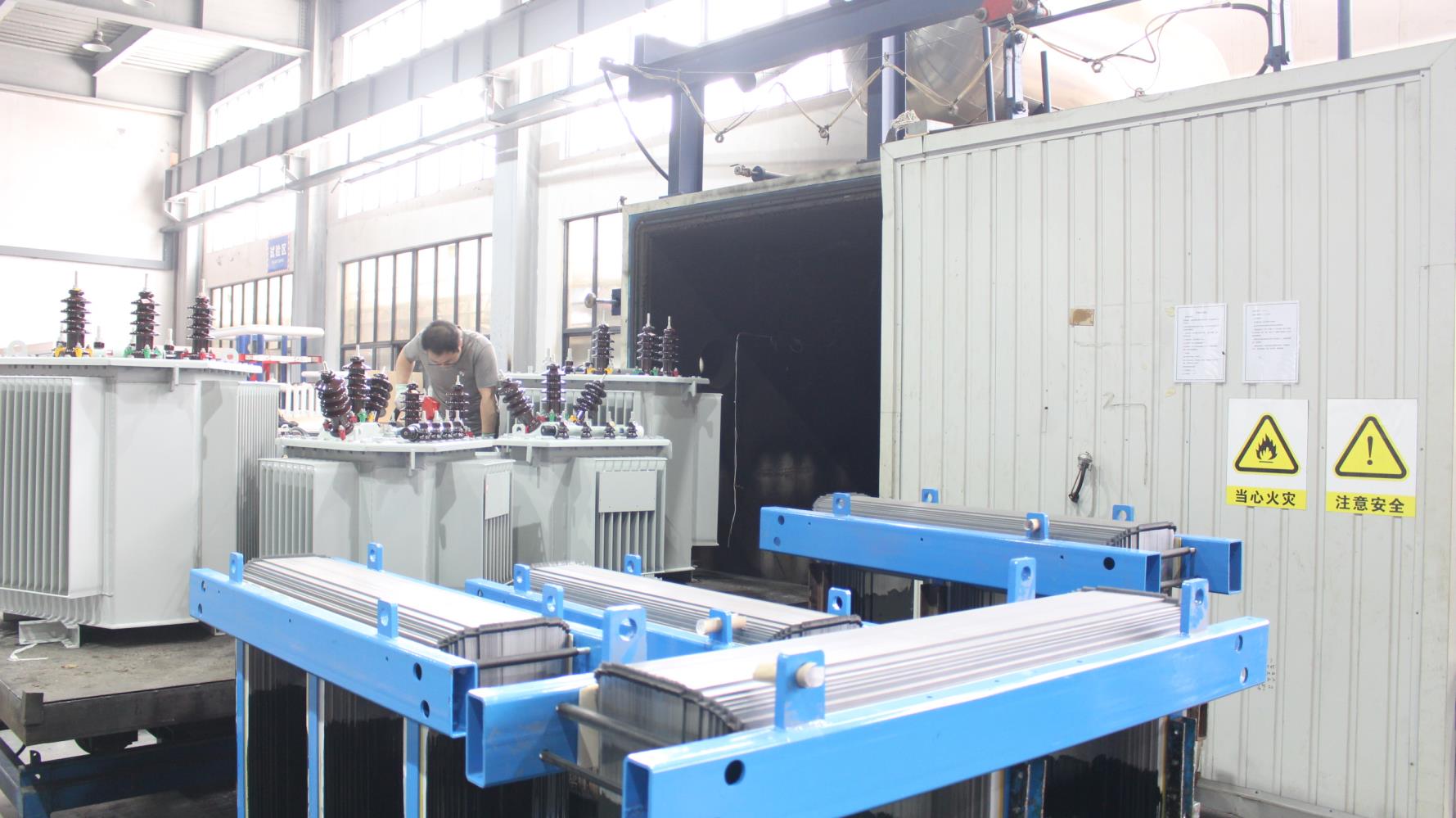
Extraction of air and moisture from the transformer tank before high-dielectric oil impregnation under vacuum.
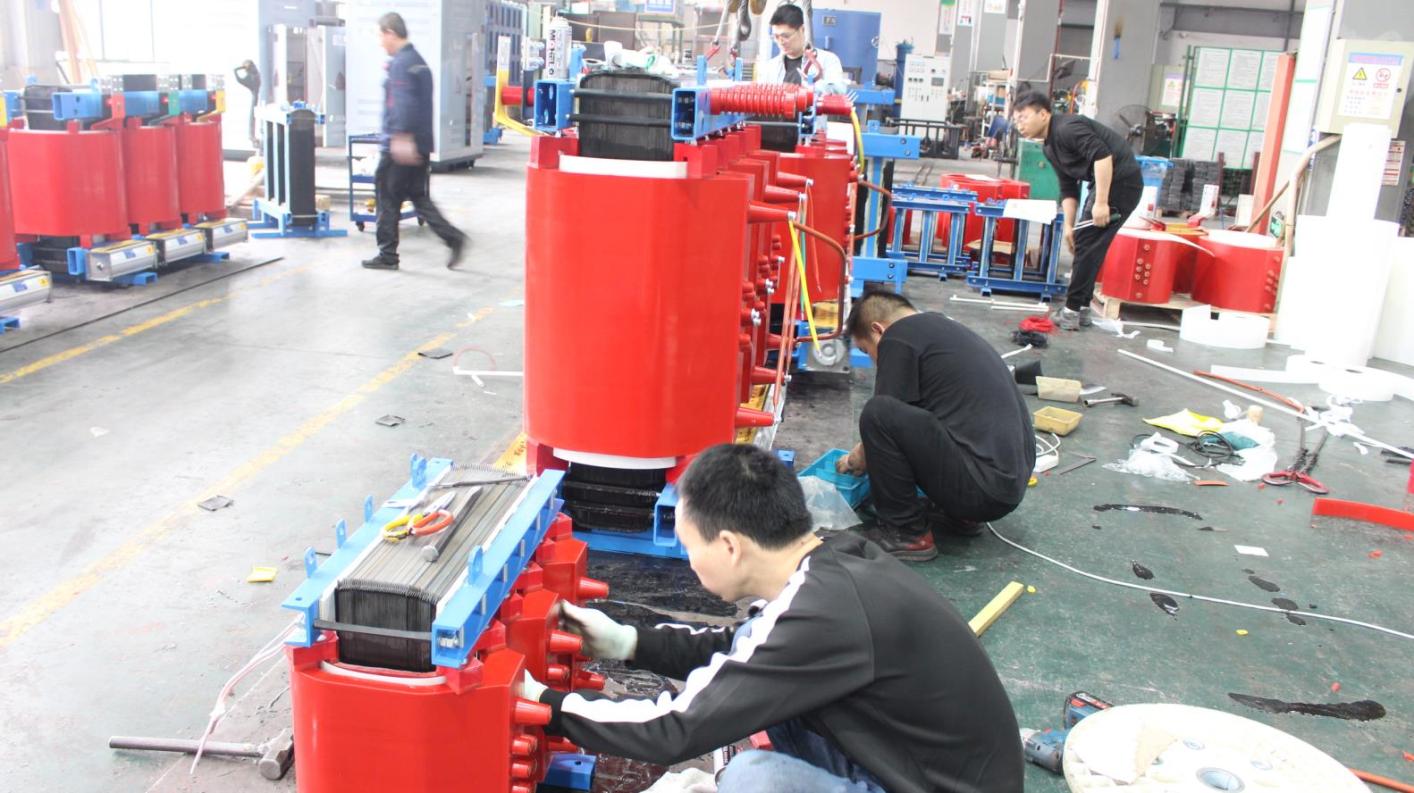
Final structural assembly combining the magnetic core, copper coils, bushings, tap changers, and outer protective housing.
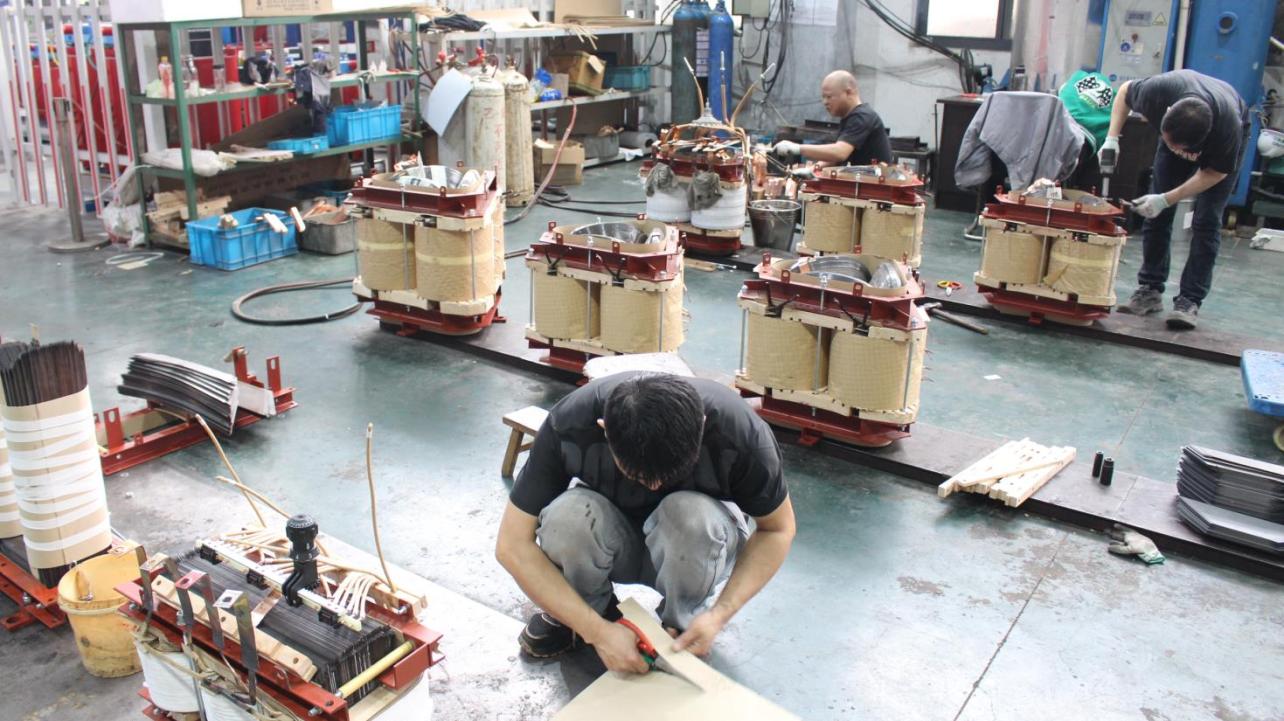
Assembly of radiators, conservators, and instrumentation for oil-filled equipment before insulation testing.
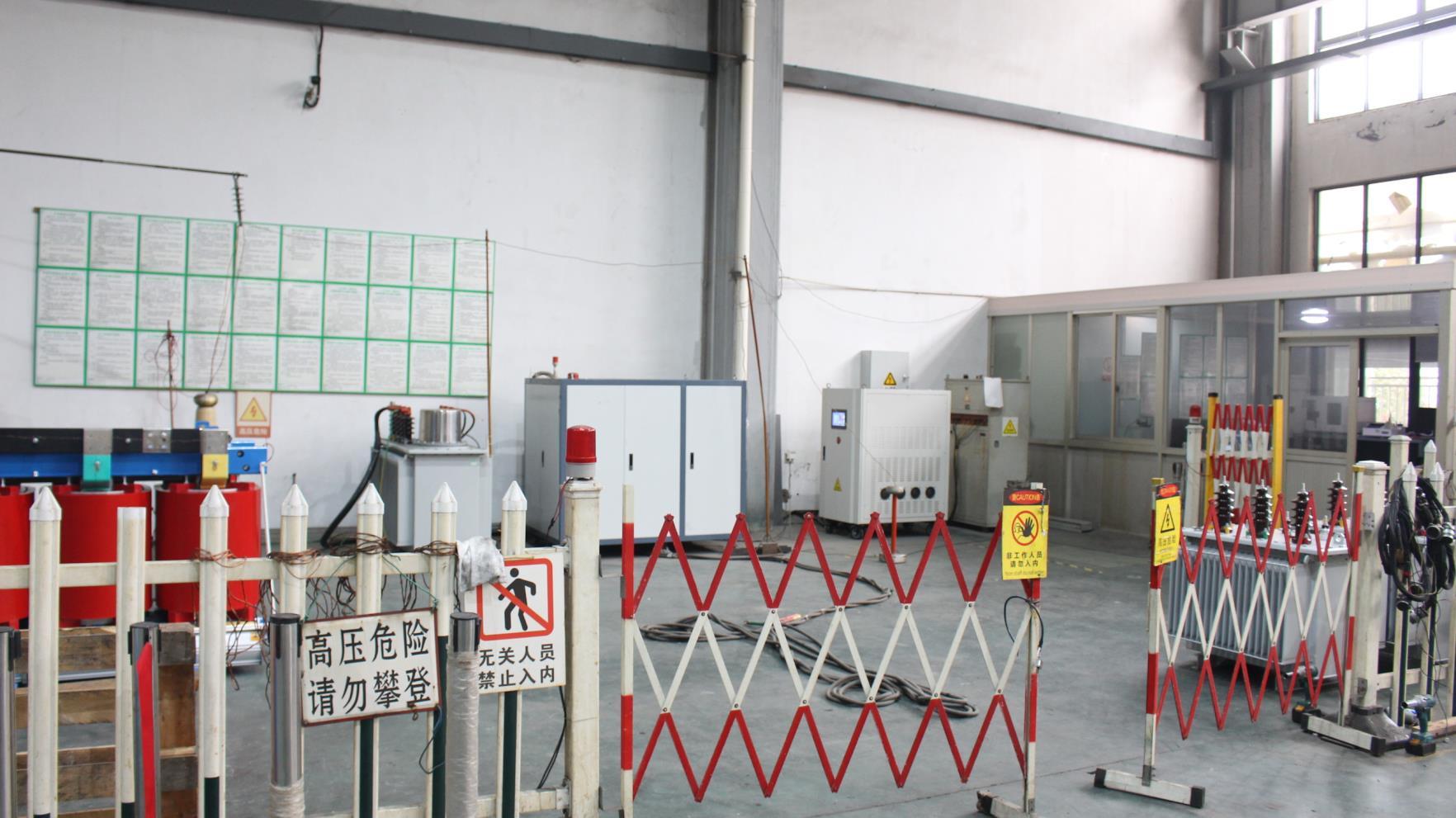
Comprehensive factory acceptance tests (FAT) featuring insulation resistance, turns ratio, winding resistance, and high-potential partial discharge verification.
Custom-built reactors and transformers are engineered for specific electrical and ambient demands. We analyze installation sites to modify core designs, insulation materials, and enclosure protection levels.
Solar installations suffer from voltage fluctuations and harmonic generation from solar inverters. Our step-up transformers and DC-side filtering reactors stabilize these inputs before grid coupling. Specialized stainless steel photovoltaics net cages provide ventilation and IP-rated weather protection for outdoor components.
Data centers exhibit non-linear power consumption profiles, demanding high K-factor transformers to handle high harmonic levels. Zeno's dry-type H-class insulation step-up and step-down transformers work alongside detuned reactors to protect critical server arrays, battery-backed rack UPS, and SNMP remote monitoring PDUs.
High-horsepower motor drives create high line voltage transients and current spikes. Integrating high-performance line/load reactors protects variable frequency drives (VFDs) and improves the overall input power factor. This mitigates circuit-breaker tripping and increases system reliability.
Exporting high-power equipment internationally requires strict adherence to regional standards and testing protocols. Zeno Electric prioritizes compliance, matching national utility regulations with type-tested electrical products certified by international testing bodies.
Our switchgear components and custom electrical assemblies undergo type-testing in ASTA-accredited laboratories, ensuring structural durability and short-circuit withstand capabilities.
We align winding layouts, clearance dimensions, and temperature rises with IEC 60076 (power transformers) and IEEE standards, satisfying European, Asian, and American utility mandates.
Manufacturing operates under ISO 9001, ISO 14001, and ISO 45001 systems. Each batch of copper and magnetic steel is traced from receipt to final equipment shipment.
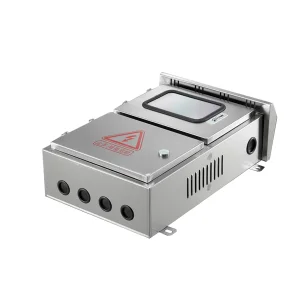
We construct structural housings up to IP65, offering high-level corrosion prevention in saline coastal zones and dust-tight security in desert solar fields.
The next generation of grid technology demands that magnetics become active, smart nodes. Our technical roadmap focuses on integrating digital sensors and eco-friendly raw materials directly into the transformer structure:
We are expanding the application of amorphous metal core strips. This reduces no-load transformer losses by up to 75% compared to standard CRGO silicon sheets, supporting carbon reduction goals.
By installing fiber-optic probes directly into the winding assembly, real-time thermal diagnostic data can be transmitted via Modbus or SNMP. This enables operators to predict component degradation before a fault occurs.
We are developing high-capacity power transformers using synthetic ester fluids. These fluids offer higher flash points and complete biodegradability, reducing fire hazards and environmental impacts.
Find answers to key technical questions about sizing, customization parameters, and deployment guidelines for industrial installations.
A detuned reactor is specifically designed to shift the resonant frequency of the electrical network below the lowest dominant harmonic frequency (typically the 5th or 7th harmonic, i.e., 250Hz or 350Hz in a 50Hz grid). This prevents harmonic resonance and protects power factor correction capacitors from overloading. In contrast, a tuning reactor is tuned precisely to a specific harmonic frequency to act alongside capacitors as a low-impedance filter path, absorbing and eliminating those harmonic currents from the system.
H-Class insulation utilizes advanced materials (such as Nomex or high-grade silicone-treated glass fibers) that are rated for continuous operational temperatures up to 180°C. In wind turbine nacelles or adjoining substations, load profiles fluctuate rapidly based on wind speed. These load changes cause rapid thermal cycling and localized hot spots. H-Class insulation prevents thermal degradation and insulation breakdown, maintaining dielectric strength under severe overloads and ambient heat without requiring fluid-cooling containment.
We use high-permeability, laser-scribed, cold-rolled grain-oriented (CRGO) silicon steel sheets with step-lap core stacking configurations. This step-lap layout minimizes magnetic flux deviation at core joints, reducing both iron losses and audible noise levels. For ultra-efficient project profiles, we offer amorphous alloy core structures, which exhibit low magnetic hysteresis and Eddy-current loss, lowering overall standby energy usage.
Air pockets within reactor coils can lead to partial discharges under medium or high voltage stresses, resulting in insulation failure over time. Vacuum Pressure Impregnation (VPI) extracts air and moisture from the winding structure before injecting epoxy resin under high pressure. This ensures the resin penetrates all voids in the coils, improving mechanical strength, thermal conductivity, and resistance to environmental moisture.
Yes. We design and fabricate custom enclosures using marine-grade 316 stainless steel or galvanized carbon steel sheet metal, finished with C5-M high-durability epoxy coatings. Enclosures feature structural reinforcements, anti-condensation space heaters, specific IP ratings up to IP65, and customized ventilation structures to ensure stable thermal performance in corrosive offshore wind fields and chemical plants.
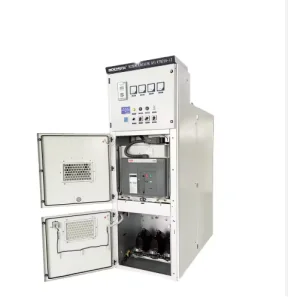
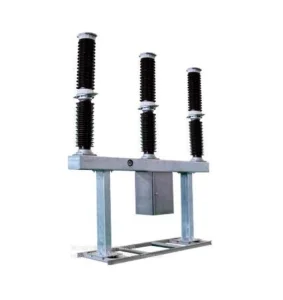
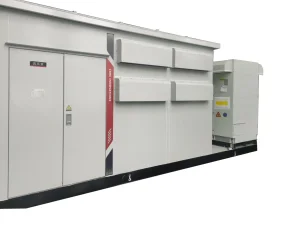
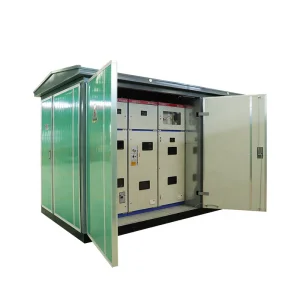
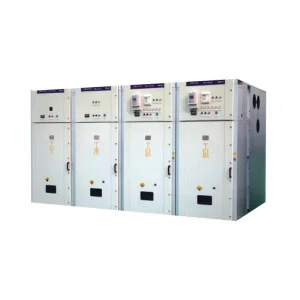
High-voltage circuit breakers, low-voltage distribution panels, and modular prefabricated box substations configured to support long-term operations.
 Zeno Electric