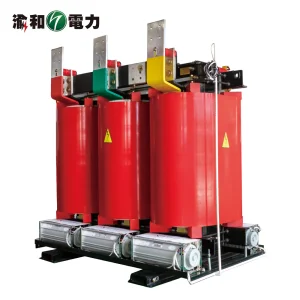
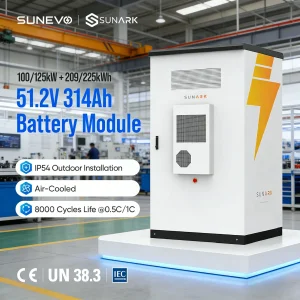
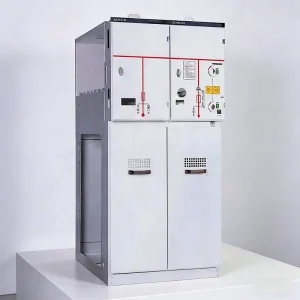
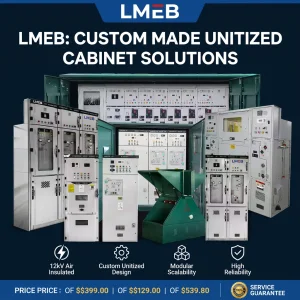
Explore our state-of-the-art power distribution hardware and high-performance energy storage platforms engineered for maximum efficiency.
The global shift towards low-carbon, decentralized energy grids demands a radical transformation of high and low-voltage distribution. At Zhejiang Zeno Electric Co., Ltd., we operate at the intersection of electrical engineering, smart power design, and chemical battery integration. Headquartered in the manufacturing hub of Ningbo with a registered capital of 52 million yuan, we are designated as a national high-tech enterprise dedicated to bridging the gaps between renewable generation, industrial grid compliance, and commercial localized microgrid applications.
From advanced Air-Insulated Switchgears (AIS) and Gas-Insulated Switchgears (GIS) to megawatt-scale Battery Energy Storage Systems (BESS) using liquid-cooled LiFePO4 technology, our catalog reflects engineering that ensures safety, minimizes footprint, and prioritizes long-term efficiency. Whether modernizing hotels with Class-H dry-type transformers, provisioning 19-inch rack smart PDUs for high-density data centers, or deploying prefabricated mobile concrete foundations for flexible installations, we address modern energy requirements with high-quality components.
Zeno Electric operates state-of-the-art facilities that construct intelligent distribution boards, high/low voltage switchgear complexes, and smart energy containment facilities. Our focus areas include:
Understanding supply chain continuity is crucial for global EPC contractors, grid operators, and infrastructure investors. Located in Ningbo, Zhejiang Province, Zeno Electric operates within a specialized industrial cluster. This proximity offers significant advantages in lead times, quality control, and cost optimization:
Raw structural steels, high-conductivity copper busbars, and specialized silicone steel sheets are sourced directly from domestic mills, reducing transit delays and price volatility.
We collaborate with tier-1 battery cell manufacturers to source high-grade lithium iron phosphate (LiFePO4) chemistry, ensuring consistent cycling and safety metrics.
Close proximity to the Port of Ningbo-Zhoushan, one of the world's busiest container ports, facilitates direct shipping routes, reduces overland transit fees, and simplifies customs procedures.
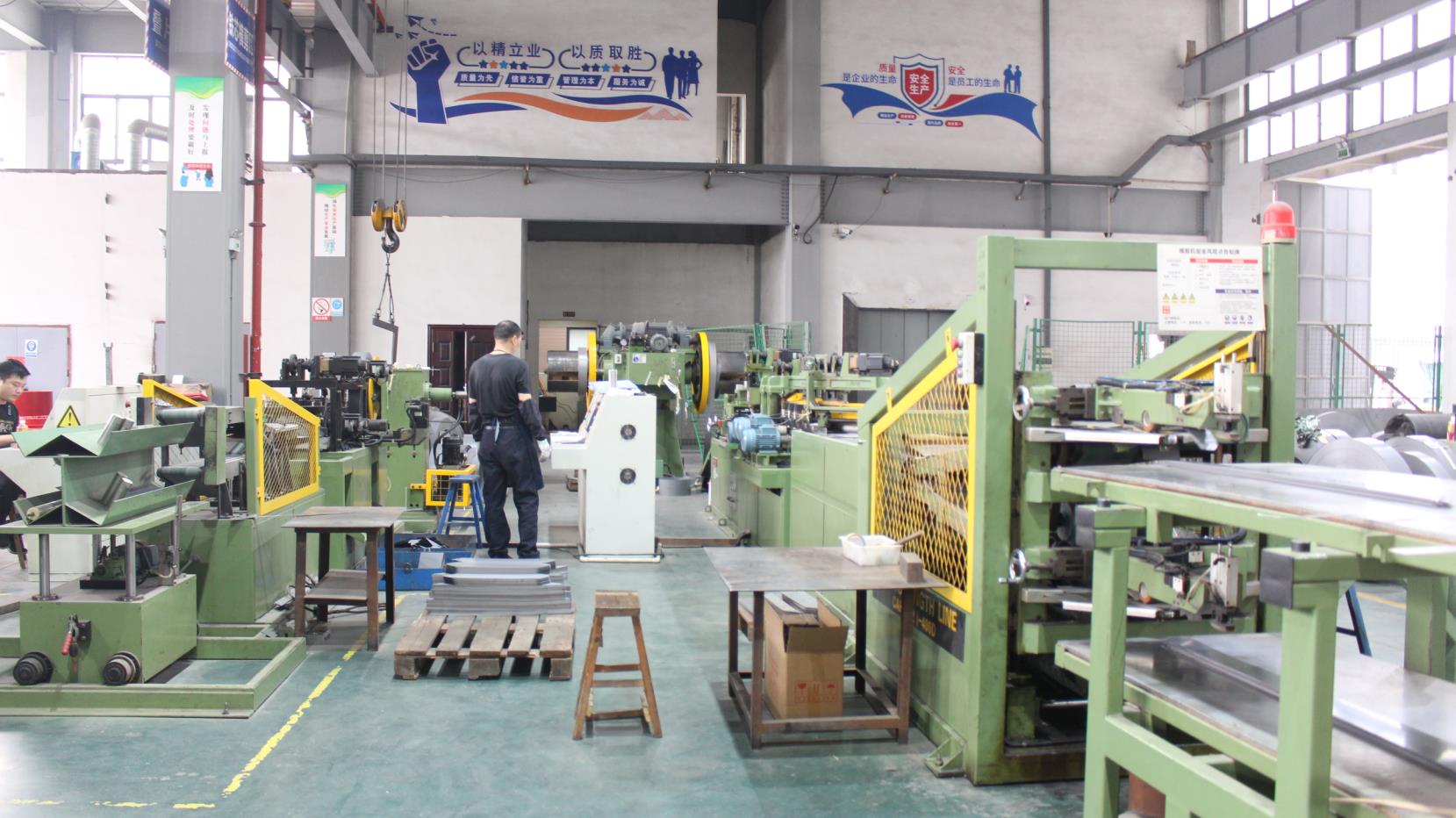
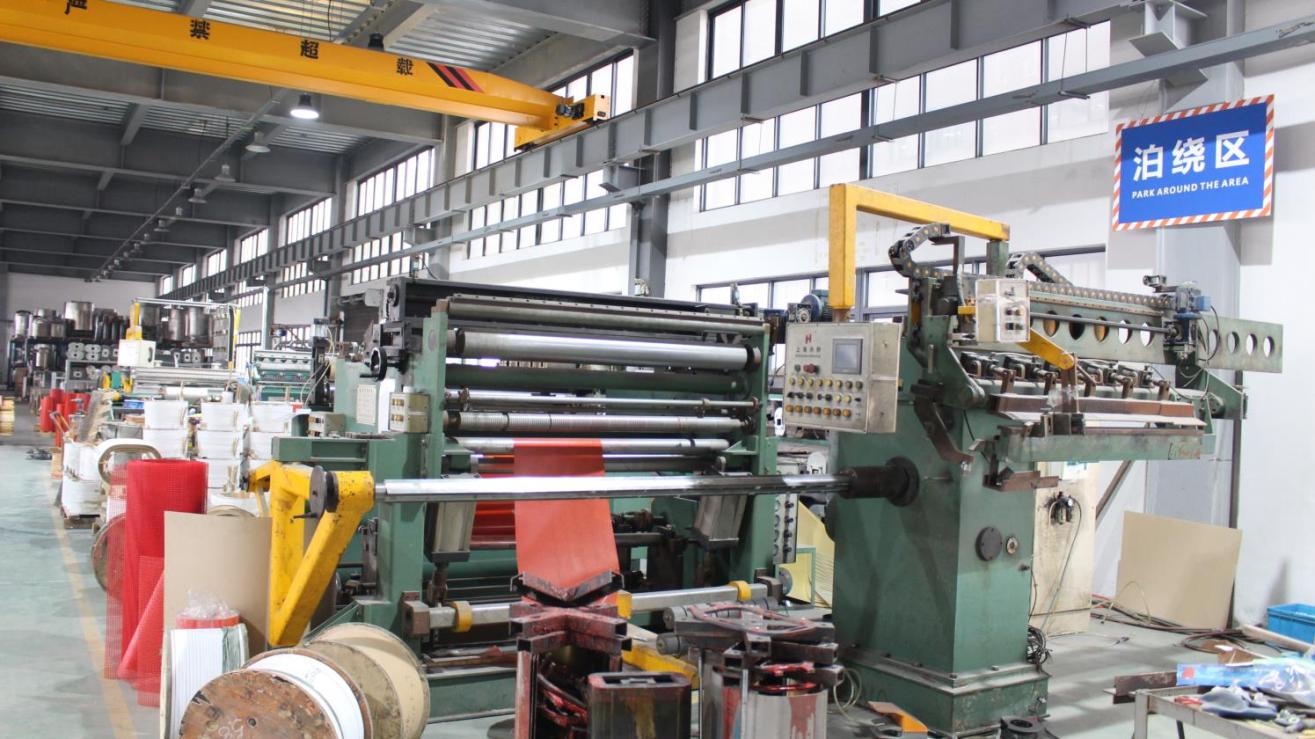
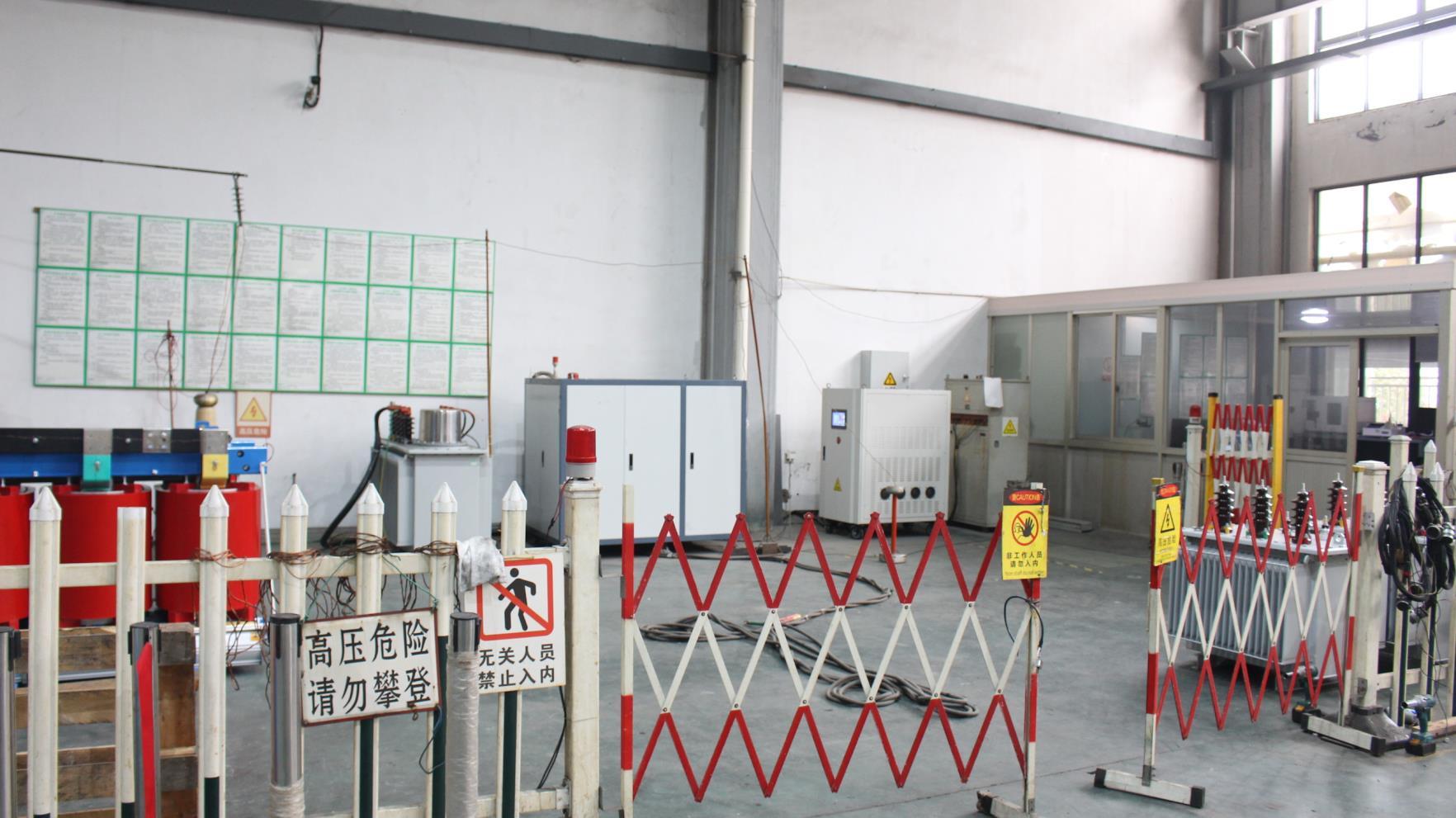
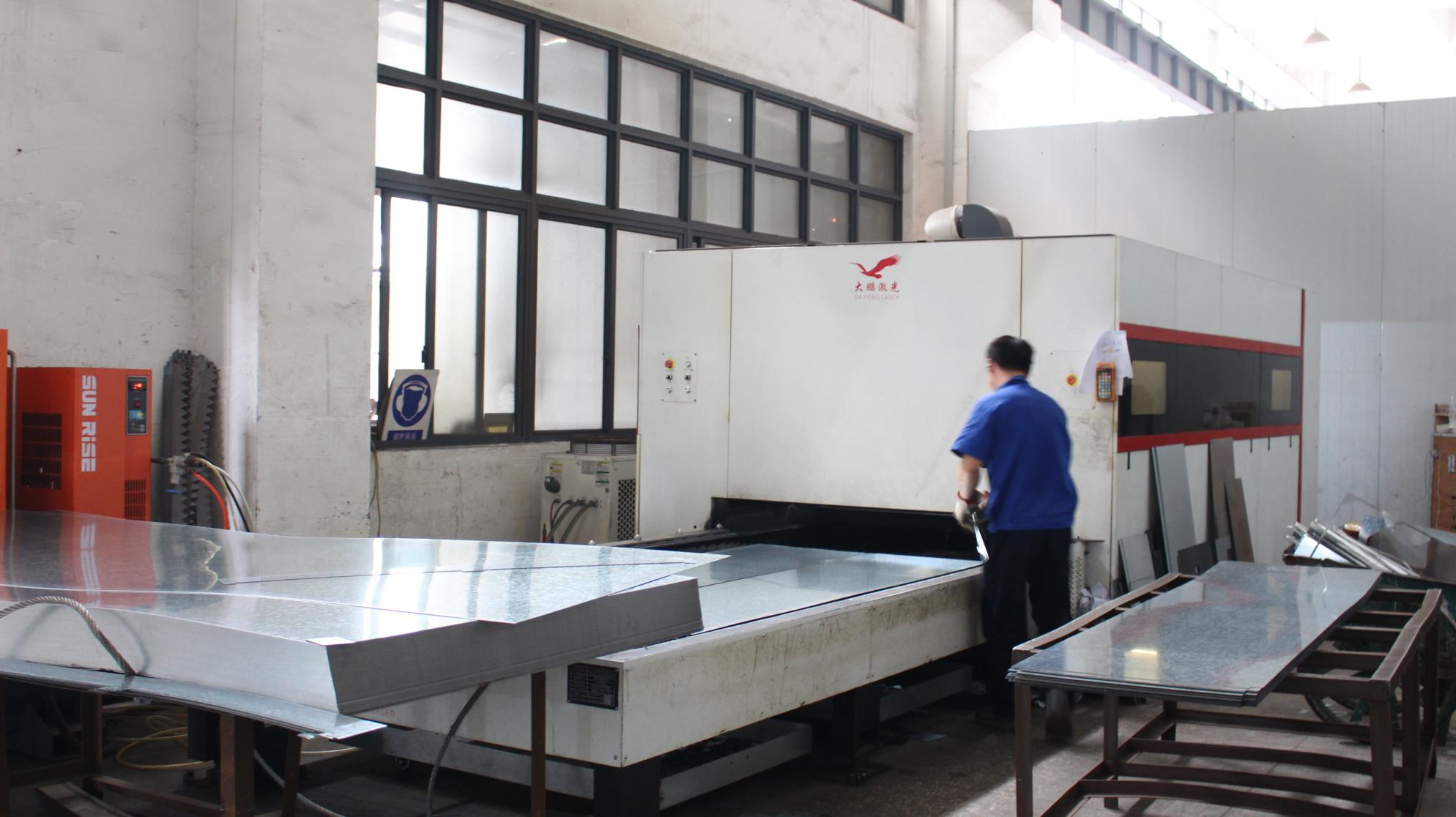
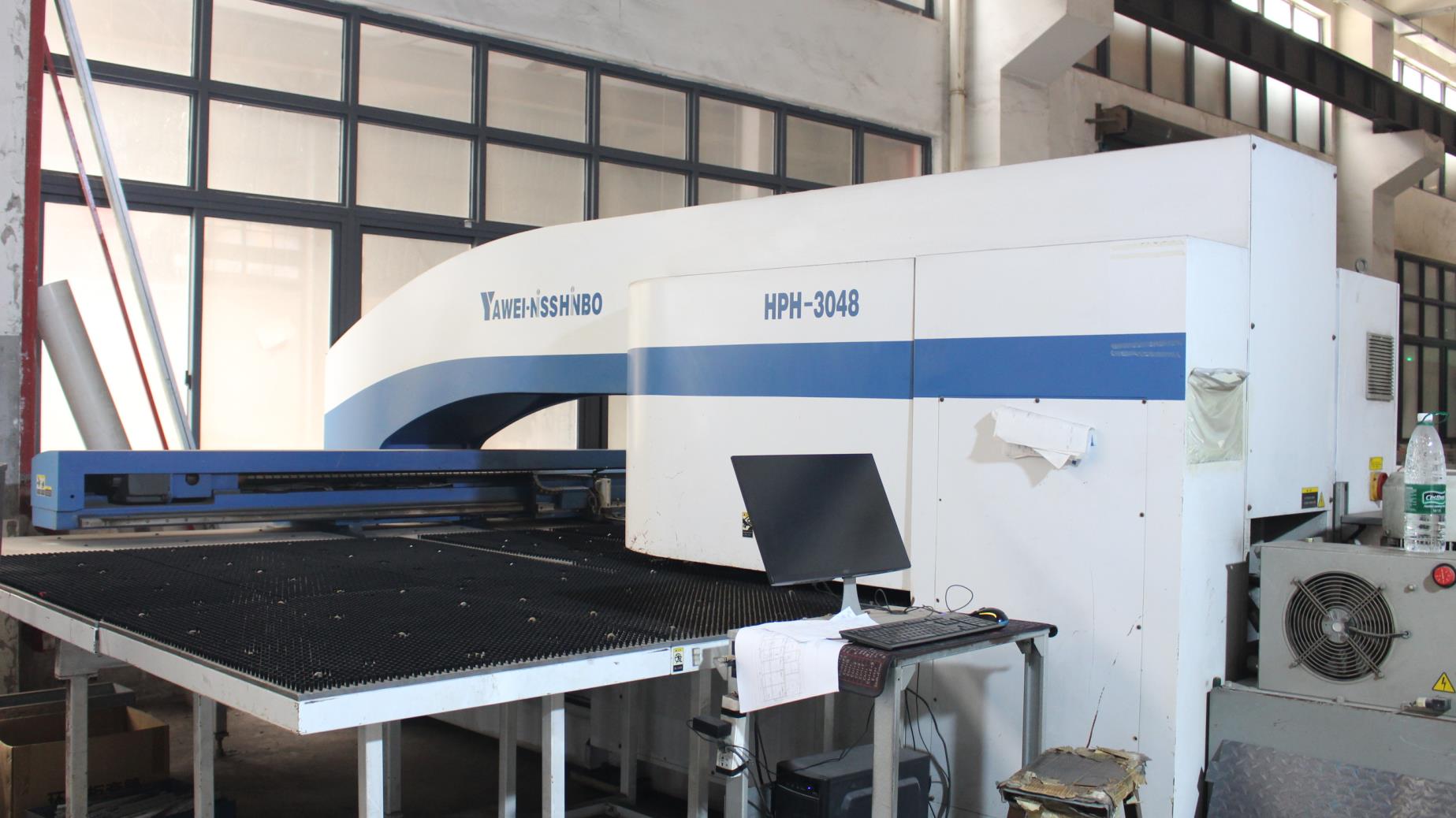
By integrating metal cutting, automated punching, CNC bending, casting, and advanced electrical isolation testing within our factory, Zeno Electric maintains direct control over quality. This vertical integration minimizes reliance on third-party suppliers, helping to maintain stable lead times and consistent product performance.
Operating as an international exporter requires adaptability. Global grids are diverse: North American markets operate primarily on IEEE/ANSI standards with 60Hz architectures, while Europe, Central Asia, and Africa follow IEC regulations at 50Hz. Our engineering department develops flexible systems to meet these varying requirements:
How our integrated power solutions address localized performance requirements, ambient environmental challenges, and operational loads.
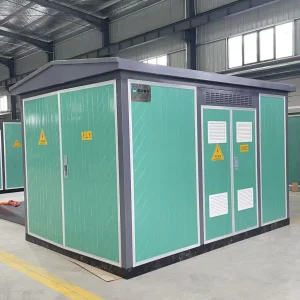
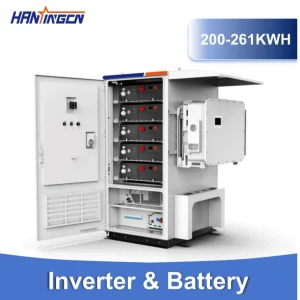
Isolated resort developments and rural municipal grids utilize our compact box-type substations paired with outdoor 100kW/225kWh battery cabinets. This setup enables stable off-grid operation and smooth integration with PV solar arrays, reducing dependency on diesel generation.
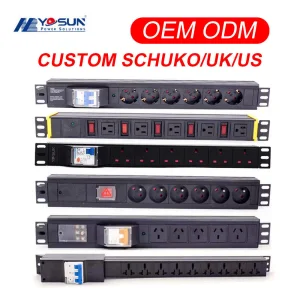
Hyperscale and enterprise colocation facilities install our custom 1U/2U server rack PDUs alongside dry-type distribution transformers to manage thermal profiles, prevent harmonic distortions, and maintain uninterrupted uptime.
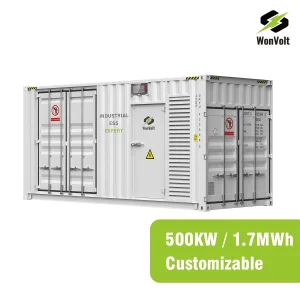
Factories and manufacturing facilities deploy our 500kWh to 3.4MWh containerized battery energy storage systems (BESS) to charge during off-peak hours and discharge during high-tariff periods, lowering monthly demand charges.
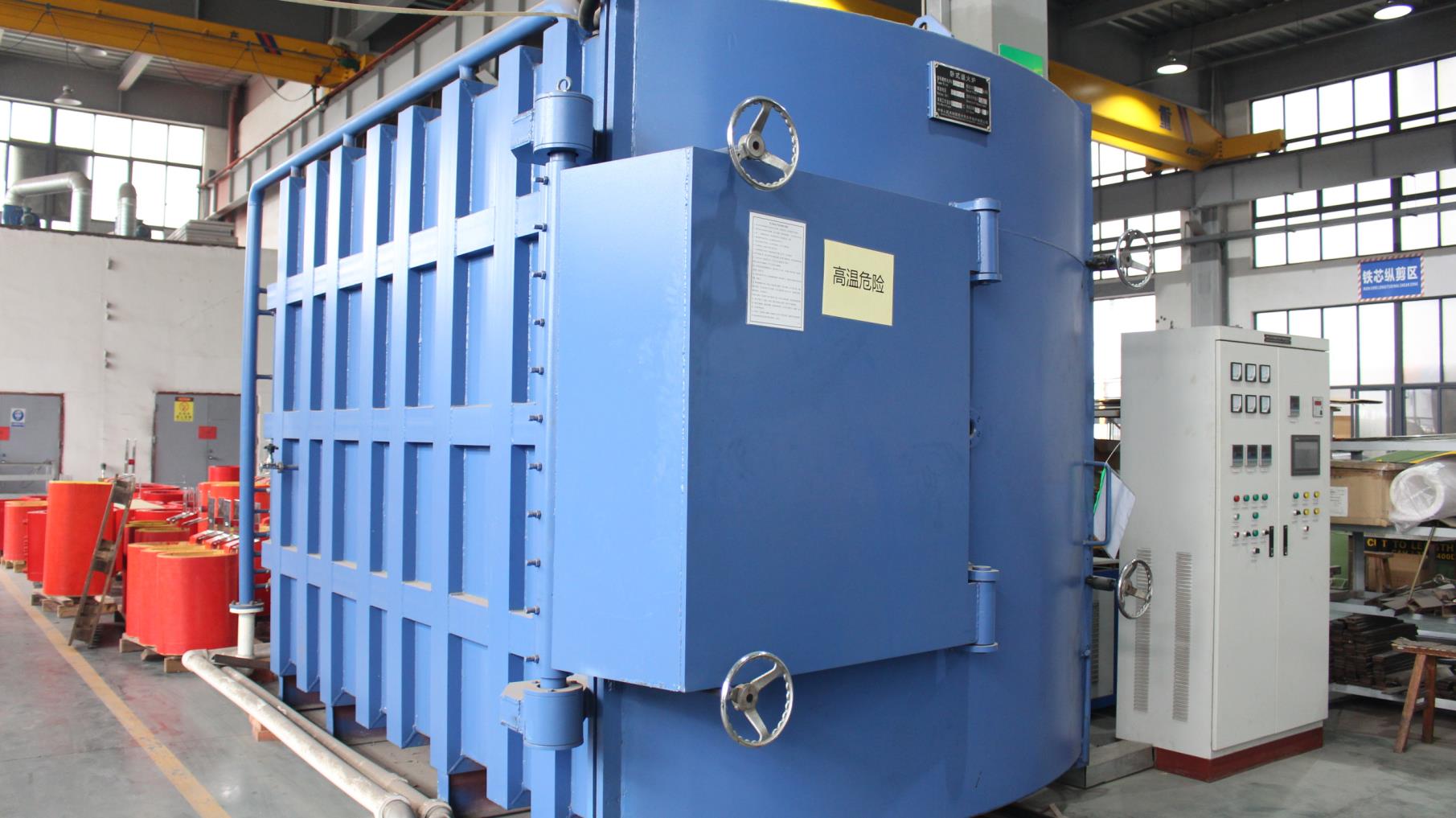
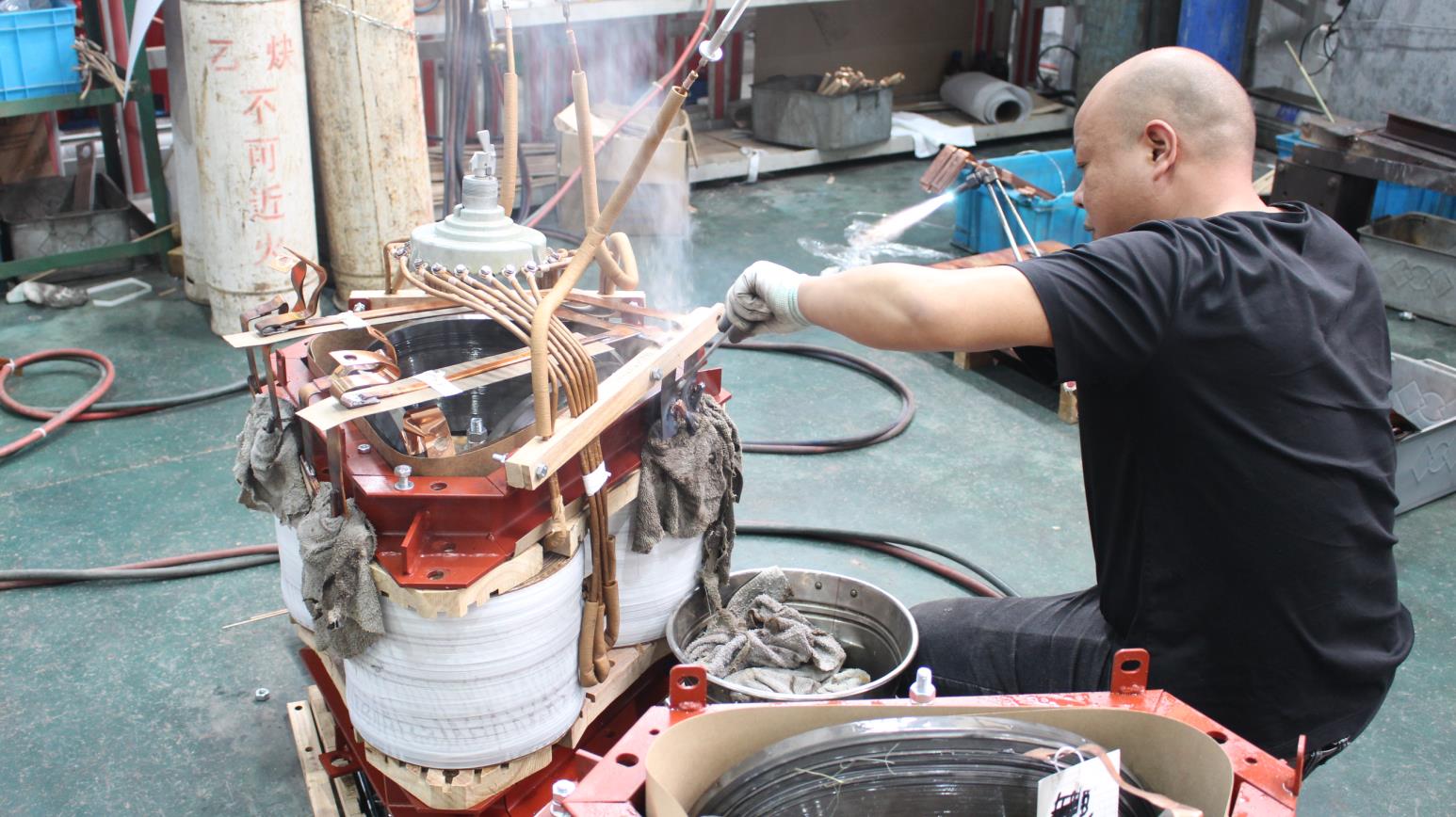
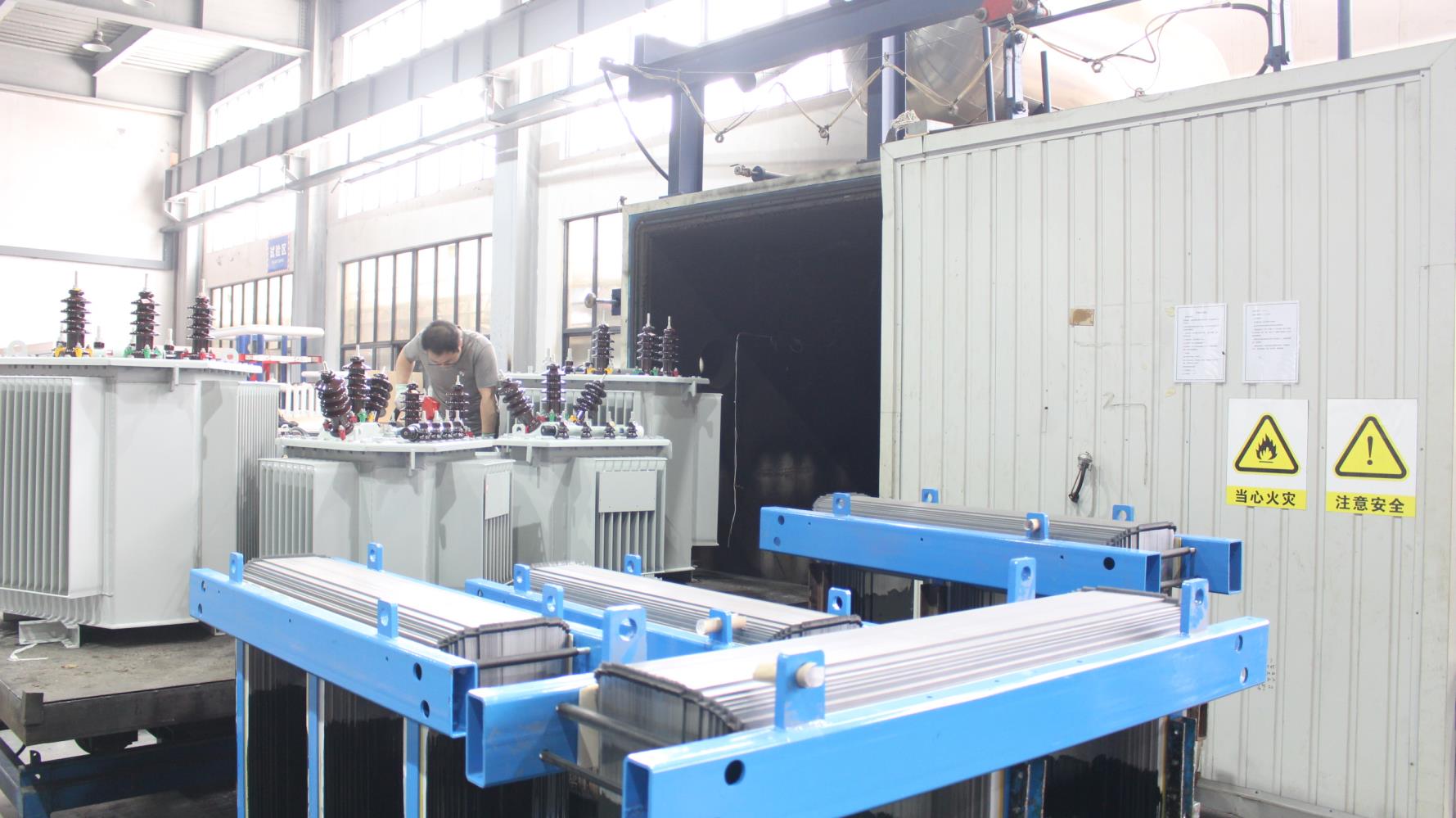
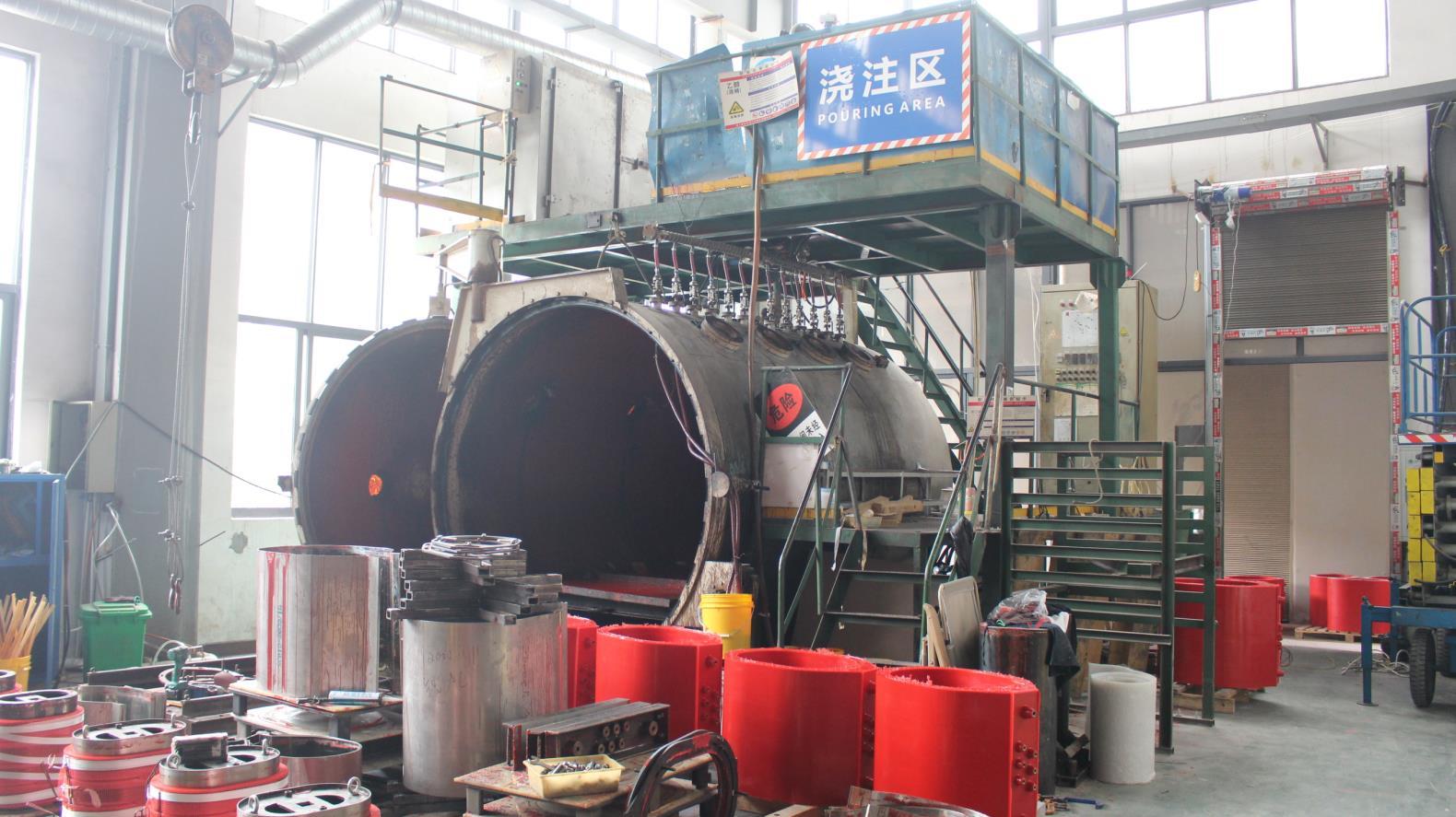
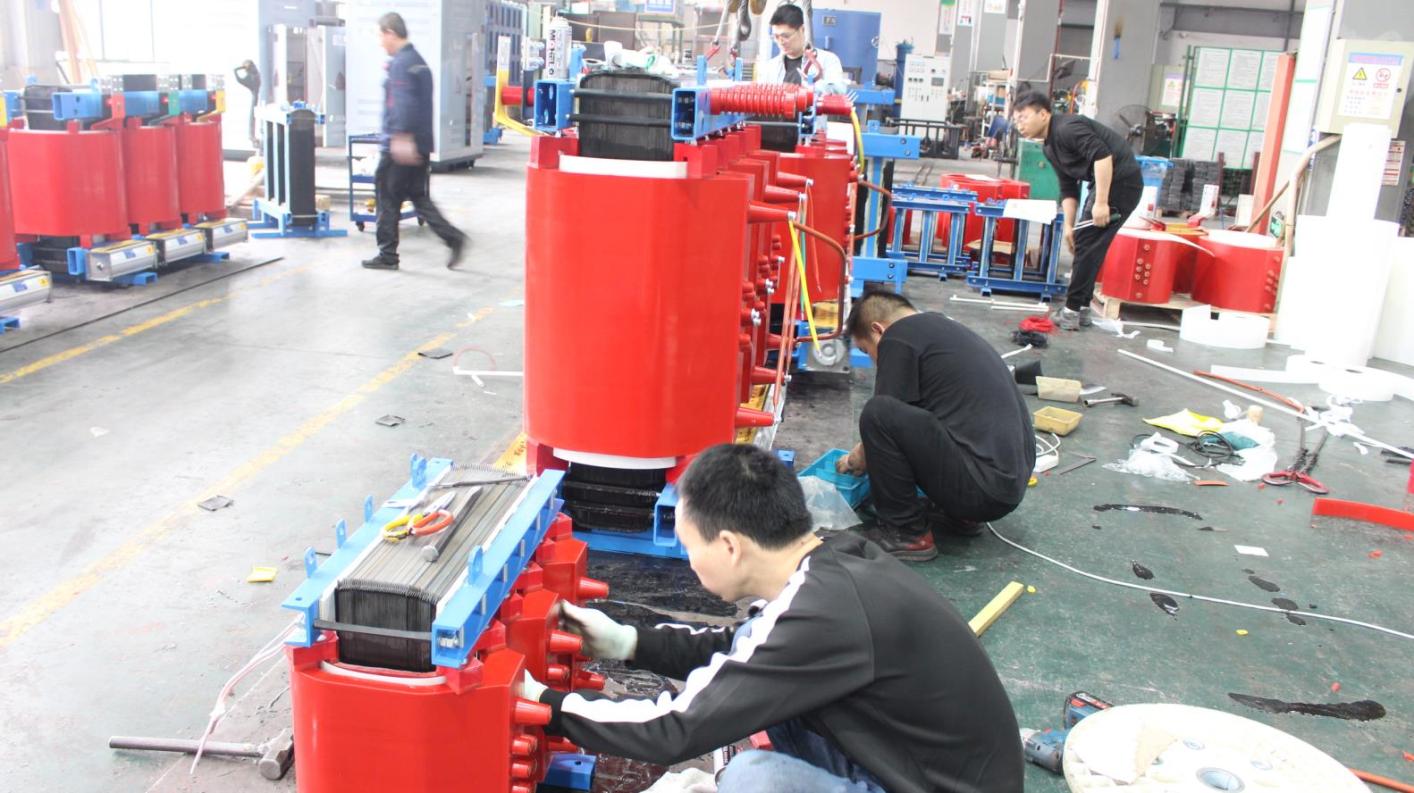
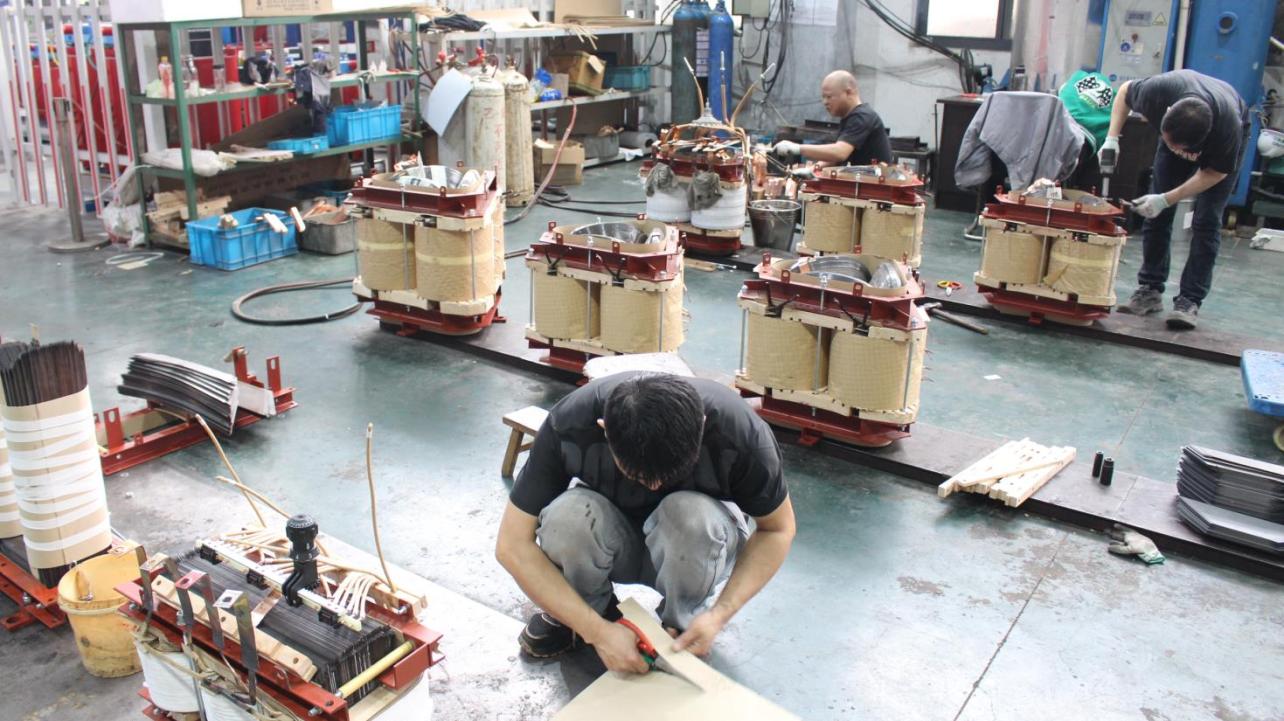
Inside Zeno Electric's production plant in Ningbo, where quality control is maintained at every step of manufacturing.
Deploying major electrical infrastructure requires meeting local safety codes, utility interconnection rules, and environmental regulations. Zeno Electric systems are designed to comply with key international standards:
Every step of our manufacturing workflow integrates strict quality control measures. In the Winding and Casting phases for dry-type dry transformers, automated tension meters and vacuum casting chambers are used to prevent micro-fissures in epoxy coats. During the assembly of oil-immersed transformers, our Oil-immersed vacuum pumping and testing protocols verify dielectric oil purity and ensure insulation integrity, minimizing maintenance requirements after installation.
For containerized battery assemblies, cell capacity grading is performed prior to module configuration. This matches internal resistance and open-circuit voltage profiles to ensure uniform cycling across all modules. Multi-stage testing is then conducted under simulated load variations, checking BMS performance and active balance currents across the pack before shipment.
Technical answers to help engineers, procurement managers, and system integrators evaluate power systems and BESS platforms.
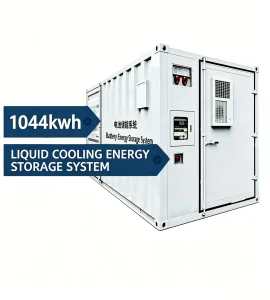
Liquid cooling systems utilize a closed-loop coolant cycle with high thermal conductivity to maintain cell temperature variations within ±1.5°C. This is more effective than air cooling in hot environments, reducing auxiliary power consumption by up to 30% and extending battery lifespan. Air cooling is simpler and remains a cost-effective option for milder climates with moderate load profiles.
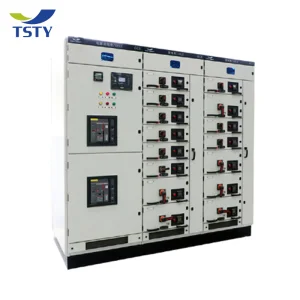
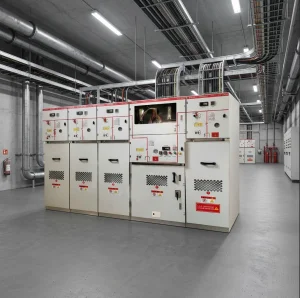
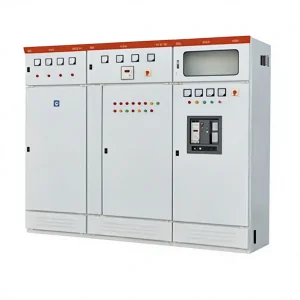
Our KYN28 series features metallic-clad partitioning, separating the breaker compartment, busbar compartment, cable compartment, and low-voltage control unit. This compartmentalization prevents faults from propagating. It also includes pressure relief flaps to direct hot gases upward and away from operators in the event of an internal arc, complying with IEC 62271 safety requirements.
Yes. For coastal or highly corrosive environments, we use marine-grade galvanized steel or aluminum-zinc alloy enclosures. The exteriors are coated with C5-I/C5-M class anti-corrosive polyurethane finishes. High-durability hinges and double-layer seals prevent salt mist ingress, protecting the internal transformer and LV switchboard components.
Our EMS monitors electrical parameters including active/reactive power, harmonics, phase voltage, and line currents. For integrated BESS systems, it tracks battery parameters down to the cell level, including cell voltage, pack temperature, State of Charge (SoC), State of Health (SoH), and coolant flow rates. It supports Modbus RTU/TCP, IEC 60870-5-104, and CAN bus protocols for easy integration into existing SCADA setups.
Explore our specialized heavy electrical machinery, ring main units, and custom transformers designed to support high-demand grids.
 Zeno Electric