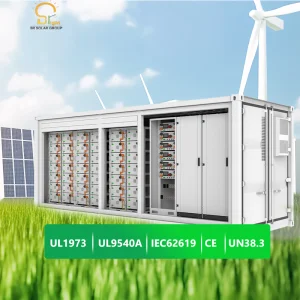
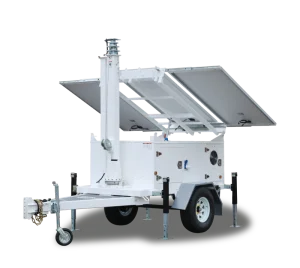
Discover our CE-compliant, high-performance battery energy storage systems (BESS) and supporting distribution infrastructure optimized for utility-scale and commercial projects.
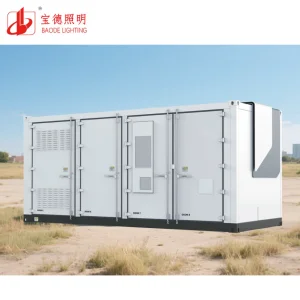
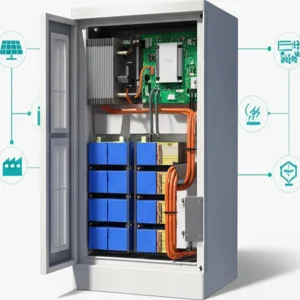
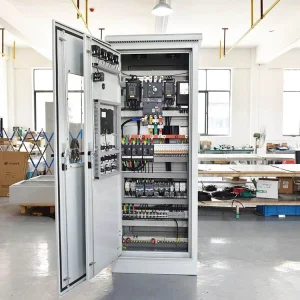
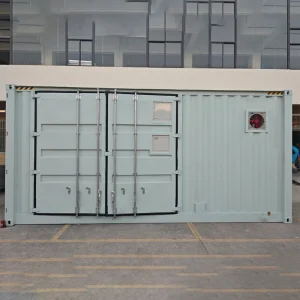
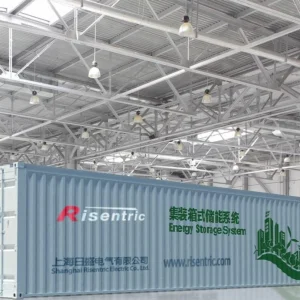
The global transition from fossil-fuel-dominated grids to modern decarbonized networks is driving an unprecedented demand for high-capacity, grid-tied and behind-the-meter battery energy storage systems (BESS). As wind and solar generation capacities expand, grids face systemic volatility due to intermittent power outputs. Modern grid operators require sophisticated stabilization tools capable of millisecond responses to frequency fluctuations. Zhejiang Zeno Electric Co., Ltd. is positioned at the intersection of this technology curve, manufacturing state-of-the-art power distribution cabinets and liquid-cooled BESS containers that directly address the mechanical and electrochemical challenges of long-duration and fast-response applications.
Globally, Commercial & Industrial (C&I) sectors face double-pronged pressures: meeting rigorous ESG (Environmental, Social, and Governance) corporate mandates and mitigating skyrocketing peak demand utility tariffs. A high-efficiency liquid-cooled energy storage system serves as a virtual power plant (VPP), empowering industrial parks, manufacturing centers, and regional grids to store off-peak electricity and discharge it during peak tariff pricing windows. This peak shaving, combined with dynamic load shifting, delivers dramatic reductions in operational expenditure (OpEx) while ensuring continuous backup power for critical processes.
“To support grid operators and high-demand commercial entities worldwide, Zeno Electric provides complete system planning, engineering design, manufacturing, and deployment, ensuring integration up to 220kV substations.”
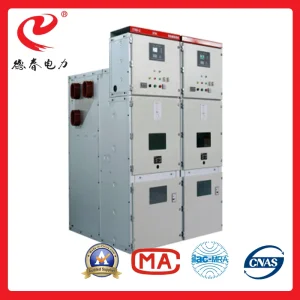
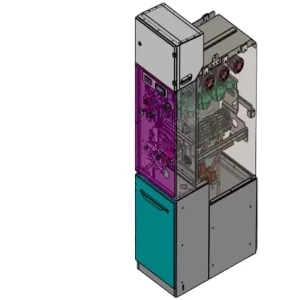
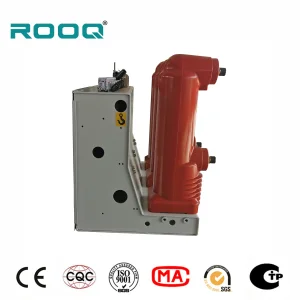
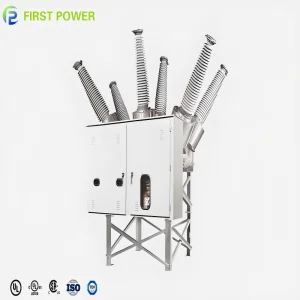
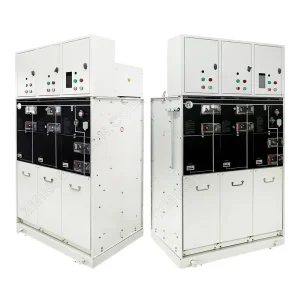
Unlike standard modular battery assemblers, Zeno Electric brings decades of switchgear, ring main unit (RMU), and substation manufacturing expertise to the table. Our comprehensive portfolio ensures that we deliver not just the battery bank, but the entire electrical infrastructure required to bridge the energy storage system to the medium-voltage utility grid. This includes automatic PLC-controlled low-voltage switchgears, 12kV indoor vacuum circuit breakers, and dry air insulated ring main units (SF6-free) designed for minimal environmental impact.
Operating across international borders demands uncompromising adherence to global safety protocols. CE certification stands as the cornerstone of our engineering philosophy.
Our energy storage applications are designed for deployment across distinct global landscapes:
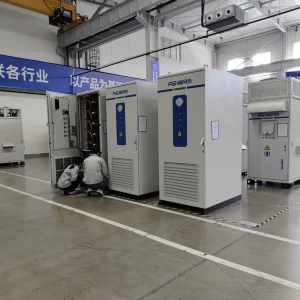
As a national high-tech enterprise, Zeno Electric integrates advanced R&D, structural engineering, electrical assembly, and automated testing in our Ningbo production base.
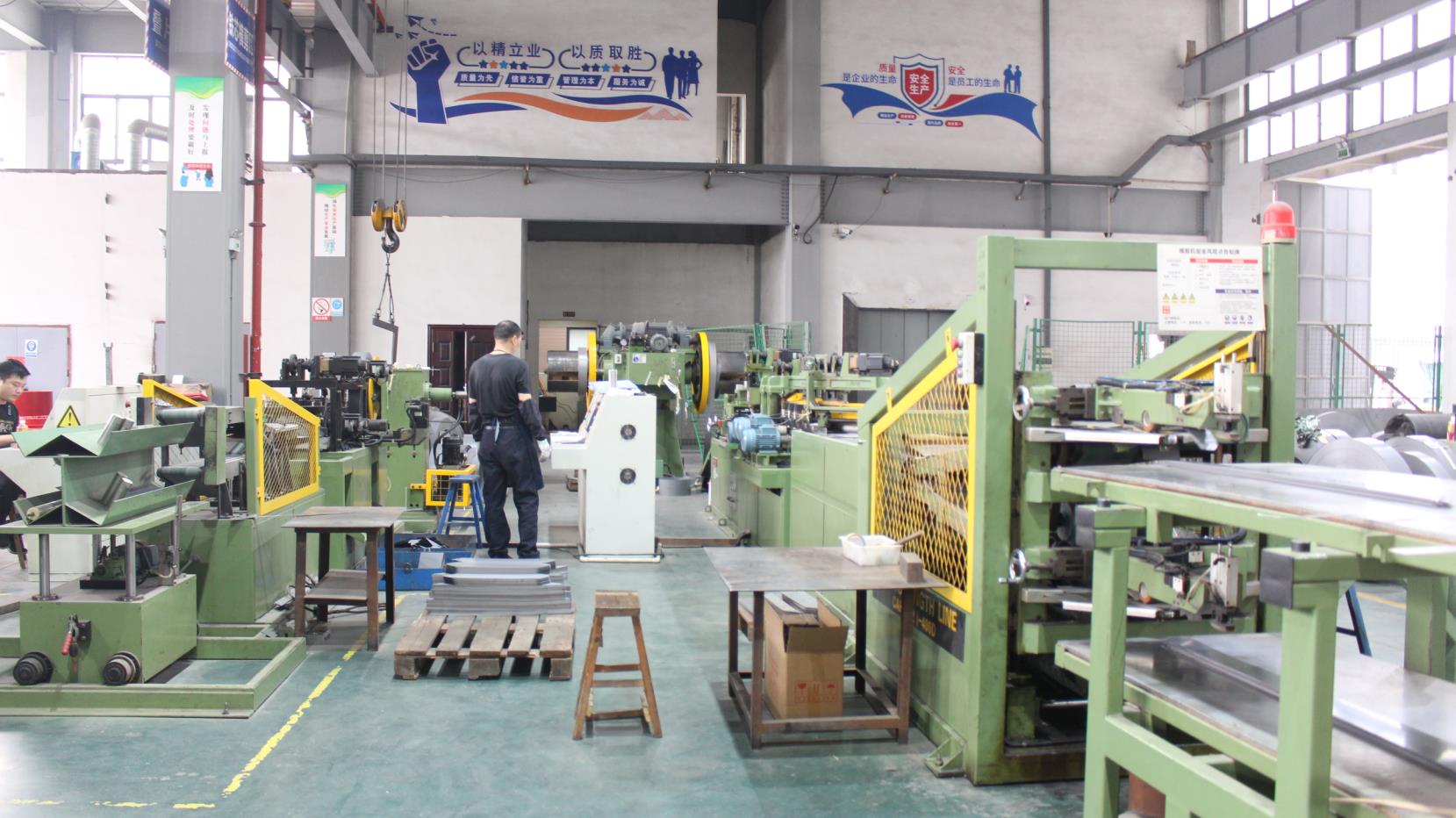
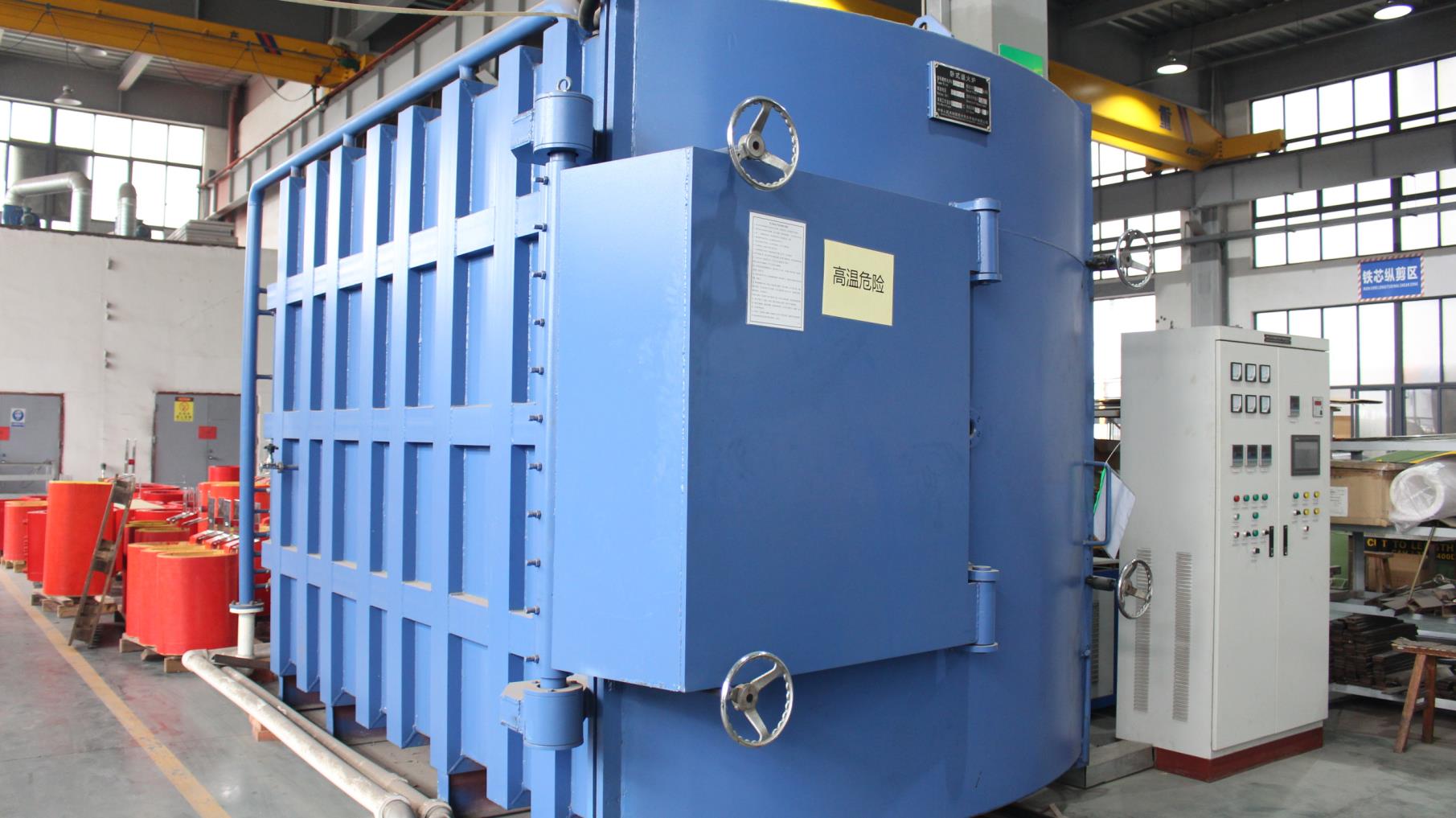
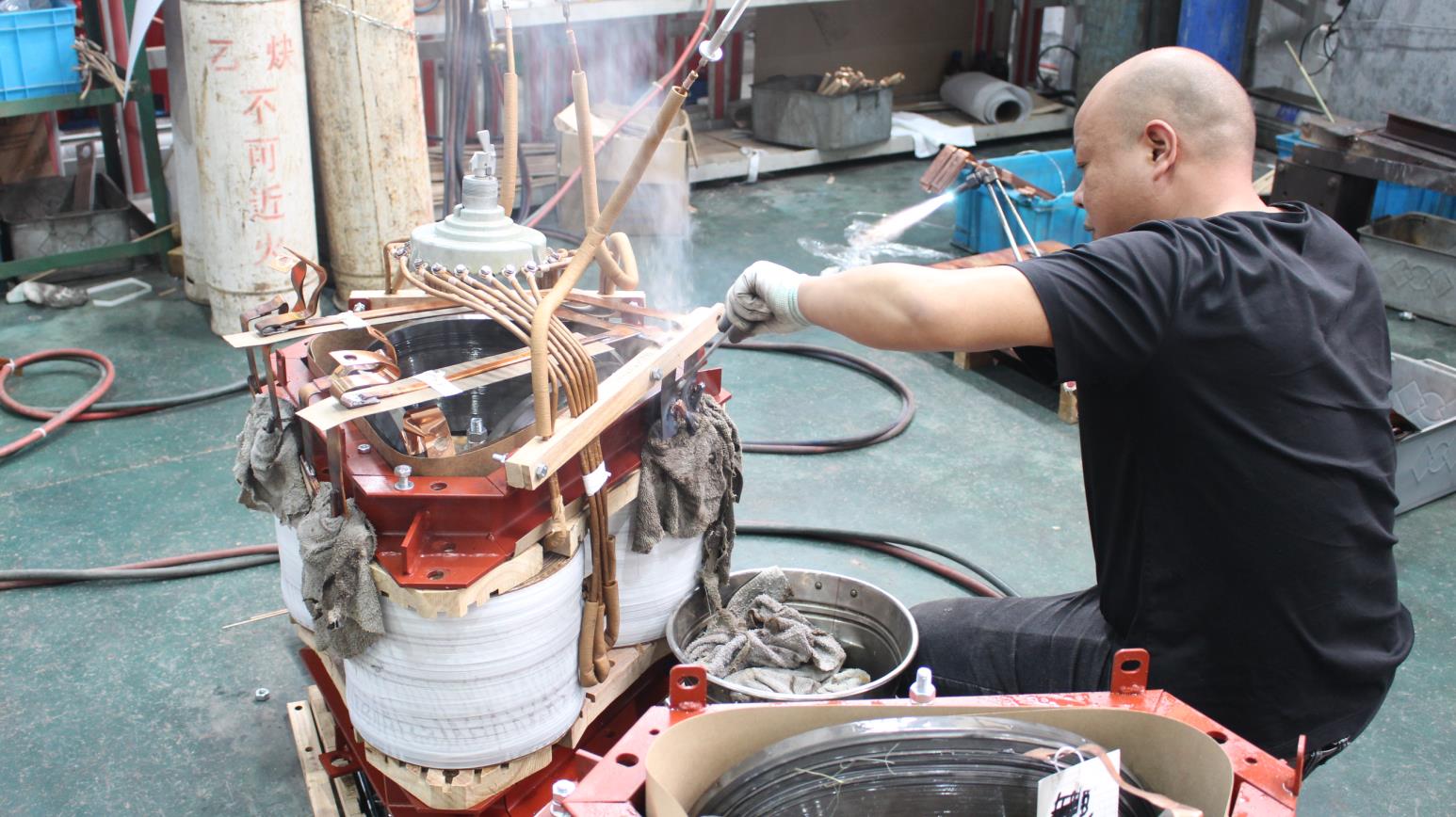
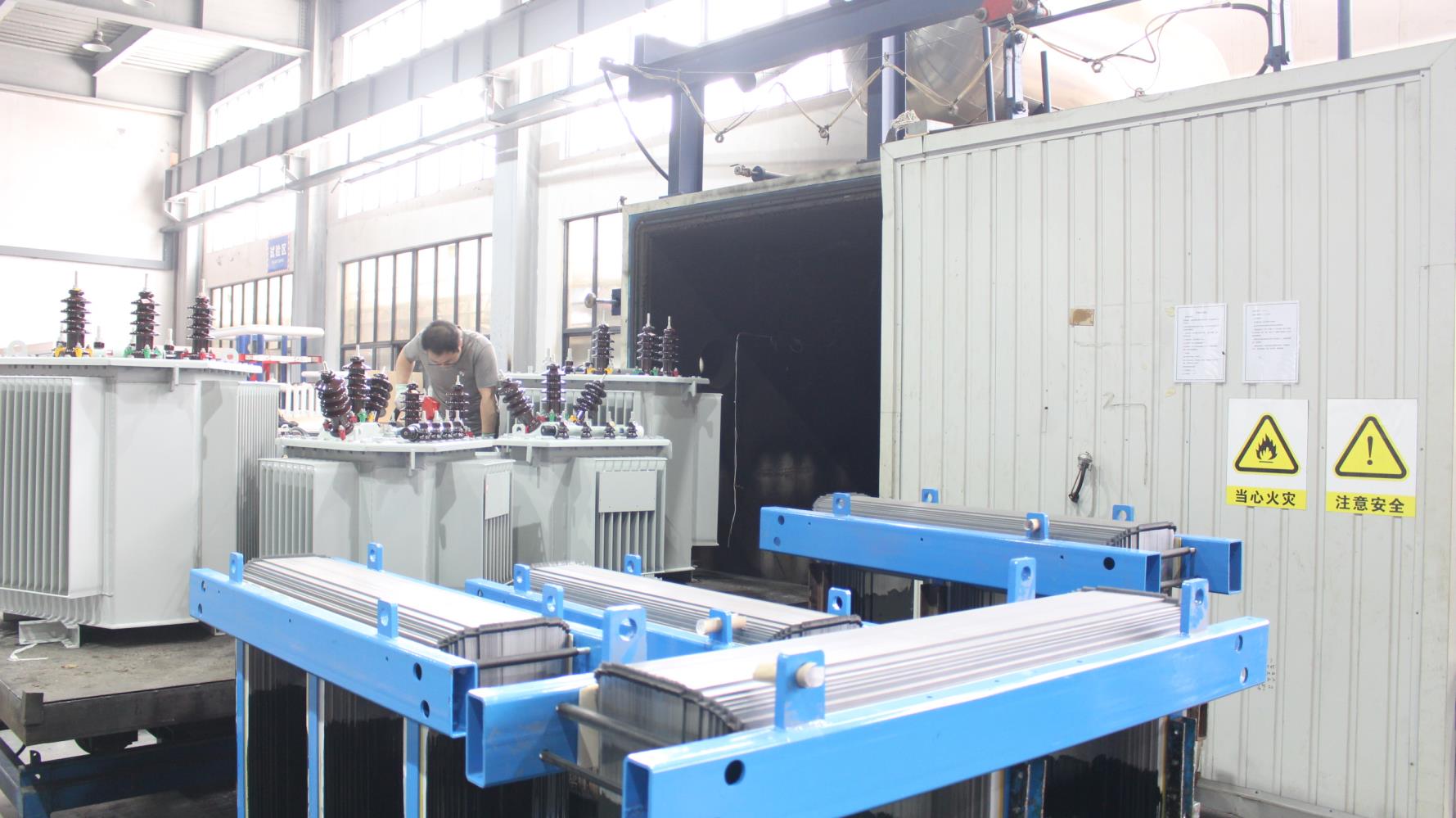
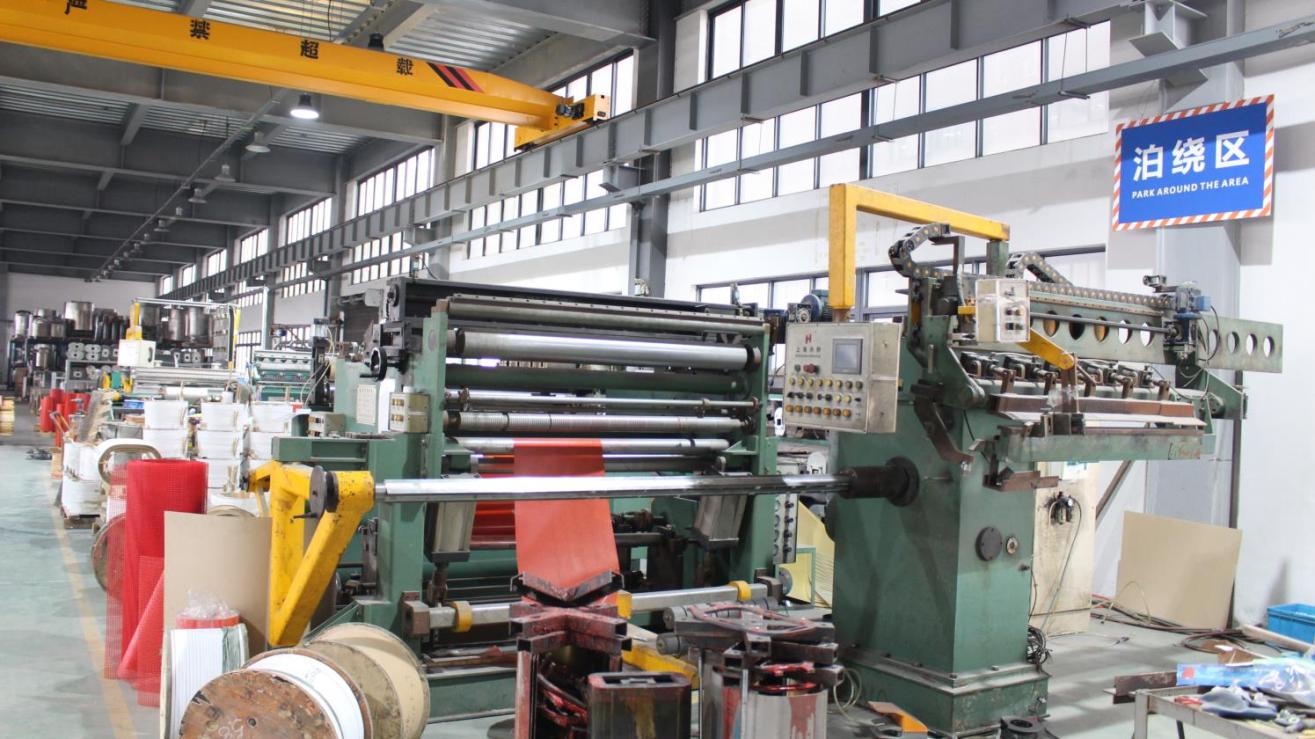
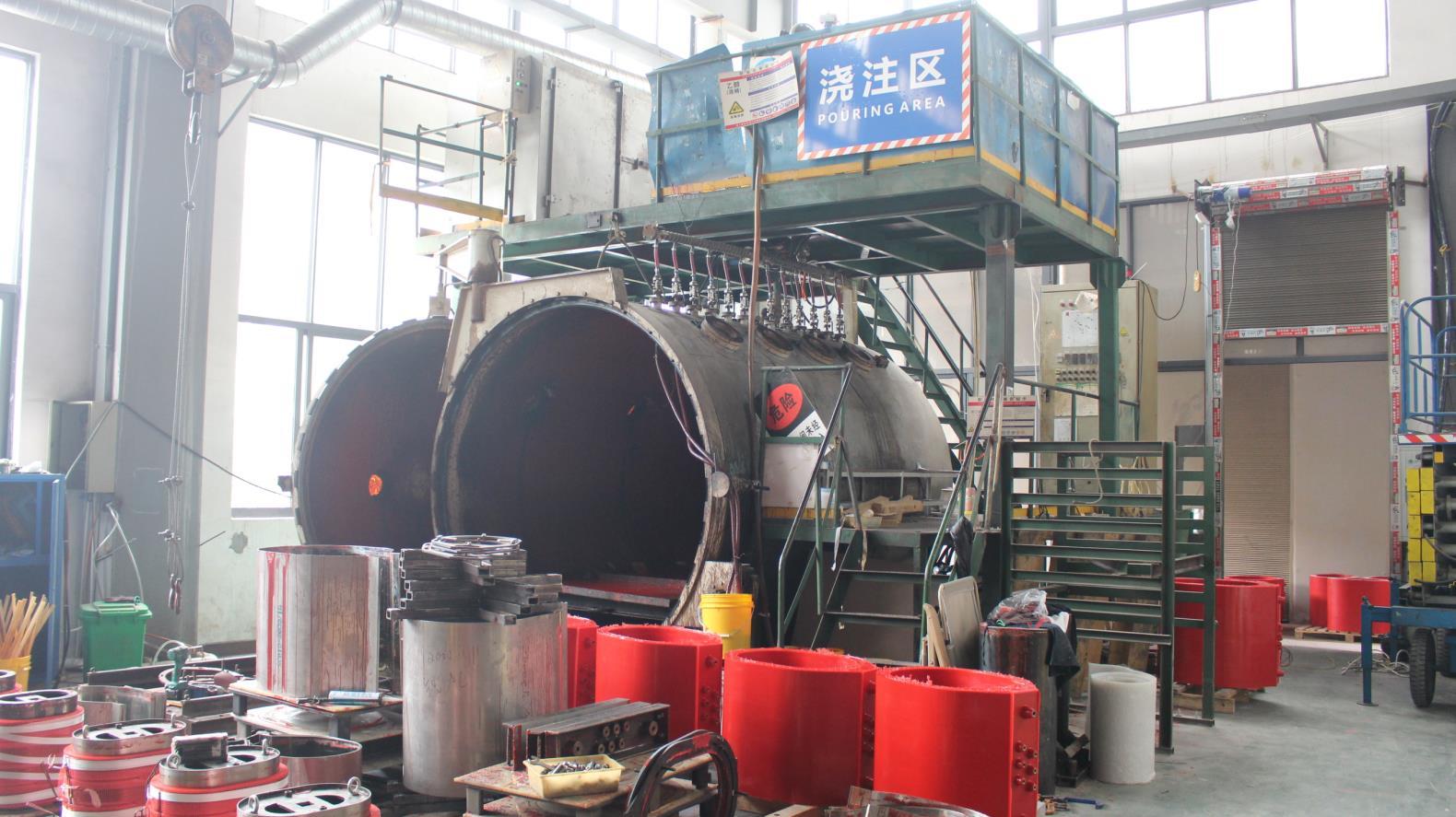
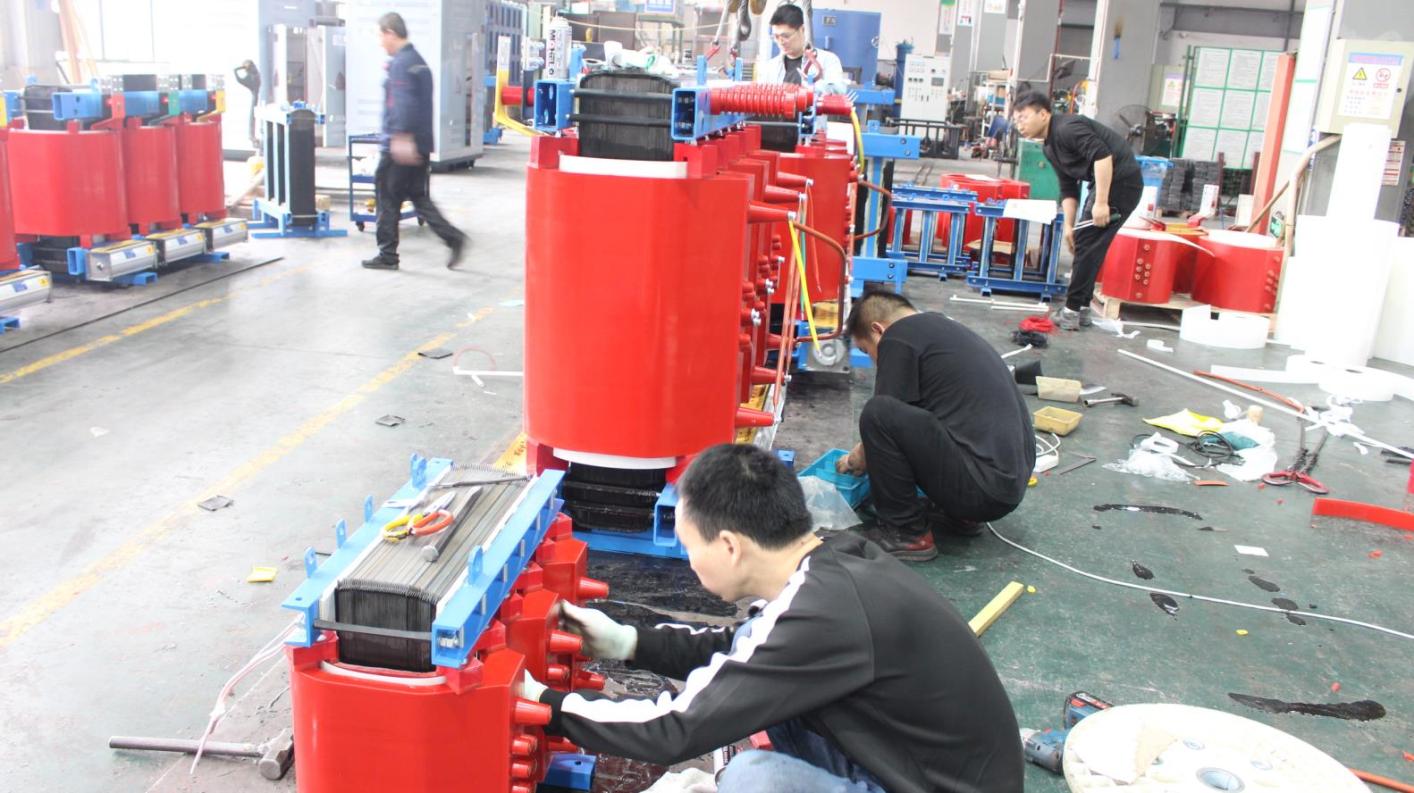
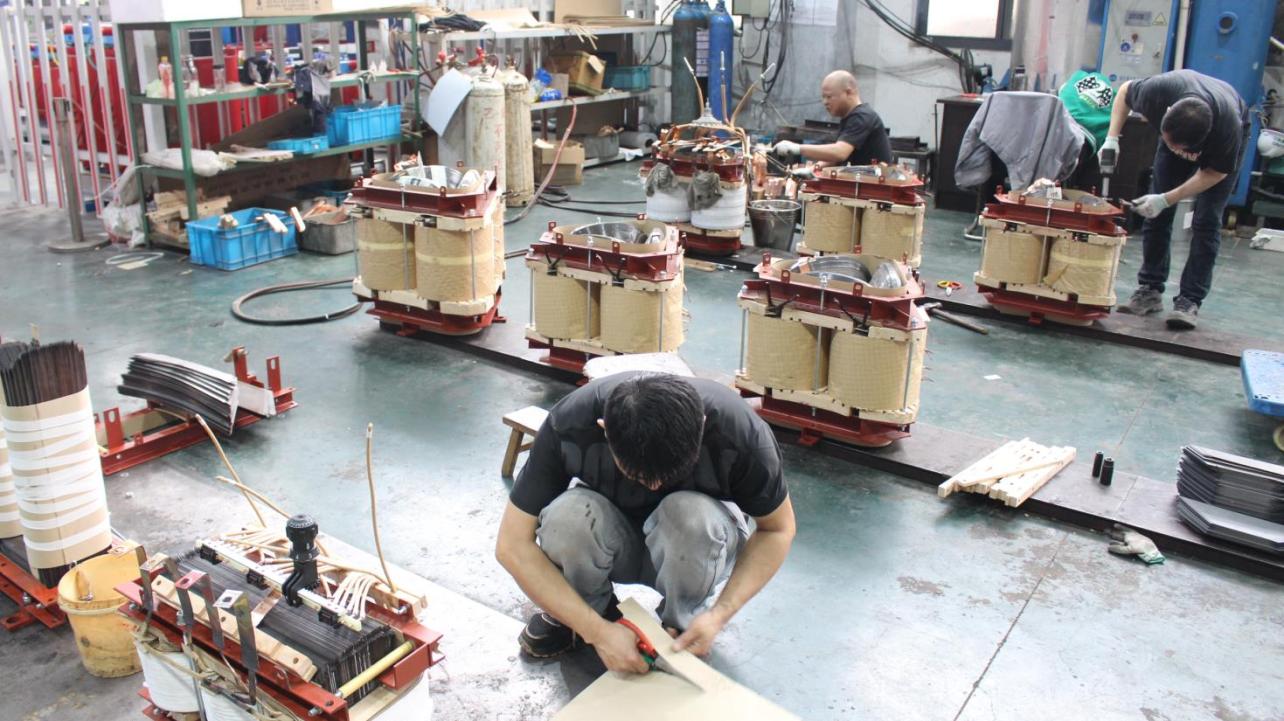
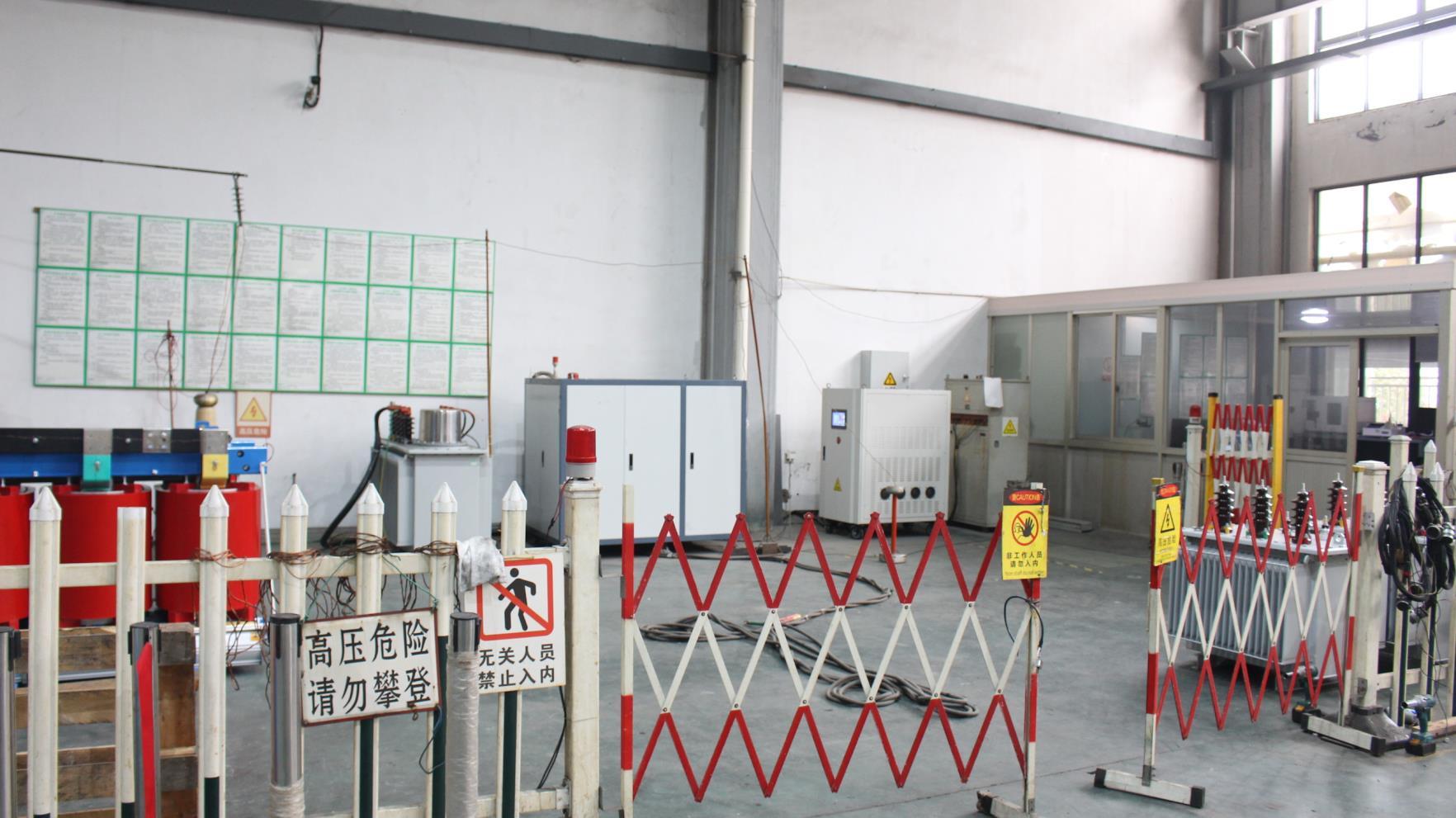
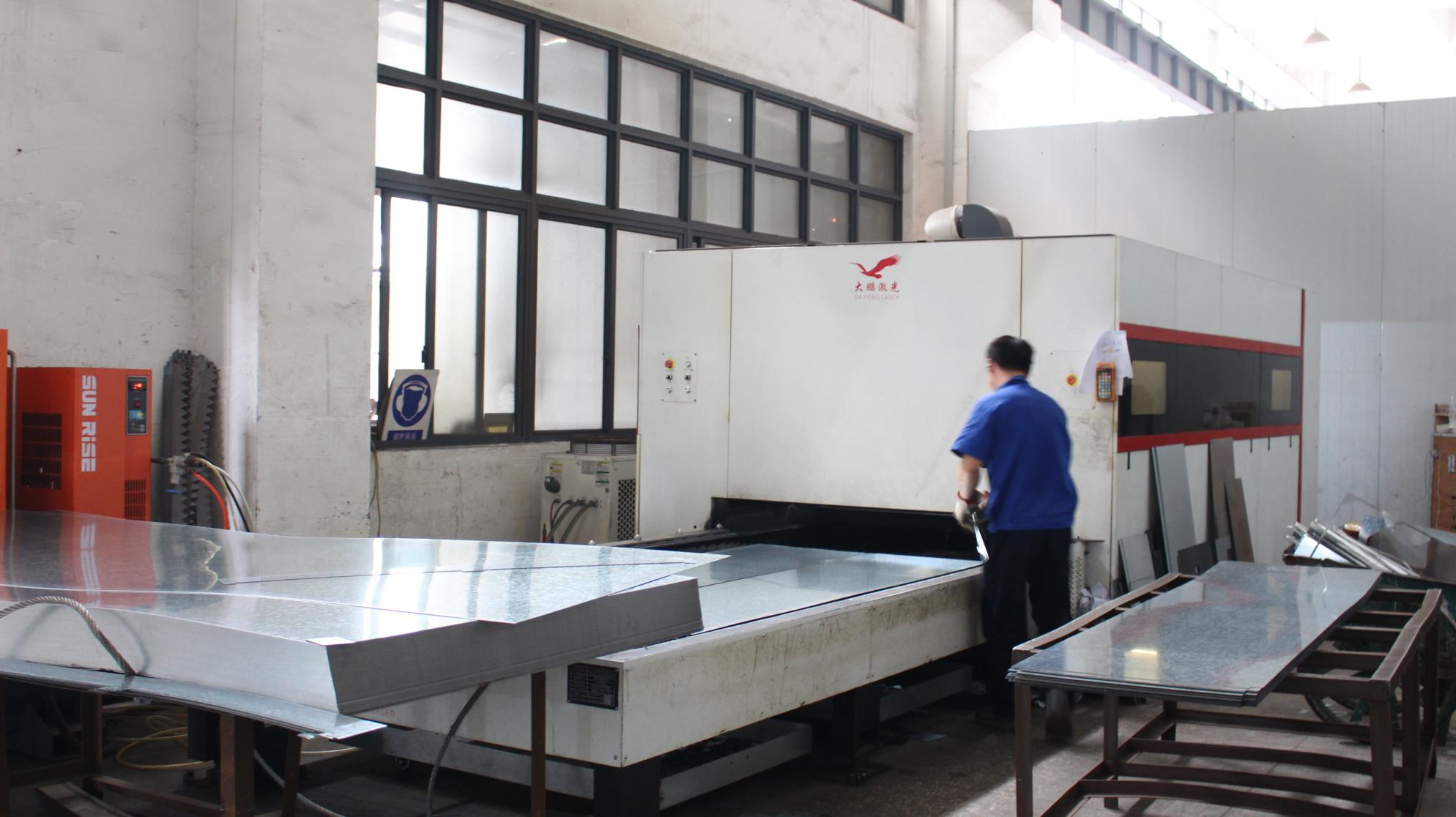
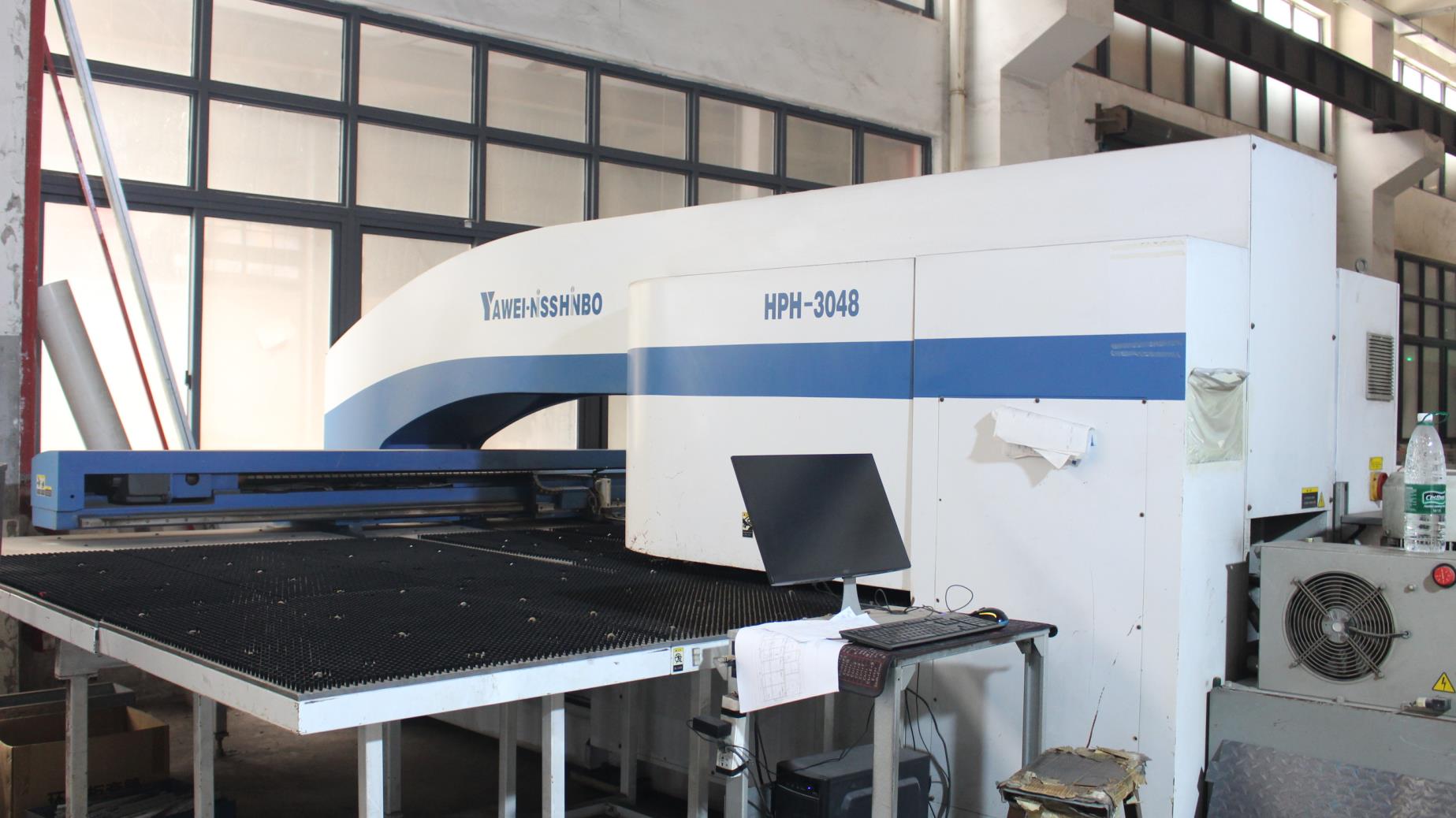
To maintain our position in the global clean energy transition, Zeno Electric’s research initiatives are focused on three core engineering pillars:
Technical answers to key questions asked by site planners, utility engineers, and C&I energy managers.
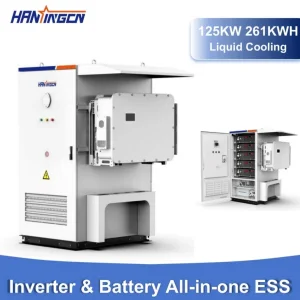
Liquid cooling systems utilize a liquid-to-air heat exchanger circulating glycol-water mixture directly around battery module plates, whereas air cooling relies on HVAC fans. Liquid-cooled systems keep the temperature delta between cells within ±3°C, compared to ±5°C or higher in air systems. This temperature uniformity reduces system decay, increases reliability, and saves up to 40% in internal auxiliary power consumption, maximizing system longevity.
CE certification demonstrates compliance with strict European union directives covering electrical safety, electromagnetic emissions, and battery cell behavior. Specifically, compliance with EN 62619 ensures that the battery system resists thermal runaway and electrical stresses. It gives grid operators, insurers, and local authorities verification that the system is safe to connect to low and medium-voltage distribution networks.
Yes. Zeno Electric is a manufacturer of medium-voltage switchgear (such as our Kyn28-12 and dry air SF6-free RMUs) and prefabricated wind/solar substations. This allows us to supply fully integrated, plug-and-play substation solutions that transform low-voltage battery outputs (e.g., 400V or 768V DC/AC) to grid-compatible distribution voltages (up to 35kV) directly at the site, reducing installation times and compatibility issues.
Utility bills for commercial and industrial facilities often include capacity or peak demand charges based on the maximum power drawn during peak windows. A BESS system tracks real-time demand and discharges stored energy when consumption approaches a predefined threshold, flattening the peak demand profile. This reduces capacity charges while utilizing low-cost, off-peak energy for recharge, resulting in substantial financial savings.
Our containerized BESS platforms employ a multi-layered safety architecture: cell-level venting, automated module-level battery management systems (BMS) to control over-voltages and over-currents, internal gas detection (such as carbon monoxide and hydrogen sensors), built-in fire suppression (typically liquid chemical agents or clean gas), and pressure relief vents to prevent gas accumulation, aligning with international safety codes.
Explore our industrial-grade switches, ring main units, and custom containerized liquid-cooled battery systems engineered to withstand intense operational cycles.
 Zeno Electric