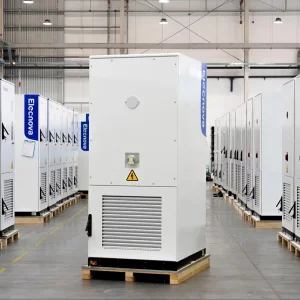
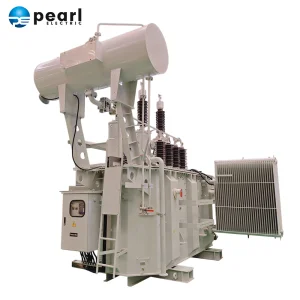
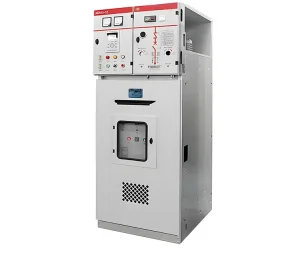
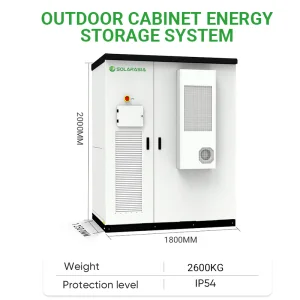
Explore our premium energy monitoring, distribution control, and liquid cooling energy storage cabinets engineered to maximize operation efficiency.
The global transition toward decentralized power grids, electric vehicle infrastructure, and utility-scale renewable energy storage systems requires robust hardware capable of handling massive telemetry. Today's commercial operations cannot afford energy blind spots. Implementing high-precision, industrial-grade energy monitoring devices is no longer just an administrative recommendation; it is an operational imperative for carbon accounting, financial optimization, and thermal runaway prevention.
By capturing real-time telemetry including current harmonics, phase fluctuations, voltage sags, and thermal baselines, smart monitoring networks empower facility managers and utility engineers to mitigate failures before they manifest as costly outages. As a national high-tech enterprise, we design and manufacture power equipment that seamlessly integrates metering, switching, and intelligent communications.
Our energy monitoring devices are native components inside our switchgears, transformers, and BESS containers. We avoid modular fragmentation by combining the physical power distribution block with low-latency communication processors.
Engineering smart power distribution grids and comprehensive energy storage infrastructure from Ningbo, China to the global stage.
Zhejiang Zeno Electric Co., Ltd. is a national high-tech enterprise located in Ningbo, with a registered capital of 52 million yuan. The company integrates research and development (R&D), manufacturing, sales, and service of advanced power equipment and energy systems.
Rooted in Ningbo and supported by a strong engineering and technical team, Zeno Electric has steadily expanded its business across China and international markets. Through continuous innovation and quality-driven development, the company has become a trusted provider in the power and energy industry, with growing influence in both utility and industrial sectors.
With a focus on sustainable development and smart energy transformation, we are committed to delivering safe, efficient, and intelligent power solutions that support the global transition toward cleaner and more digitalized energy systems.
Zhejiang Zeno Electric Co., Ltd. specializes in power equipment and integrated energy system solutions. Our product portfolio covers a wide range of advanced technologies, including:
In addition, we undertake turnkey power engineering projects up to 220kV, providing end-to-end services that include system planning, engineering design, equipment manufacturing, installation, commissioning, and long-term maintenance.
Why Tier-1 developers and EPC organizations choose Ningbo-based manufacturing for their international project scale-ups.
Located near the Port of Ningbo-Zhoushan, the world's busiest container port, we leverage frictionless logistics to slash shipping lead times and reduce transit costs for heavy power cabinets, transformers, and battery containers.
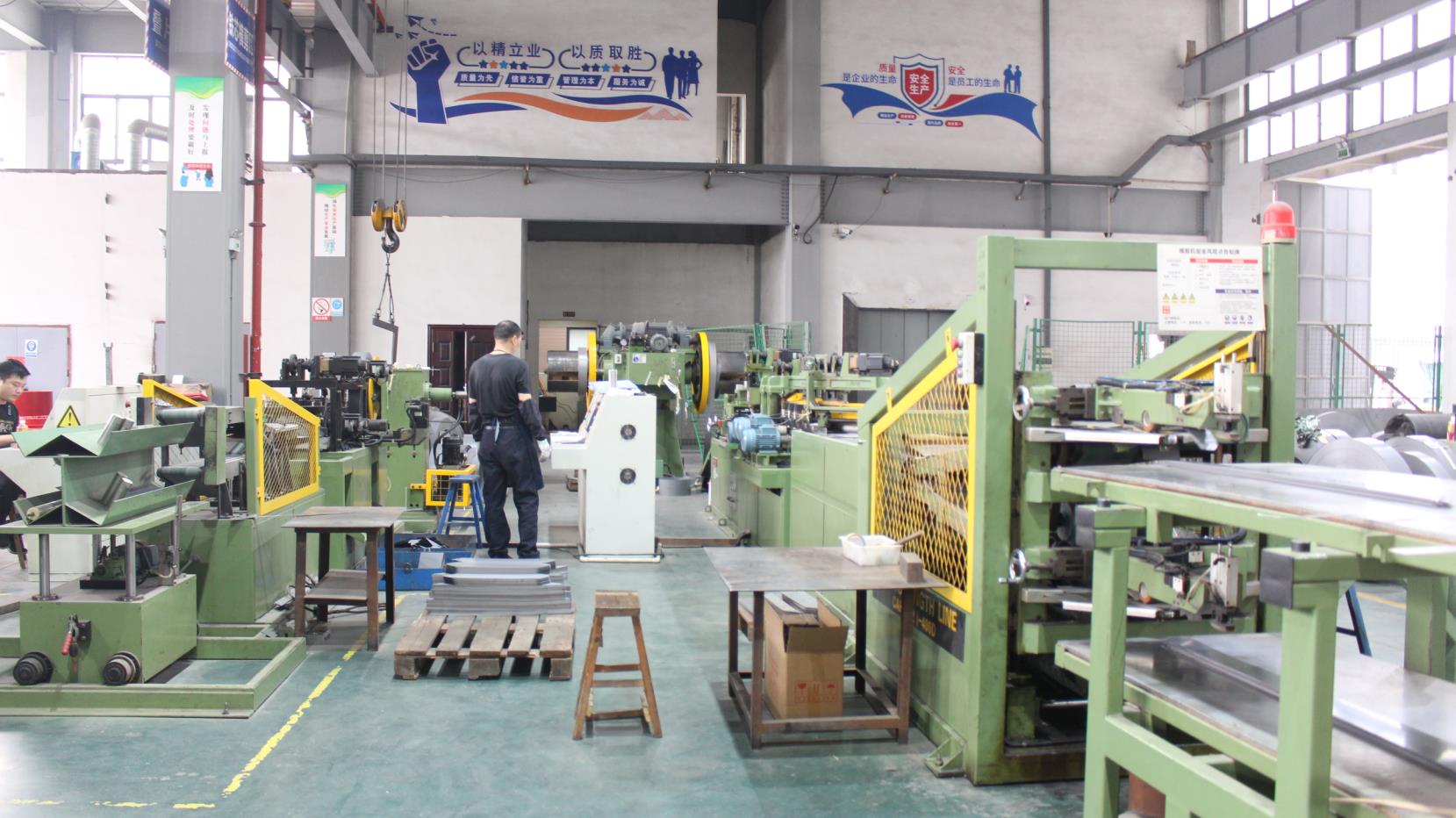
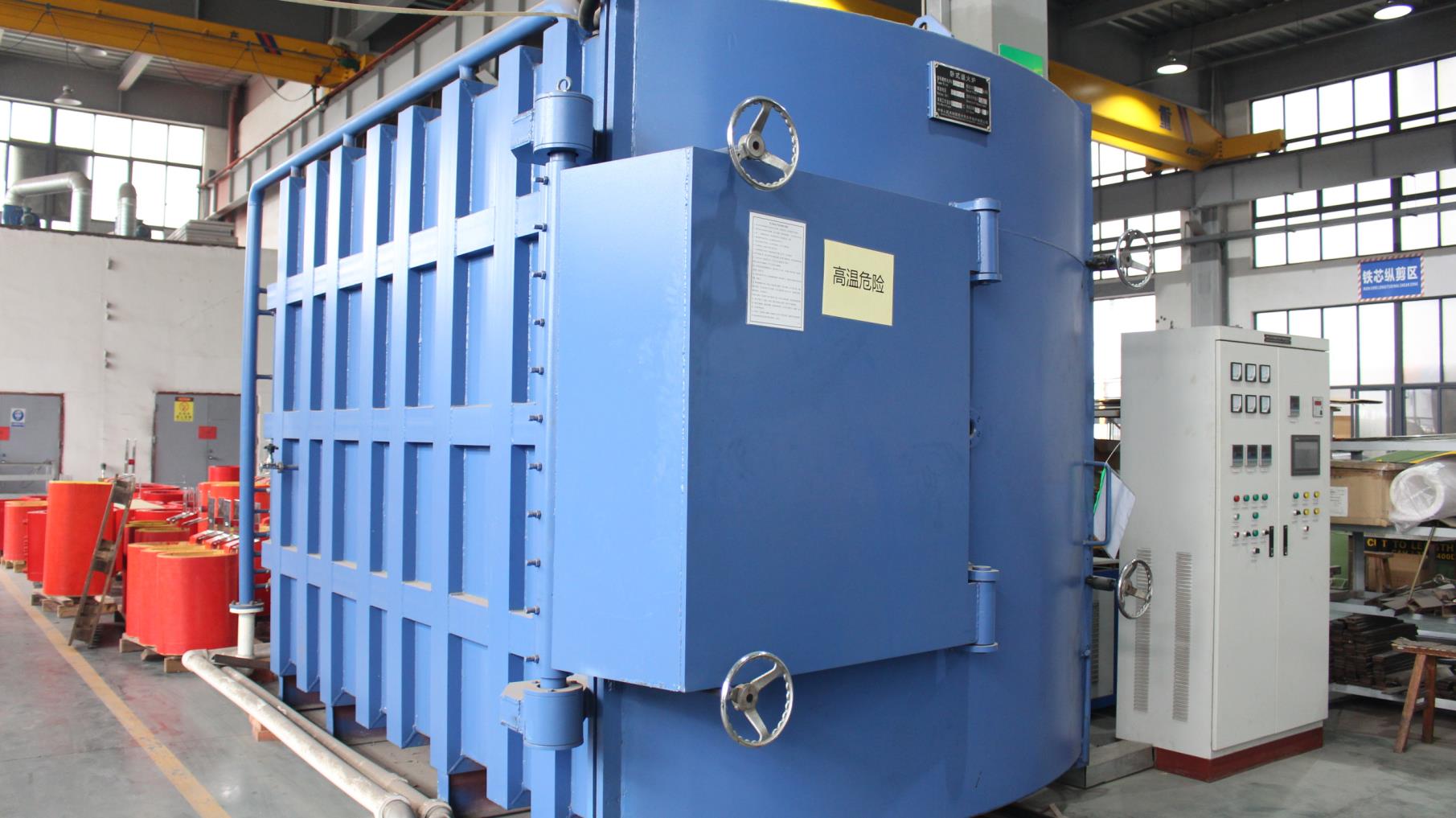
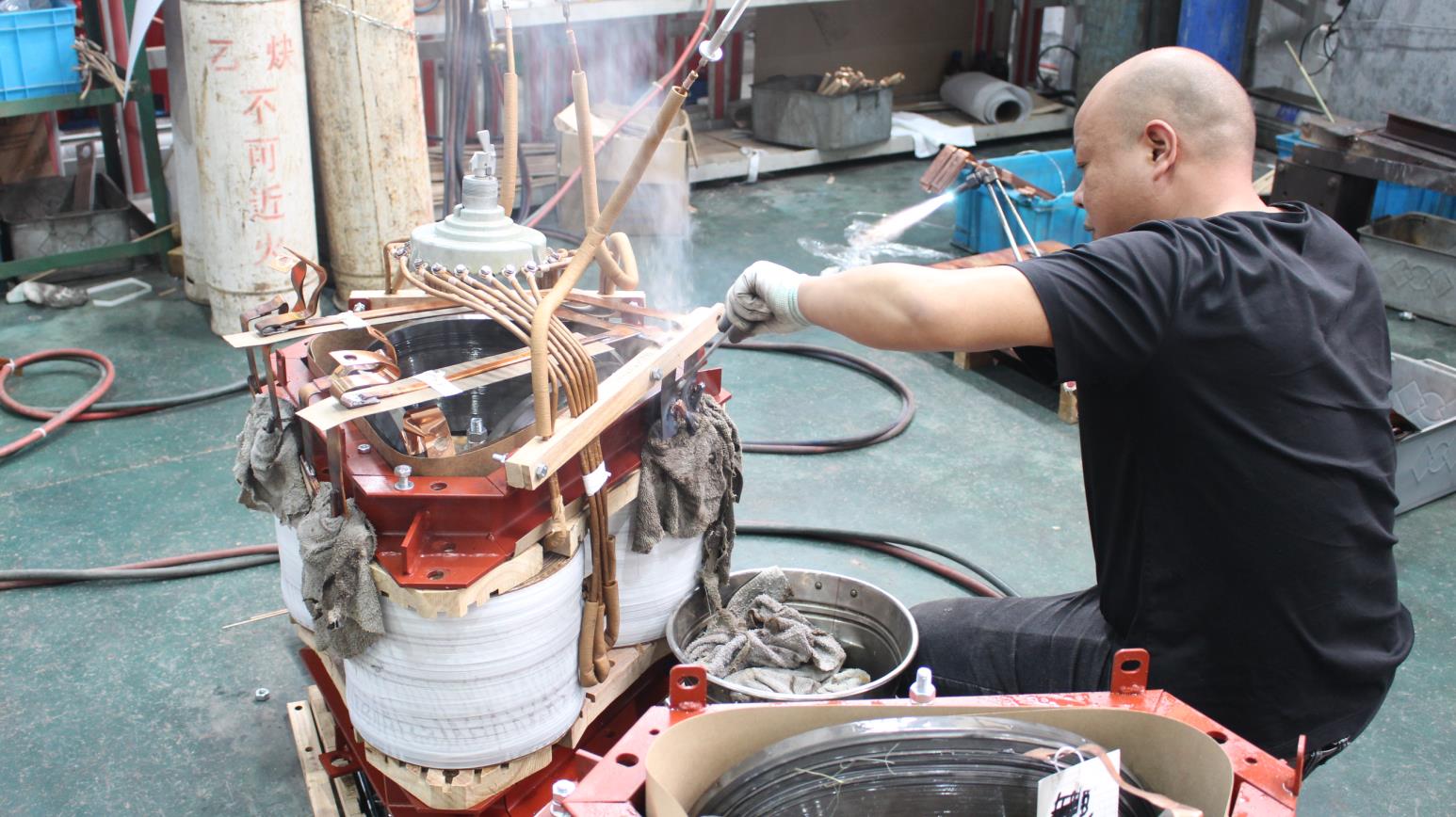
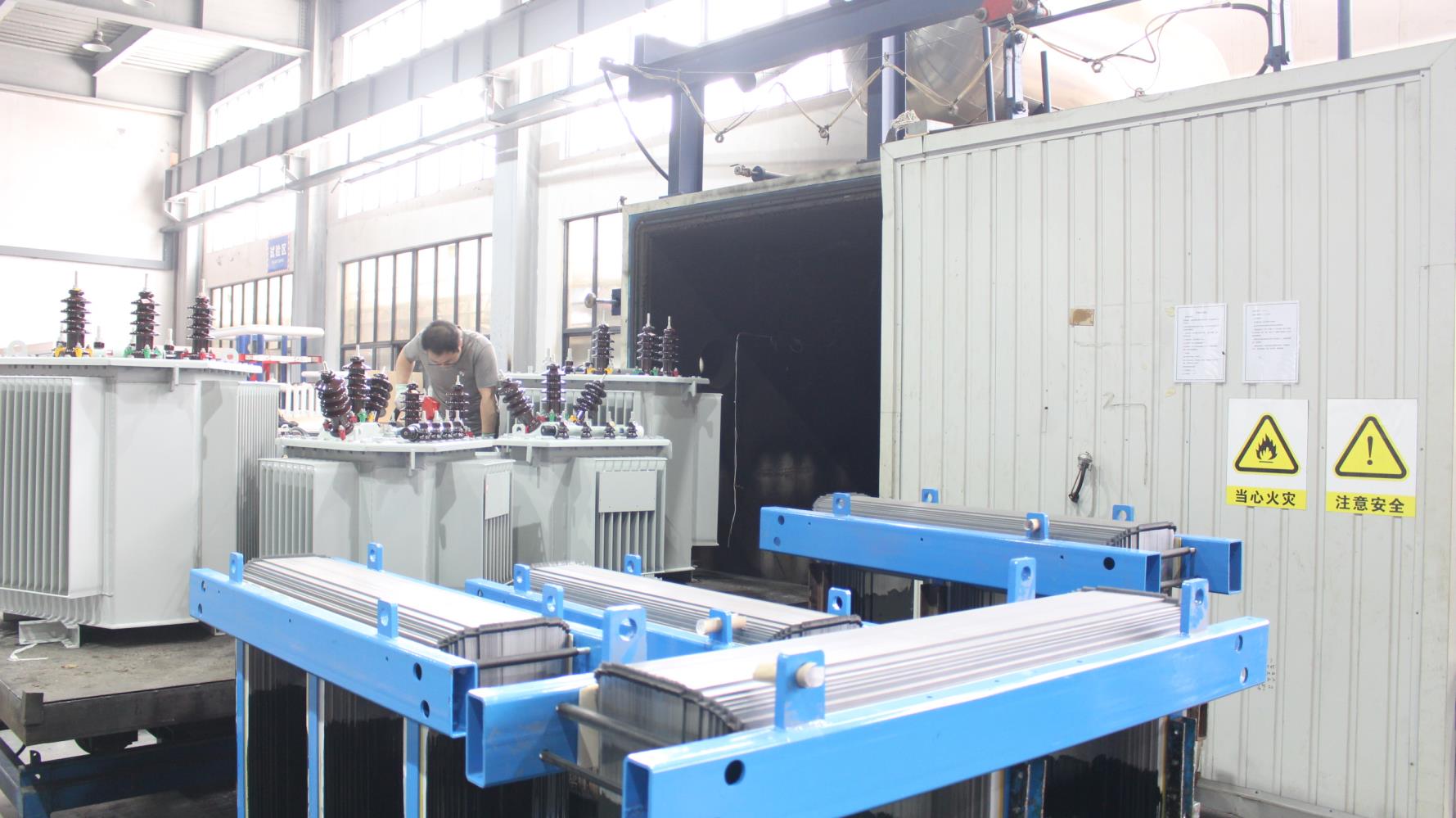
From precision sheet metal cutting and CNC punching to core winding, vacuum casting, and high-voltage testing, every step occurs in-house. This prevents mid-tier markups and guarantees rigorous quality control at every stage.
Supported by a registered capital of 52 million yuan and an elite engineering roster, Zeno Electric continuously invests in digital twin software, smart energy telemetry, and liquid-cooled battery safety technology.
Operating in North America, Europe, Australia, or LATAM demands strict adherence to dynamic grid codes and regulatory frameworks. Installing non-certified equipment can result in local grid interconnection rejections, hefty municipal fines, or complete facility shutdown.
Zeno Electric designs all monitoring systems, control cabinets, and switchgears to clear the highest testing criteria of independent laboratories worldwide. We ensure that our equipment integrates seamlessly with regional utilities, matching localized network expectations.
Through our comprehensive, structured engineering model, we support commercial developers and EPC companies from technical drafts to grid hookup:
Evaluating regional grid codes, harmonic limitations, and environmental baseline levels.
Configuring customized PLC software, SNMP monitoring protocols, and mechanical switchgear layout drafts.
Stringent laboratory testing of systems under extreme environmental and load-step profiles prior to shipping.
How Zeno Electric's product ecosystem drives efficiency, stability, and intelligence across various critical industries.
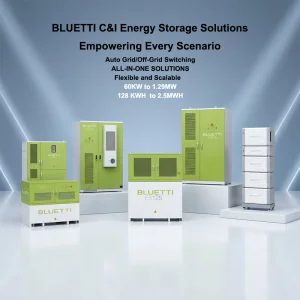
Our all-in-one liquid-cooled cabinets monitor thermal distribution at the cell level. Real-time telemetry detects microscopic voltage imbalances, mitigating thermal runaway events and ensuring high-availability load leveling for commercial facilities.
Utilizing CE-certified prefabricated substations, agricultural projects in remote regions gain access to stable, grid-compliant step-down power. Real-time telemetry ensures remote troubleshooting without sending technicians to distant fields.
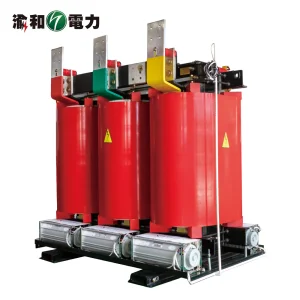
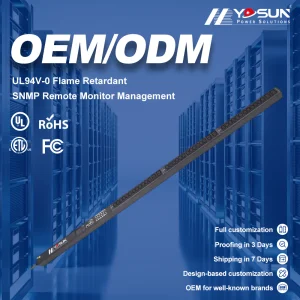
Smart SNMP-integrated PDUs and dry-type transformers monitor current loads down to the individual outlet. This protects servers from transient voltage spikes and provides granular power usage effectiveness (PUE) tracking.
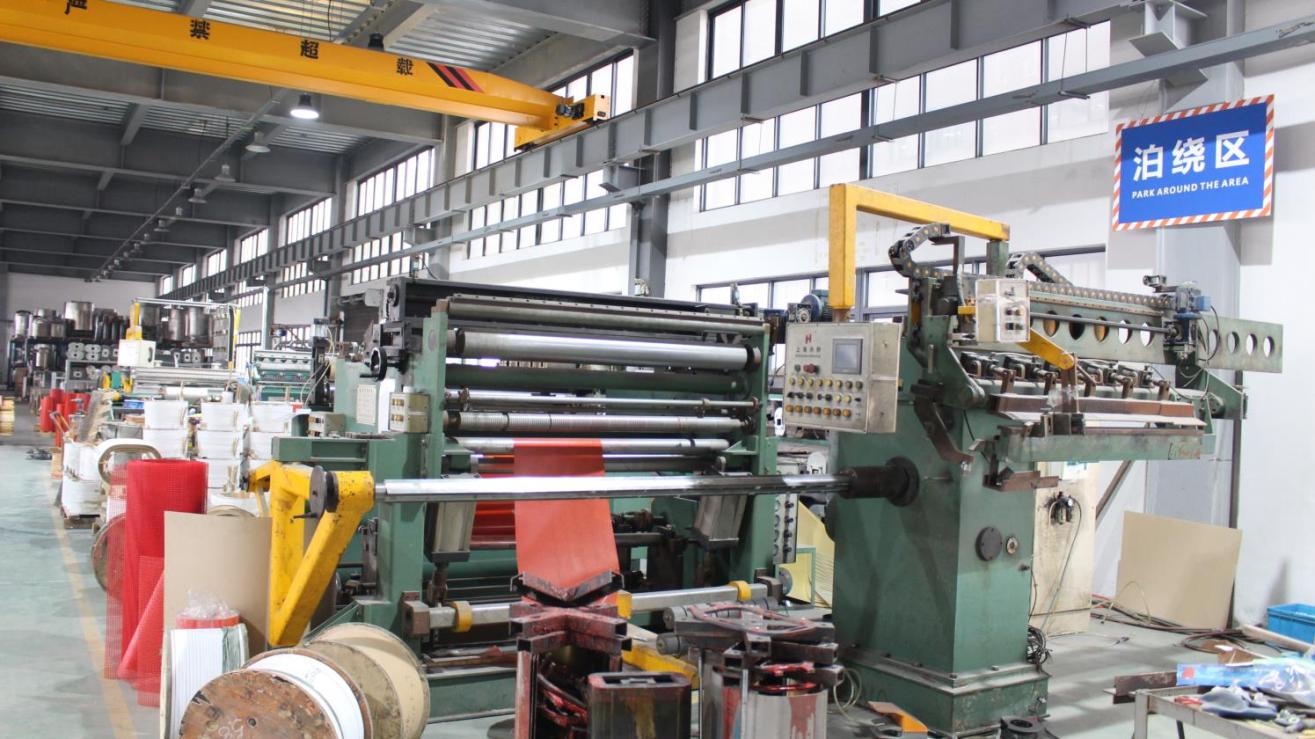
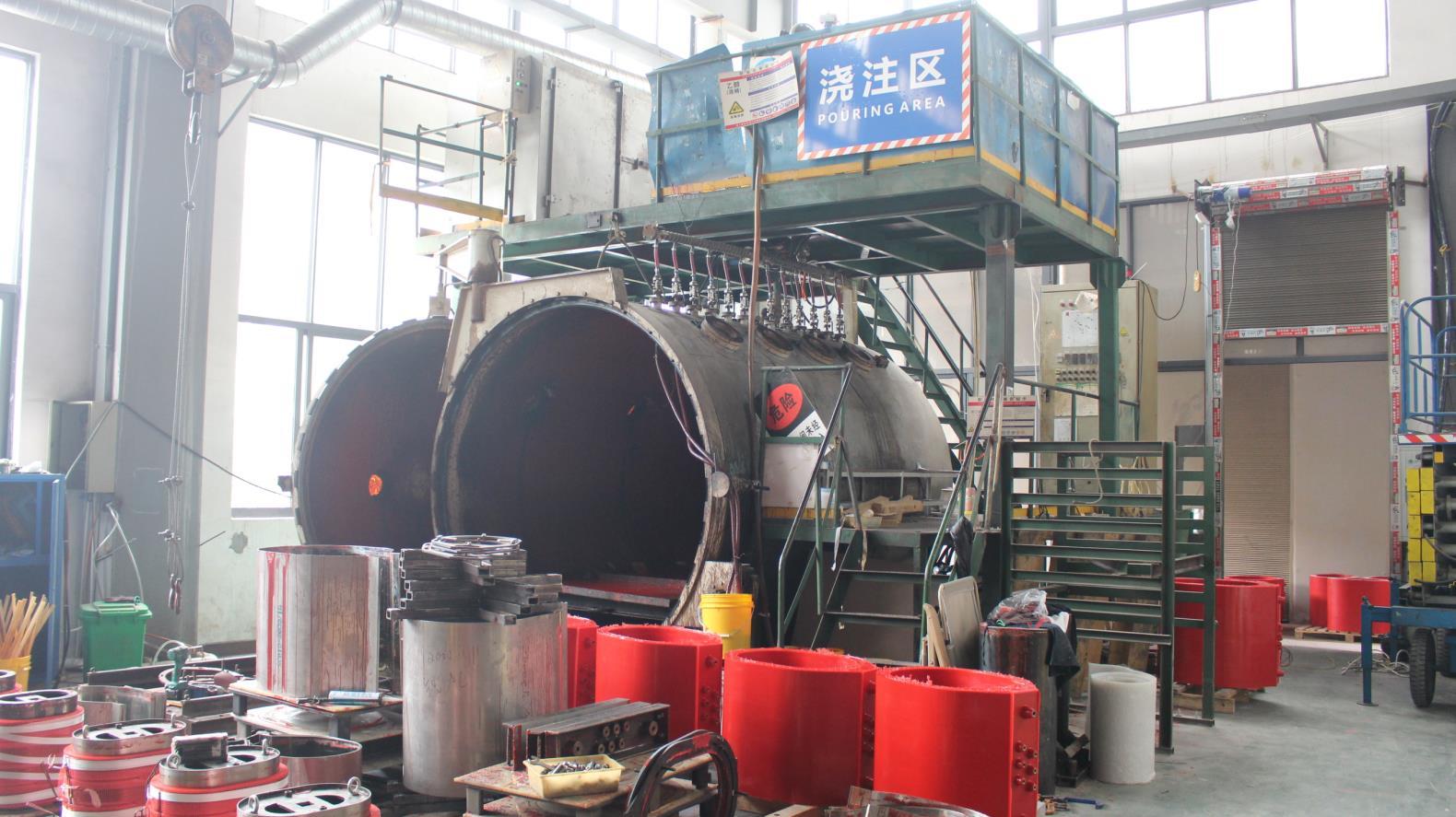
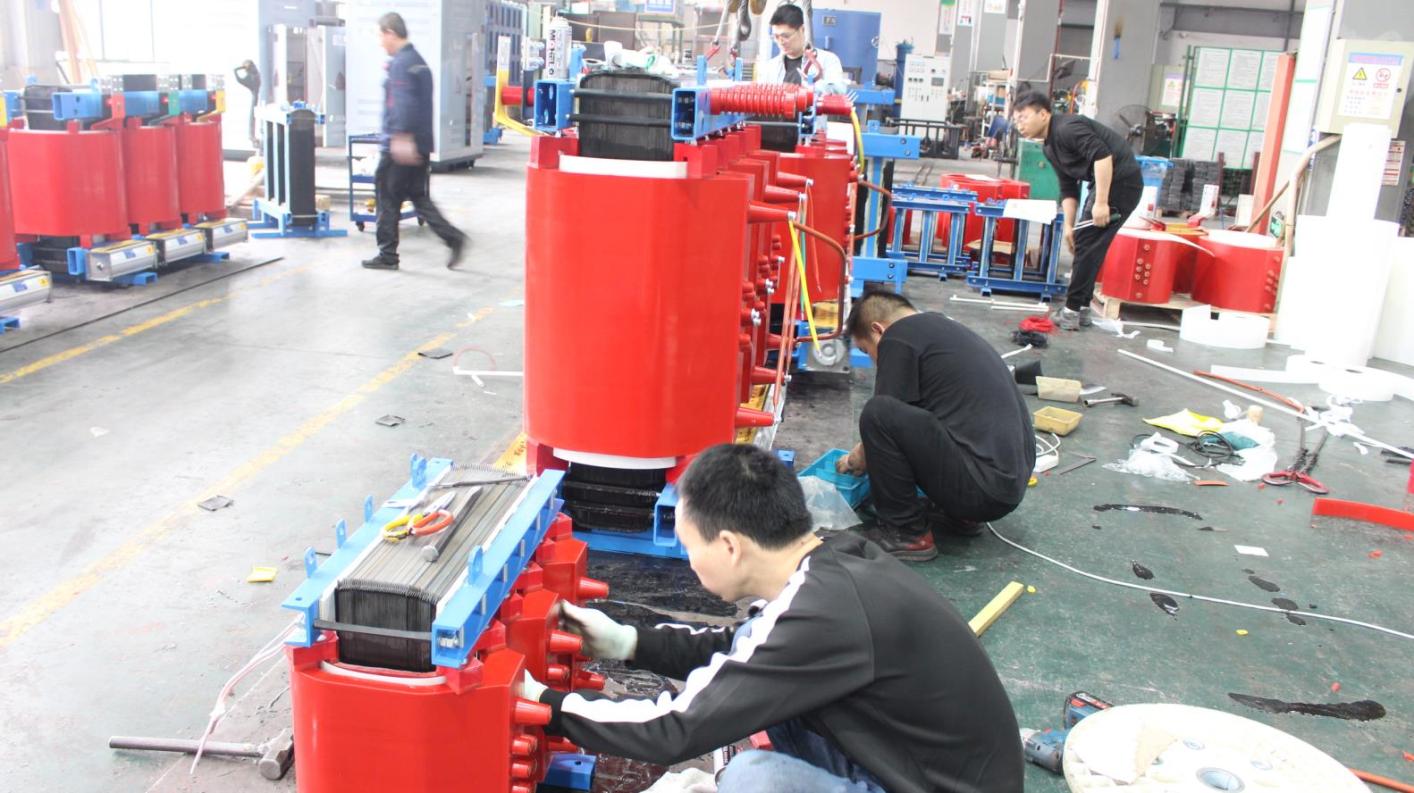
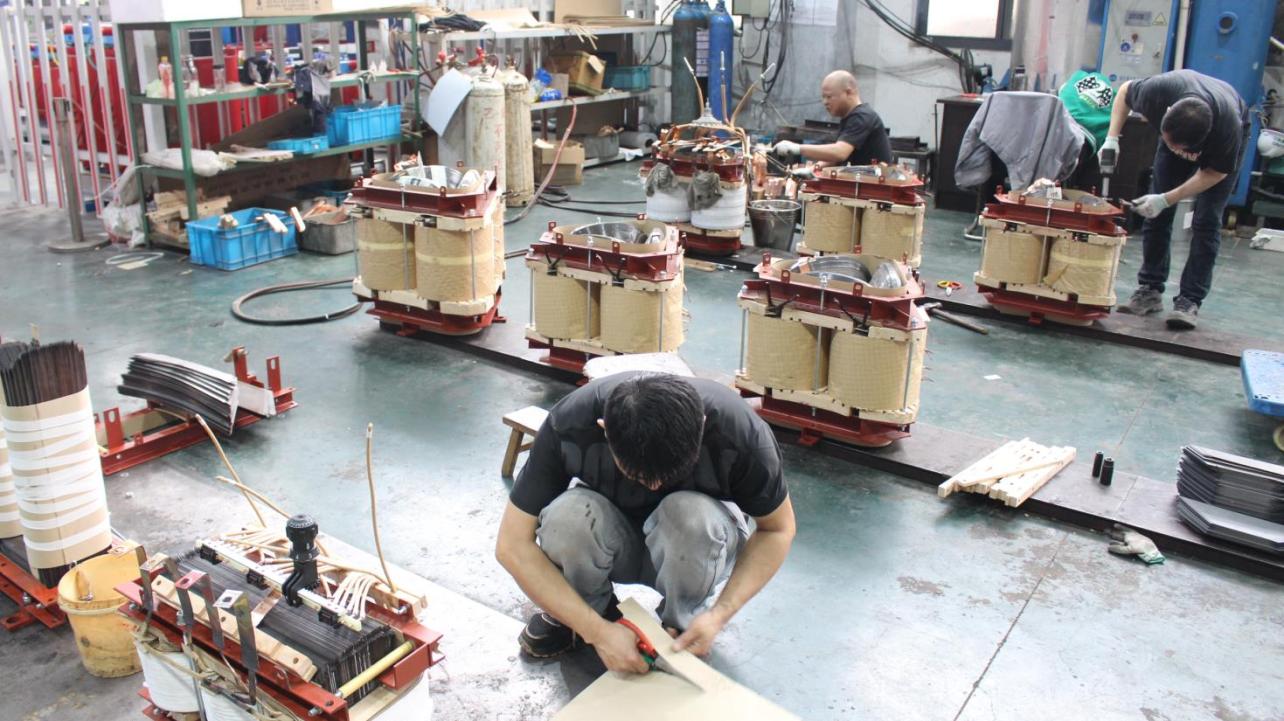
A transparent look inside our Ningbo factory workshops, illustrating the path from raw materials to certified electrical systems.
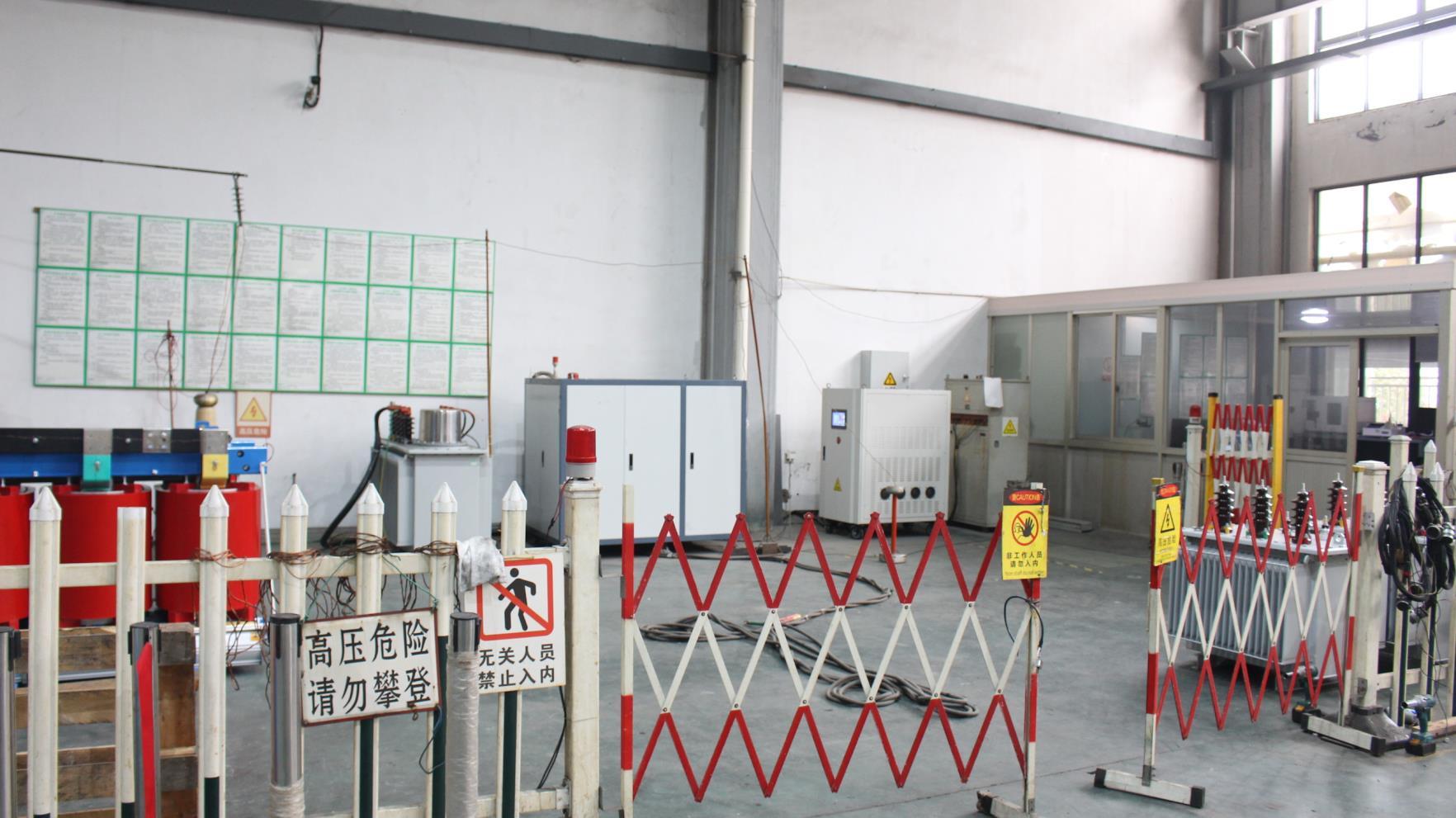
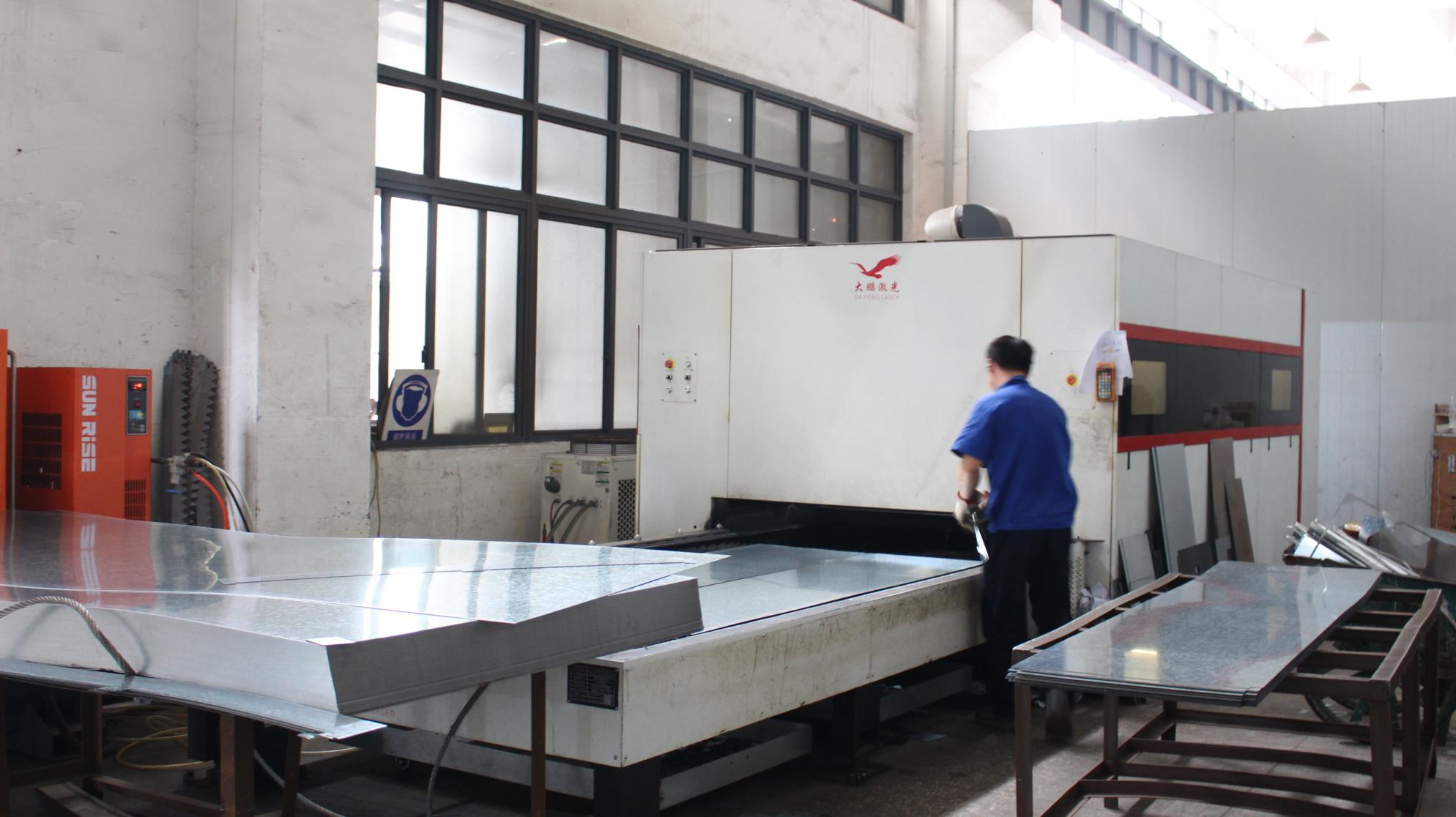
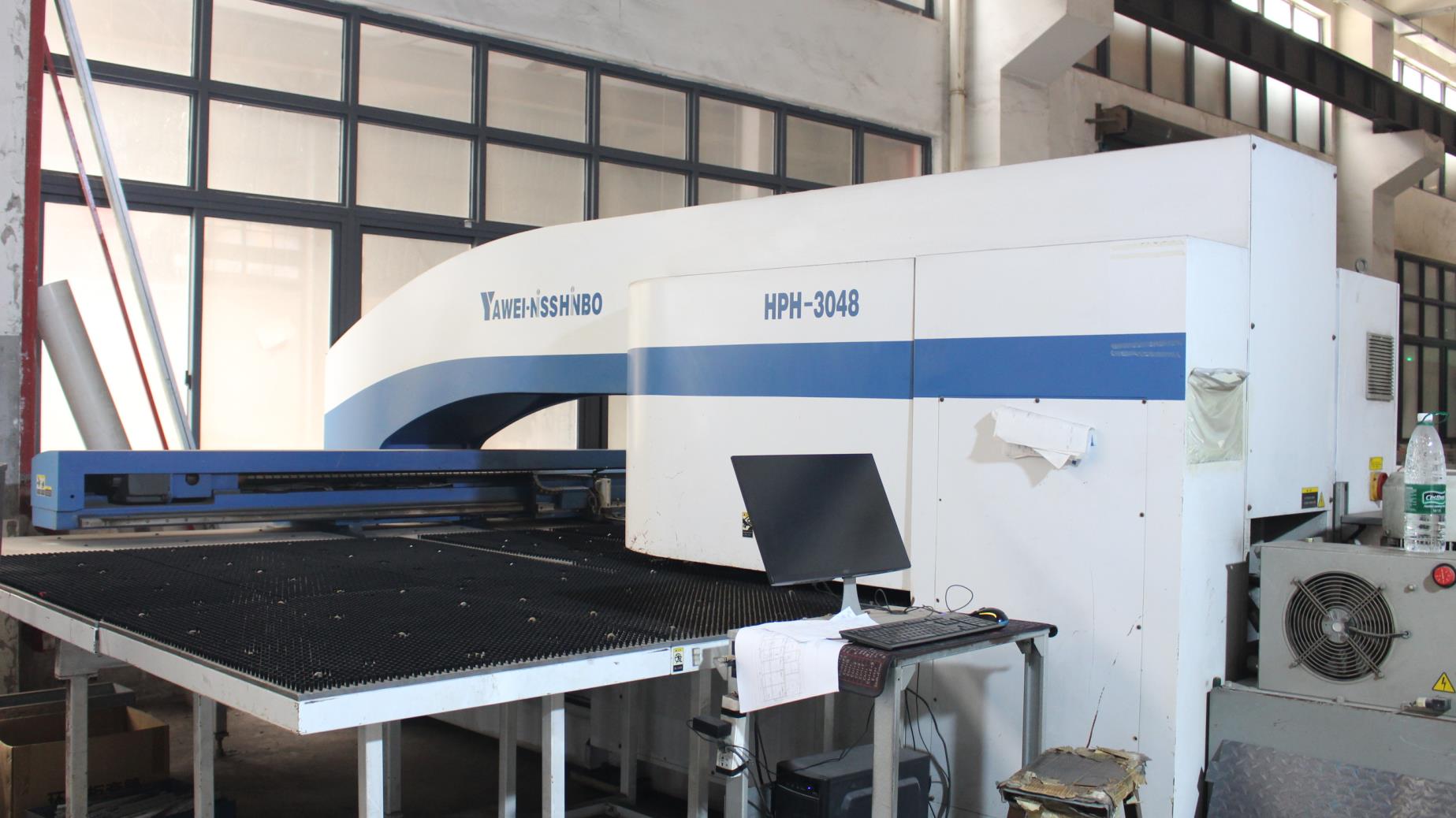
How modern electric grids are evolving to meet integration, automation, and safety metrics.
Traditional forced-air cooling struggles to maintain thermal equilibrium in high-capacity lithium iron phosphate (LiFePO4) systems. Next-generation installations are shifting to closed-loop liquid cooling. This ensures uniform temperature distribution (variance <3°C across cells), extending battery lifespans and reducing fire risks.
Static monitoring is being replaced by predictive algorithms. By capturing telemetry through smart combiners, switchgears, and SNMP terminals, operations software can identify anomalous heat dissipation, voltage degradation patterns, and circuit breaker fatigue before hardware failures occur.
Traditional concrete substation construction is slow, expensive, and subject to local weather delays. Modern EPC companies prioritize compact, prefabricated structural substations. Constructed in-factory and shipped pre-tested, these substations reduce on-site deployment schedules from several months to a few days.
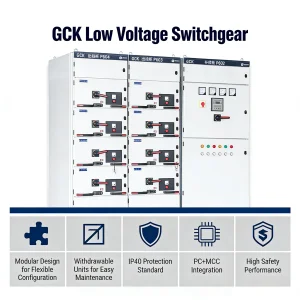
Industrial installations are transitioning to complex microgrids containing PV solar arrays, wind turbine inputs, commercial battery storage, and utility back-feeds. The integration of advanced power transmission switchgears with automated distribution control enables seamless transitions between off-grid and on-grid states.
Technical guidance and system selection metrics straight from Zeno Electric's senior engineering team.
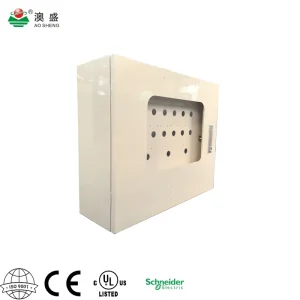
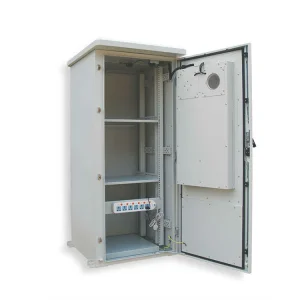
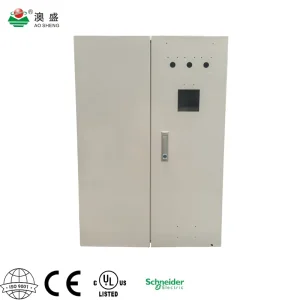
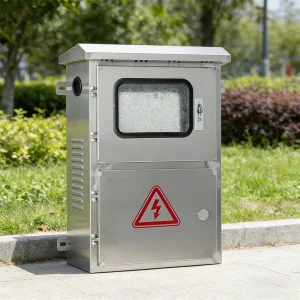
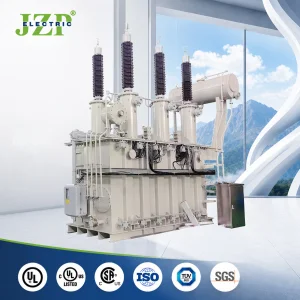
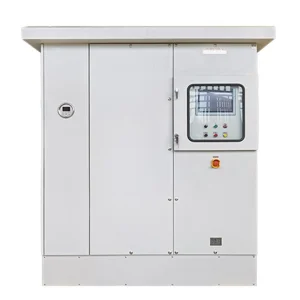
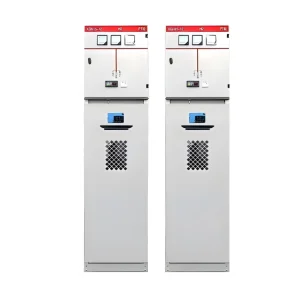
Premium dry transformers, outdoor enclosures, distribution cabinets, and grid combiners optimized for industrial operations.
 Zeno Electric