Deploying robust, intelligent distributed energy resource (DER) hardware and power distribution technologies.
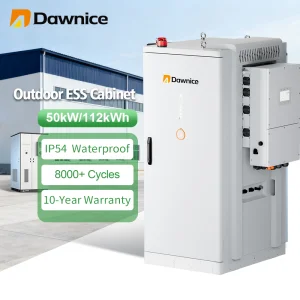
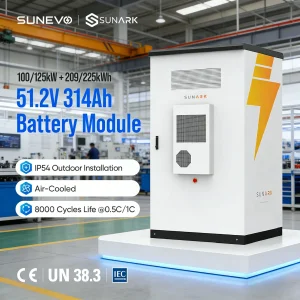
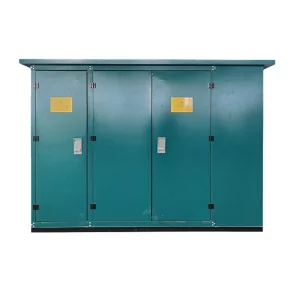
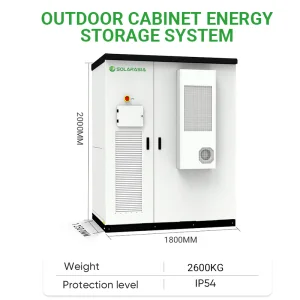
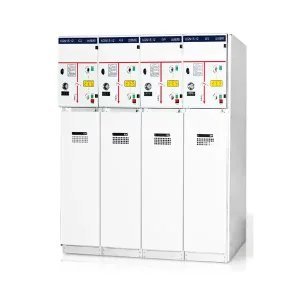
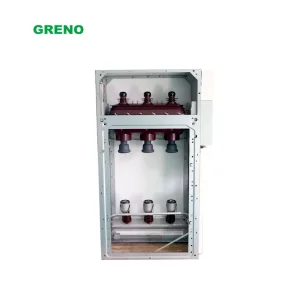
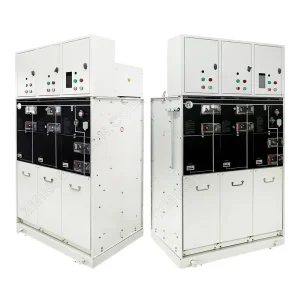
The global energy framework is transitioning from centralized thermal power generation to highly digitized, localized, and decarbonized energy networks. At the intersection of the traditional utility grid and decentralized resources lies Grid Edge Technology. These technologies include Commercial and Industrial (C&I) battery energy storage systems (BESS), smart distribution cabinets, medium/low voltage switchgear, and prefabricated intelligent substations.
For procurement managers, EPC contractors, and grid developers, sourcing reliable grid edge hardware is no longer just about meeting electrical specifications; it is about building dynamic grid resilience, mitigating peak demand charges, and securing future-proof integration capabilities with virtual power plants (VPP).
Historically, the power grid functioned as a unidirectional highway. Large generation assets fed transmission systems, which cascaded power down to distribution lines and consumers. Today's reality requires multidirectional energy and information flows. Modern grid edges manage load fluctuations, intermittent solar/wind generation, and the sudden load demands of EV fleet fast-chargers.
| Grid Edge Equipment Type | Primary Utility / Function | Ideal Application Scenario | Critical Sourcing Metrics |
|---|---|---|---|
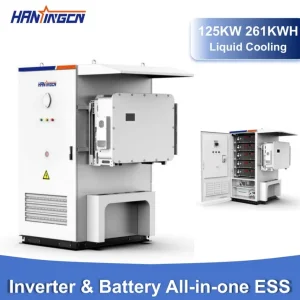
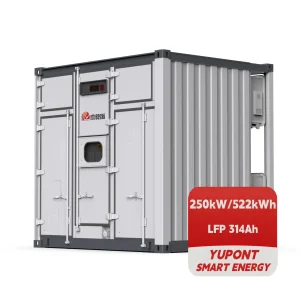
| C&I BESS Cabinet (e.g. 100kW/225kWh) | Peak shaving, load shifting, backup power | Factories, commercial parks, microgrids | Round-trip efficiency (RTE), cycle life, cooling method |
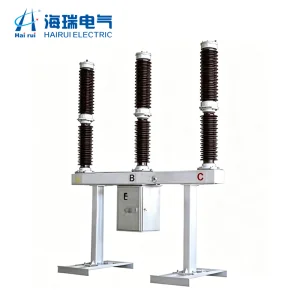
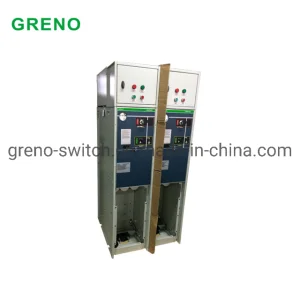
| Gas Insulated Switchgear (GIS / RMU) | MV circuit protection, safety isolation | Substations, space-constrained industrial zones | Rated voltage (12-24kV), breaking capacity (kA), SF6 leak rate |
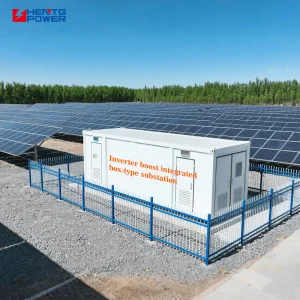
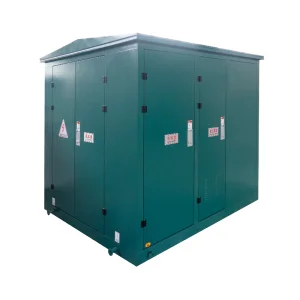
| Prefabricated Cabin Substation | MV/HV voltage transformation, power collection | Wind farms, solar arrays, heavy steelworks | Transformer rating (kVA), IP rating, seismic tolerance |
As the transition towards decarbonized grids accelerates, buyers in North America, Europe, and Southeast Asia face bottlenecks in grid connection hardware, transformer components, and switchgear lead times. Partnering with suppliers utilizing advanced manufacturing systems is essential to keeping projects on schedule.
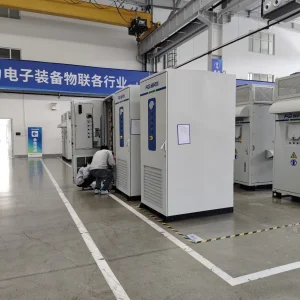
Chinese manufacturers have moved beyond simple cost efficiency to lead in Supply Chain Integration and Quality Assurance. Through automated raw material processing, robot-assisted precision winding, automated vacuum casting, and comprehensive electrical testing, companies ensure that high-voltage and low-voltage systems maintain zero-defect standards before shipment.
By keeping raw material sourcing, engineering, precision casting, and testing within a unified ecosystem, manufacturers reduce lead times by up to 40% compared to traditional regional assemblers. This localized vertical integration ensures components like outdoor cabinets, high-capacity switchgears, and digital controls are built to co-operate without integration issues.
Explore our state-of-the-art Ningbo production facility, integrating advanced power engineering and digitalized manufacturing systems.
Zhejiang Zeno Electric Co., Ltd. is a national high-tech enterprise located in Ningbo, with a registered capital of 52 million yuan. The company integrates research and development (R&D), manufacturing, sales, and service of advanced power equipment and energy systems.
Rooted in Ningbo and supported by a strong engineering and technical team, Zeno Electric has steadily expanded its business across China and international markets. Through continuous innovation and quality-driven development, the company has become a trusted provider in the power and energy industry, with growing influence in both utility and industrial sectors.
We specialize in power equipment and integrated energy system solutions. Our core product portfolio covers a wide range of advanced grid edge technologies, including:
Each stage of our manufacturing process is optimized to meet strict international standards, ensuring reliable performance in harsh environments.
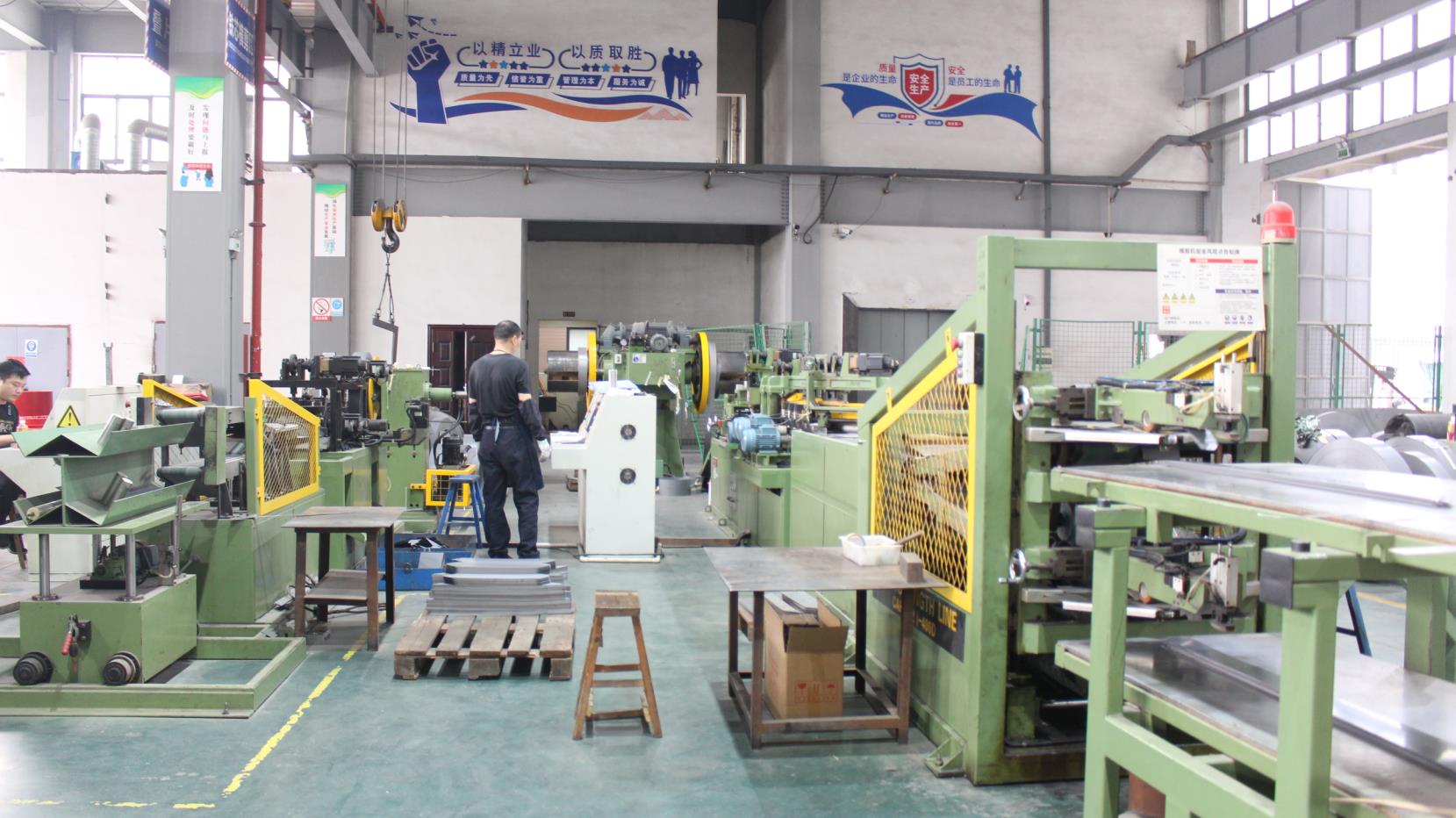
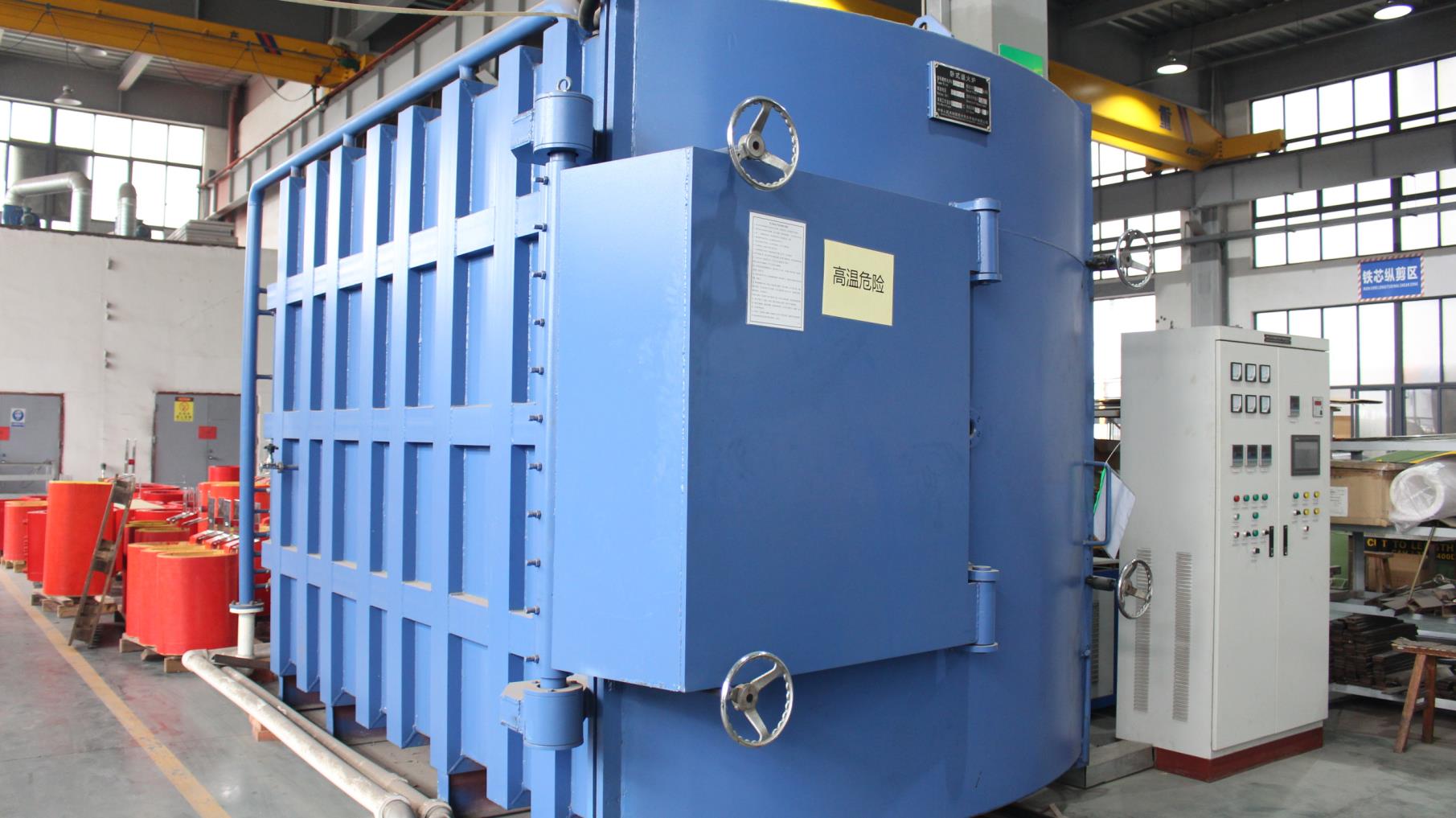
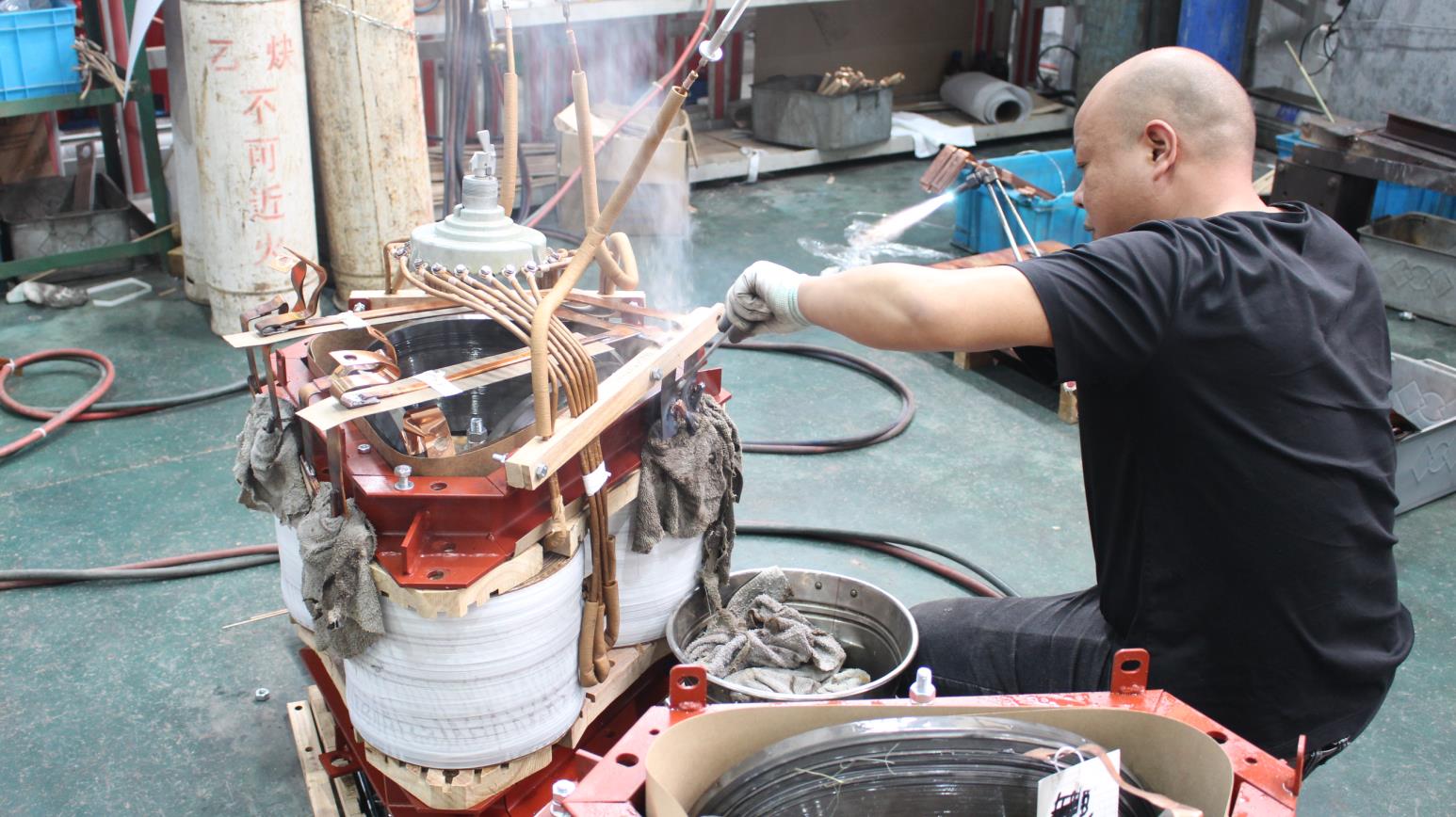
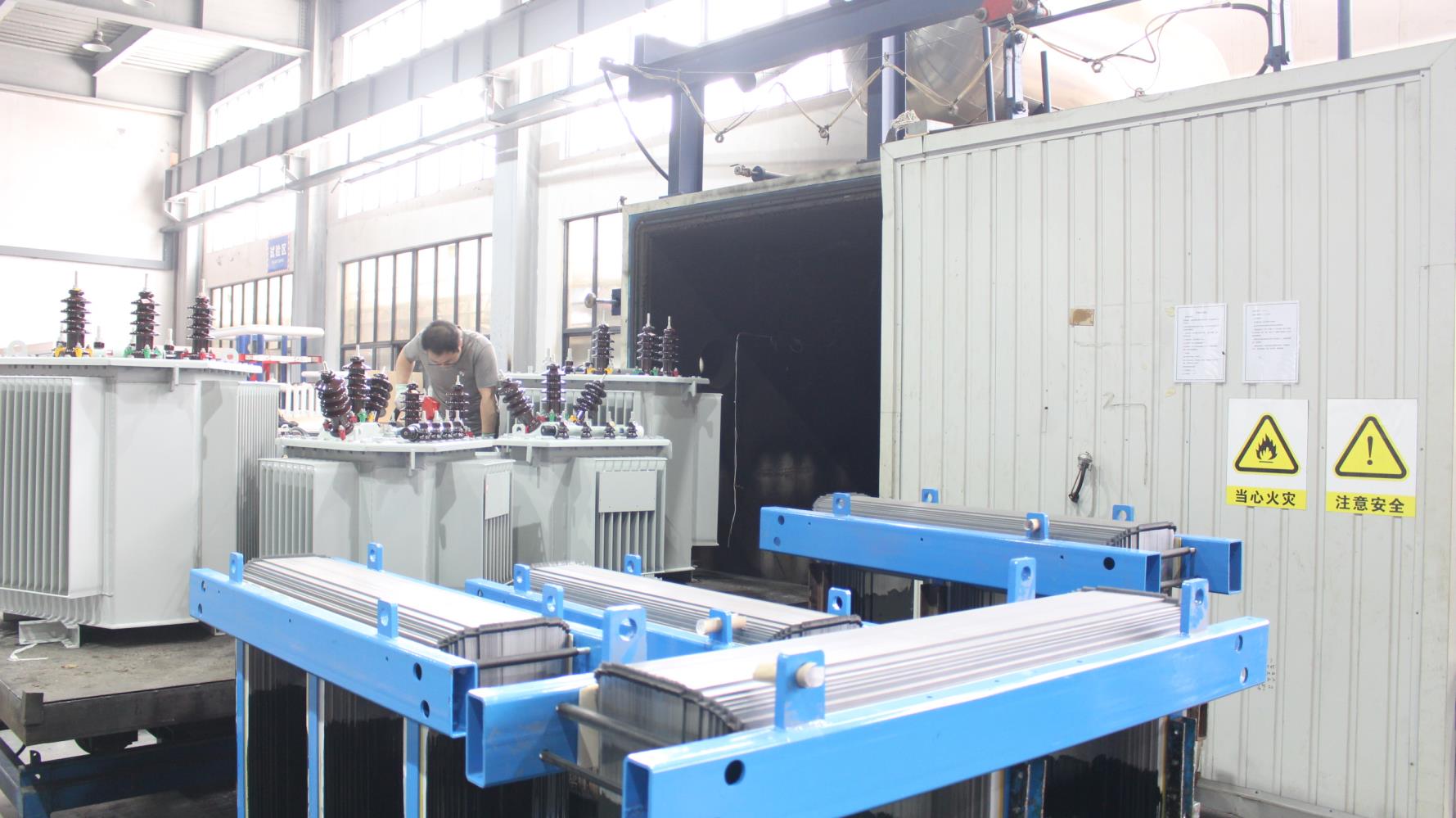
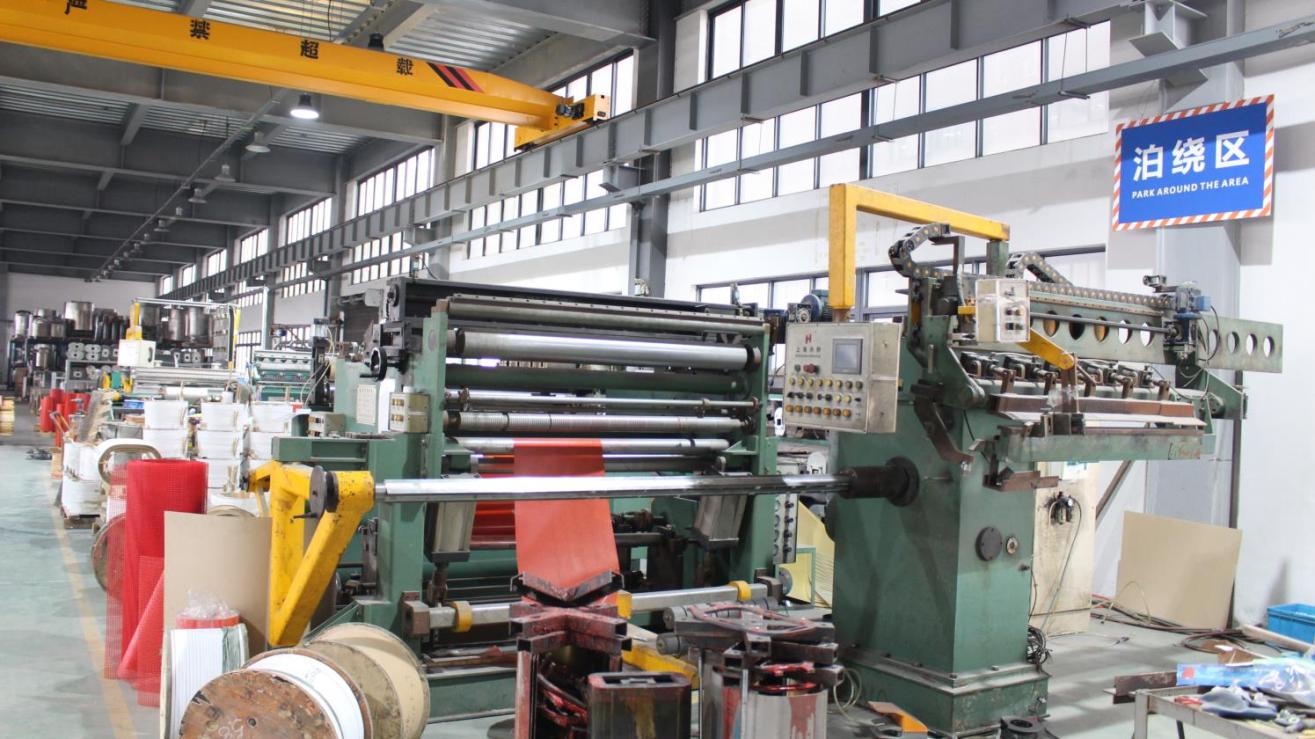
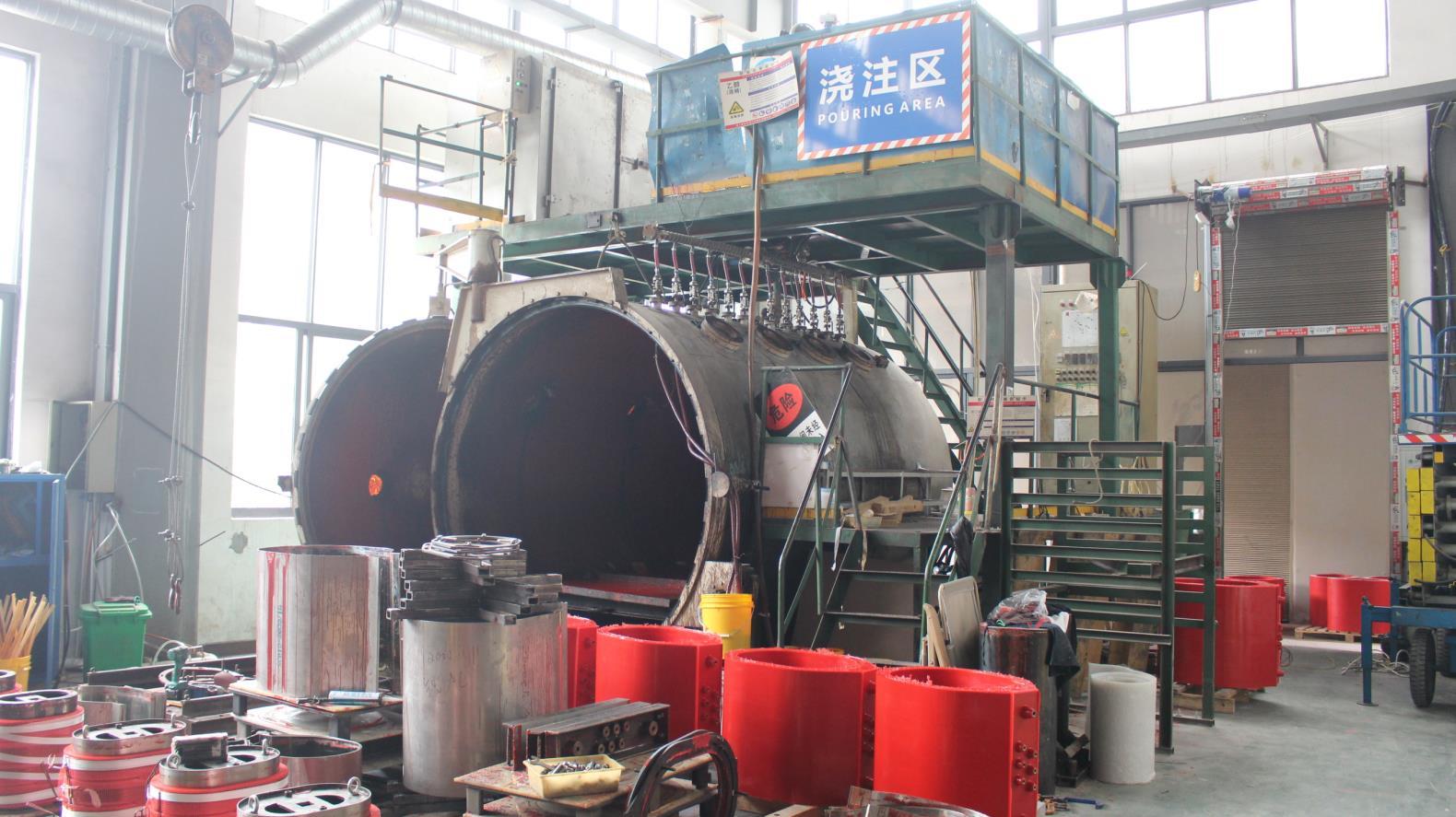
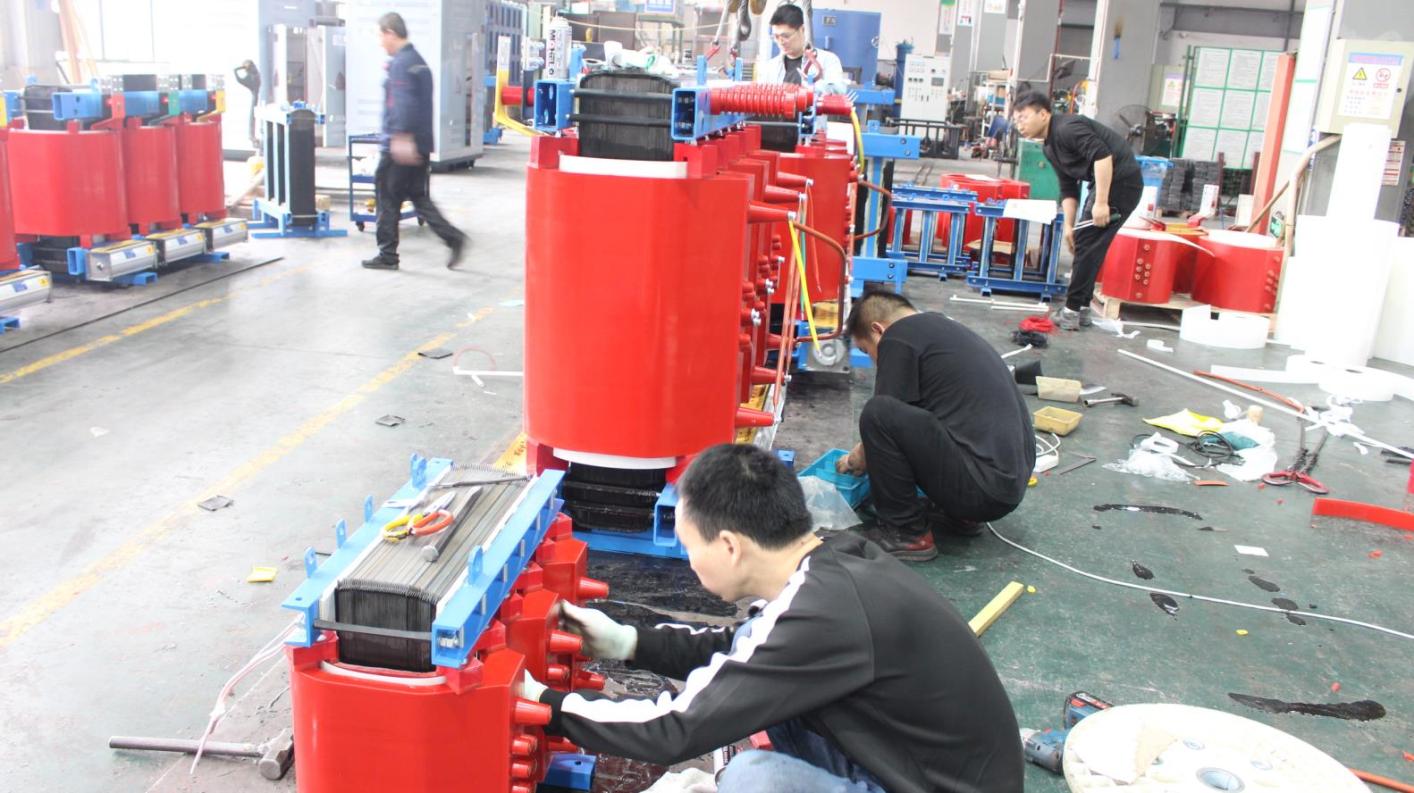
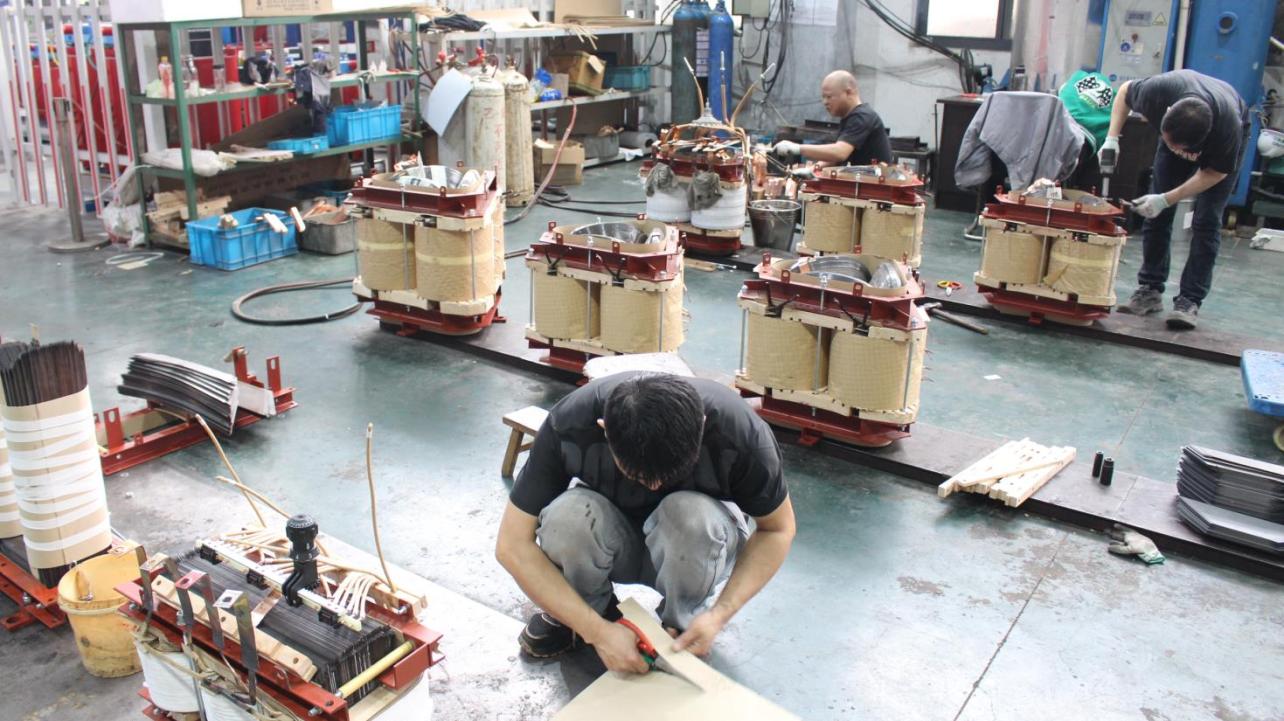
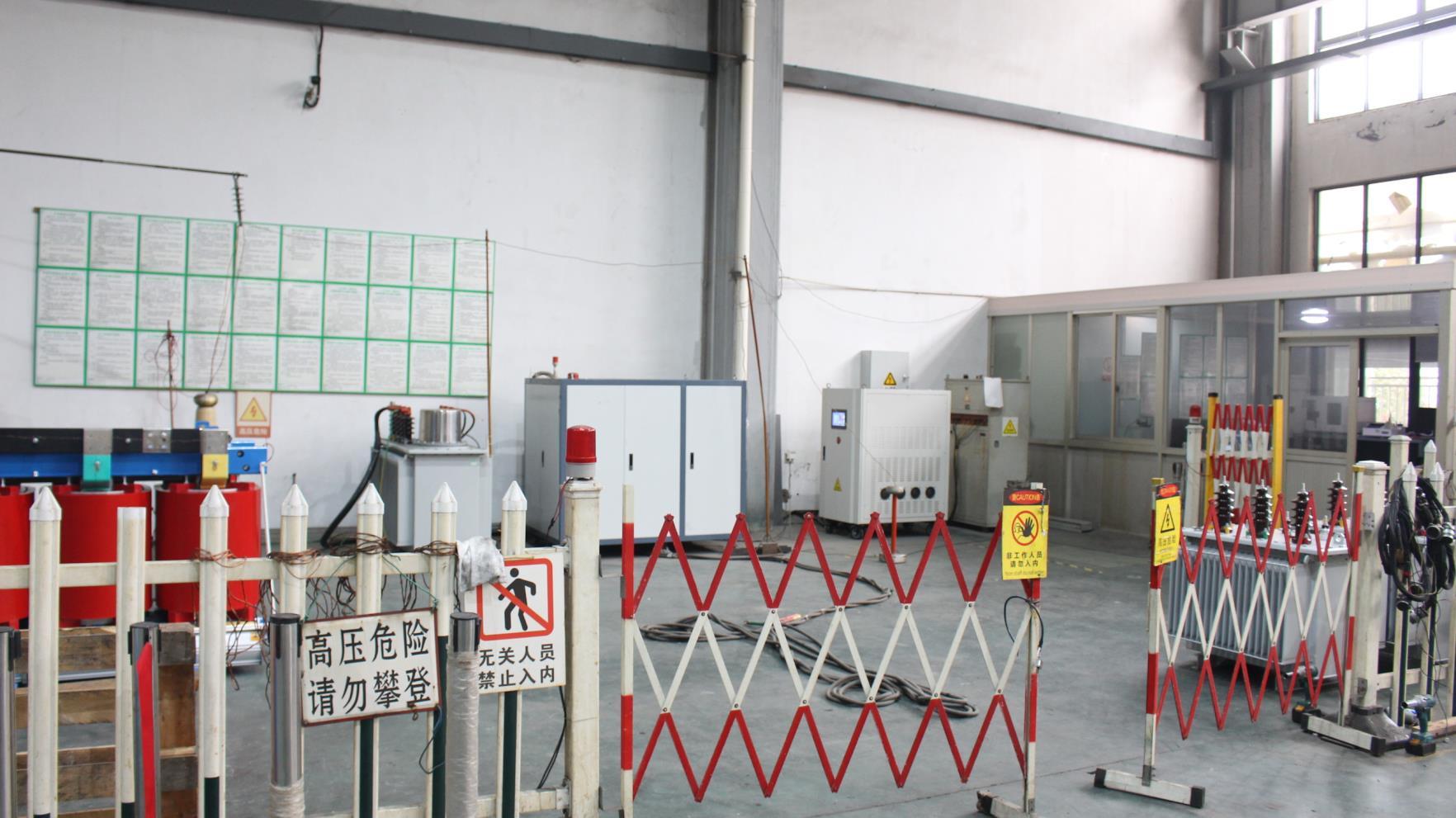
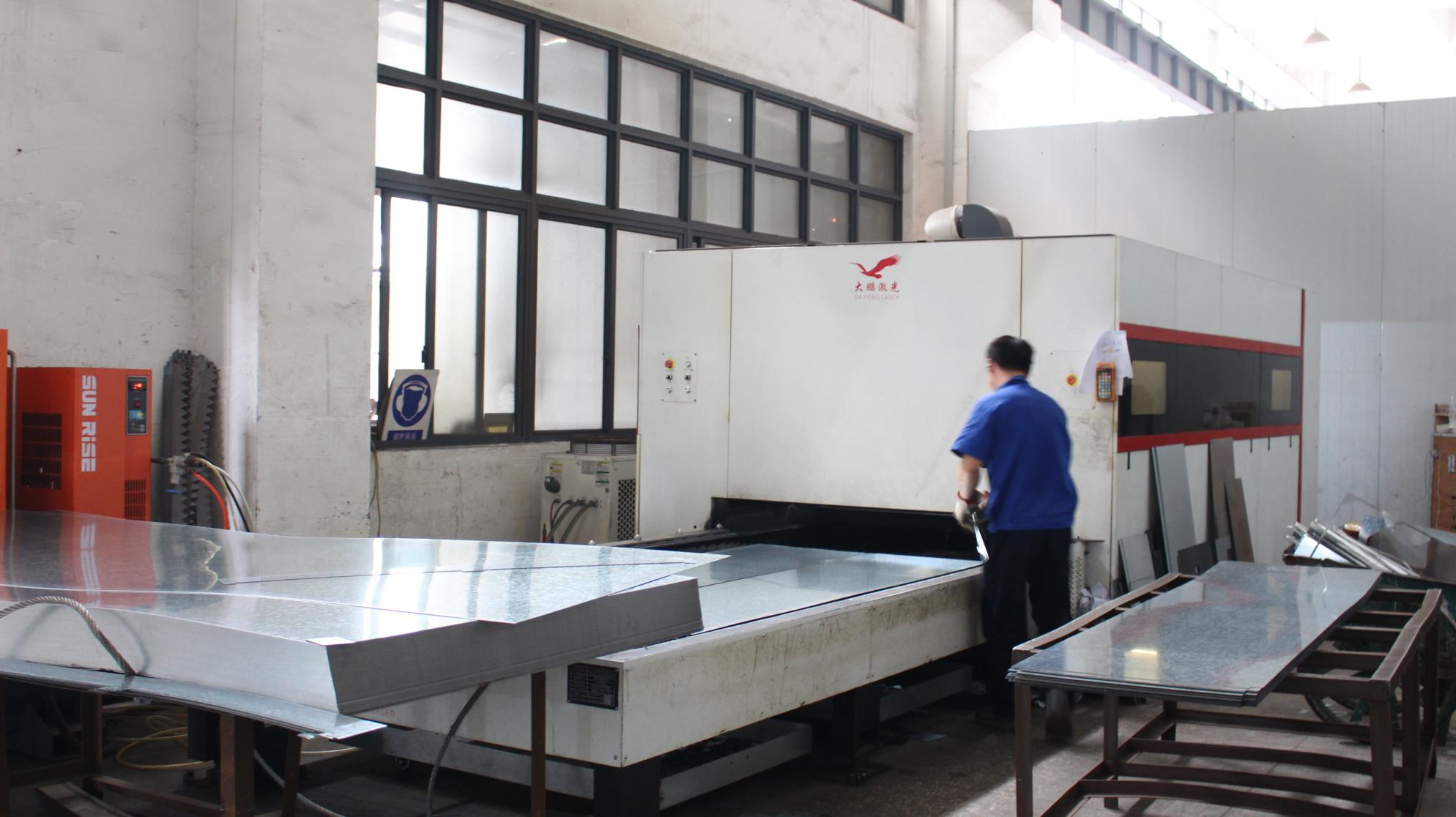
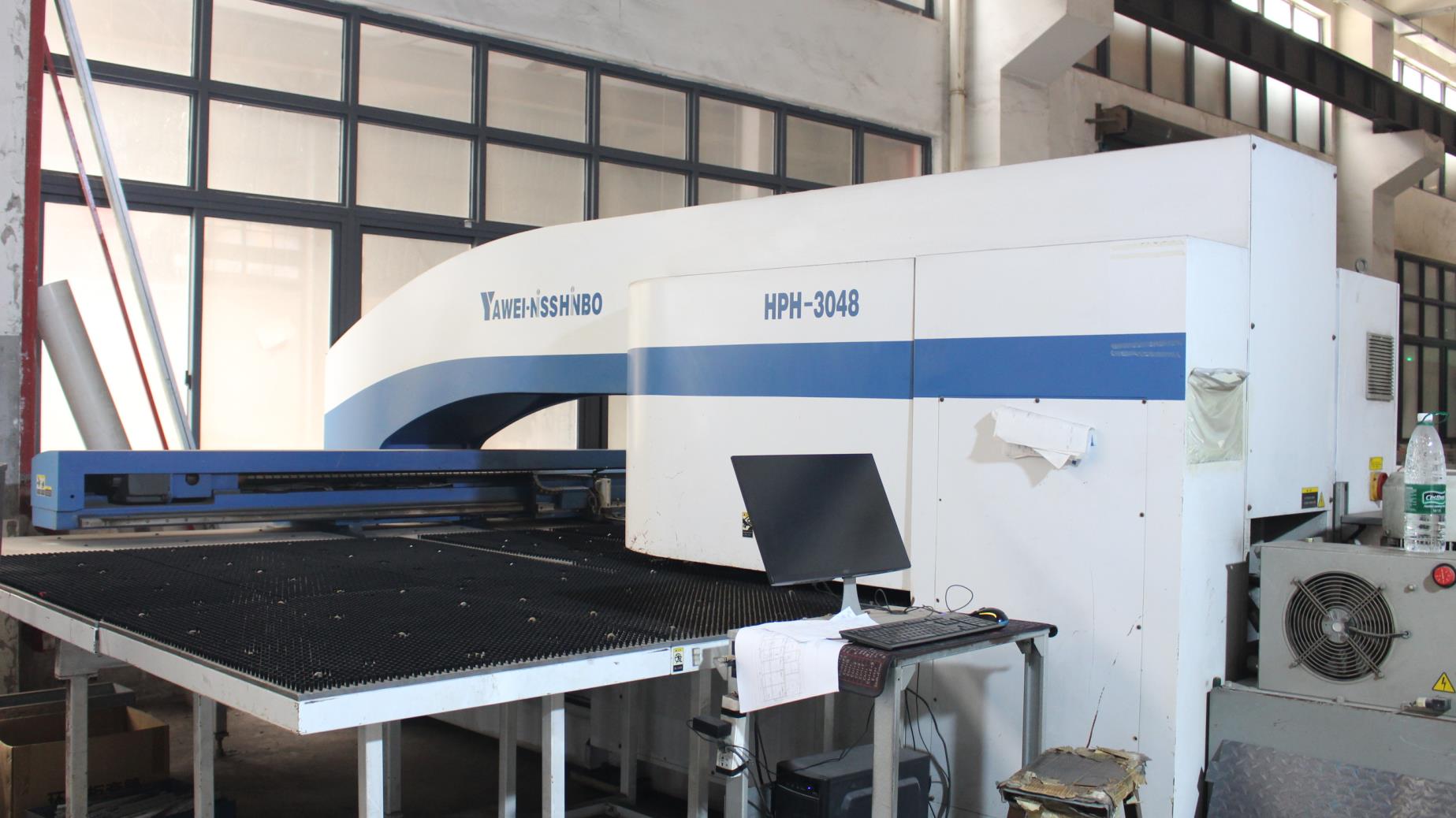
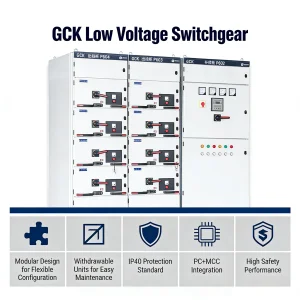
High-voltage switchgear, prefabricated enclosure stations, and customized power solutions.
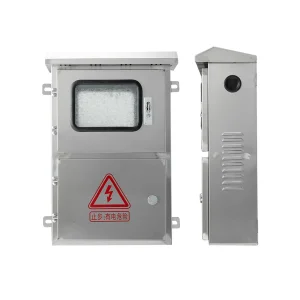
Sourcing large-scale energy equipment requires careful evaluation of safety, lifetime operating costs, and localized compliance. Industrial procurement teams should prioritize the following areas:
Modern battery energy storage systems (BESS) are shifting from forced-air cooling to closed-loop liquid cooling designs. While liquid cooling carries a higher initial capital cost, it provides more uniform cell temperatures (<3°C difference), resulting in extended battery life (up to 6,000–8,000 cycles at 80% DOD) and lower maintenance costs.
For high-voltage grid protection, SF6 gas remains a common insulation choice due to its dielectric strength. However, due to tightening global greenhouse gas regulations, procurement teams are increasingly specifying gas-insulated switchgears (GIS) featuring optimized gas seals and reduced gas volumes, preparing infrastructure for future eco-gas transitions.
Prefabricated substations speed up installation at solar and wind farms by integrating step-up transformers, medium-voltage switchgears, cooling systems, and protective relays in one factory-tested housing. This reduces onsite wiring labor and cuts commissioning times down to just a few days.
Answers to common engineering, logistical, and customization questions from global grid system purchasers.
 Zeno Electric