Engineered for mission-critical grid integration, commercial step-down substations, and battery storage integration.
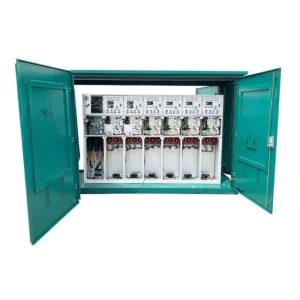
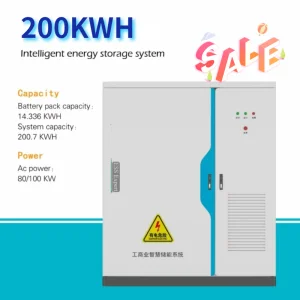
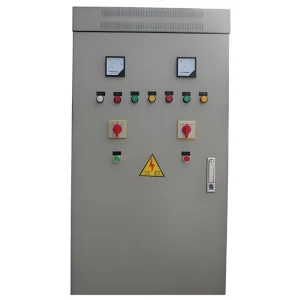
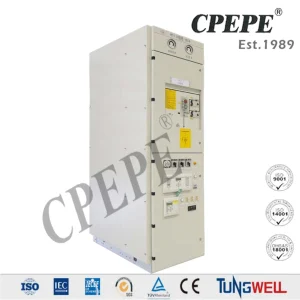
Comprehensive market intelligence analyzing grid decarbonization, harmonic suppression, amorphous core adoptions, and global utility procurement standards.
Global regulatory shifts—including the EU Ecodesign Directive Tier 2 (EN 50588-1) and the US DOE 2016/2027 Energy Conservation Standards—have rendered traditional silicon steel loss levels non-compliant. Procurement teams now mandate amorphous metal alloys and high-permeability grain-oriented (CRGO) steels to cut no-load magnetic core losses by up to 70%.
Renewable arrays in solar PV and wind farms generate non-linear harmonic distortion, leading to eddy current overheating and premature insulation breakdown. Modern high-efficiency transformers utilize K-factor ratings up to K-20, electrostatic shielding, and high-temperature aramid Nomex® barrier systems to ensure 30+ years of continuous service.
CAPEX accounts for only 15-20% of an industrial transformer's total lifecycle cost; the remaining 80-85% is dissipated through thermal and magnetic losses. By choosing high-efficiency step-up and distribution units, EPC contractors reduce levelized cost of energy (LCOE) while buffering high peak-load variations in microgrid environments.
Zhejiang Zeno Electric Co., Ltd. is a national high-tech enterprise located in Ningbo, with a registered capital of 52 million yuan. The company integrates research and development (R&D), manufacturing, sales, and service of advanced power equipment and energy systems.
Rooted in Ningbo and supported by a strong engineering and technical team, Zeno Electric has steadily expanded its business across China and international markets. Through continuous innovation and quality-driven development, the company has become a trusted provider in the power and energy industry, with growing influence in both utility and industrial sectors.
With a focus on sustainable development and smart energy transformation, we are committed to delivering safe, efficient, and intelligent power solutions that support the global transition toward cleaner and more digitalized energy systems.
Zhejiang Zeno Electric Co., Ltd. specializes in power equipment and integrated energy system solutions. Our product portfolio covers a wide range of advanced technologies, including:
In addition, we undertake turnkey power engineering projects up to 220kV, providing end-to-end services that include system planning, engineering design, equipment manufacturing, installation, commissioning, and long-term maintenance.
To better serve diverse customer needs, we offer fully customized, one-to-one energy solutions tailored to specific project requirements. Our integrated service model helps clients:
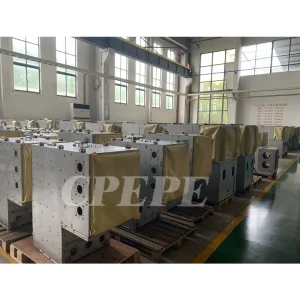
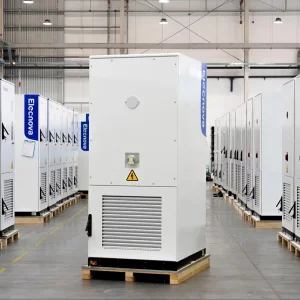
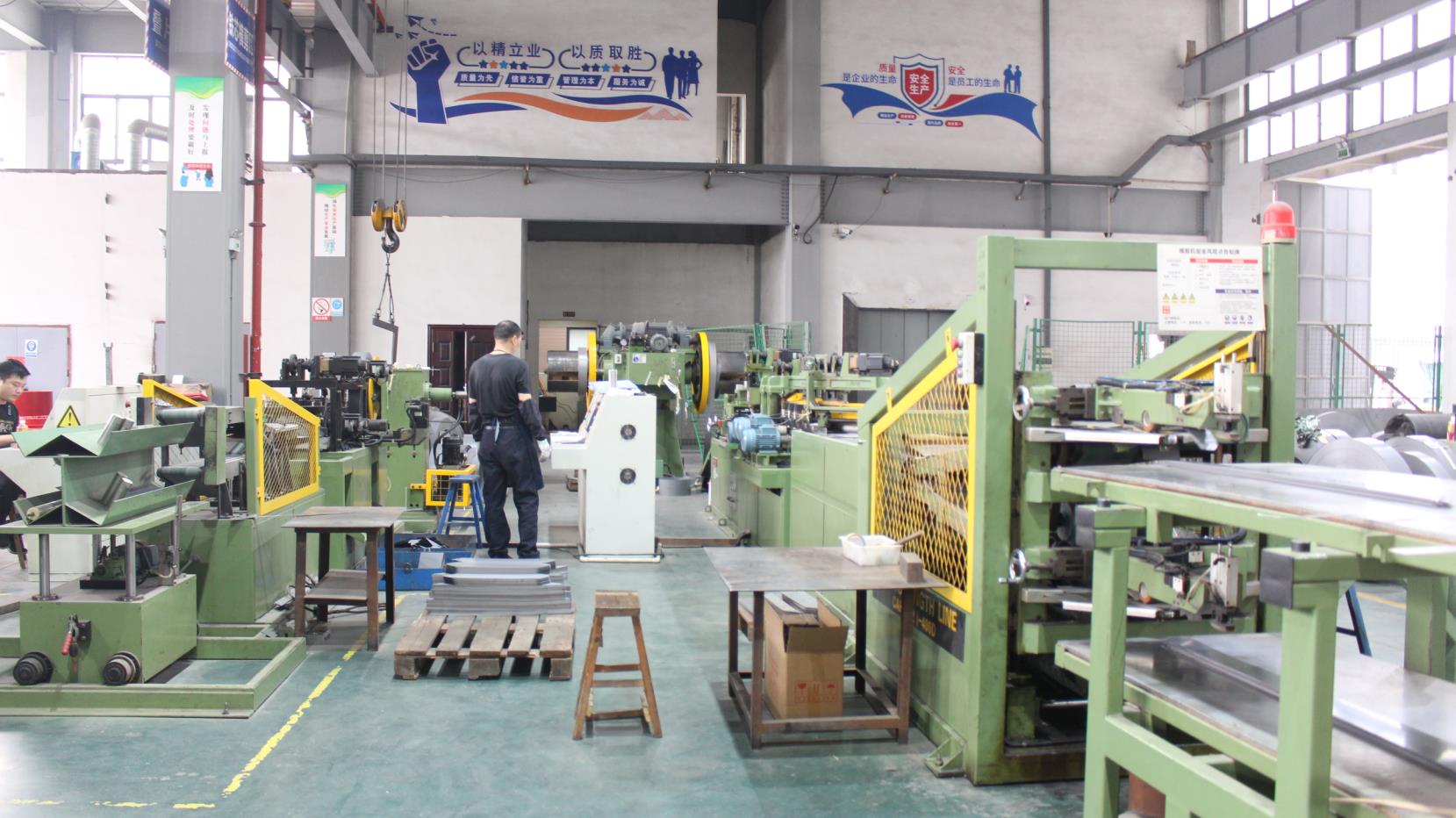
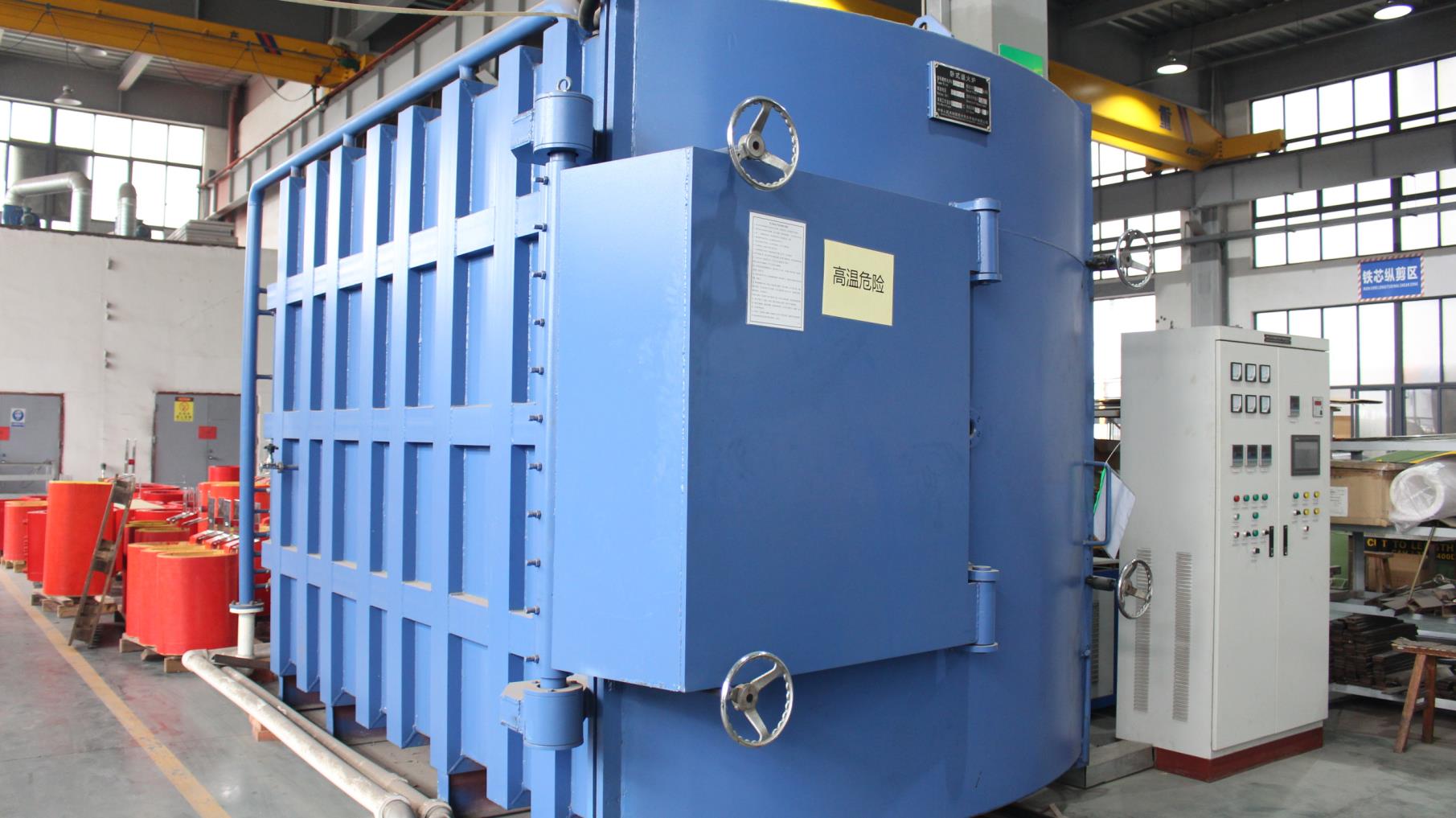
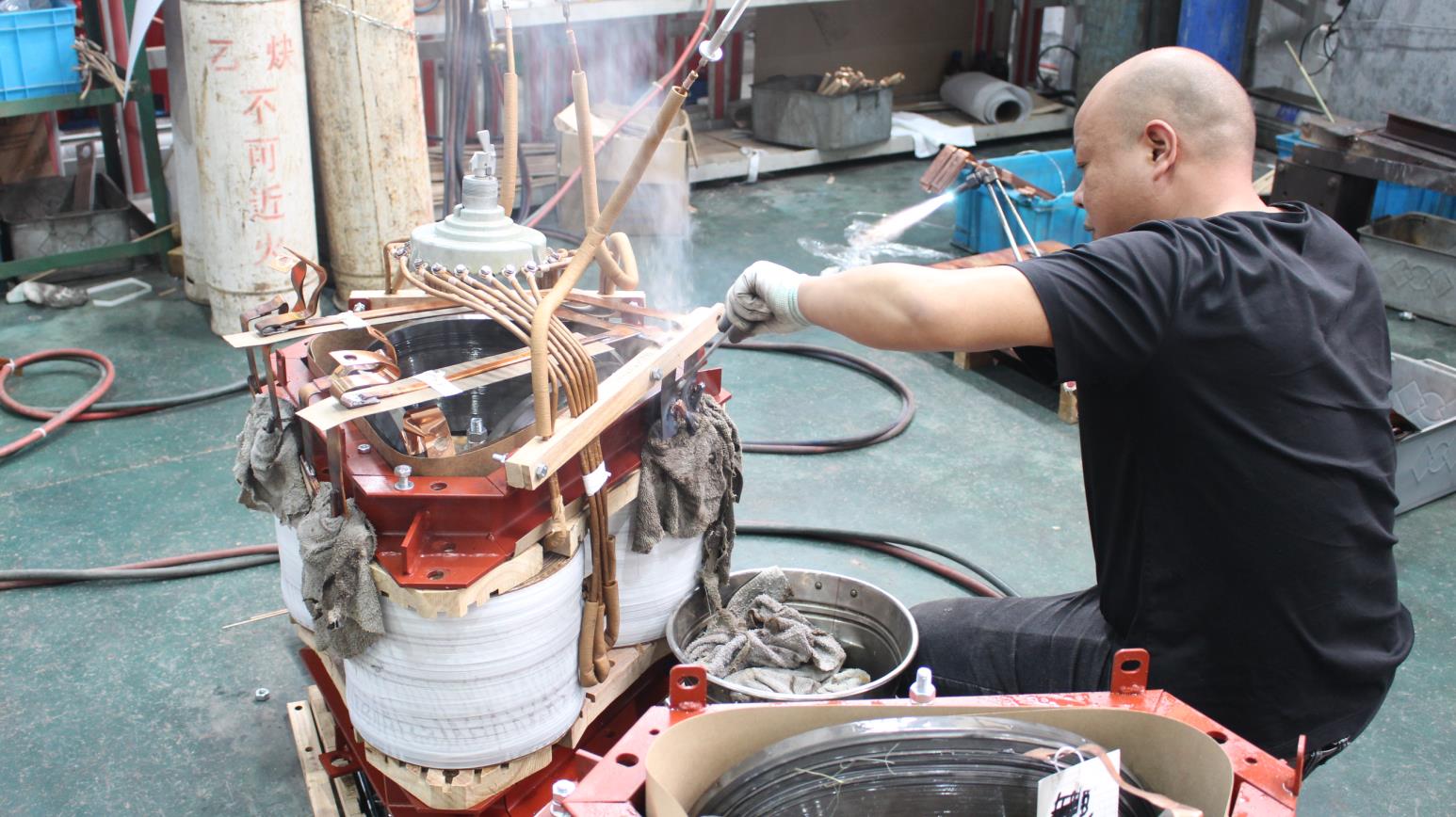
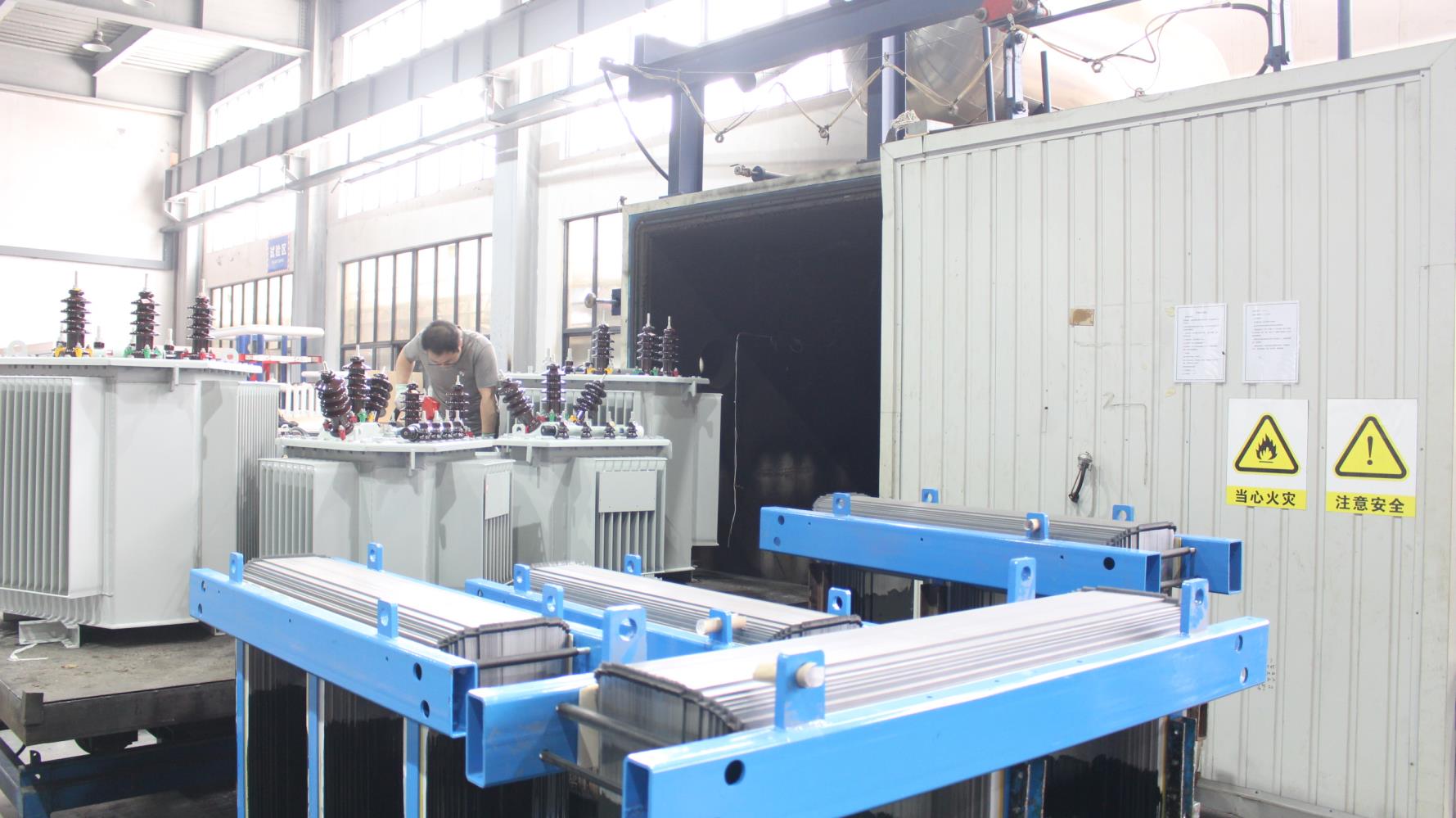
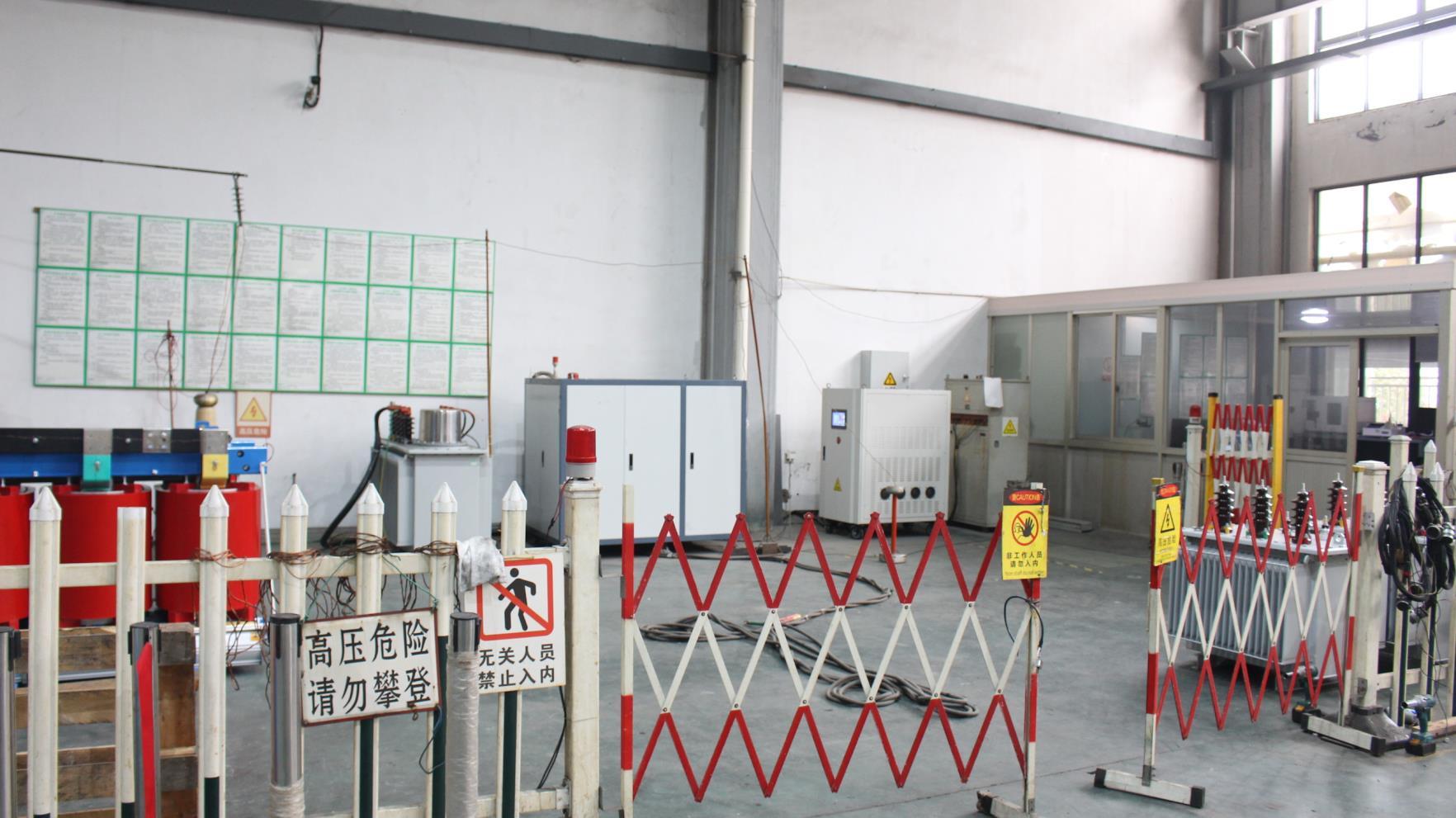
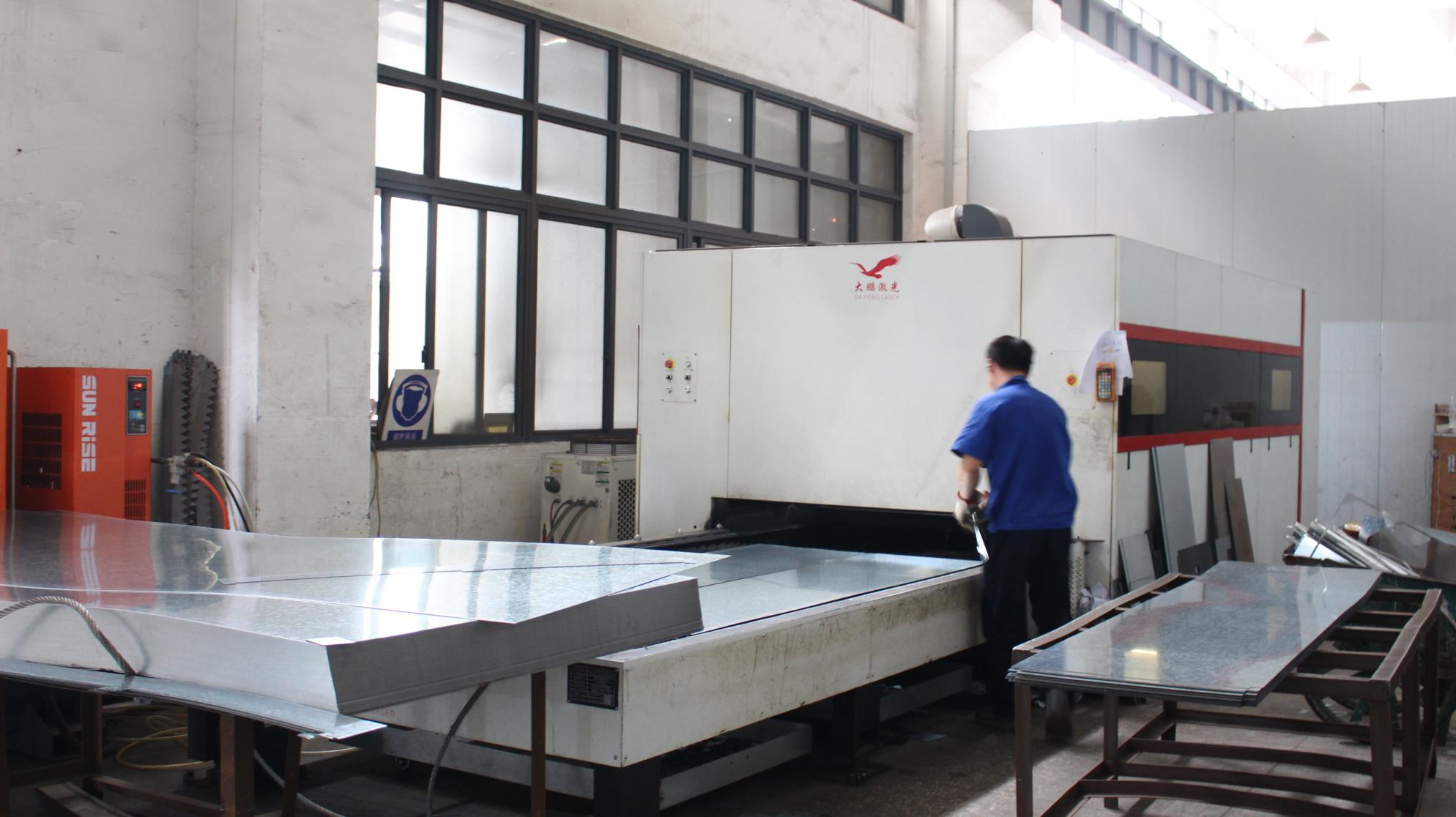
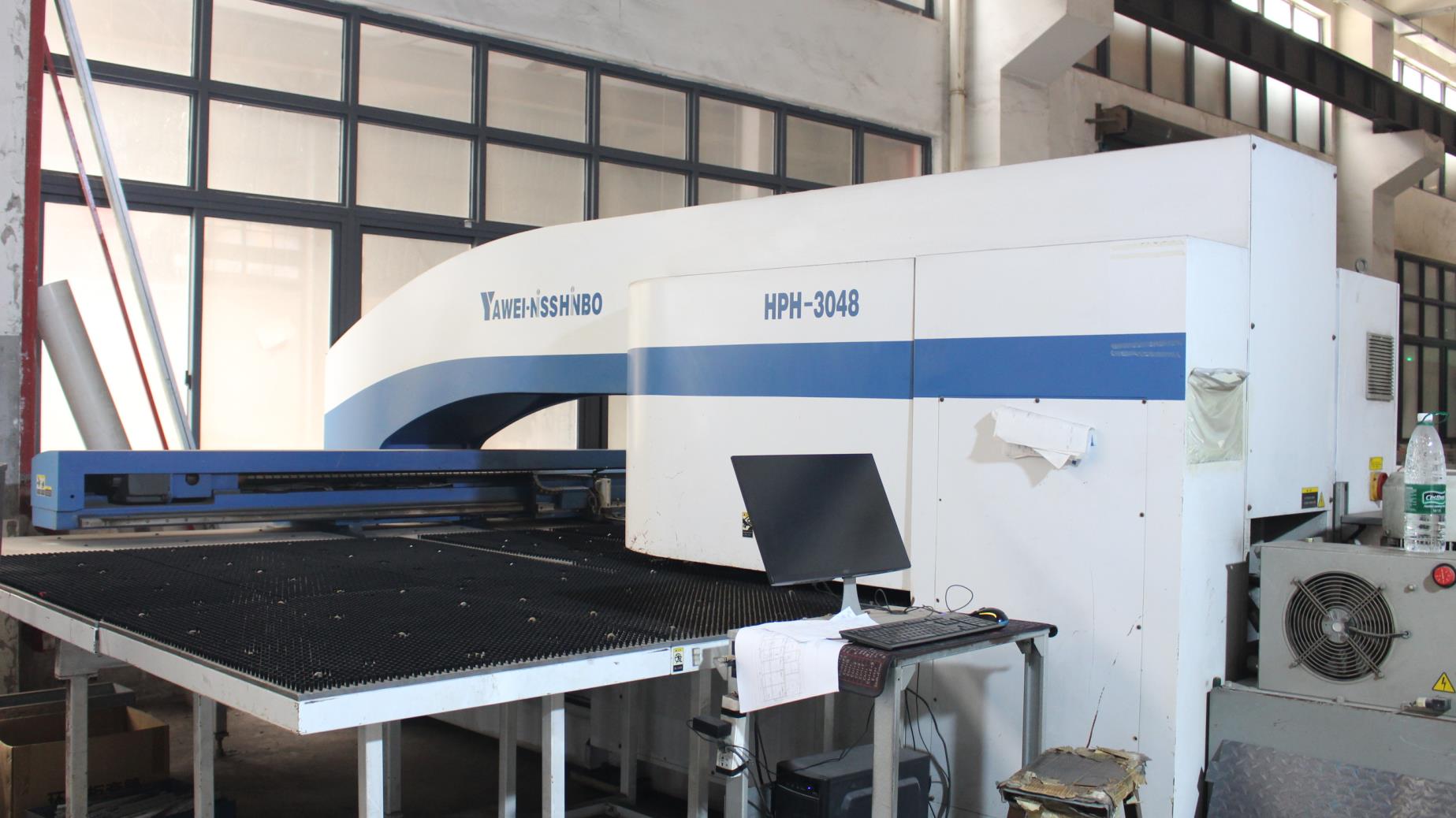
Inside Zeno Electric's automated fabrication lines in Ningbo: from cold-rolled laser cutting to ultra-vacuum impregnation and automated diagnostic resonance testing.
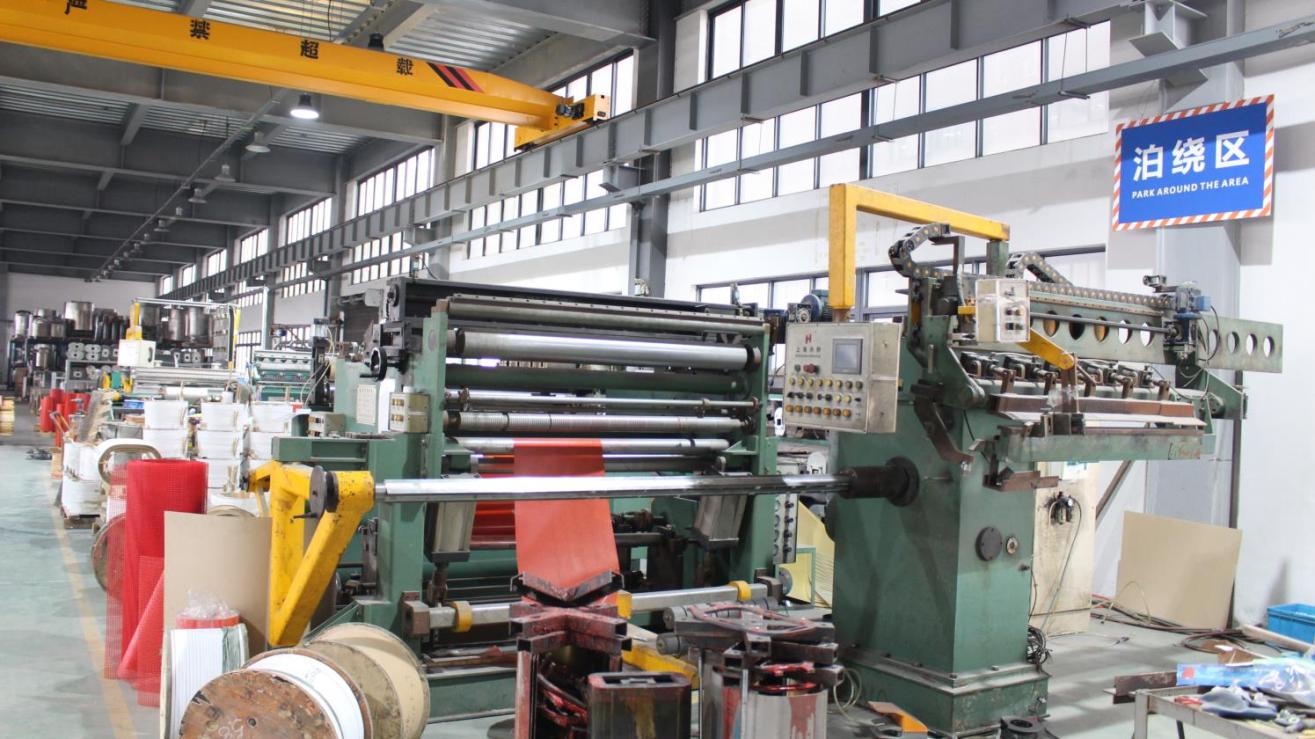
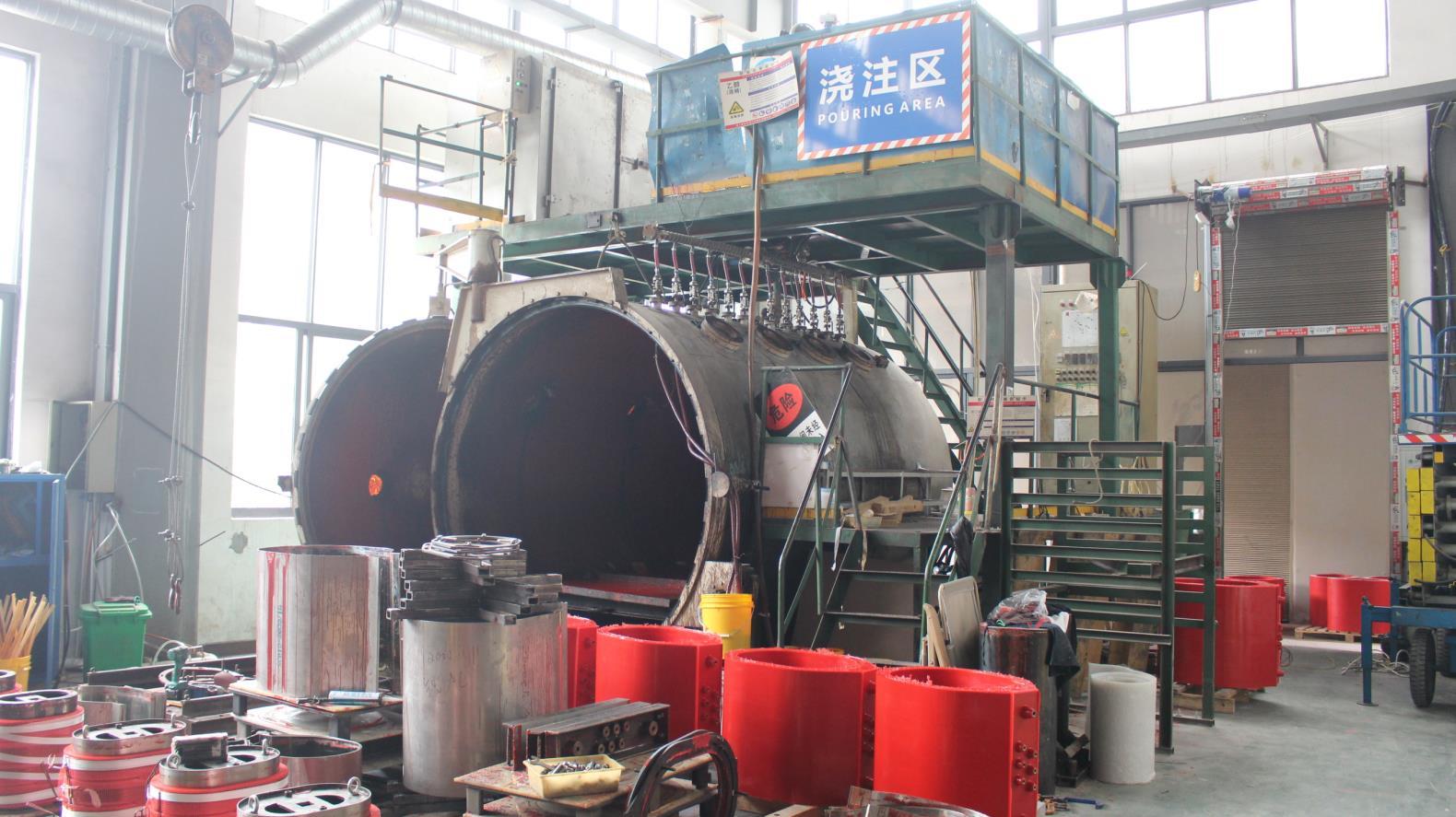
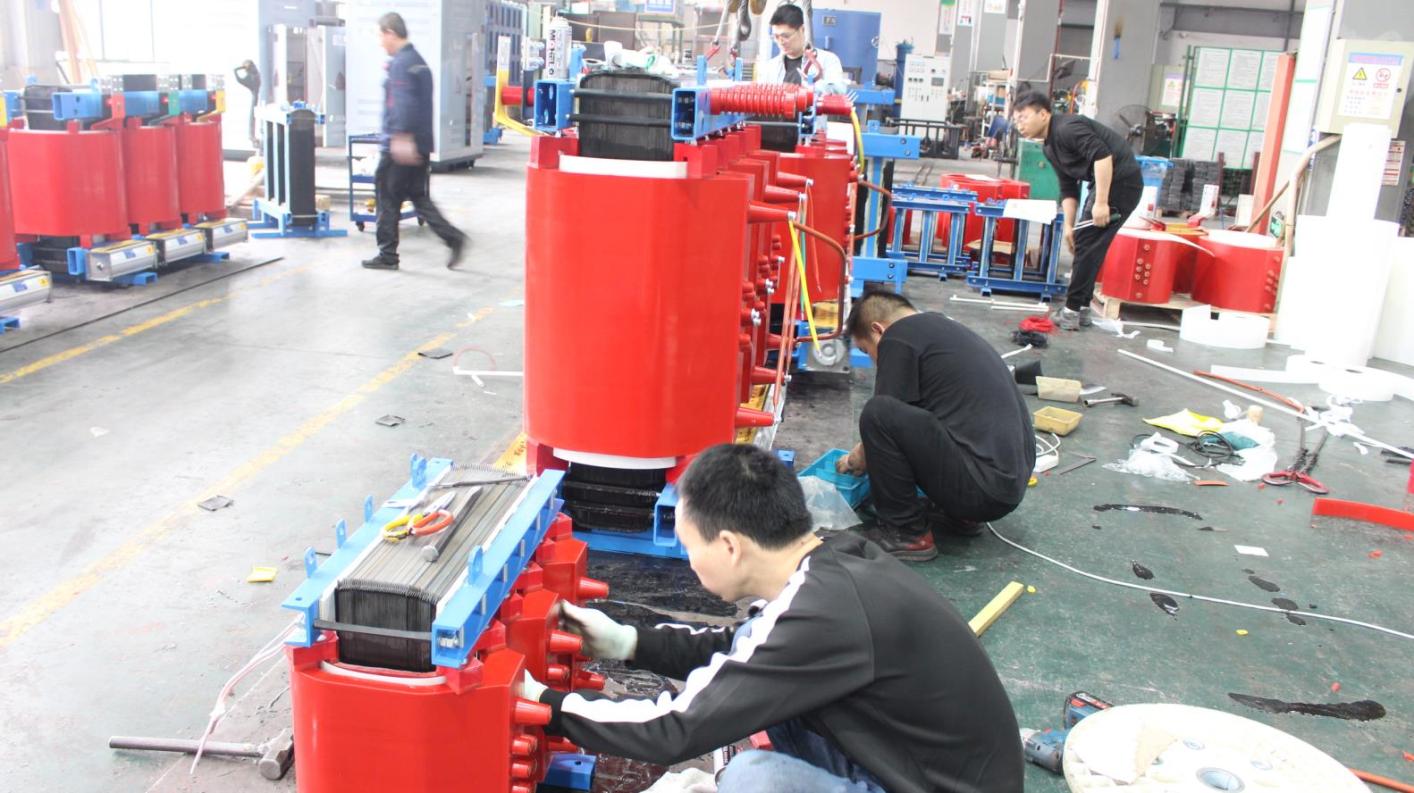
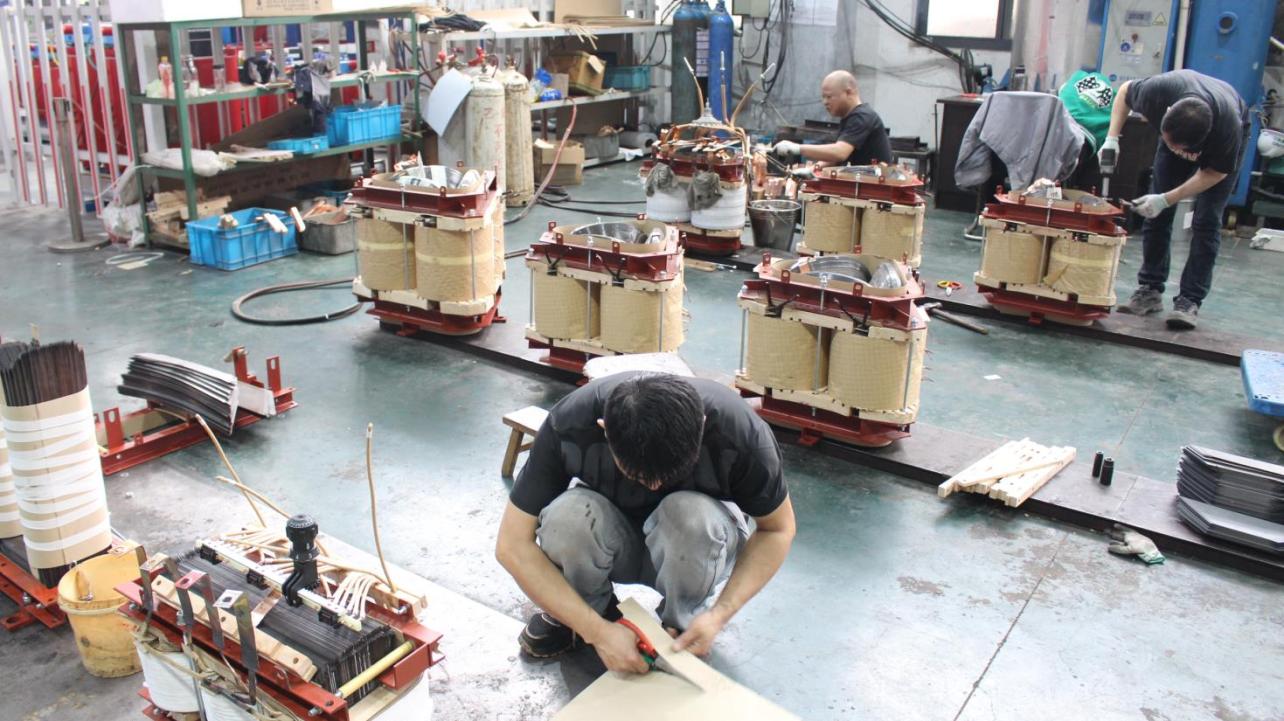
Custom OEM/ODM electrical insulation, seismic ratings, and cooling topologies calibrated for harsh operating environments worldwide.
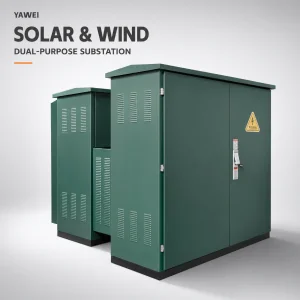
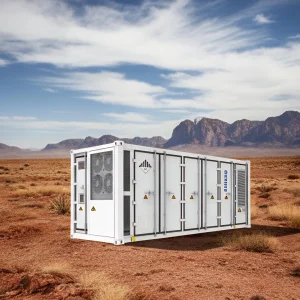
Operating in intense solar irradiation and remote high-temperature desert zones requires Class H insulation, bi-directional energy metering compatibility, and C5-M marine/corrosion-proof enclosure coatings. Our pad-mounted and skid solutions provide integrated SF6/vacuum protection with zero oil-leakage containment.
High-density hyperscale facilities demand dry-type cast resin transformers capable of absorbing rapid load swings without partial discharge. Integrated with low-noise dampeners (<52 dBA) and automated temperature micro-sensors (PT100/Modbus), our equipment protects AI computing servers from transient phase imbalances.
Rectifier and smelting operations subject equipment to severe current surges and heavy harmonic loads. Utilizing copper foil winding configurations with high mechanical short-circuit strength (tested to withstand 100% full-line short faults), our rectifier transformers serve heavy chemical electrolysis and aluminum plants reliably.
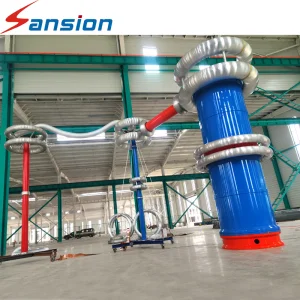
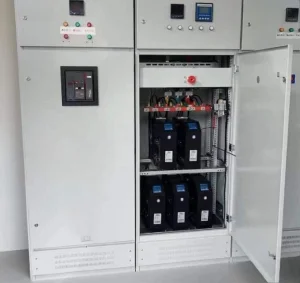
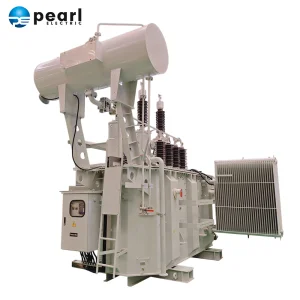
Pre-engineered containerized solutions, high-voltage test setups, and specialized electrolytic equipment built for rapid field deployment.
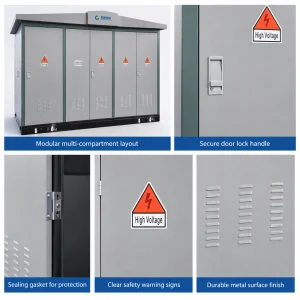
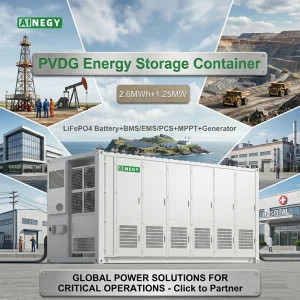
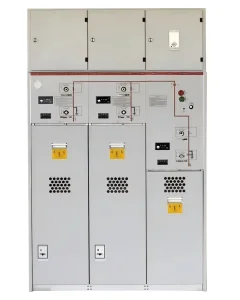
Detailed technical responses addressing design verifications, international compliance, and custom manufacturing protocols.
Our engineering process begins with finite element method (FEM) magnetic flux simulations to calculate stray losses and hot spot coefficients accurately. Using high-grade laser-treated grain-oriented silicon steel or amorphous metal alloys, coupled with step-lap mitred core stacking, we routinely meet and exceed the EU Ecodesign Tier 2 standards and DOE 2016 efficiency thresholds. Full routine test certificates (load loss, no-load loss, impedance, insulation resistance, and dielectric tests) accompany every exported transformer.
Yes. Through our specialized OEM/ODM divisions, we regularly tailor products for unusual system parameters, such as 13.8kV, 22kV, 33kV, or 34.5kV medium-voltage distributions, as well as high-voltage systems up to 220kV. For aggressive maritime and offshore atmospheres, we apply hot-dip galvanizing, stainless steel 316L hardware, and multi-layer C5-M marine anti-corrosion paint systems. Oil-immersed units can be filled with synthetic or natural biodegradable ester fluids (e.g., FR3®) for elevated flashpoints (300°C+) and eco-sensitive protection.
Standard distribution transformers and modular prefabricated substations typically follow a 4-to-6 week production lifecycle, while complex 110kV–220kV power transformers require 8 to 12 weeks, depending on core sheet and bushing availability. Thanks to our deep domestic supply-chain integration in Ningbo and automated coil-winding and CNC punching centers, our production lead times are frequently 30–50% shorter than European or North American manufacturers currently experiencing supply bottlenecks.
Every unit produced at Zeno Electric must pass comprehensive routine quality control checks before release: winding resistance measurement, voltage ratio verification, phase displacement checks, impedance voltage and short-circuit loss tests, no-load loss and no-load current measurements, dielectric withstand tests (separate source AC and induced overvoltage), and insulation partial discharge analysis. For oil-immersed transformers, pressure-leakage tests and dissolved gas analyses (DGA) are conducted to ensure zero internal faults prior to export packaging.
 Zeno Electric