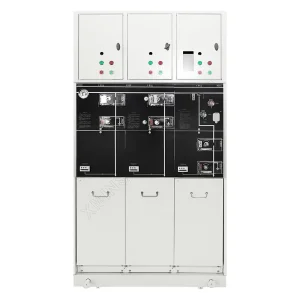
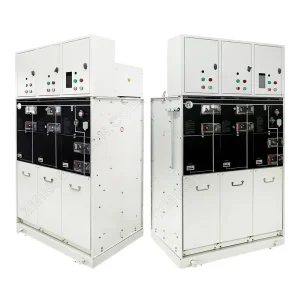
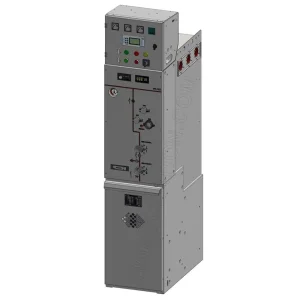
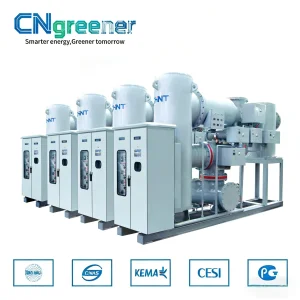
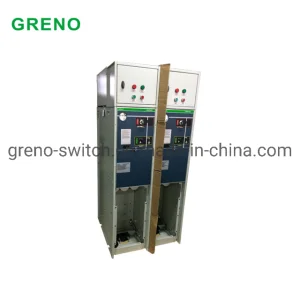
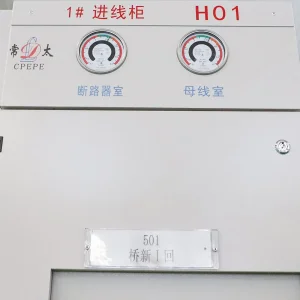
Explore our highly integrated, fully tropicalized, and type-tested medium/high voltage SF6 and eco-gas insulated switchgear range engineered for space-constrained and challenging environmental conditions.
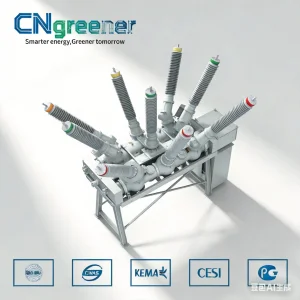
Zhejiang Zeno Electric Co., Ltd. is a national high-tech enterprise located in Ningbo, with a registered capital of 52 million yuan. The company integrates research and development (R&D), manufacturing, sales, and service of advanced power equipment and energy systems.
Rooted in Ningbo and supported by a strong engineering and technical team, Zeno Electric has steadily expanded its business across China and international markets. Through continuous innovation and quality-driven development, the company has become a trusted provider in the power and energy industry, with growing influence in both utility and industrial sectors.
With a focus on sustainable development and smart energy transformation, we are committed to delivering safe, efficient, and intelligent power solutions that support the global transition toward cleaner and more digitalized energy systems.
Zhejiang Zeno Electric Co., Ltd. specializes in power equipment and integrated energy system solutions. Our product portfolio covers a wide range of advanced technologies, including:
In addition, we undertake turnkey power engineering projects up to 220kV, providing end-to-end services that include system planning, engineering design, equipment manufacturing, installation, commissioning, and long-term maintenance.
To better serve diverse customer needs, we offer fully customized, one-to-one energy solutions tailored to specific project requirements. Our integrated service model helps clients:
Understanding the macroeconomic factors, climate dynamics, and infrastructure initiatives shaping GIS adoption across India.
India is experiencing one of the world's most rapid electrical infrastructure transitions. With the government’s target of establishing 500 GW of non-fossil fuel capacity by 2030, the transmission and distribution (T&D) sectors are under immense pressure to modernize. Traditional Air Insulated Switchgear (AIS) substations, while historically dominant, are proving inadequate for the modern Indian landscape due to three compounding challenges:
In metropolitan areas like Mumbai, Delhi NCR, Bengaluru, and Chennai, land acquisition cost is astronomical, and availability is near zero. Developing a new 220kV or 110kV AIS substation requires vast parcels of land to maintain dielectric clearance distances in air. Gas-Insulated Switchgear (GIS) reduces the space footprint by up to 70% to 80% compared to traditional AIS, enabling municipal utilities and private developers to install complete step-down stations inside dense residential clusters, basement levels, or compact commercial complexes.
India’s diverse geography presents unique challenges for electrical switchgear. Coastal industrial clusters (such as in Gujarat, Maharashtra, Odisha, and Tamil Nadu) suffer from aggressive saline atmospheric corrosion. Northern and western zones face dust storms, heavy particulate pollution, and extreme temperatures exceeding 50°C. In these environments, open AIS conductors suffer from flashovers, rapid contact degradation, and frequent maintenance shut-downs. GIS houses all high-voltage active parts—such as circuit breakers, disconnectors, current transformers, and busbars—inside a hermetically sealed metal enclosure filled with insulating gas (SF6 or eco-gas mixes). This ensures complete isolation from external humidity, salt spray, industrial chemical pollutants, and vermin.
The modernization of the Indian Railways through 100% electrification, combined with the continuous expansion of Metro Rail Transit systems in tier-1 and tier-2 cities (such as DMRC, Maha Metro, and BMRCL), demands switchgear that can withstand highly dynamic load variations, frequent switching operations, and limited maintenance windows. Furthermore, the Revamped Distribution Sector Scheme (RDSS) prioritizes high reliability, smart fault-detection, and reduced technical losses—demands that are best answered by modern digitalized GIS systems.
Aligning global electrical engineering innovations with local grid requirements.
The global power industry is systematically working to reduce its carbon footprint. While SF6 remains the gold standard for dielectric properties, high-tech factories are engineering low-GWP (Global Warming Potential) alternative gas mixtures like fluoronitriles or pure air-insulated vacuum technologies for medium-voltage grids.
Modern switchgear is no longer just mechanical. The integration of fiber-optic temperature sensors, SF6 density transmitters, and partial discharge monitoring sensors allows utility operators to visualize the physical assets in a real-time digital twin system, switching maintenance regimes from reactive to predictive.
Global procurement teams favor modular designs built according to international standards (IEC 62271 series). Standardized footprints reduce installation times and make site replacement of individual bays simple, ensuring long-term grid compatibility regardless of the OEM vendor.
Why Zhejiang Zeno Electric's automated manufacturing lines in Ningbo offer an unmatched price-to-performance ratio for global and Indian buyers.
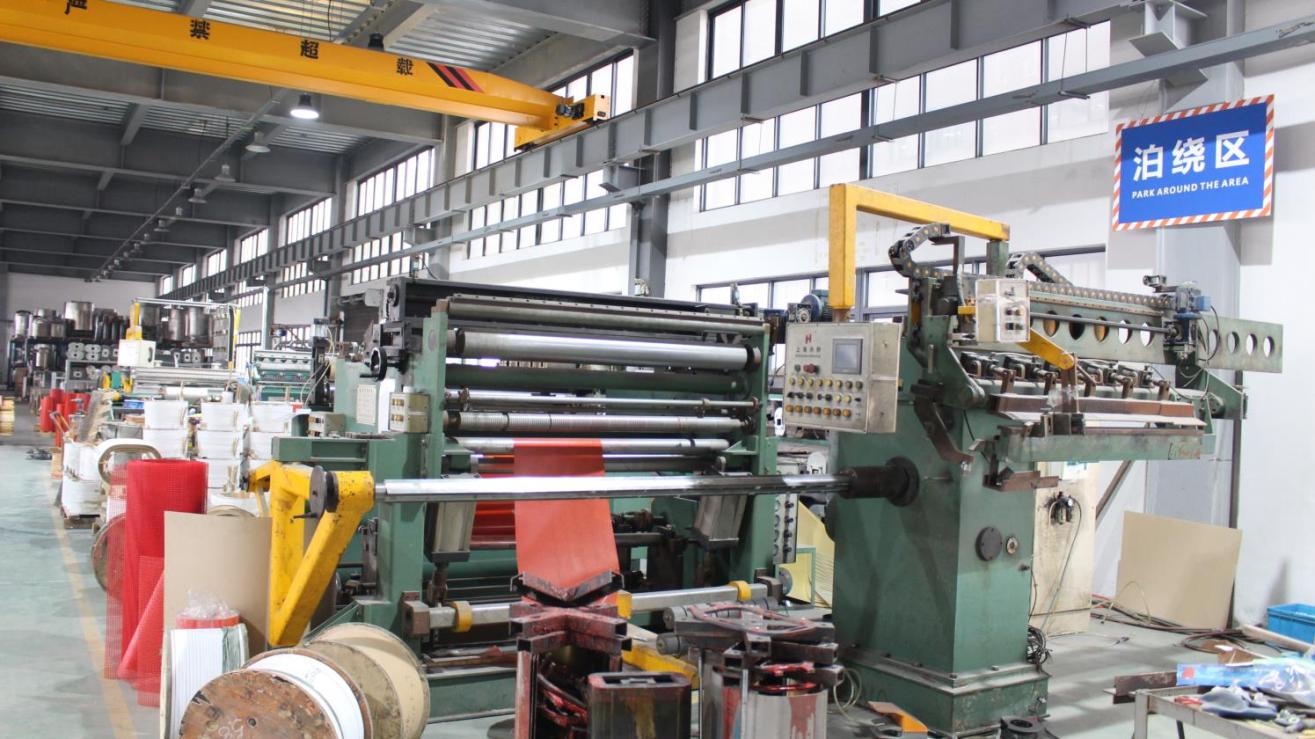
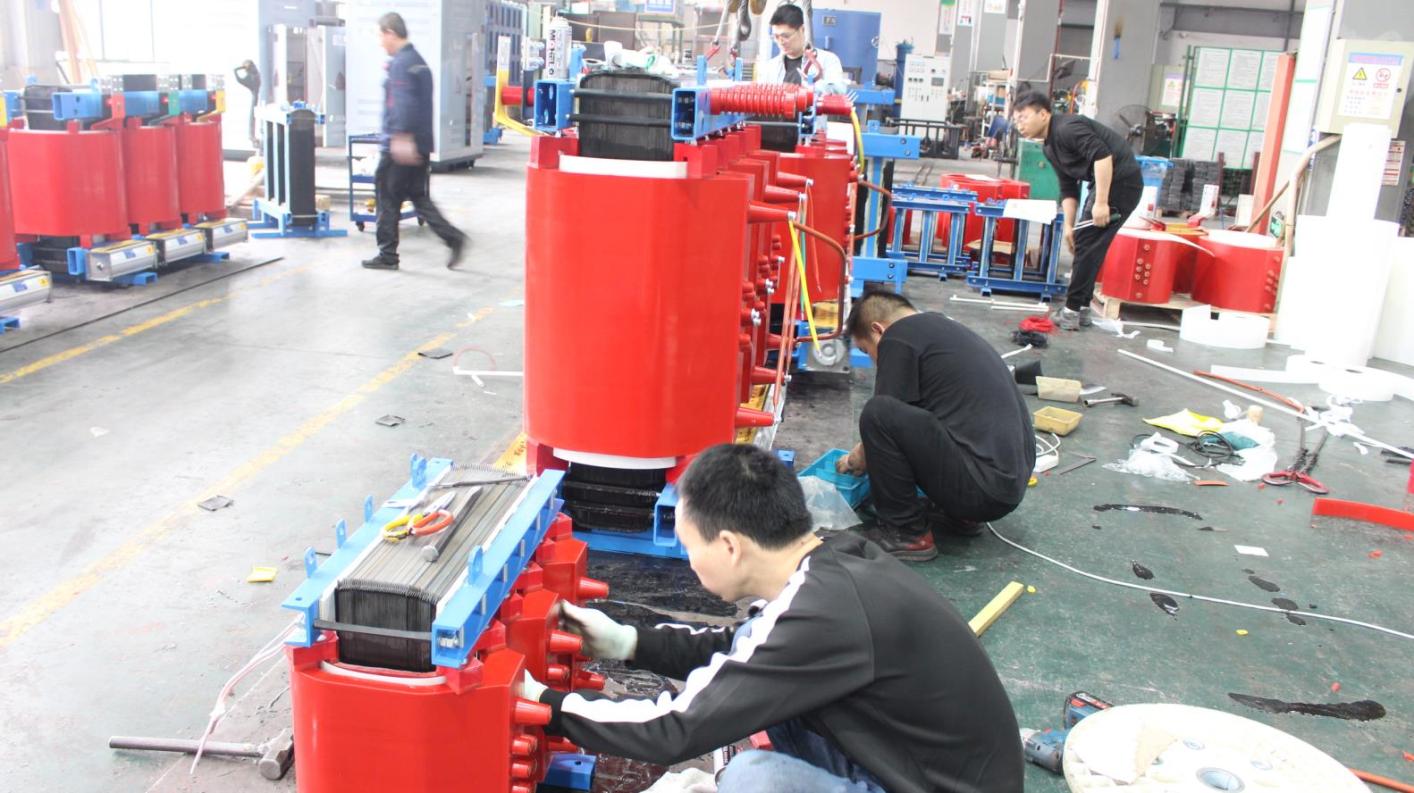
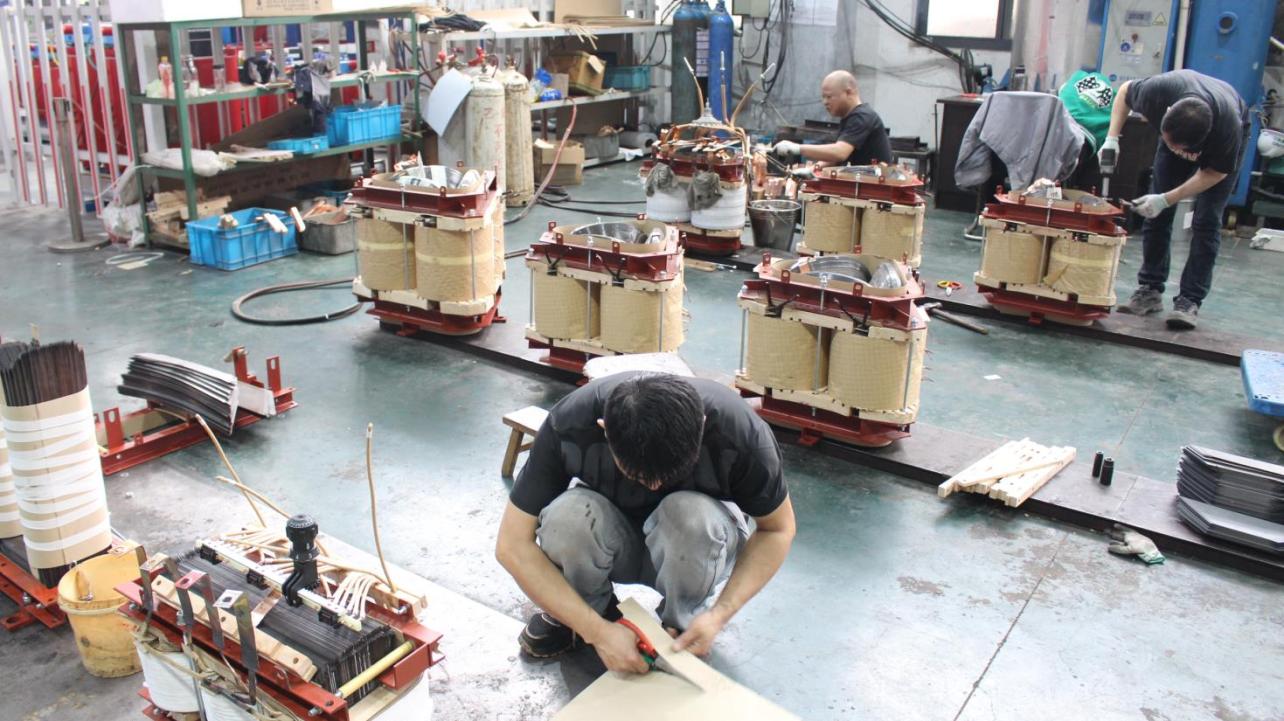
Our manufacturing base in Ningbo leverages one of the world's most mature advanced industrial supply chains. From raw copper and special aluminum alloys to sophisticated protective relays and epoxy resin insulators, all essential components are sourced locally, drastically reducing transit times and manufacturing costs.
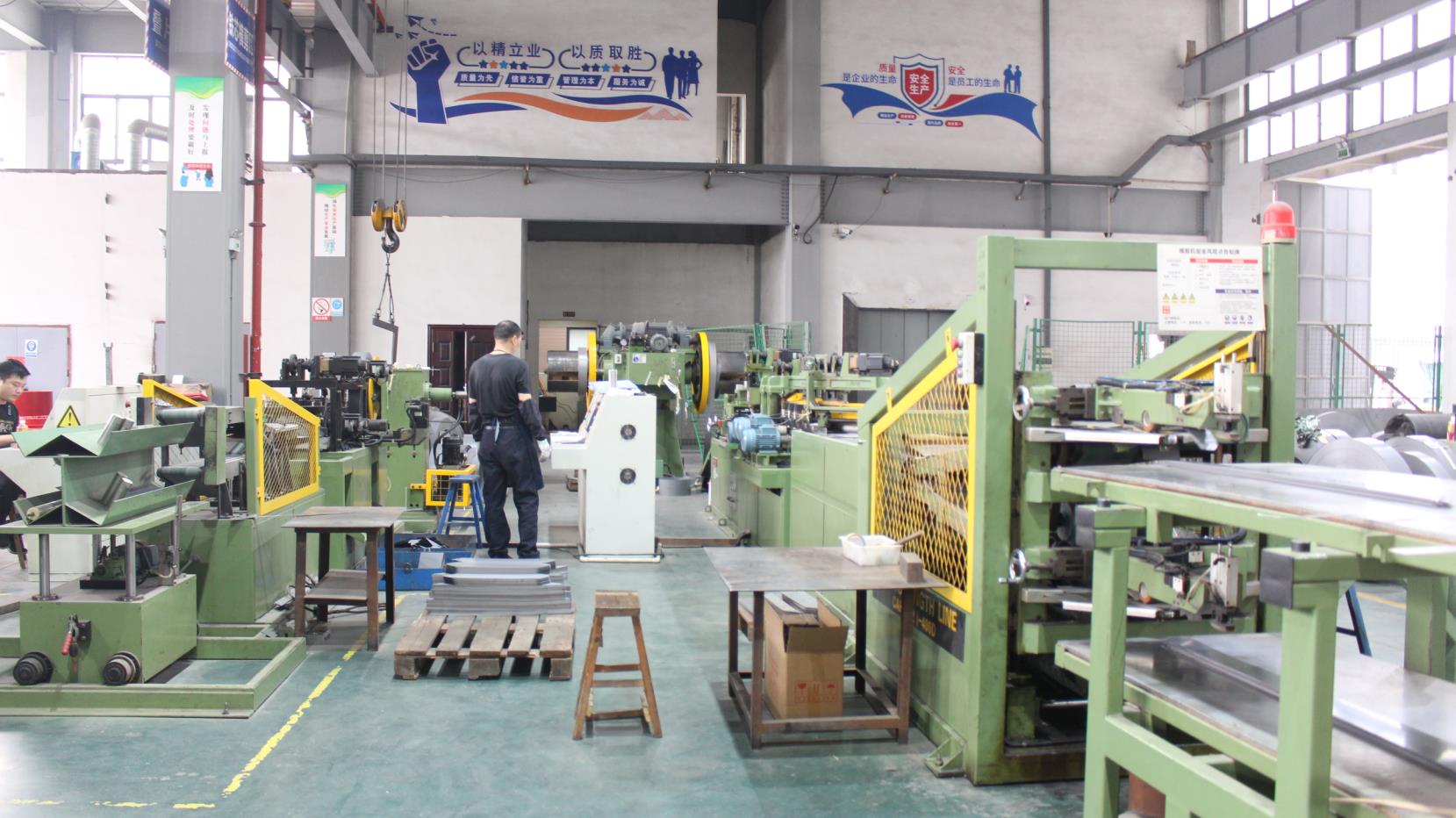
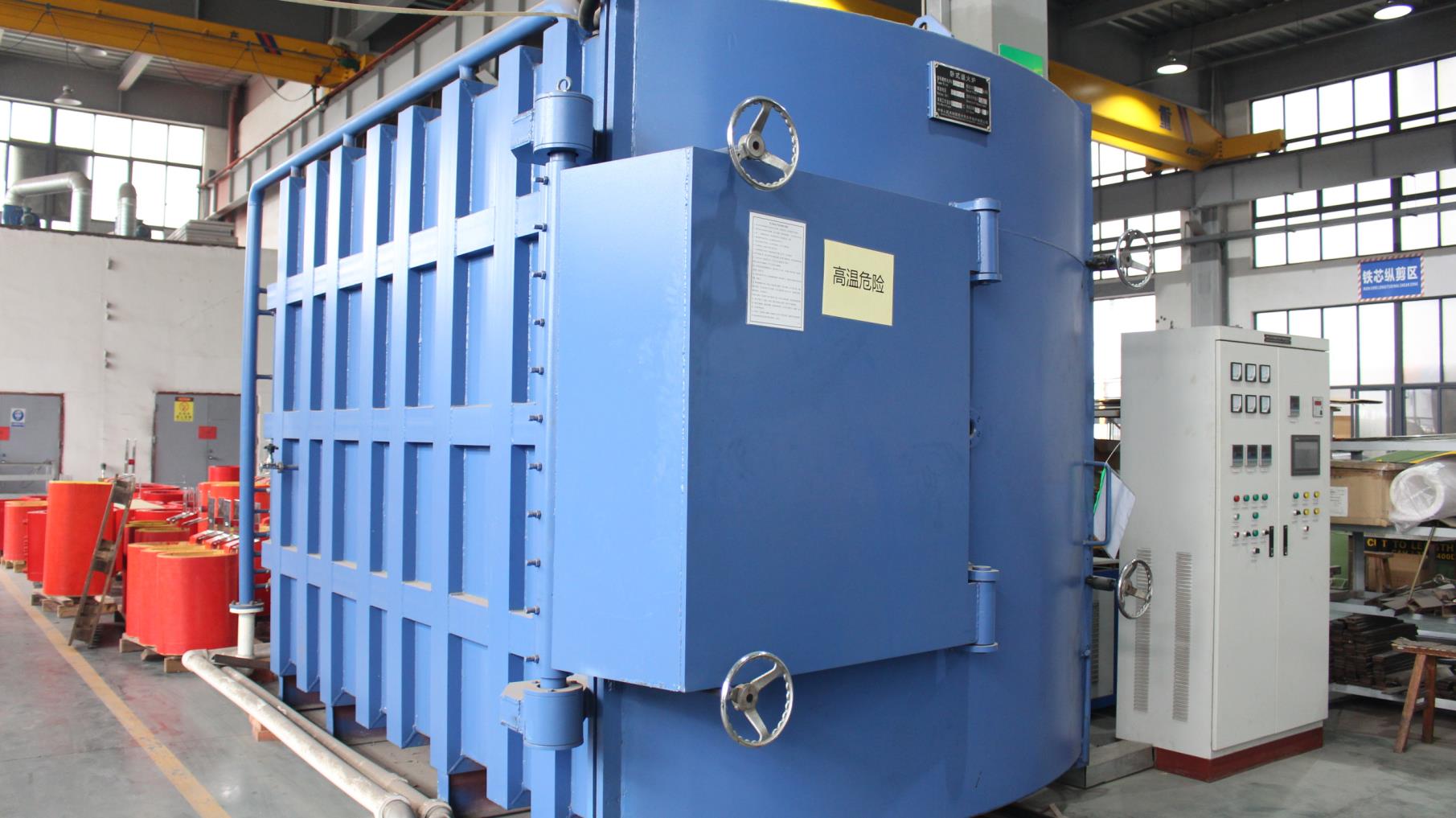
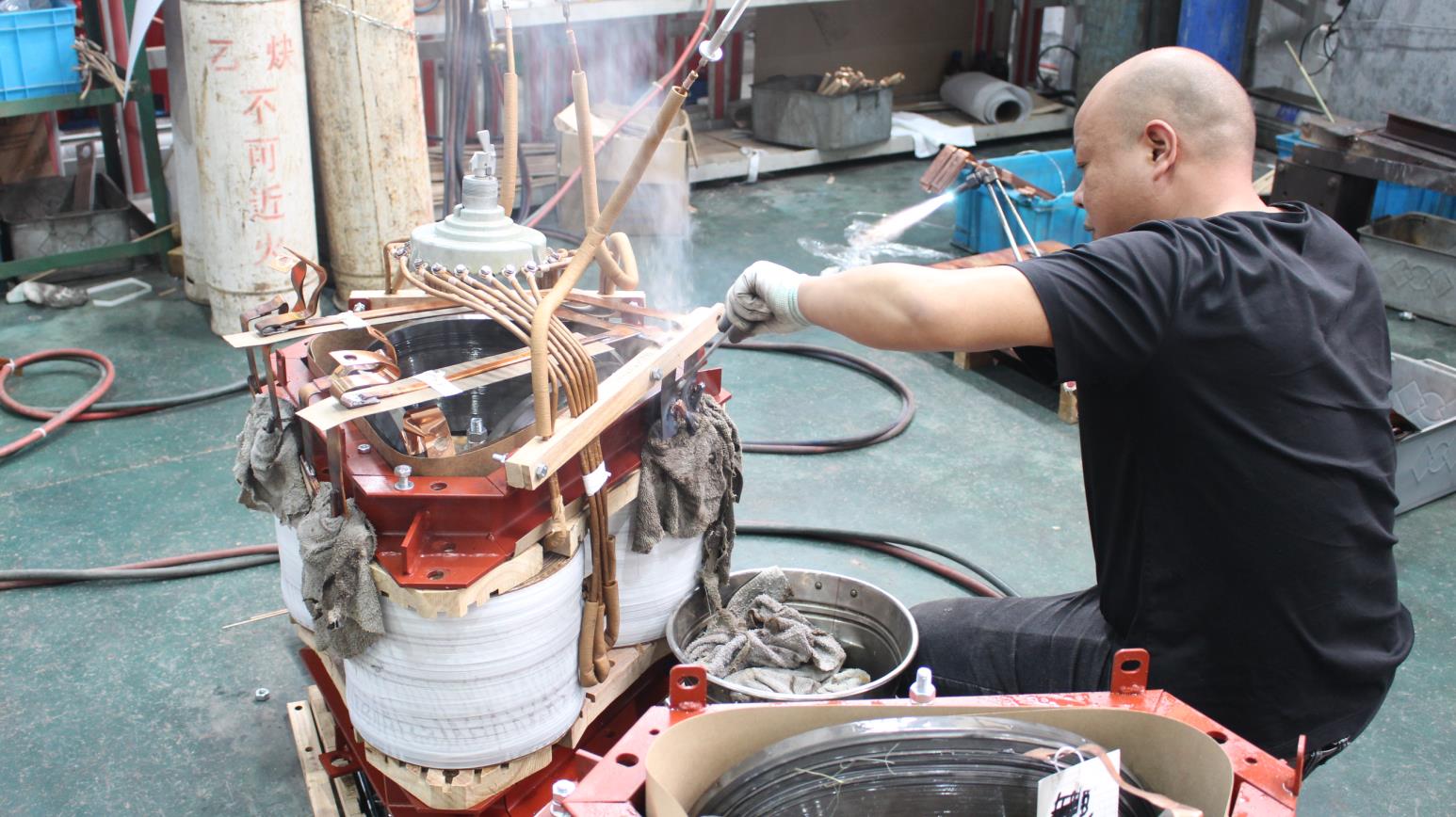
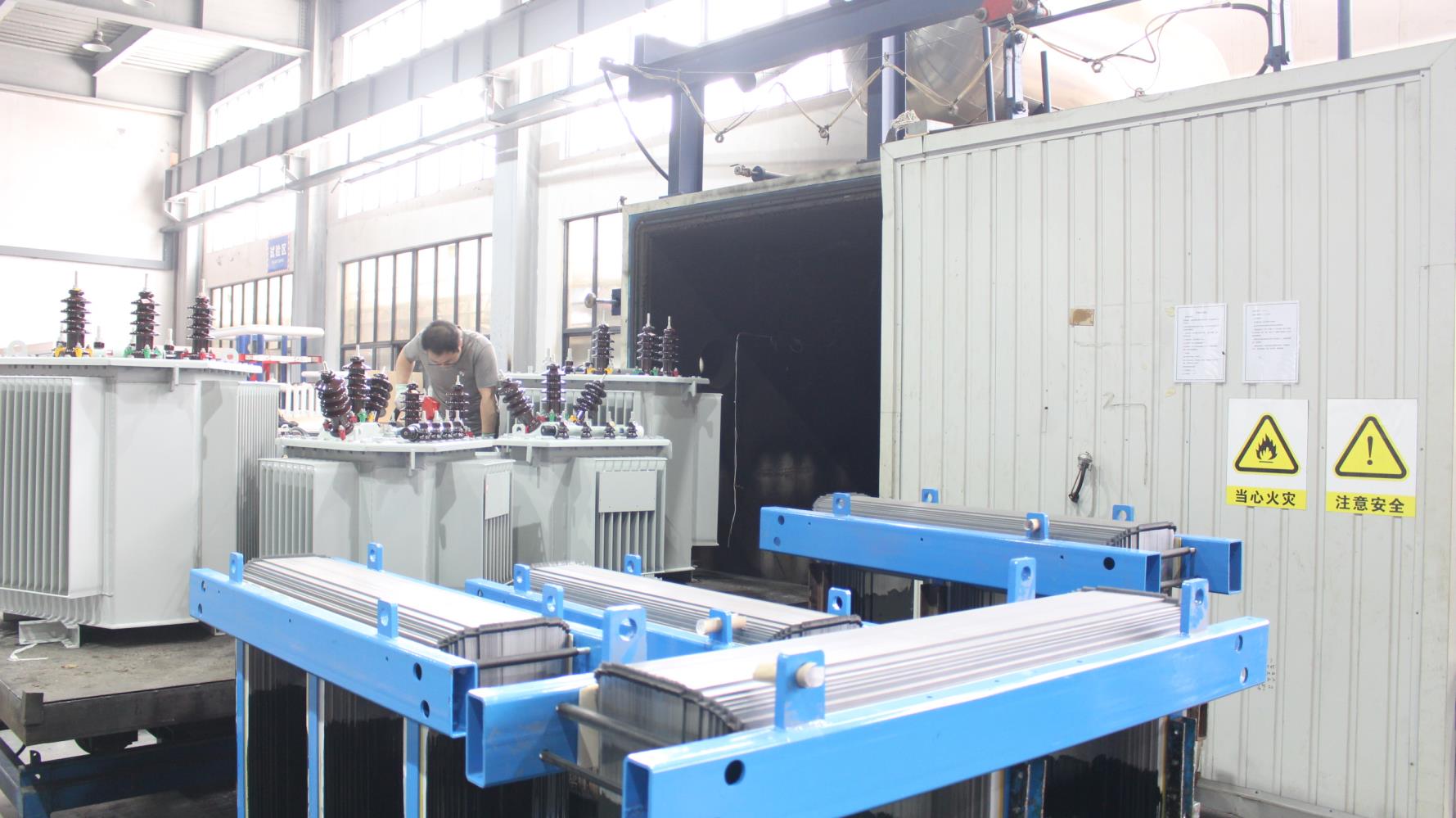
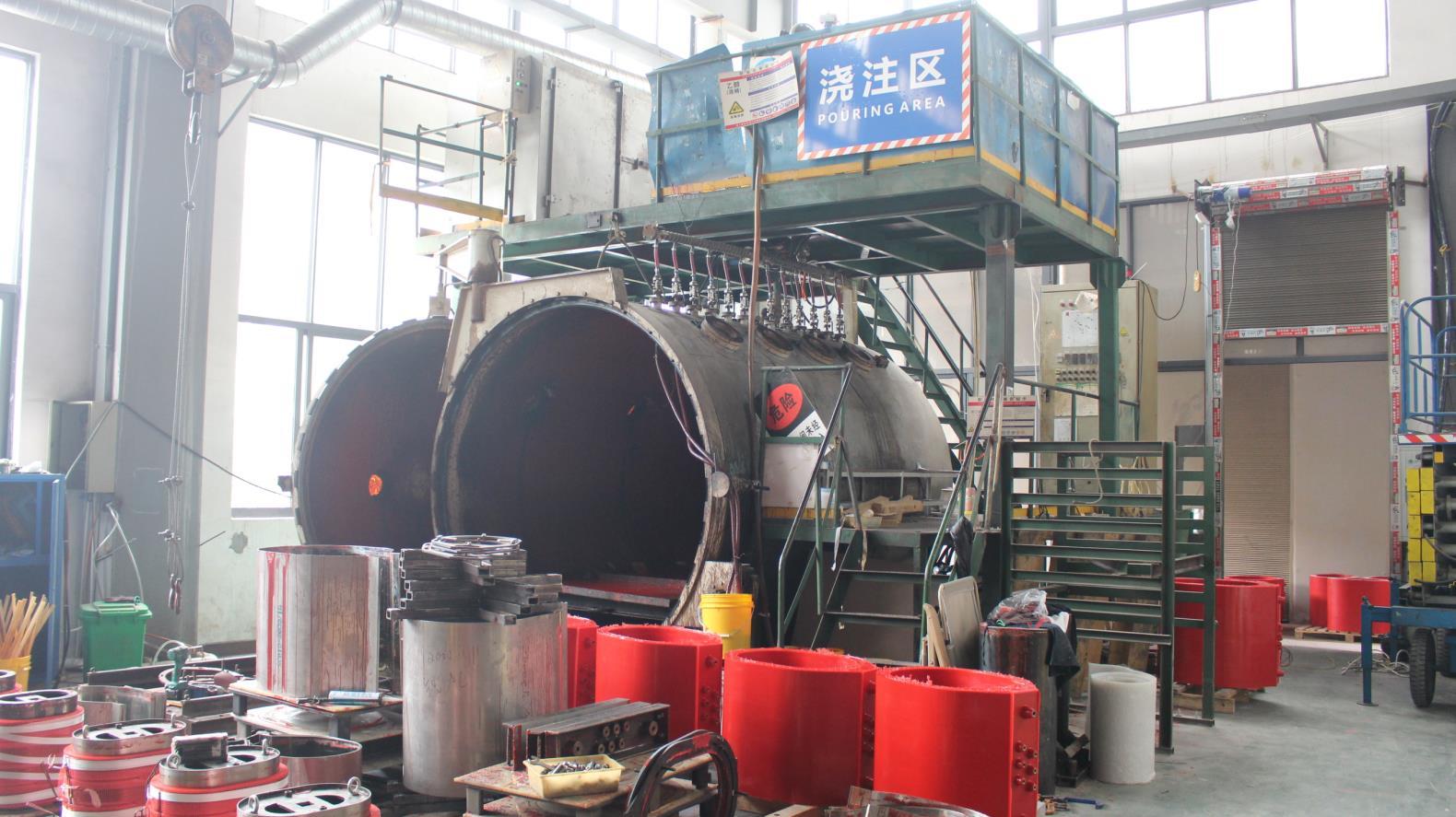
At Zeno Electric, we combine this supply chain ease with state-of-the-art automation. Precise CNC machining, laser welding, and automated vacuum casting chambers guarantee structural integrity, reducing SF6 gas leakage rates to well below the international IEC standard requirement of 0.1% per year. Every GIS bay produced in our factory goes through rigorous routine testing including power-frequency voltage withstand tests, primary loop resistance measurements, and helium mass spectrometry leak detection.
This automated scale allows us to maintain stable lead times—a critical factor for EPC contractors in India working on tight project timelines. While domestic Indian suppliers often suffer from bottlenecks in specialized raw materials, Zeno Electric provides complete customized switchgear bays delivered directly to major Indian ports within optimized schedules.
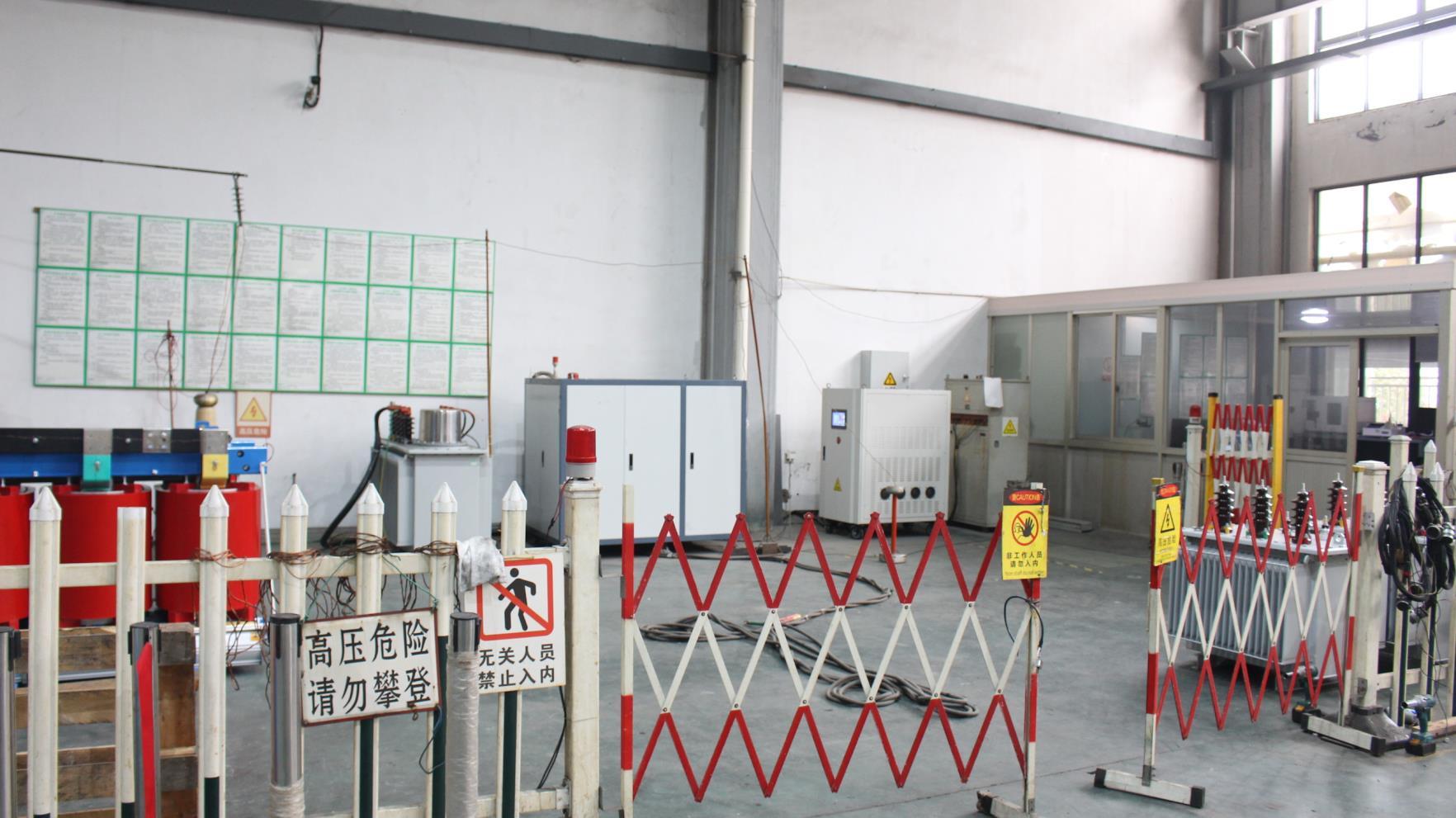
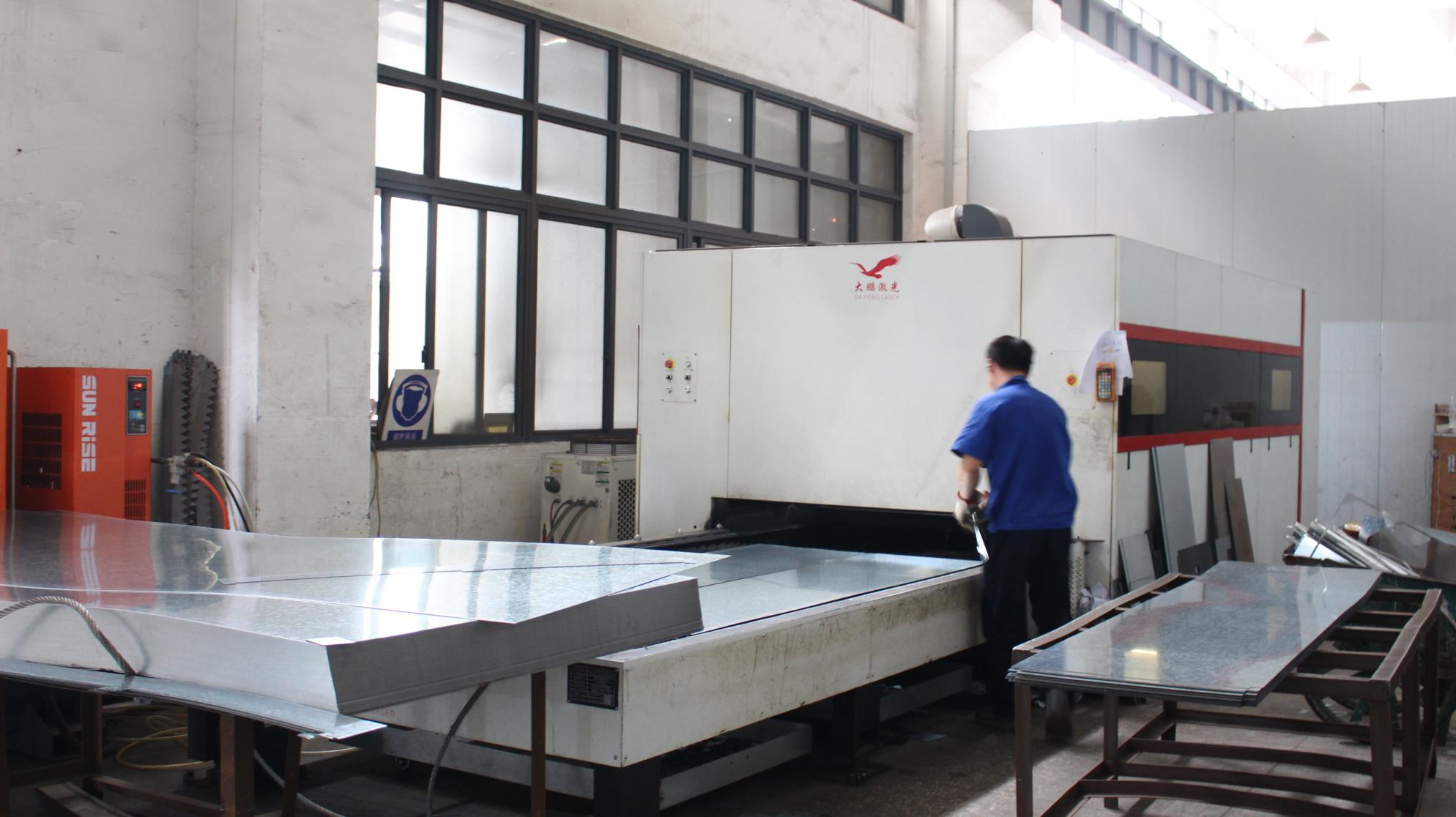
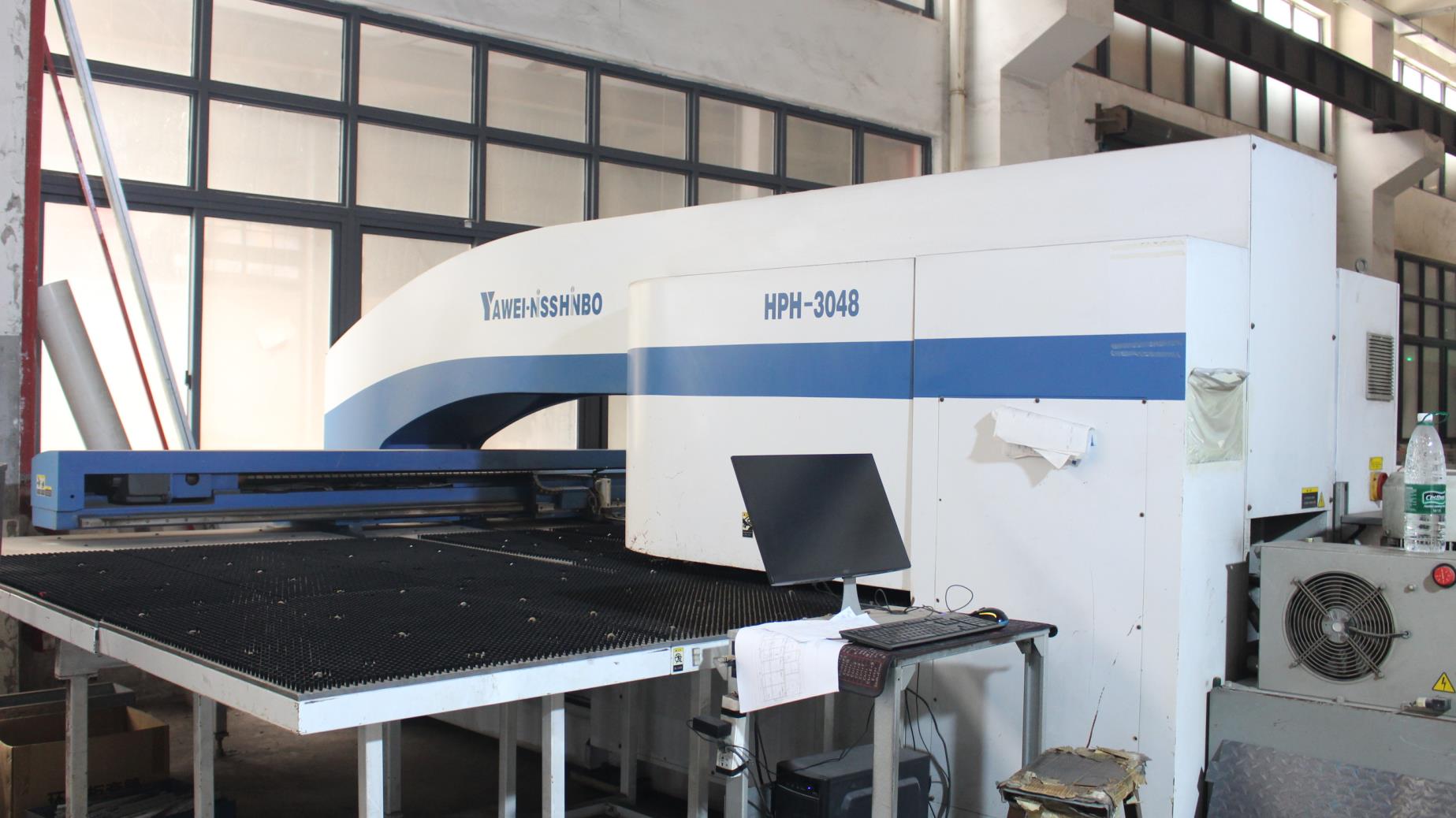
How our Gas-Insulated Switchgear interfaces with specific Indian commercial, industrial, and infrastructure frameworks.
Massive solar parks (e.g., Bhadla, Khavda) are located in desert landscapes with high ambient temperatures, intensive UV exposure, and frequent dust storms. Our GIS units are sealed and climate-tested up to 55°C, ensuring that dust ingress cannot deposit on insulators and cause phase-to-earth flashovers.
Elevated and underground metro networks require high-availability 25kV traction substations and 33kV auxiliary substations in the heart of urban sectors. Our modular gas-insulated switchgear units fit into narrow tunnel shafts and under-stair spaces, featuring high seismic resistance ratings compatible with regional tectonic safety norms.
Corrosive gases like sulfur dioxide, hydrogen sulfide, and heavy salt particles can rapidly degrade copper contacts in traditional switchgear. By packaging all active circuit elements inside high-grade stainless steel gas tanks, our GIS ensures continuous production uptime for critical processing plants.
Hydroelectric power stations require small, rugged switchgear that can withstand mountainous terrain, high moisture levels, and steep seismic profiles. The lightweight, compact design of Zeno GIS bays makes transport up winding mountain roads much easier than shipping bulky AIS components.
Addressing the key priorities of procurement officers, EPC managers, and utility executives during supplier evaluation.
Purchasing Gas-Insulated Switchgear is a long-term capital expenditure with design cycles spanning several decades. Global procurement departments look beyond the base unit price to evaluate potential suppliers on several critical metrics:
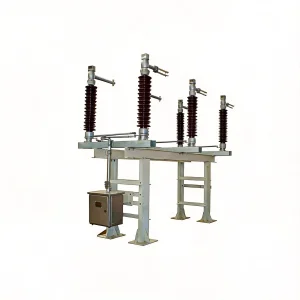
Our complete range of MV/HV Gas Insulated Switchgear and specialized testing equipment optimized for global substation standards.
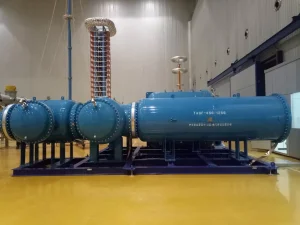
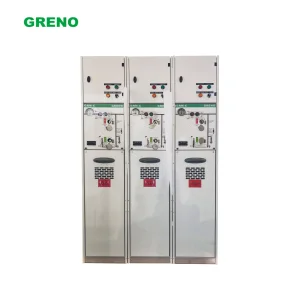
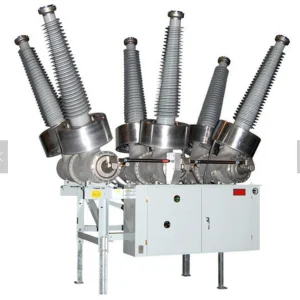
Answering key design, environmental, and commercial questions for engineers and purchasing agents in India and globally.
Air Insulated Switchgear (AIS) uses ambient air as the primary insulation medium, requiring extensive clearance distances. Gas-Insulated Switchgear (GIS) utilizes SF6 or advanced eco-gases, which have three times the dielectric strength of air at atmospheric pressure. Under moderate pressures, this allows clearance distances to be minimized. Typically, a GIS substation reduces space requirements by 70% to 80% compared to equivalent AIS setups, making it ideal for metropolitan areas like Mumbai and Delhi where real estate is at a premium.
To prevent failures in tropical environments, our GIS enclosures feature IP-rated ingress protection, high-efficiency heat dissipation structures, and robust epoxy resin powder coatings to resist coastal salinity. Internally, the SF6 density switches are temperature-compensated to prevent nuisance low-pressure alarms during extreme summer heatwaves. Gas tanks are vacuum-sealed under strict humidity-controlled cleanroom conditions at our Ningbo facility to ensure no internal moisture traces remain.
Per IEC 62271 standards, the annual gas leakage rate must be below 0.5%, but Zeno targets under 0.1% using double-seal designs and precision helium leak checks. Each bay has a temperature-compensated gas density monitor. These gauges provide real-time pressure readouts and auxiliary contacts for remote SCADA integration, triggering alarms if the gas density drops below nominal levels.
Every GIS bay undergoes strict Routine Testing at Zeno, including power-frequency voltage withstand tests on the main circuit, auxiliary control circuit insulation checks, mechanical operation tests, main circuit resistance testing, and helium mass spectrometer leak detection. Complete type-test documentation (covering short-circuit making/breaking and temperature rise profiles) is available for utility compliance audits.
Because all active components are sealed in a gas-filled enclosure protected from dust and moisture, GIS maintenance is minimal. Basic visual inspections and gas density logging are recommended annually. The main internal parts (circuit breaker contacts and mechanisms) are designed for a 20-year or 10,000-operation maintenance-free lifecycle under normal operating conditions.
Yes, our engineering team provides customized layouts. We can customize busbar connections, cable entry heights, CT/VT placements, and instrument panel locations. We collaborate closely with your engineering team to verify layouts using 3D CAD modeling before beginning production.
 Zeno Electric