High-performance smart grid switchgear, industrial circuit breakers, and containerized battery energy storage systems tailored for global projects.
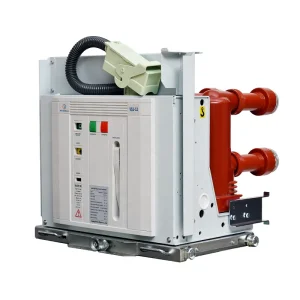
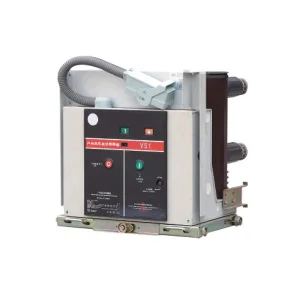
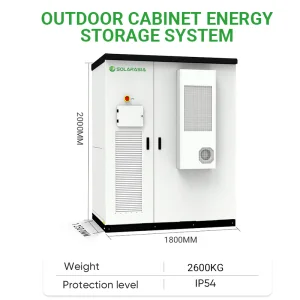
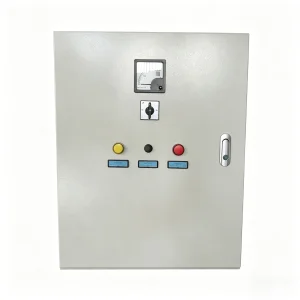
The global transition toward high-density renewable energy grids and smart factory automation has triggered unprecedented demand for robust OEM/ODM Systems Integration Services. As conventional grids grapple with the intermittency of solar and wind inputs, localized step-up substations, intelligent medium-voltage switchgears, and containerized battery energy storage systems (BESS) have transitioned from supplementary assets to mission-critical infrastructure.
Today, a professional systems integration services factory must act not merely as an assembly shop, but as an advanced engineering ecosystem. Modern utility-scale operators and industrial enterprises require complex systems that safely interface high-voltage transmission lines (up to 220kV and above) with local microgrids and low-voltage distribution centers. This requires strict adherence to international electrical, mechanical, and safety standards including IEC 62271, UL, and CE protocols, ensuring grid compliance and seamless regional localized operation.
For systems to function harmoniously at scale, custom engineering must target three central friction points in the modern grid:
A leading national high-tech enterprise at the forefront of smart power equipment development and industrial energy systems.
Zhejiang Zeno Electric Co., Ltd. is a national high-tech enterprise located in the industrial and maritime hub of Ningbo, with a registered capital of 52 million yuan. The company integrates research and development (R&D), manufacturing, sales, and service of advanced power equipment and energy systems.
Rooted in Ningbo and supported by a strong engineering and technical team, Zeno Electric has steadily expanded its business across China and international markets. Through continuous innovation and quality-driven development, the company has become a trusted provider in the power and energy industry, with growing influence in both utility and industrial sectors. With a focus on sustainable development and smart energy transformation, we are committed to delivering safe, efficient, and intelligent power solutions that support the global transition toward cleaner and more digitalized energy systems.
Our comprehensive portfolio covers high-end product categories designed to optimize and stabilize modern electrical grids:
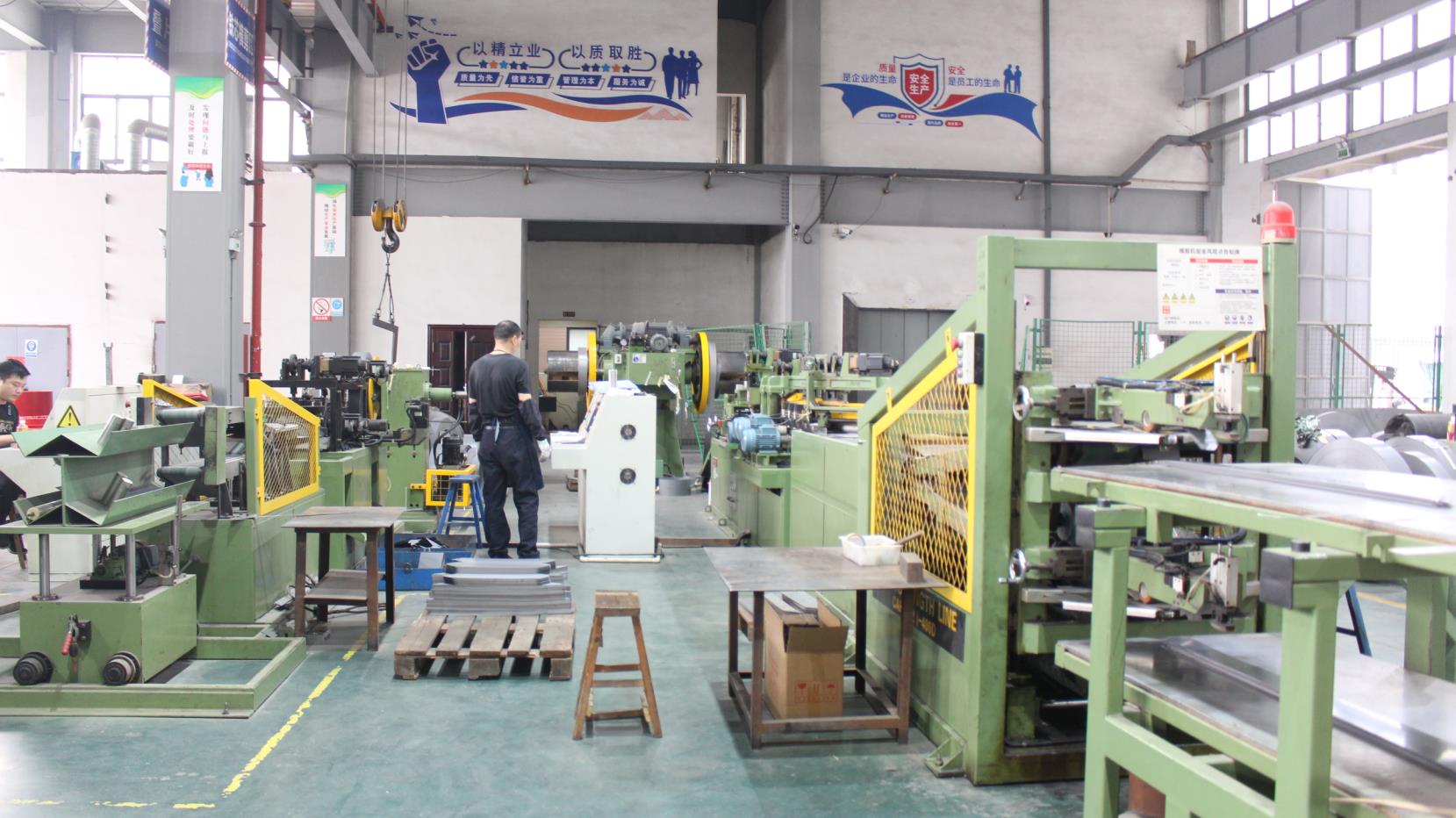
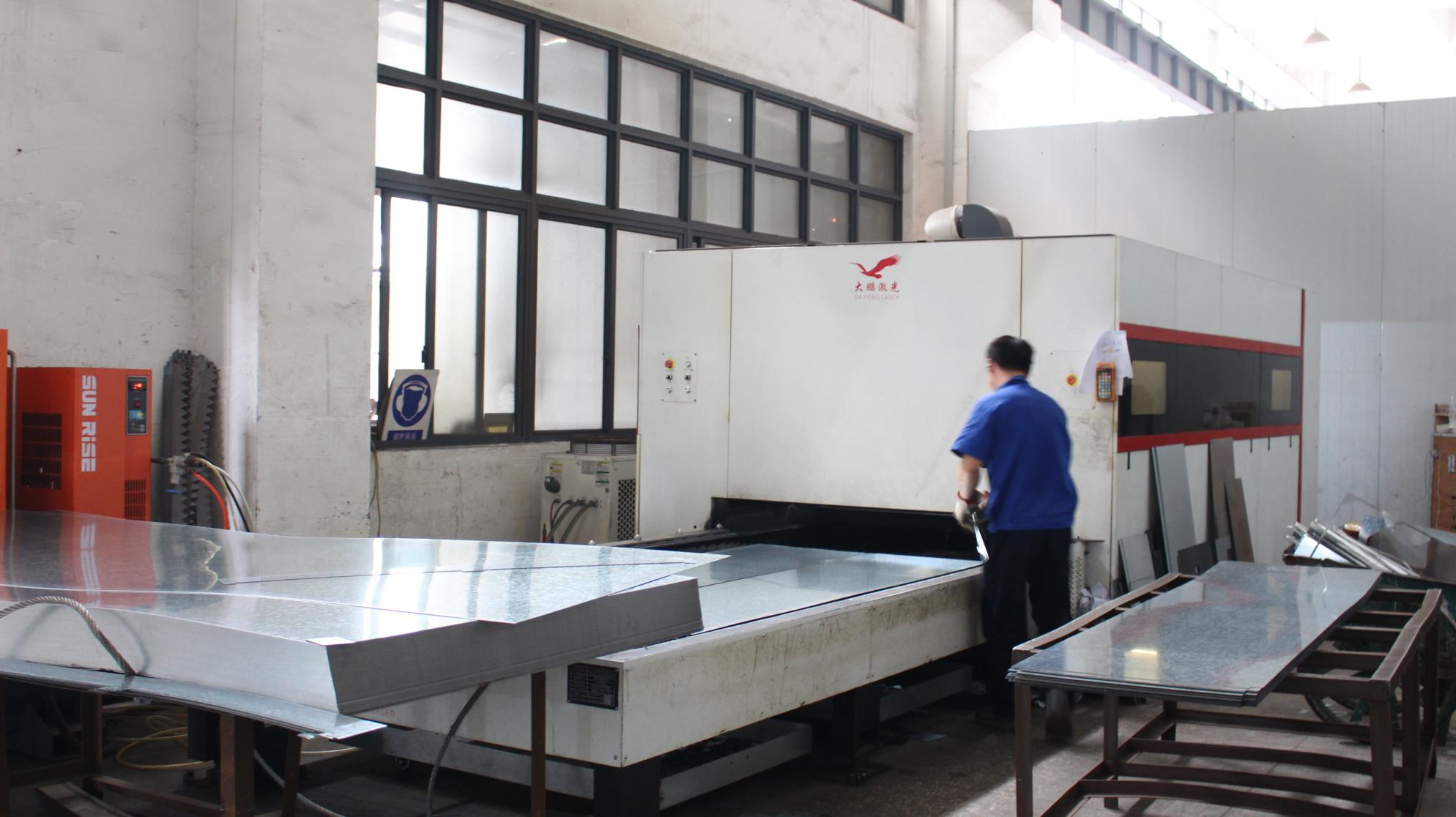
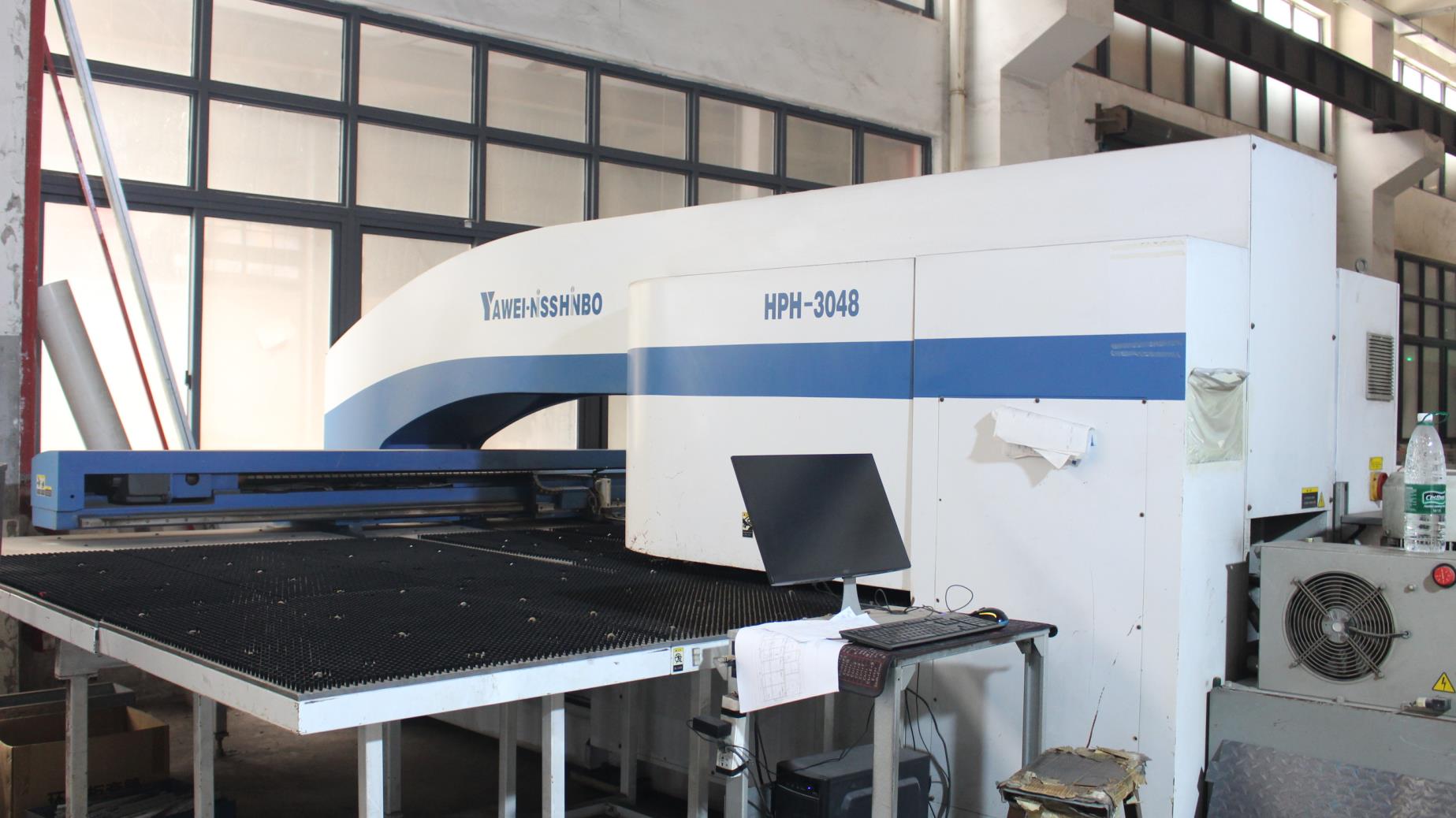
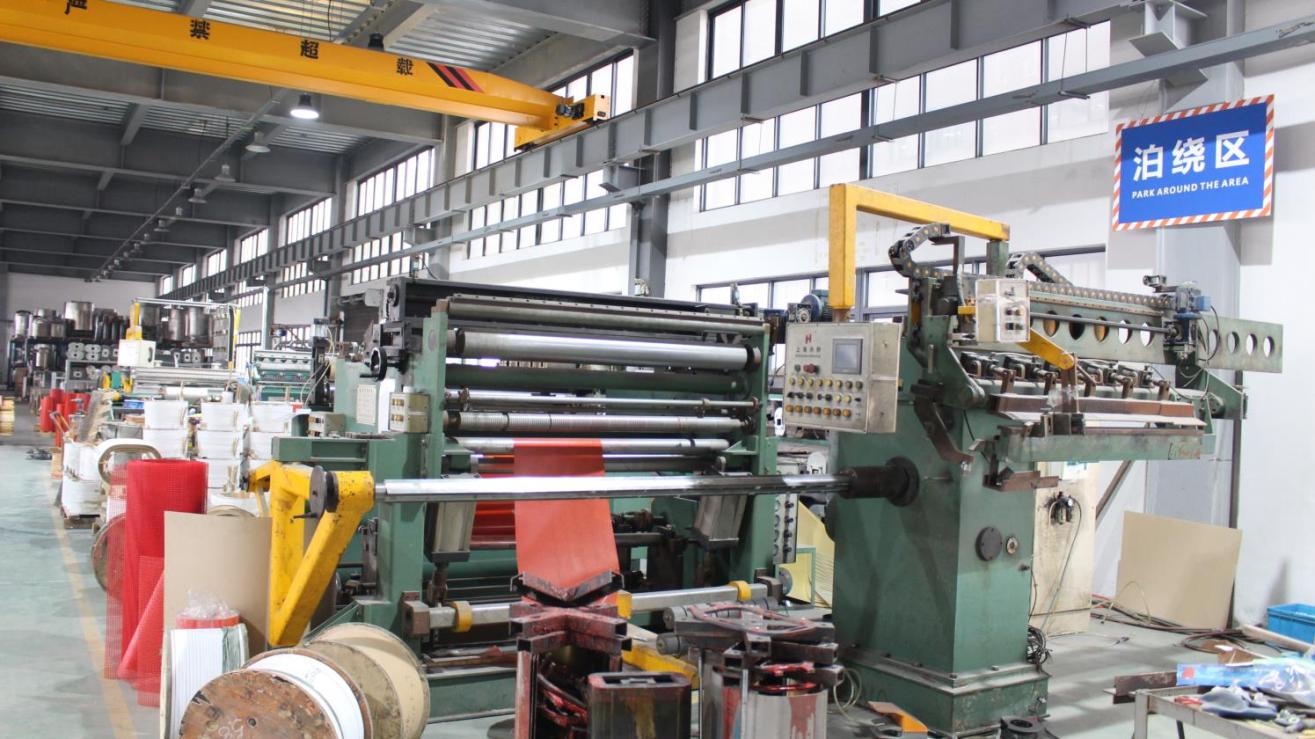
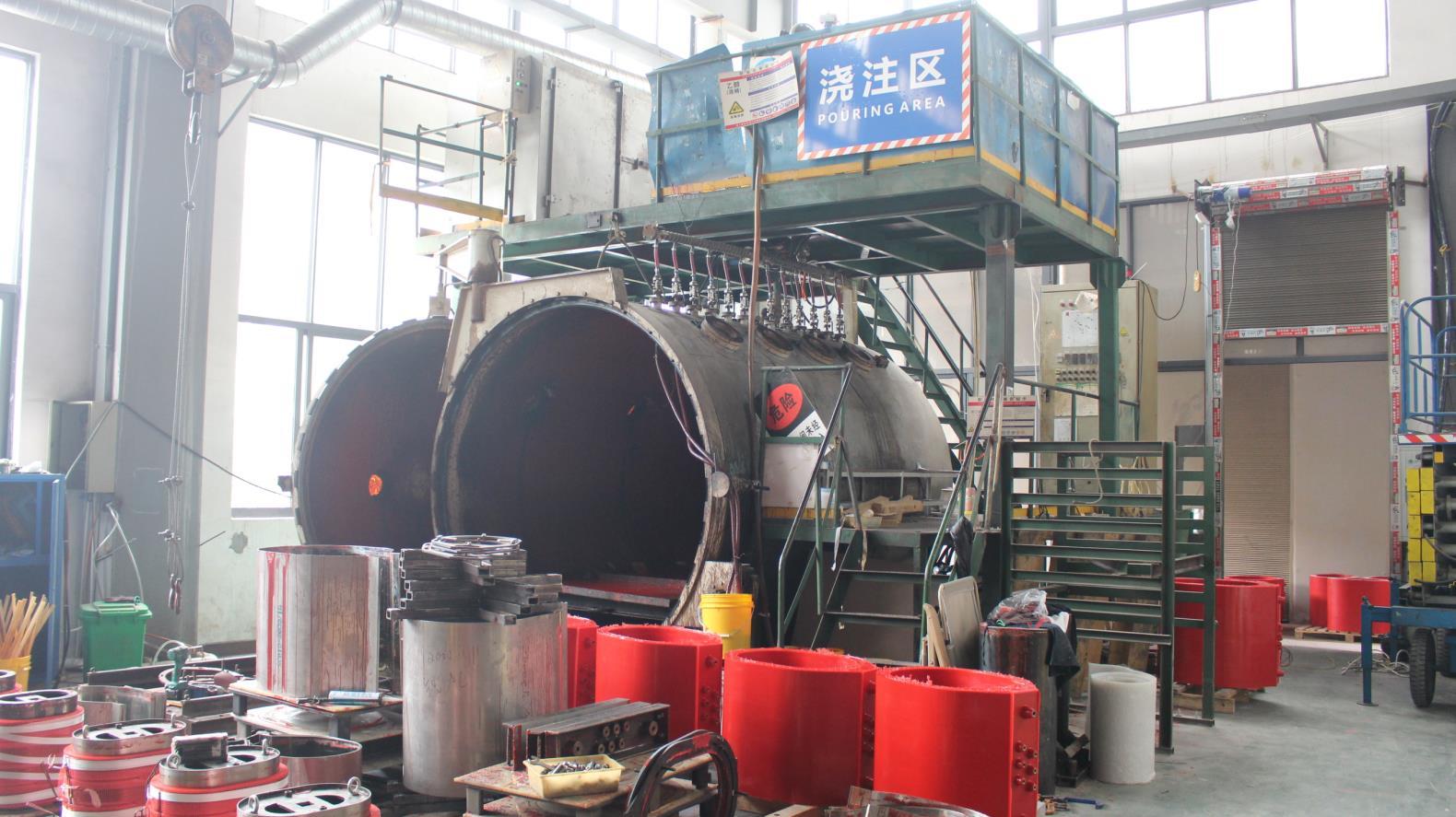
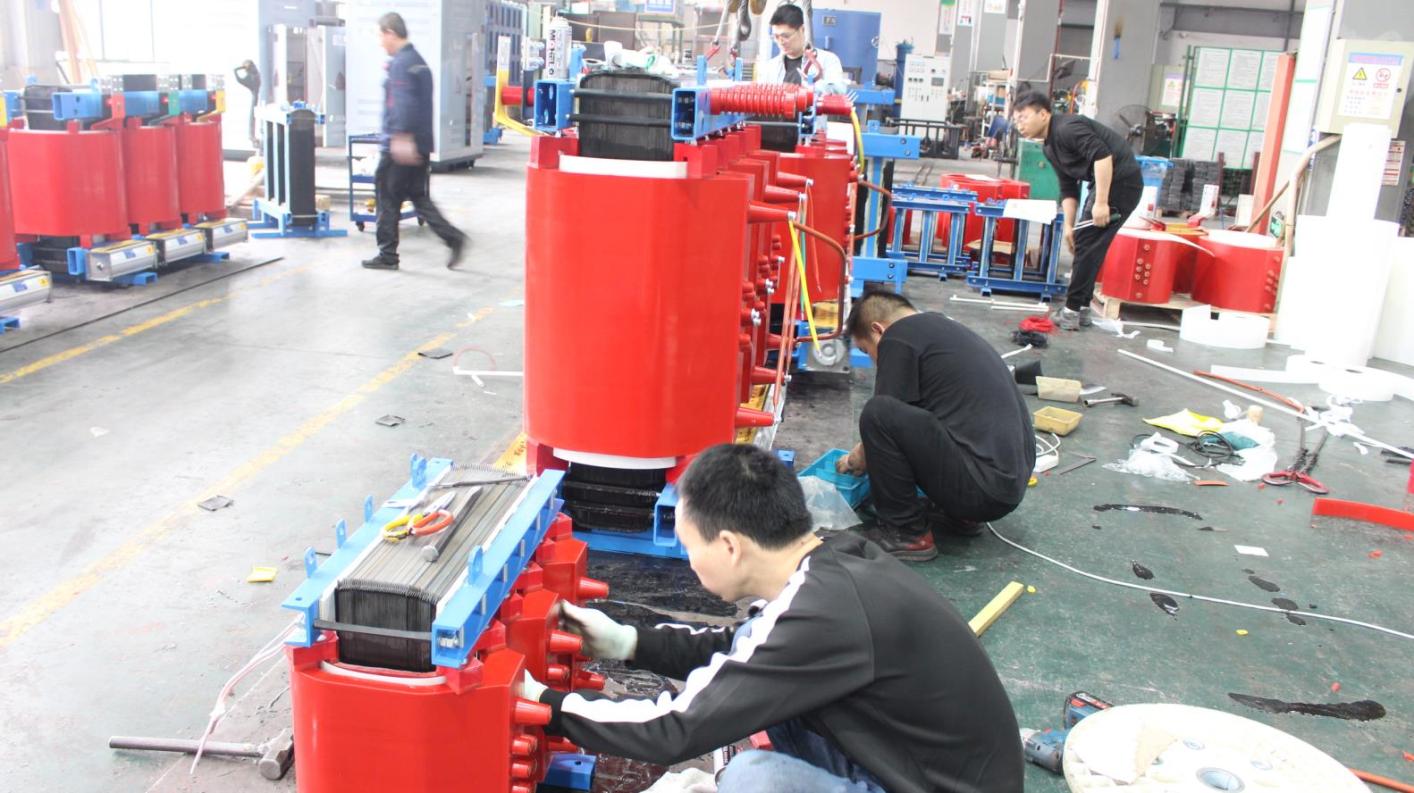
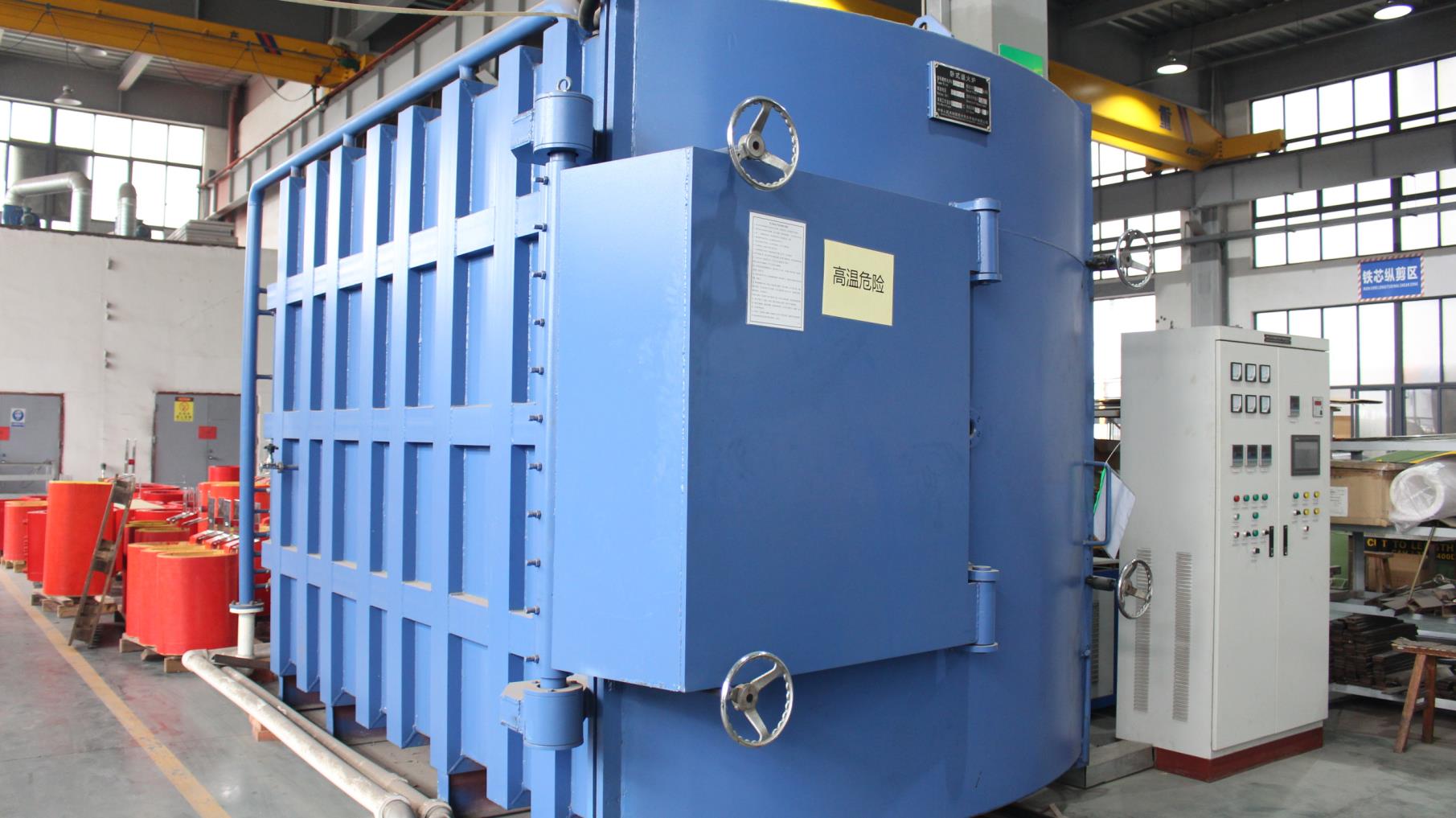
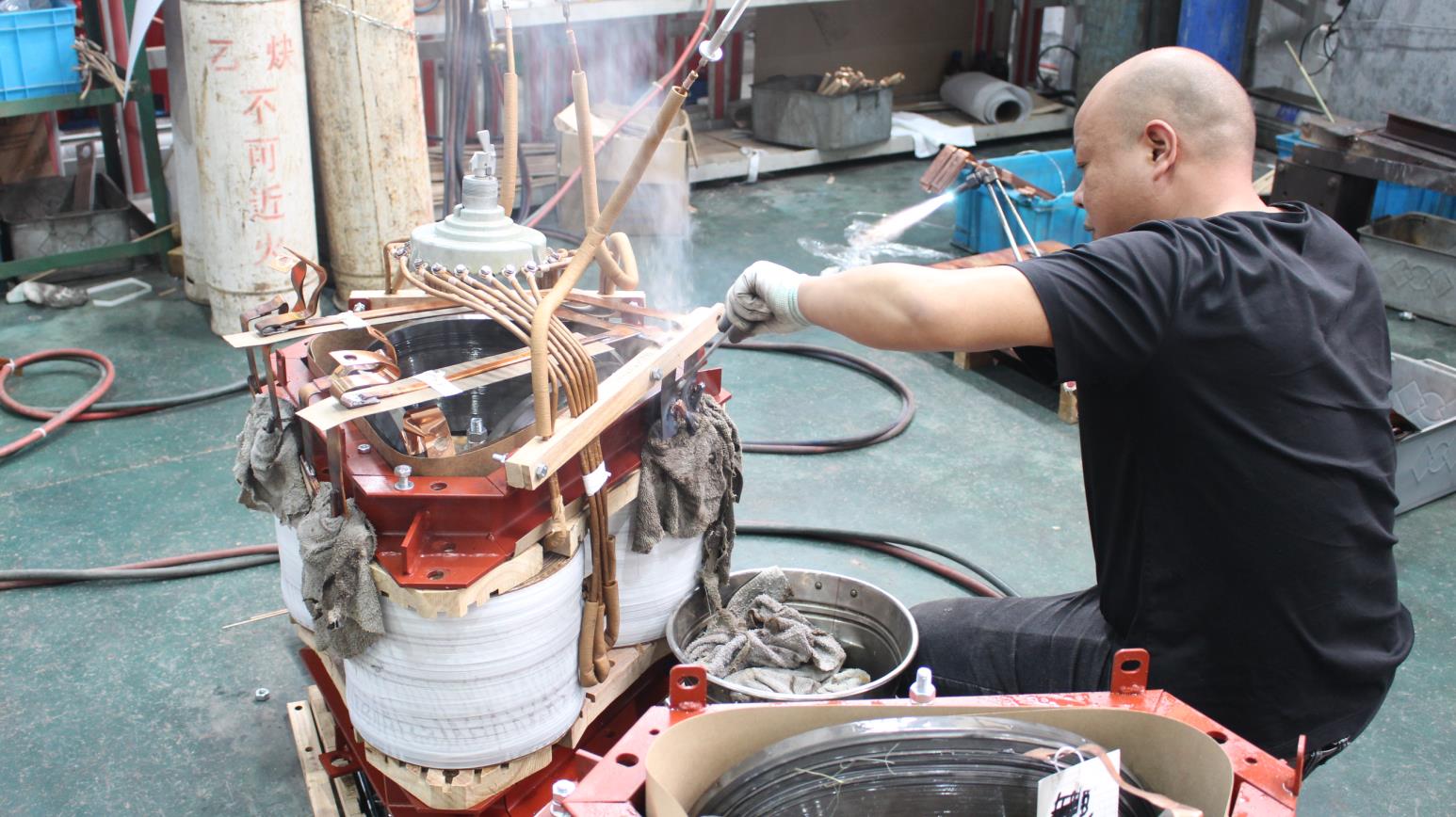
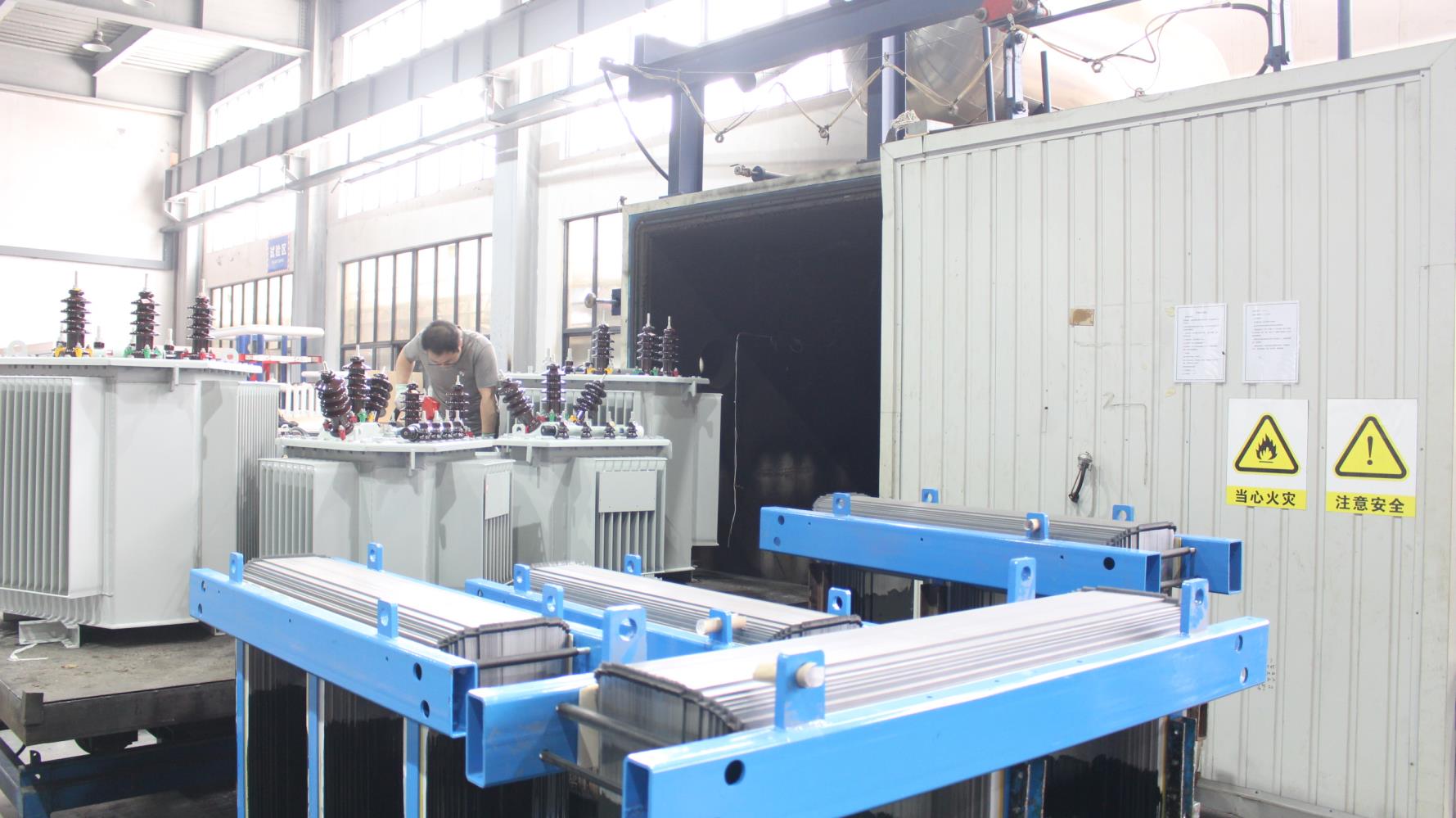
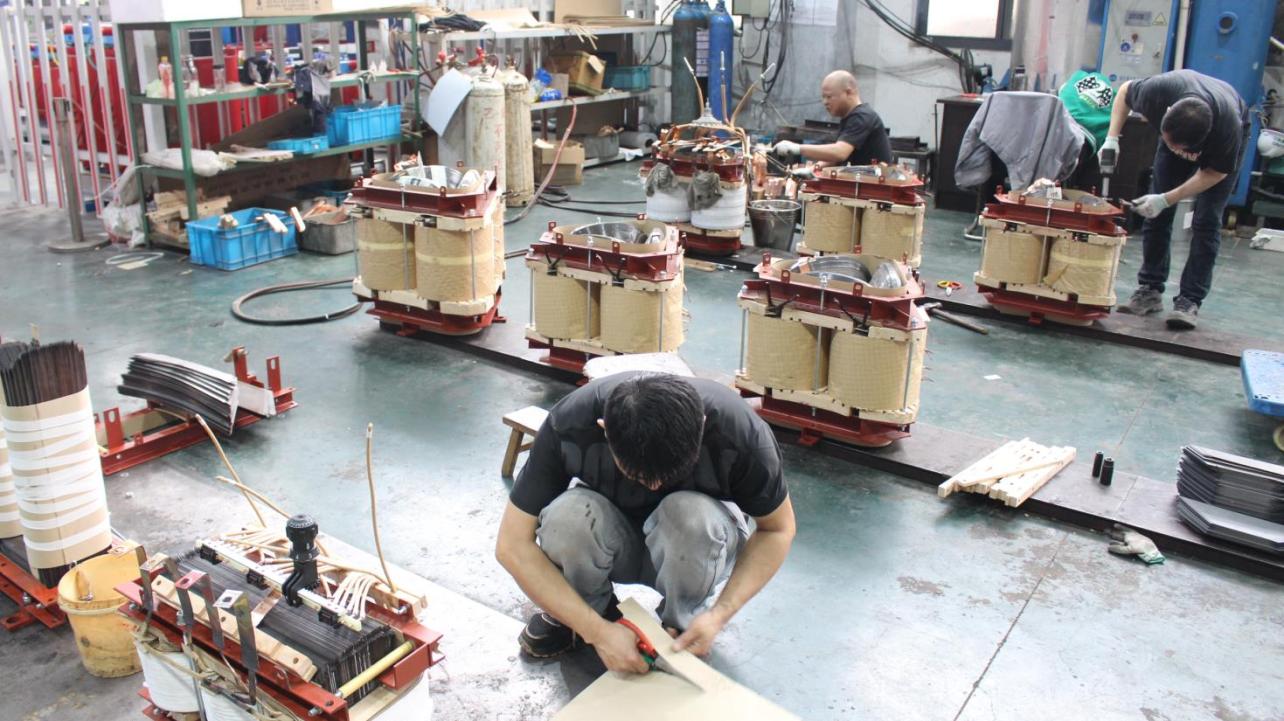
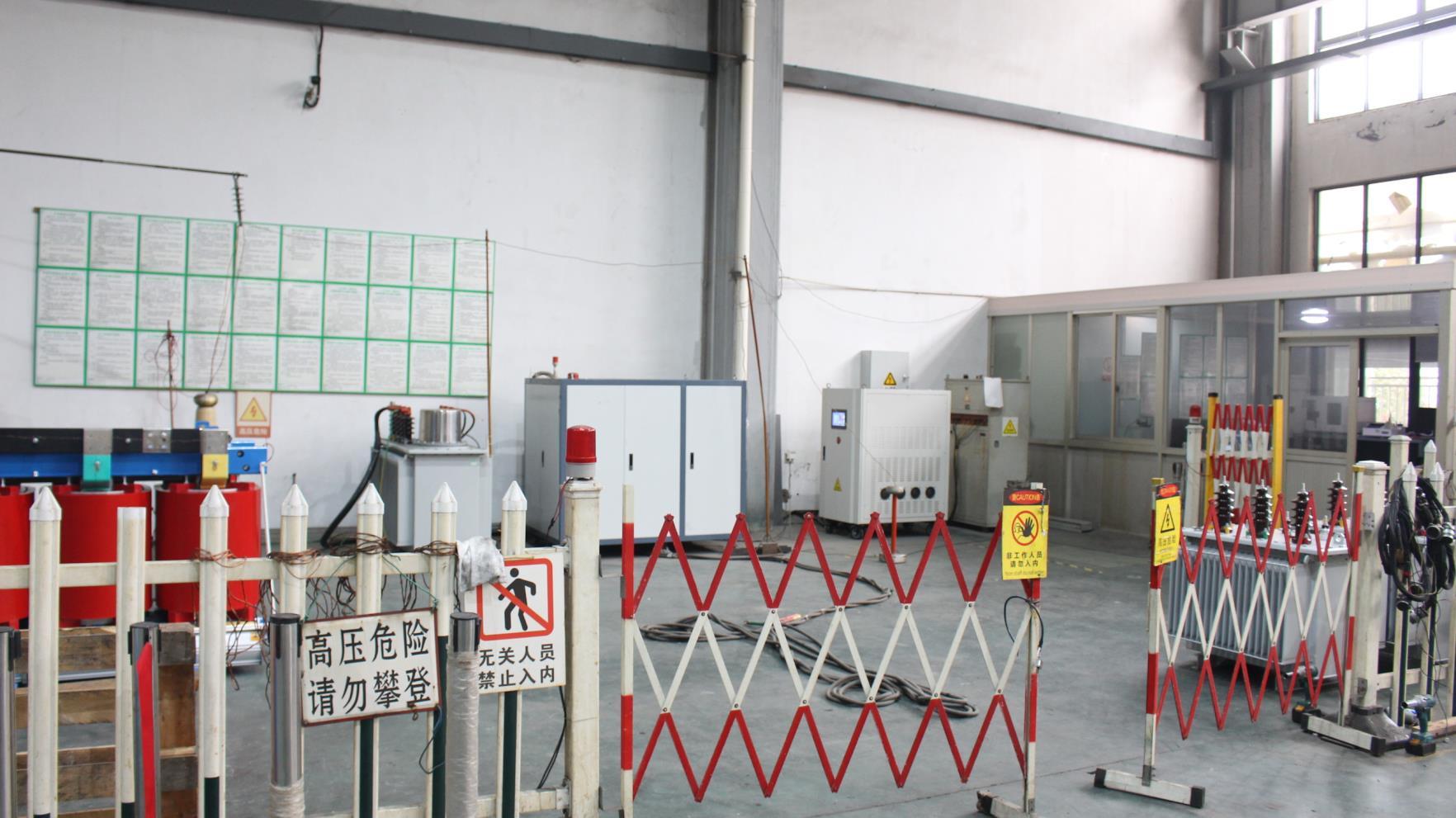
Inside Zeno Electric's State-of-the-Art Systems Integration Services Factory
True E-E-A-T (Experience, Expertise, Authoritativeness, and Trustworthiness) is demonstrated through precision execution at every level of manufacturing. A robust systems integration factory must exercise absolute control over all phases of fabrication. Below, we detail the core processing and assembly workflow employed inside our Ningbo facilities, ensuring that every piece of switchgear, transformer, or containerized energy storage module meets strict tolerances and performance thresholds.
Bridging the gap between power generation source and industrial consumption point.
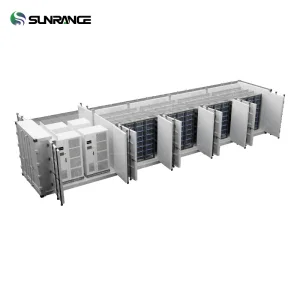
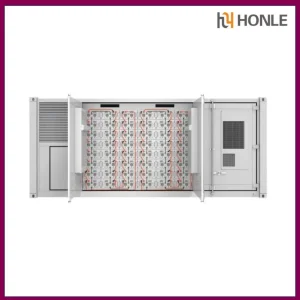
For large-scale manufacturing facilities, electricity rates fluctuate dramatically between peak and off-peak hours. Zeno Electric's systems integration delivers containerized energy storage systems (BESS) up to 2MWh capacity with integrated PCS. This enables factories to charge during low-tariff periods and discharge during peak demand, cutting utility bills and preventing production shutdowns during local voltage dips.
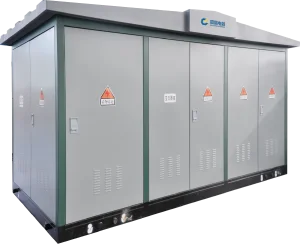
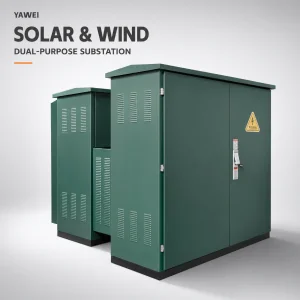
Solar arrays and wind turbines generate fluctuating direct current (DC) or variable frequency alternating current (AC). Prefabricated step-up compact substations housing ZGS-12 step-up transformers efficiently boost these voltages to 10kV, 35kV, or higher. These solutions ensure clean, compliant interconnects back into regional high-voltage transmission networks under extreme ambient weather conditions.
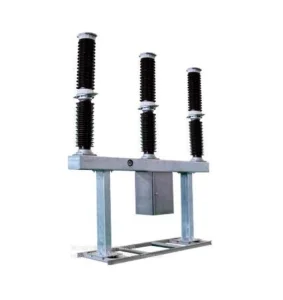
Remote industrial locations, remote mines, and coastal areas depend on resilient local microgrids. Combining KYN28A air-insulated switchgears with high-capacity vacuum circuit breakers creates a highly reliable local ring network. When a local cable fault occurs, the intelligent RMUs automatically isolate the fault within milliseconds, keeping critical machinery online.
How Zeno Electric mitigates risk and ensures operational safety in regional markets.
Navigating global grid interconnection codes is one of the most critical challenges during industrial electrical engineering projects. Every country maintains unique safety policies, earthing requirements, voltage regulations, and mechanical protection classes. Failure to satisfy these regional mandates leads to regulatory delays, high retrofitting costs, and project cancellations.
Zeno Electric bypasses these bottlenecks through customized designs tailored to target installations. Our engineering team incorporates localized design considerations from the outset:
With our unified design model, clients reduce capital investment and simplify power application processes. Here is how we ensure seamless utility sign-off:
As the industry transitions to dynamic smart grids, systems integration is moving beyond traditional hardware setups. Zeno Electric is actively developing next-generation intelligent power systems to improve utility visibility and component lifetimes:
Our intelligent energy management platform integrates real-time battery status, generation outputs, and site load requirements, enabling factories to run as microgrids or aggregate together as virtual power plants (VPP) to support the utility grid.
"Integration is not just joining wires; it's the seamless co-existence of power electronics, software telemetry, and structural safety to guarantee uninterrupted operation."
Additional heavy-duty substation components, safety enclosures, and smart grid components for industrial clients.
Addressing standard engineering inquiries regarding OEM/ODM integration projects and factory compliance.
Every custom system integration project undergoes complete 3D modeling using advanced CAD software to verify mechanical clearance, busbar pathing, and thermal dissipation currents. The design phase is followed by electrical transient modeling to prevent harmonic issues, coordinate insulation ratings, and establish protective relay settings before assembly begins.
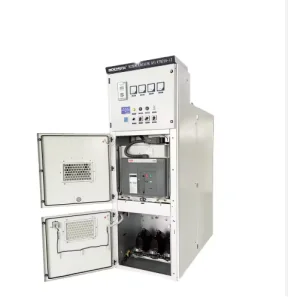
Our factory operates under strict ISO 9001, ISO 14001, and ISO 45001 management frameworks. Individual product configurations—including our KYN28A MV Switchgears and ZGS-12 substations—are fully tested and certified under IEC standards (e.g., IEC 62271-200, IEC 62271-202) and bear CE and China Compulsory Certification (CCC) marks.
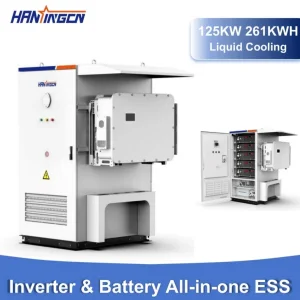
Air-cooled configurations are cost-effective and suitable for mild climates with low charging/discharging rates. In contrast, liquid-cooled setups (like our 261kwh liquid-cooled BESS) route specialized coolant plates directly along the battery modules. This provides superior heat dissipation, keeps temperature variance under 2-3°C, prevents thermal runaway, and extends battery cell lifespans by up to 20% in high-rate C&I applications.
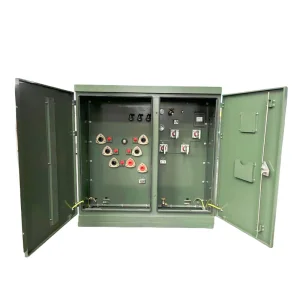
Yes. For North American projects, we tailor the design layout to align with ANSI/IEEE standards and NEC rules. This includes configuring padmounted loop-feed transformer systems, utilizing mineral-oil or organic FR3 fluids with high flashpoints, and integrating American-style protective bayonet fusing configurations.
Depending on project complexity, standard lead times range from 6 to 12 weeks from finalized engineering drawings. The workflow includes drawing approvals, raw metal processing (precision cutting and CNC turret punching), component populating (VCB and switch assemblies), factory testing, and packaging inside seaworthy crates for transport.
 Zeno Electric