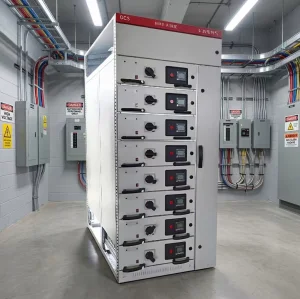
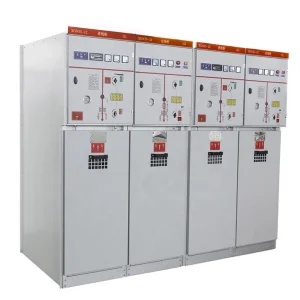
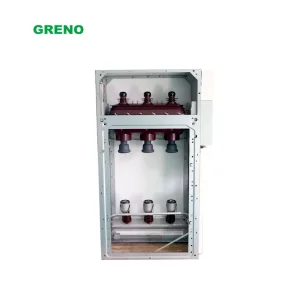
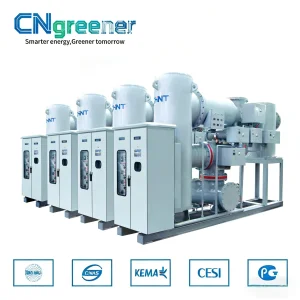
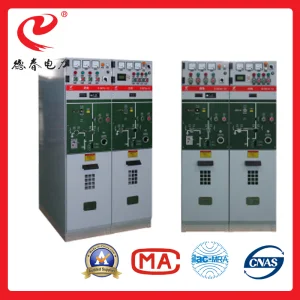
High-efficiency, medium-voltage switchgear engineered to handle the extreme load dynamics of wind generation and remote substation installations.
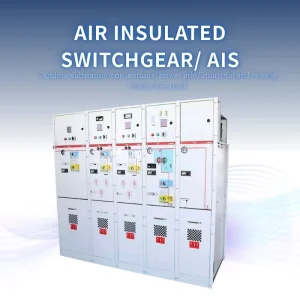
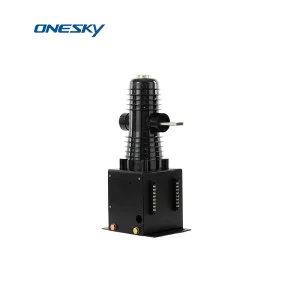
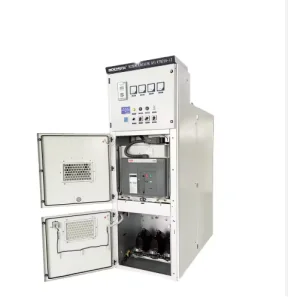
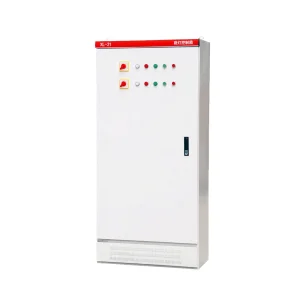
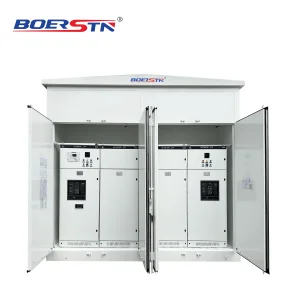

Underpinned by technical excellence, Zhejiang Zeno Electric Co., Ltd. builds critical electrical infrastructure required to convert raw wind kinetic energy into stable, dispatchable utility-grade power.
Zhejiang Zeno Electric Co., Ltd. is a national high-tech enterprise located in Ningbo, with a registered capital of 52 million yuan. The company integrates research and development (R&D), manufacturing, sales, and service of advanced power equipment and energy systems.
Rooted in Ningbo and supported by a strong engineering and technical team, Zeno Electric has steadily expanded its business across China and international markets. Through continuous innovation and quality-driven development, the company has become a trusted provider in the power and energy industry, with growing influence in both utility and industrial sectors. With a focus on sustainable development and smart energy transformation, we are committed to delivering safe, efficient, and intelligent power solutions that support the global transition toward cleaner and more digitalized energy systems.
Zhejiang Zeno Electric Co., Ltd. specializes in power equipment and integrated energy system solutions. Our product portfolio covers a wide range of advanced technologies, including:
In addition, we undertake turnkey power engineering projects up to 220kV, providing end-to-end services that include system planning, engineering design, equipment manufacturing, installation, commissioning, and long-term maintenance. To better serve diverse customer needs, we offer fully customized, one-to-one energy solutions tailored to specific project requirements. Our integrated service model helps clients:
With a strong emphasis on innovation, quality, and service excellence, Zeno Electric is committed to becoming a leading provider of intelligent power and energy solutions, empowering customers with safer, greener, and more efficient electricity usage.
Inside Zeno Electric's smart facility: from core sheet metal processing to automated winding, high-vacuum casting, and comprehensive high-voltage dielectric testing.
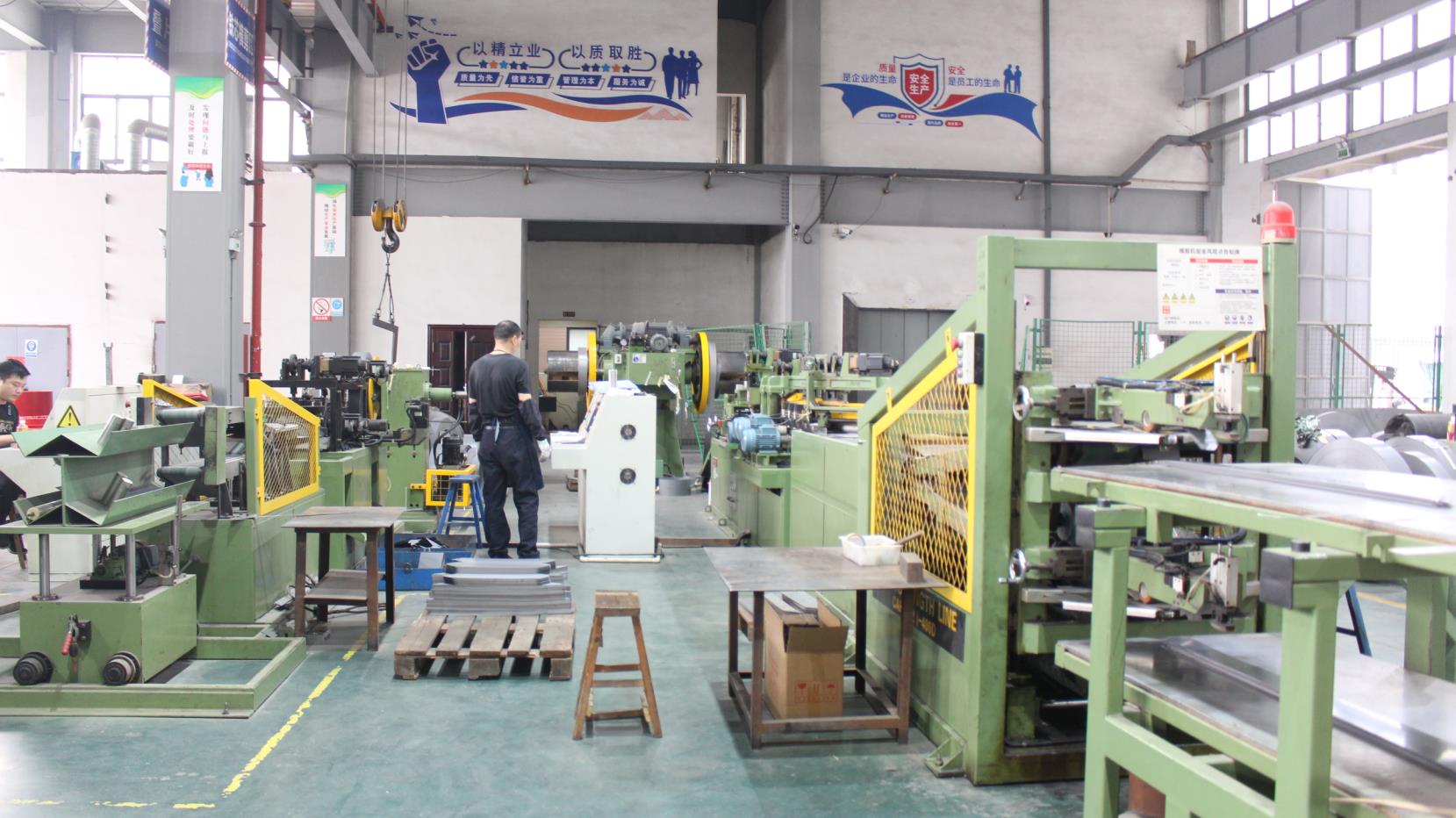
Cutting
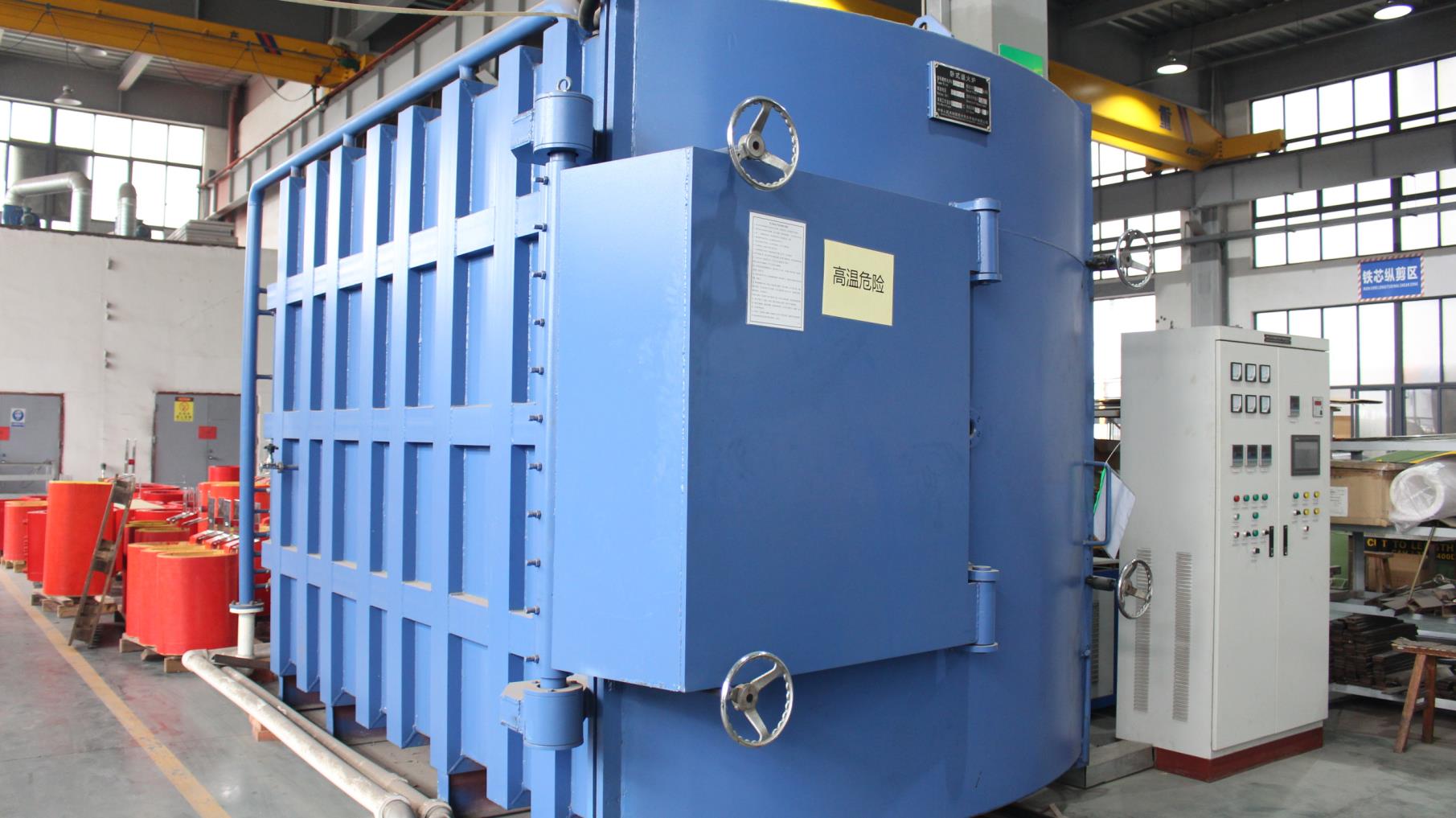
Tempering furnace
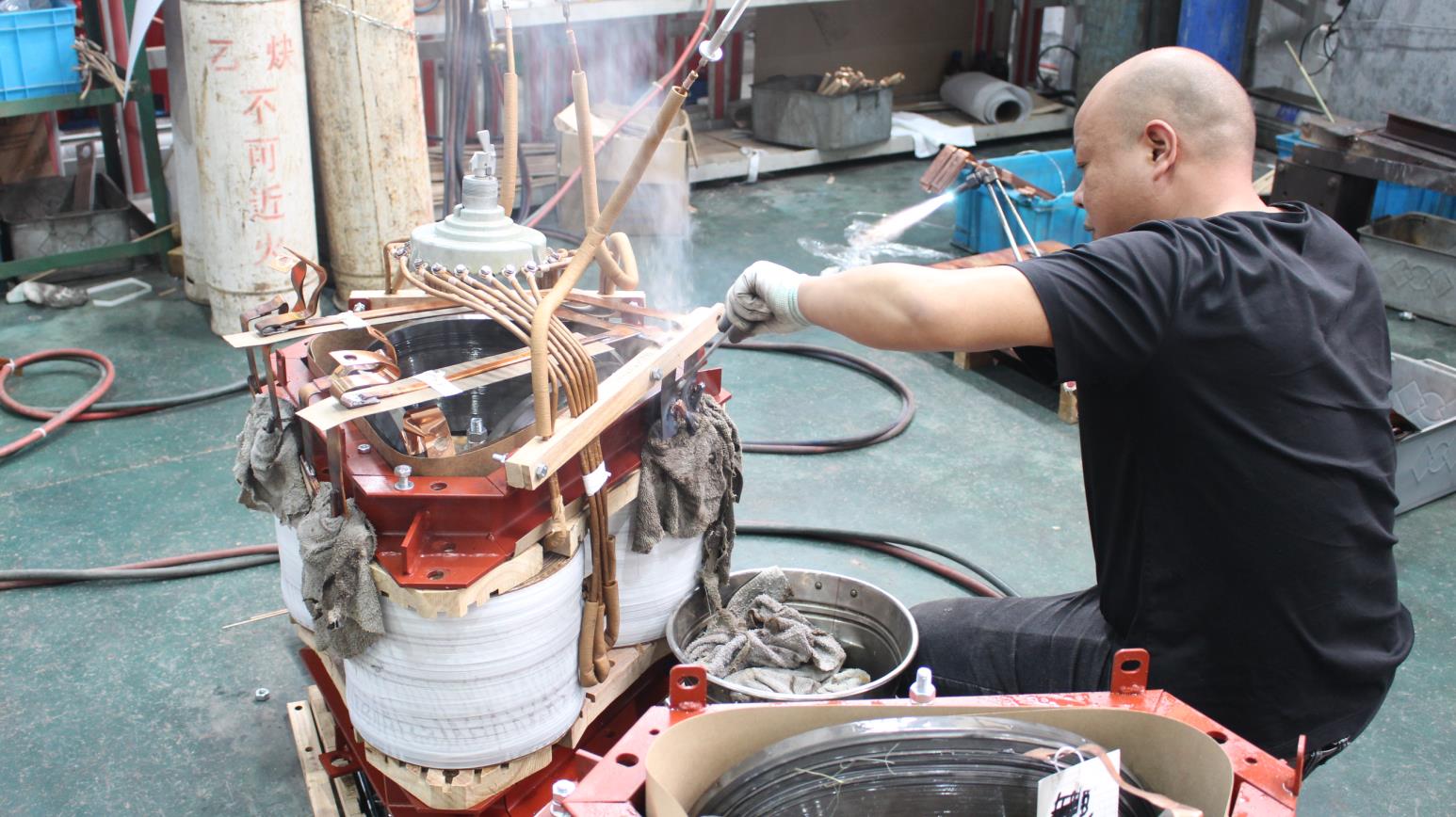
Oil-immersed welding
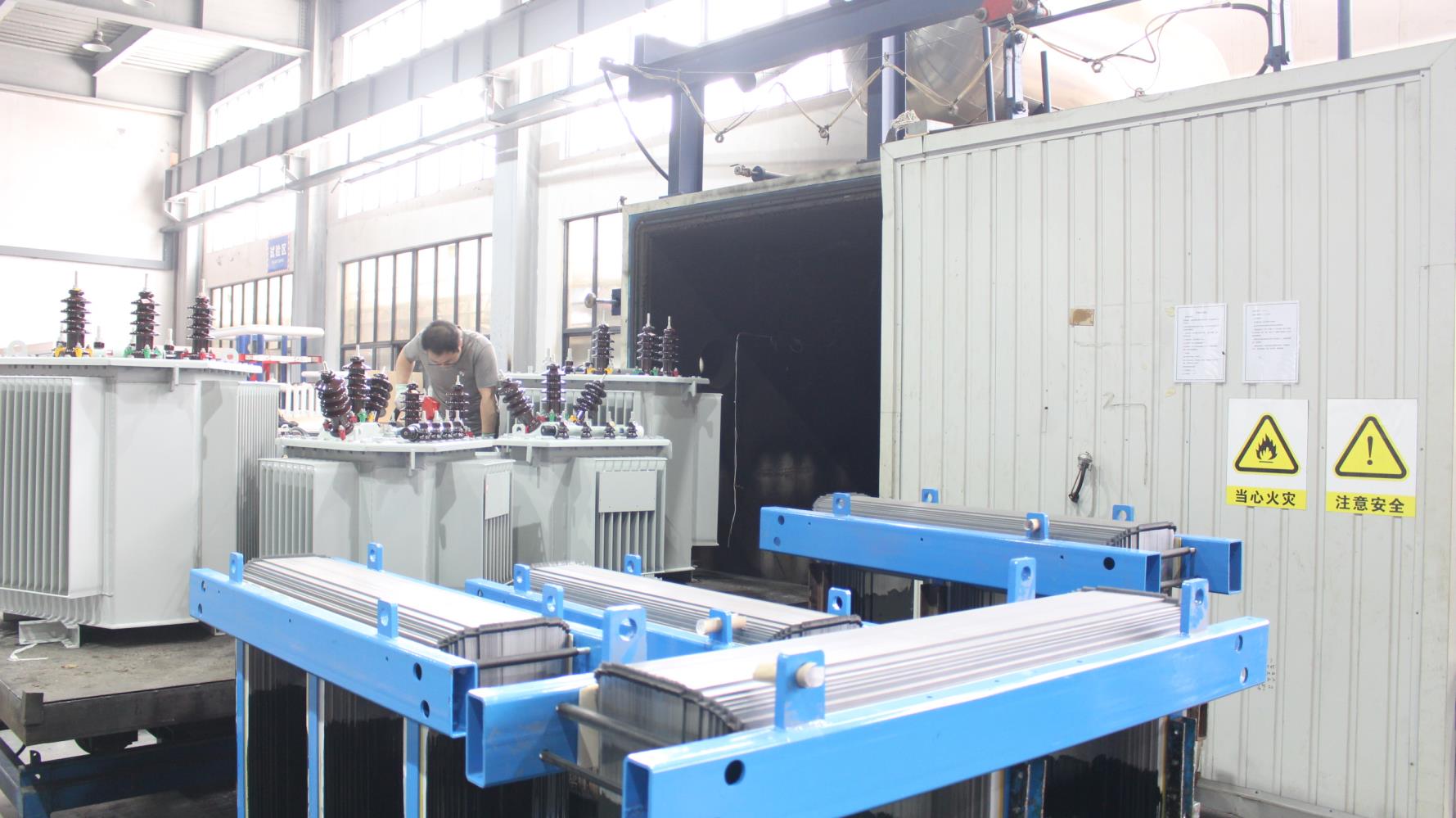
Oil-immersed vacuum pumping
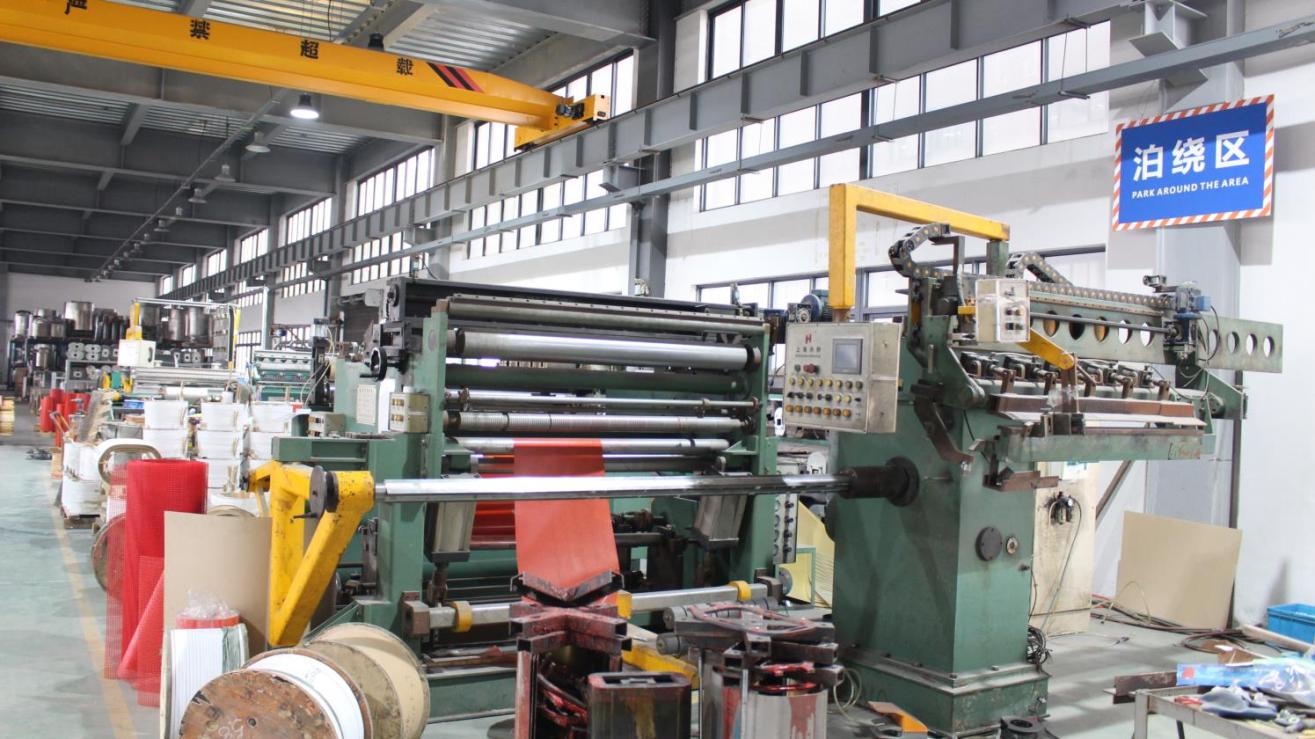
Winding
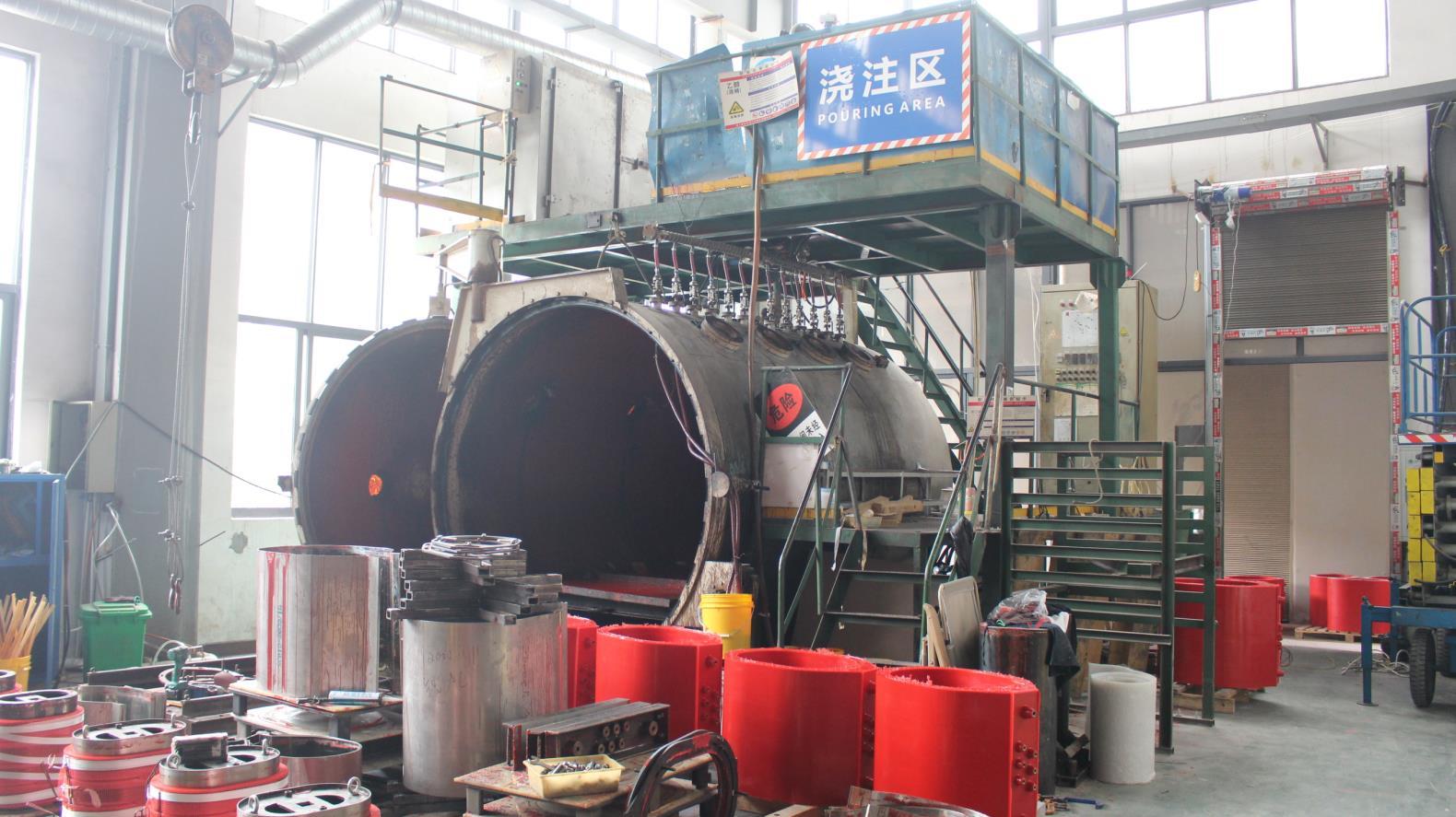
Casting
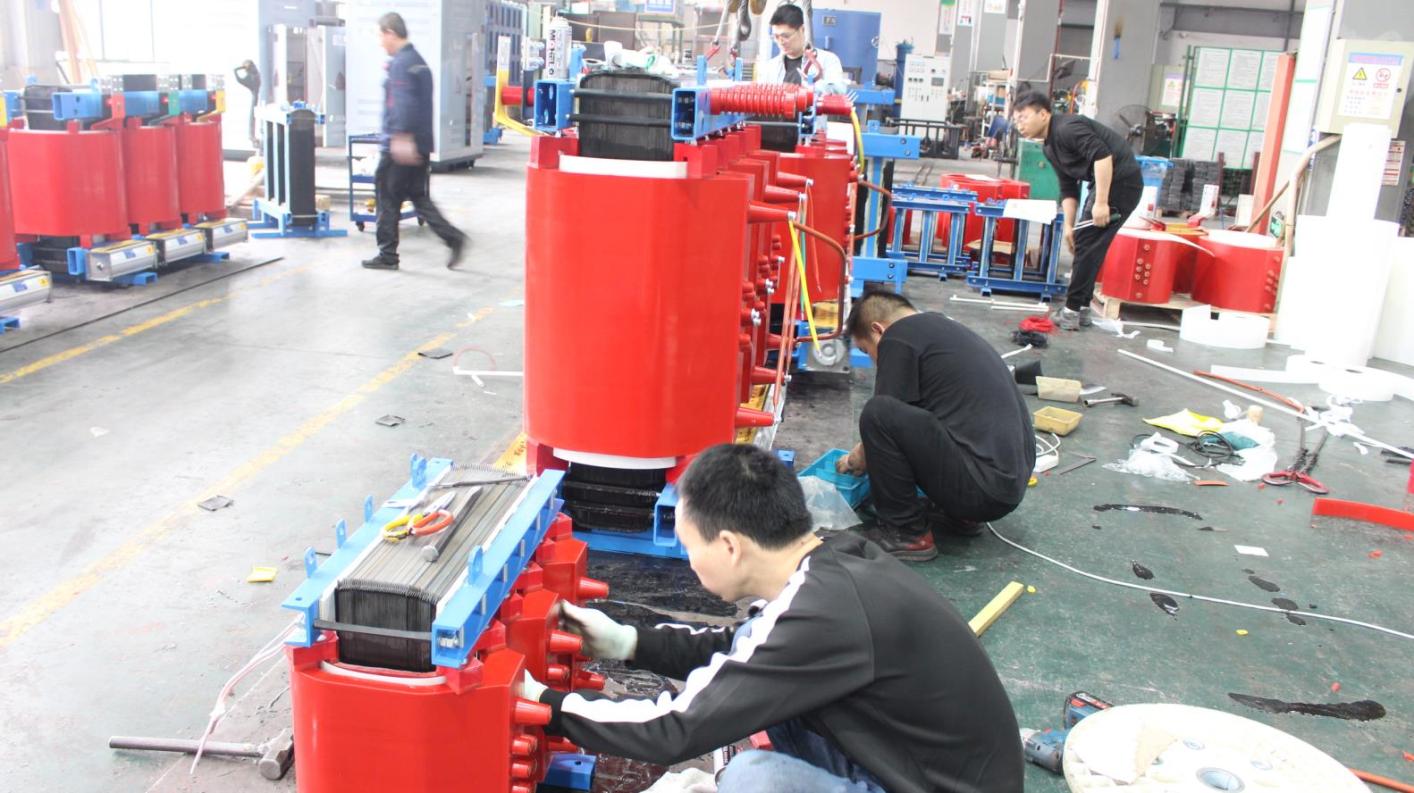
Assembling
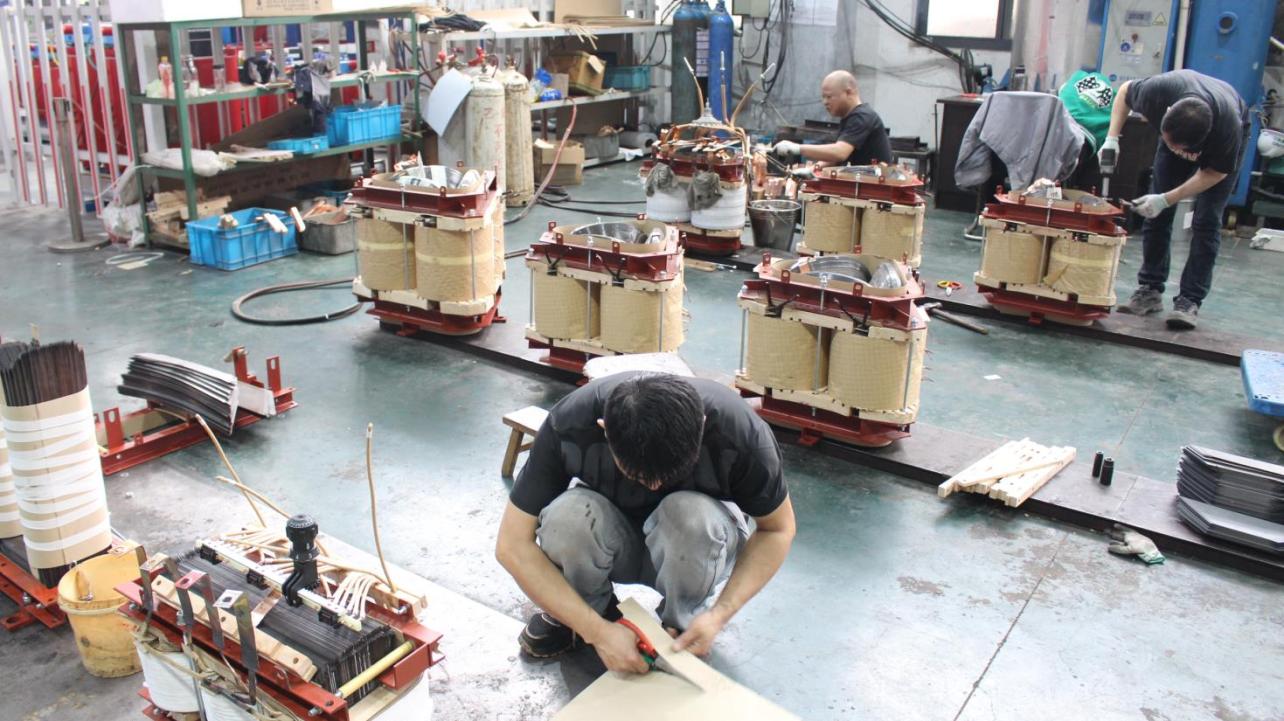
Oil-immersed assembling
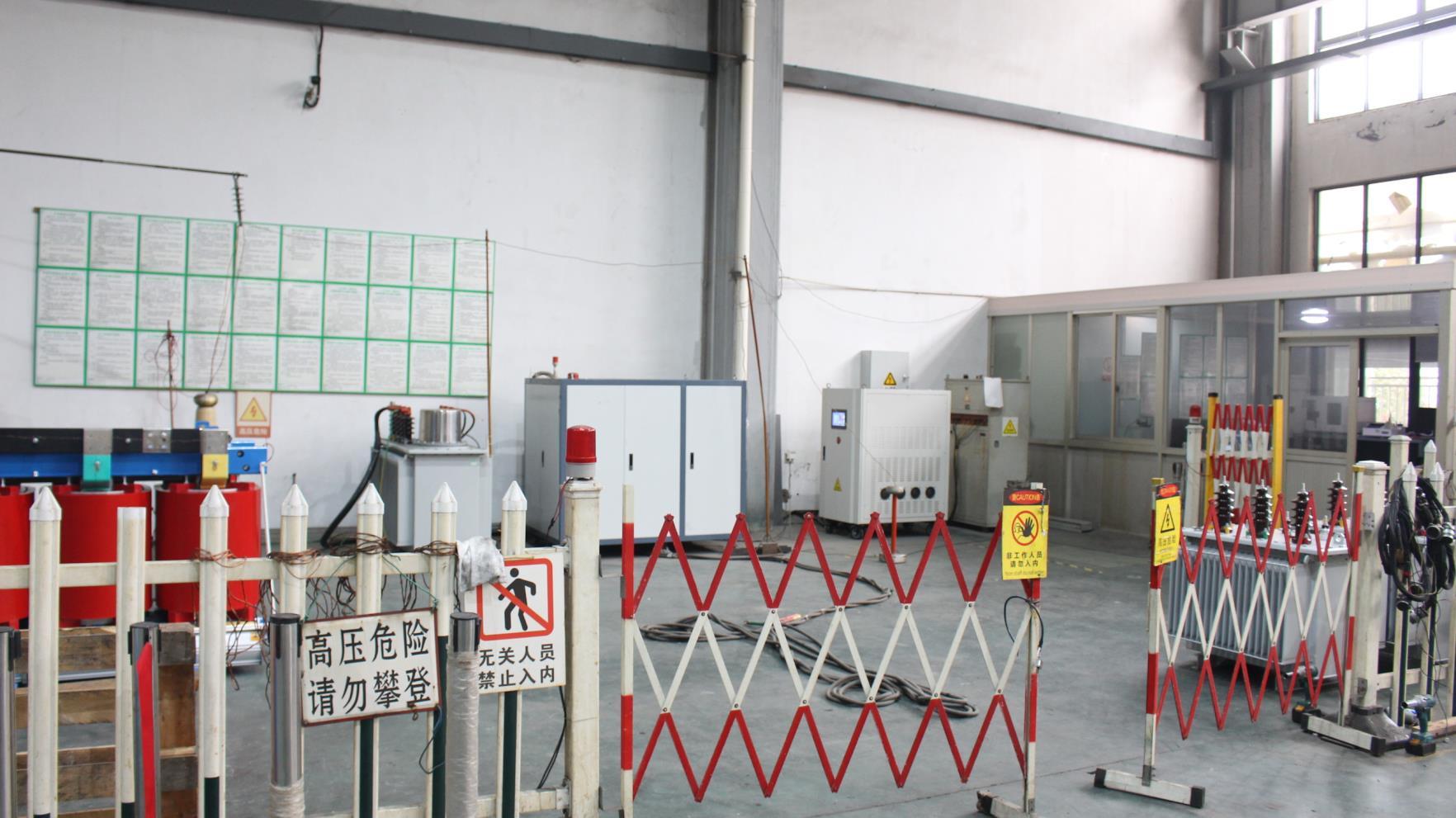
Testing
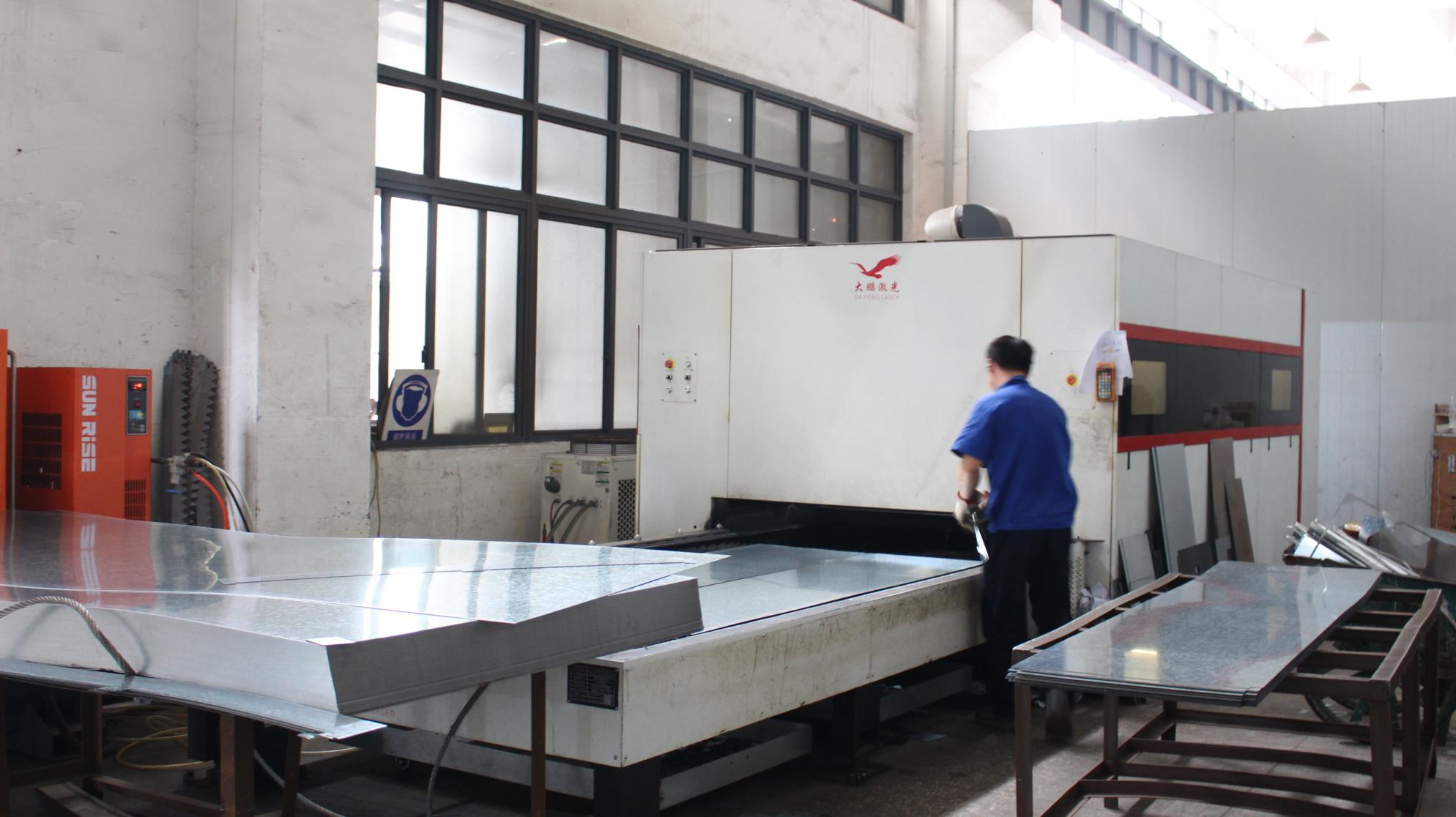
Shearing
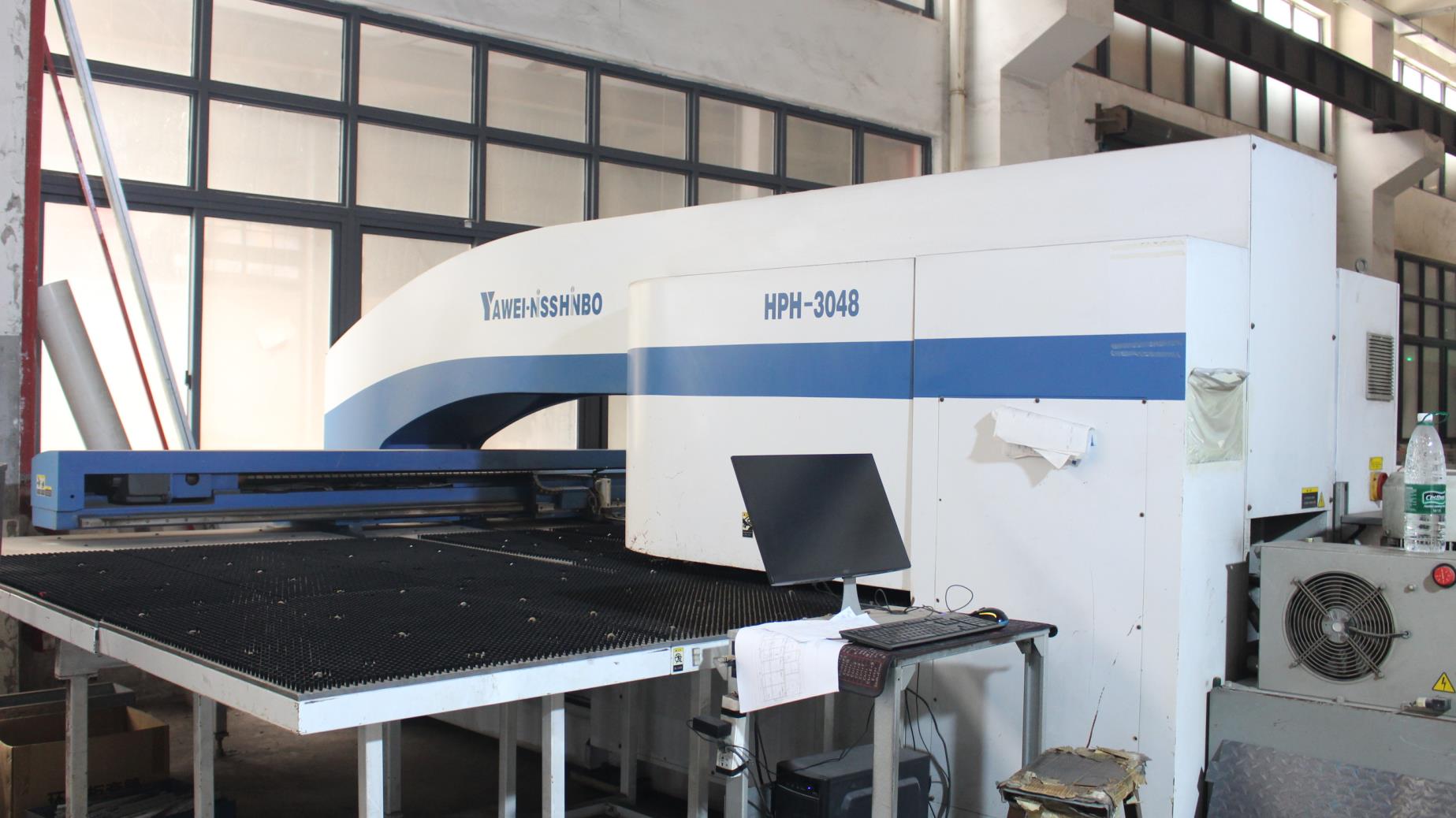
Punching
Aligning switchgear and power conversion architectures with the requirements of higher turbine capacities, offshore environments, and eco-friendly gas alternatives.
As wind turbines grow from 3MW to over 10MW offshore flagships, the voltage level of internal collection networks is shifting rapidly from 12kV and 33kV to 40.5kV and 66kV. Under this roadmap, Zeno Electric is engineering gas-insulated switchgear (GIS) that optimizes footprint constraints within the turbine nacelle or tower base.
Furthermore, in response to global environmental regulations (such as EU F-gas regulations and EPA restrictions), our technology roadmap prioritizes alternative gases (fluoronitrile mixtures, CO2, or technical air) and solid-insulated technologies like the Sidc16-12 Compact Solid Insulated Ring Network Switchgear. This eliminates the global warming potential of SF6 gas while maintaining high dielectric strength and heat dissipation.
Wind farms are frequently deployed in complex topographies—from mountainous ridgelines to deep-sea installations. Repairing failures on-site is expensive and logistically difficult. Zeno Electric integrates IoT sensors directly into our air-insulated switchgear (AIS) and RMUs. These sensors monitor temperature rises at contact points, partial discharges (PD), mechanical operating times of circuit breakers, and gas density.
By processing this telemetry through our Digital Intelligent Energy Management system, wind farm operators can transition from schedule-based maintenance to predictive, condition-based maintenance, minimizing unplanned downtime and protecting high-value generation assets.
Our latest switchgear designs are built to withstand high seismic zones, extreme condensation, salt-mist corrosion in coastal projects, and the high UV radiation of high-altitude desert environments. Utilizing stainless steel laser-welded enclosures and gas containment chambers tested through helium leak detection, Zeno Electric ensures that power distribution units operate safely over a standard 30-year lifecycle without losing dielectric properties.
Managing grid stability challenges caused by the intermittent nature of utility-scale renewable generation through integrated energy storage and smart distribution substations.
Civil works at wind farm sites are often slowed down by weather and remote locations. Zeno Electric's HV MV 35kV Compact Substation (Prefabricated Outdoor Kiosk) addresses this challenge. These pre-engineered substations house the medium-voltage switchgear, power transformer, low-voltage distribution boards, and secondary control systems in a single container.
Every unit is assembled, wired, and tested in our factory. This plug-and-play approach reduces on-site installation time by up to 70%, minimizes the footprint of civil engineering, and protects critical control electronics from the weather.
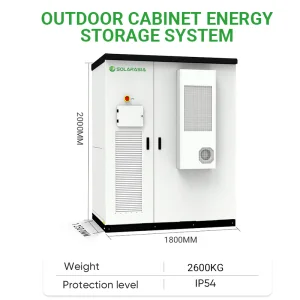
Grid operators are increasingly mandating that wind farms include energy storage to manage peak generation and support grid frequency. Zeno Electric offers containerized solutions like the Solarasia 215kWh Outdoor Energy Storage System and the Fgi C&I Lithium Battery Storage System (261kWh / 125kW).
These systems integrate high-energy-density LFP cells, intelligent liquid cooling/forced-air thermal management, and robust battery management systems (BMS). Connected directly to our 10kV or 35kV switchgear, these BESS units smooth out wind power fluctuations, store excess energy during high winds, and feed power back into the grid during peak demand.
For industrial plants, commercial parks, and remote island microgrids, Zeno Electric provides customized, integrated control systems. Our EMS dynamically coordinates wind turbines, solar panels, diesel generators, battery storage, and local loads. Using real-time calculation algorithms, the system optimizes power quality, manages active and reactive power flow at the coupling point, and ensures reliable operation in grid-tied or islanded modes.
Key technical criteria, testing protocols, and logistics considerations when sourcing medium and high-voltage grid equipment from China.
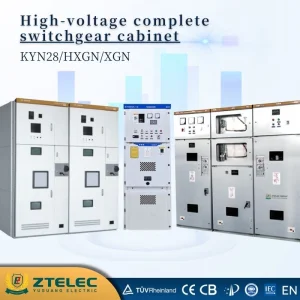
For international EPC contractors and utilities, type test reports from accredited laboratories (such as KEMA, ASTA, or CEPRI) are essential to verify equipment safety and performance. Zeno Electric's switchgear series—including the KYN28A-12 and the 22kV Air Insulated Switchgear—have passed thorough type tests.
These tests verify lightning impulse withstand voltage, short-time withstand current (STW), internal arc classification (IAC) safety, and mechanical endurance (M2 class). This documentation ensures compliance with international standards and simplifies local grid approval processes.
While the initial purchase price (CAPEX) is important, the Total Cost of Ownership over a 30-year lifecycle is a critical metric for utilities. Factors like maintenance frequency, gas leak risks, thermal losses, and component replacement costs directly impact OPEX.
Zeno Electric uses high-conductivity copper busbars, low-loss vacuum interrupters, and corrosion-resistant enclosures to minimize heat losses and prevent premature degradation. This reduces maintenance intervals and delivers long-term savings for project operators.
To ensure equipment arrives ready for installation, Zeno Electric offers virtual and physical Factory Acceptance Testing (FAT) options. Customers can witness routine test procedures, including power-frequency voltage tests on the main circuit, auxiliary circuit resistance checks, and mechanical operating tests.
For international transit, all units are prepared with heavy-duty moisture-proof barriers, desiccant packs, and structural crates to protect sensitive relays and switchgear components from ocean humidity and physical impact.
Meeting regional grid codes and compliance requirements to ensure smooth integration into diverse utility networks.
Each country's grid operator enforces specific requirements for active voltage regulation, fault ride-through (FRT) capabilities, and harmonic limits. Zeno Electric collaborates with local engineering firms to adapt control systems, protection relays, and communications interfaces (such as DNP3, IEC 60870-5-104, and Modbus TCP) to match regional standards.
Our manufacturing processes comply with the ISO 9001:2015 Quality Management System, ISO 14001:2015 Environmental Management System, and ISO 45001:2018 Occupational Health and Safety Management System. Additionally, our equipment holds CE, CCC, and relevant regional certifications, ensuring compliance with local environmental and safety regulations.
Answers to key technical questions about switchgear design, grid compliance, and wind power integration.
AIS uses ambient air as the primary insulating medium between phases, resulting in a larger physical footprint but lower initial capital cost. GIS houses all high-voltage components inside a sealed stainless steel container filled with SF6 or alternative insulating gas, significantly reducing the equipment size and protecting it from dust, salt, and humidity. GIS is ideal for space-constrained turbine towers and harsh coastal environments, while AIS is often preferred for spacious land-based outdoor substations.
We offer eco-friendly, solid-insulated switchgear (SIS) and gas-insulated switchgear that uses alternative gases such as dry air, nitrogen, or carbon dioxide. Our solid-insulated options encapsulate the main high-voltage vacuum interrupters and busbars in epoxy resin, eliminating SF6 gas entirely and reducing greenhouse gas emissions.
All products are designed, manufactured, and tested in accordance with international standards, including the IEC 62271 series (for high-voltage switchgear and controlgear), IEC 62271-202 (for prefabricated substations), and IEEE C37 series. Type tests are performed at certified third-party testing facilities, and every unit undergoes routine factory acceptance testing before shipping.
Yes. We offer fully customized designs to meet specific project needs, including custom layout options, specialized instrument transformer ratios, custom protection relay models (such as SEL, ABB, or Siemens), and specific busbar dimensions to match existing equipment.
Our BESS units (such as the Solarasia 215kWh and FGI 261kWh systems) connect to the wind farm's collector bus through bidirectional power conversion systems (PCS) and matching step-up transformers. The system's Energy Management System (EMS) coordinates with the main wind farm controller to manage active and reactive power flow, support grid stability, and optimize dispatch schedules.
Standard lead times range from 8 to 12 weeks from technical drawing approval, depending on the complexity of the order and component availability. Custom projects or units requiring specific third-party components may require additional time, which is detailed during the initial engineering phase.
High-performance gas-insulated switchgear (GIS) and smart lithium-battery storage units designed for stable grid connection and efficient energy management.
 Zeno Electric