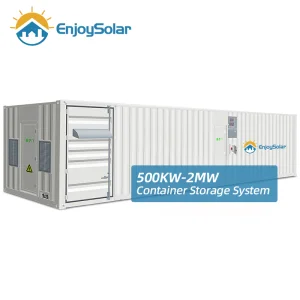
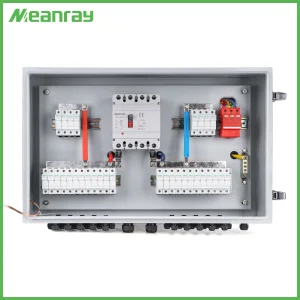
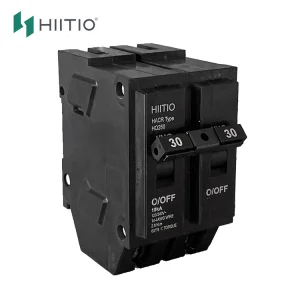
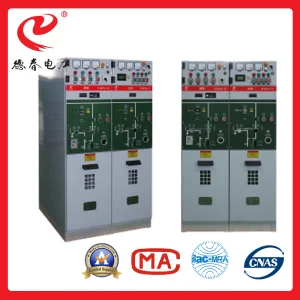
Explore our world-class line of integration units, energy storage containers, and electrical protection systems designed for modern power stability.
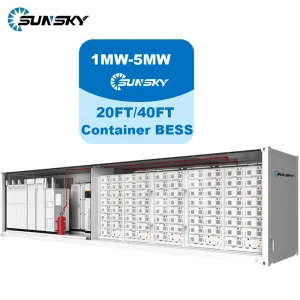
An authoritative exploration of dynamic grid balancing, renewable energy penetration, and systemic resilience in modern power distribution.
In the contemporary era of global power infrastructure development, the traditional model of centralized electricity generation is undergoing a profound structural evolution. Rapid industrialization, combined with the pressing urgency of decarbonization and the global transition to renewable sources, has exposed structural fragilities within conventional transmission networks. Today's commercial, industrial, and utility networks must manage high volatility, bidirectionality of power flows, and grid congestion issues.
Decentralized Energy Solutions (DES) represent the definitive technological answer. By locating generation and storage mechanisms close to the point of consumption, DES eliminates long-distance transmission losses, mitigates grid bottlenecks, and optimizes systemic load profiles. Across the European Union, North America, and the rapidly growing manufacturing hubs of the Asia-Pacific region, decentralization is no longer just a sustainability target; it is a vital prerequisite for operational continuity and electrical cost optimization.
“Decentralized infrastructure is the cornerstone of modern grid security. Transitioning from centralized megawatt assets to distributed, modular energy assets allows commercial operators to buffer grid fluctuations, capture micro-generation values, and secure uninterrupted operations.” — Industry Analysis, 2026
Extreme weather events, combined with aging electrical infrastructure, have led to increased frequencies of voltage sags, harmonics, and grid-wide blackouts. By integrating local high-voltage and low-voltage complete power distribution equipment with dynamic energy storage, industrial facilities can detach from utility grids during fault events, maintaining operation via local microgrids.
Solar photovoltaic arrays and wind turbines produce variable, climate-dependent power. High-capacity step-up transformers and containerized battery energy storage systems (BESS) stabilize this power, providing uniform current and voltage profiles that are compatible with both internal operations and grid-interconnection codes (e.g., IEEE 1547 and EN 50549).
Empowering industries worldwide with high-tech manufacturing, robust capital integration, and verified engineering achievements.
A premier national high-tech enterprise integrating design, manufacturing, sales, and service of advanced power systems.
Zhejiang Zeno Electric Co., Ltd. is a national high-tech enterprise located in Ningbo, with a registered capital of 52 million yuan. The company integrates research and development (R&D), manufacturing, sales, and service of advanced power equipment and energy systems. Rooted in Ningbo and supported by a strong engineering and technical team, Zeno Electric has steadily expanded its business across China and international markets. Through continuous innovation and quality-driven development, the company has become a trusted provider in the power and energy industry, with growing influence in both utility and industrial sectors. With a focus on sustainable development and smart energy transformation, we are committed to delivering safe, efficient, and intelligent power solutions that support the global transition toward cleaner and more digitalized energy systems.
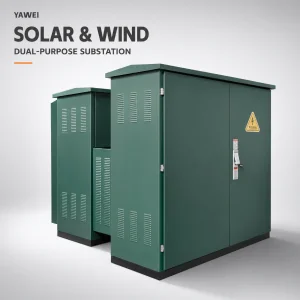
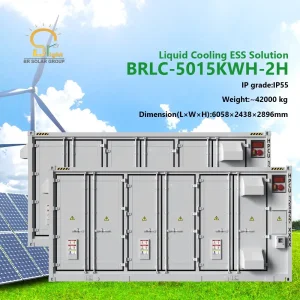
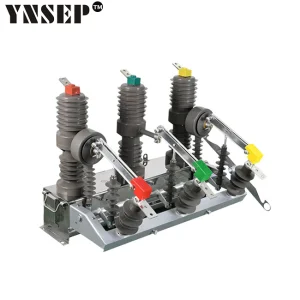
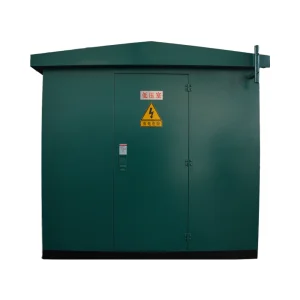
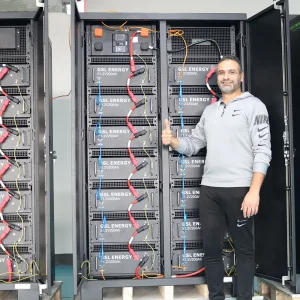
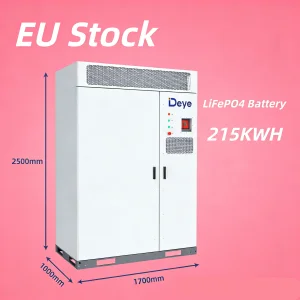
Our comprehensive solutions encompass the entire lifecycle of decentralized energy delivery, specializing in power equipment and integrated energy system solutions. Our product portfolio covers a wide range of advanced technologies, including:
In addition, we regularly undertake complex, turnkey power engineering projects up to 220kV, providing end-to-end services that include system planning, engineering design, equipment manufacturing, installation, commissioning, and long-term preventative maintenance. To support diverse customer needs, we offer fully customized, one-to-one energy solutions tailored to specific project requirements, ensuring that each solution integrates flawlessly with local conditions.
How Zeno Electric helps industrial clients simplify, reduce, and optimize electrical operations worldwide.
By engineering pre-configured, factory-tested containerized substations and ESS units, Zeno Electric simplifies municipal, national, and utility approval processes. Projects can be installed and energized up to 45% faster than conventional site-built power facilities.
Our prefabricated systems reduce high-cost, on-site labor and eliminate construction delays. The integrated EMS system reduces overall operational expenditure (OpEx) through continuous power factor correction, peak shaving, and active load profiling.
Integrated telemetry allows monitoring of voltage curves, thermal status, battery degradation rates, and harmonic distortions remotely. Cloud-based analysis facilitates preventative diagnostics and decreases unplanned downtime by 30%.
Our strategic milestones for deploying AI-driven diagnostics, eco-efficient insulation systems, and dynamic grid assets.
Replacing high-GWP (Global Warming Potential) fluorinated gases with environmentally conscious solid insulations and low-pressure SF6/N2 mixtures, ensuring grid security without carbon emissions.
Deploying precision liquid cooling to minimize internal temperature differences across lithium battery cells to <2.5°C, ensuring uniform cycling profiles and prolonging cabinet life to 15+ years.
Utilizing predictive AI algorithms to dispatch containerized batteries based on real-time price feeds, local generation capacity forecasts, and factory load profiles, establishing automated arbitrate channels.
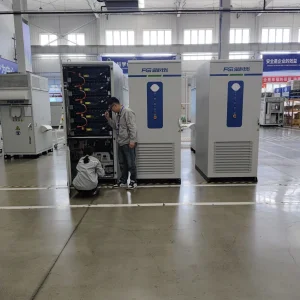
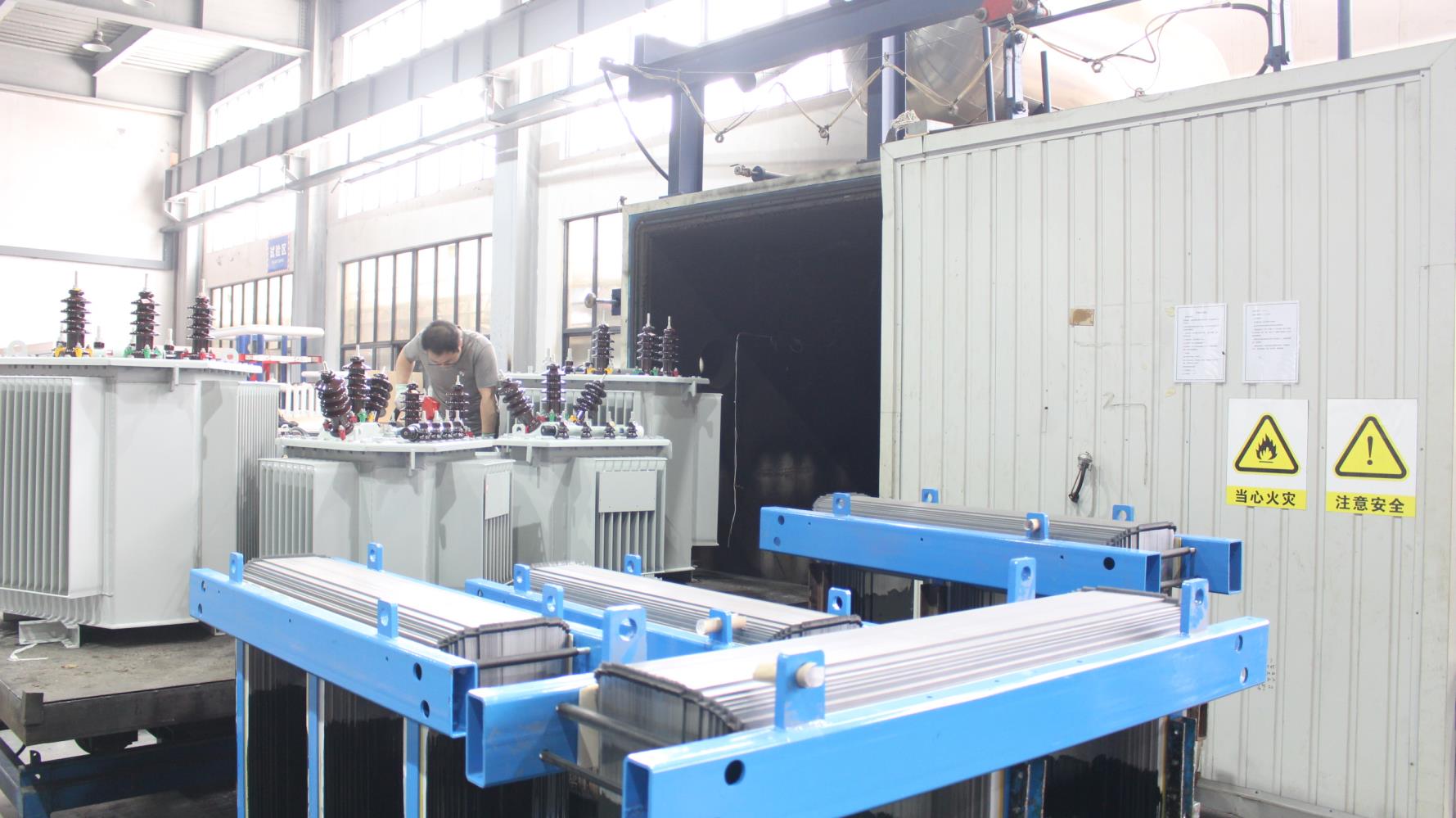
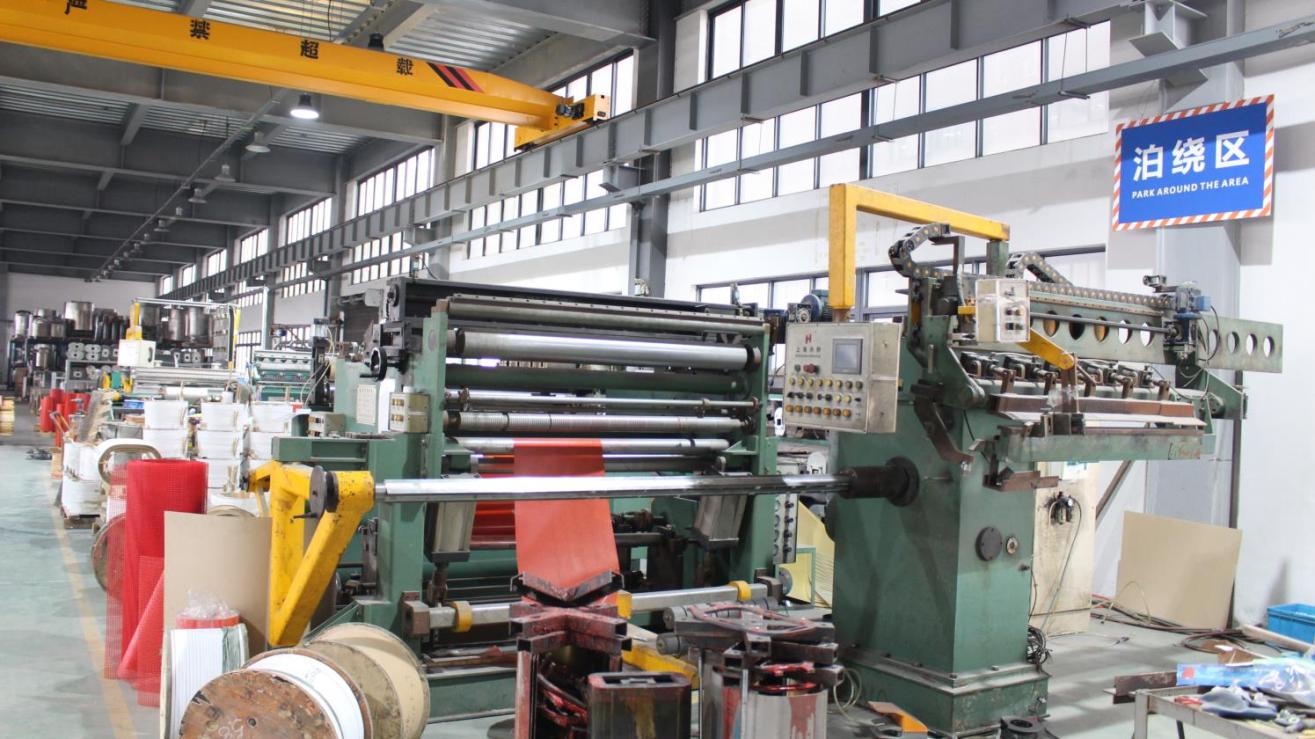
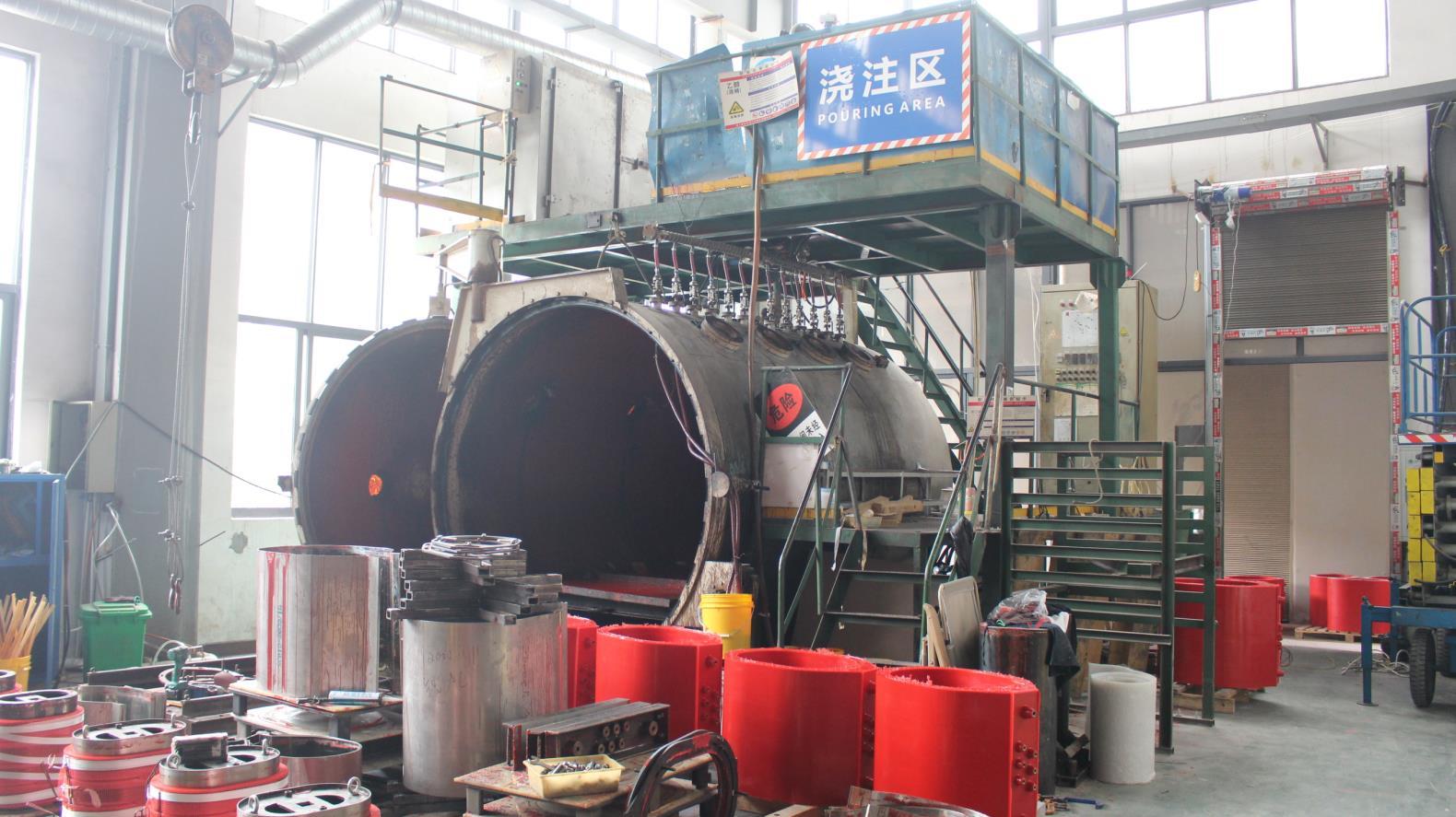
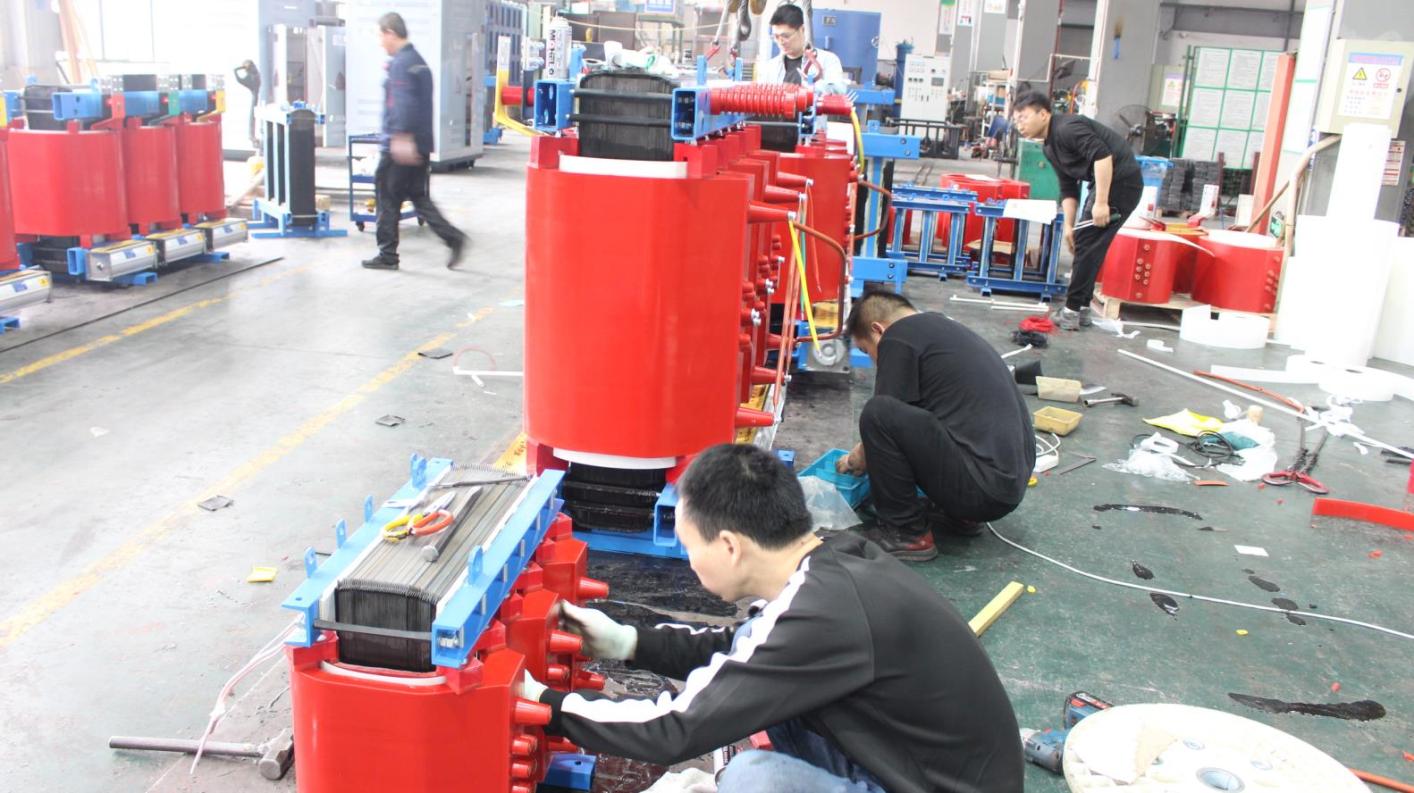
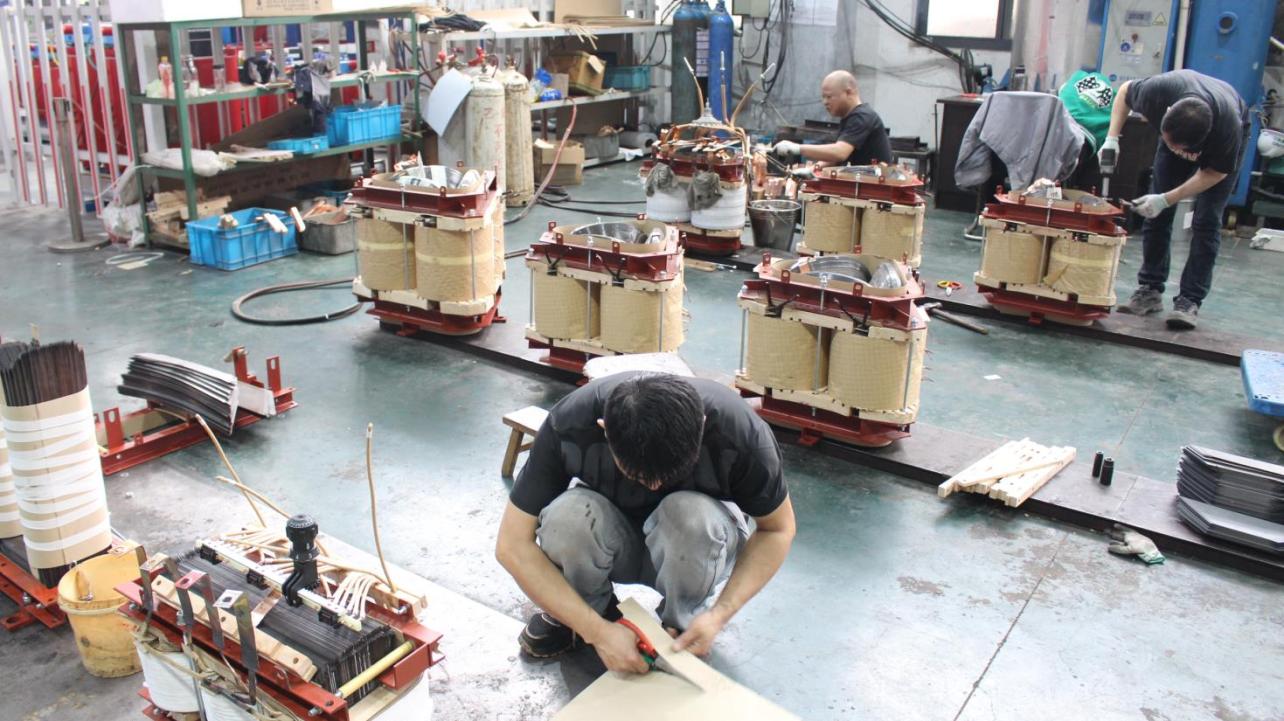
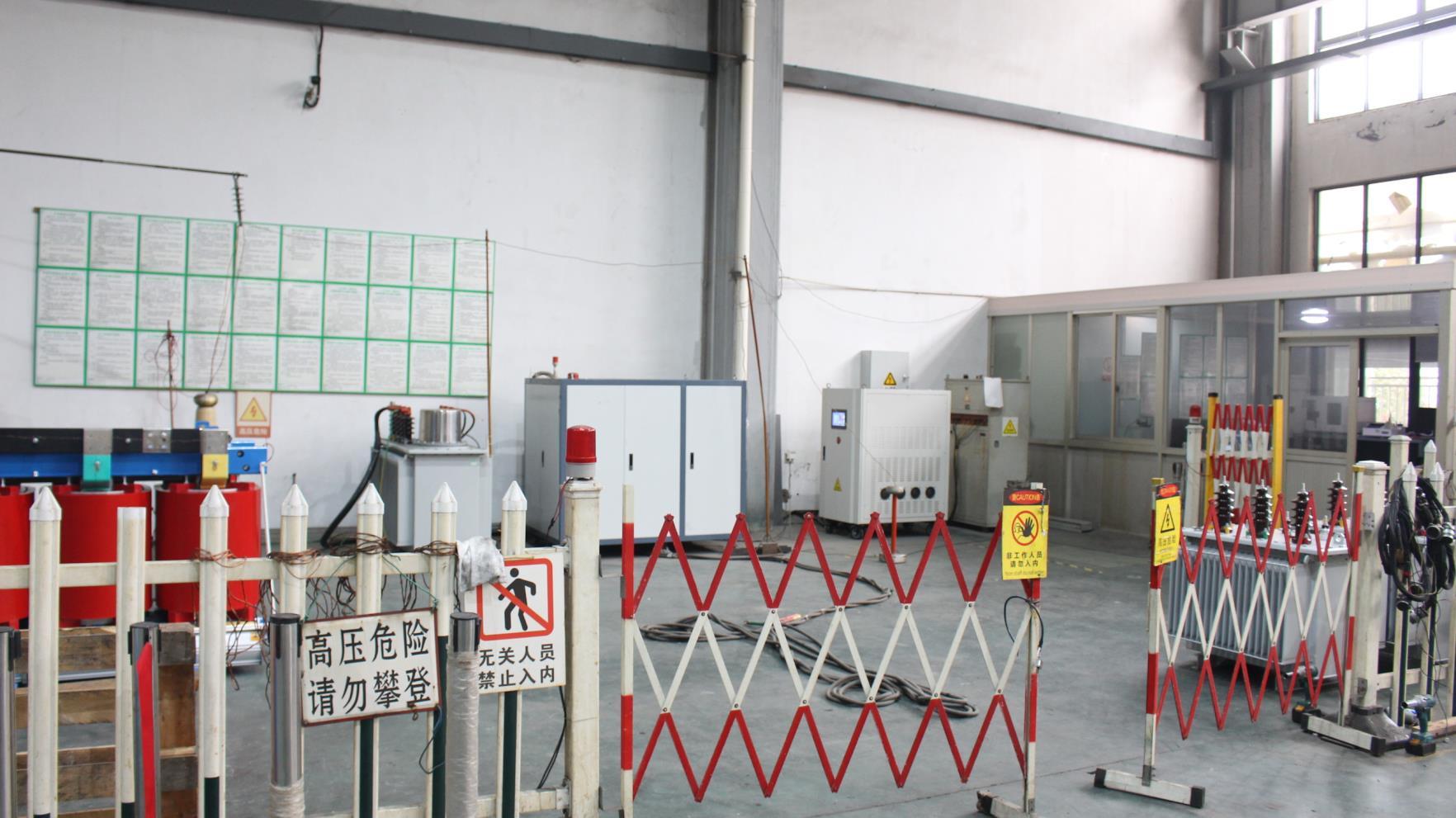
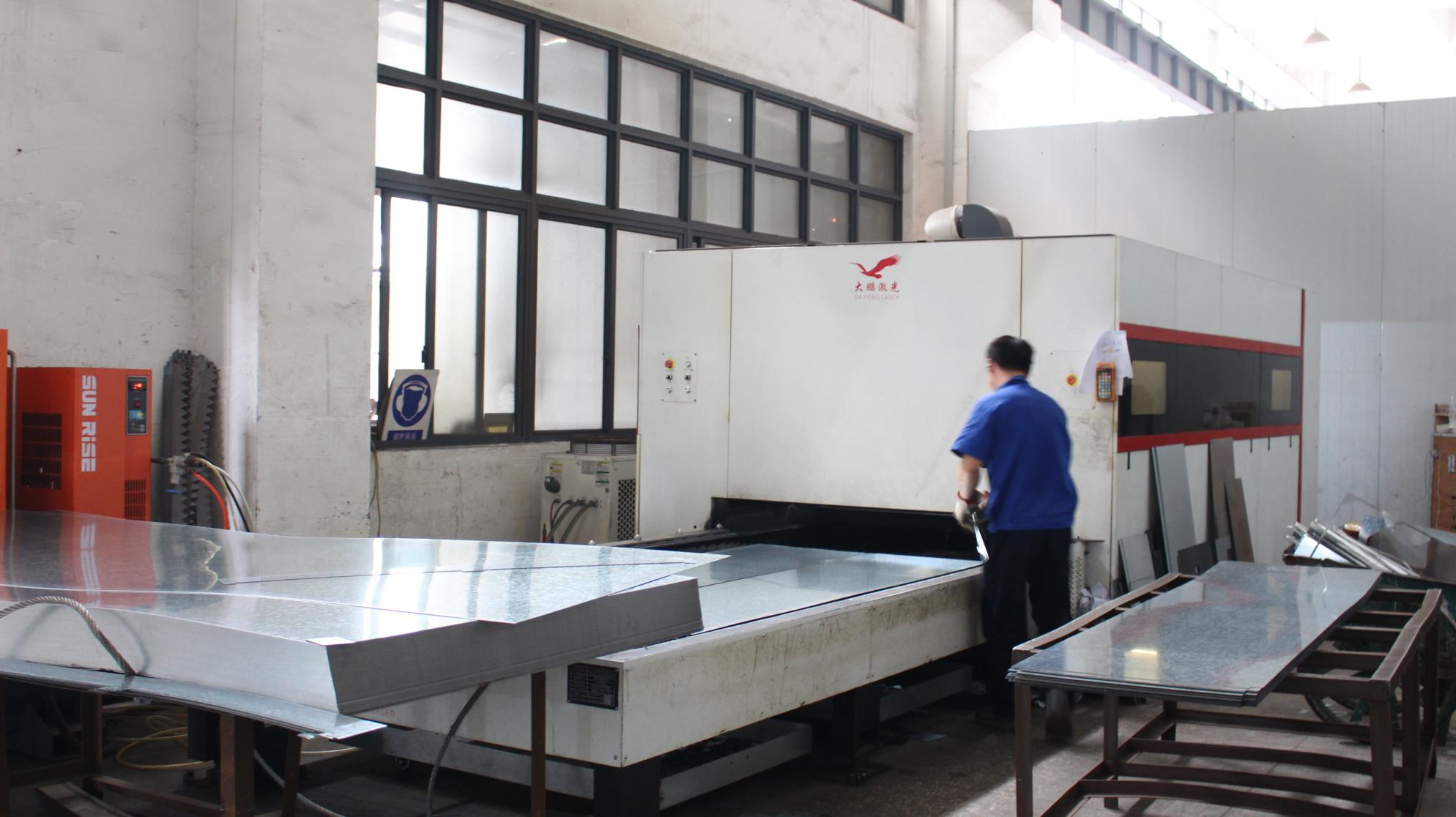
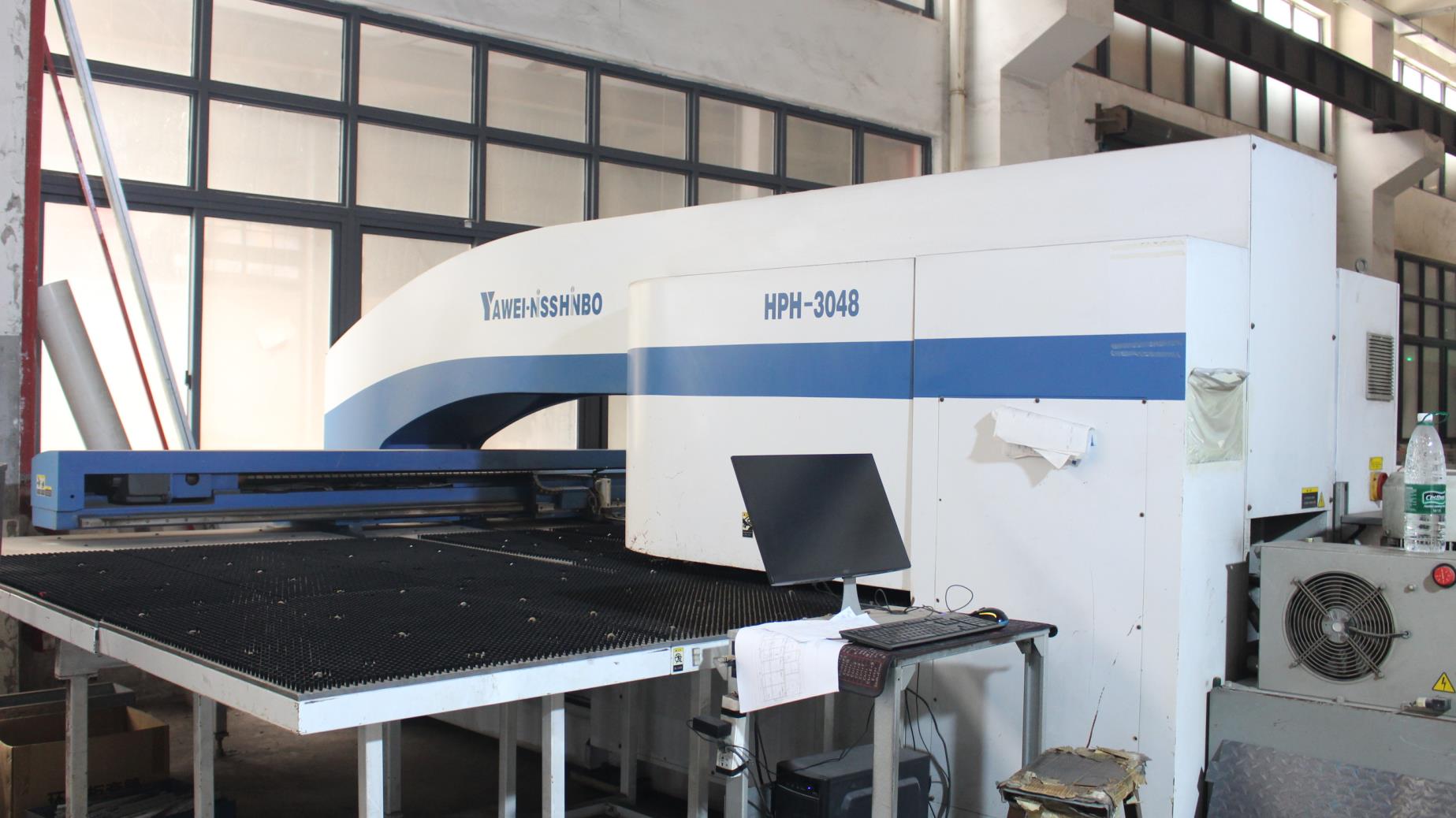
A visual inspection of our Ningbo production lines, detailing each stage of our strict manufacturing workflow.
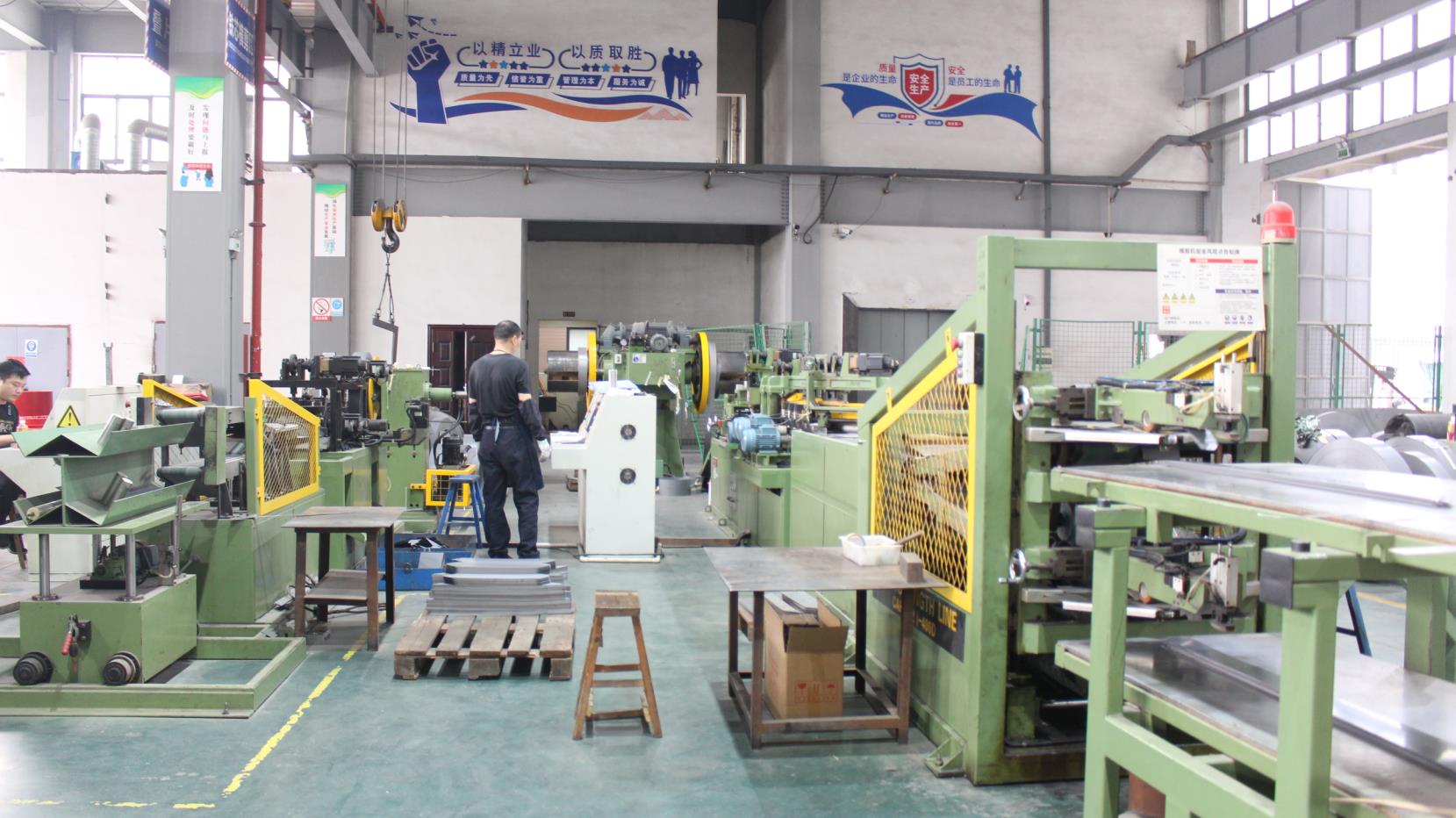
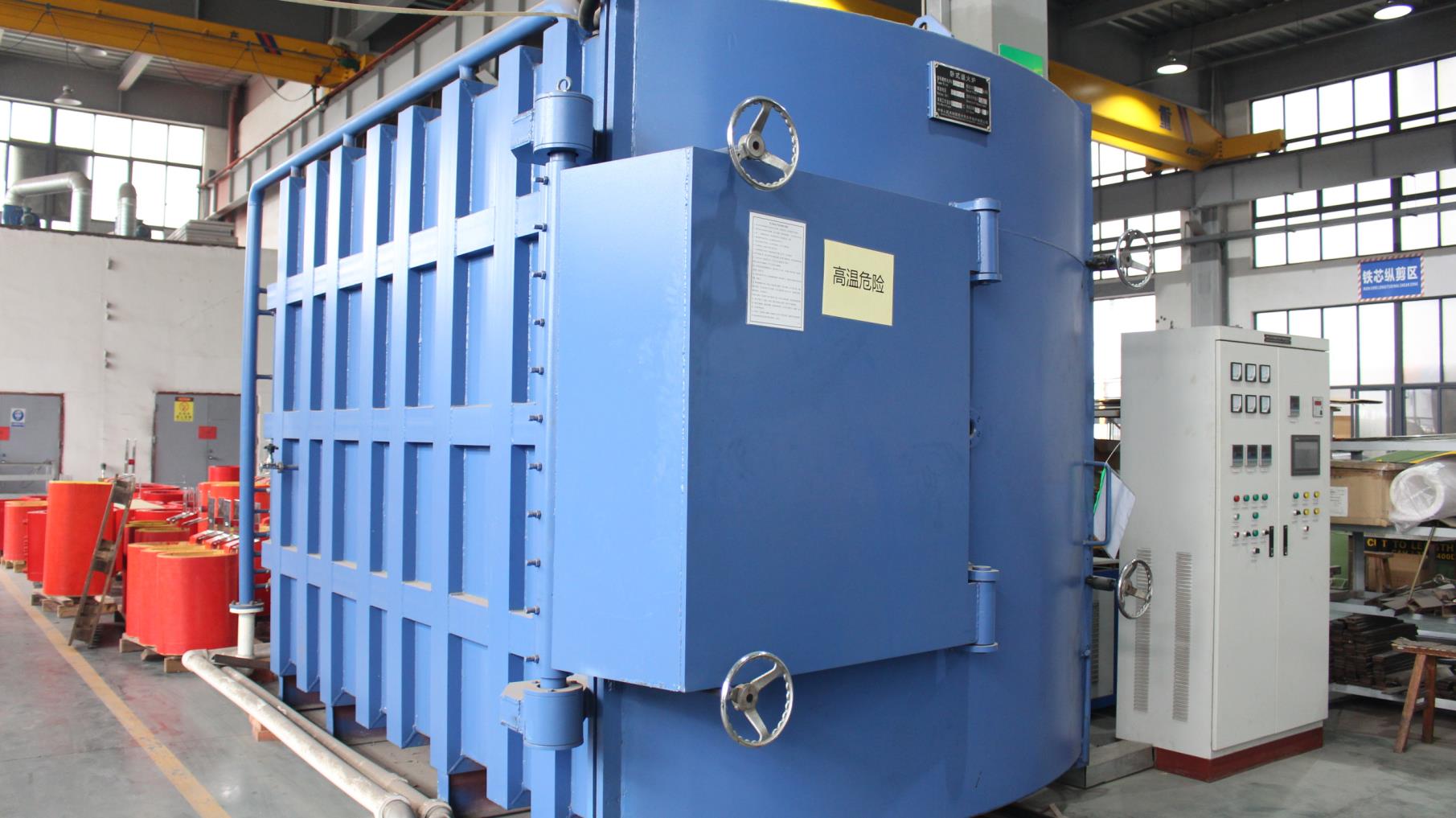
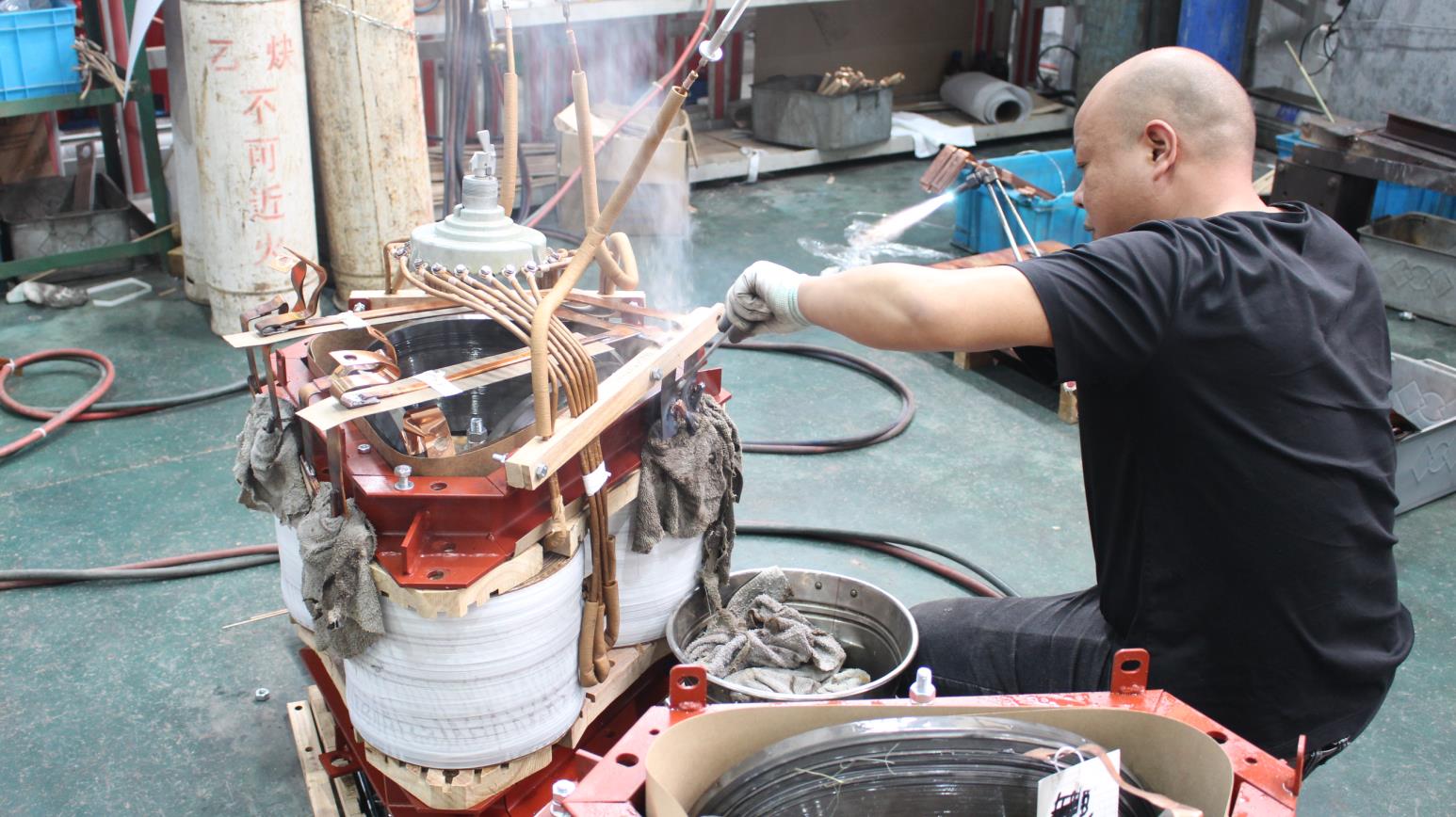
Get answers to critical technical questions regarding deployment, cooling technology, and safety regulations.
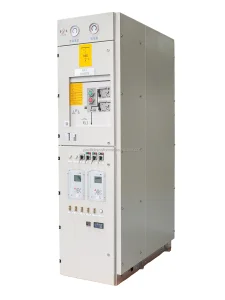
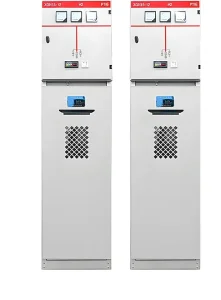
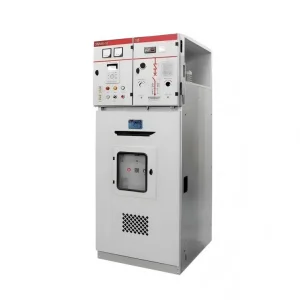
Complete your design specifications with our specialized medium-voltage switchgear, chemical-grade enclosures, and eco-insulated systems.
 Zeno Electric