High-voltage and medium-voltage distribution systems engineered for optimal energy transitions and urban constraints.
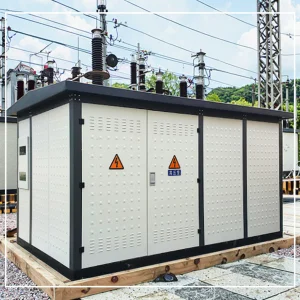
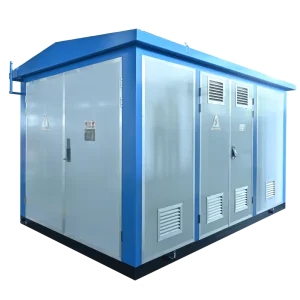
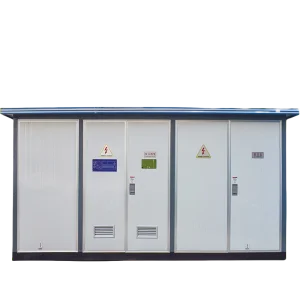
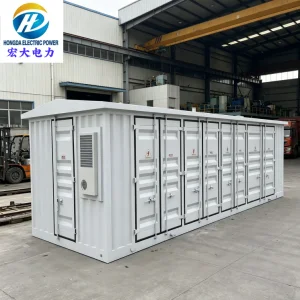
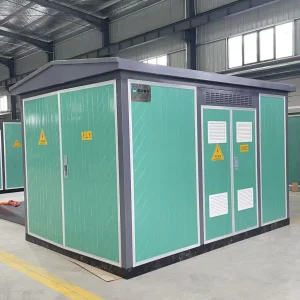
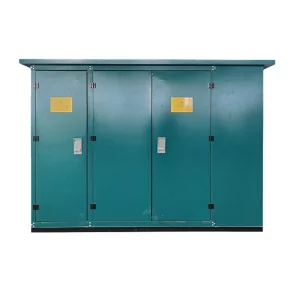
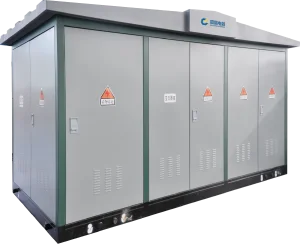
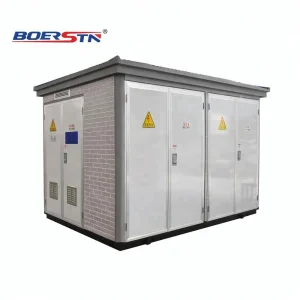
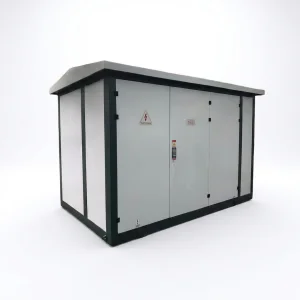
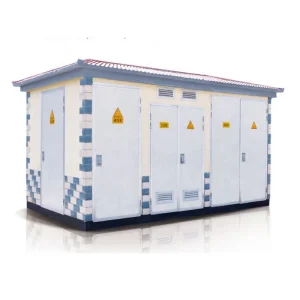
As the Grand Duchy of Luxembourg aggressively pursues its National Energy and Climate Plan (PNEC), aiming for a 55% reduction in greenhouse gas emissions by 2030 and transitioning to high-share renewable networks, the demands placed on local medium and low-voltage distribution grids have escalated. Grid modernization in Luxembourg is not just about capacity upgrades—it is about space efficiency, rapid deployment, and adherence to strict environmental guidelines. Prefabricated compact substations, commonly referred to as box-type substations or kiosk substations, have emerged as the standard infrastructure solution to meet these goals.
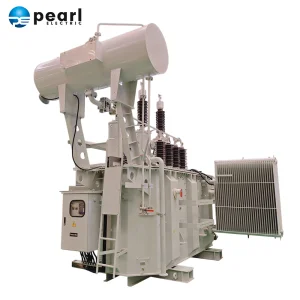
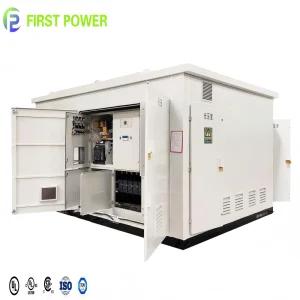
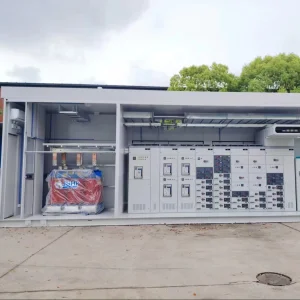
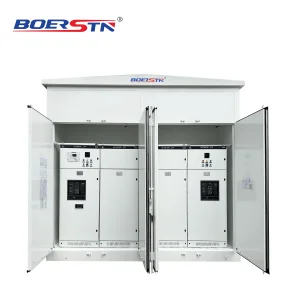
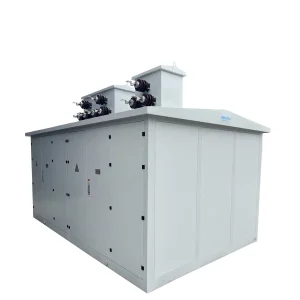
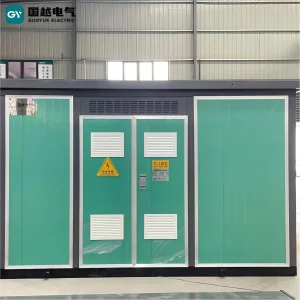
By integrating high-voltage switchgear, distribution transformers, and low-voltage distribution panels into a single, factory-assembled, and tested enclosure, prefabricated substations address the immediate concerns of engineering, procurement, and construction (EPC) companies. They eliminate the high civil engineering overheads associated with traditional brick-and-mortar substations, ensuring projects are delivered on time, within budget, and compliant with EU and Luxembourg national grid codes.
Information Gain Indicator: In Luxembourg, real estate costs in urban hubs like Kirchberg and Belval make conventional substation footprints financially unviable. Zhejiang Zeno Electric's prefabricated compact substations reduce the physical land requirement by up to 70% compared to open-air setups, providing an essential spatial premium.
The distribution system operators (DSOs) in Luxembourg, led by Creos Luxembourg S.A., enforce rigorous connection conditions (TAB) for medium-voltage networks. A primary challenge is the rapid integration of decentral photovoltaic (PV) generation in the rural North (Oesling region) and massive EV charging infrastructure networks along major highways. Substations deployed in these contexts must manage bidirectional power flows, harmonic distortions, and transient overvoltages.
Furthermore, industrial sectors such as steel manufacturing (ArcelorMittal sites) and heavy chemical processing require ultra-reliable power distribution lines with minimum outage rates. Standardized prefabricated compact substations provide stable medium-voltage (typically 20kV or 15kV in Creos networks) step-down configurations. They utilize high-quality Ring Main Units (RMUs) to guarantee loop network flexibility, limiting localized power outages to a fraction of a second via automated self-healing mechanisms.
The global supply chain for electrical machinery has undergone rapid evolution. Chinese manufacturing clusters, specifically in engineering hubs like Ningbo, Zhejiang, offer unique structural advantages that directly benefit European distributors and contractors:
Prefabricated substations must be customized to perform reliably in various challenging environments across Luxembourg:
1. Data Centers and Financial Hubs: Luxembourg City is home to numerous Tier IV data centers and secure financial institutions. These entities demand absolute power continuity. Containerized substations equipped with high-rating dry-type transformers, integrated UPS systems, and smart RMUs featuring Modbus/IEC 61850 protocols ensure remote monitoring and instant automated transfer switching (ATS).
2. EV Charging Hubs (High-Power Chargers): High-power fast-charging hubs (up to 350kW per charger) along the A1, A3, and A6 highways strain local grids. Compact step-down substations (1000kVA to 2500kVA) isolate the high-frequency harmonics generated by EV rectifiers, ensuring the main distribution line remains unpolluted.
3. Agricultural and Rural Cooperatives: CE-certified rural substations with compact, low-noise footprints are installed near solar parks and biomass plants, stepping up localized green energy to 20kV for feed-in injection without disrupting the rural landscape.
Zhejiang Zeno Electric Co., Ltd. is a national high-tech enterprise located in Ningbo, with a registered capital of 52 million yuan. The company integrates research and development (R&D), manufacturing, sales, and service of advanced power equipment and energy systems.
Rooted in Ningbo and supported by a strong engineering and technical team, Zeno Electric has steadily expanded its business across China and international markets. Through continuous innovation and quality-driven development, the company has become a trusted provider in the power and energy industry, with growing influence in both utility and industrial sectors.
With a focus on sustainable development and smart energy transformation, we are committed to delivering safe, efficient, and intelligent power solutions that support the global transition toward cleaner and more digitalized energy systems.
Zhejiang Zeno Electric Co., Ltd. specializes in power equipment and integrated energy system solutions. Our product portfolio covers a wide range of advanced technologies, including:
In addition, we undertake turnkey power engineering projects up to 220kV, providing end-to-end services that include system planning, engineering design, equipment manufacturing, installation, commissioning, and long-term maintenance.
To better serve diverse customer needs, we offer fully customized, one-to-one energy solutions tailored to specific project requirements. Our integrated service model helps clients:
With a strong emphasis on innovation, quality, and service excellence, Zeno Electric is committed to becoming a leading provider of intelligent power and energy solutions, empowering customers with safer, greener, and more efficient electricity usage.
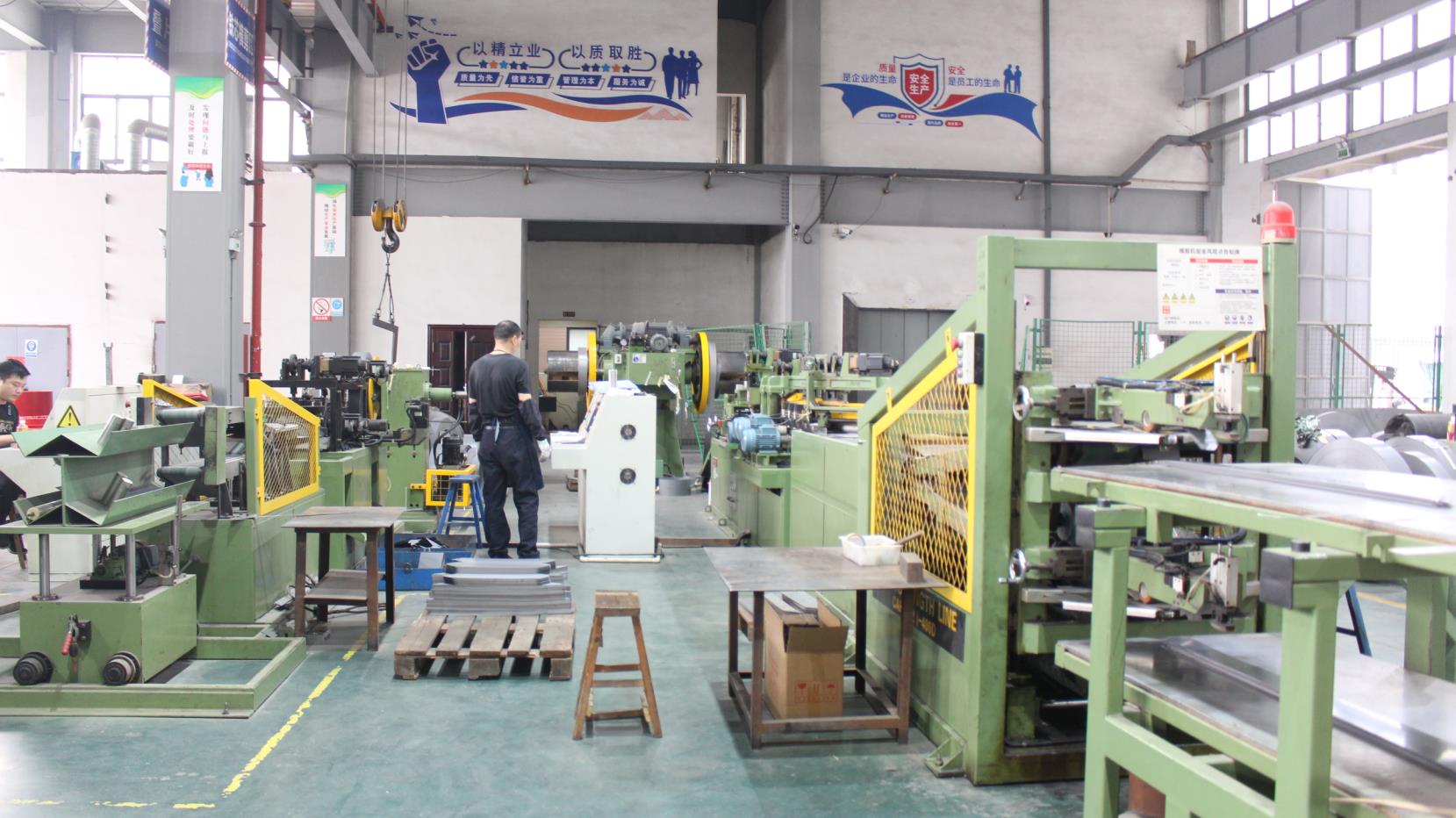
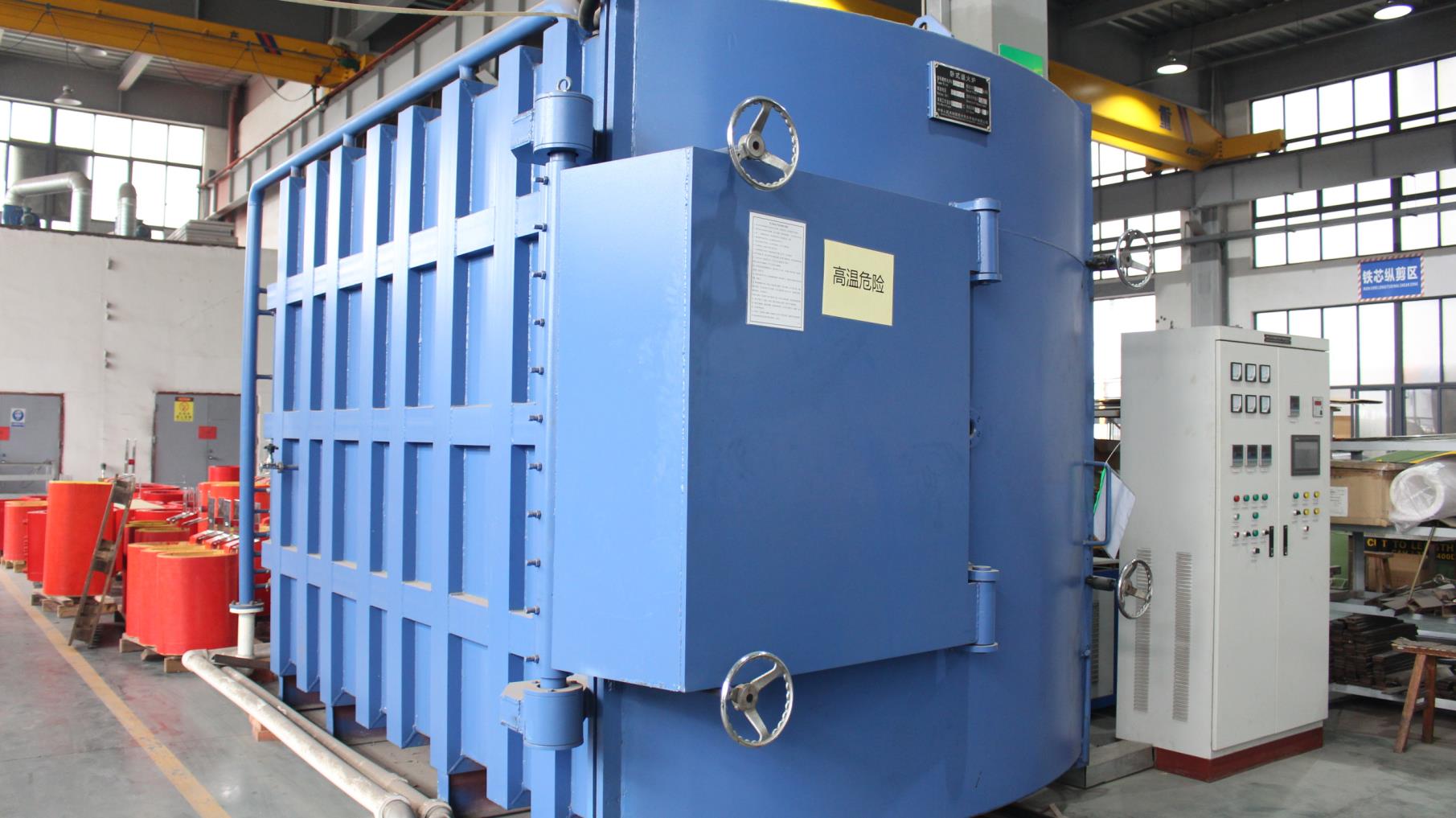
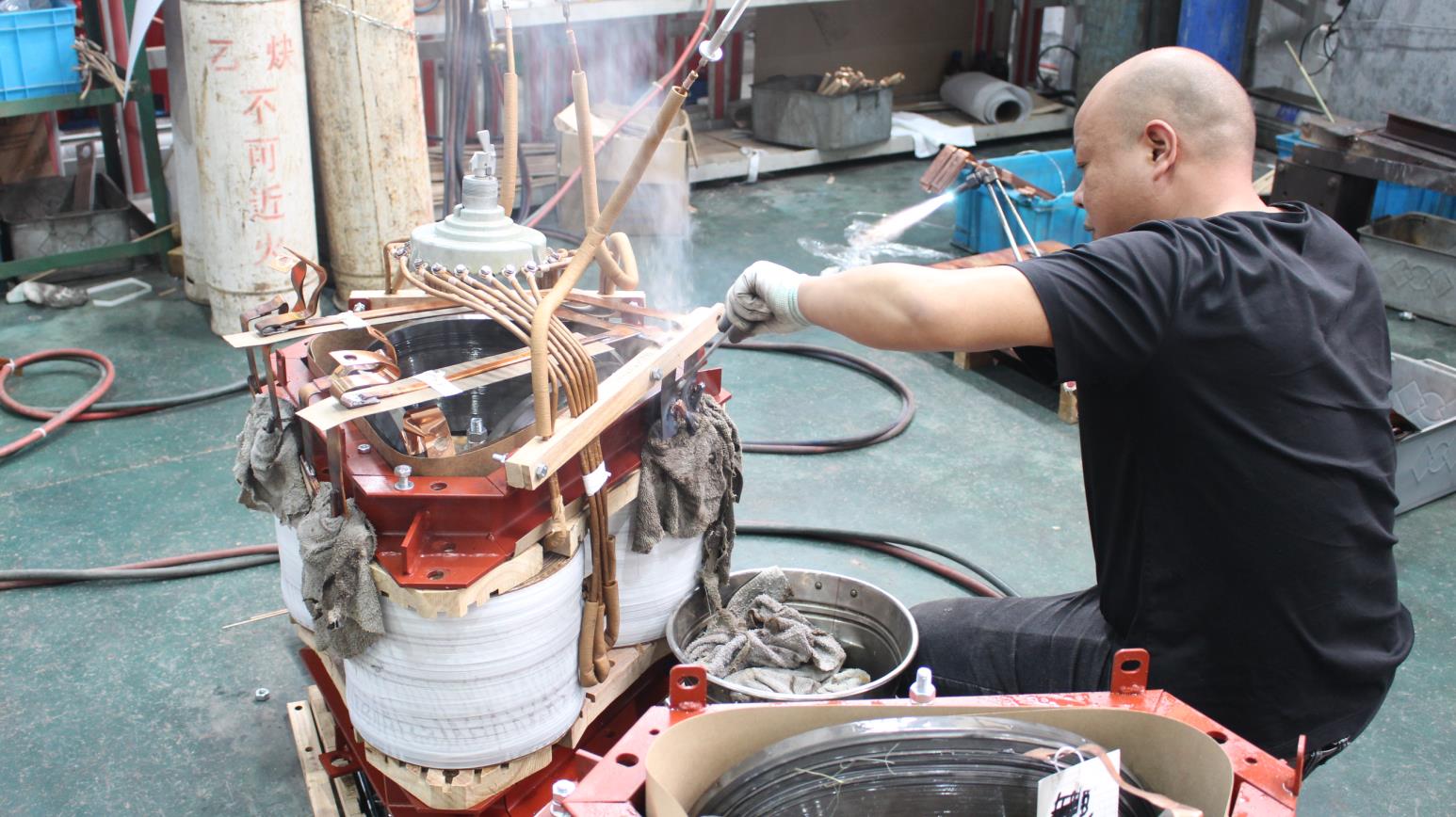
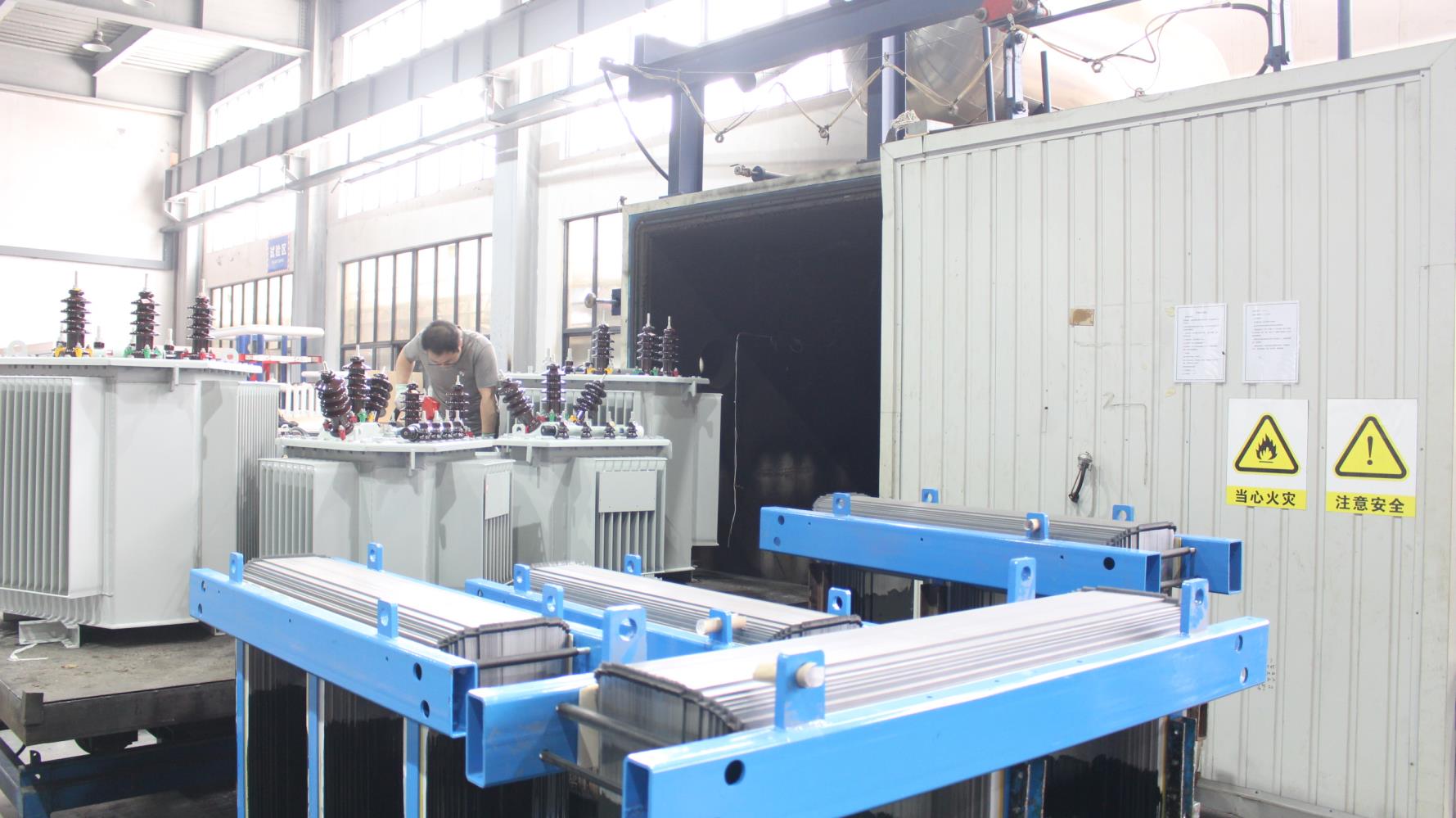
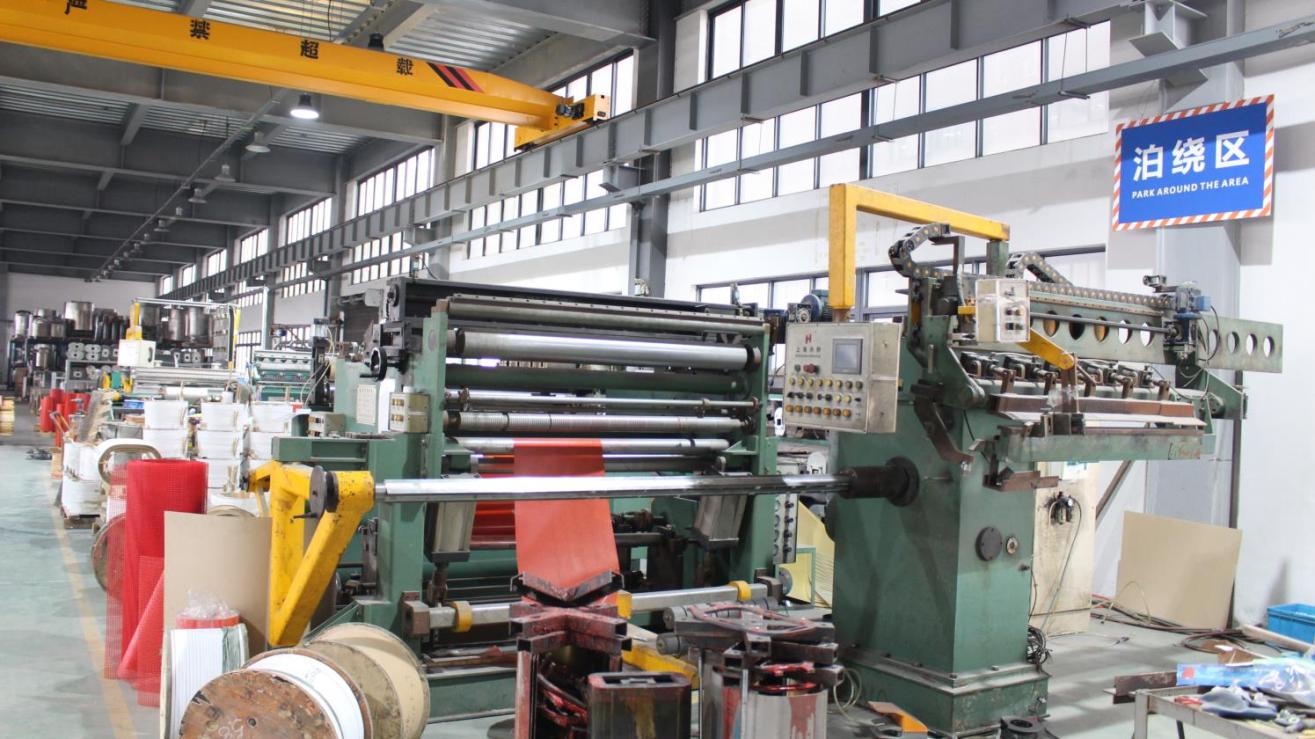
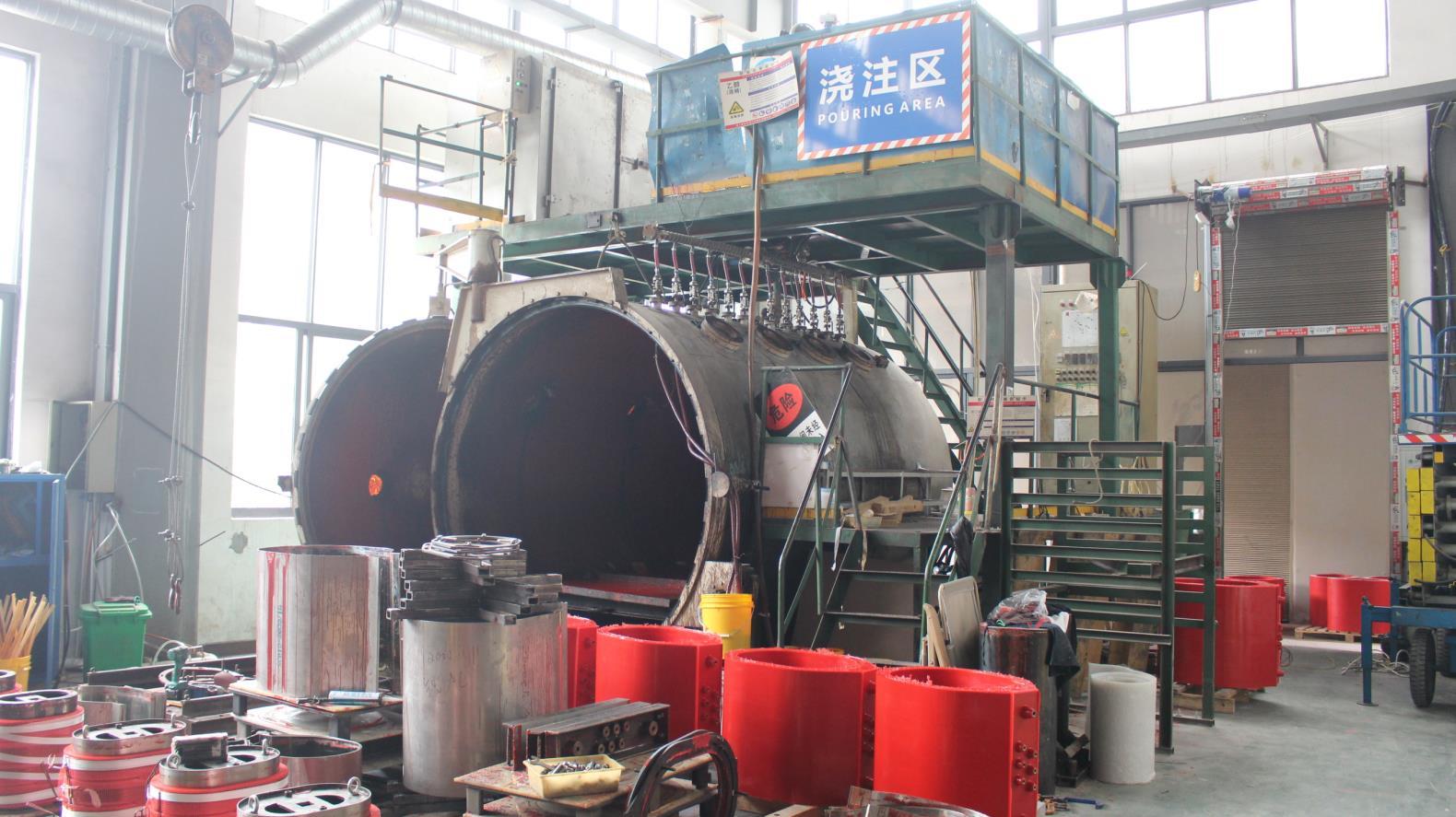
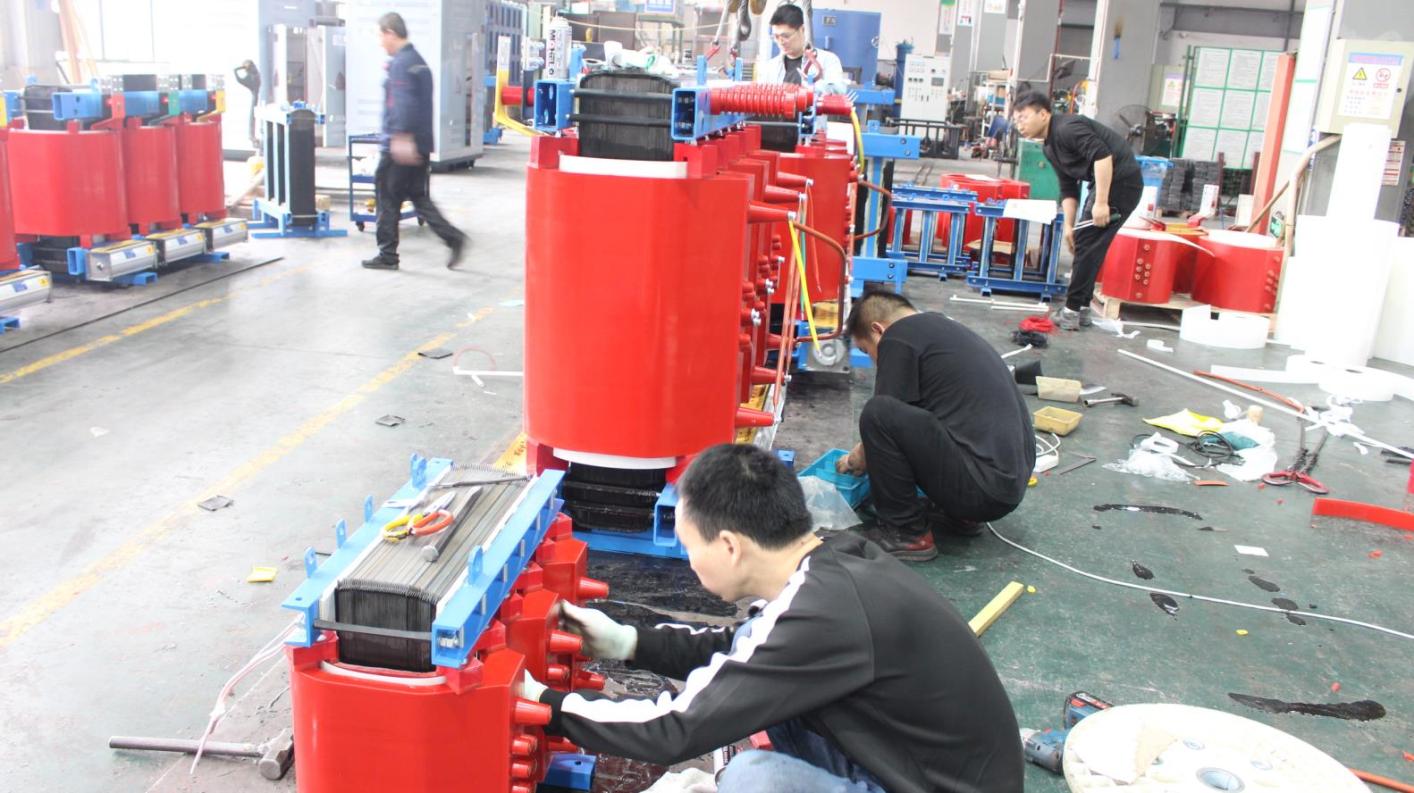
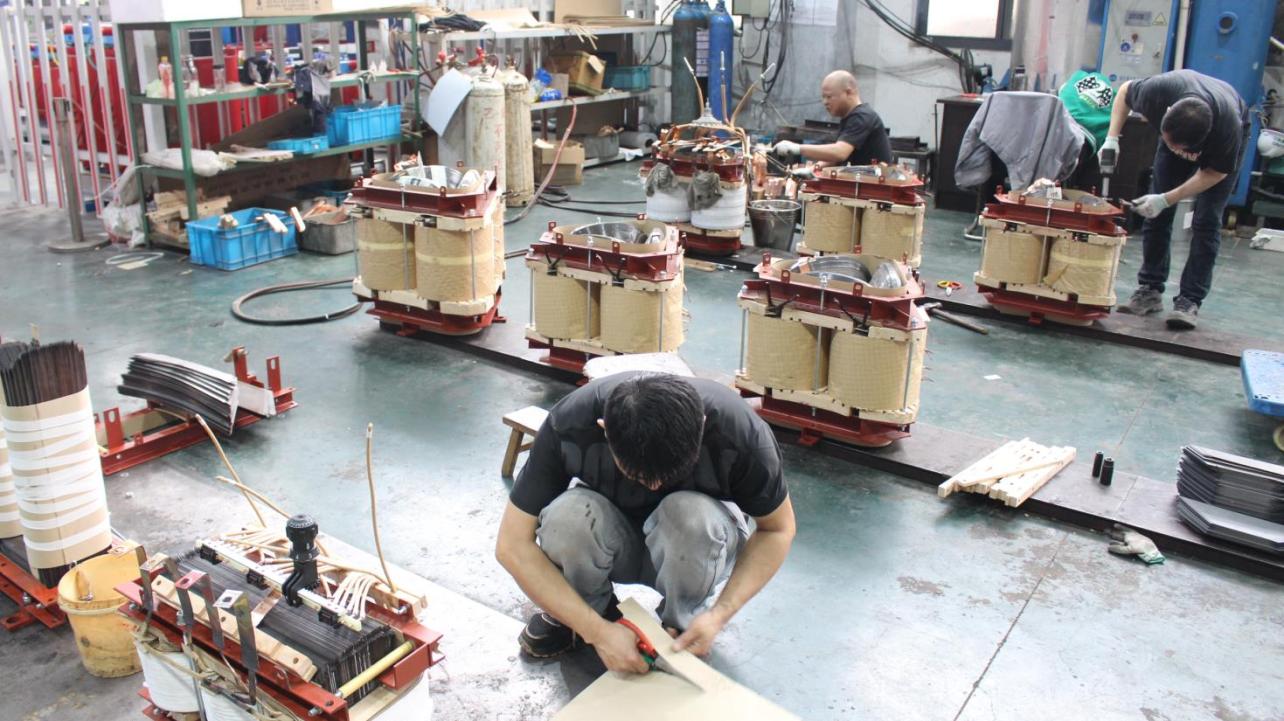
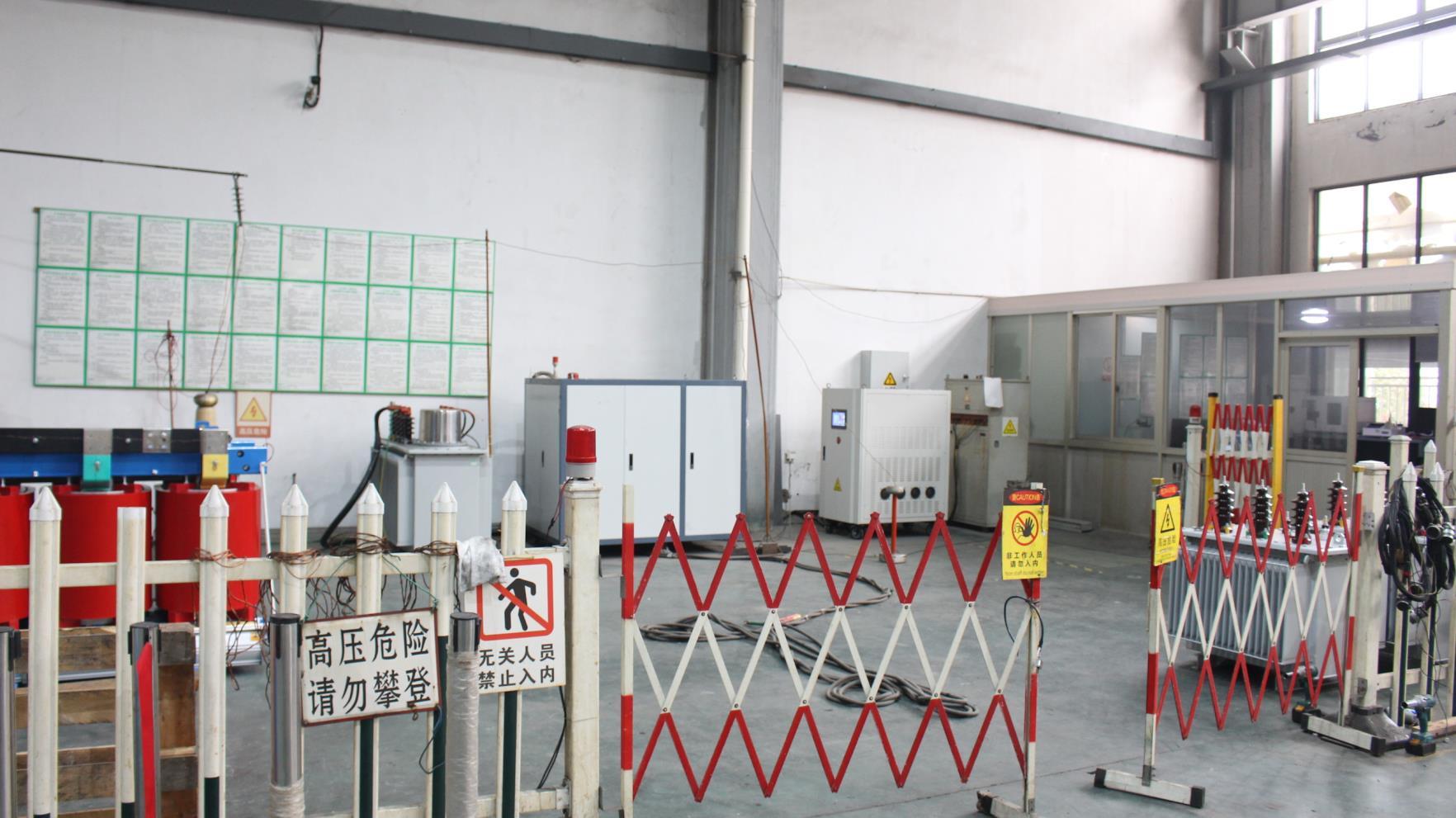
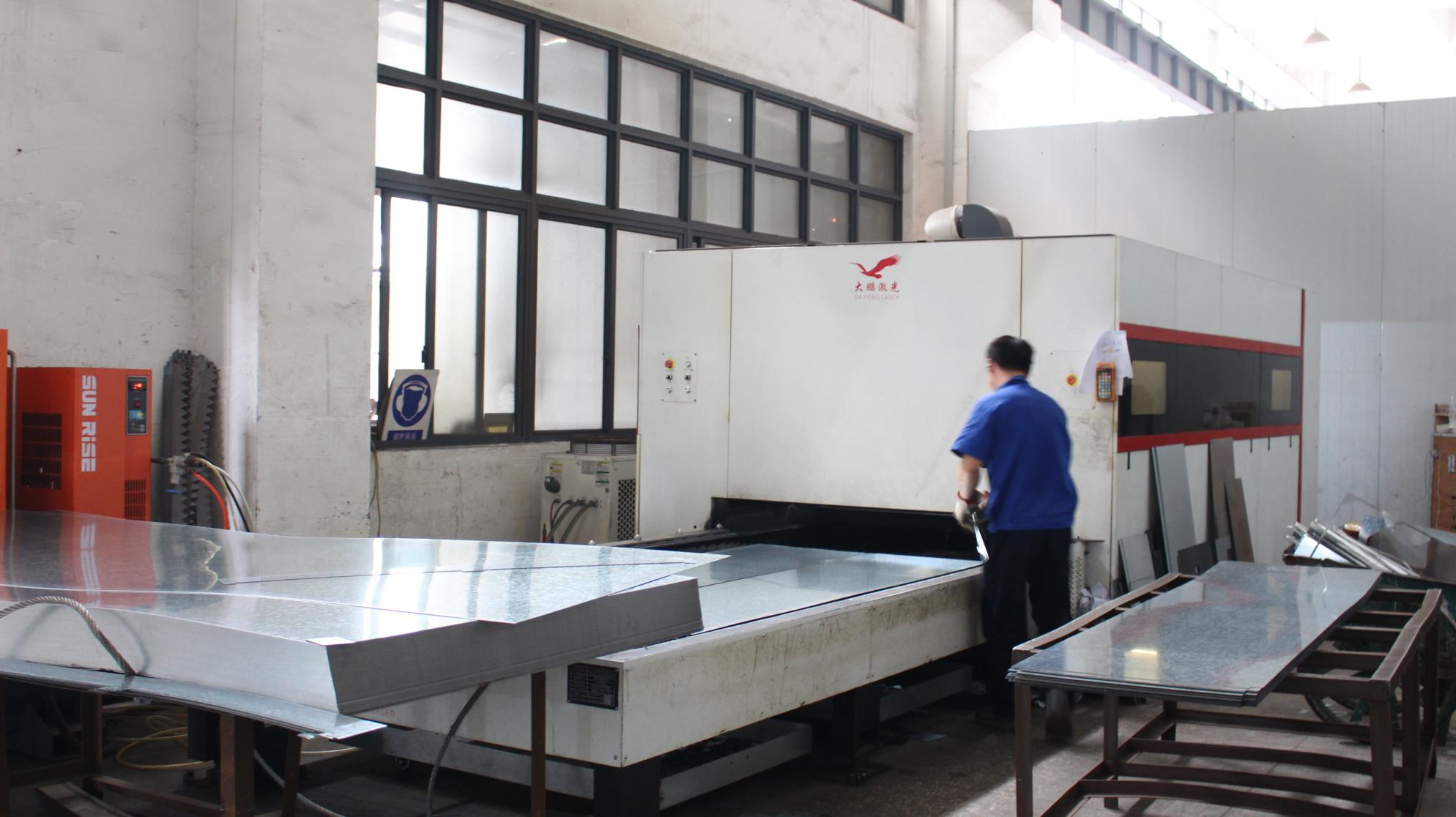
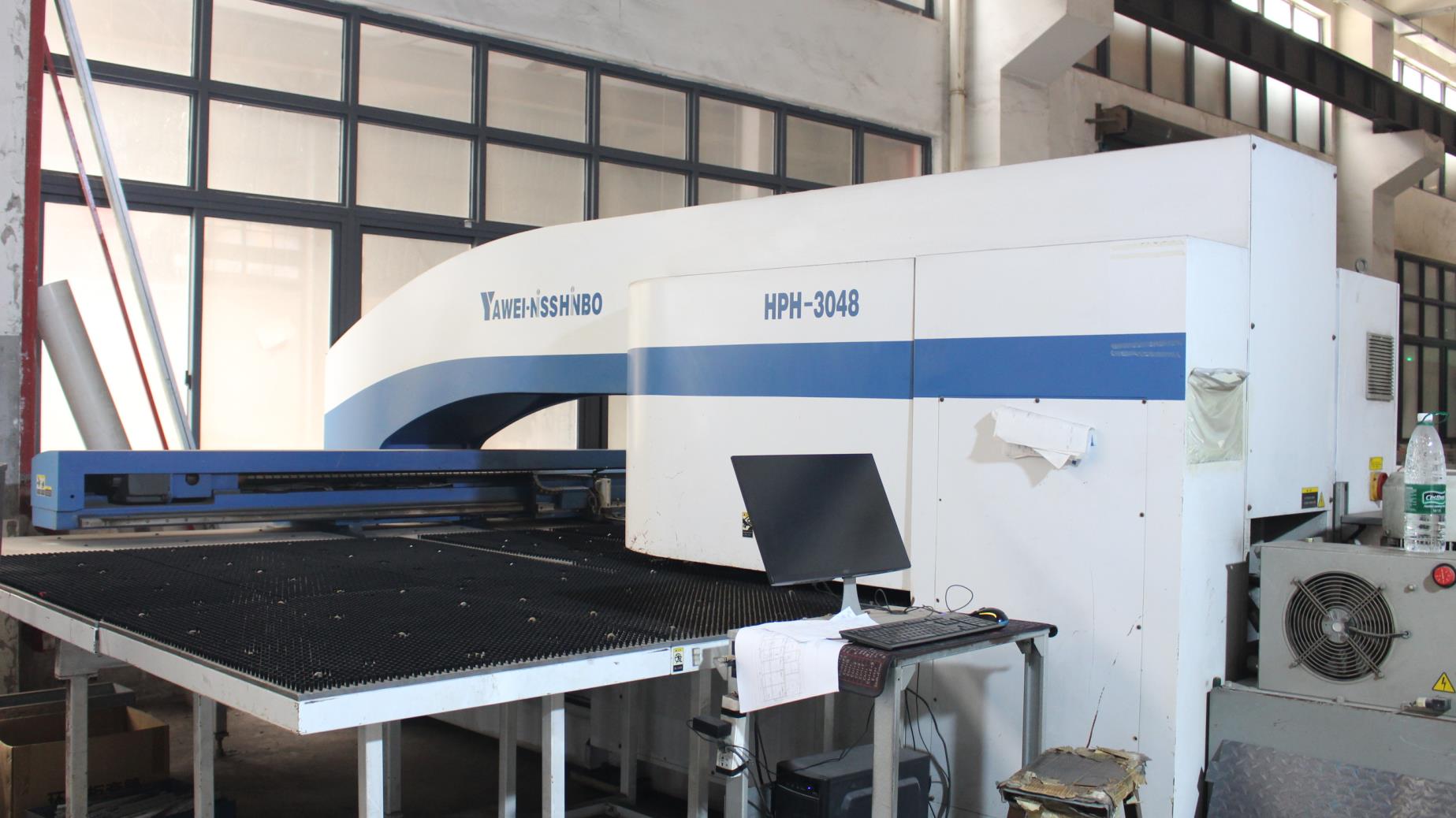
From raw sheet metal processing to vacuum oil filling, every production step is performed under ISO 9001:2015 QA frameworks.
Delivering next-generation power infrastructure to demanding markets worldwide.
Adaptable to multiple voltages, layout restrictions, and environmental criteria.
Critical engineering insights for Luxembourg power buyers and infrastructure engineers.
 Zeno Electric