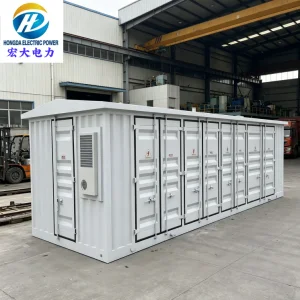
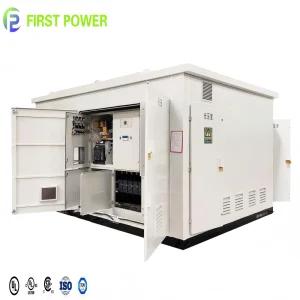
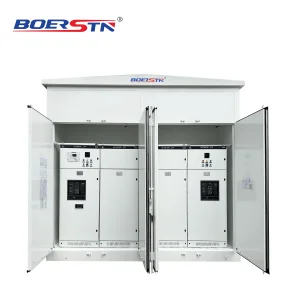
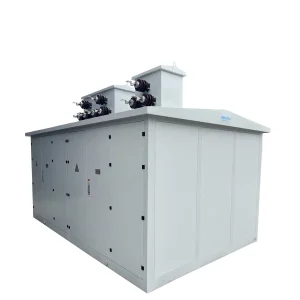
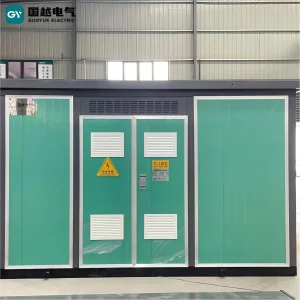
Pre-engineered, factory-assembled substations optimized for direct deployment in Pakistani municipal and commercial microgrids.
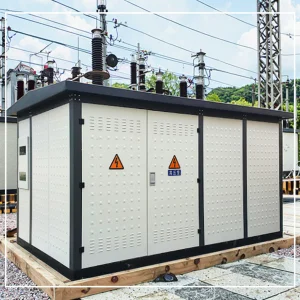
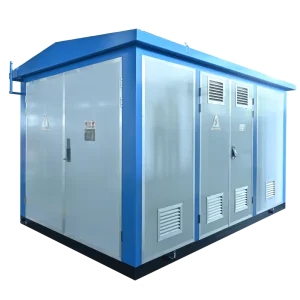
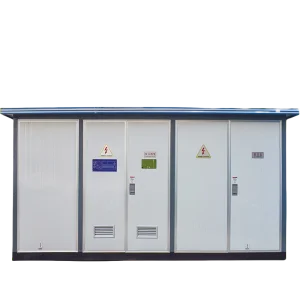
Pakistan's national electrical transmission and distribution system is undergoing an unprecedented modernization drive. Key regional distribution companies (DISCOs) such as K-Electric, LESCO, FESCO, and IESCO are executing large-scale grid stabilization initiatives. Rapid industrial development along the China-Pakistan Economic Corridor (CPEC), coupled with the growth of urban centers like Karachi, Lahore, and Faisalabad, has driven a sharp increase in demand for reliable power.
Traditional open-yard masonry substations present major challenges in these fast-developing zones. Issues include high land acquisition costs, lengthy construction schedules, exposure of vital switchgear components to intense environmental pollution (such as coastal humidity in Karachi), and safety vulnerabilities in densely populated areas. Modular, factory-integrated prefabricated compact substations address these operational and spatial challenges.
"By moving secondary distribution and transformation equipment into a single, thermally insulated enclosure conforming to IEC 62271-202, system operators can decrease installation footprints by up to 70% while improving system reliability."
Operating distribution equipment in regions like Multan, Jacobabad, or Sibi demands specialized thermal engineering. Standard outdoor enclosures face thermal runaway risks when ambient temperatures climb towards 50°C. Heavy solar loads further compound these issues. Prefabricated substations designed for Pakistan's climate must incorporate:
Technical transformation trends shaping the design and utilization of prefabricated substations globally.
Modern substations function as active nodes within smart grids. Equipped with SCADA-compatible RTUs, electronic energy meters, and fiber-optic communication arrays, they facilitate real-time monitoring and automated fault isolation.
Driven by decarbonization objectives, the industry is transitioning from standard mineral oil and SF6 gas insulation to biodegradable ester fluids and alternative insulation gases, reducing environmental impact.
Factory fabrication, wiring, and testing minimize on-site safety hazards and project delays, offering a fast-track alternative to traditional field construction.
In Pakistan, prefabricated compact substations serve three primary application profiles:
1. Special Economic Zones & Industrial Areas: Sites such as Bin Qasim SEZ and Allama Iqbal Industrial City require dedicated, secure, and compact step-down structures (e.g., 10kV to 0.4kV, or 35kV to 11kV) within limited spatial boundaries. Containerized configurations protect sensitive MV switchgear from the particulate pollution typical of industrial operations.
2. Solar Plant Microgrids & Remote Farms: As agricultural solar tubewells and utility-scale solar installations expand in Punjab and Sindh, modular substations act as critical interfaces. These systems convert, safeguard, and feed solar-generated electricity into local networks with minimal deployment lag.
3. Dense Urban Commercial & Residential Projects: High-rise developments in Lahore and Islamabad utilize compact kiosk substations (either European or American-style pad-mounted structures) positioned outside buildings. This design prioritizes public safety and occupies minimal high-value ground space.
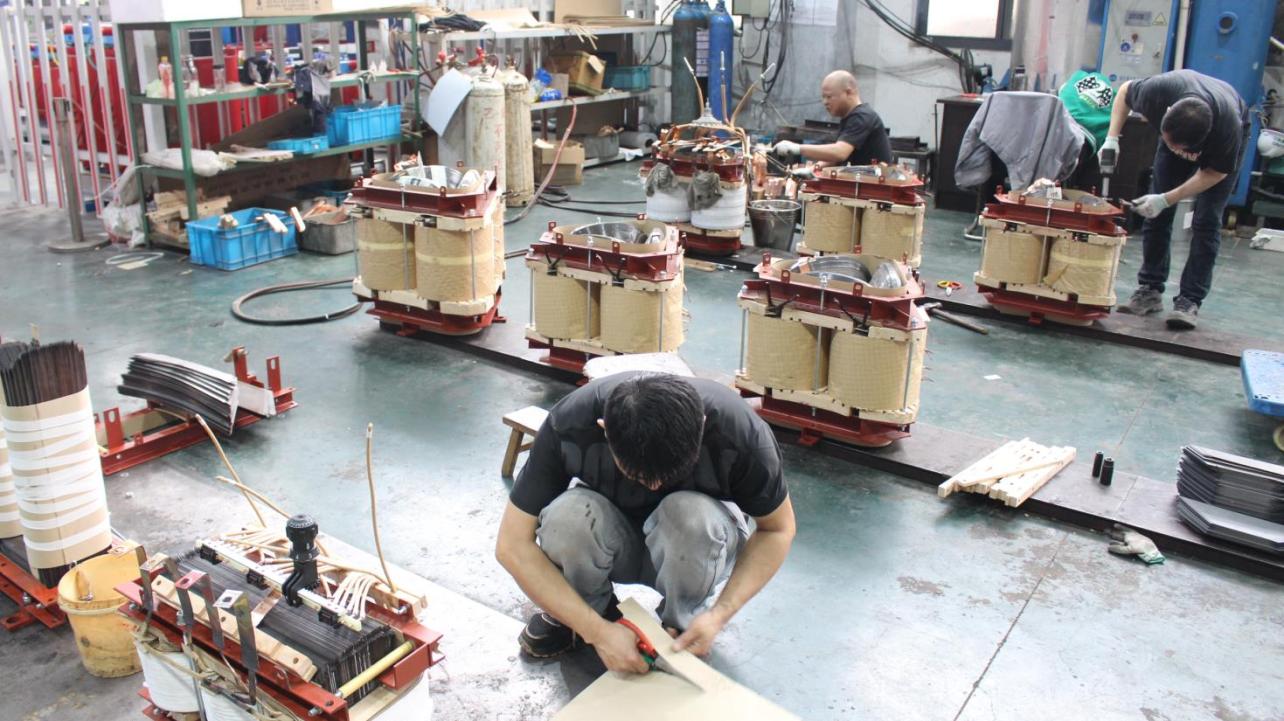
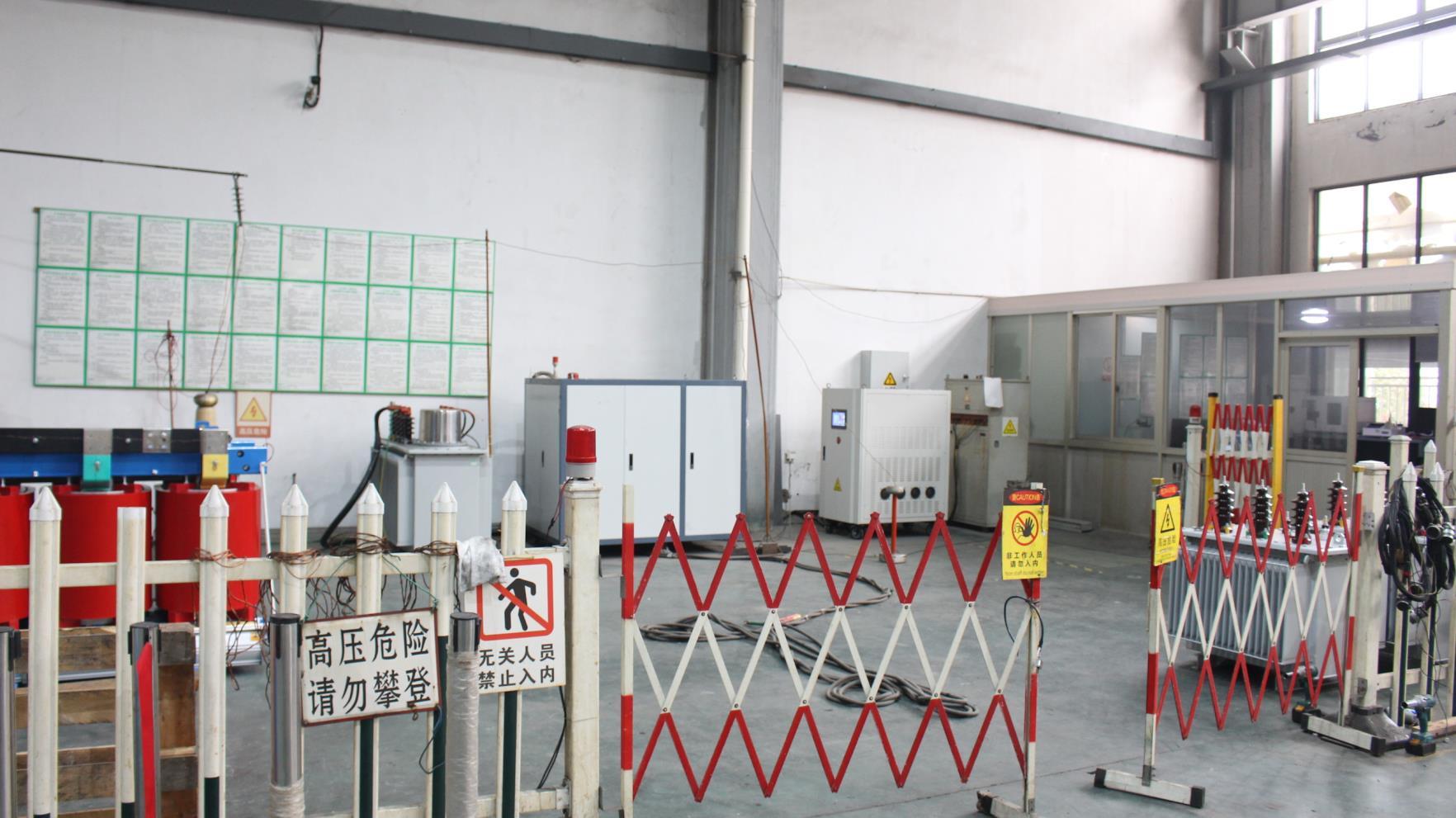
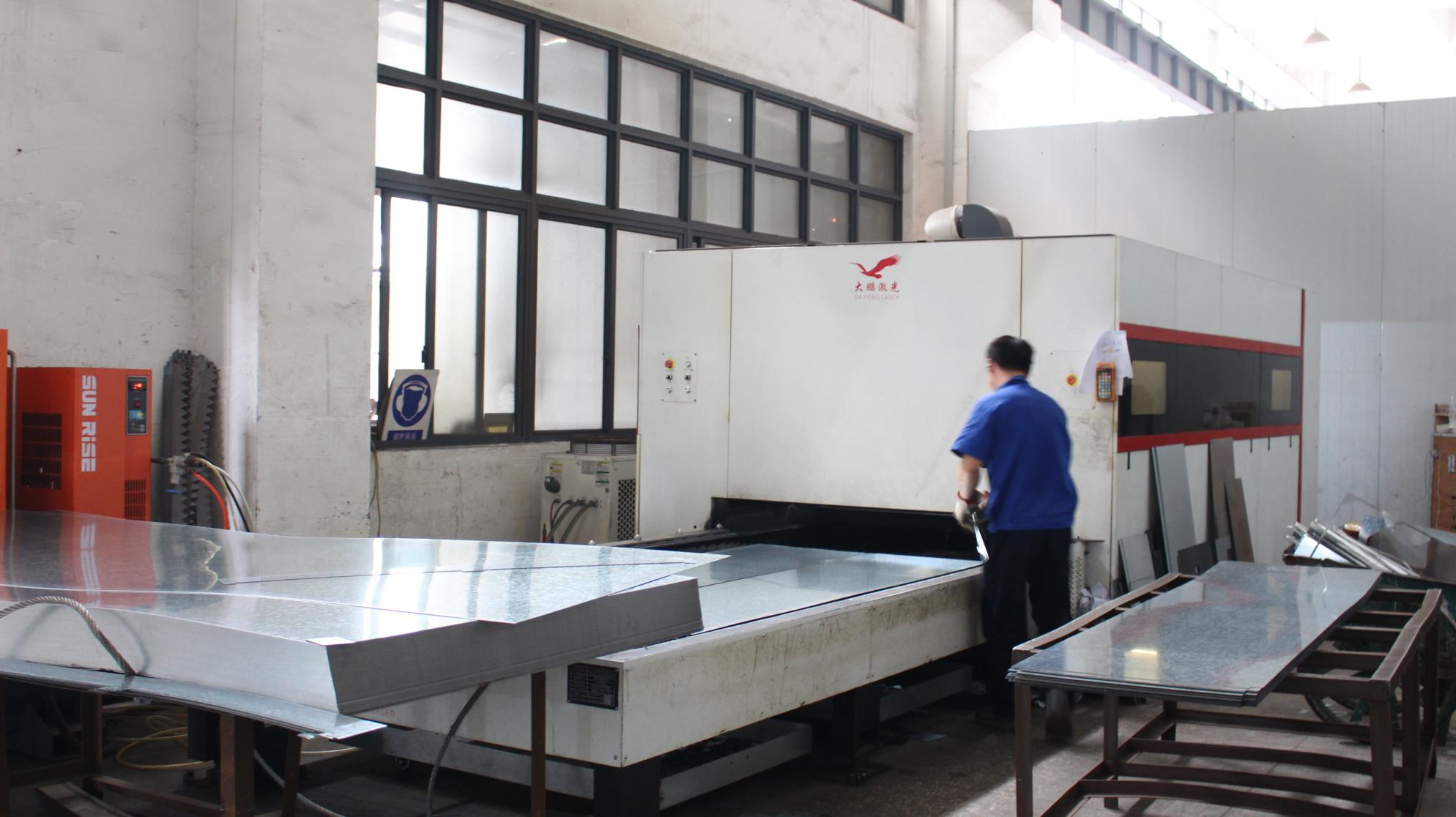
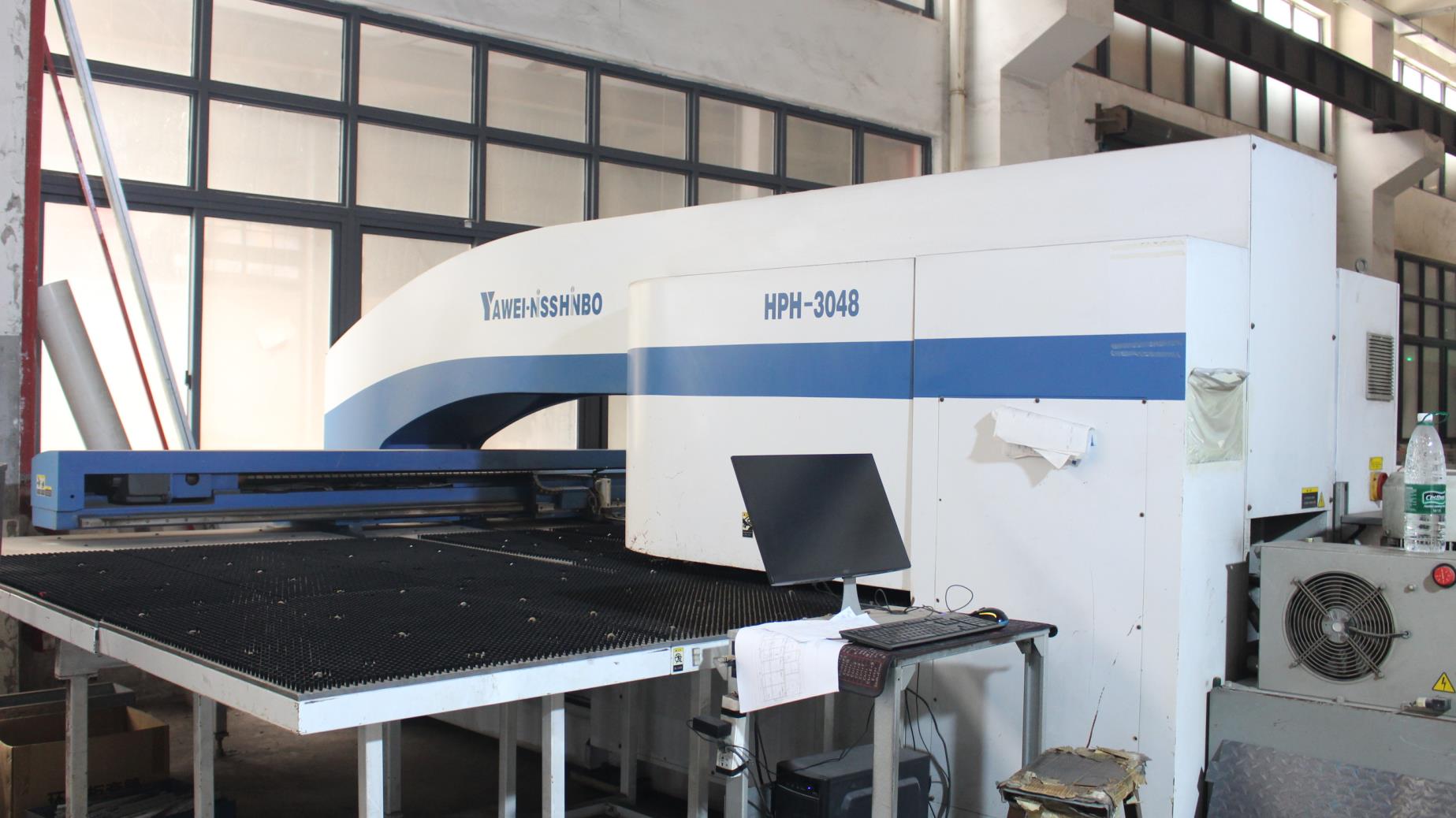
Zhejiang Zeno Electric Co., Ltd. is a national high-tech enterprise based in Ningbo, with a registered capital of 52 million yuan. We integrate research and development (R&D), advanced manufacturing, global sales, and engineering service of high-performance power equipment and smart energy systems.
Rooted in China's advanced manufacturing hubs and supported by an experienced engineering team, Zeno Electric has expanded its reach across domestic and international markets. We deliver safe, efficient, and intelligent power distribution infrastructure supporting global energy transitions.
Connect with an EngineerOur comprehensive portfolio spans advanced technologies designed for modern distribution challenges:
Furthermore, Zeno Electric executes turnkey power engineering projects up to 220kV, offering system planning, equipment fabrication, installation, testing, and lifetime maintenance support.
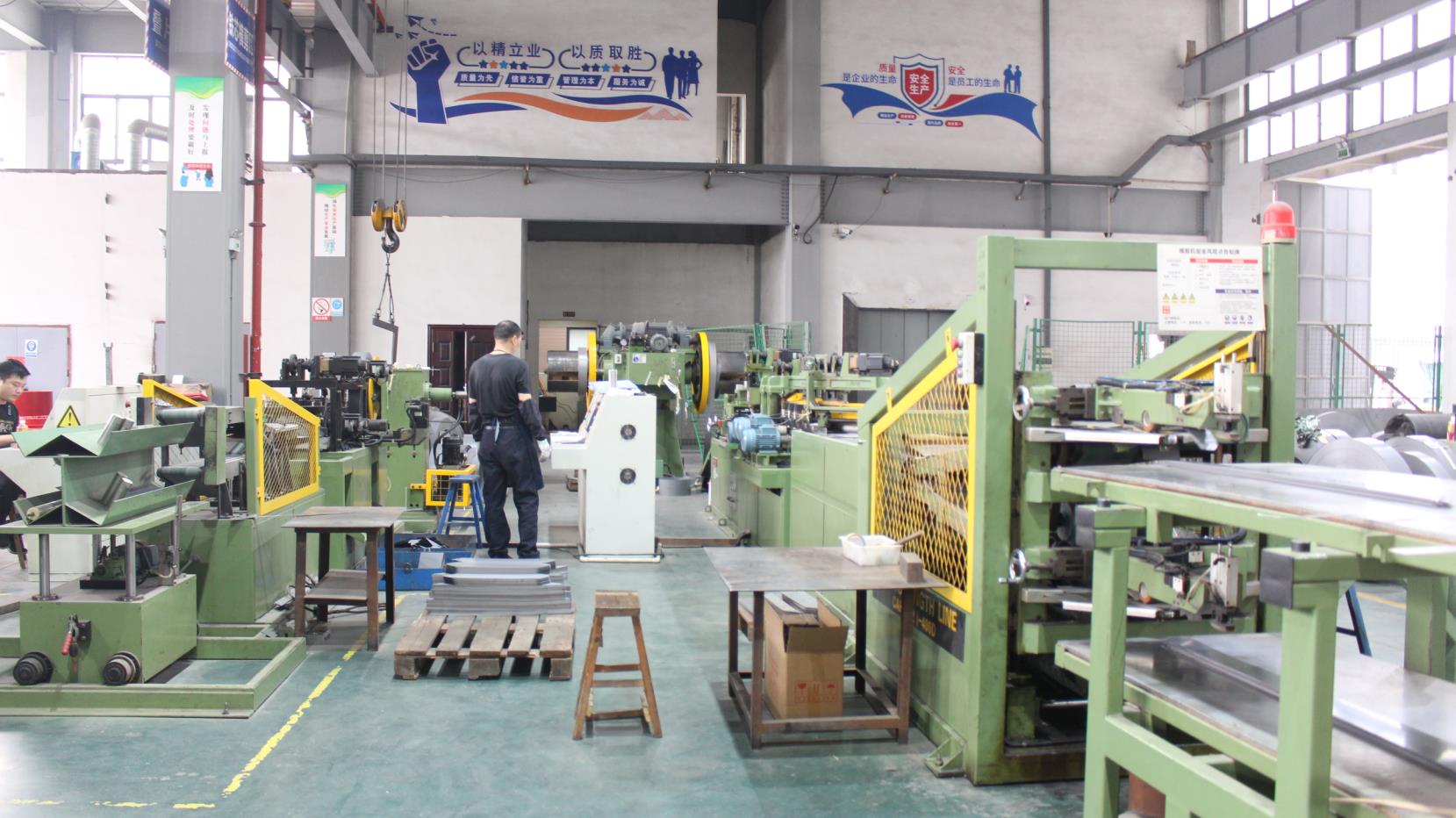
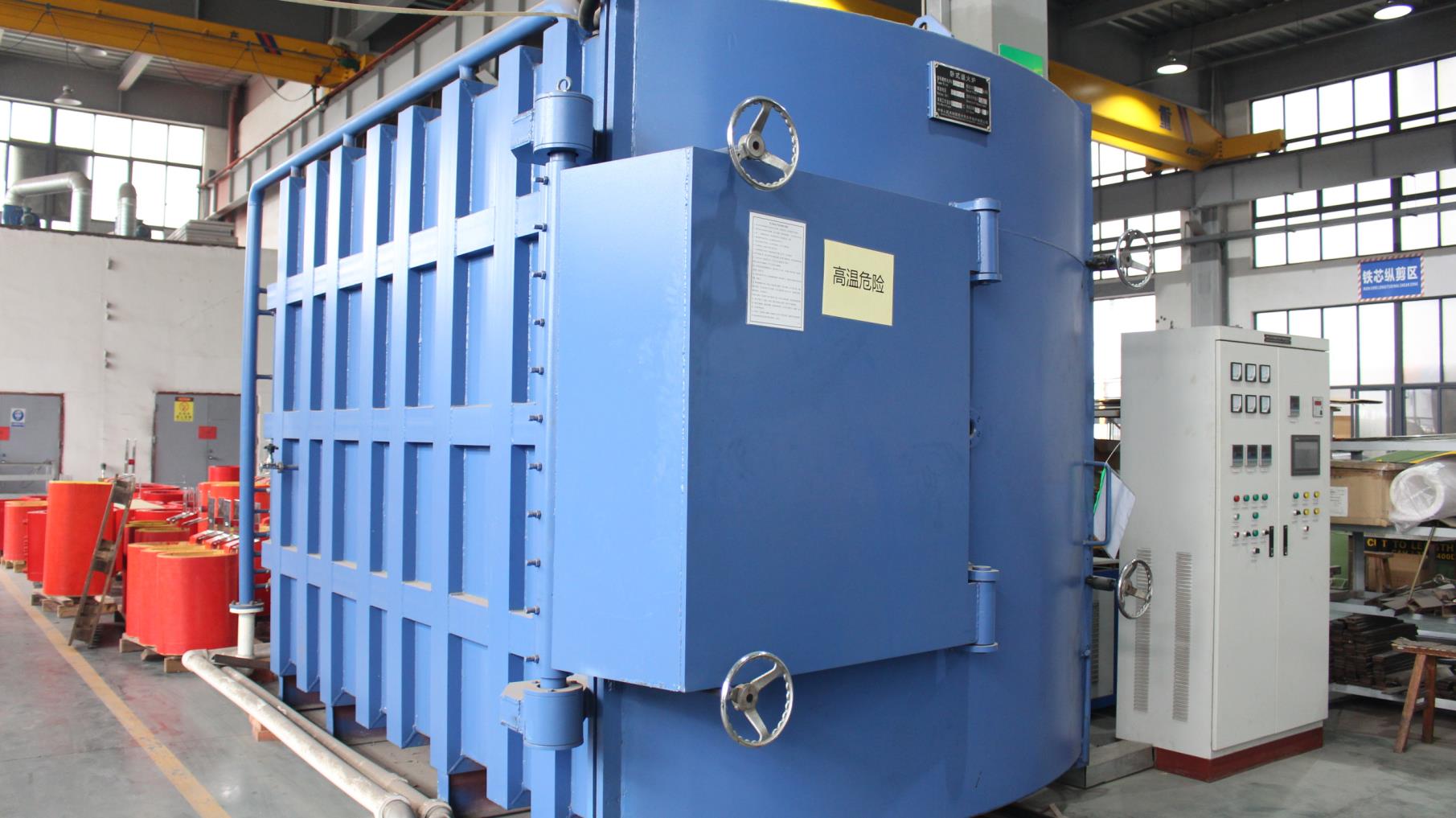
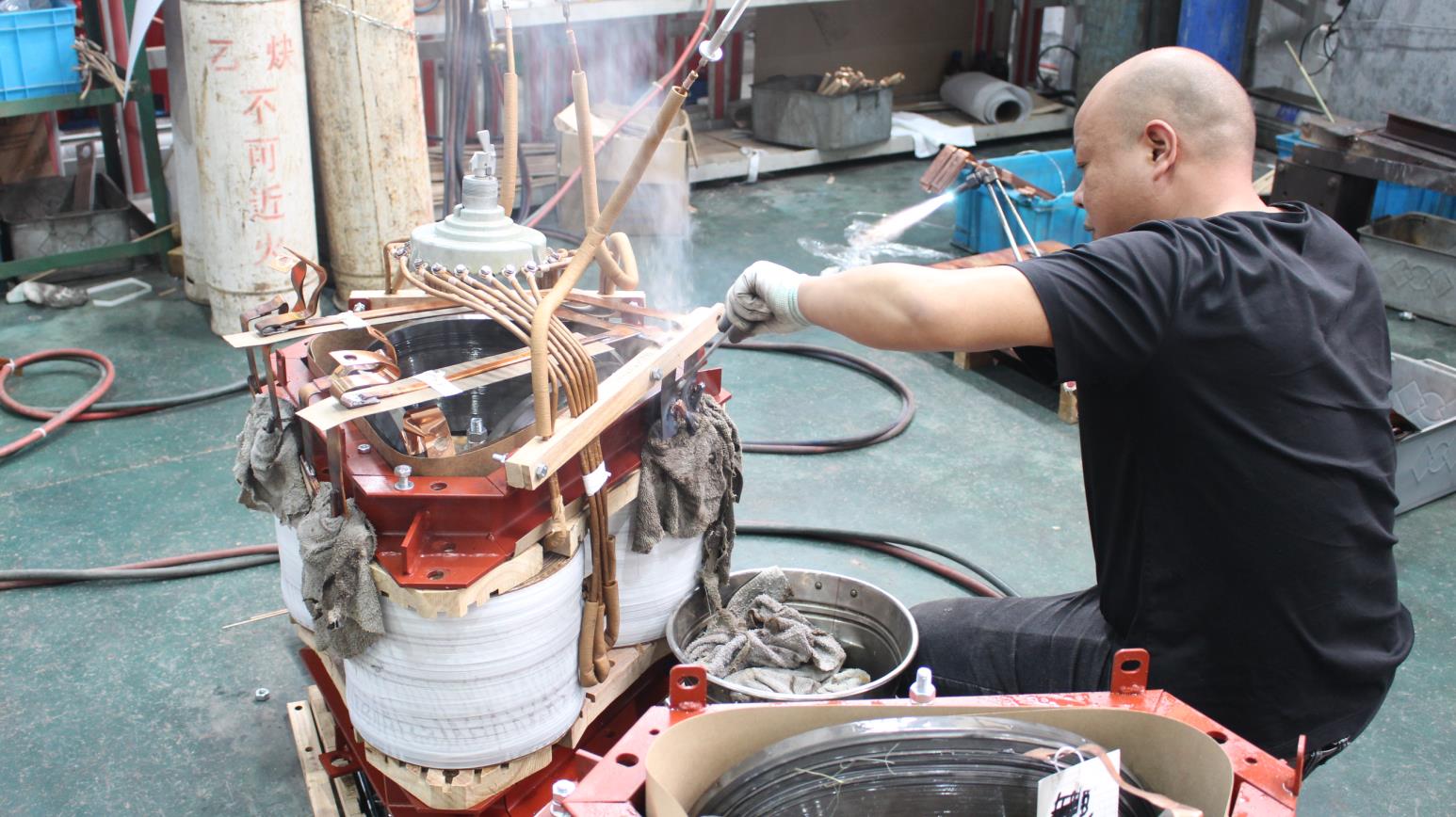
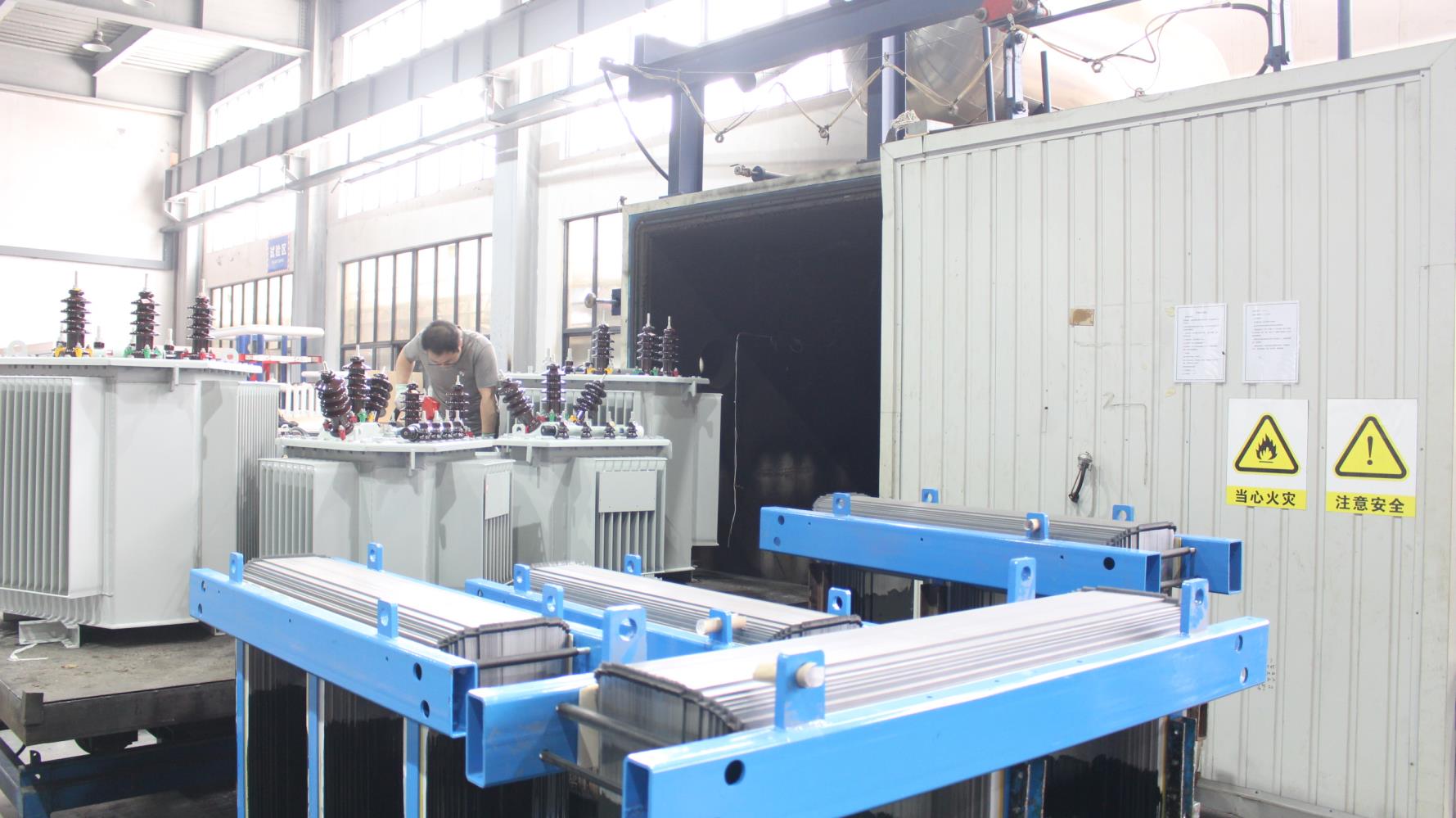
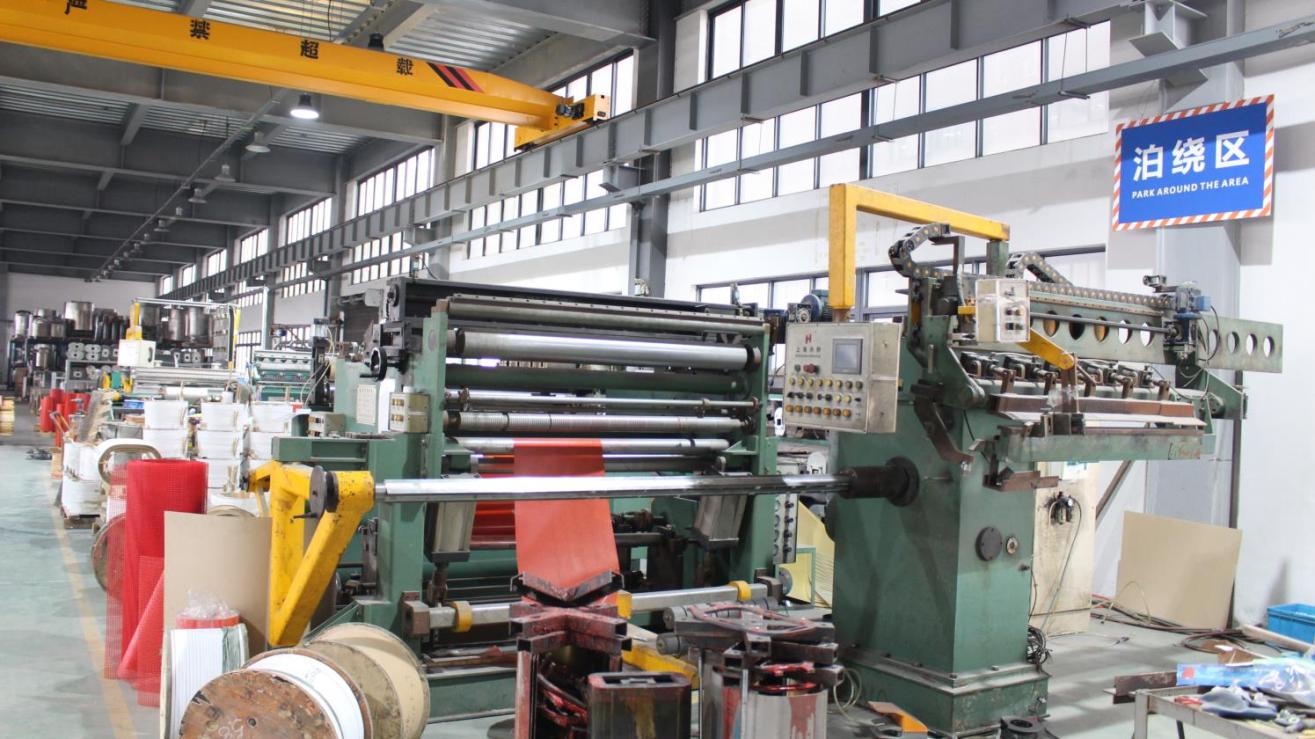
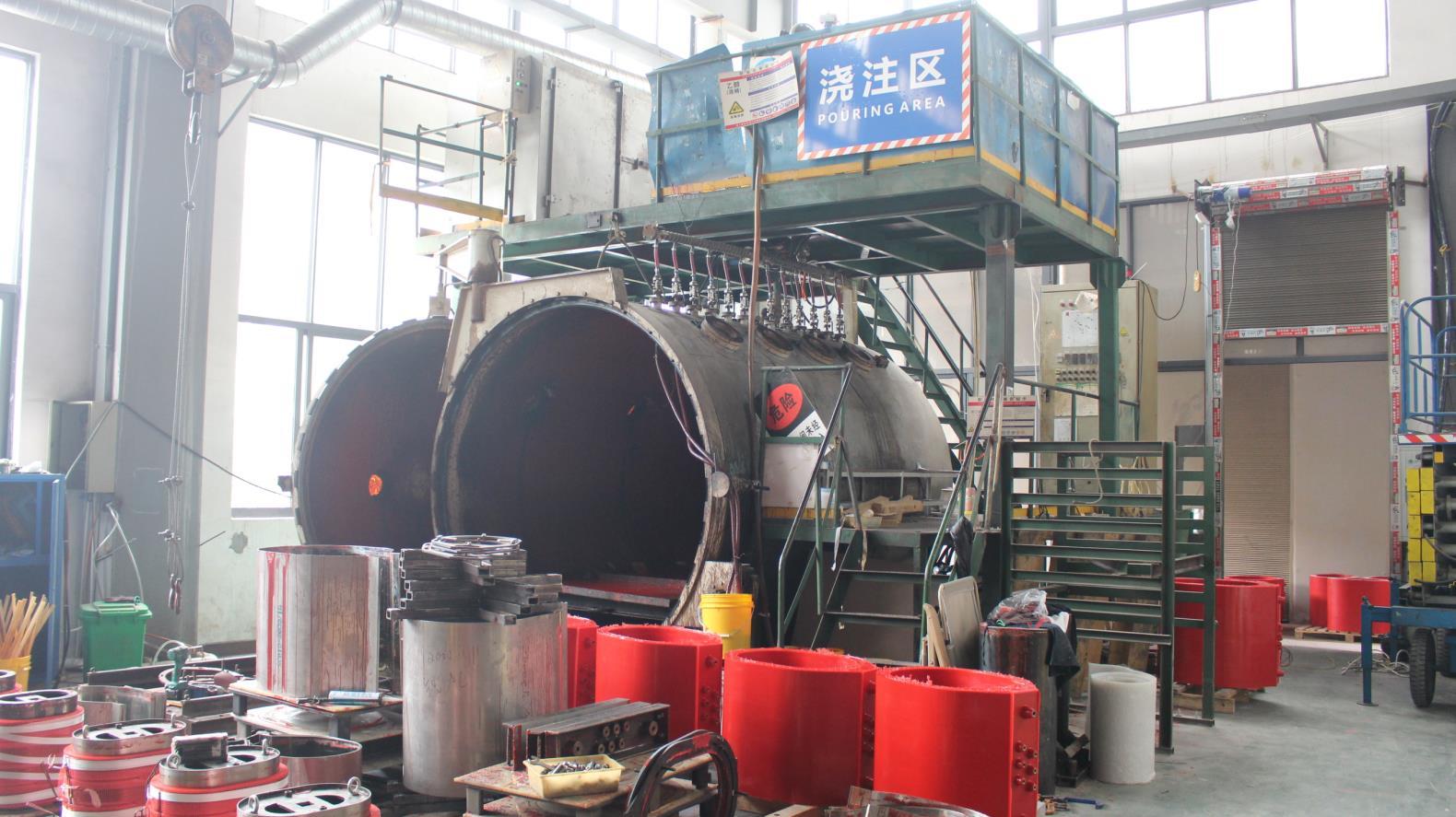
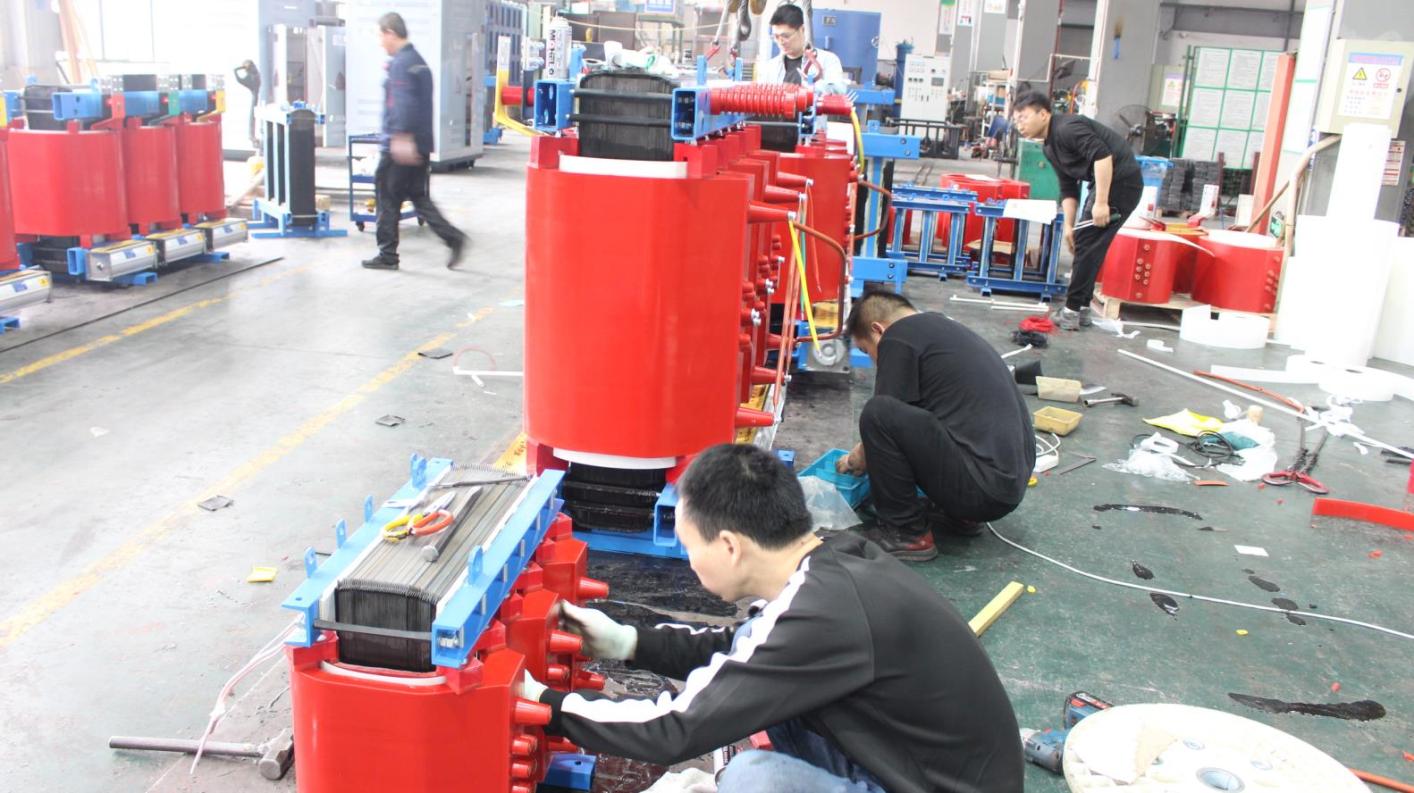
A comprehensive range of customizable, outdoor-ready prefabricated kiosk and pad-mounted substations engineered to meet standard utility protocols.
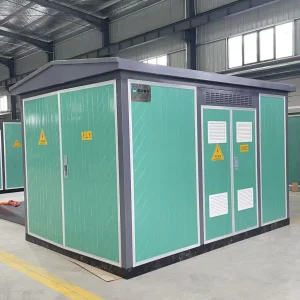
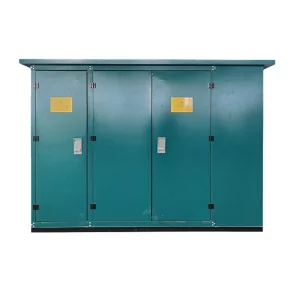
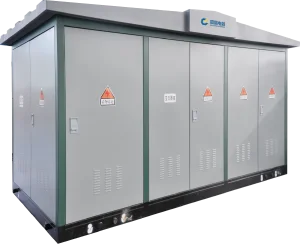
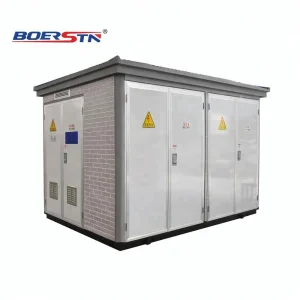
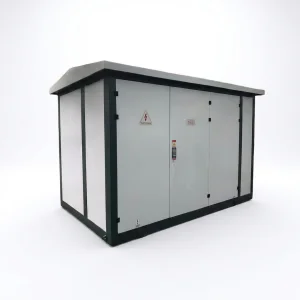
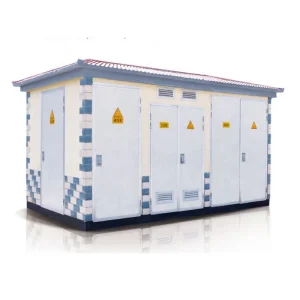
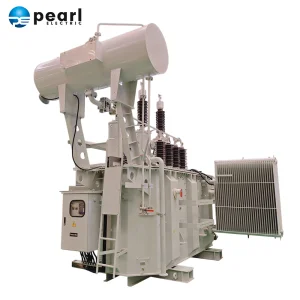
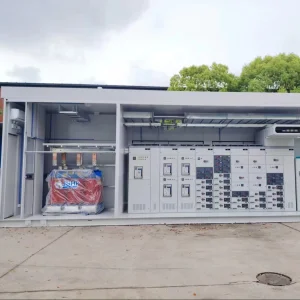
A prefabricated compact substation (also known as a package substation or CSS) comprises three primary compartments physically isolated from one another to prevent internal arc propagation and simplify thermal management: the Medium Voltage (MV) compartment, the Distribution Transformer compartment, and the Low Voltage (LV) compartment.
Equipped with Metal-Clad Switchgear or Ring Main Units (RMUs) featuring SF6 or solid-insulated tech. Offers high short-circuit withstand capabilities (up to 25kA/3s) and vacuum circuit breakers for protection. Compatible with modern SCADA automation protocols.
Houses either oil-immersed transformers (with corrugated tanks or radiators) or cast-resin dry transformers. Features temperature sensors (PT100), automated cooling fan control, and overpressure relief valves for reliable performance under heavy load profiles.
Contains the main incoming breaker (ACB or MCCB), outgoing feeders, automated power factor correction (APFC) capacitor banks, and smart metering units (AMR/AMI ready) supporting remote billing and loss monitoring.
In humid coastal regions, such as the Karachi Port Qasim Industrial Area, salt spray and high moisture speed up galvanic corrosion. Standard steel enclosures can show oxidation within months. To address this, Zeno Electric utilizes premium raw materials and specialized coating procedures:
Addressing engineering, regulatory, and logistics queries for project managers and utility operators in Pakistan.
Speak directly with our technical design team to obtain detailed specifications, single-line diagrams (SLD), and commercial quotations tailored to your regional utility standards.
Send Inquiry Now Zeno Electric