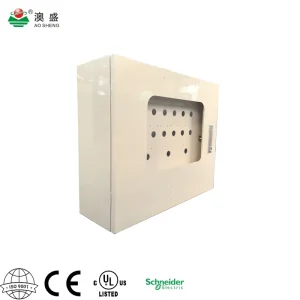
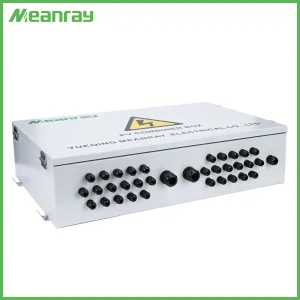
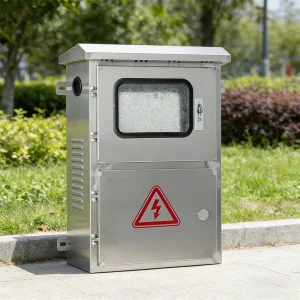
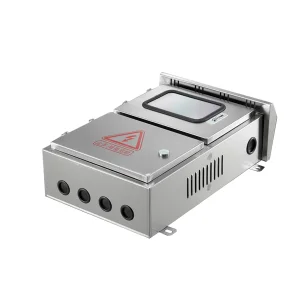
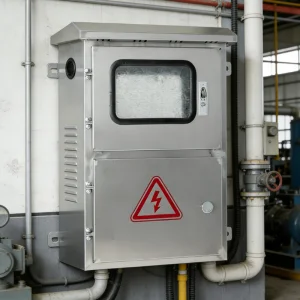
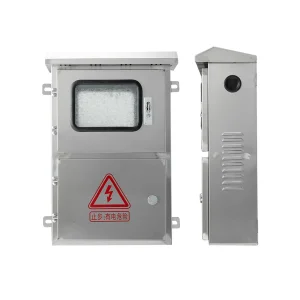
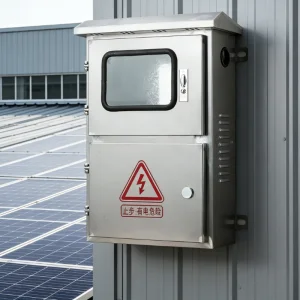
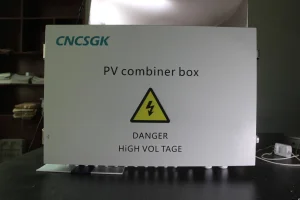
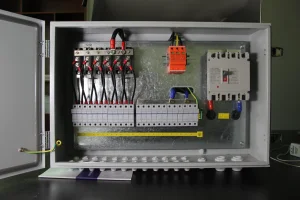
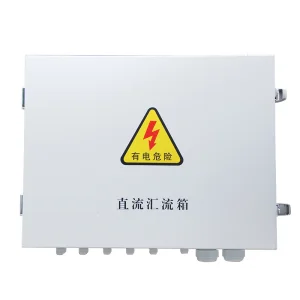
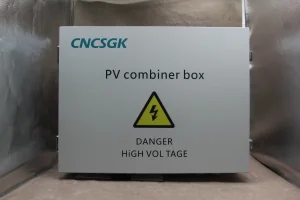
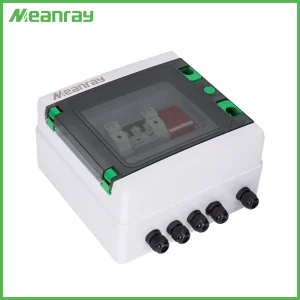
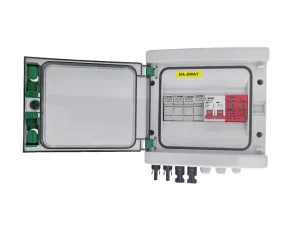
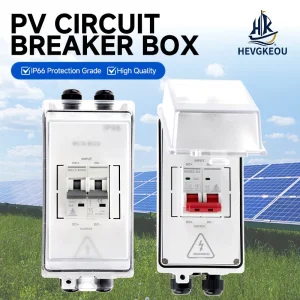
Highly durable protection cabinets and high-string combiner interfaces designed to integrate with major global string inverters within Japan's utility grid network.
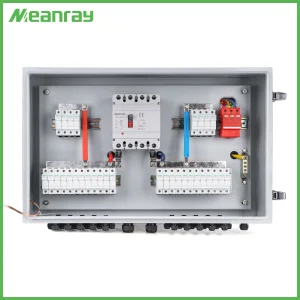
Understanding the technical requirements, environmental realities, and regulatory landscape for solar hardware in Japan.
Japan’s solar market has experienced a significant paradigm shift from the traditional Feed-in Tariff (FIT) to the Feed-in Premium (FIP) scheme. This structural transition prioritizes market integration, grid responsiveness, and system uptime. Consequently, engineering firms are increasingly utilizing decentralized string inverter architectures rather than central inverters. String configurations minimize single-point-of-failure risks and maximize yield across complex terrains. Protection for these sensitive string inverters, through high-performance protective enclosures and custom combiner systems, is essential to secure investment returns over the asset's 20+ year lifetime.
Enclosures deployed in Japan must withstand harsh environmental conditions. In coastal regions (known locally as heavy salt damage zones or *Shio-gai*), airborne chloride particles can cause rapid corrosion of standard galvanized steels. Furthermore, solar installations in regions like Hokkaido and Tohoku face massive snow loads, demanding structural configurations that resist physical deformation. Our specialized stainless steel (SUS304 and SUS316) enclosures, featuring custom ventilation configurations to prevent internal condensation, are engineered specifically to meet these unique challenges.
Japanese utilities (such as TEPCO, KEPCO, and Tohoku Electric Power) enforce strict connection grid codes. All hardware must align with:
Ensures structural integrity against high wind pressures (designing for up to 60m/s velocities depending on localized zoning map records).
Enforces electrical safety regulations, requiring integrated DC surge protection (SPD Type II) and reliable ground path designs.
Assists developers and EPCs in simplifying inspection procedures and streamlining connection permits with regional power authorities.
Zhejiang Zeno Electric Co., Ltd. - A Trusted Partner in Global Clean Energy Infrastructure.
Zhejiang Zeno Electric Co., Ltd. is a national high-tech enterprise located in Ningbo, with a registered capital of 52 million yuan. The company integrates research and development (R&D), manufacturing, sales, and service of advanced power equipment and energy systems.
Rooted in Ningbo and supported by a strong engineering and technical team, Zeno Electric has steadily expanded its business across China and international markets. Through continuous innovation and quality-driven development, the company has become a trusted provider in the power and energy industry, with growing influence in both utility and industrial sectors.
With a focus on sustainable development and smart energy transformation, we are committed to delivering safe, efficient, and intelligent power solutions that support the global transition toward cleaner and more digitalized energy systems.
We specialize in power equipment and integrated energy system solutions. Our product portfolio covers a wide range of advanced technologies, including:
Complete power distribution systems designed for rugged utility applications and industrial integration.
Modular battery energy storage enclosures equipped with active thermal management and fire suppression.
Skid-mounted and containerized substations designed for large-scale wind and photovoltaic power generation.
Digital monitoring, remote telemetry, and edge-computing smart combiner setups for real-time grid diagnostics.
In addition, we undertake turnkey power engineering projects up to 220kV, providing end-to-end services that include system planning, engineering design, equipment manufacturing, installation, commissioning, and long-term maintenance.
To better serve diverse customer needs, we offer fully customized, one-to-one energy solutions tailored to specific project requirements. Our integrated service model helps clients simplify power application and approval processes, reduce overall capital investment and operational costs, improve energy efficiency and reliability in daily operations, and enhance smart monitoring and energy management capabilities.
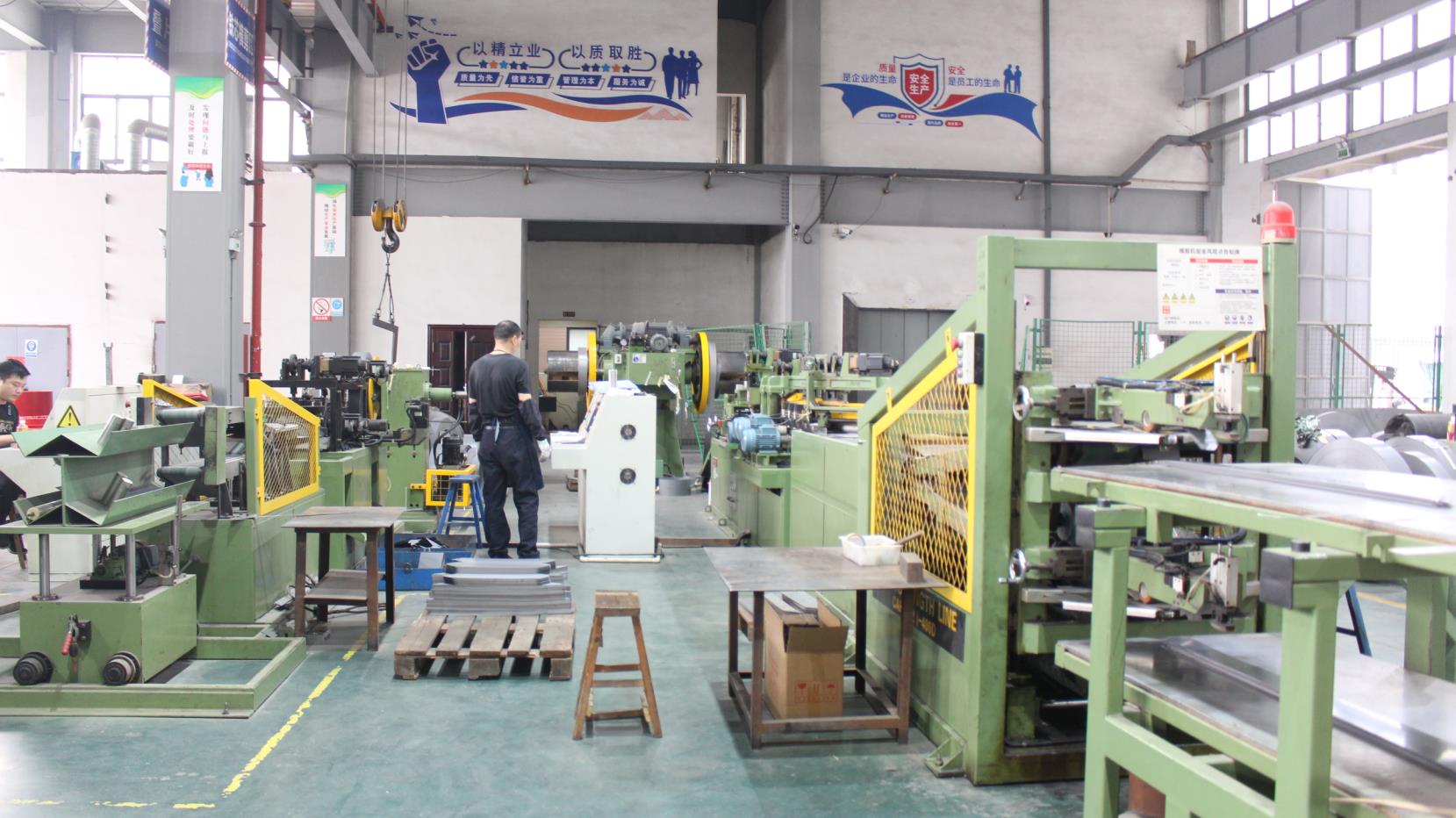
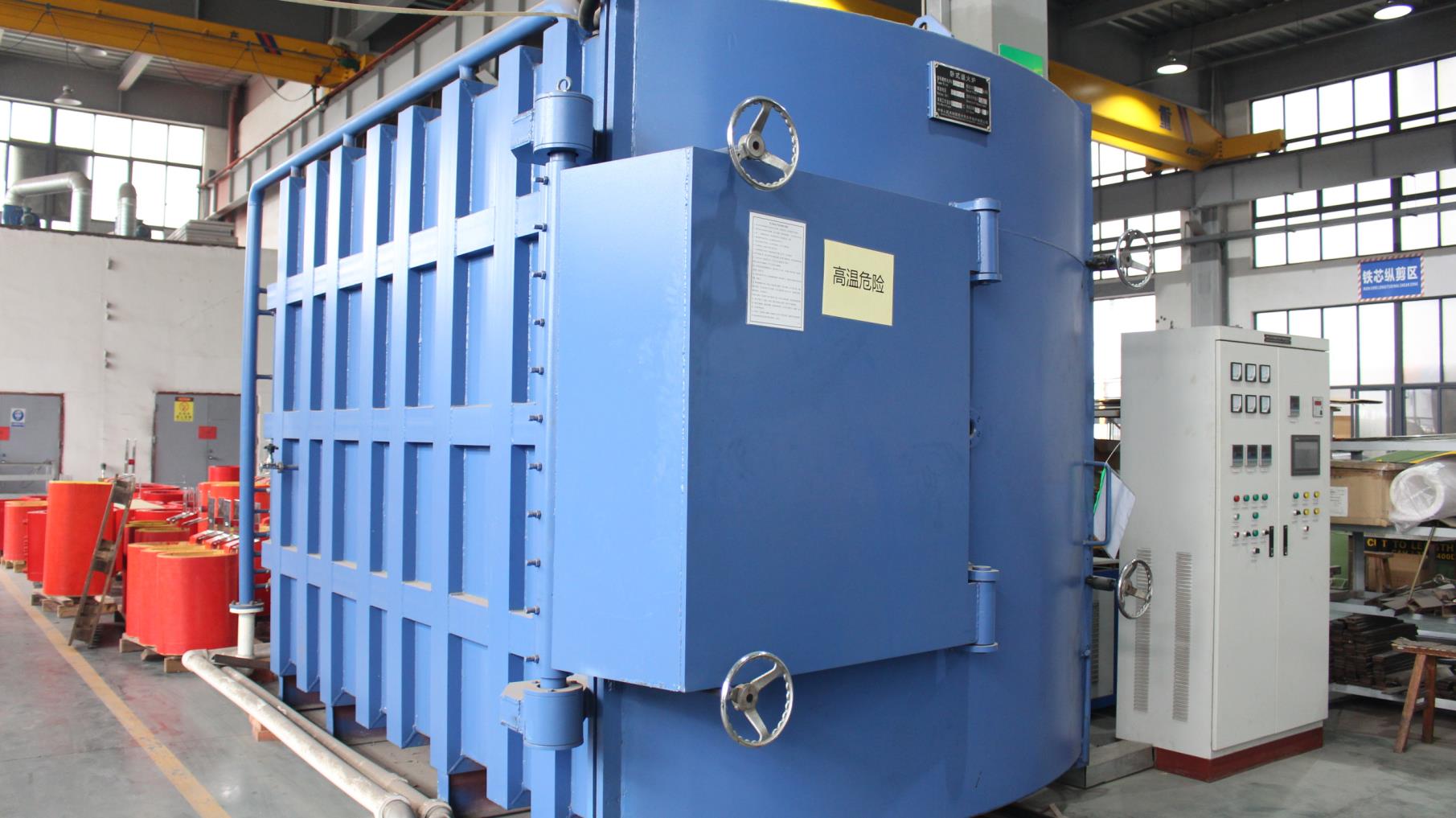
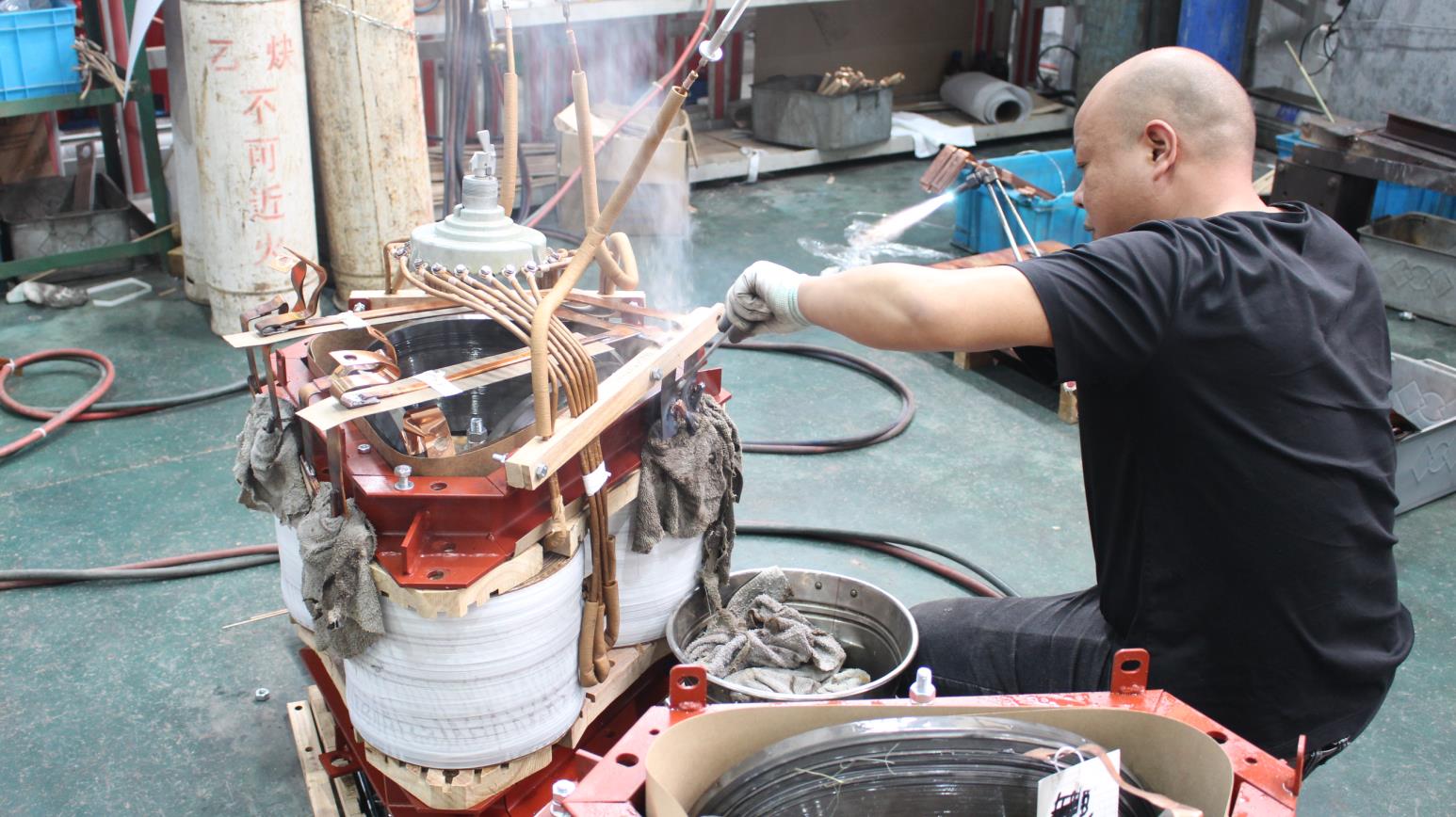
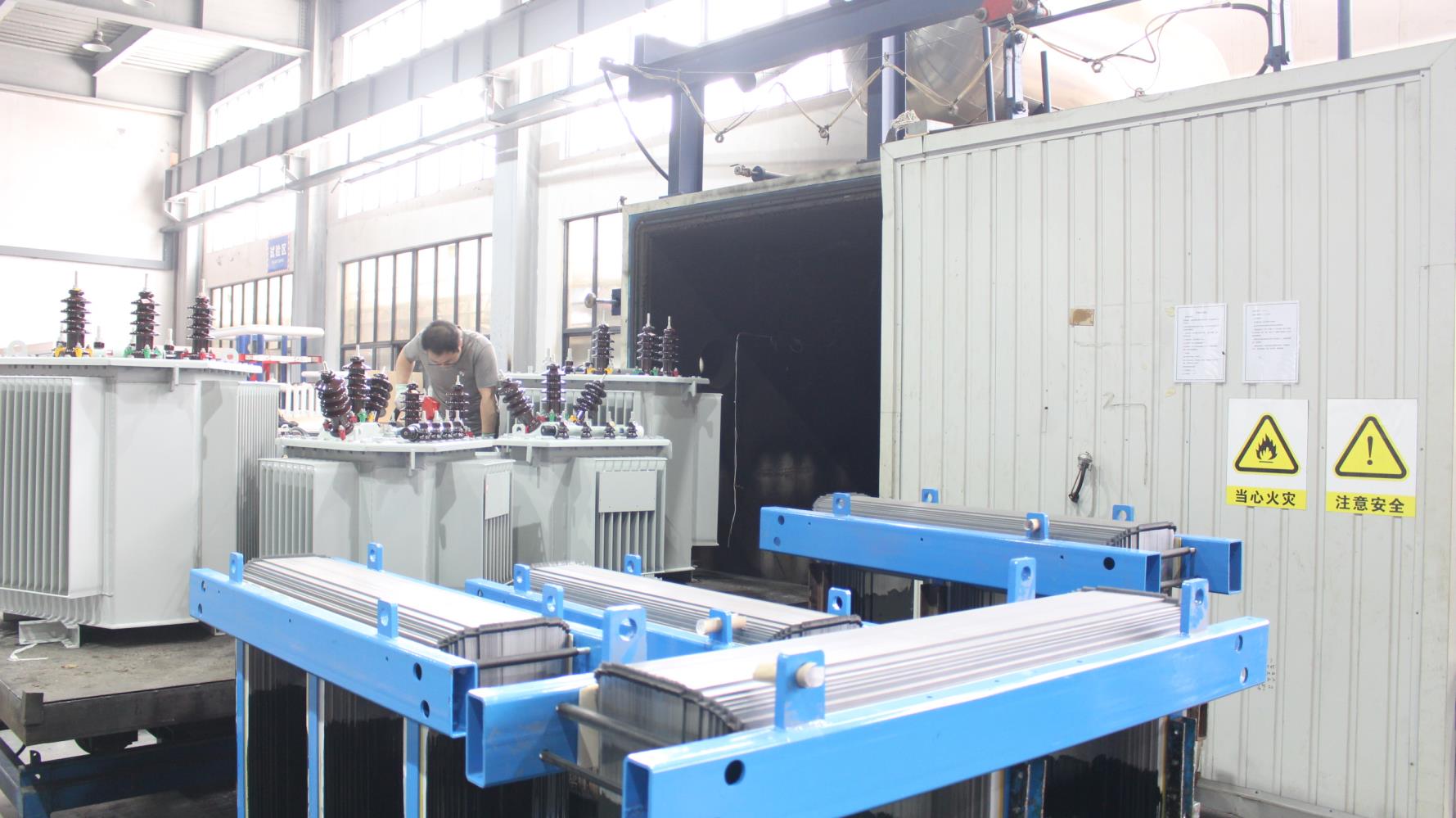
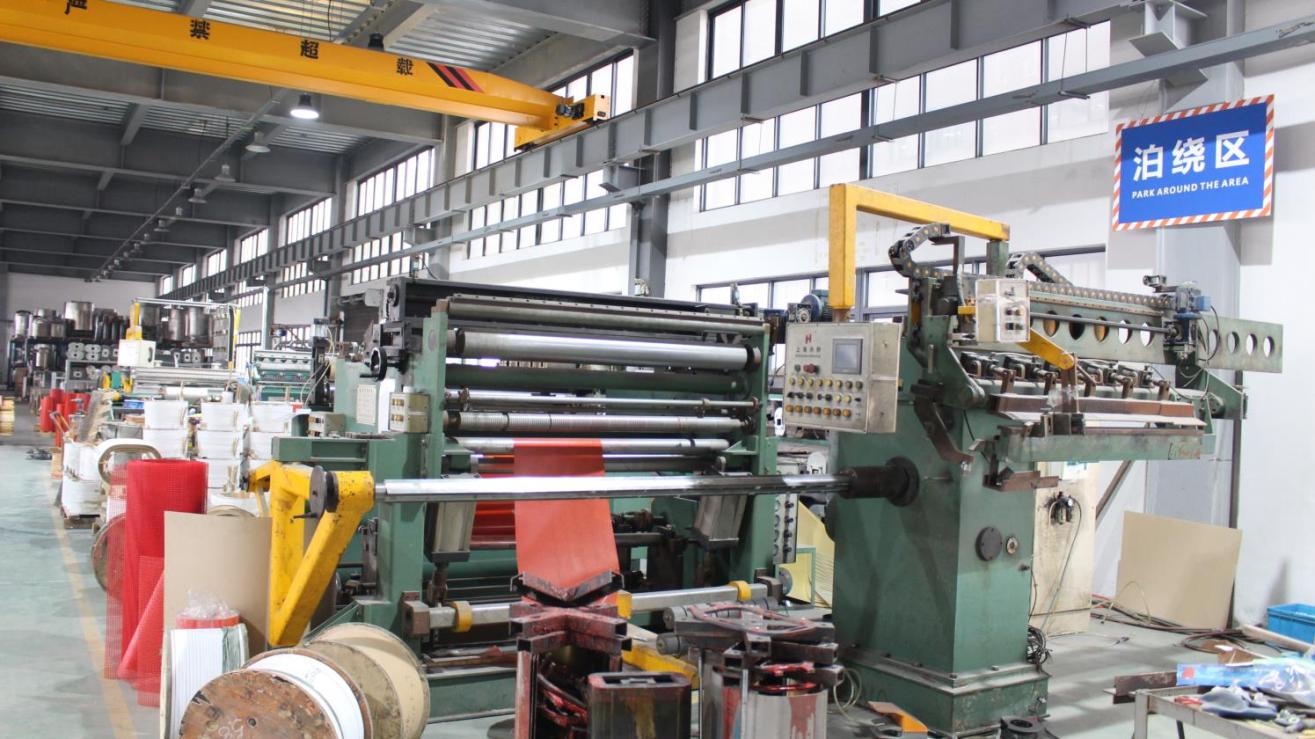
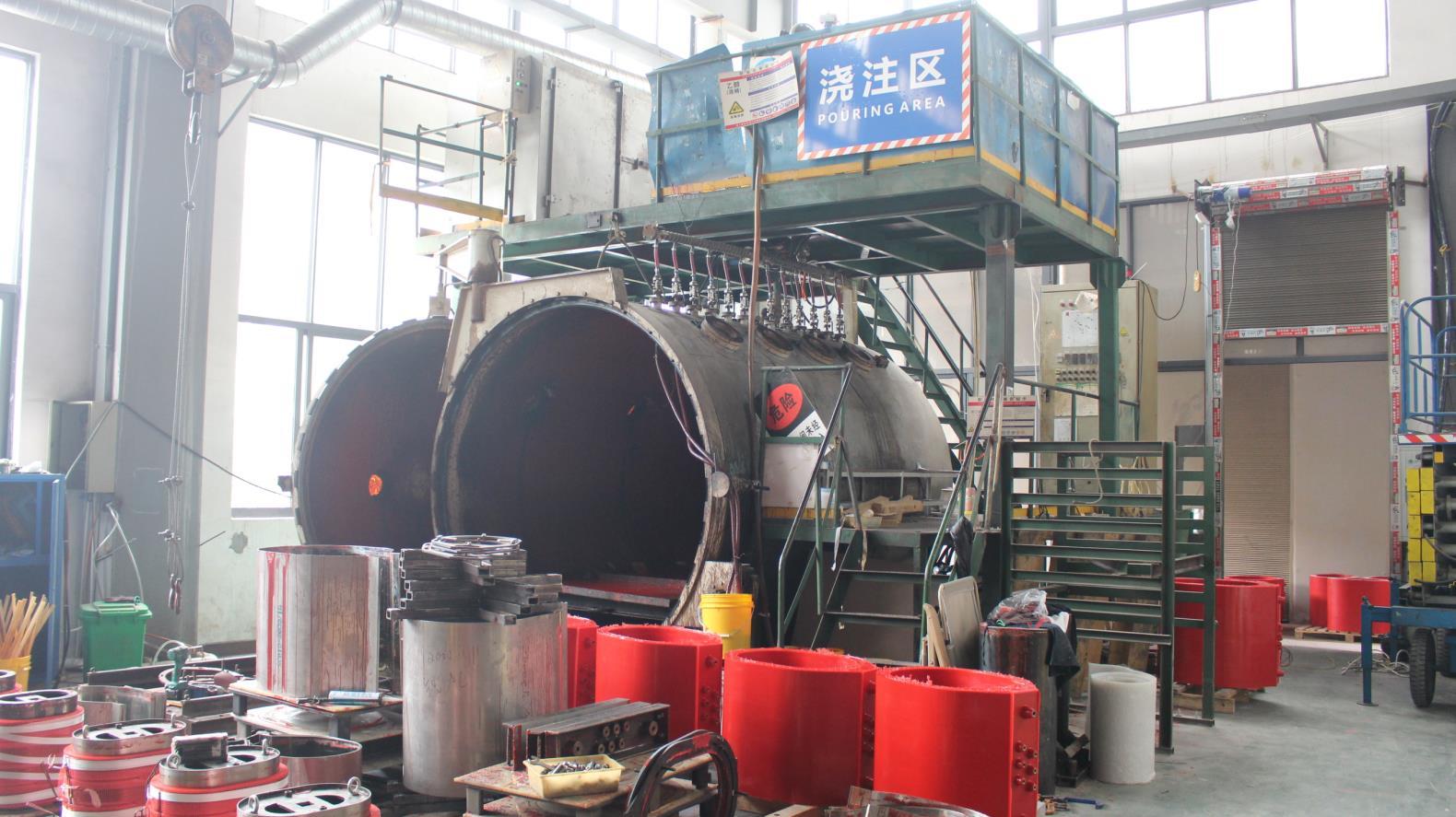
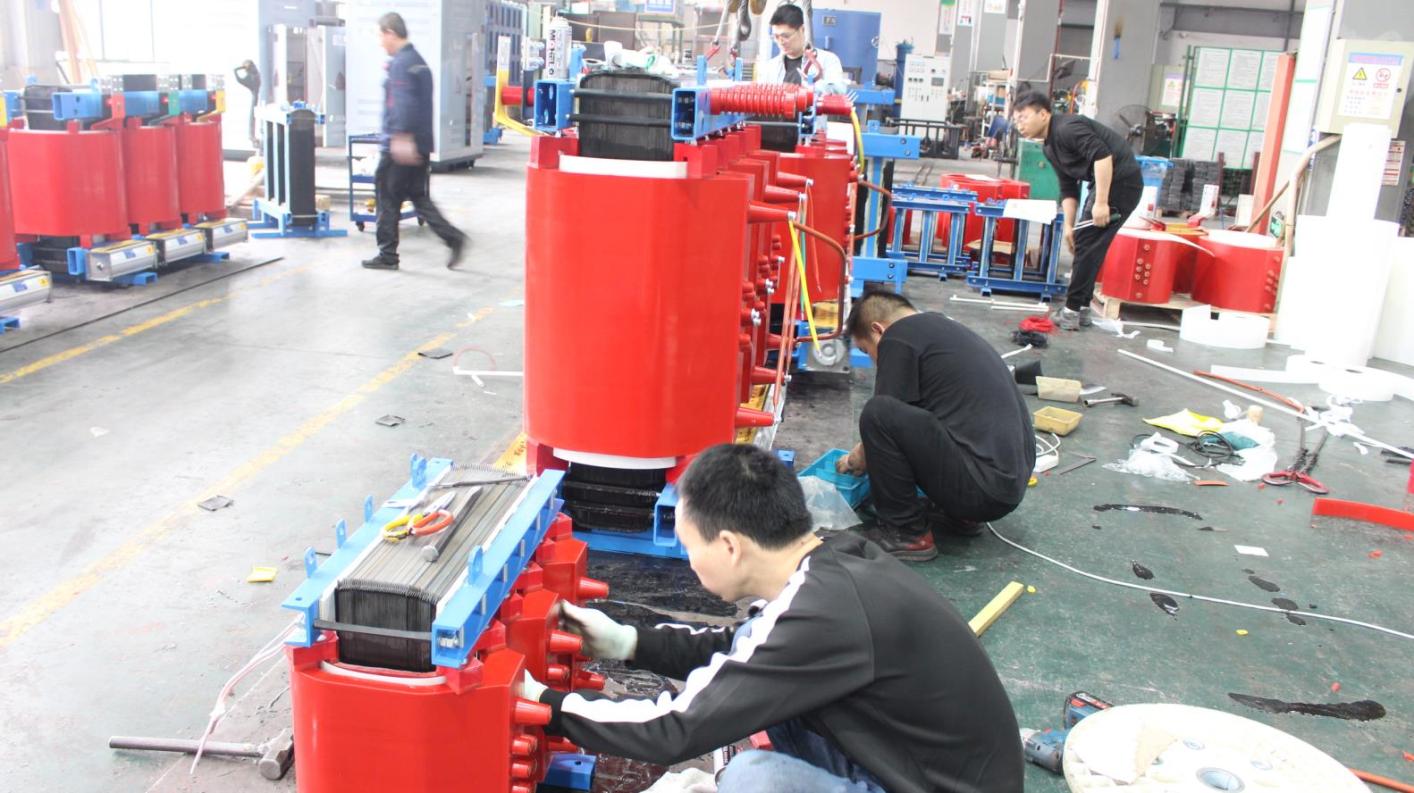
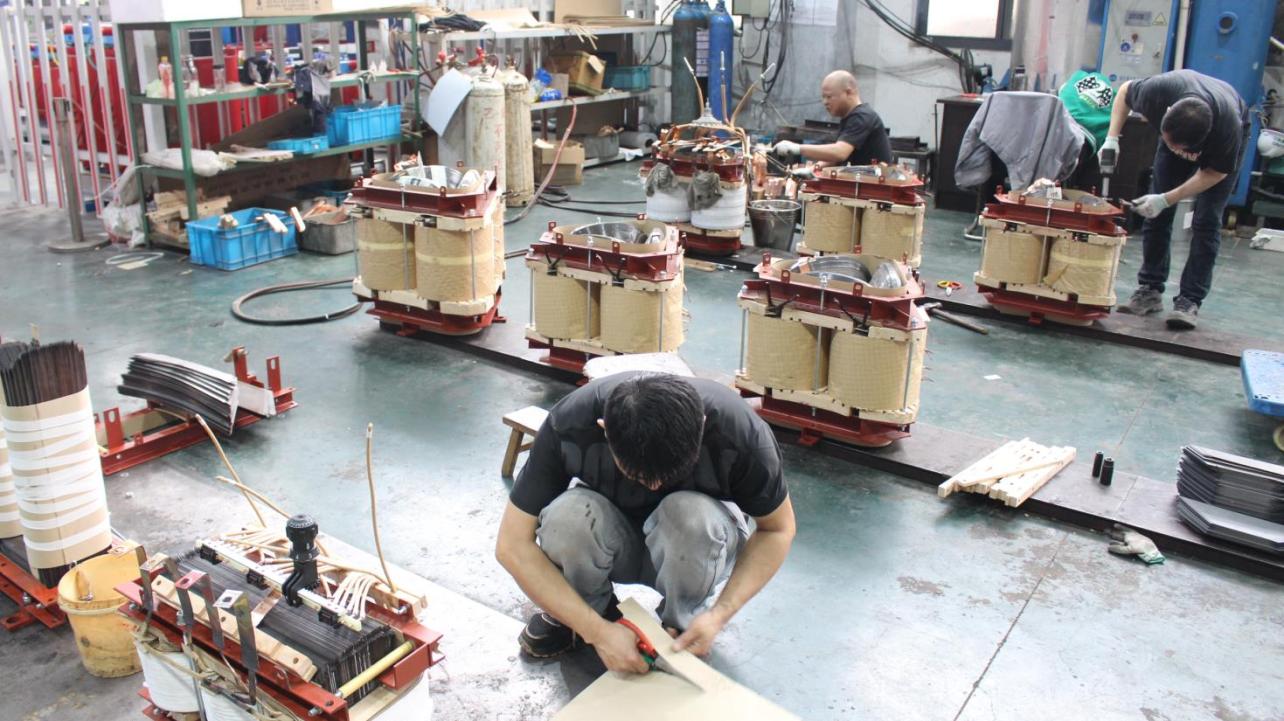
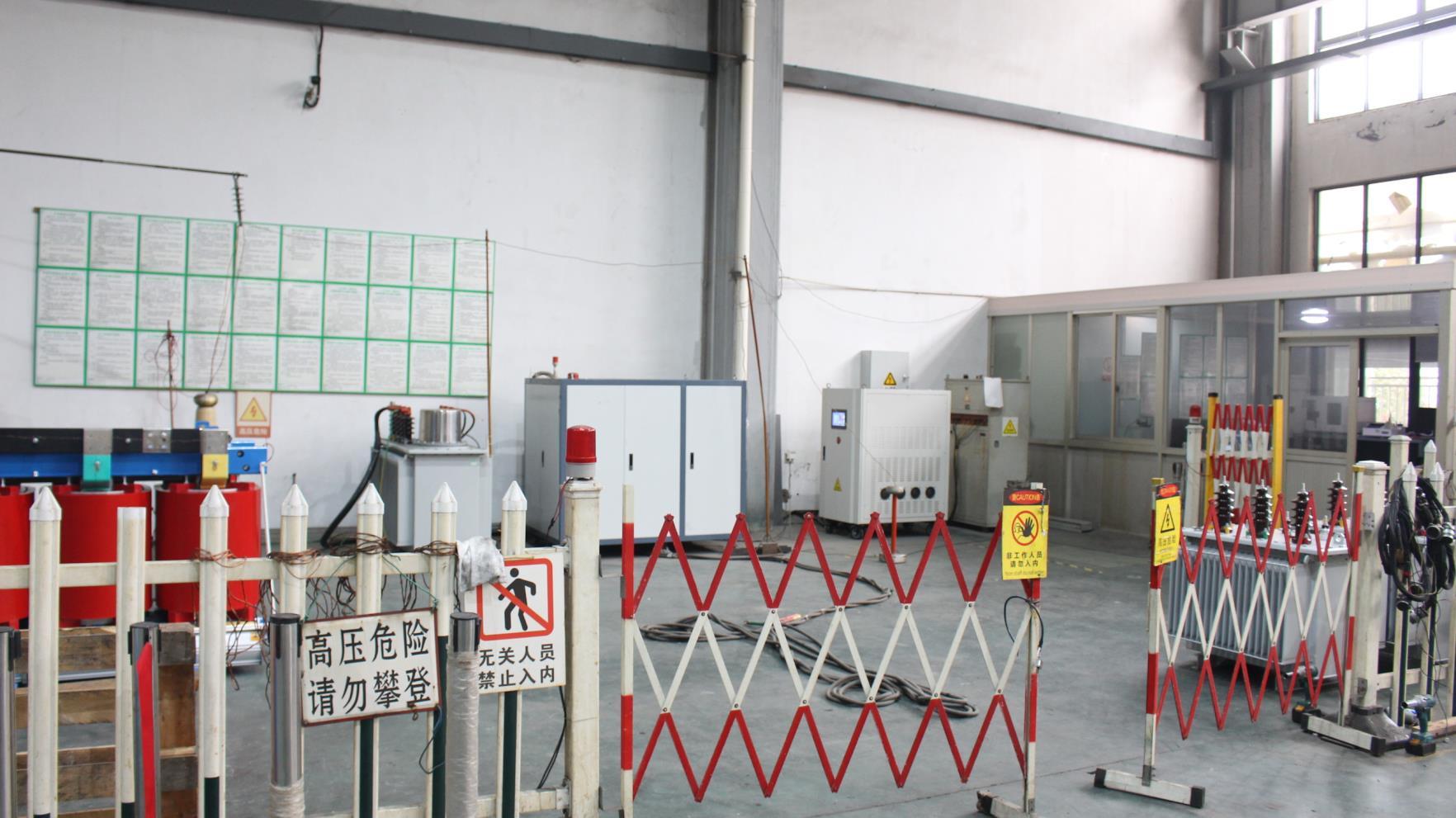
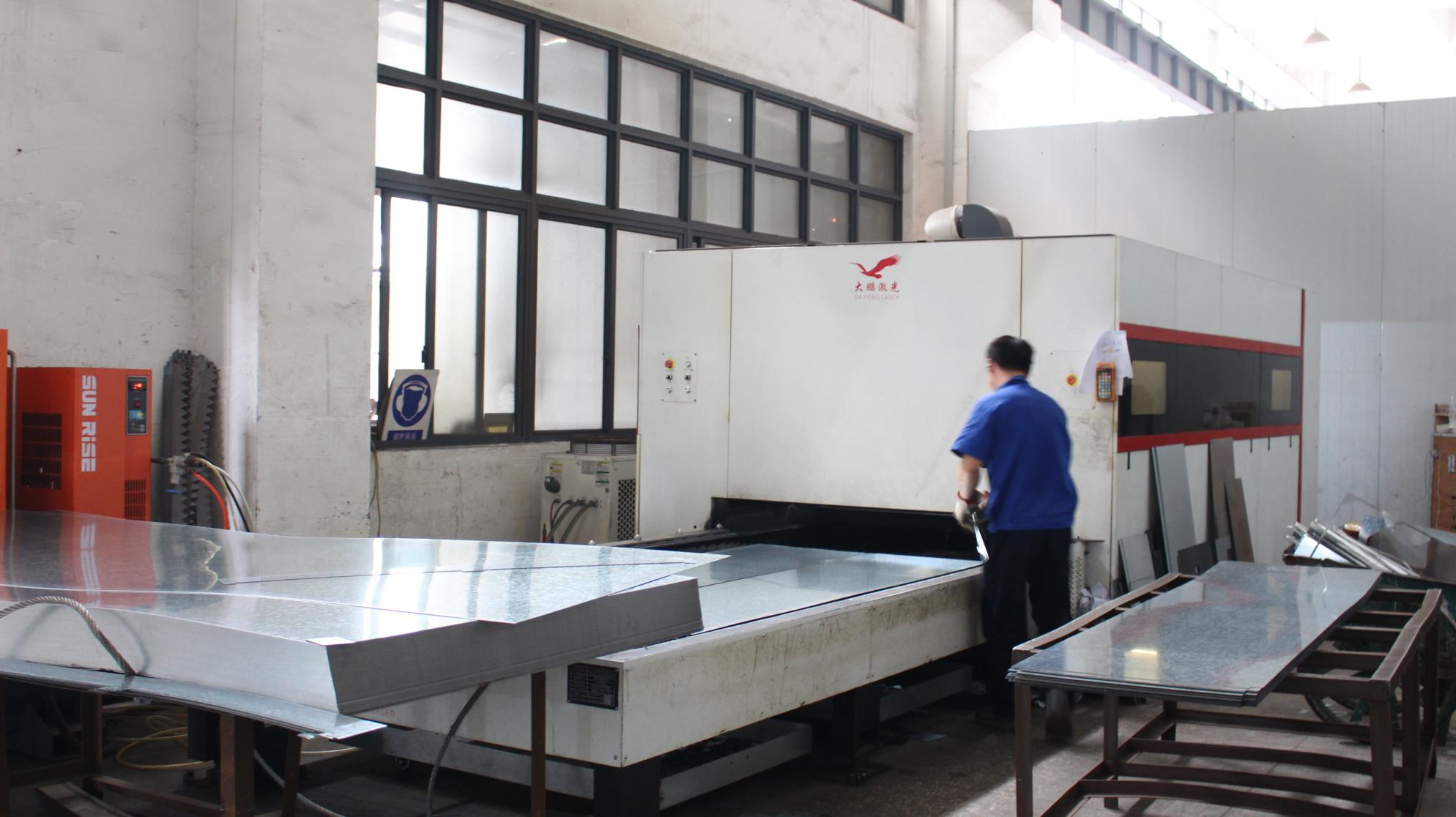
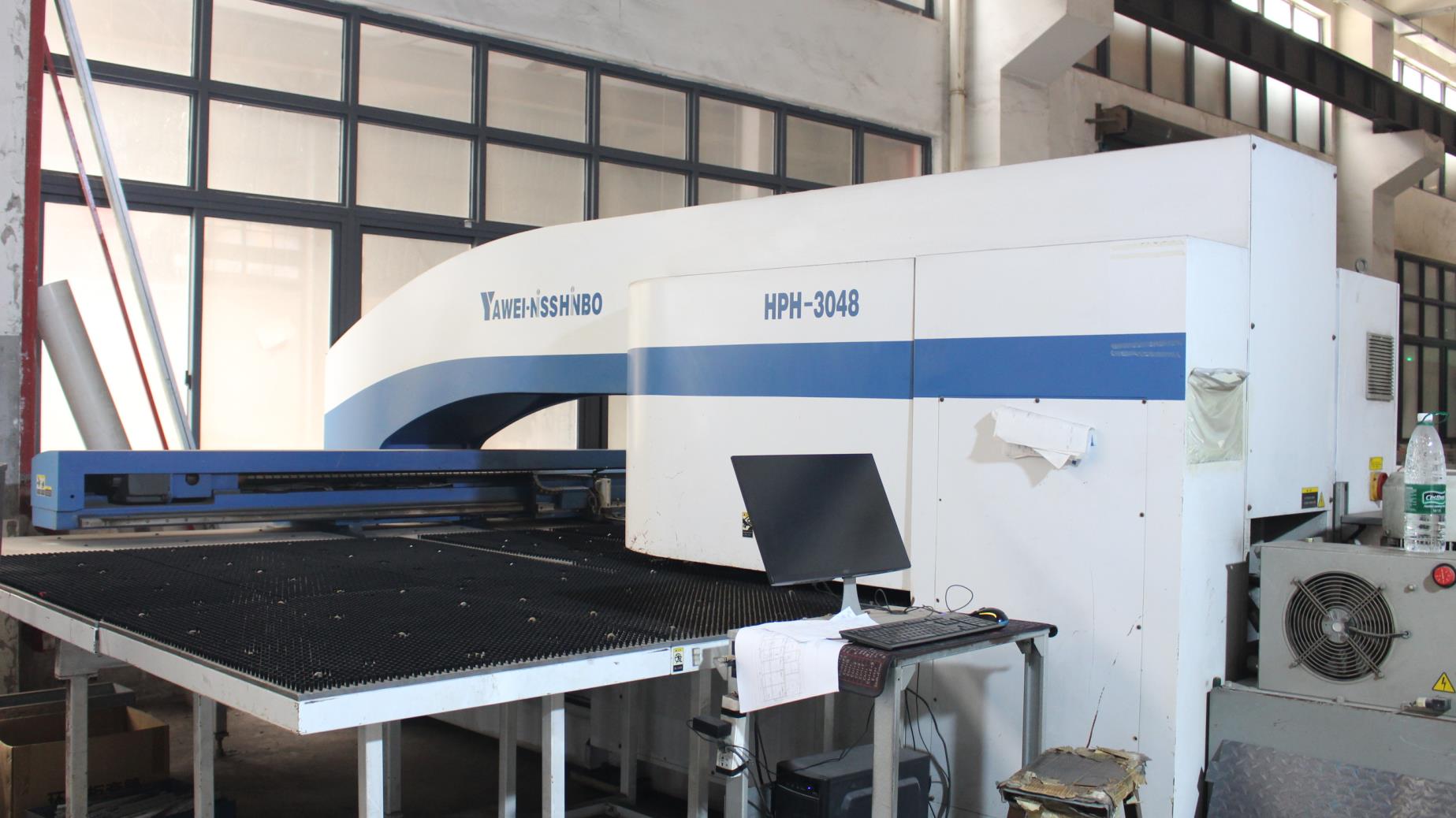
How Zeno Electric bridges Chinese manufacturing scale with Japan's rigorous engineering requirements.
Decentralized string configurations run hot. Our enclosures utilize customized forced ventilation, dynamic cooling ducts, and sunshields to prevent thermal shutdown during summer peaks in central and southern Japan.
Unattended mountain solar arrays in Japan are prone to cable and copper theft. Our heavy-duty wire mesh cages and multi-point lock systems provide reliable protection without compromising solar cooling ventilation.
Leveraging Ningbo's deep-water port logistics, we supply custom configurations directly to major sites across Honshu, Kyushu, and Hokkaido, minimizing lead times for EPC project deadlines.
As the Japanese power grid moves toward digitization, simple physical protection is no longer sufficient. Our technical roadmap incorporates IoT monitoring nodes directly inside the combiner enclosures. By monitoring internal temperatures, humidity thresholds, and string-level currents, we enable operators to address faults before they cause system downtime. Additionally, we are transitioning our exterior coating methods to advanced eco-friendly, ultra-low VOC processes that meet Japan's strict municipal environmental regulations, ensuring safety and compliance from production to end-of-life disposal.
Explore our full line of combiner boxes, outdoor distribution enclosures, and anti-theft protective structures optimized for the Japanese market.
Addressing technical concerns, supply chain processes, and localized engineering support.
Partner with Zhejiang Zeno Electric Co., Ltd. for reliable engineering, certified safety, and high-performance protection panels optimized for Japan's solar market.
 Zeno Electric