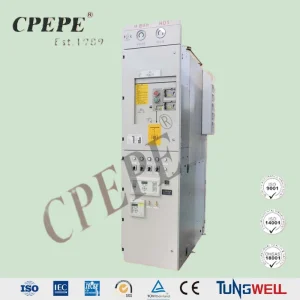
Top 10 Photovoltaic Energy Solutions Factories & Exporter

Pioneering Tier-1 Solar Grid Systems, Battery Energy Storage, and Next-Generation Smart Distribution Infrastructure Globally

52M+
Registered Capital (RMB)
Top 10
Photovoltaic Infrastructure Exporter
220kV
Turnkey Power Capabilities
100%
Factory Inspection & Testing

Strategic Paradigms: The Photovoltaic Energy Solutions Landscape

⚙️ The Shift Towards Digital Grid Harmonization

The global energy landscape is undergoing a monumental transition. Traditional decentralized generation is giving way to active distribution networks integrated with utility-scale solar arrays. As photovoltaic penetration rises, grid operators face critical power quality issues—including harmonic distortions, bi-directional power flows, and transient voltage spikes. Modern Photovoltaic Energy Solutions must go beyond simple solar panels; they require sophisticated grid-interaction components such as smart RMUs (Ring Main Units), GIS (Gas Insulated Switchgear), and high-capacity Commercial & Industrial (C&I) battery energy storage systems (BESS).

Key technological priorities are shifting toward reactive power compensation and real-time monitoring. The integration of IoT sensors within low-voltage and medium-voltage distribution panels allows modern solar grid configurations to auto-regulate, safeguarding industrial facilities against sudden micro-grid dropouts.

Decarbonization Demands Resilient BESS Systems

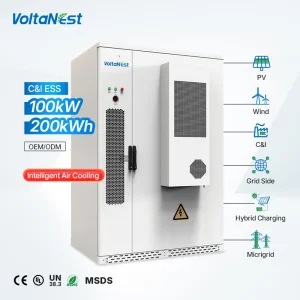
Solar power is inherently intermittent. To achieve true energy autonomy, commercial enterprises are deploying high-voltage BESS solutions. Systems like the *VoltaNest 100kW 215kWh LFP Battery cabinet* act as critical buffer zones. They store excess generation during peak irradiance hours and discharge during peak demand, avoiding high peak-tariff rates.

Furthermore, safety profiles represent a major differentiator in industrial solar deployments. Modern LFP (Lithium Iron Phosphate) chemistries, combined with smart battery management systems (BMS) and intelligent thermal control, ensure that large-scale energy infrastructure is safe, dependable, and capable of operating under extreme temperatures.

Global Procurement Dynamics: Navigating Supply Security & Compliance

📋

Regulatory Compliance & Certifications

EPC contractors and international energy developers require hardware certified to strict regional codes (such as CE, IEC, and IEEE). Ensuring equipment complies with safety directives prevents installation delays and guarantees grid-connection approval by local utility entities.

⚙️

System Interoperability

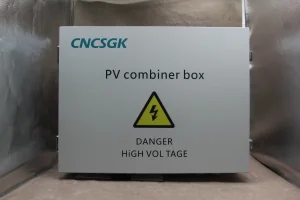
High-voltage solar fields require switchgear, transformers, and combiner boxes to communicate seamlessly. Procuring integrated systems from single manufacturers reduces risk and eliminates communication protocol mismatches between solar arrays and utility substations.

Supply Chain Traceability

As governments restrict materials based on origin and environmental impact, traceable procurement from certified raw materials (like recyclable copper windings and eco-design dry-type transformers) has become a core requirement for European and North American projects.

China Factory 4.0: Supply Chain Resilience & Advanced Manufacturing

🏭 Zhejiang Zeno Electric: Engineered for Excellence

Located in the advanced manufacturing hub of Ningbo, Zhejiang Zeno Electric Co., Ltd. stands as a national high-tech enterprise with a registered capital of 52 million yuan. We integrate R&D, precision manufacturing, international sales, and turnkey power engineering service up to 220kV. By merging smart grid hardware engineering with local localized expertise, we construct power distribution units designed for complex environmental variables.

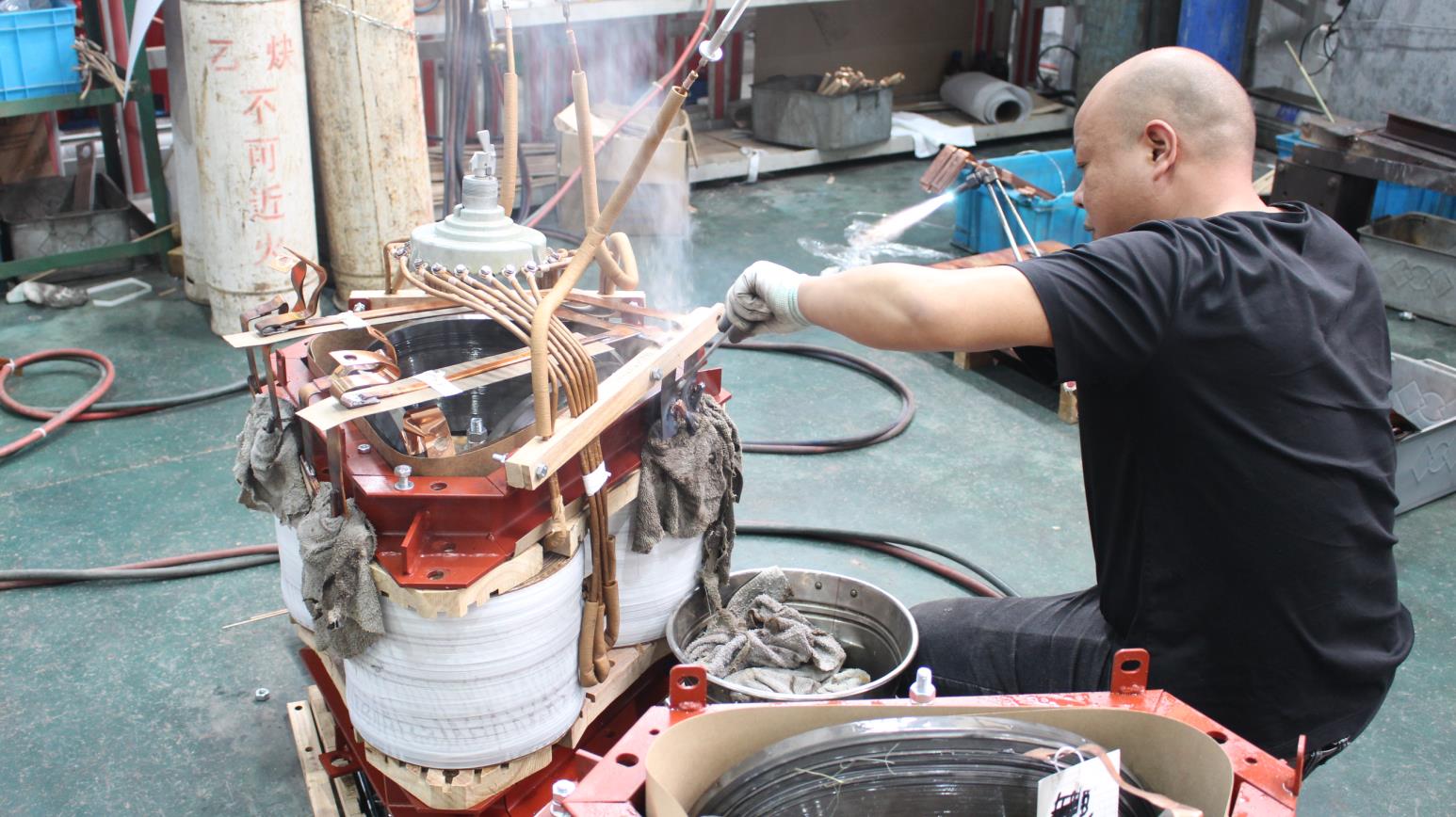
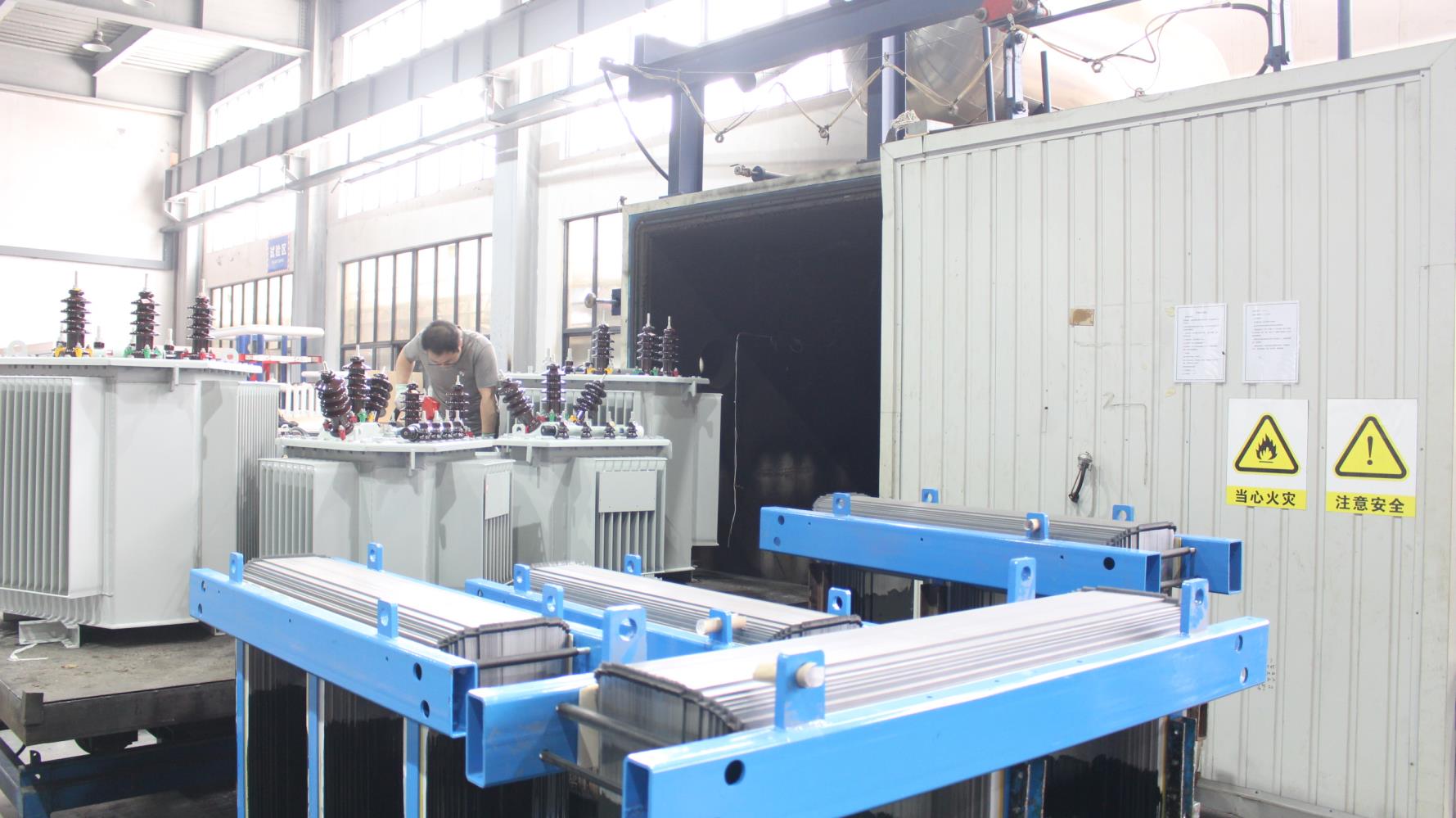
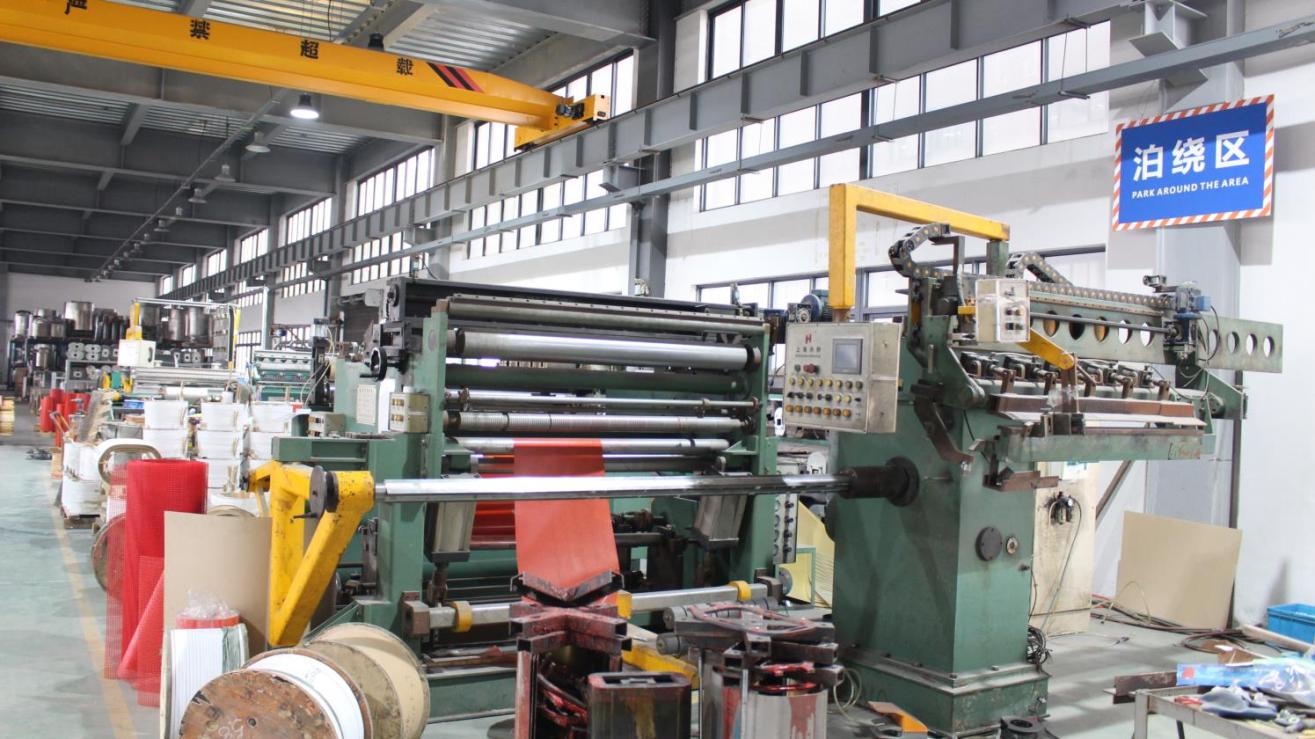
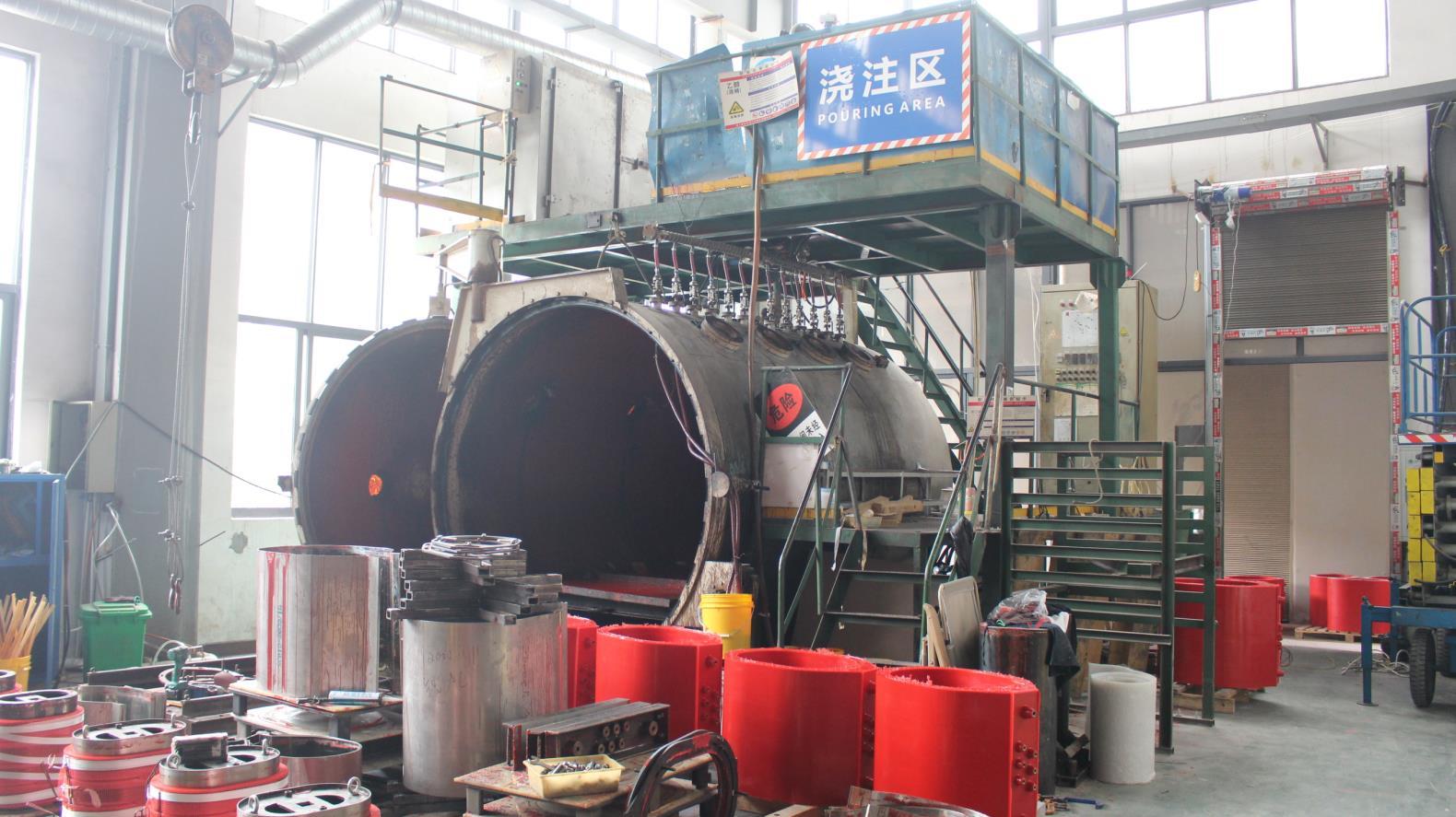
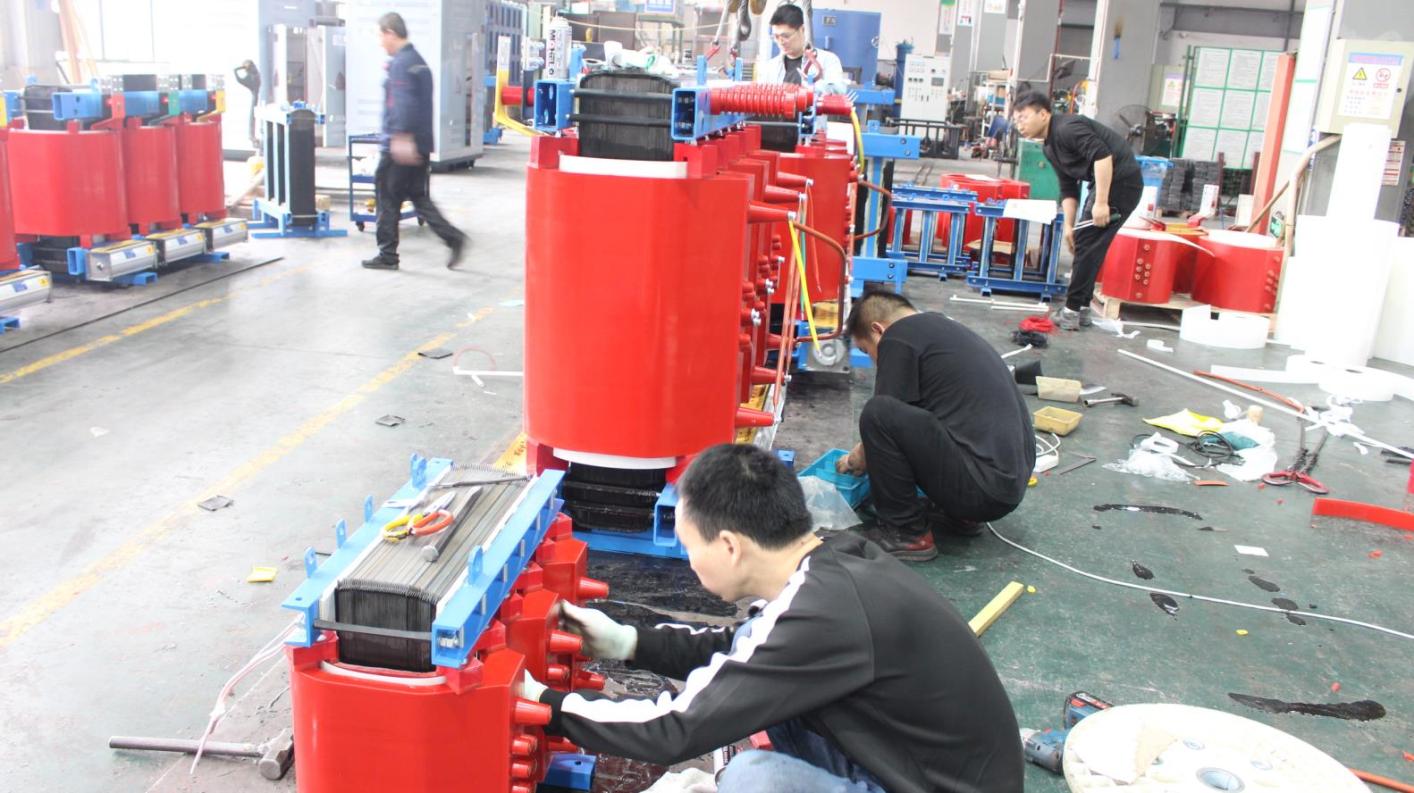
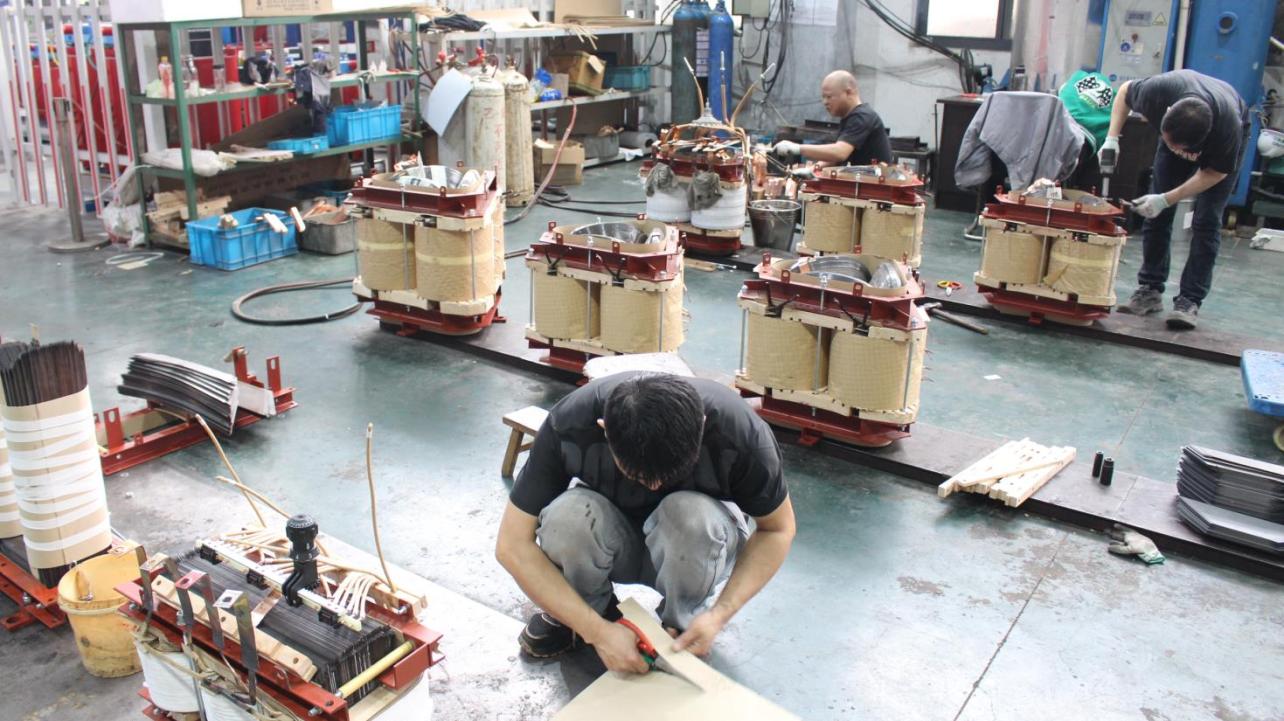
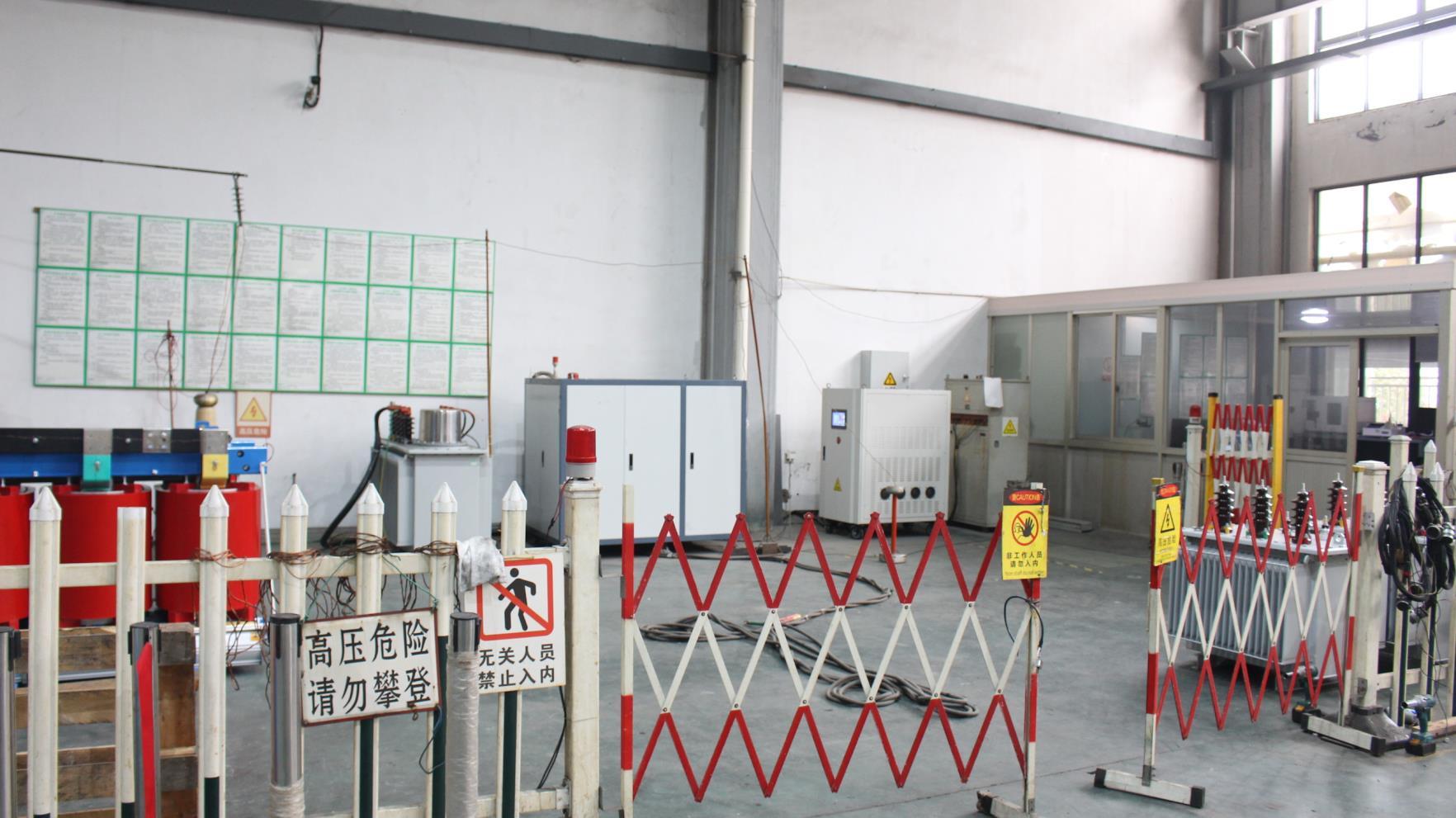
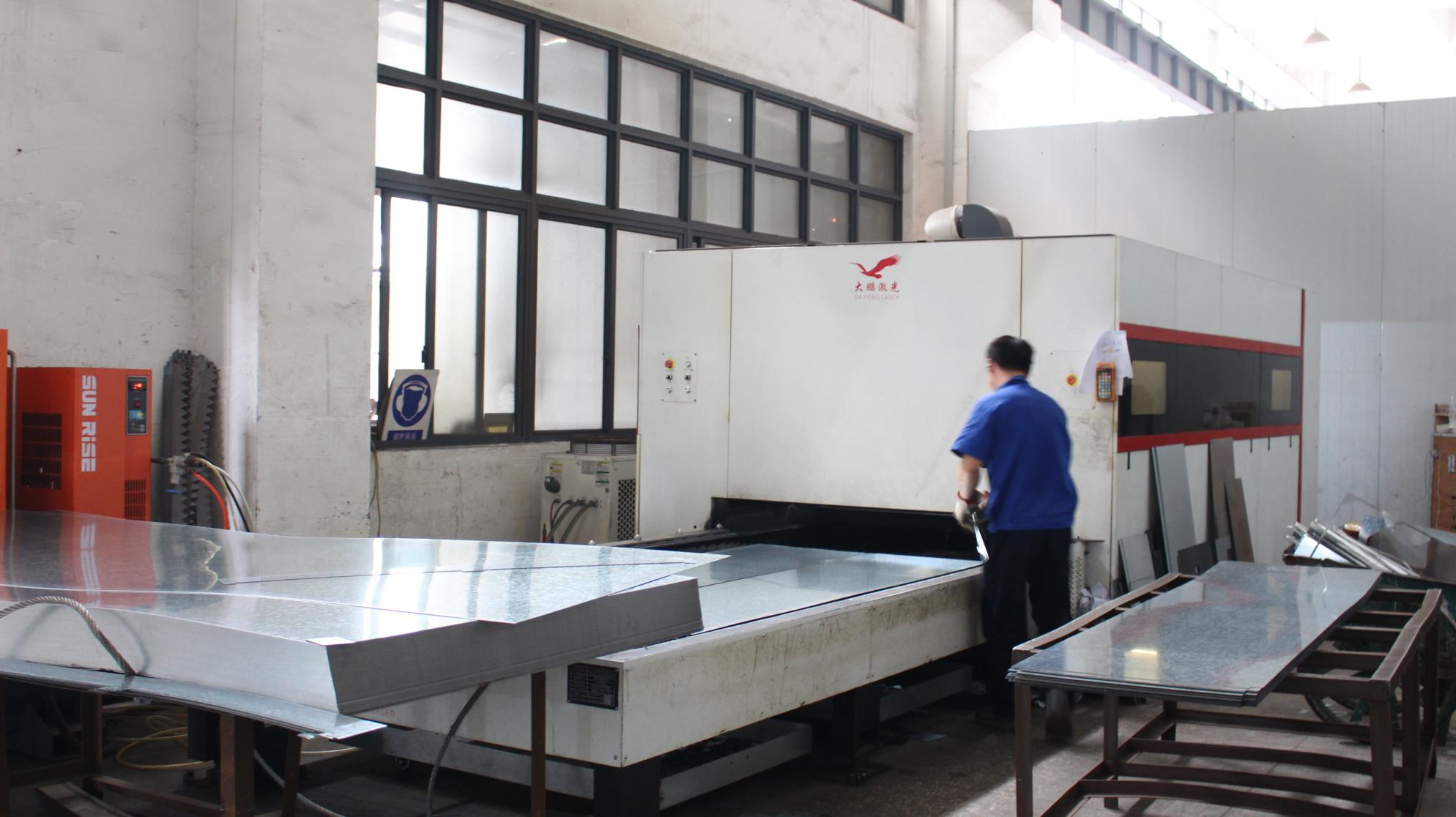
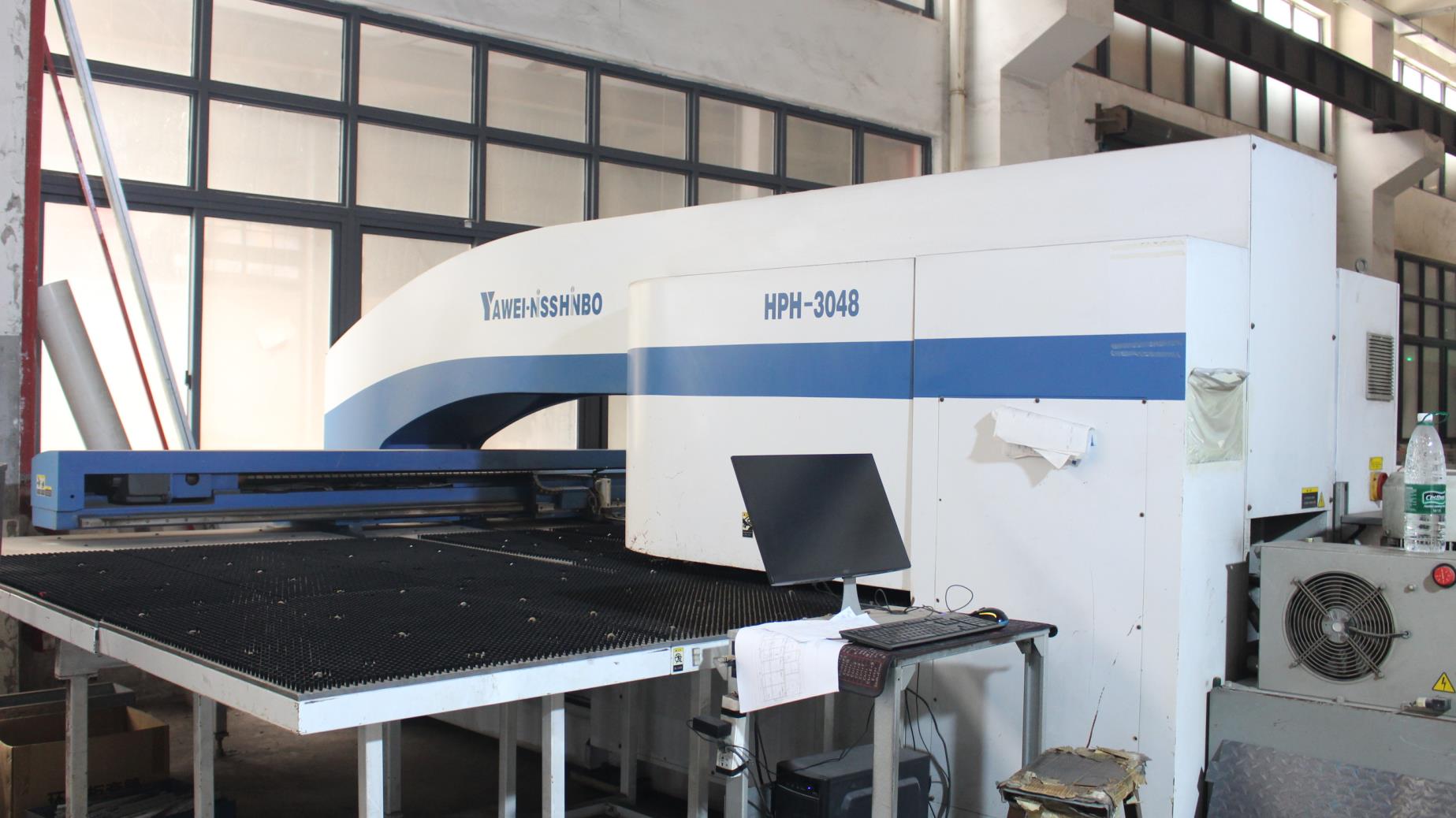
Our Factory 4.0 infrastructure leverages computerized metal cutting, automated coil winding, vacuum cast epoxy resin processing, and high-precision testing chambers. These tools deliver switchgears, substations, and energy cabinets built to perform consistently under heavy loads.
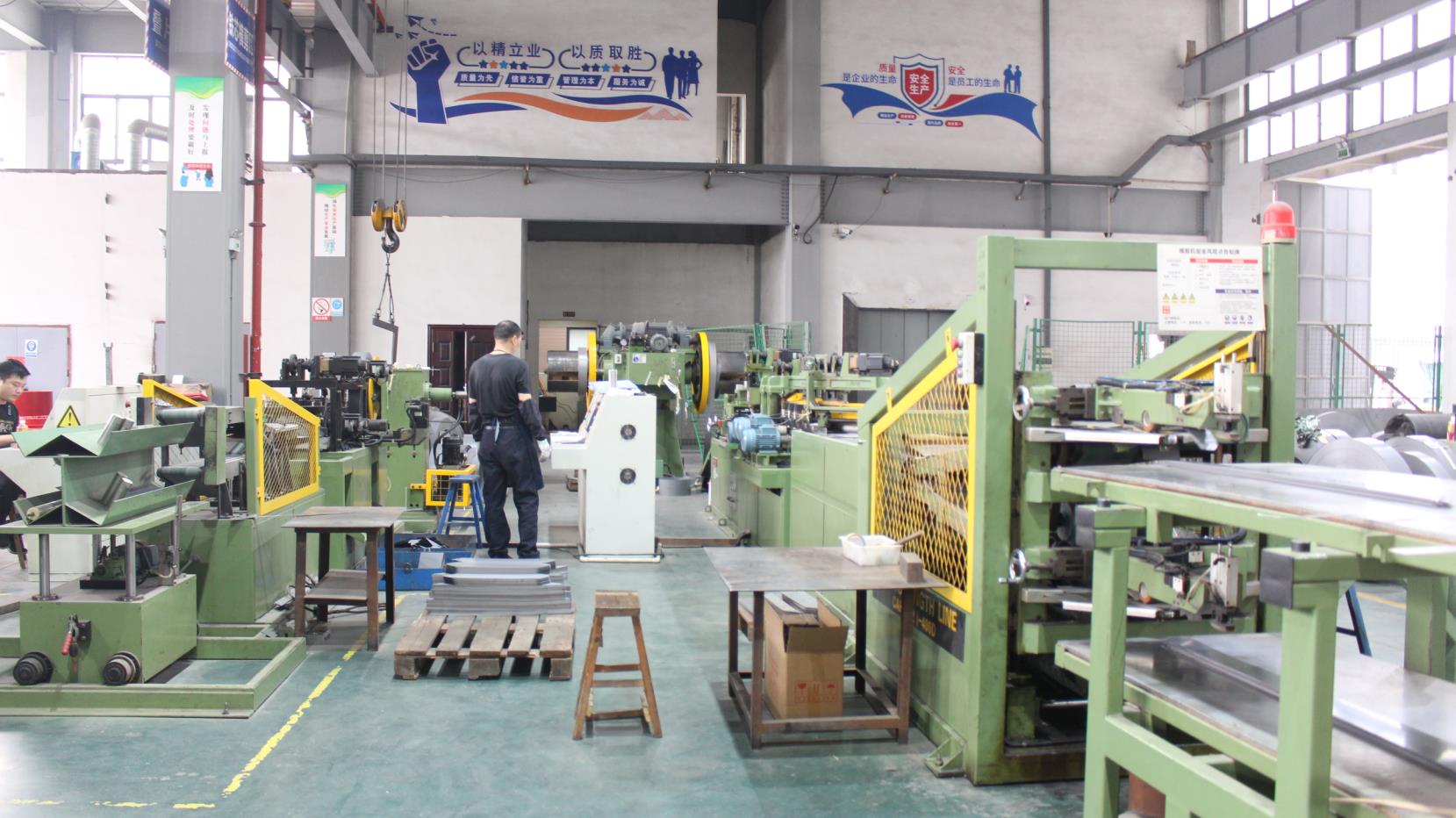
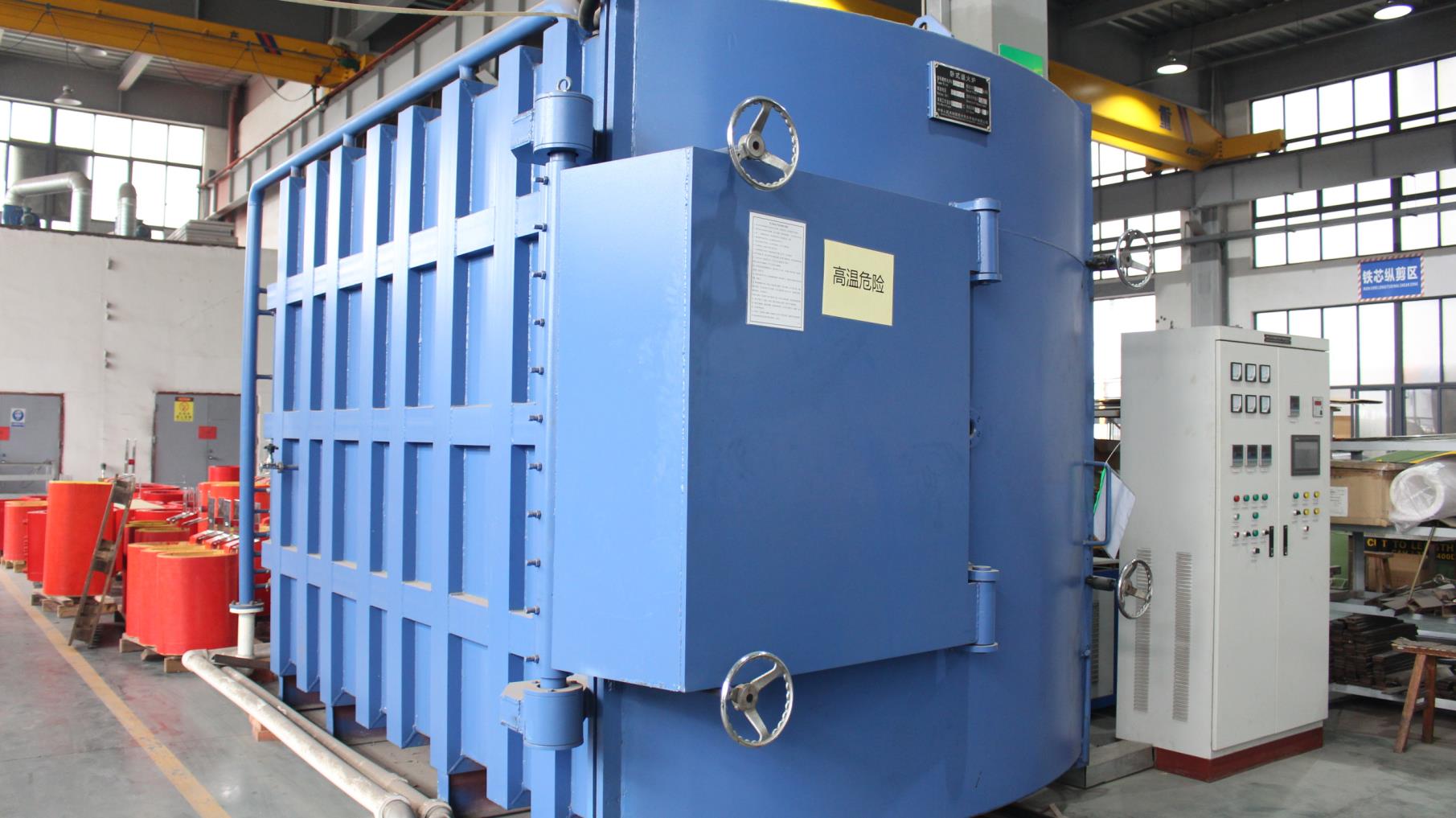
  • End-to-End Vertical Integration: From metal shearing and bending to copper winding and high-voltage substation integration.
  • Optimized Cost Structures: Streamlined smart manufacturing reduces manual labor overhead, passing direct cost savings to our clients.
  • Rigorous Testing Protocols: Every switchgear panel and transformer undergoes strict dielectric testing, temperature rise profiling, and insulation integrity tests.

What We Specialize In:

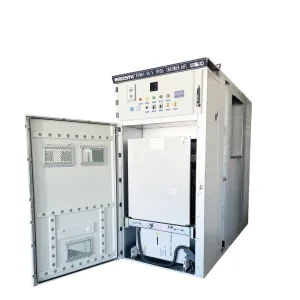
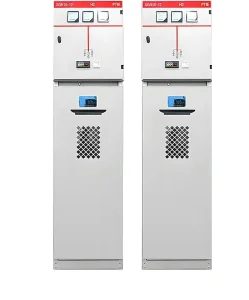
  • ⚡ High & low voltage complete power distribution equipment
  • 🔋 Outdoor integrated commercial & industrial energy storage systems (BESS)
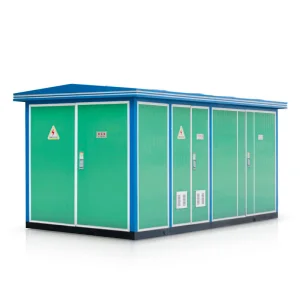
  • 🏗️ Prefabricated substations for wind & photovoltaic utility projects
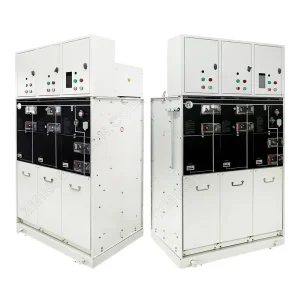
  • 🔄 Gas Insulated Ring Main Units (RMU) & SF6-free switchgears
  • 🔌 Smart EV charging infrastructure & smart microgrid coordination
  • 🌐 Digital intelligent energy management systems (EMS)

Inside Our Advanced Production Facilities

Tailored Solutions for Industrial & Infrastructure Scenarios

Desalination Plants

Desalination units require continuous energy and robust electrical protective enclosures to prevent corrosion from saline environments. Custom three-phase compact substations stabilize high voltage feeds, ensuring membrane processes operate efficiently.

C&I Microgrids

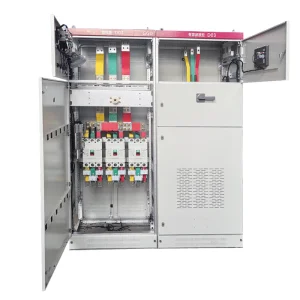
Industrial complexes use solar PV arrays paired with energy storage cabinets to control peaks and minimize reliance on unstable grids. Low-voltage panels with reactive power compensation maintain system voltage and prevent operational downtime.

Green Urban Developments

Modern structures integrate renewable energy systems and EV fast-charging stations. Eco-design dry-type transformers and intelligent switchgears fit seamlessly into building power centers, supporting green certifications like LEED.

Frequently Asked Technical Questions & Industry Standards

What are the primary advantages of Gas Insulated Switchgear (GIS) over Air Insulated Switchgear (AIS) in photovoltaic plants?
Gas Insulated Switchgear (GIS) utilizes sulfur hexafluoride (SF6) or eco-friendly gas alternatives for insulation, allowing for a much more compact design compared to Air Insulated Switchgear (AIS). This makes GIS ideal for installations with footprint constraints. In addition, GIS components are completely sealed within a metal housing, shielding them from environmental risks such as dust, humidity, salt spray, and extreme temperatures. For remote solar projects, GIS reduces maintenance needs and increases equipment lifespan.
Why are dry-type transformers preferred for commercial green building solar configurations?
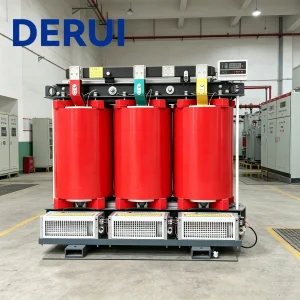
Dry-type transformers, such as the SCB11 SCB13 SCB14 series, use epoxy resin cast windings instead of insulating oil. This removes the risk of leakage and fire, making them significantly safer for indoor environments and green buildings. Additionally, our Eco-Design models utilize recyclable copper windings and materials, helping projects achieve lower carbon footprints and align with eco-conscious building certifications.
What safety mechanisms are critical for Commercial and Industrial (C&I) Energy Storage Systems (BESS)?
Industrial battery storage requires comprehensive safety systems. Key protections include multi-tier Battery Management Systems (BMS) for real-time monitoring of cell voltages, currents, and temperatures, alongside robust HVAC or liquid cooling to prevent thermal runaway. Built-in gas detection and fire suppression systems (such as Aerosol or Novec 1230 agents) are also essential, as is integration with intelligent switchgears that isolate battery cabinets in under-voltage or over-current events.
How does reactive power compensation improve power factor in factories running solar installations?
Photovoltaic inverters primarily supply active power (kW). As a result, the factory must still draw reactive power (kVAR) from the grid to run inductive loads like motors. This can lower the overall power factor and lead to utility penalties. Integrating an intelligent reactive power compensation panel (such as our GGJ series) uses automated capacitor banks or static var generators (SVGs) to supply local reactive power. This stabilizes the voltage profile, improves power quality, and reduces utility charges.
Can prefabricated compact substations withstand extreme coastal environments, such as desalination plants?
Yes. Prefabricated substations designed for coastal use feature high-grade enclosures with advanced anti-corrosion ratings (such as C5-M or IP65). They use stainless steel or specialized alloy sheets, marine-grade protective coatings, and sealed ventilation systems to prevent salt-laden air from corroding internal transformers, switchgears, and control circuits.