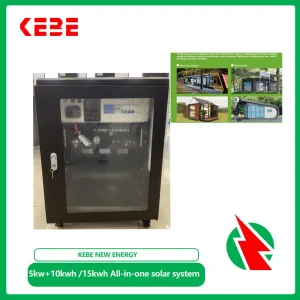
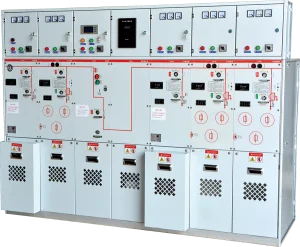
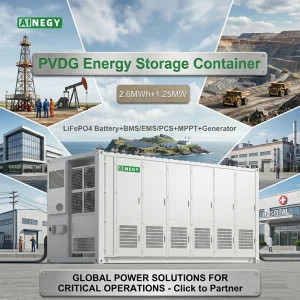
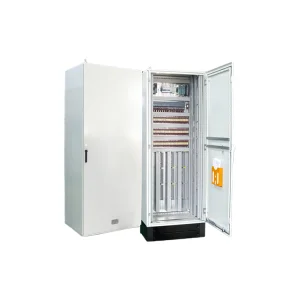
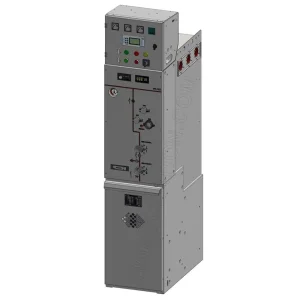
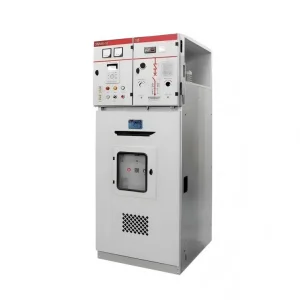
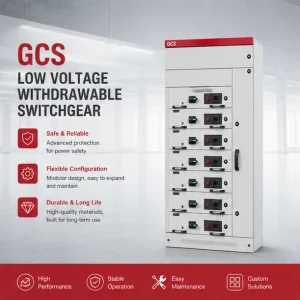
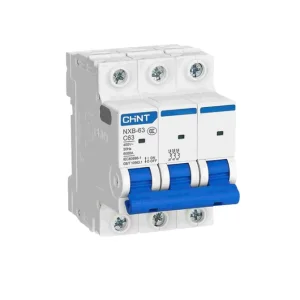
Explore our core selection of smart switchgears, energy storage solutions, and prefabricated substation cabins optimized for advanced utility management.
Zhejiang Zeno Electric Co., Ltd. is a national high-tech enterprise located in Ningbo, with a registered capital of 52 million yuan. The company integrates research and development (R&D), manufacturing, sales, and service of advanced power equipment and energy systems.
Rooted in Ningbo and supported by a strong engineering and technical team, Zeno Electric has steadily expanded its business across China and international markets. Through continuous innovation and quality-driven development, the company has become a trusted provider in the power and energy industry, with growing influence in both utility and industrial sectors.
Zhejiang Zeno Electric Co., Ltd. specializes in power equipment and integrated energy system solutions. Our product portfolio covers a wide range of advanced technologies, including:
We undertake turnkey power engineering projects up to 220kV, providing end-to-end services that include system planning, engineering design, equipment manufacturing, installation, commissioning, and long-term maintenance.
Our integrated service model helps clients:
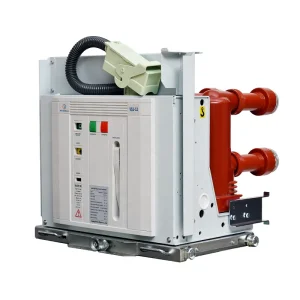
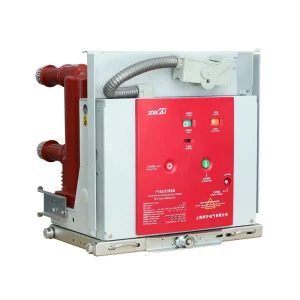
Modern industrial and utility networks operate under strict ESG mandates, demanding rigorous tracking of power consumption, electrical losses, and grid efficiency. Within the purview of high-voltage and medium-voltage power distribution, energy auditing is no longer restricted to hand-held thermal cameras or portable power quality analyzers. It encompasses the deployment of integrated smart switchgears, Gas Insulated Switchgears (GIS), smart vacuum circuit breakers, and battery energy storage systems (BESS) that feed real-time analytics to Energy Management Systems (EMS).
By monitoring power quality parameters, identifying localized phase imbalances, and tracking reactive power demand, hardware-integrated auditing infrastructure plays an indispensable role in securing facility compliance and avoiding costly energy penalties. As a major manufacturer and supplier, Zhejiang Zeno Electric Co., Ltd. designs its high-and-low voltage assemblies to act as native physical data nodes for enterprise energy auditing software.
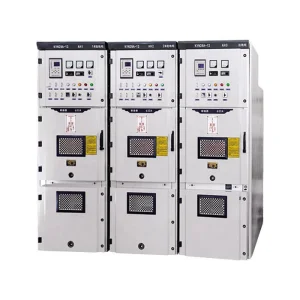
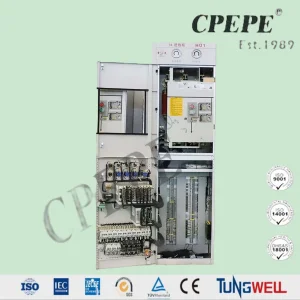
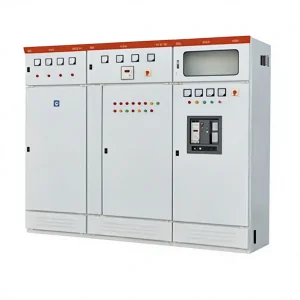
Conventional audits offer a historical snapshot of energy usage. In contrast, embedding smart sensors, metering CT/PTs, and digital protection relays directly into switchgears (such as the KYN28A-24 or GGD Low-voltage structures) turns the distribution network into a continuous, real-time energy auditing system. This minimizes data latency and enables predictive energy cost mitigation.
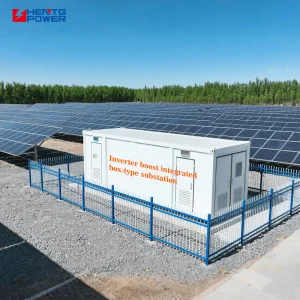
Integrating renewable energy generation sources—specifically photovoltaic (PV) systems and wind farms—introduces load instability and frequency fluctuation to the distribution grid. Overcoming this requires an optimized infrastructure recipe: Prefabricated Step-up Substations paired with Industrial Microgrid Battery Storage Systems (BESS).
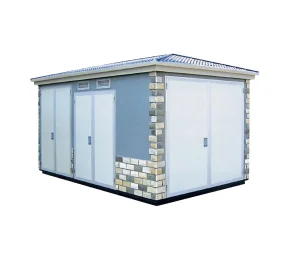
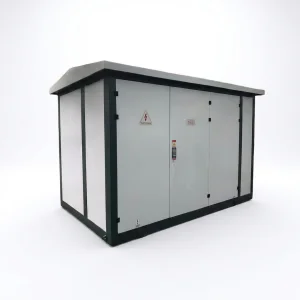
Zeno Electric's macro-level solutions involve prefabricated cabins (like the HENTG Power Wind Farm cabin) that serve as high-voltage integration blocks. The integrated step-up transformers boost output levels for long-distance transmission while minimizing thermal energy loss. Concurrently, our Off-Grid & Grid-Tied BESS platforms manage peak shaving and load shifting. By storing excess energy during off-peak periods and discharging during peak demand hours, the system optimizes utility bills, stabilizes localized voltage profiles, and provides comprehensive power auditing data to the microgrid operator.
Globally, commercial and industrial (C&I) operations are subject to rising energy costs and stringent environmental policies (such as the EU Corporate Sustainability Reporting Directive or US energy efficiency regulations). Decarbonization plans require facilities to prove their actual energy reductions. In this environment, heavy power installations must be backed by highly reliable safety features and accurate measurement telemetry.
Smart switchgear acts as the physical gatekeeper of industrial power consumption. Standardized, type-tested systems ensure that high-draw operations (e.g., steel factories, chemical plants, and data centers) maintain peak power factor efficiency, reducing carbon footprint while preventing equipment breakdowns from power surges or harmonic distortions.
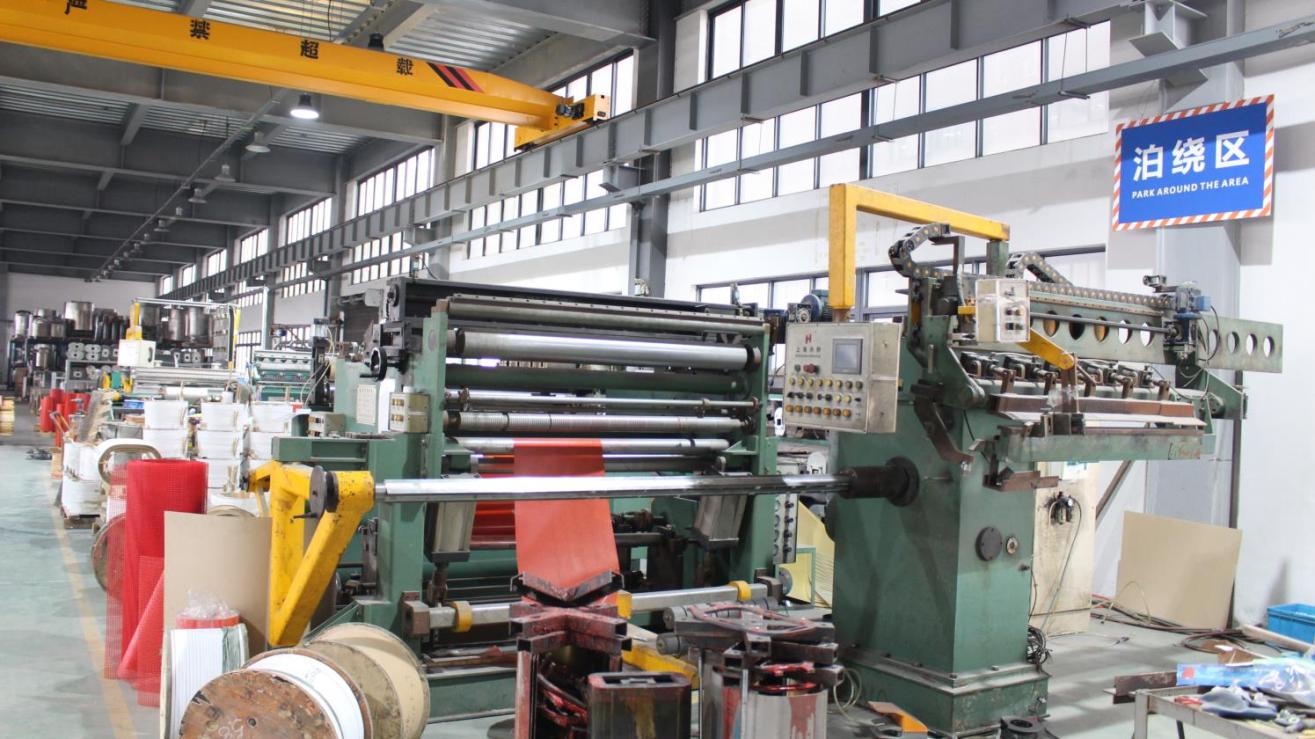
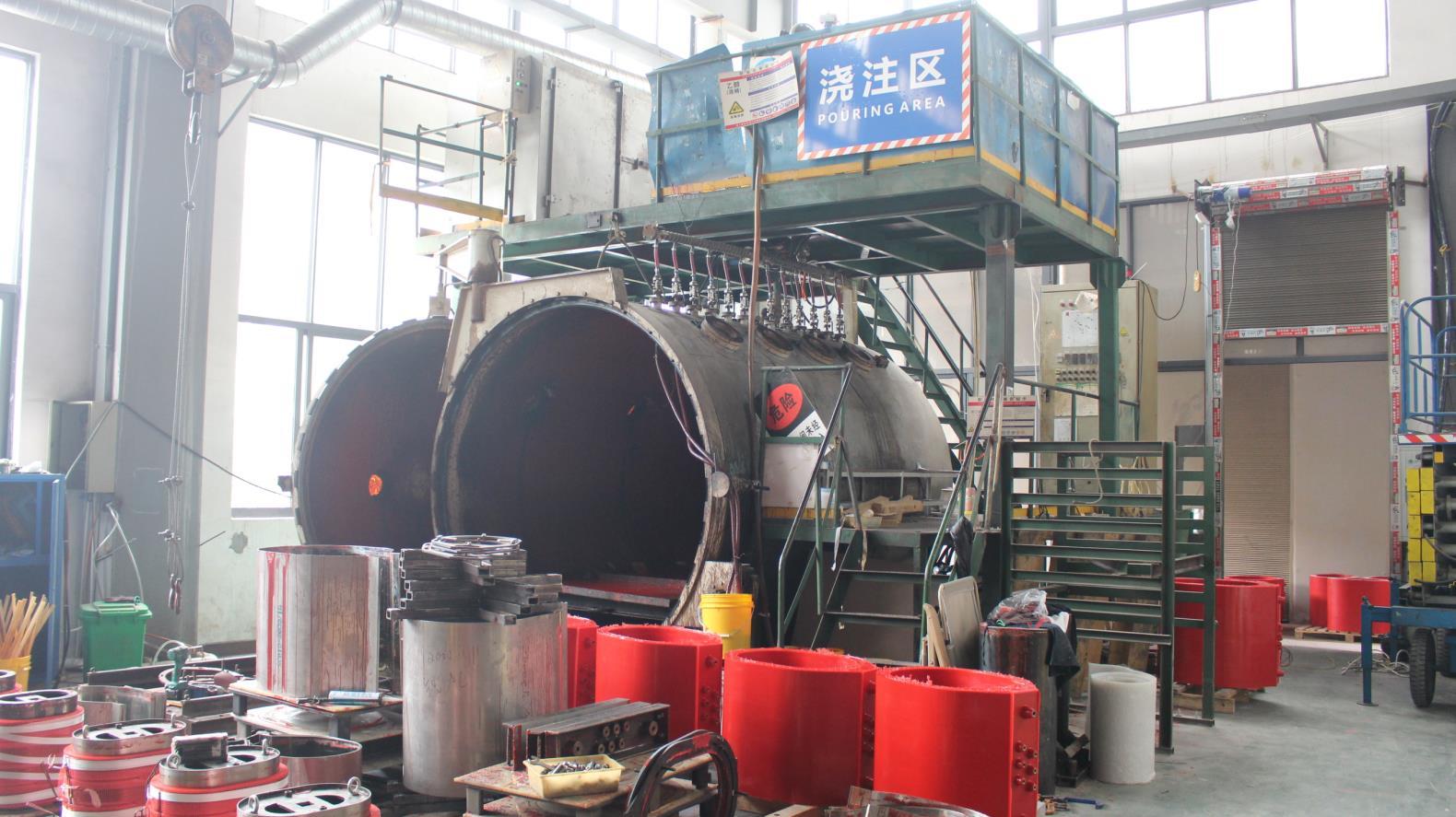
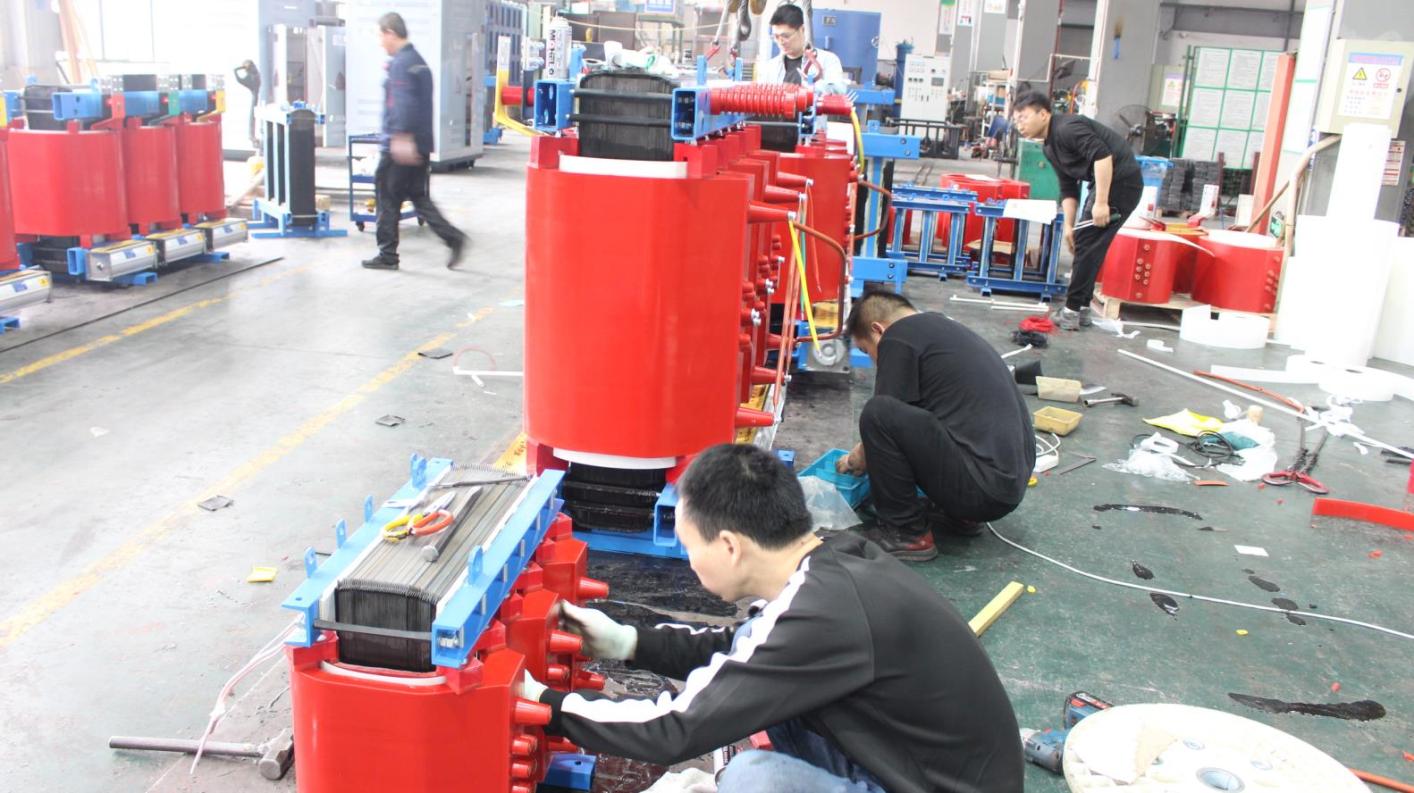
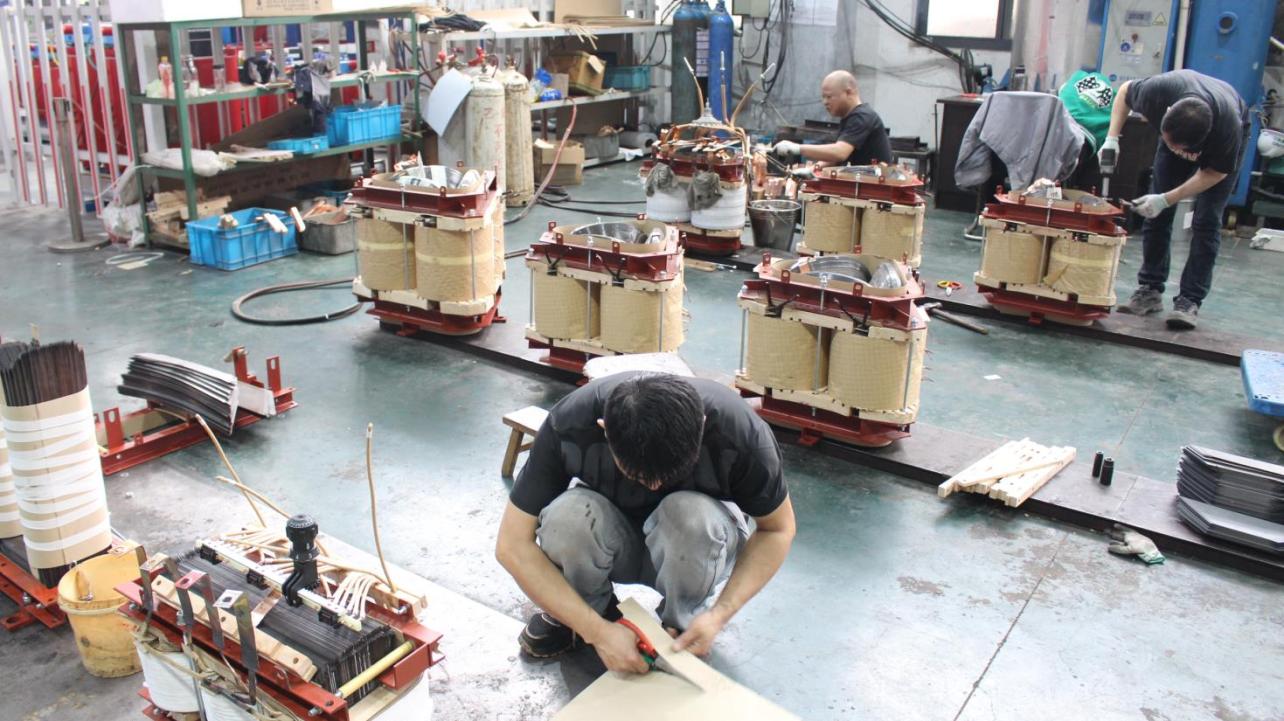
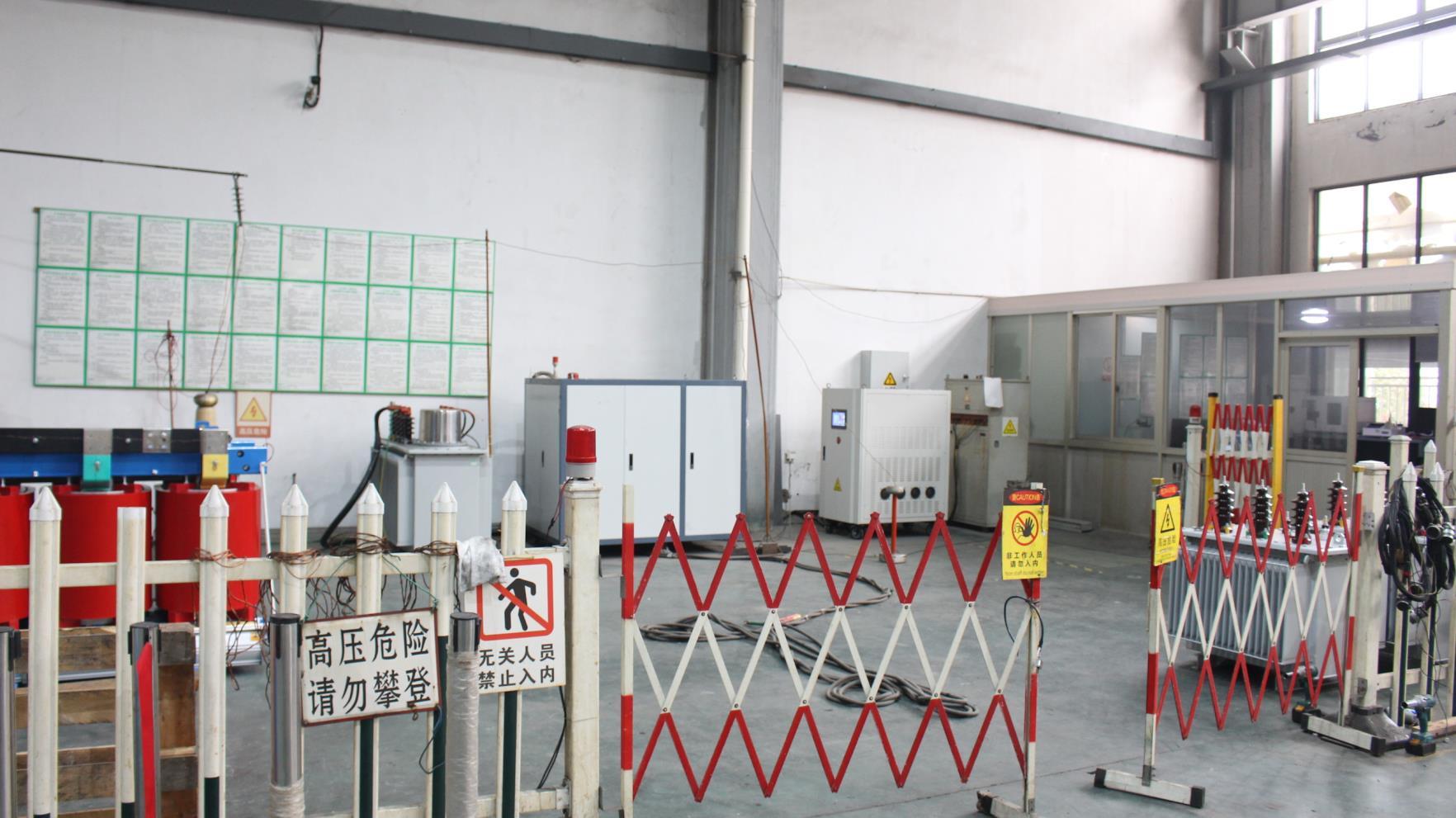
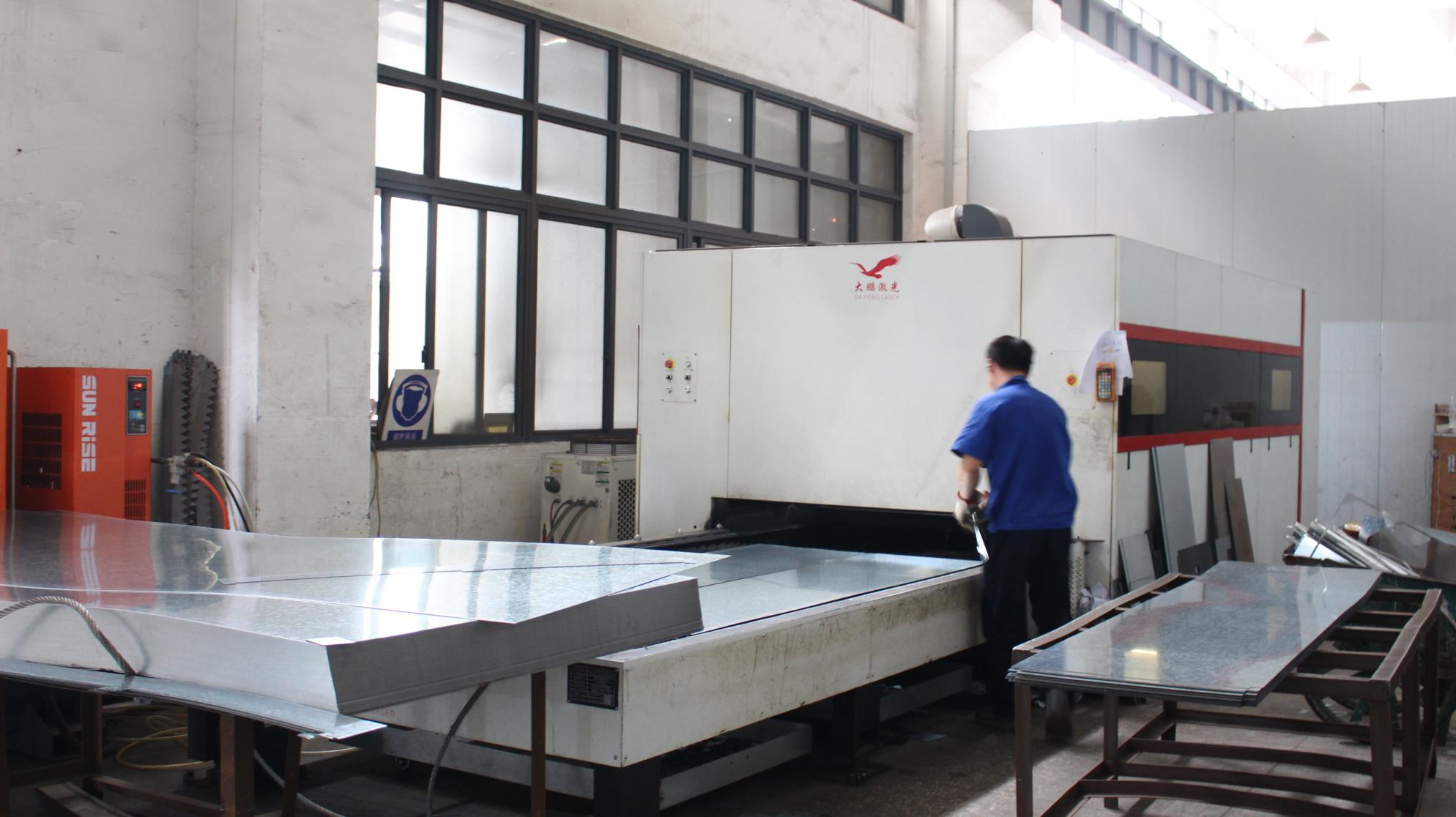
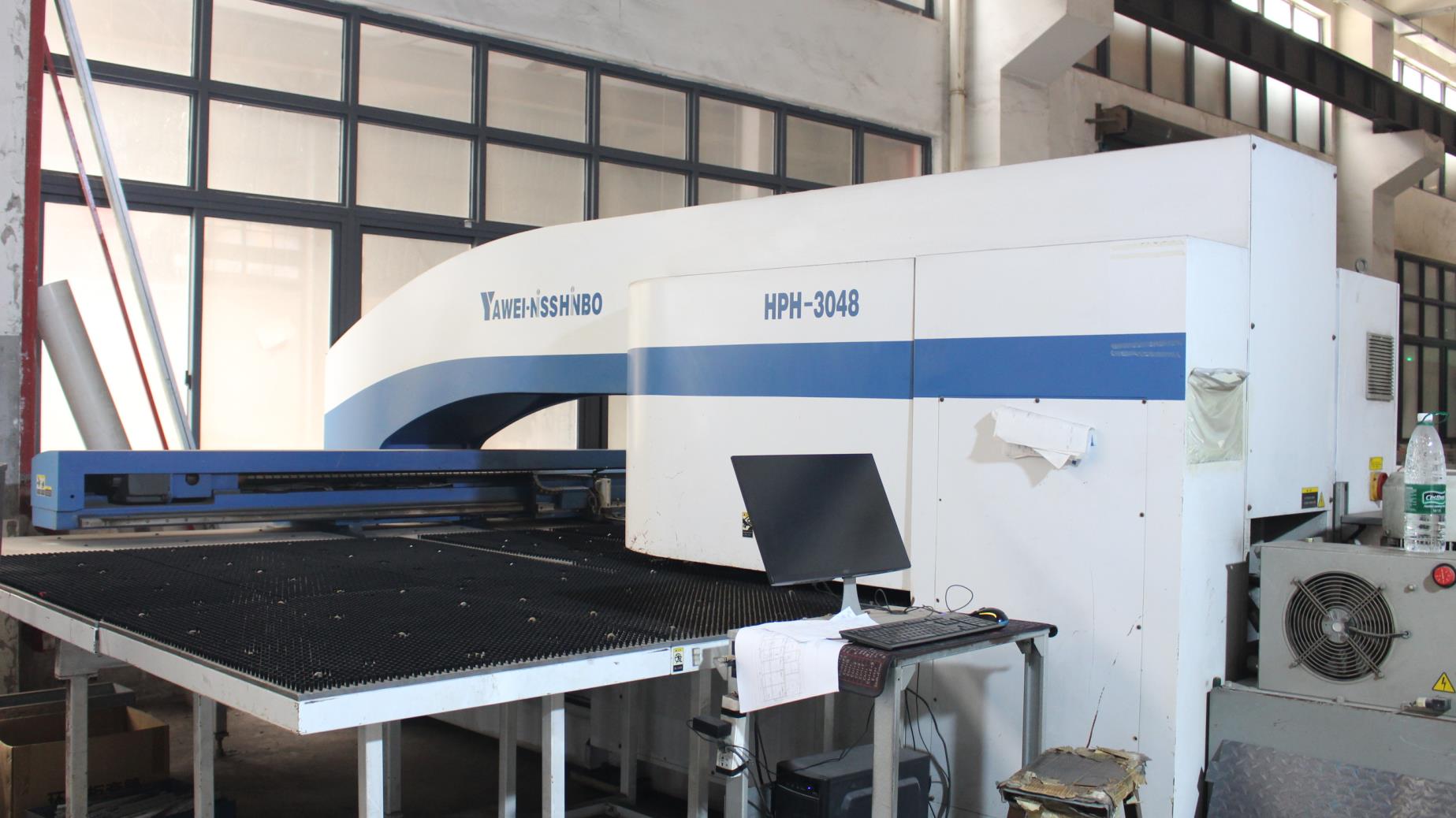
The reliability of any power-distribution and energy-auditing system rests on structural durability, insulating integrity, and precision assembly. Zhejiang Zeno Electric Co., Ltd. controls the manufacturing pipeline from material preparation to final product validation, ensuring all configurations exceed compliance requirements.
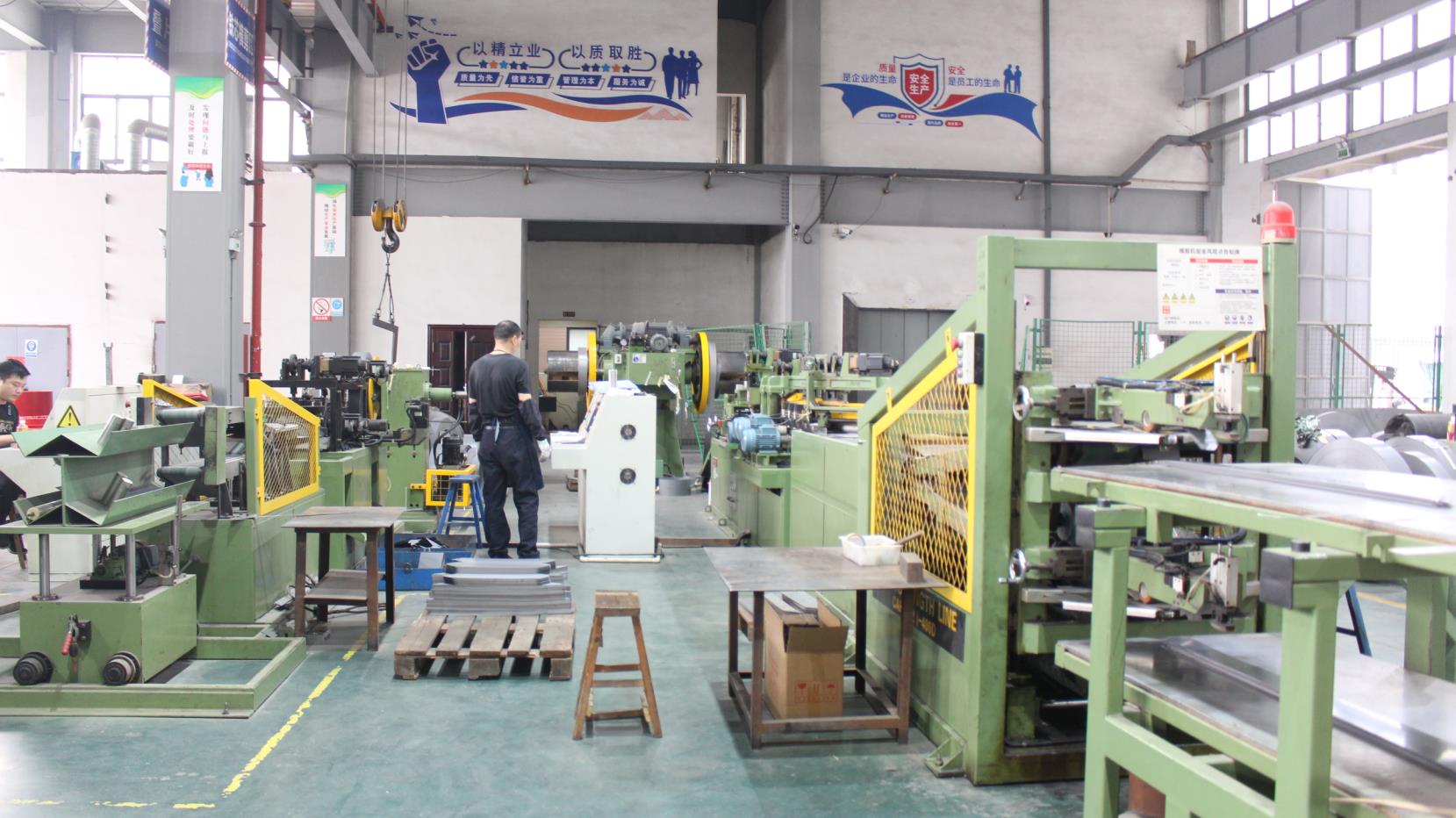
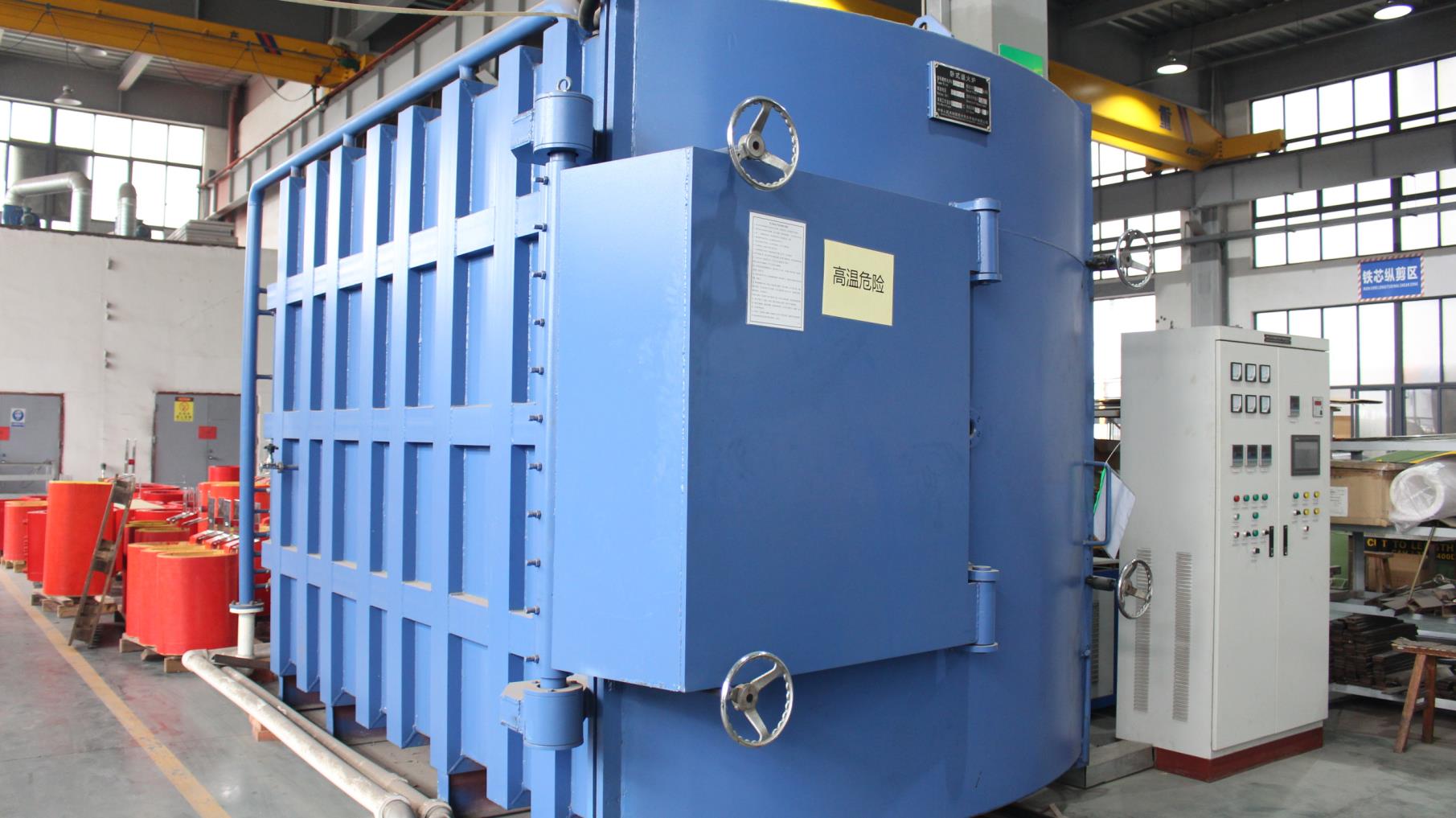
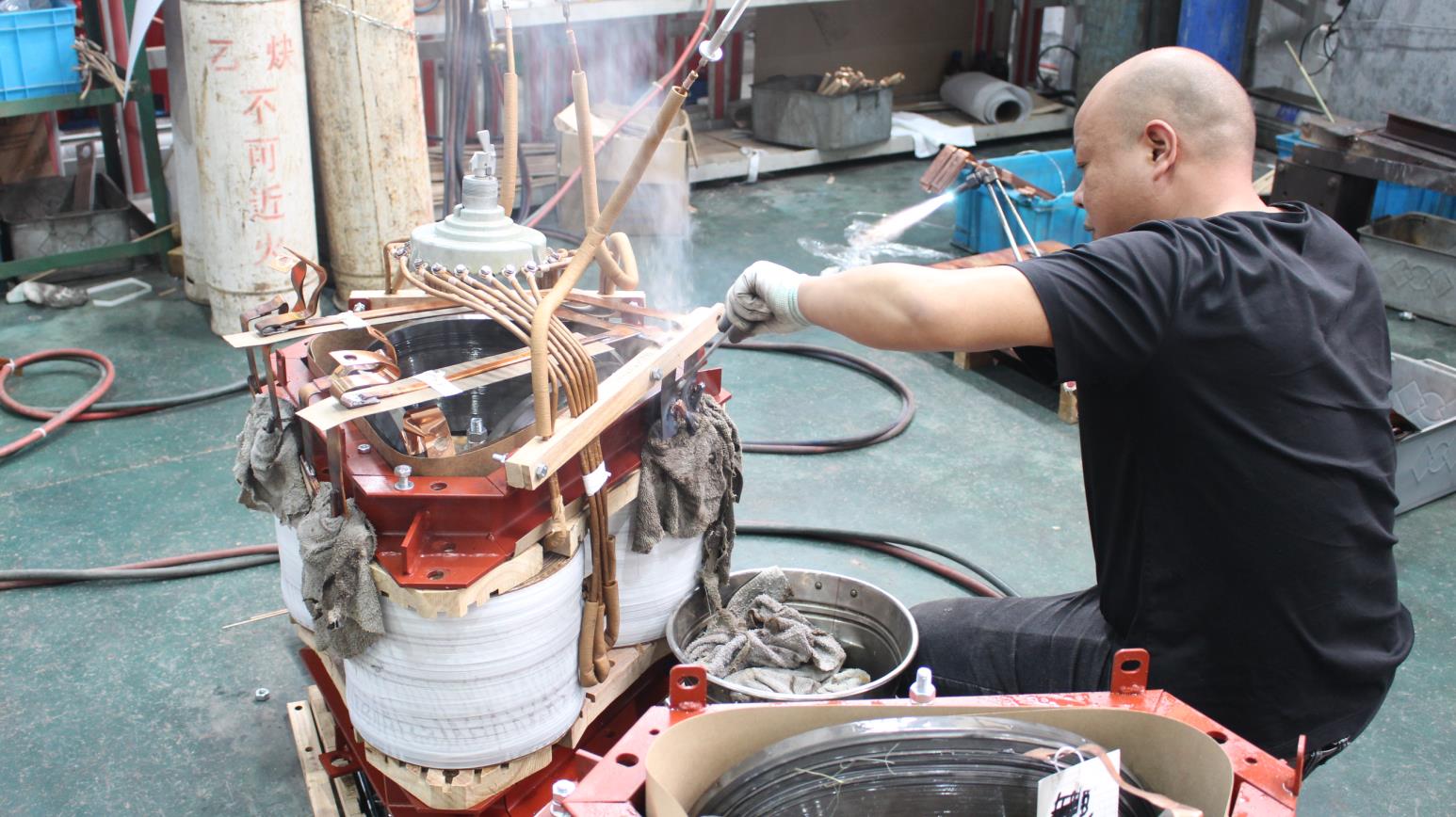
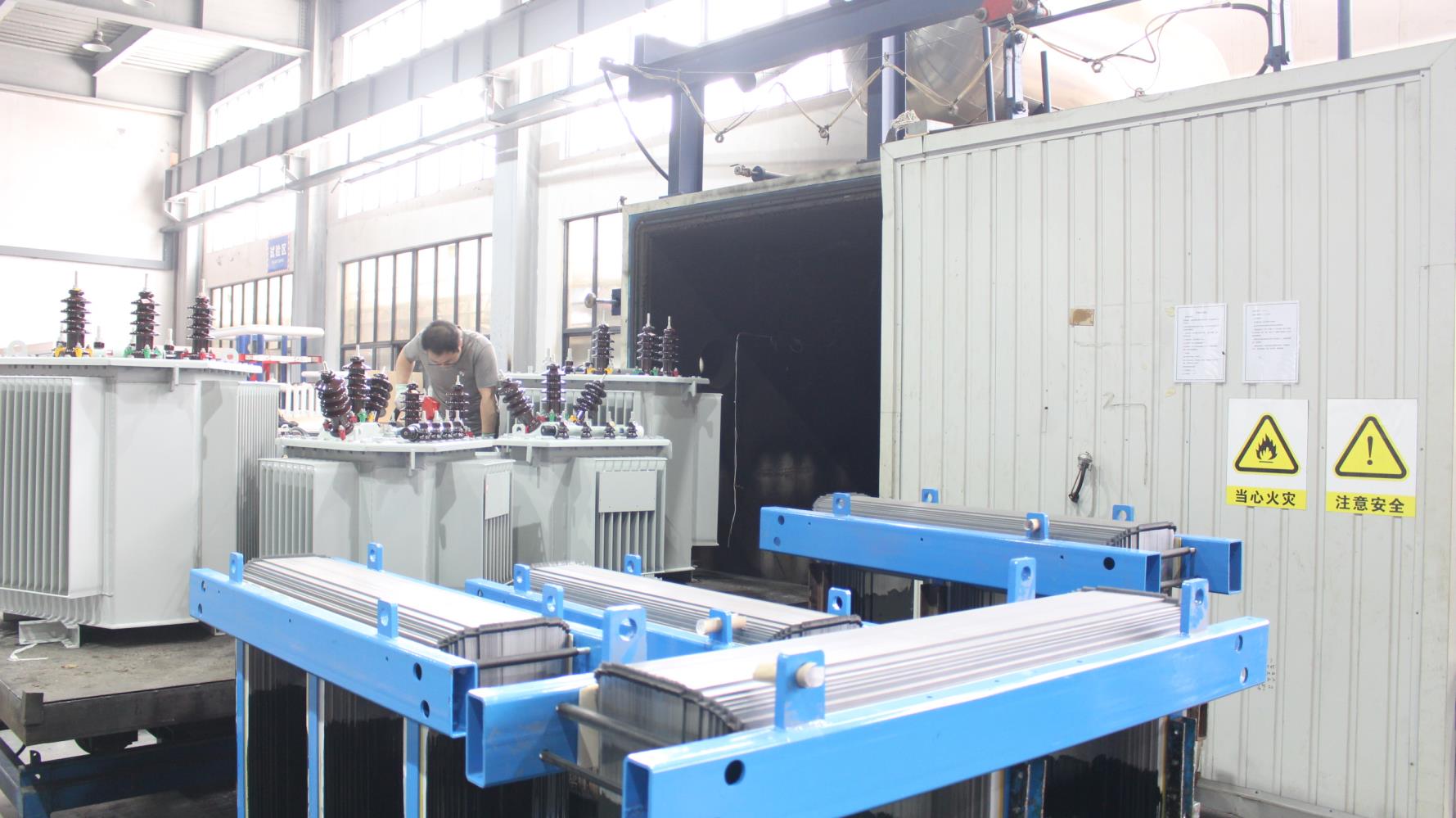
Energy distribution demands distinct optimizations depending on geographic, climate, and structural needs:
The industry is transitioning from manual, calendar-based auditing toward AI-driven real-time diagnostics. The integration of IoT edge sensors within primary MV/HV distribution systems represents the next evolutionary leap. Thermal runaway sensors, SF6 gas leakage detectors, and smart vacuum circuit breakers monitor their own operational health, feeding predictive analytics to central platforms. This shift prevents sudden outages, lowers maintenance costs, and helps heavy industries control and balance their carbon footprint.
Detailed technical answers for grid engineers, infrastructure planners, and procurement directors.
Complete your grid integration with customized low-voltage equipment, vacuum circuit breakers, and outdoor substations.
 Zeno Electric