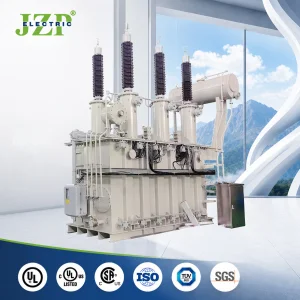
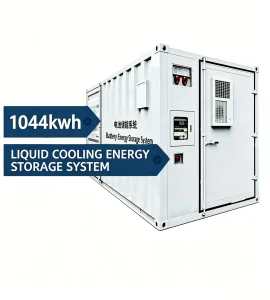
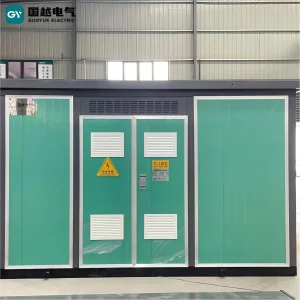
Explore our premium engineered high-voltage subsystems and containerized battery technologies
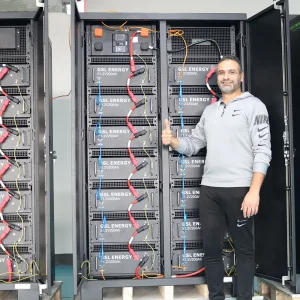
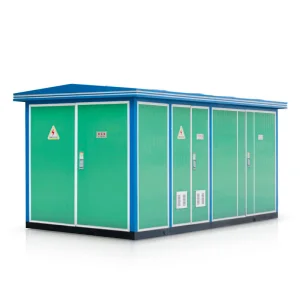
A comprehensive analysis of deployment dynamics, safety architectures, and technology roadmaps
The global battery storage market is undergoing an exponential shift from localized pilot deployments to GW-scale grid infrastructure. Underpinning this massive scale-up is the transition of battery chemistries, primarily Lithium Iron Phosphate (LiFePO4) and emerging Sodium-ion (Na-ion) systems, which require precise voltage, thermal, and state-estimation management. Without high-fidelity, customized BMS configurations, large-scale battery racks are prone to uneven cell degradation, capacity loss, and accelerated thermal runaway hazards.
Globally, industrial consumers are grappling with high demand charges and stringent carbon emission regulations. Custom OEM BMS architectures enable multi-use applications such as peak shaving, load shifting, dynamic frequency regulation, and microgrid black-start integration. Manufacturers that can provide tailored BMS systems coupled with medium-to-low voltage switchgear solutions are capturing the highest market share because they eliminate integration incompatibilities between the DC battery bank, the BMS, the Power Conversion System (PCS), and the AC distribution grid.
An enterprise-grade BMS operates on a multi-tiered topology hierarchy to ensure maximum performance and failsafe containment. Our technological roadmap details three critical layers of control:
Installed directly on the battery module level. It utilizes high-precision Analog Front-End (AFE) ICs to collect cell-level voltage and temperature readings with millivolt-level accuracy, providing the raw telemetry needed for thermal management.
Coordinates multiple BMUs within a single high-voltage string (rack). The BCMU handles string-level current measurements, calculates State of Charge (SoC) and State of Health (SoH), and manages contactor control and pre-charge routines.
The system-level brain overseeing containerized installations. It interfaces with external control networks, including SCADA, EMS (Energy Management Systems), and the PCS, facilitating synchronized power dispatching and diagnostic logging.
Key R&D trends focus on Active Balancing BMS. Traditional passive balancing dissipates excess energy as waste heat, which degrades cell modules over time. In contrast, custom active balancing dynamically transfers energy from higher-capacity cells to lower-capacity cells within the string. This process increases usable battery capacity by up to 12%, reduces localized thermal bottlenecks, and extends the operational life of the battery system by up to 30%.
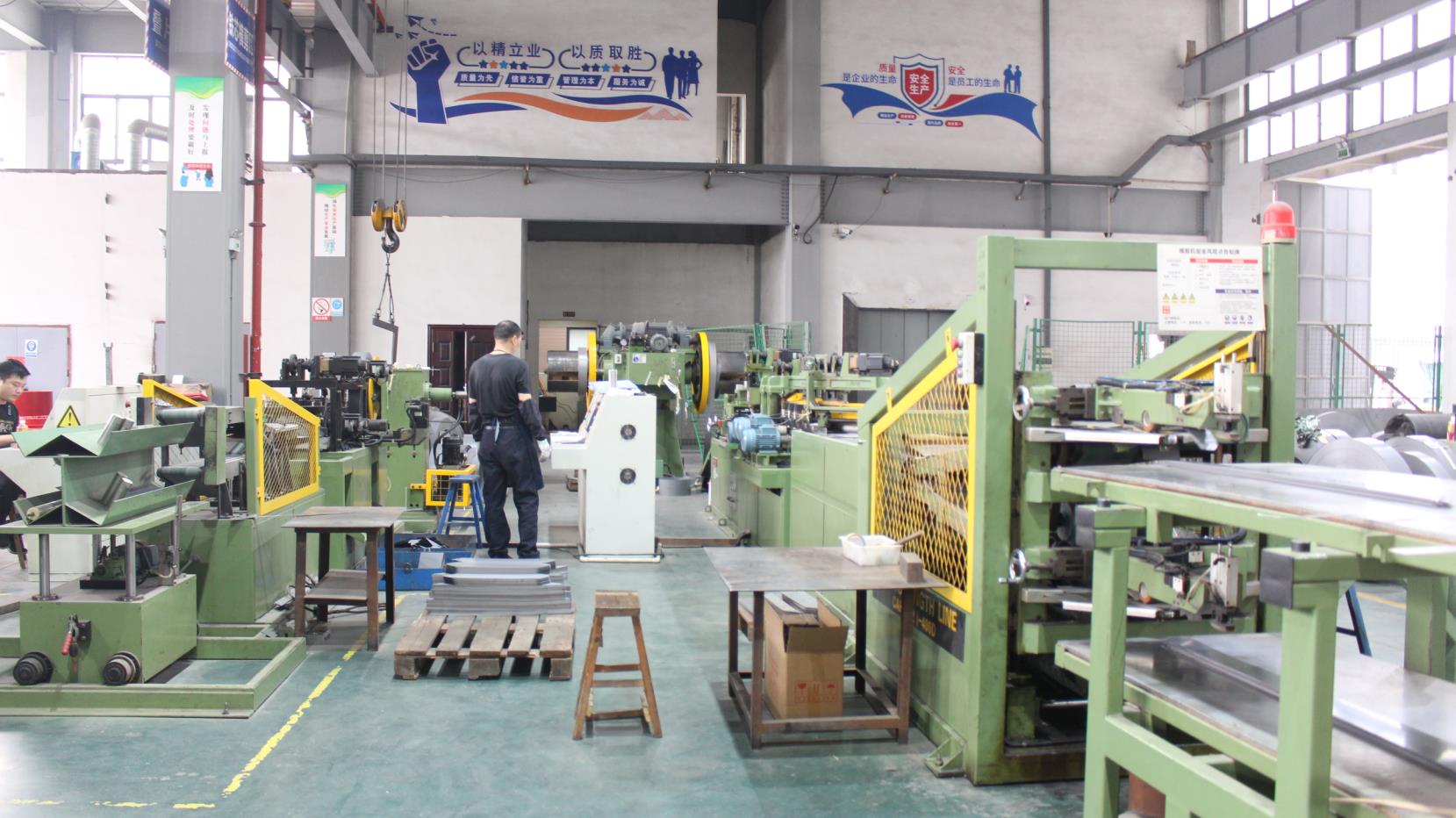
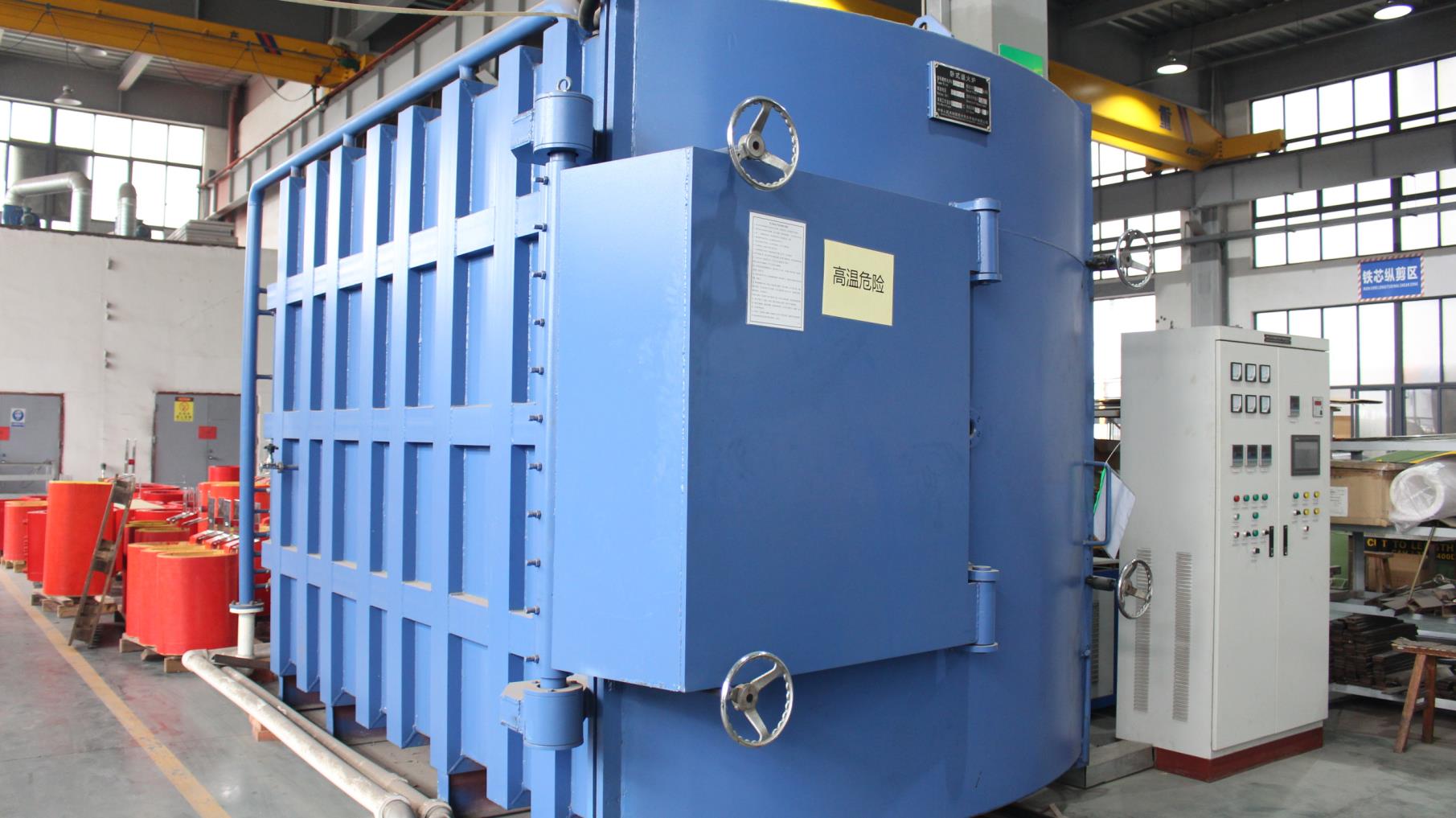
Zhejiang Zeno Electric Co., Ltd. - Integrating R&D with Precision Heavy-Industry Production
Zhejiang Zeno Electric Co., Ltd. is a national high-tech enterprise located in Ningbo, with a registered capital of 52 million yuan. The company integrates research and development (R&D), manufacturing, sales, and service of advanced power equipment and energy systems.
Rooted in Ningbo and supported by a strong engineering and technical team, Zeno Electric has steadily expanded its business across China and international markets. Through continuous innovation and quality-driven development, the company has become a trusted provider in the power and energy industry, with growing influence in both utility and industrial sectors. With a focus on sustainable development and smart energy transformation, we are committed to delivering safe, efficient, and intelligent power solutions that support the global transition toward cleaner and more digitalized energy systems.
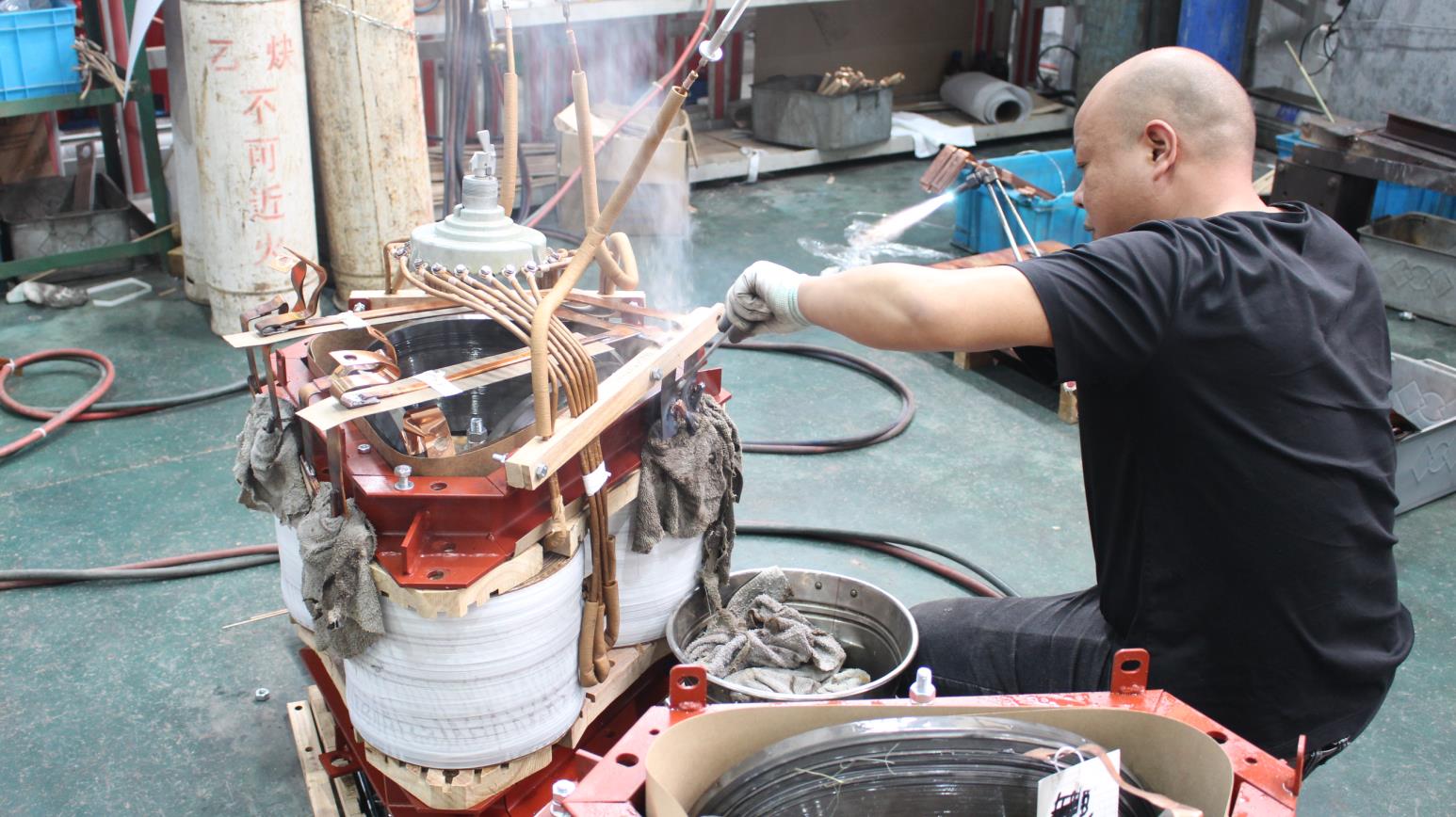
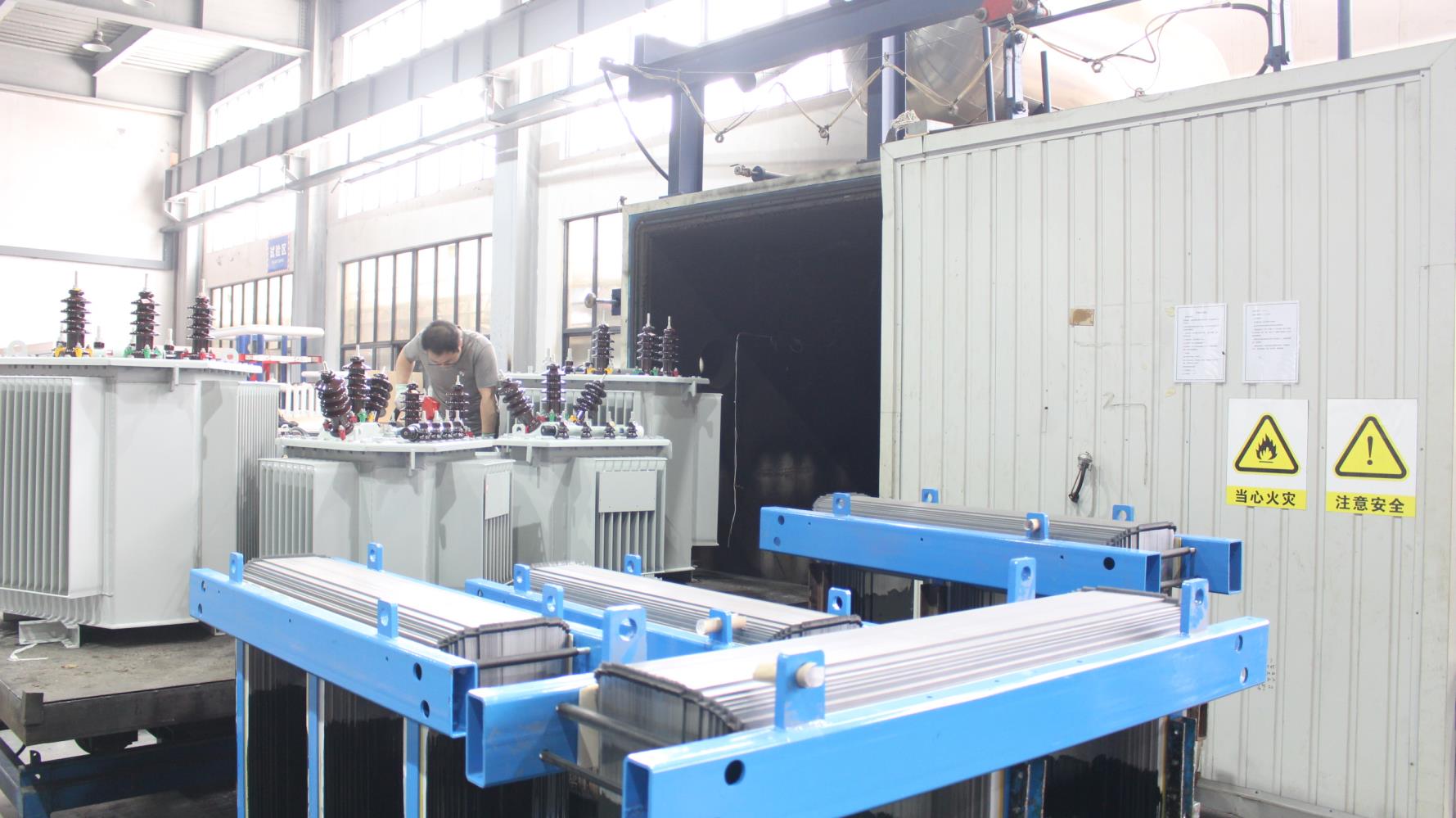
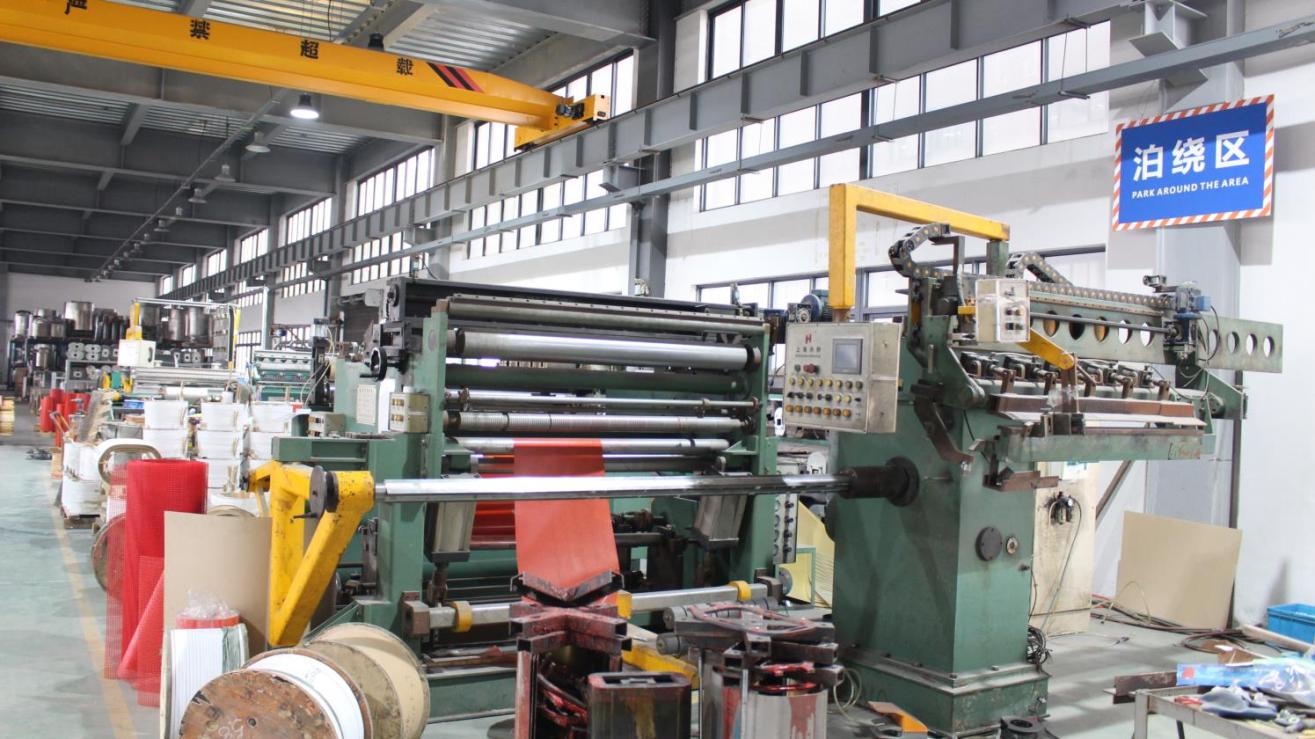
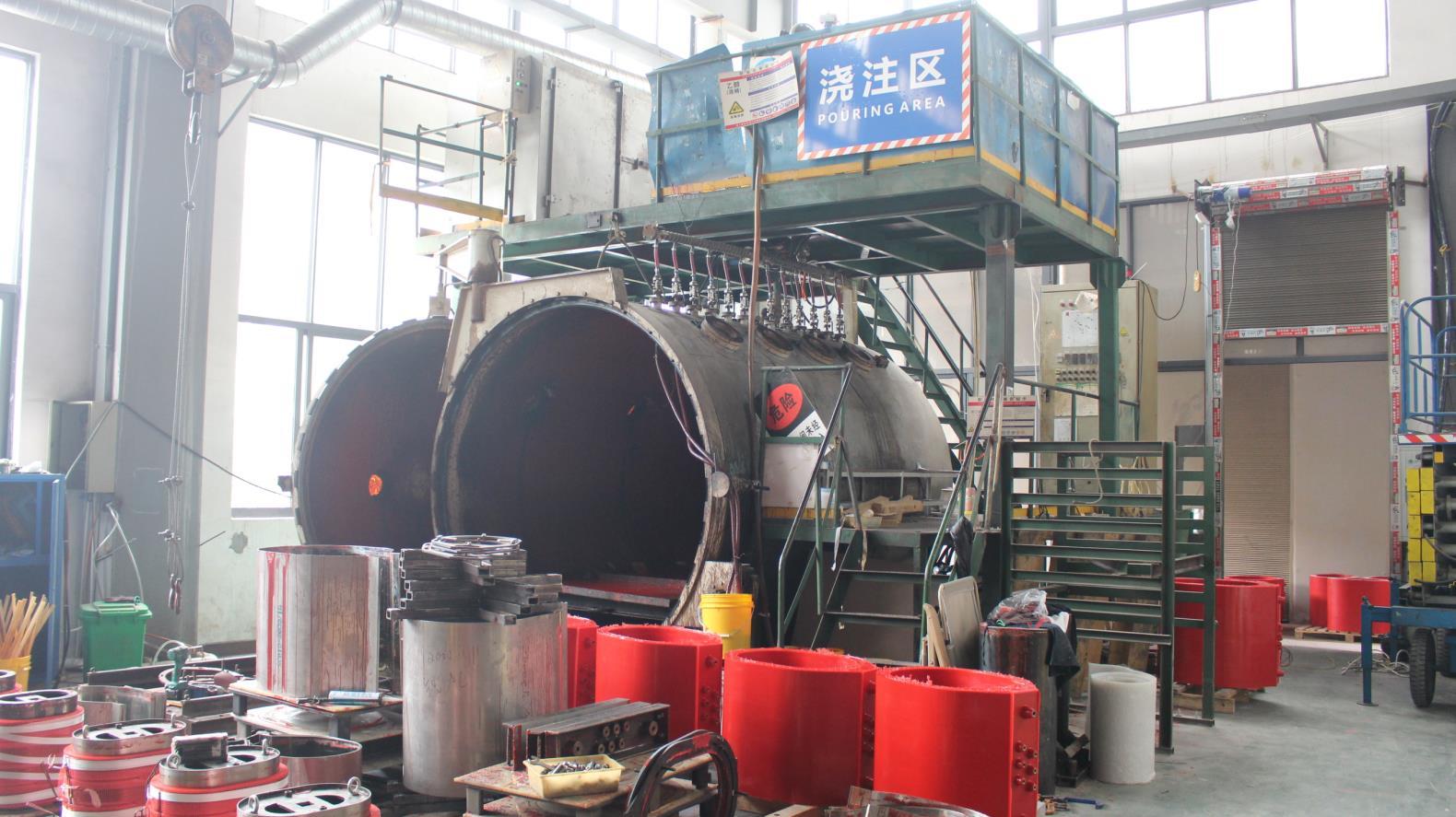
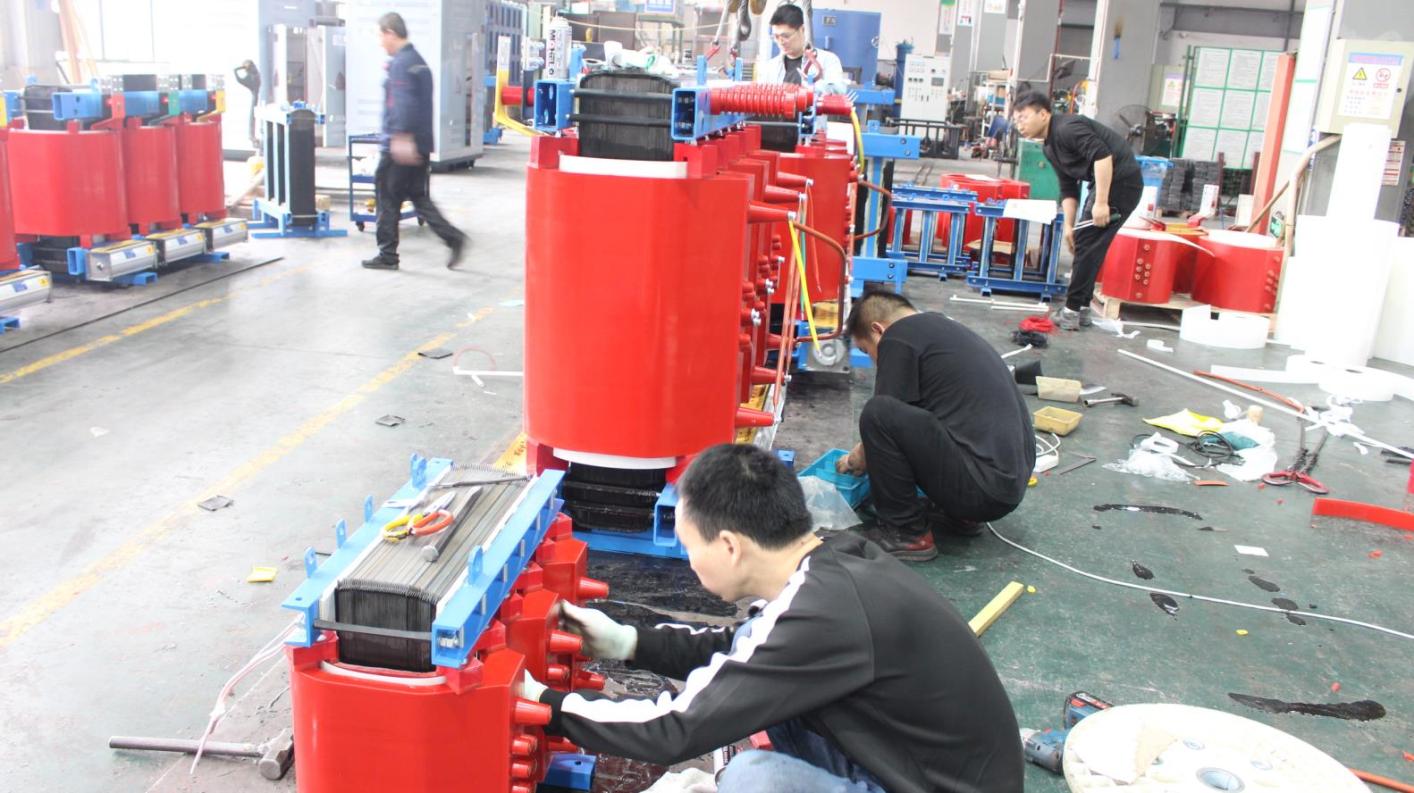
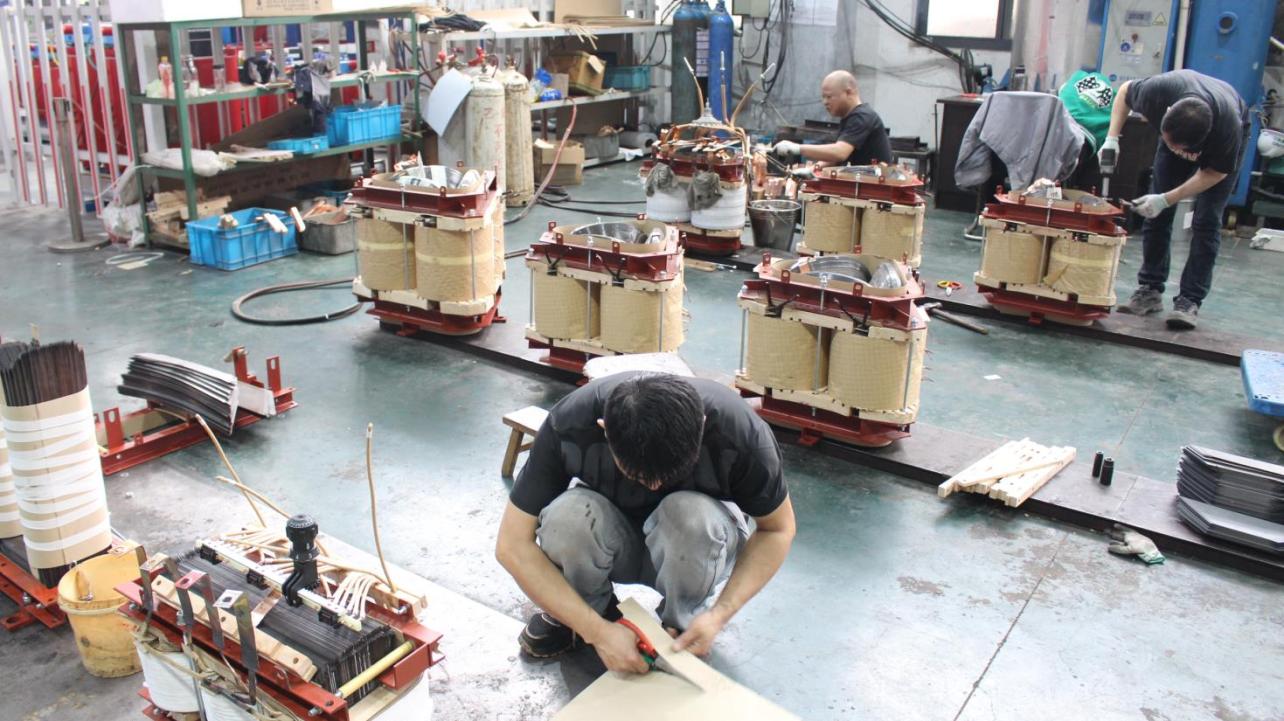
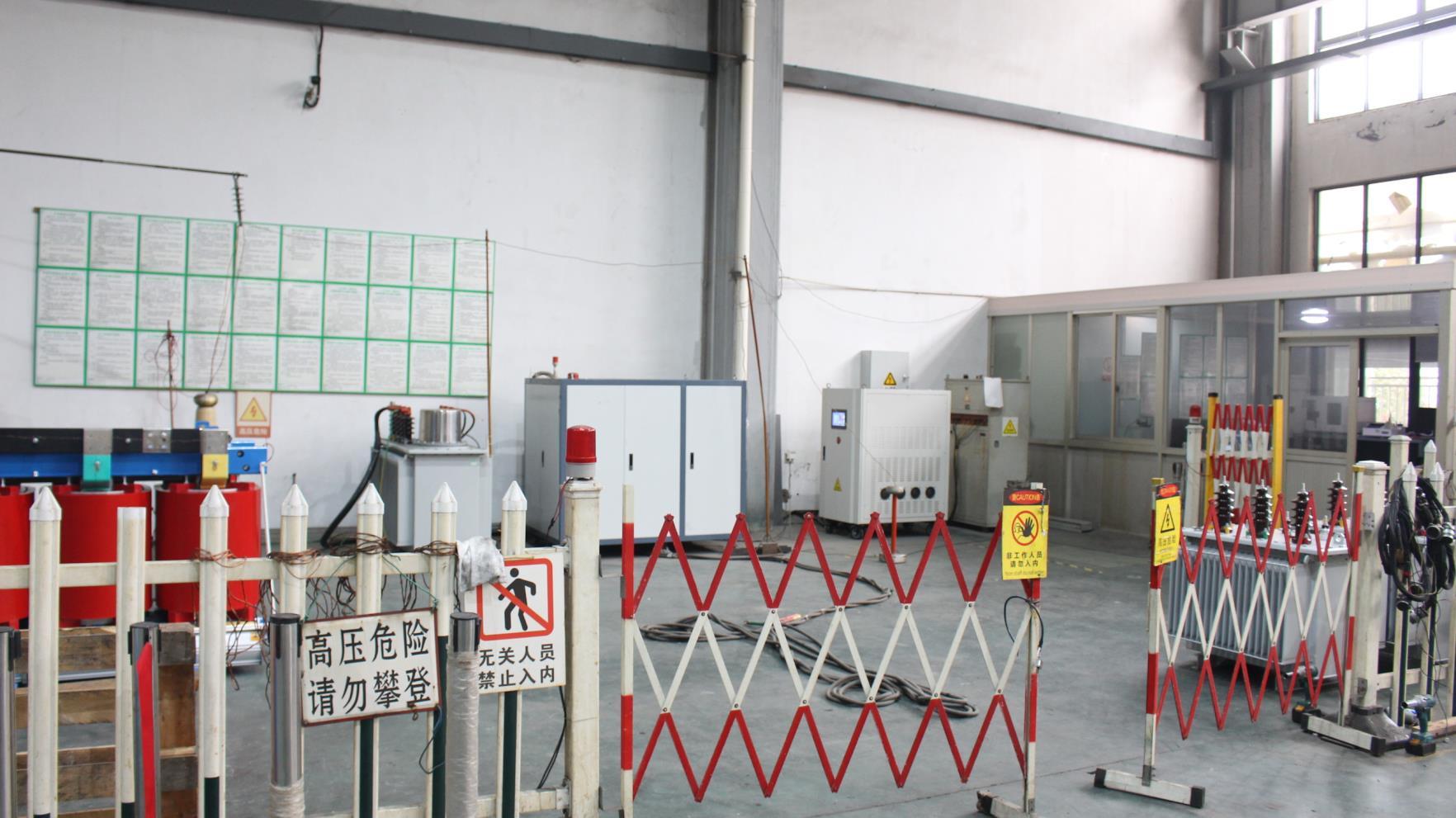
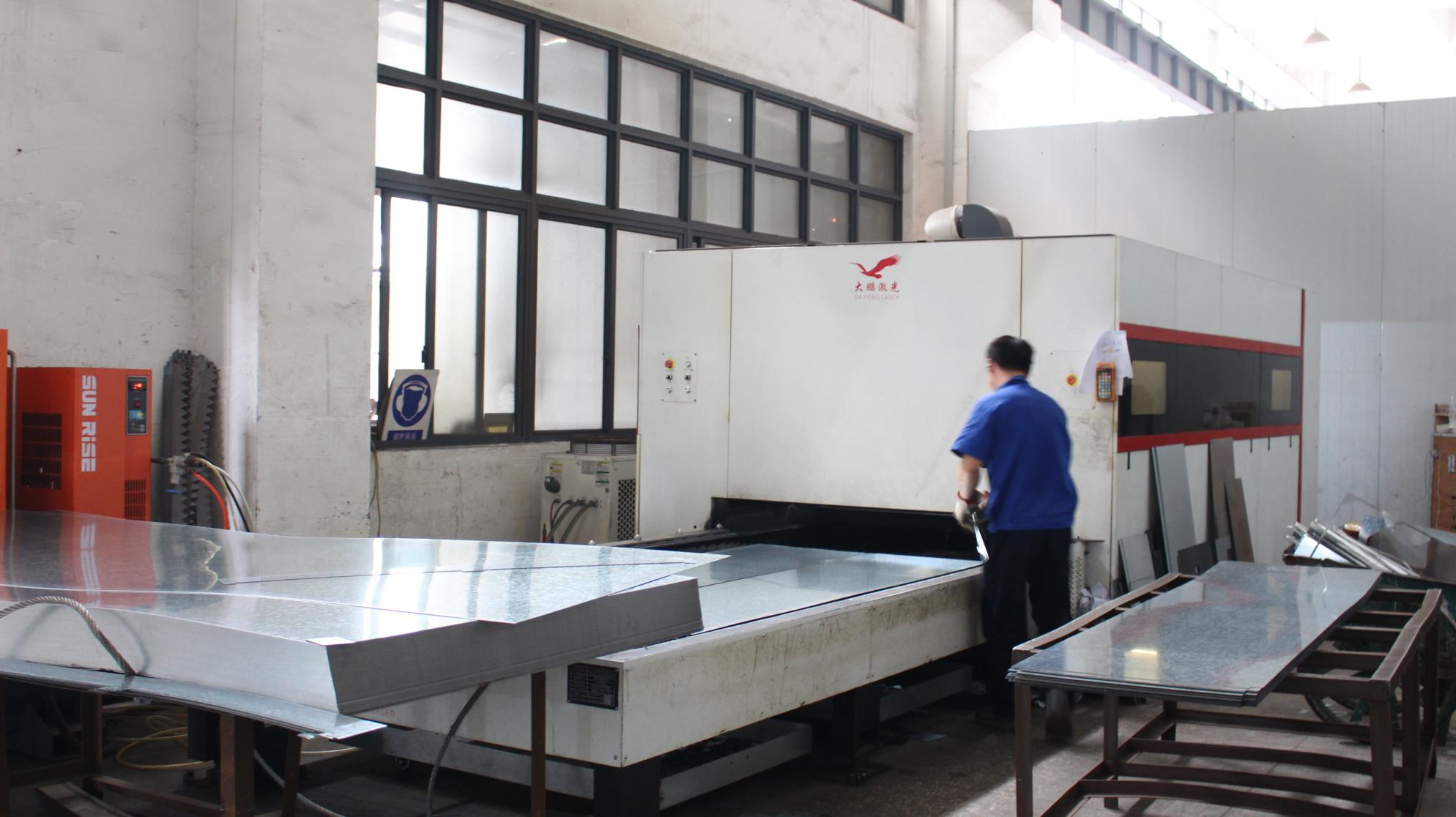
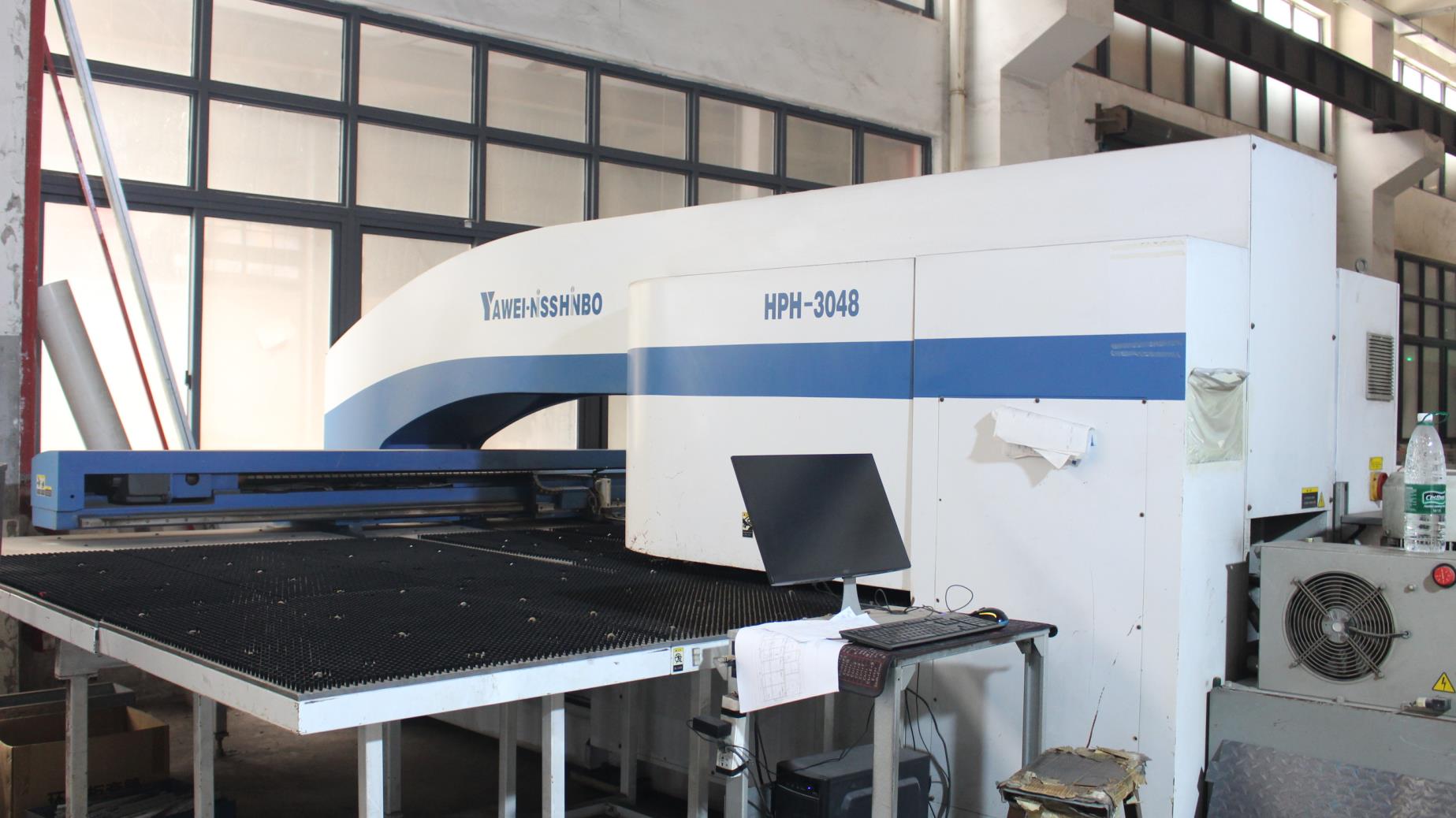
Zhejiang Zeno Electric Co., Ltd. specializes in power equipment and integrated energy system solutions. Our product portfolio covers a wide range of advanced technologies, including:
In addition, we undertake turnkey power engineering projects up to 220kV, providing end-to-end services that include system planning, engineering design, equipment manufacturing, installation, commissioning, and long-term maintenance. To better serve diverse customer needs, we offer fully customized, one-to-one energy solutions tailored to specific project requirements. Our integrated service model helps clients:
Custom OEM BMS configurations must adapt to the localized environments where battery packs are installed. Zeno Electric designs and manufactures complete solutions addressing these environmental complexities:
For high-altitude wind applications, the dielectric strength of air decreases. Our custom configurations include enhanced spacing and customized cold-start heaters. They prevent lithium plating during sub-zero charging cycles, ensuring long-term safety.
Coastal desalination plants and near-shore wind farms subject electronic components to high salt spray and humidity. Zeno Electric BMS PCBas feature ISO 12944 C5-M compliant conformal coatings to prevent trace corrosion and leakage currents.
Remote mining sites demand rapid charge-discharge profiles (C-rates). Our custom dynamic thermal limits coordinate liquid-cooling chiller loops. This setup keeps cell junctions below critical temperature boundaries during extended cycles.
Functional safety compliance is built directly into our manufacturing pipeline. Our hardware designs conform to IEC 61508 SIL 2 / SIL 3 and ISO 26262 standards. The firmware utilizes redundant isolation monitoring circuits to detect ground faults, over-voltage spikes, and cell-level short circuits in milliseconds. This is paired with automated, dual-stage contactor disconnect systems, preventing downstream damage to local grid substations.
Leveraging artificial intelligence and big data analytics, Zeno Electric's next-generation BMS integrates edge-computing algorithms to run Equivalent Circuit Models (ECM) and Neural Network Models directly on the micro-controller. These models compute real-time SoC and SoH by factoring in dynamic internal resistance variations and transient thermal shifts. This enables early-stage prediction of dendrite growth and potential thermal runaway hazards. It alerts system operators via secure API endpoints before physical anomalies occur, reducing unscheduled maintenance costs by up to 45%.
Expert insights on customization, safety standards, and system architecture design
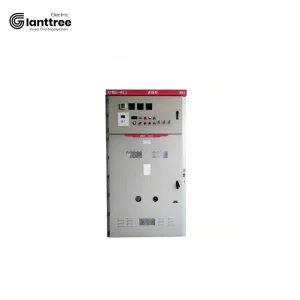
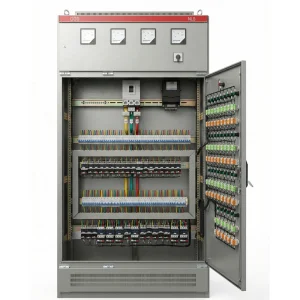
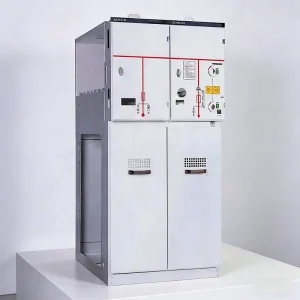
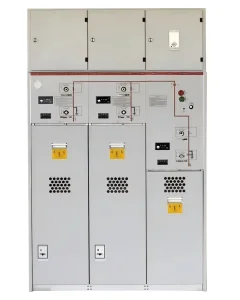
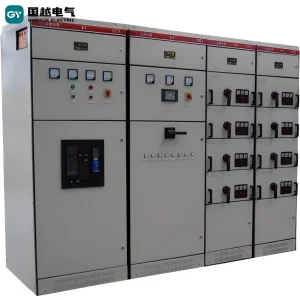
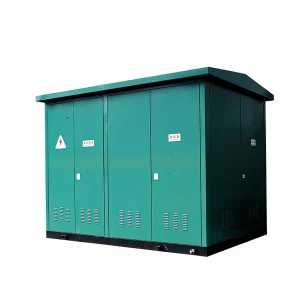
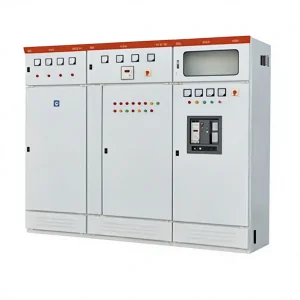
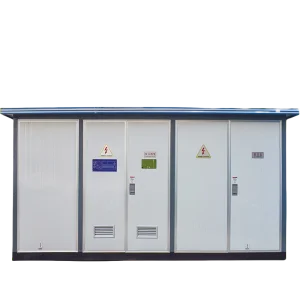
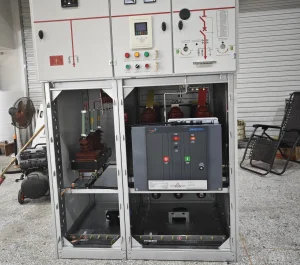
Complete your substation integration with our ruggedized high and low voltage switchgear units
 Zeno Electric