A comprehensive analysis of Medium-Voltage (MV) & Low-Voltage (LV) distribution grid automation, technical compliance with Spanish national regulations, and smart engineering execution for Catalonia.
Featuring next-generation Medium & Low Voltage power distribution units tailored for grid modernization projects in metropolitan Barcelona and Catalonia.
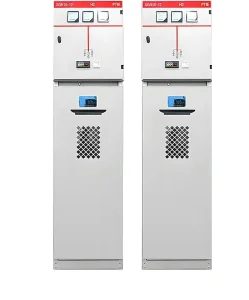
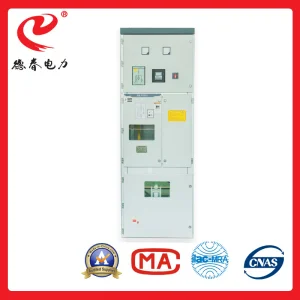
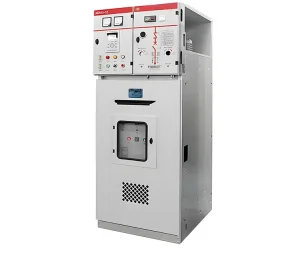
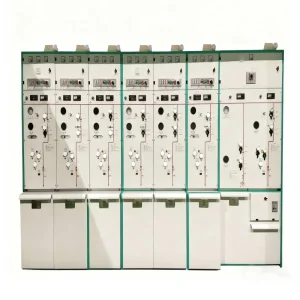
Zhejiang Zeno Electric Co., Ltd. is a national high-tech enterprise headquartered in the industrial hub of Ningbo, with a registered capital of 52 million yuan. We stand at the forefront of the global transition towards digital energy networks, integrating advanced research and development (R&D), highly standardized manufacturing, global distribution, and professional technical support.
By leveraging an elite engineering team and investing heavily in automation technologies, Zeno Electric has successfully delivered robust electrical infrastructure to utility networks, heavy industrial complexes, municipal developments, and commercial properties worldwide. Our expansion into the European market, specifically targeting the smart grid retrofits in Barcelona, Spain, represents our commitment to complying with stringent CE standards, IEC regulations, and local utility distribution codes.
We provide integrated energy system configurations and complete turnkey power engineering installations capable of operating safely up to 220kV. Our core offerings encompass:
Our direct partnership model simplifies grid connection approval processes, slashes capital expenditures (CAPEX) by optimizing equipment selections, increases operational efficiency (OPEX) through remote telemetry integrations, and secures power reliability through localized predictive maintenance.
The city of Barcelona is executing one of Europe's most ambitious climate transition roadmaps, targeting a drastic reduction in carbon emissions and aiming for complete neutrality in municipal and industrial sectors. As Catalonia transitions away from reliance on centralized fossil fuels toward a high-density decentralized network driven by offshore wind, distributed solar photovoltaics, and localized biomass, the municipal grid faces unprecedented challenges in voltage stability, bidirectional power flow management, and peak load regulation.
Barcelona's unique urban structure, containing historical architecture in the Eixample district alongside high-tech hubs like the 22@ Innovation District, limits the physical space available for substations and distribution infrastructure. Distribution system operators (DSOs) must rely on highly compact, solid-insulated, or gas-insulated smart switchgear that can fit into basement vaults or underground chambers without compromising electrical insulation clearances or fire safety standards.
Furthermore, coastal installations—such as the Port of Barcelona—require electrical enclosures engineered to withstand severe marine corrosion, high relative humidity, and salt spray. In these harsh environments, traditional air-insulated switchgear undergoes accelerated oxidation, leading to dielectric breakdowns and unscheduled outages. Our corrosion-resistant, IP-rated smart distribution equipment and solid-insulated ring main units (RMUs) are specifically built to operate reliably under these localized environmental stressors.
"To support Barcelona's Green Deal (Agenda 2030), the distribution network must evolve from a passive radial layout to an active self-healing mesh. This transition requires high-accuracy sensors, fast-acting motorized vacuum circuit breakers, and integrated Feeder Terminal Units (FTUs) that communicate via IEC 60870-5-104 and IEC 61850 protocol standards."
Modern electrical grids are undergoing a digital revolution. Globally, the primary driver for distribution automation is the rising penetration of Distributed Energy Resources (DERs), including electric vehicle supply equipment (EVSE) and rooftop photovoltaics. In active networks, traditional distribution substations are vulnerable to transient overvoltages, harmonics, and sudden frequency swings. Smart grid distribution automation equipment mitigates these risks by providing real-time telemetry, automated fault isolation, and dynamic load balancing.
Key global movements shaping the design and manufacturing of distribution automation equipment include:
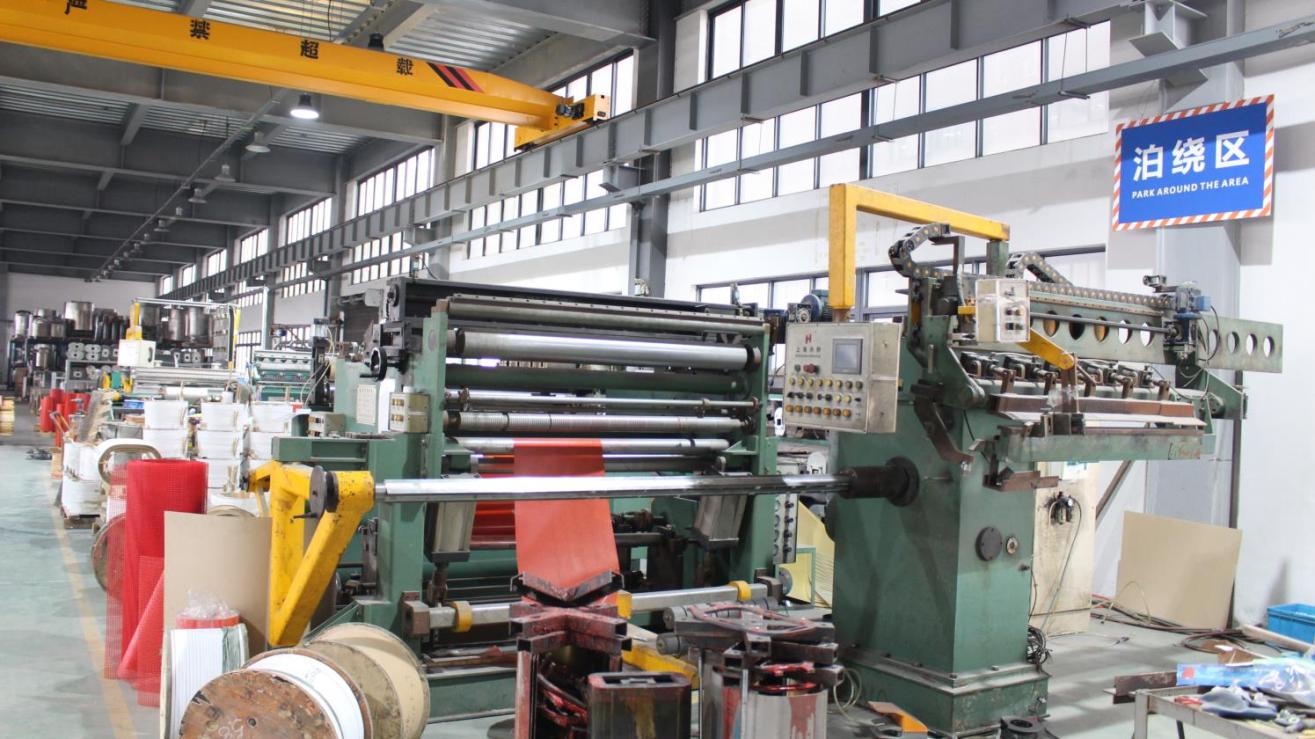
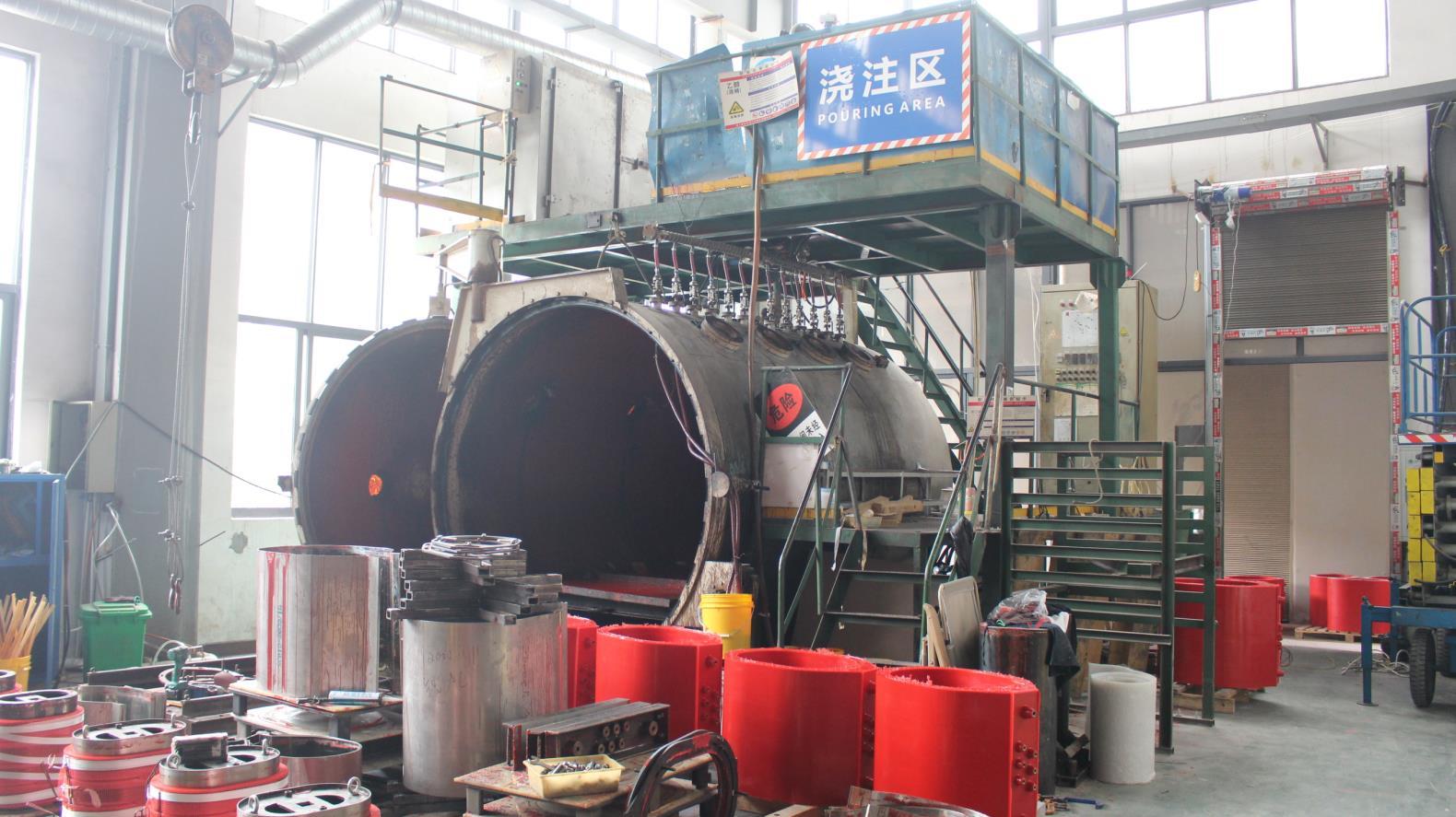
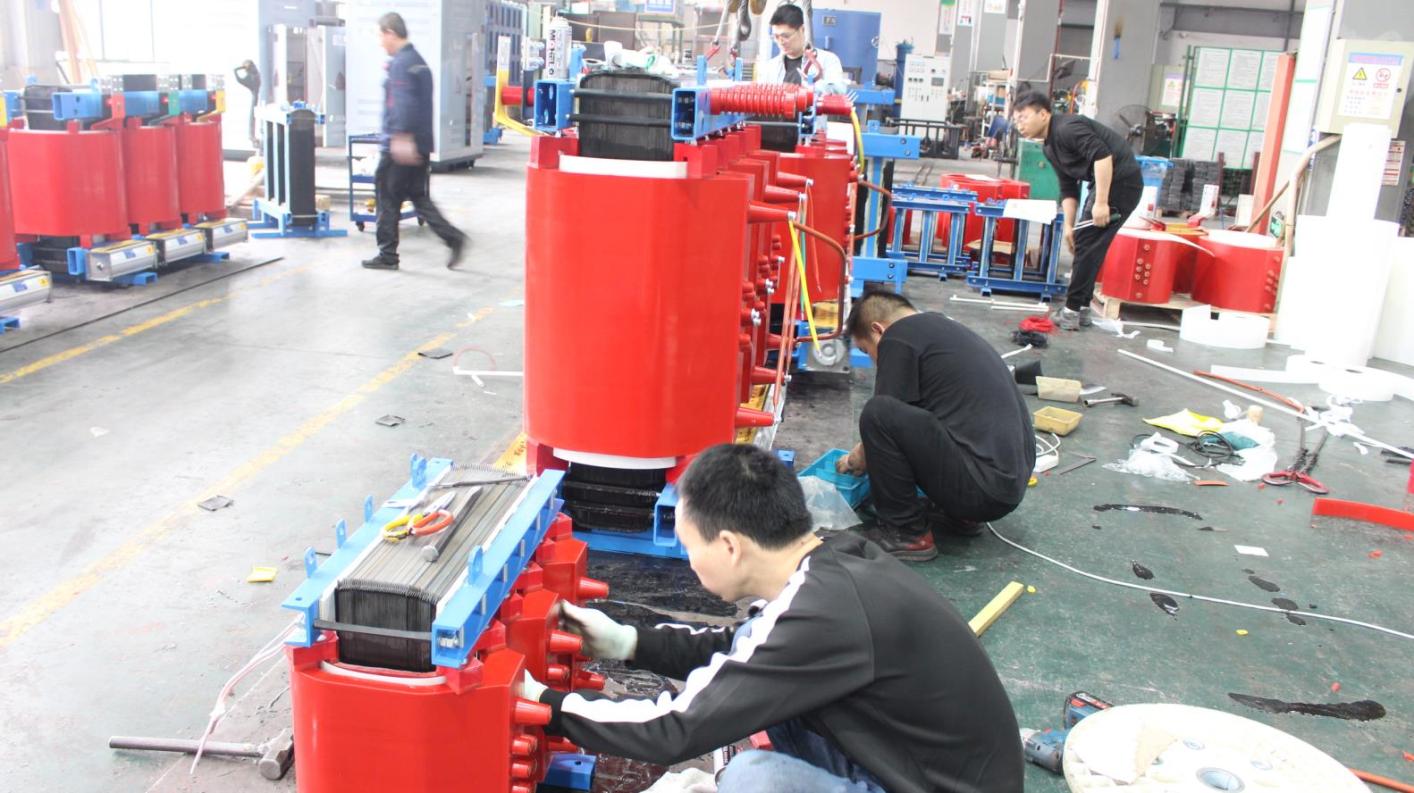
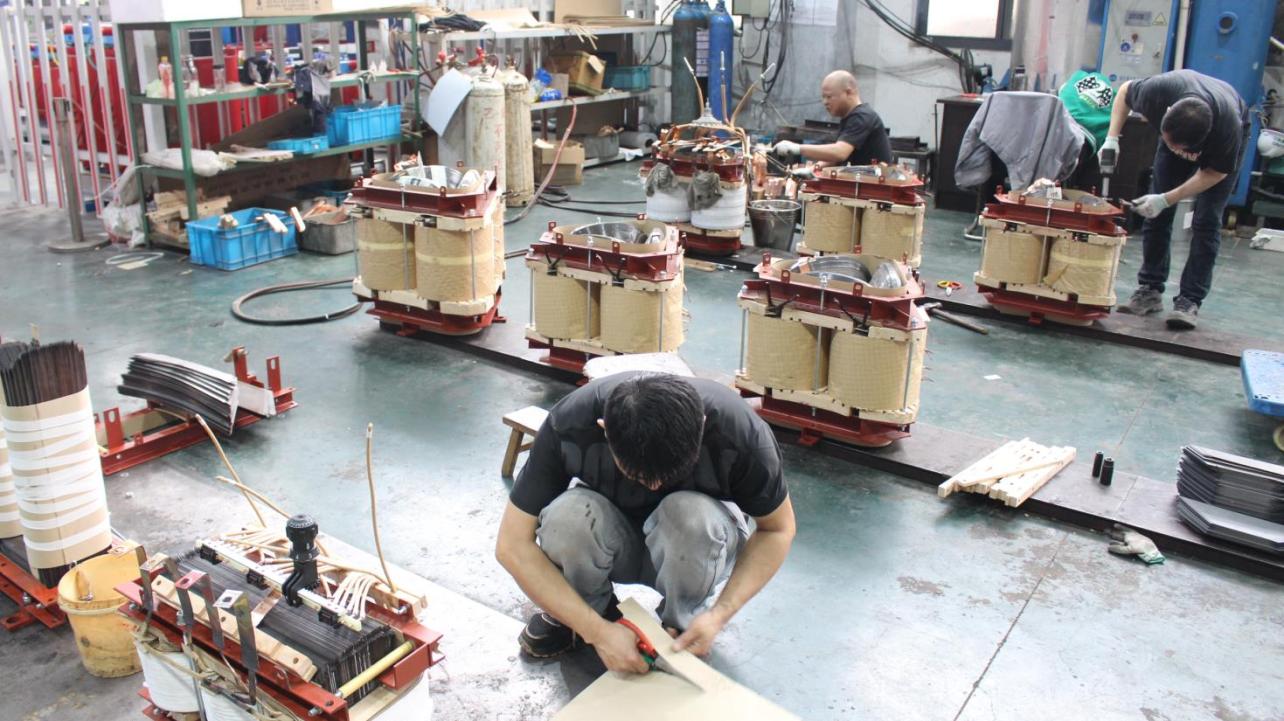
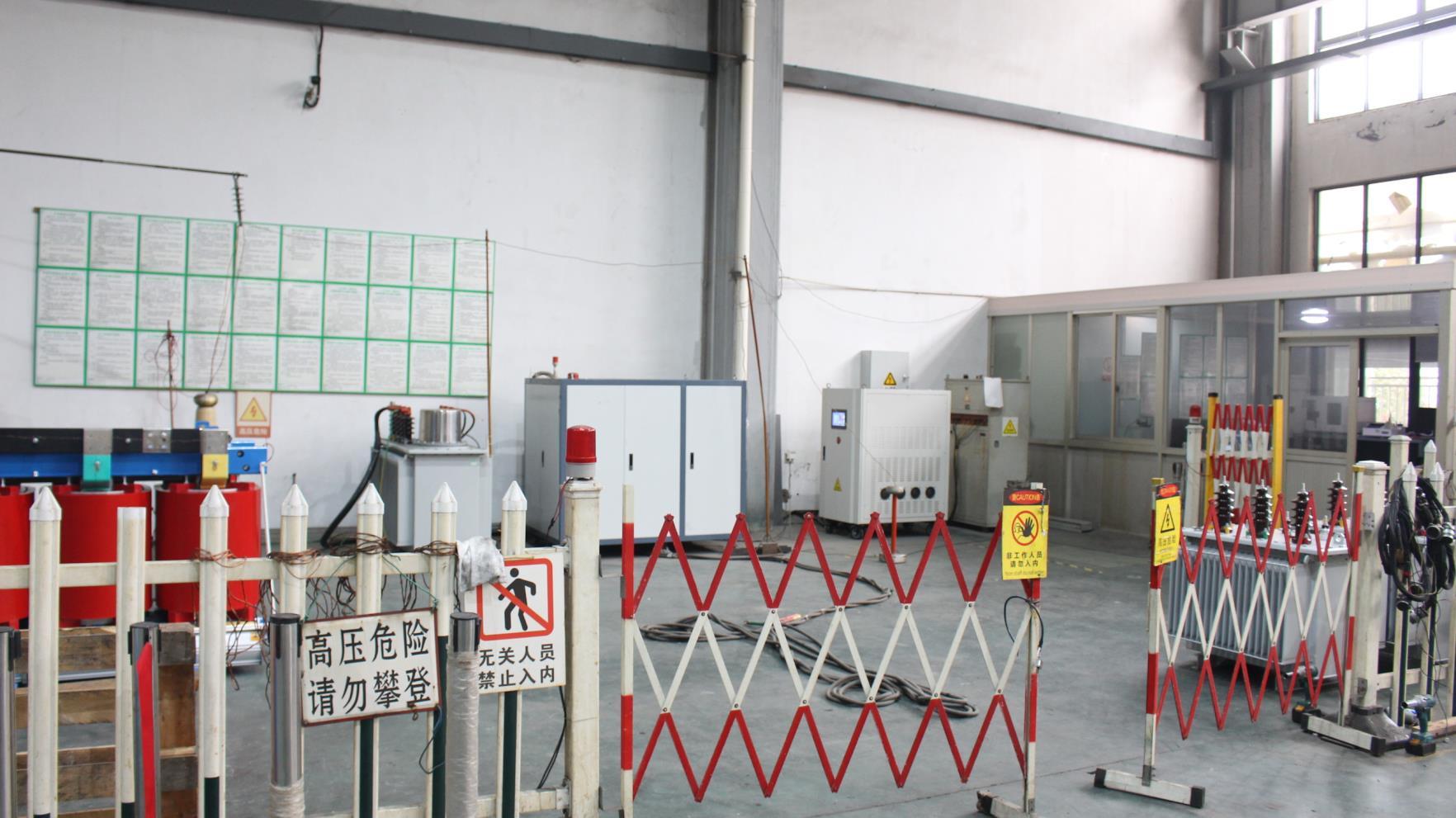
At Zeno Electric, we have aligned our research pipelines with the global clean energy shift. Our manufacturing processes utilize precision tooling, robotic sheet-metal processing, automated laser welding, and rigorous high-voltage test bays to ensure every switchgear cabinet that leaves our facility conforms to the strict requirements of EN/IEC 62271-200 standards.
Below is a visual overview of our advanced production steps, ensuring complete traceability and build quality from raw metal to finalized smart switchgear networks:
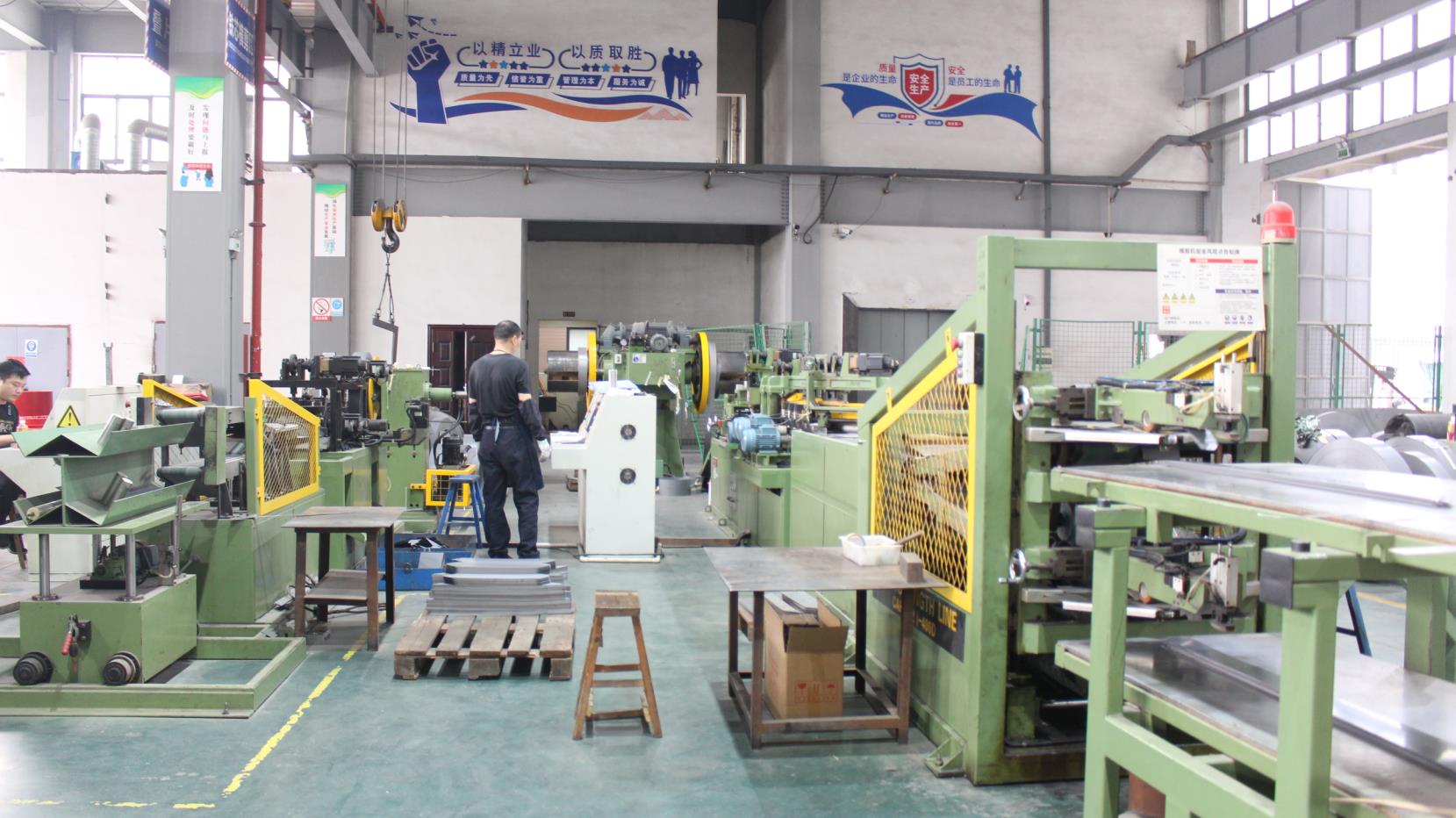
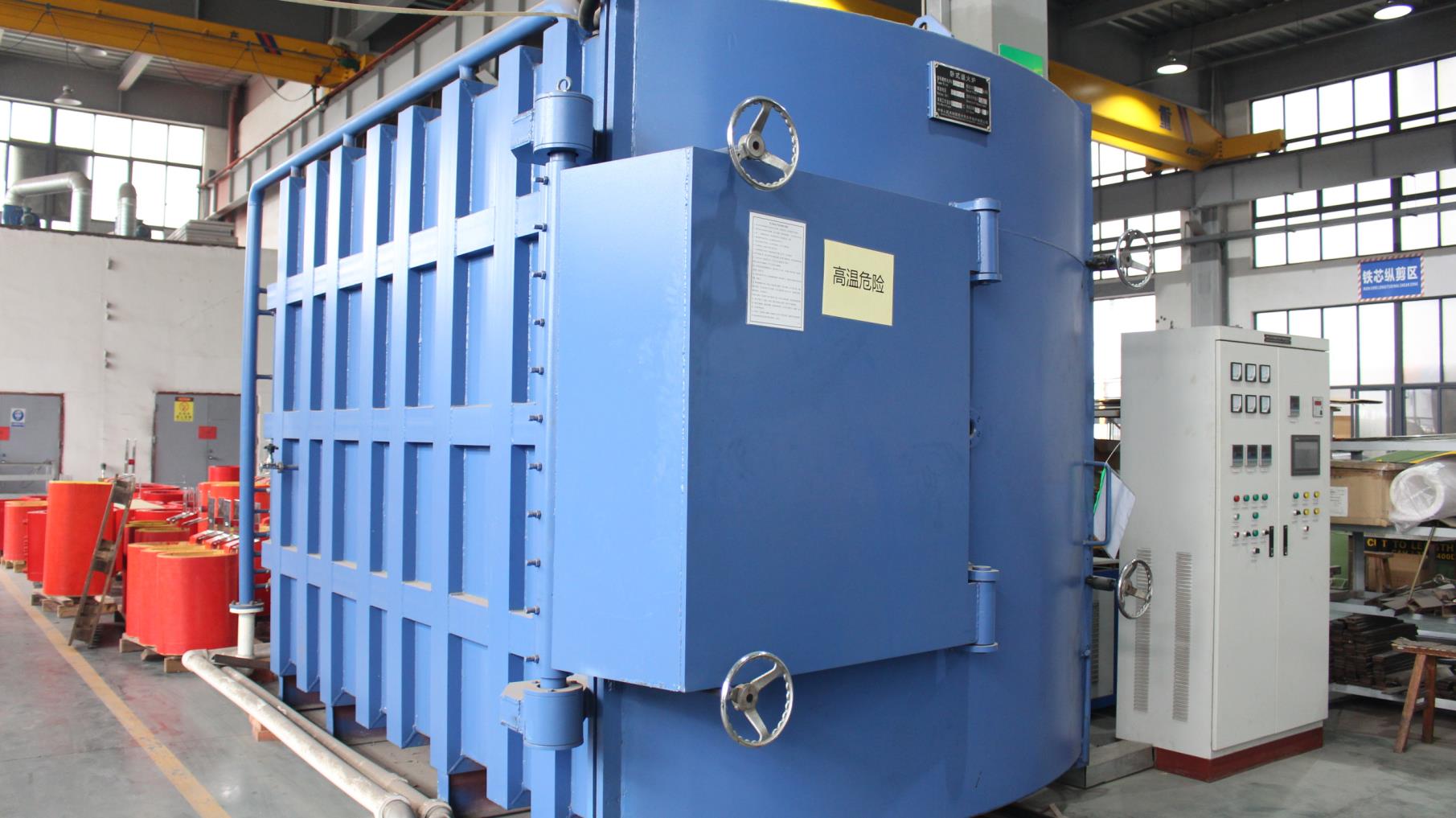
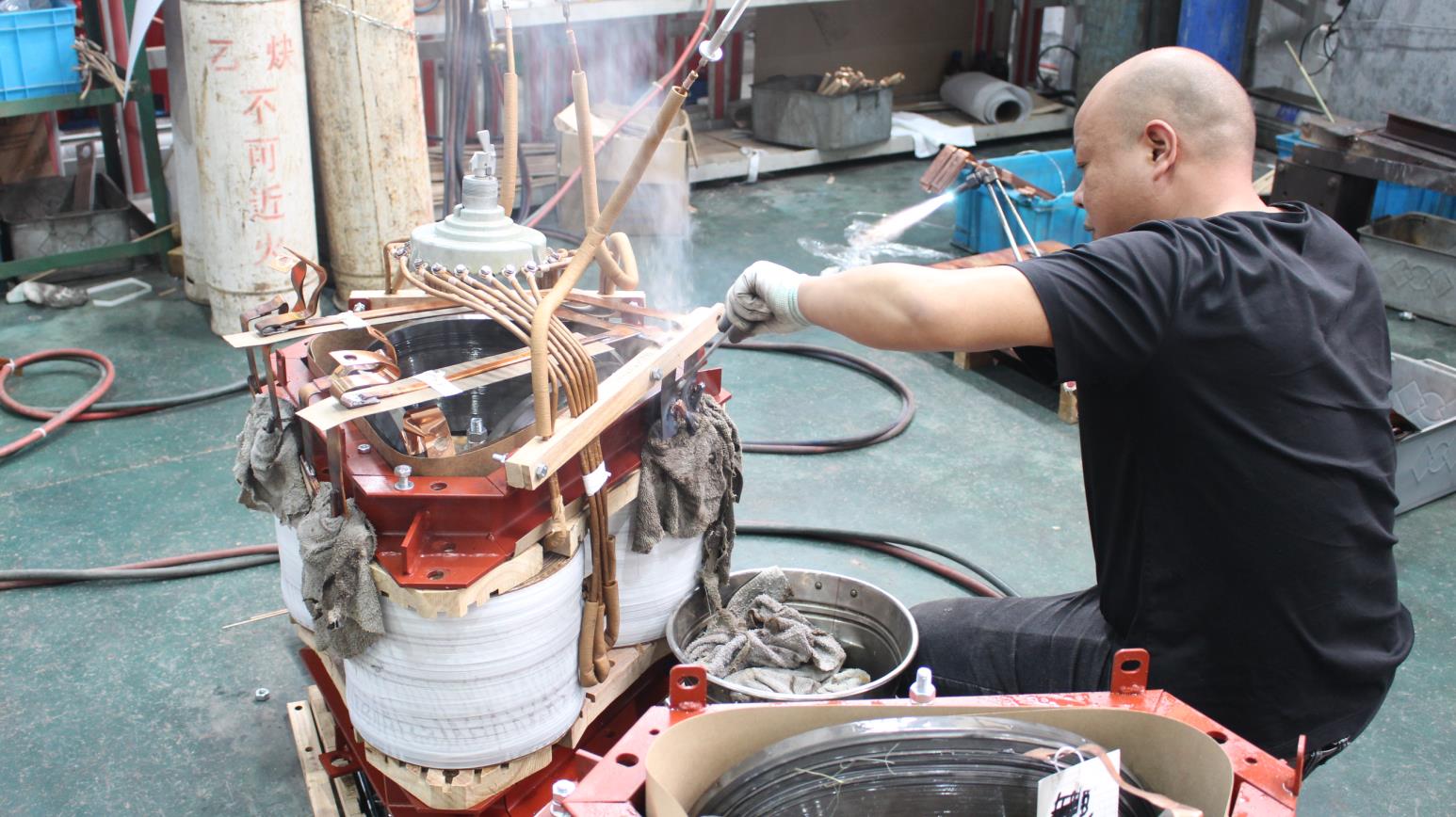
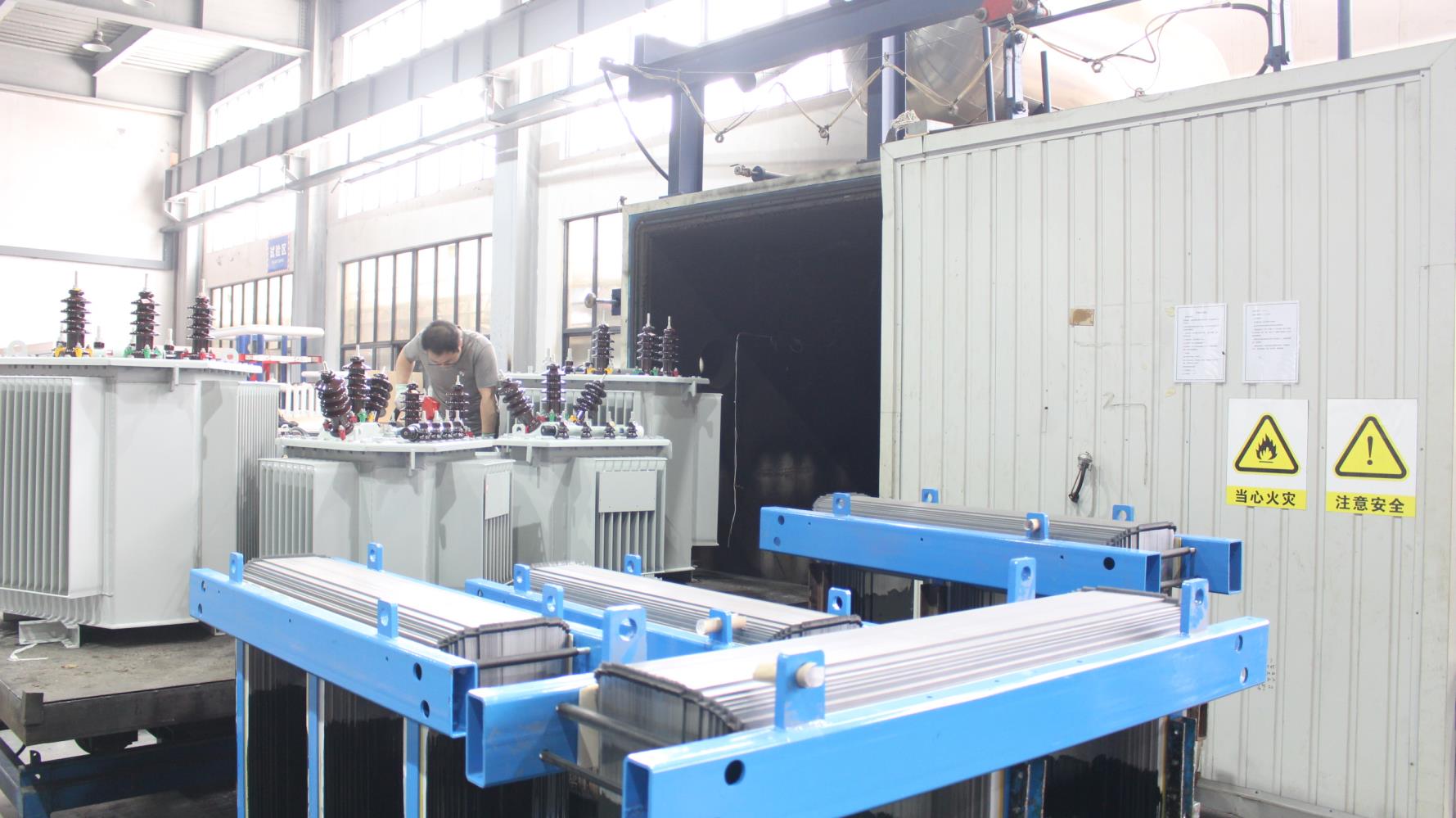


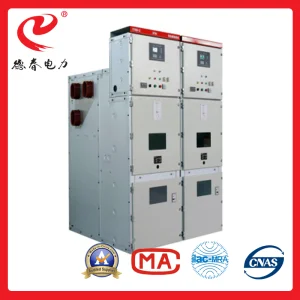
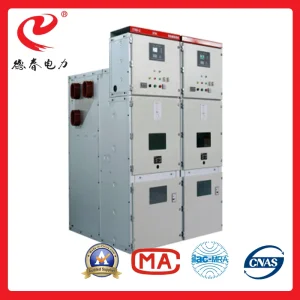
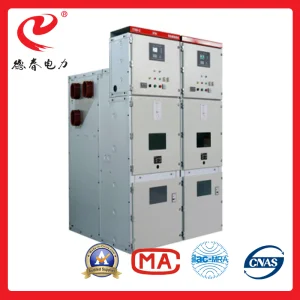
Barcelona's "Superilles" (Superblocks) require highly localized microgrids where solar energy generated on rooftops is stored and consumed locally. Our compact low-voltage draw-out switchgears (MNS-type) and indoor armored switchgear (KYN28-12) are designed to fit into narrow utility rooms of historical and new municipal structures. Their compartmentalized design guarantees internal arc protection (IAC AFLR), ensuring complete safety for maintenance personnel working in close proximity to residential zones.
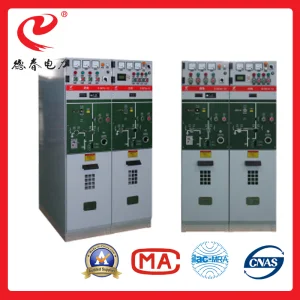
As the Transports Metropolitans de Barcelona (TMB) rapidly transitions to a zero-emission bus fleet, high-power depot chargers represent massive instantaneous power draws on the MV distribution grid. Zeno Electric's smart RMUs allow utility operators to implement dynamic load-shedding and intelligent feeder switching, ensuring the charging infrastructure does not trigger localized voltage drops or grid instability during peak charging hours.
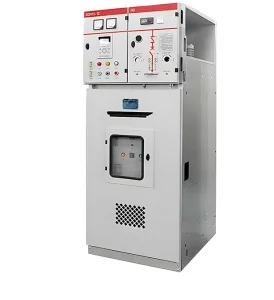
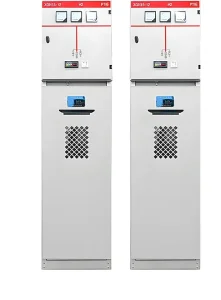
The Port of Barcelona's "Onshore Power Supply" (OPS) projects require medium voltage connections to vessels, minimizing auxiliary engine usage while docked. The offshore air brings saline humidity that aggressively corrodes copper busbars and steel structures. Our solid insulated switchgear (SIS) features a fully encapsulated epoxy resin busbar system, offering absolute isolation from external atmospheric agents and eliminating the risk of salt-spray-induced flashovers.
Engineered to integrate seamlessly with the modern distribution automation networks of Barcelona and Catalonia. Scroll below to view detailed technical options.
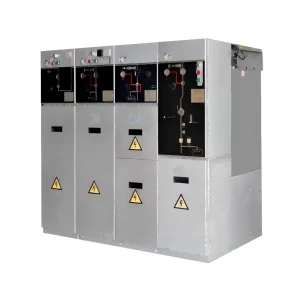
Understand the technical parameters, regulatory compliance, and installation protocols required for introducing Chinese manufactured MV/LV equipment into European markets.
 Zeno Electric