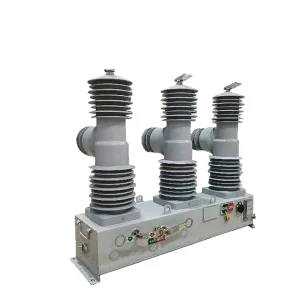
In high-voltage power transmission and distribution infrastructure, safety, reliability, and isolation efficacy are paramount. High-voltage disconnect switches (also known as isolator switches) serve as the fundamental mechanical devices utilized to isolate specific portions of an electrical grid or substation system during maintenance, reconfiguration, or emergency shutdowns. Unlike circuit breakers, which are designed to interrupt high-voltage arcs under load and short-circuit conditions, disconnect switches provide a clearly visible electrical air gap, verifying that a circuit is completely de-energized before technicians enter the zone.
Operating typically under "no-load" conditions (or switching very small charging currents of busbars and instrument transformers), these switches must withstand extreme dielectric stresses, mechanical wear, and adverse weather conditions. Any degradation in the insulation profile, contact pressure, or mechanical linkage of a disconnect switch can lead to catastrophic grid failures, unintended flashovers, or severe safety hazards for utility operators.
Different substation layouts, land footprints, and system voltage levels demand specialized configuration patterns. The table below details the design parameters of core disconnect switch topologies.
| Switch Type | Voltage Range | Key Operational Advantages | Substation Space Efficiency | Ideal Application Scenario |
|---|---|---|---|---|
| Center-Break Disconnect | 11kV to 220kV | Simplest mechanical design, low torque requirement, economical maintenance. | Moderate (requires lateral clearance for blade swing). | Standard medium-to-high voltage outdoor substations. |
| Double-Break Disconnect | 33kV to 550kV | Centrally rotating insulator minimizes dynamic load forces on structures. | High (reduced phase-to-phase distance requirements). | Substations with limited layout width but sufficient height. |
| Vertical-Break Disconnect | 33kV to 800kV | Highest resistance to ice and wind loads; clear vertical clearance. | Excellent (narrowest lateral phase spacing). | High seismic activity zones and heavy industrial corridors. |
| Pantograph Disconnect | 110kV to 1200kV | Direct connection to upper overhead busbars, eliminating lower supports. | Outstanding (maximizes vertical layout space). | Ultra-High Voltage (UHV) urban and indoor substations. |
Zhejiang Zeno Electric Co., Ltd. is a national high-tech enterprise located in Ningbo, with a registered capital of 52 million yuan. The company integrates research and development (R&D), manufacturing, sales, and service of advanced power equipment and energy systems.
Rooted in Ningbo and supported by a strong engineering and technical team, Zeno Electric has steadily expanded its business across China and international markets. Through continuous innovation and quality-driven development, the company has become a trusted provider in the power and energy industry, with growing influence in both utility and industrial sectors.
With a focus on sustainable development and smart energy transformation, we are committed to delivering safe, efficient, and intelligent power solutions that support the global transition toward cleaner and more digitalized energy systems.
Zhejiang Zeno Electric Co., Ltd. specializes in power equipment and integrated energy system solutions. Our product portfolio covers a wide range of advanced technologies, including:
In addition, we undertake turnkey power engineering projects up to 220kV, providing end-to-end services that include system planning, engineering design, equipment manufacturing, installation, commissioning, and long-term maintenance.
To better serve diverse customer needs, we offer fully customized, one-to-one energy solutions tailored to specific project requirements. Our integrated service model helps clients:
We control the complete value chain of high-voltage component manufacturing, using modern precision processing machinery to guarantee mechanical endurance and structural integrity.
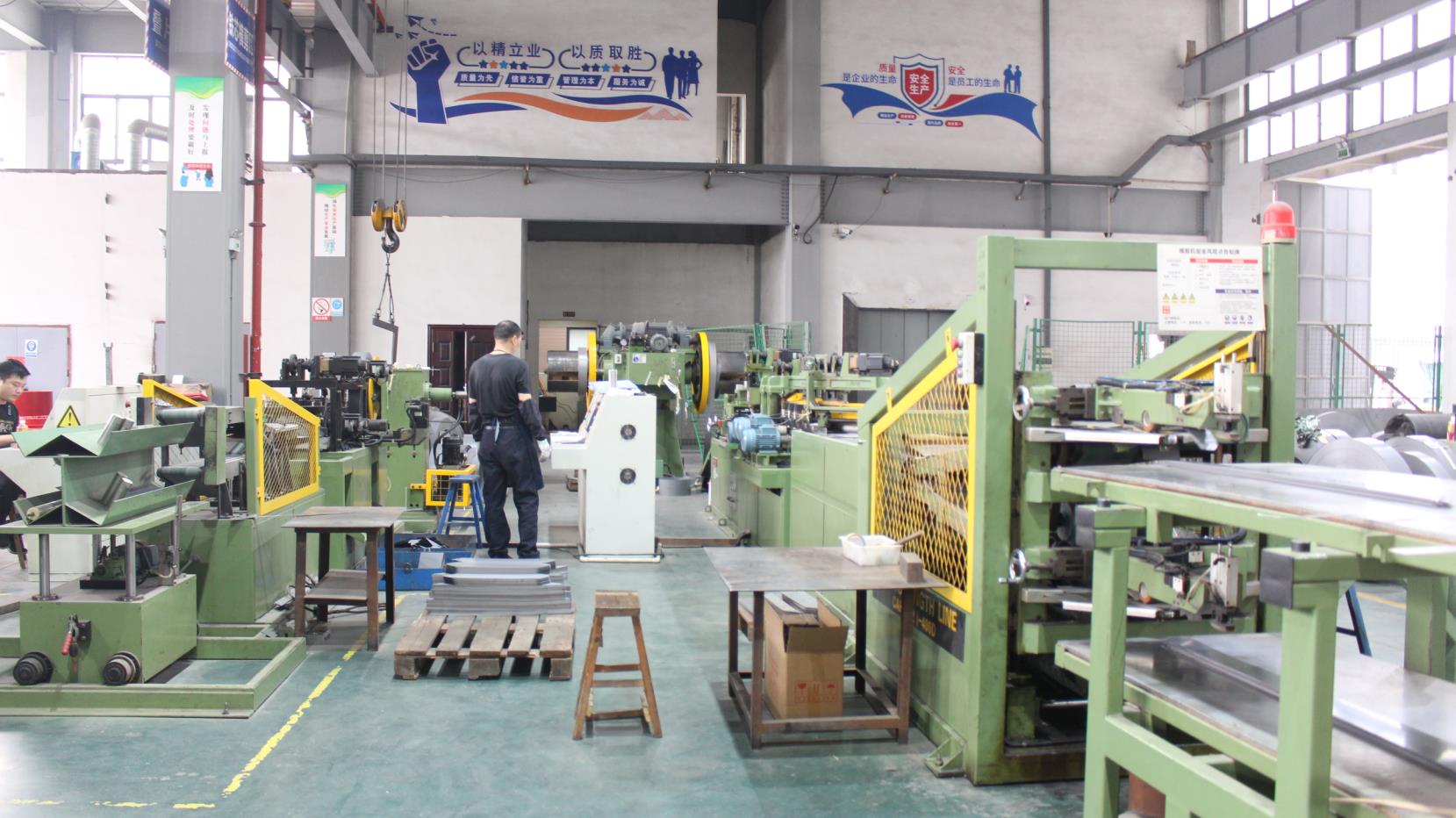
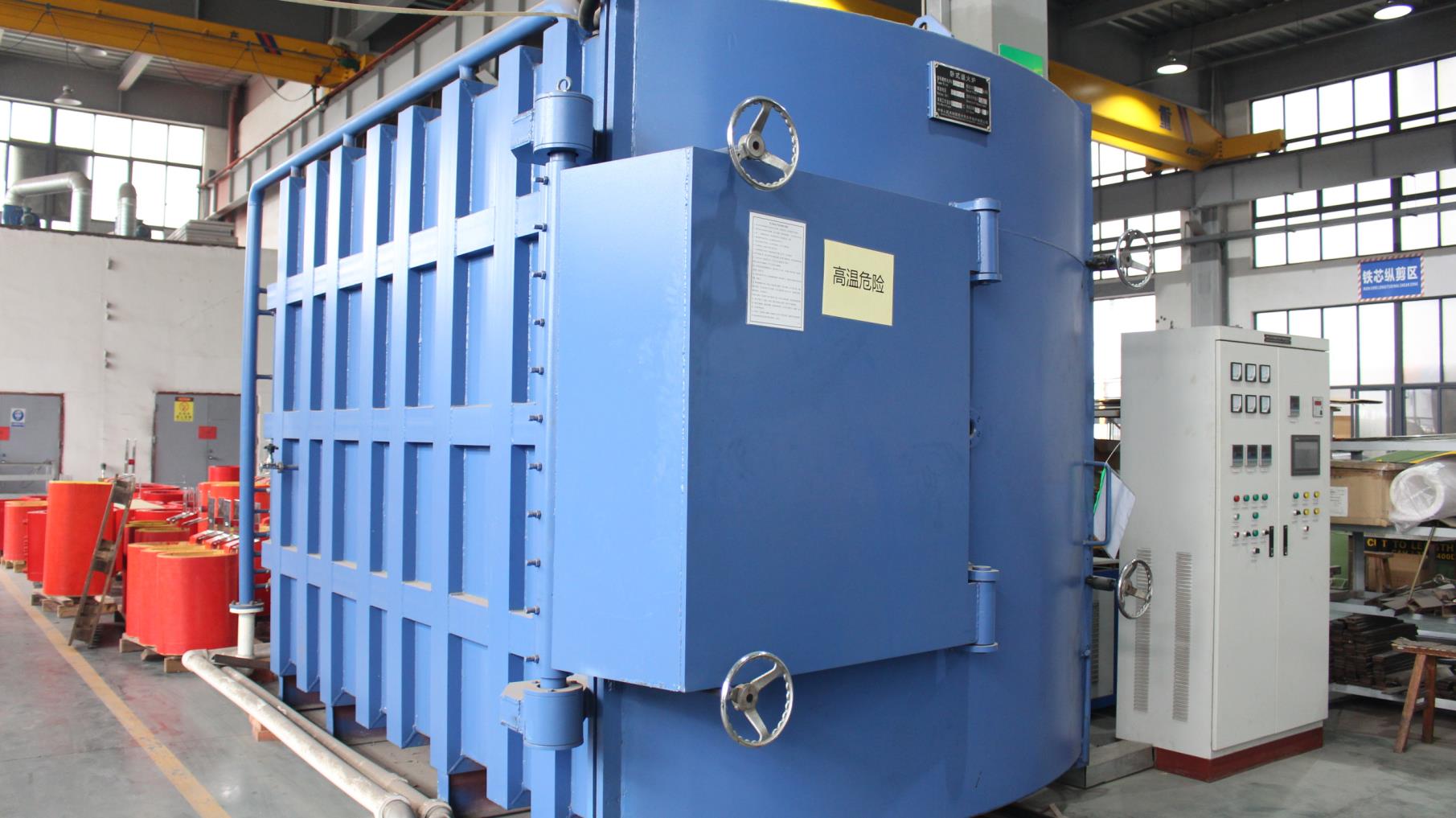
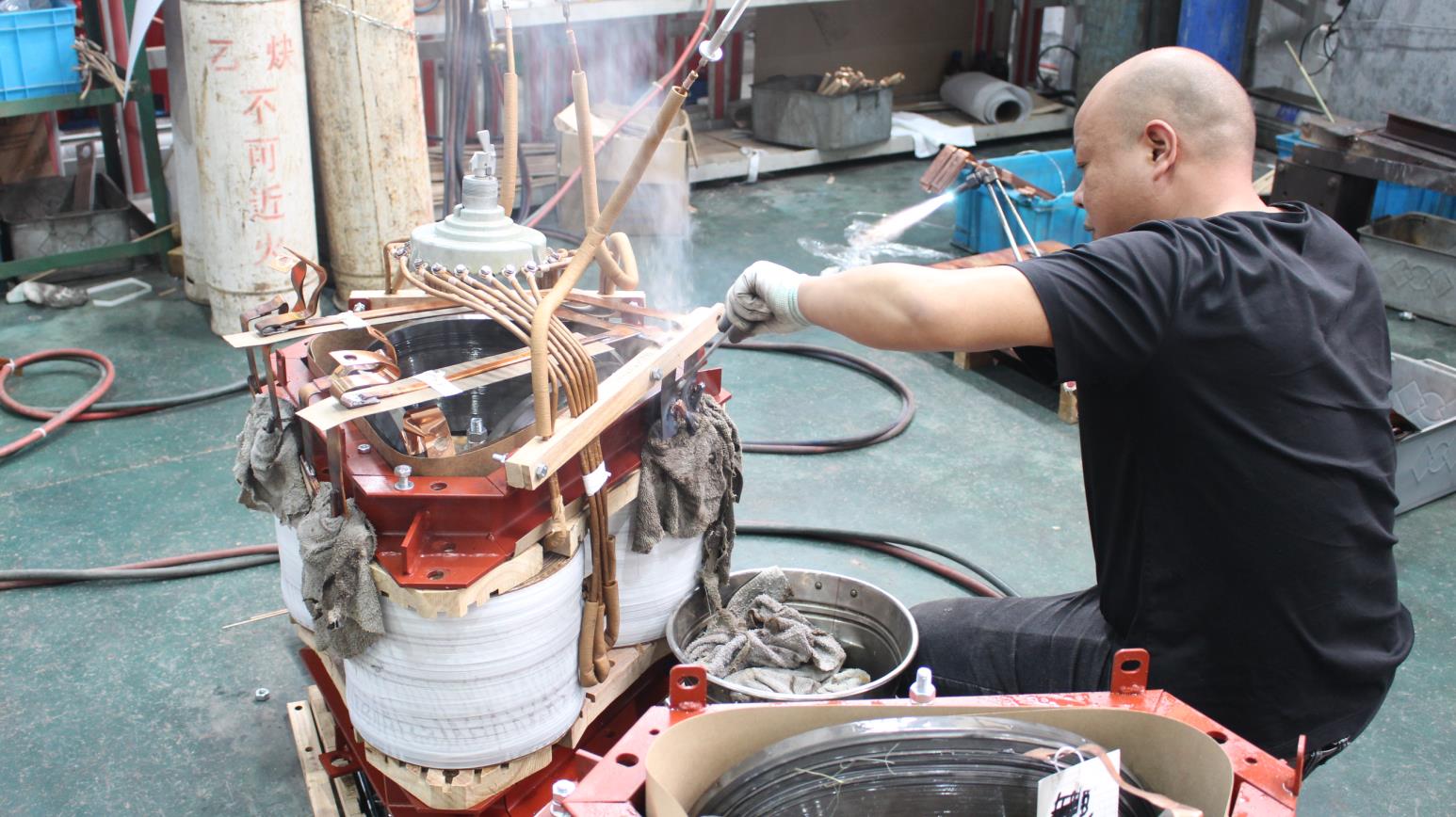
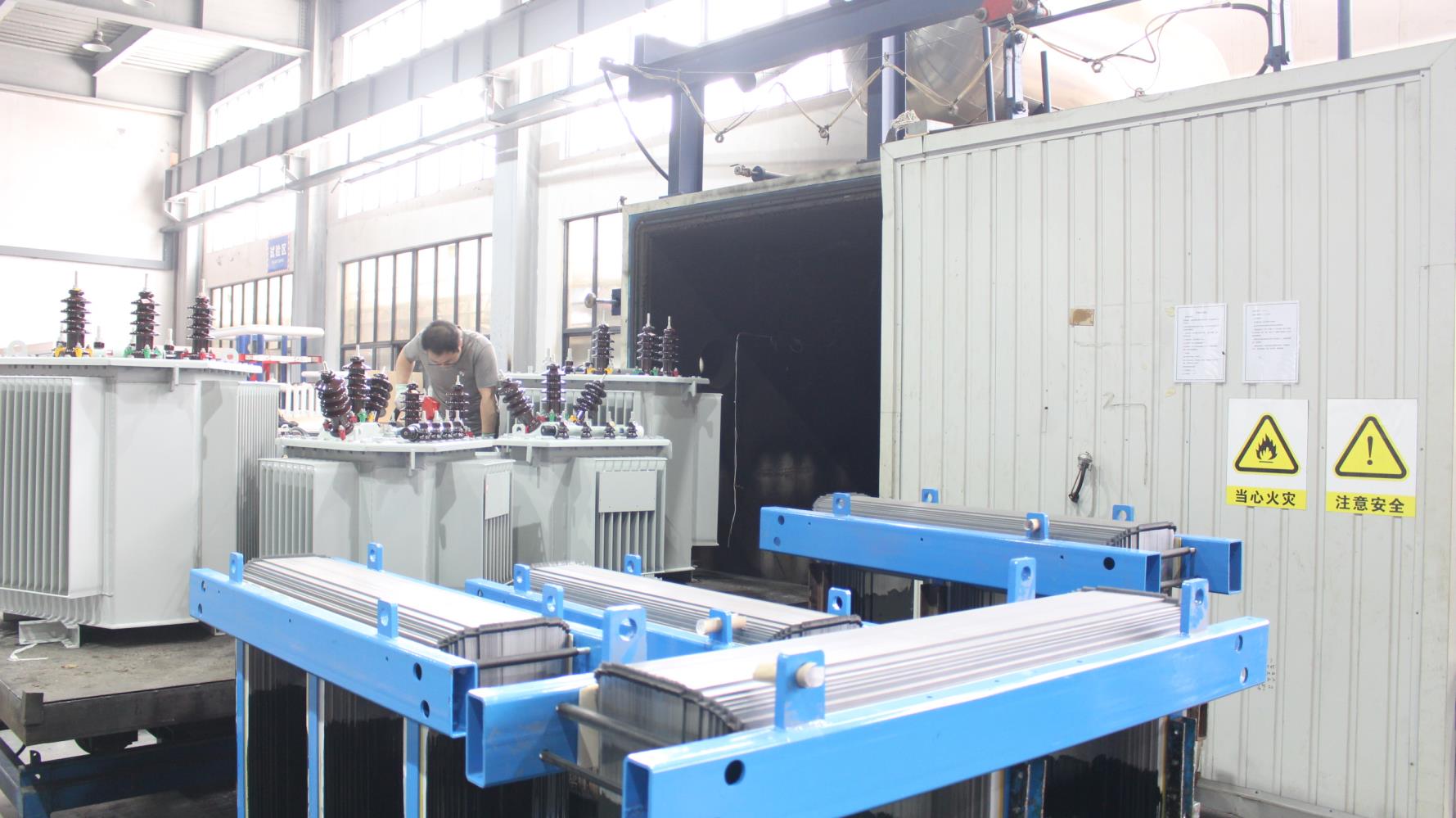
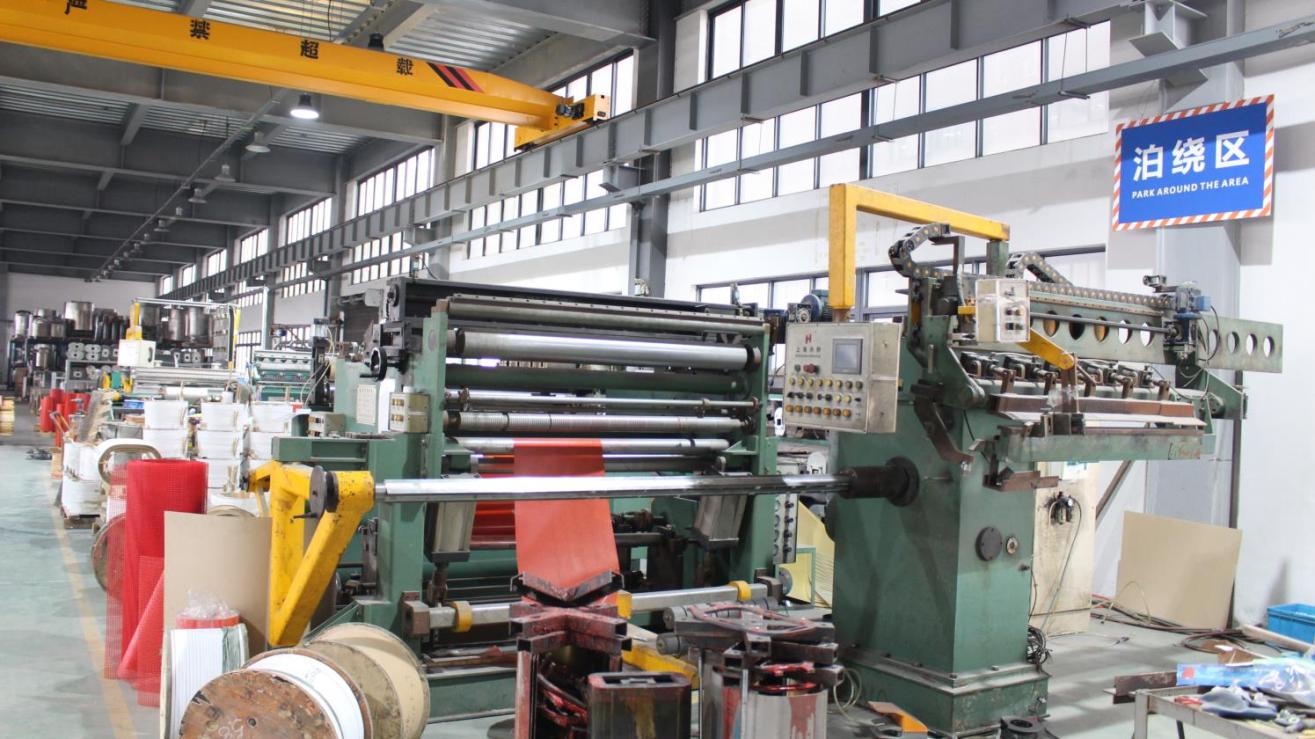
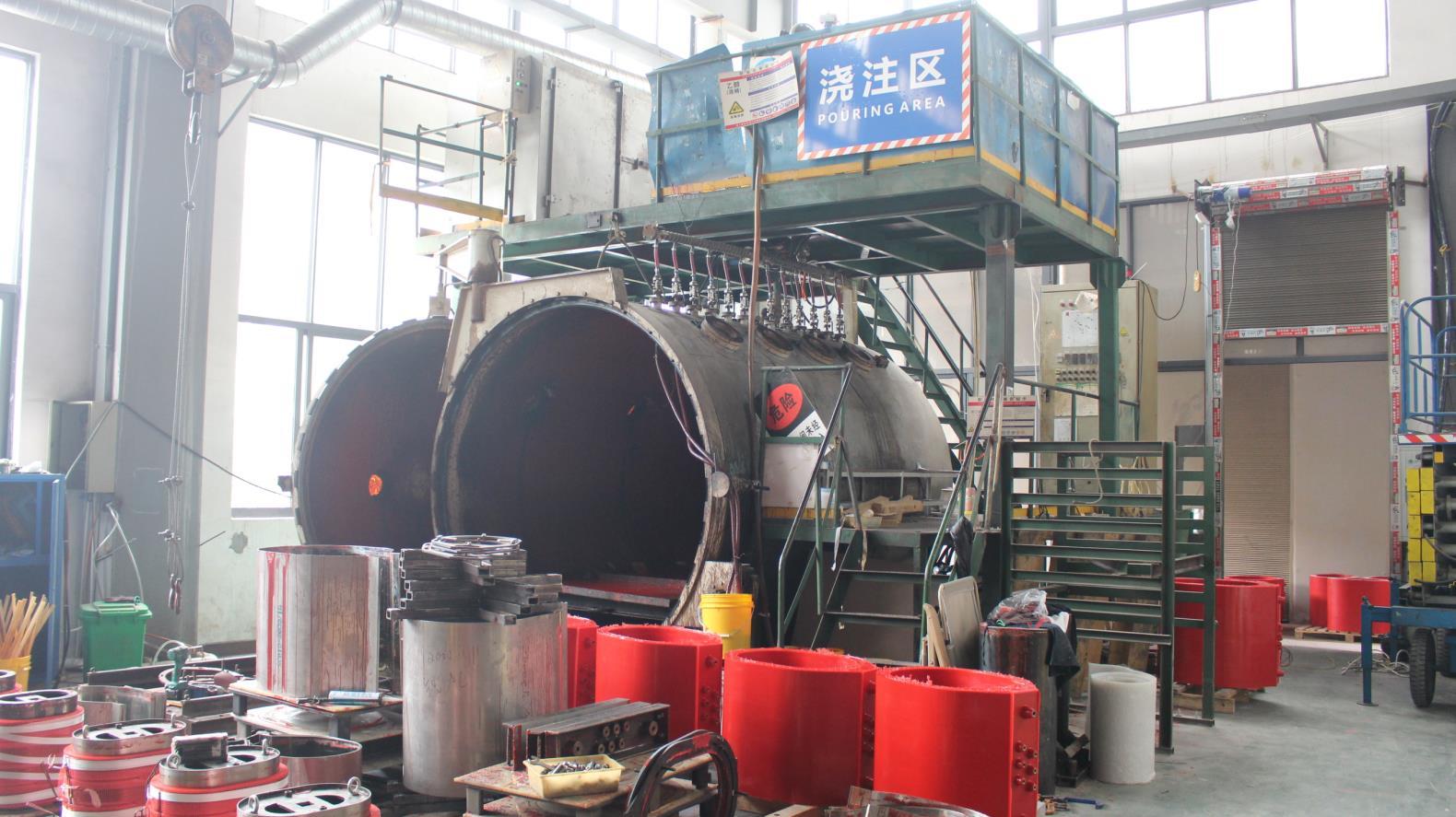
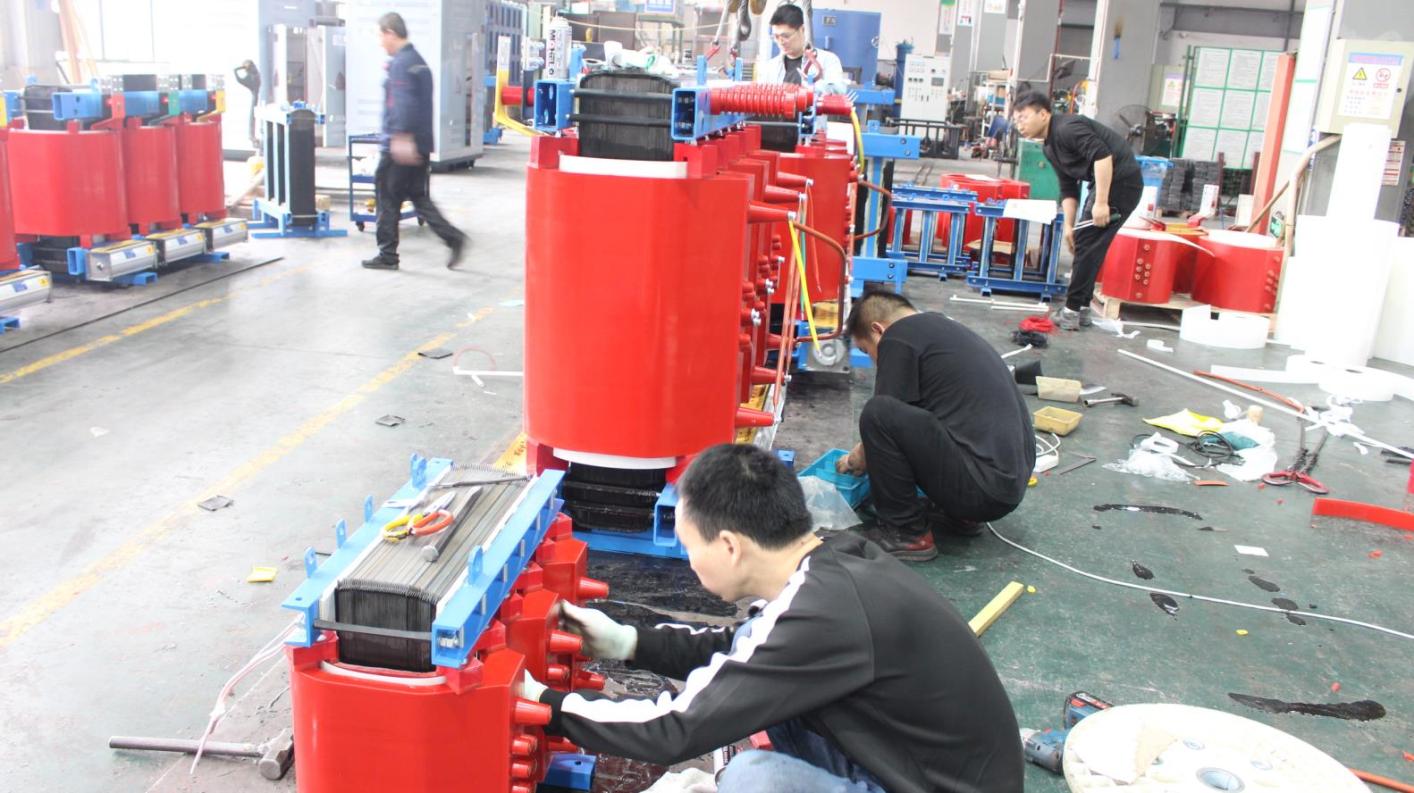
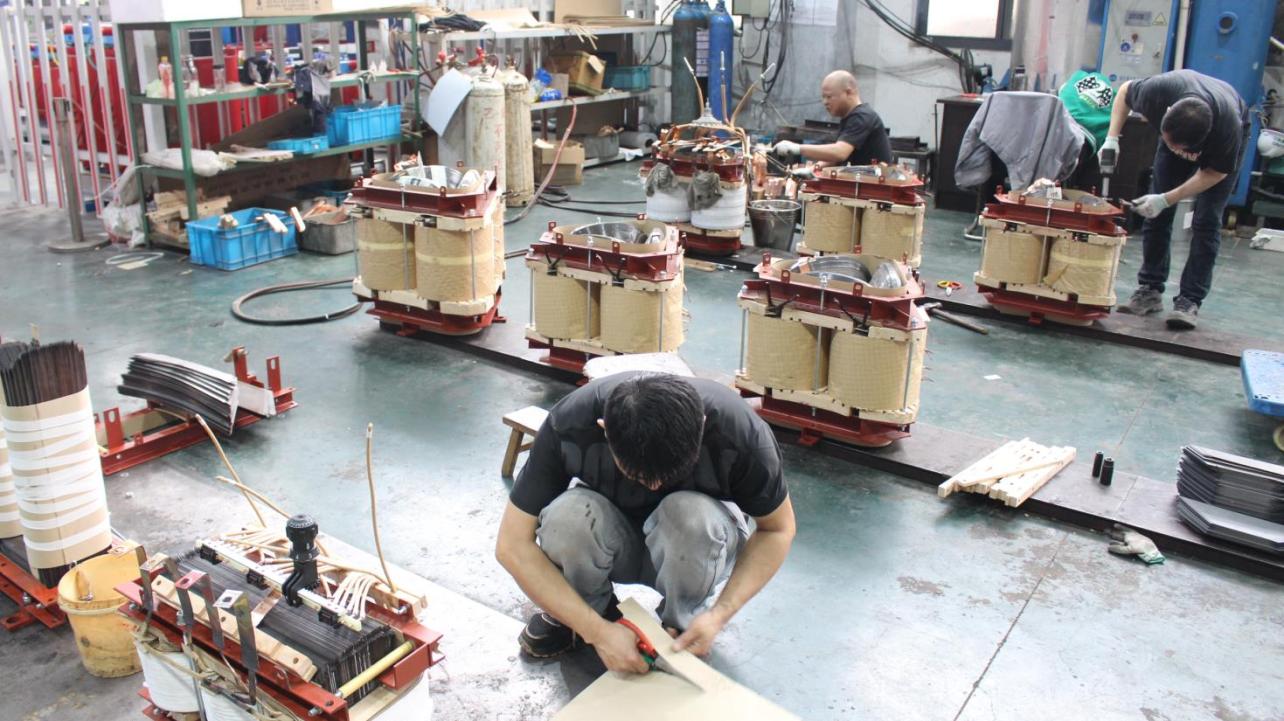
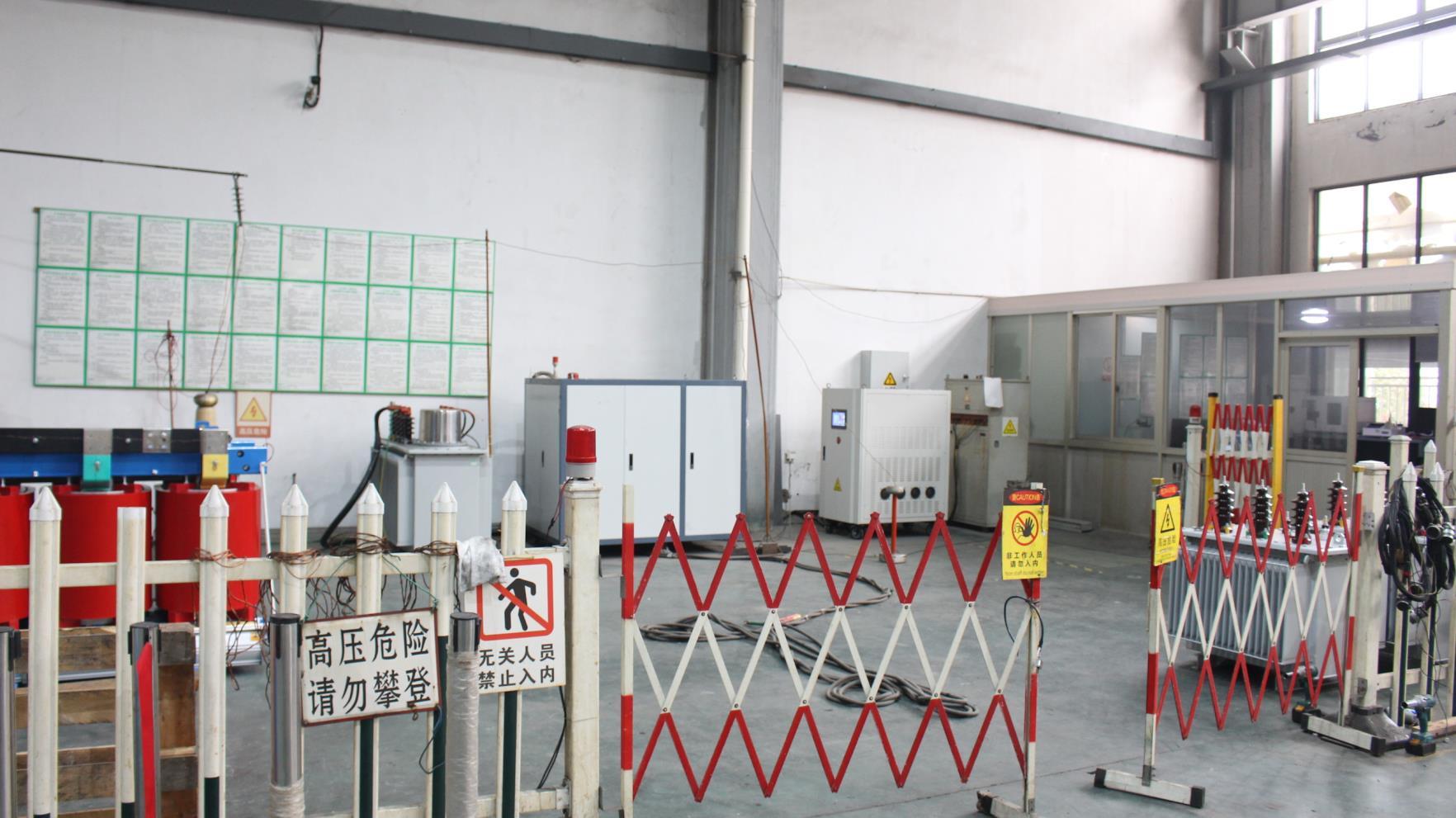
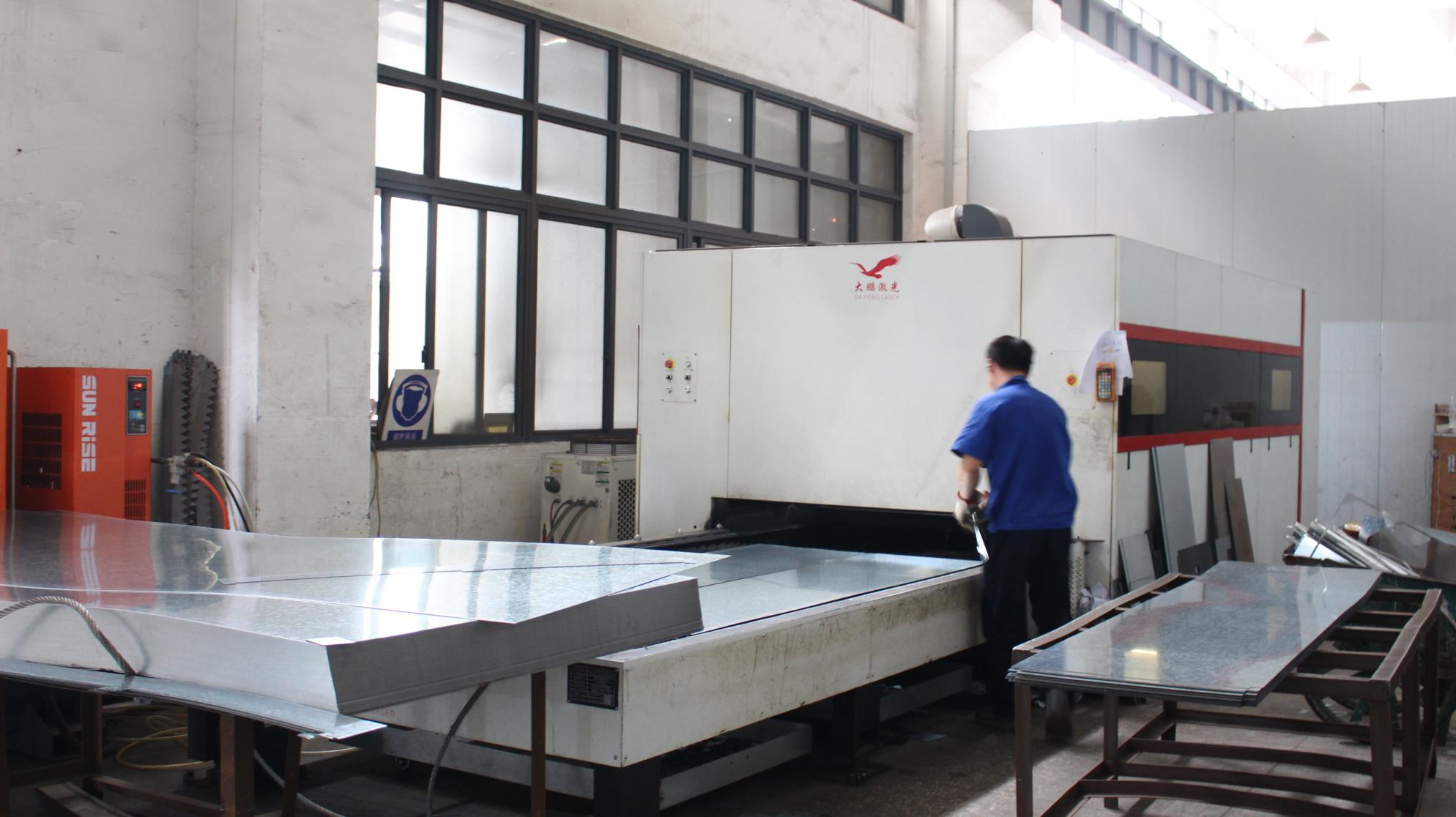
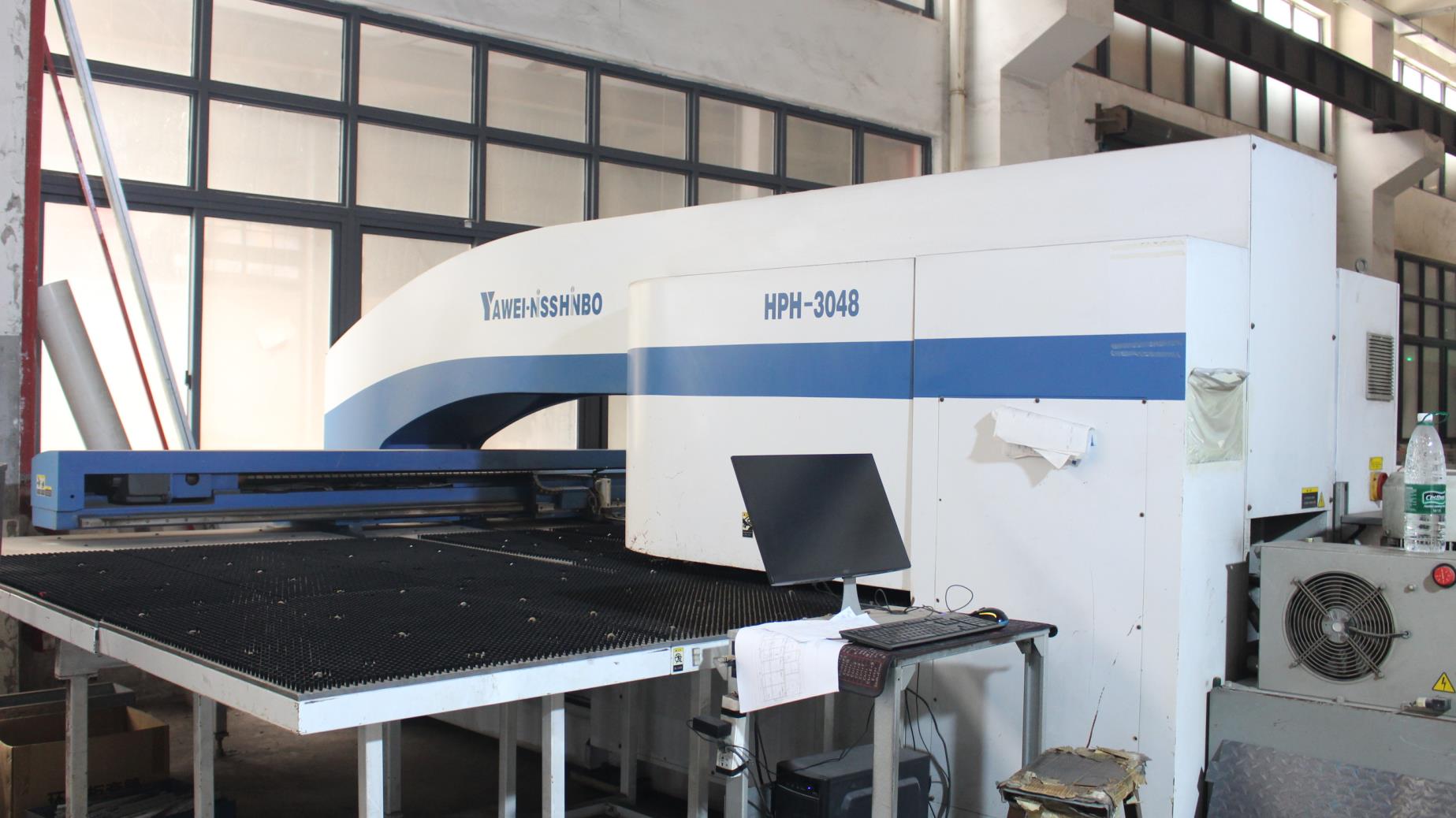
Our manufacturing facility based in Ningbo, Zhejiang Province, offers unique geopolitical, supply chain, and logistical advantages that directly translate to lower cost, rapid delivery, and reliable service for global clients:
High-voltage disconnect switches operate in highly diverse and challenging climates. We customize the mechanical and materials engineering of our switches to perform reliably across varied localized conditions.
Utility-scale renewable plants are often situated in remote, high-wind, or desert environments. Our step-up transformer switchgear and outdoor disconnect switches feature enhanced dustproofing and robust corrosion resistance to cope with sandstorms and rapid ambient temperature swings.
Salt spray and high humidity quickly corrode standard copper contacts, leading to high resistance and thermal runaway. Zeno Electric provides marine-grade stainless steel linkages and hot-dip galvanized steel frames with heavily silver-plated copper contacts (≥30 µm thickness) to resist salt-fog erosion.
At altitudes above 1000m, air density drops, lowering the dielectric strength of open air gaps. We scale the insulation profile by utilizing longer creepage distance composite insulators, preventing dielectric breakdown and leakage currents under low-pressure conditions.
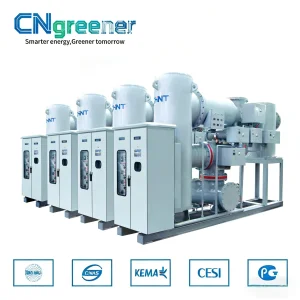
For compact urban GIS (Gas Insulated Switchgear) installations where space is costly, Zeno Electric designs compact vertical-break and pantograph configurations that fit seamlessly into compact enclosures, maximizing municipal land utilization.
The global electrical power landscape is shifting rapidly. As systems transition from carbon-intensive generation to smart distributed grids, high-voltage disconnect switches are evolving. Zeno Electric is leading this charge along three core R&D pathways:
We ensure our disconnect switch configurations meet the precise engineering benchmarks expected by international utilities, industrial developers, and EPC contractors.
Every switch designed and manufactured at Zeno Electric complies with major standards, including:
 Zeno Electric