Seeking reliable grid-connection equipment for Panama's wind and solar projects? We specialize in 60Hz high-humidity, marine anti-corrosion step-up substations engineered for ETESA grid specifications.
Highly compact, integrated step-up transformers designed specifically to meet the wind farm collection grid voltage level of 34.5kV and local grid frequency requirements in Panama.
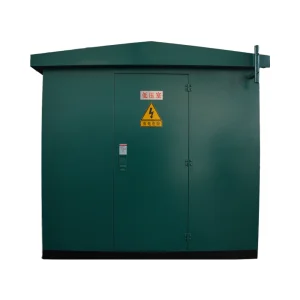
Engineered for dual renewable inputs with high-efficiency MV step-up functions.
View Technical Specs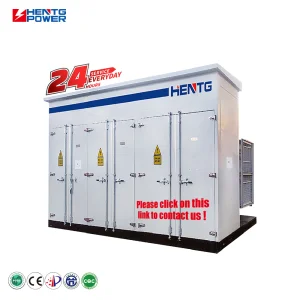
Supports utility-scale 50/60Hz operations with robust thermal management.
View Technical Specs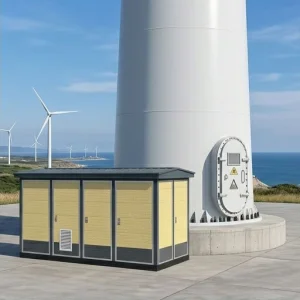
Heavy-duty construction optimized for continuous duty under extreme load cycles.
View Technical Specs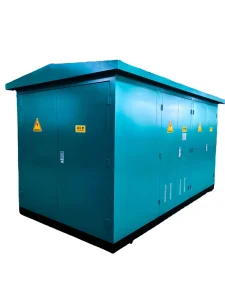
Ensures galvanic isolation and weather protection for wind-generated outputs.
View Technical SpecsPanama's strategic geographical location, coupled with its commitment to carbon neutrality under the National Energy Plan 2015-2050, has driven massive investments in utility-scale renewable energy. Wind farms, such as the renowned Penonomé and Toabré wind parks in Coclé Province, represent major generation nodes. However, integrating intermittent wind power into Panama’s national electricity transmission grid (operated by ETESA) presents significant engineering challenges.
Unlike many continental systems, Panama's grid requires exceptional frequency stability (60 Hz) and dynamic voltage regulation due to long-distance power transmissions from western generation zones to urban demand centers around Panama City. Step-up substations are the critical interface between the wind turbine generator's low voltage output (typically 690V) and the high voltage transmission infrastructure (typically 34.5kV collecting up to 115kV/230kV). Selecting highly reliable, robustly isolated step-up transformers is paramount to avoiding costly downtime.
Understanding local environmental challenges is vital to ensuring proper equipment service life. Substations operating near the Pacific or Caribbean coasts face intense challenges:
Wind power step-up substations are complex electrical assemblies housing multiple vital system modules. Because a wind turbine generates electrical energy at low voltage (690V AC), a step-up transformer is located either inside the turbine nacelle, at the tower base, or directly adjacent as a pad-mounted compartment. This raises the voltage to 34.5kV to limit system losses across the long collector cables feeding the central substation.
Key components include:
Zhejiang Zeno Electric Co., Ltd. designs and builds these systems as a fully integrated pre-wired block. This eliminates on-site wiring mistakes, which is a major concern when commissioning utility projects in remote regions of Panama like Penonomé or Chiriquí. Our prefabricated box-type substations arrive ready for installation on simple concrete foundations, significantly reducing overall civil work expenses.
| Parameters | Standard Wind Farm Spec | Zeno Custom Panama Spec |
|---|---|---|
| Operating Voltage | 10kV to 33kV | 34.5kV collector, 115/230kV Grid step |
| Frequency | 50Hz / 60Hz dual | 60Hz optimized design |
| Temperature Class | Class B / F | Class H insulation (Dry) / high-temp liquids |
| Enclosure Protection | IP43 / IP54 | IP55 minimum, IP65 sealed compartment options |
How Zeno Electric leverages advanced industrial manufacturing clusters, stringent quality testing, and robust international certifications to supply Panama's energy transition projects.
Procuring power components from Ningbo, China via Zhejiang Zeno Electric Co., Ltd. presents clear strategic advantages to developers in Panama. Our manufacturing base leverages deep component supply networks in Ningbo, enabling rapid product design, fabrication, and testing. This agility is highly beneficial compared to domestic North American or European suppliers, who face massive lead times exceeding 52 to 70 weeks.
Key structural and economic advantages of our China-based facility:
Furthermore, logistics from Ningbo Port to Panama Port (Balboa or Cristobal) are direct and highly cost-efficient, thanks to the Panama Canal transit lanes. Zeno Electric provides complete containerized transport planning, custom seaworthy steel packing, and comprehensive transit insurance, mitigating risk for international EPC contractors.
Zeno Electric ensures compliance with all local standards:
Our primary production lineup certified for extreme tropical deployment, heavy-duty industrial load profiles, and international grid compliance.
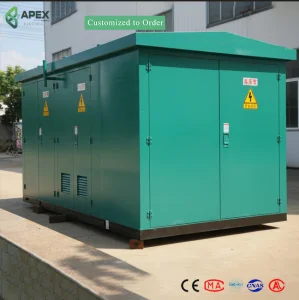
Designed to withstand severe thermal variations in high-humidity zones.
Request Specs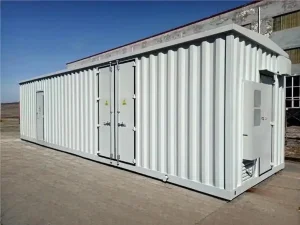
Heavy steel-framed marine-grade enclosure for wind and solar farms.
Request Specs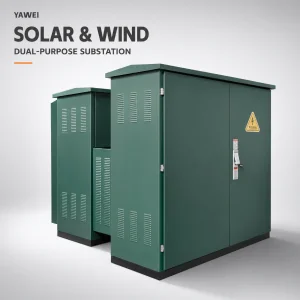
Sealed liquid insulation protects internal components from salt-laden coastal winds.
Request Specs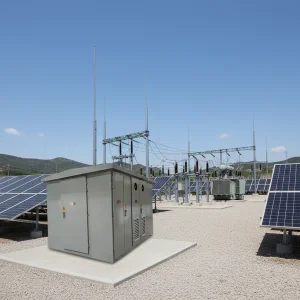
Features dynamic load tap changers configured for high renewable fluctuations.
Request Specs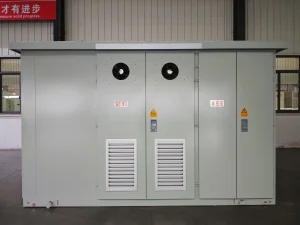
Fully optimized for Panama's 60Hz utilities with rapid protection relays.
Request Specs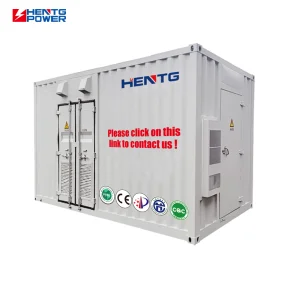
Semi-trailer mounted unit ideal for temporary bypass or emergency deployment.
Request Specs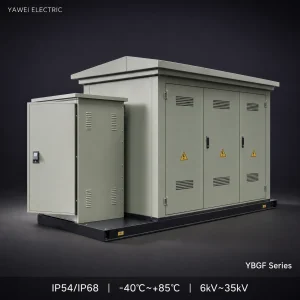
Designed with high-efficiency core materials for minimum no-load losses.
Request Specs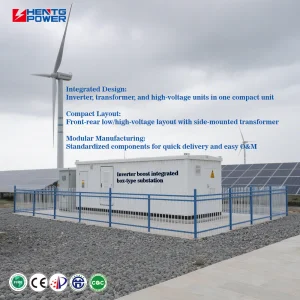
Optimized for dynamic voltage support, reactive power compensation, and harmonic mitigation.
Request SpecsZhejiang Zeno Electric Co., Ltd. is a national high-tech enterprise located in Ningbo, with a registered capital of 52 million yuan. Our enterprise integrates research and development (R&D), manufacturing, sales, and service of advanced power equipment and smart energy systems.
Rooted in Ningbo and supported by a strong engineering and technical team, Zeno Electric has steadily expanded its business across China and international markets. Through continuous innovation and quality-driven development, the company has become a trusted provider in the power and energy industry, with growing influence in both utility and industrial sectors. With a focus on sustainable development and smart energy transformation, we are committed to delivering safe, efficient, and intelligent power solutions that support the global transition toward cleaner and more digitalized energy systems.
We specialize in advanced power equipment and integrated energy solutions. Our extensive portfolio covers a wide range of state-of-the-art technologies:
In addition, we undertake turnkey power engineering projects up to 220kV, providing end-to-end services that include system planning, engineering design, equipment manufacturing, installation, commissioning, and long-term maintenance.
To better serve diverse customer needs, we offer fully customized, one-to-one energy solutions tailored to specific project requirements. Our integrated service model helps clients:
By combining China's supply chain advantages with our strict adherence to international safety codes, Zeno Electric provides Panama's renewable energy sector with high-voltage and medium-voltage gear designed to resist earthquakes, high salt spray, and extreme humidity.
Customized distribution units designed to integrate seamlessly into hybrid wind-solar projects and medium-voltage grid infrastructures across Panama.
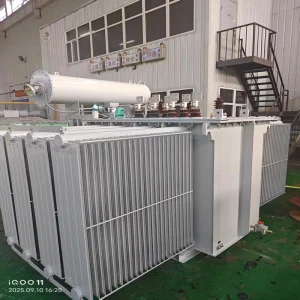
Designed with high-durability seals for severe marine salt spray protection.
Request Specs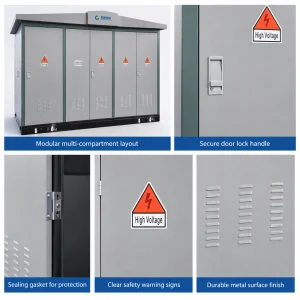
Highly compact footprint using ONAN natural cooling oil circulation.
Request Specs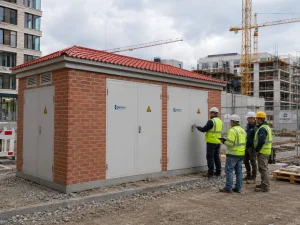
Features double compartment isolation for improved personnel safety.
Request Specs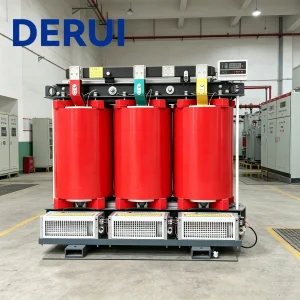
Environmentally clean dry-type unit, 100% recyclable copper windings.
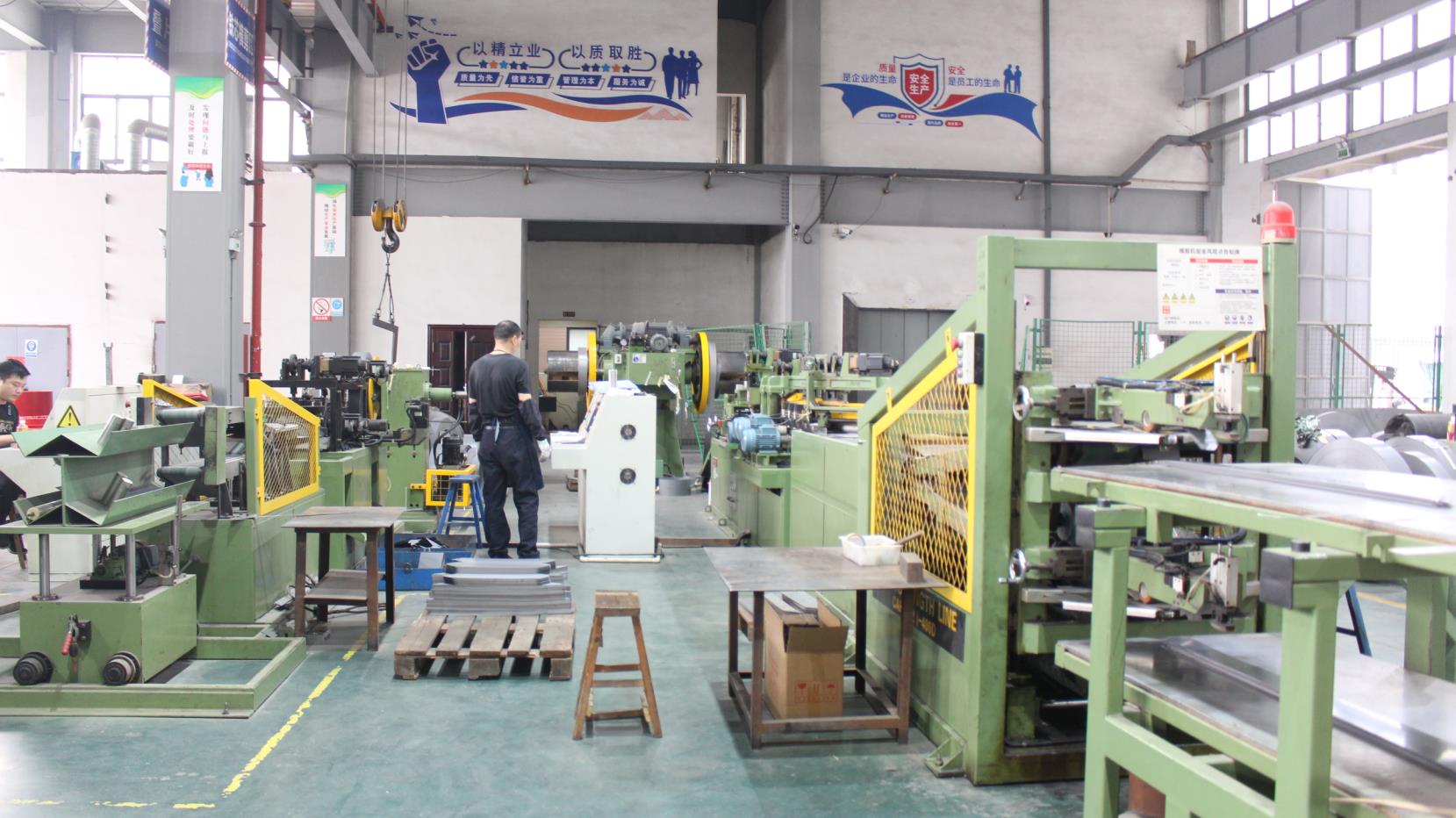
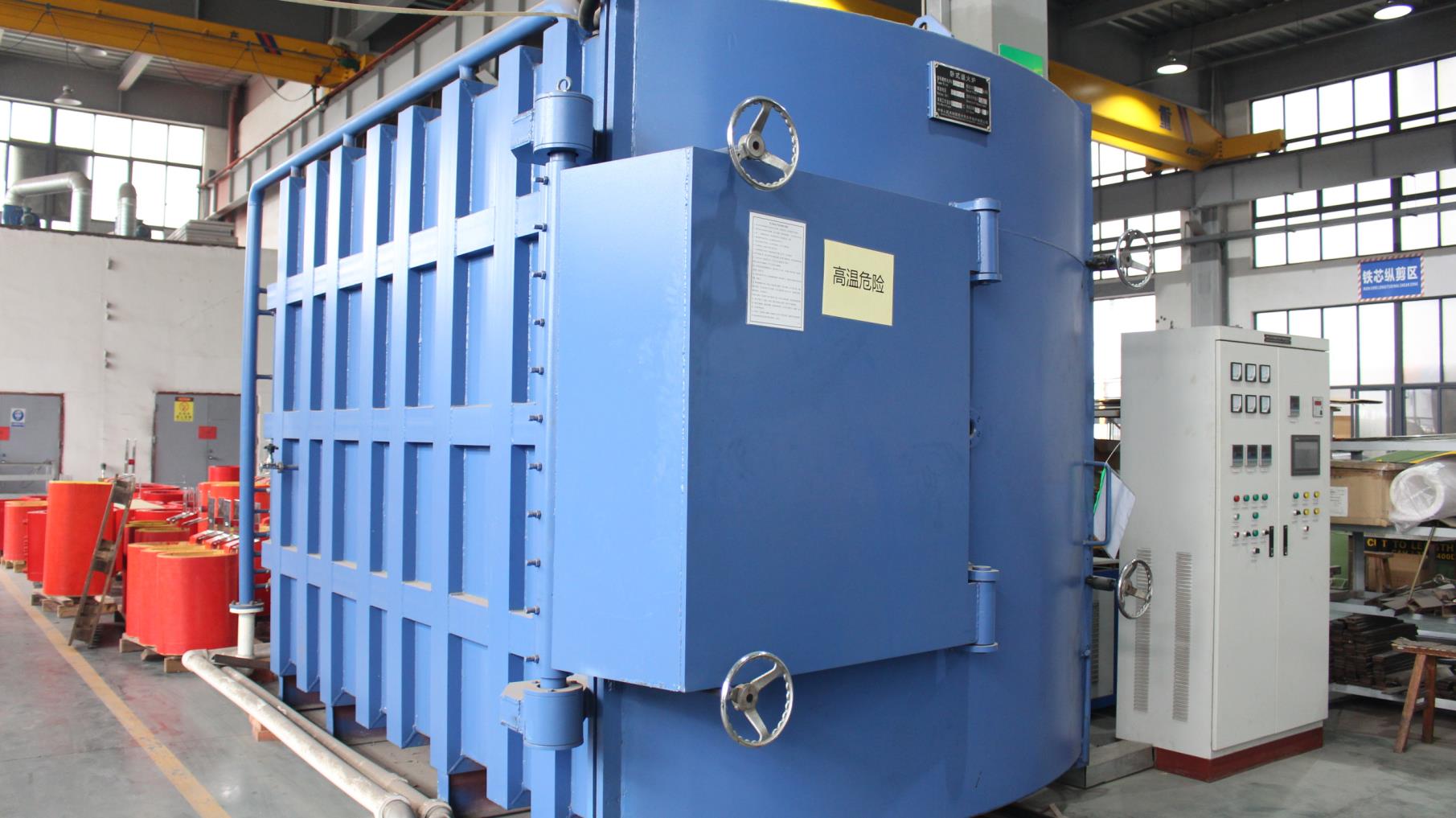
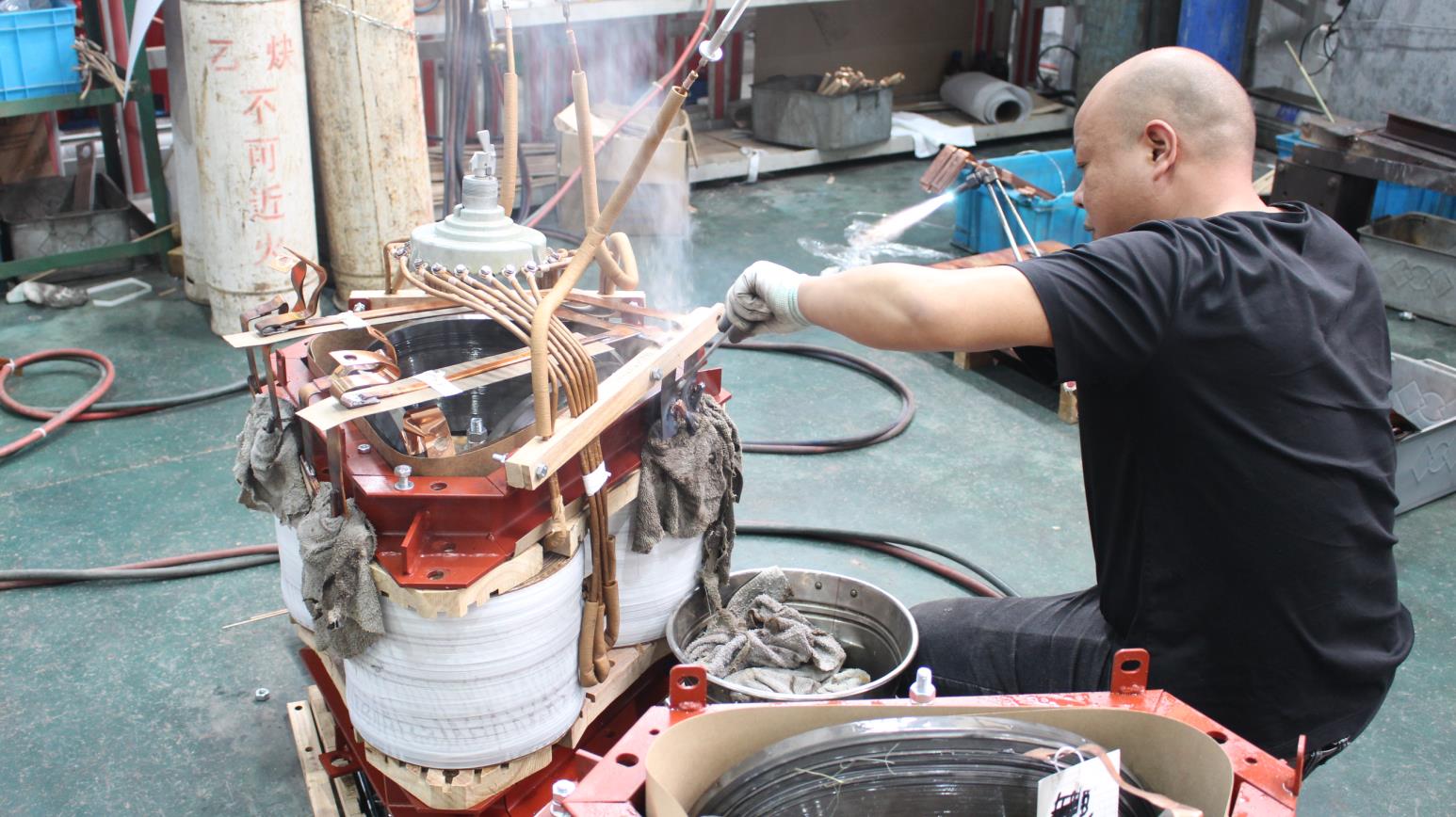
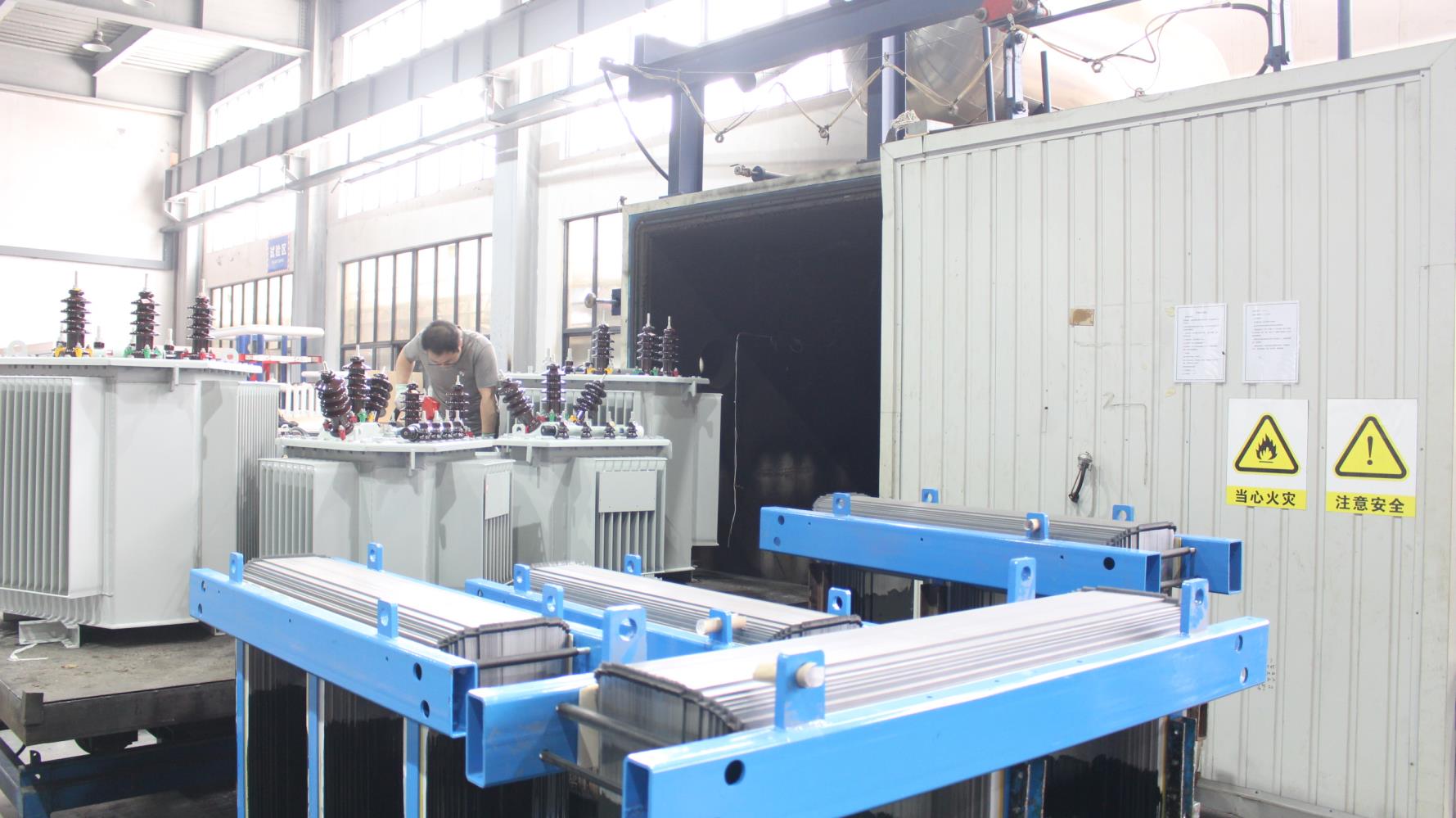
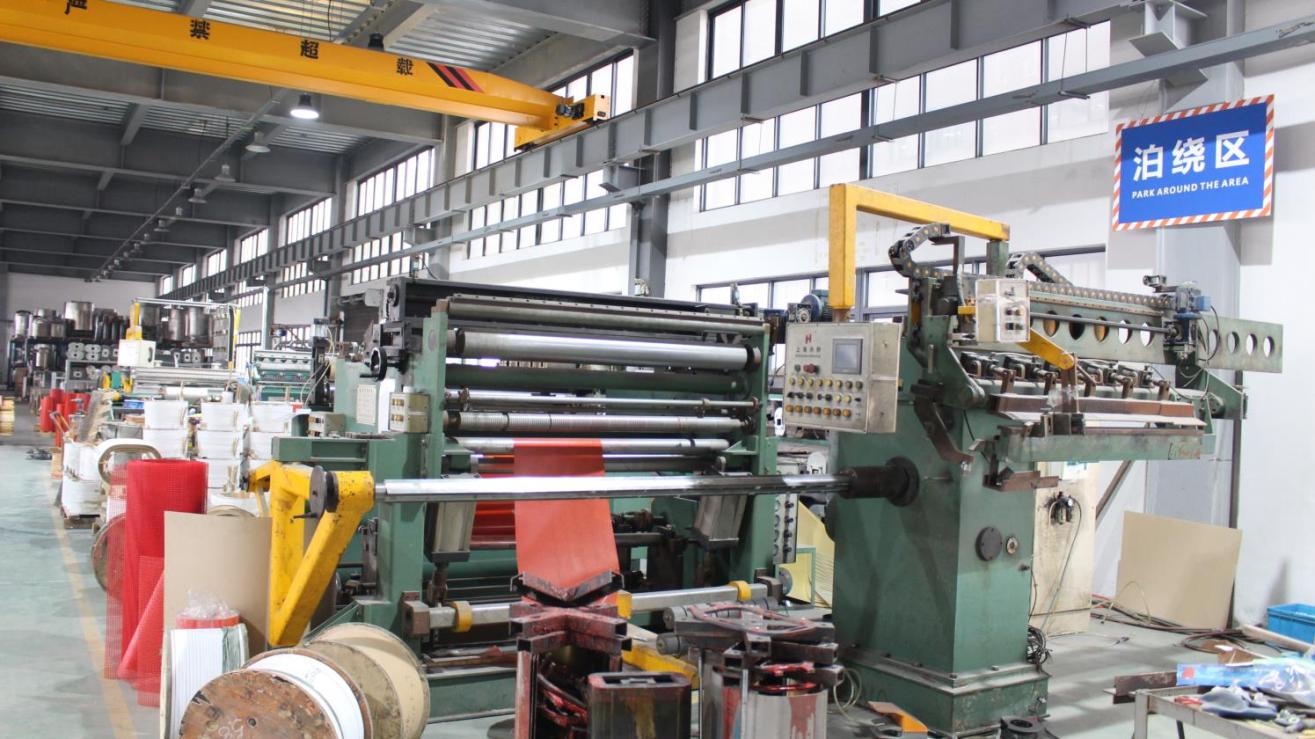
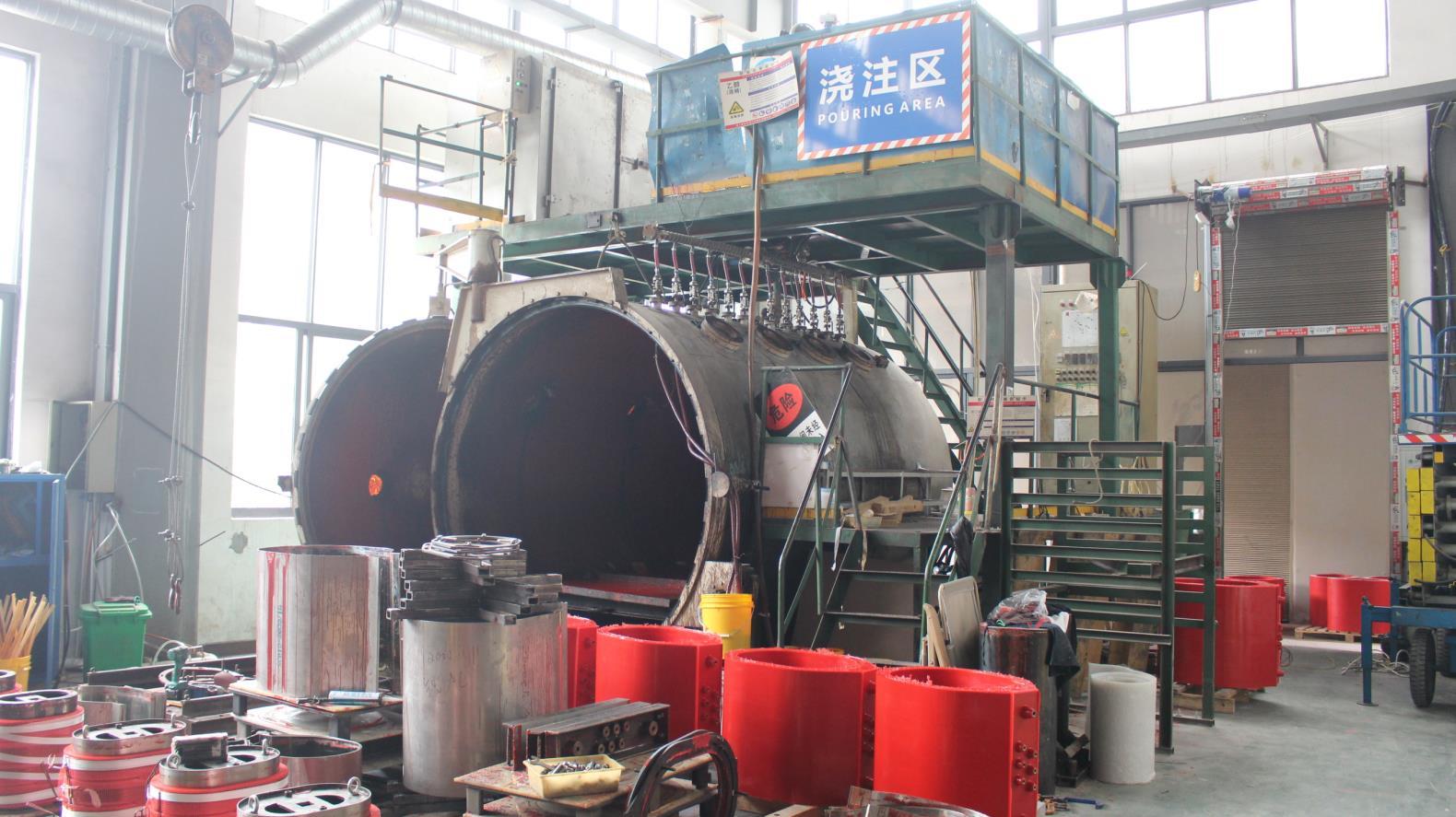
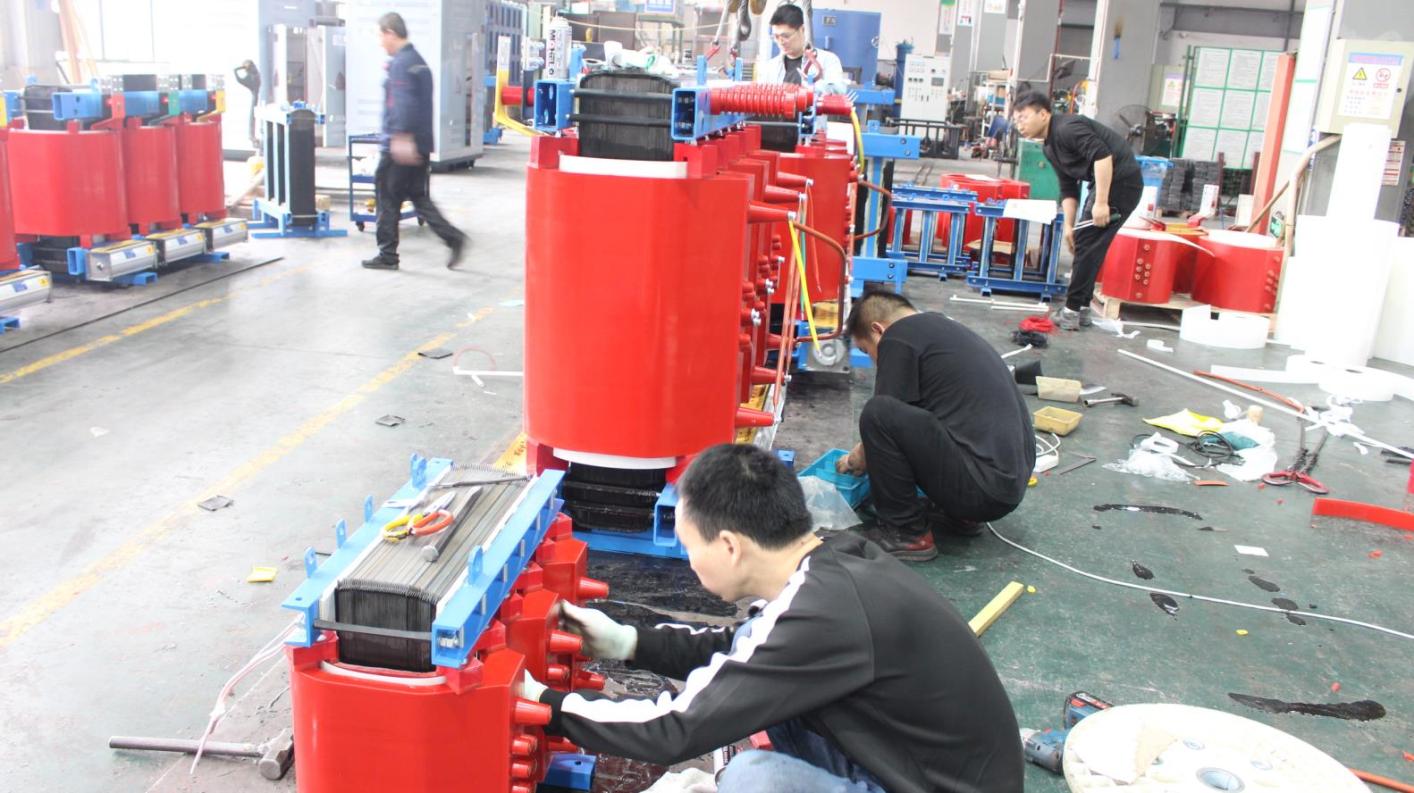
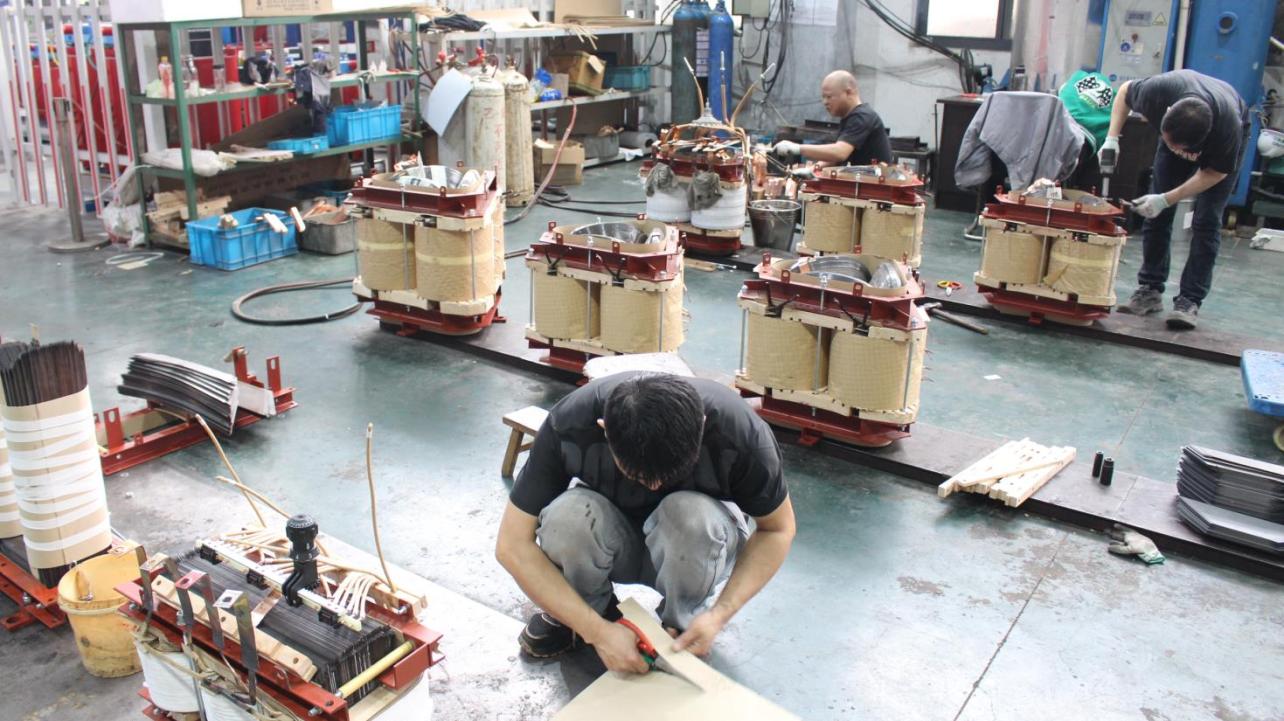
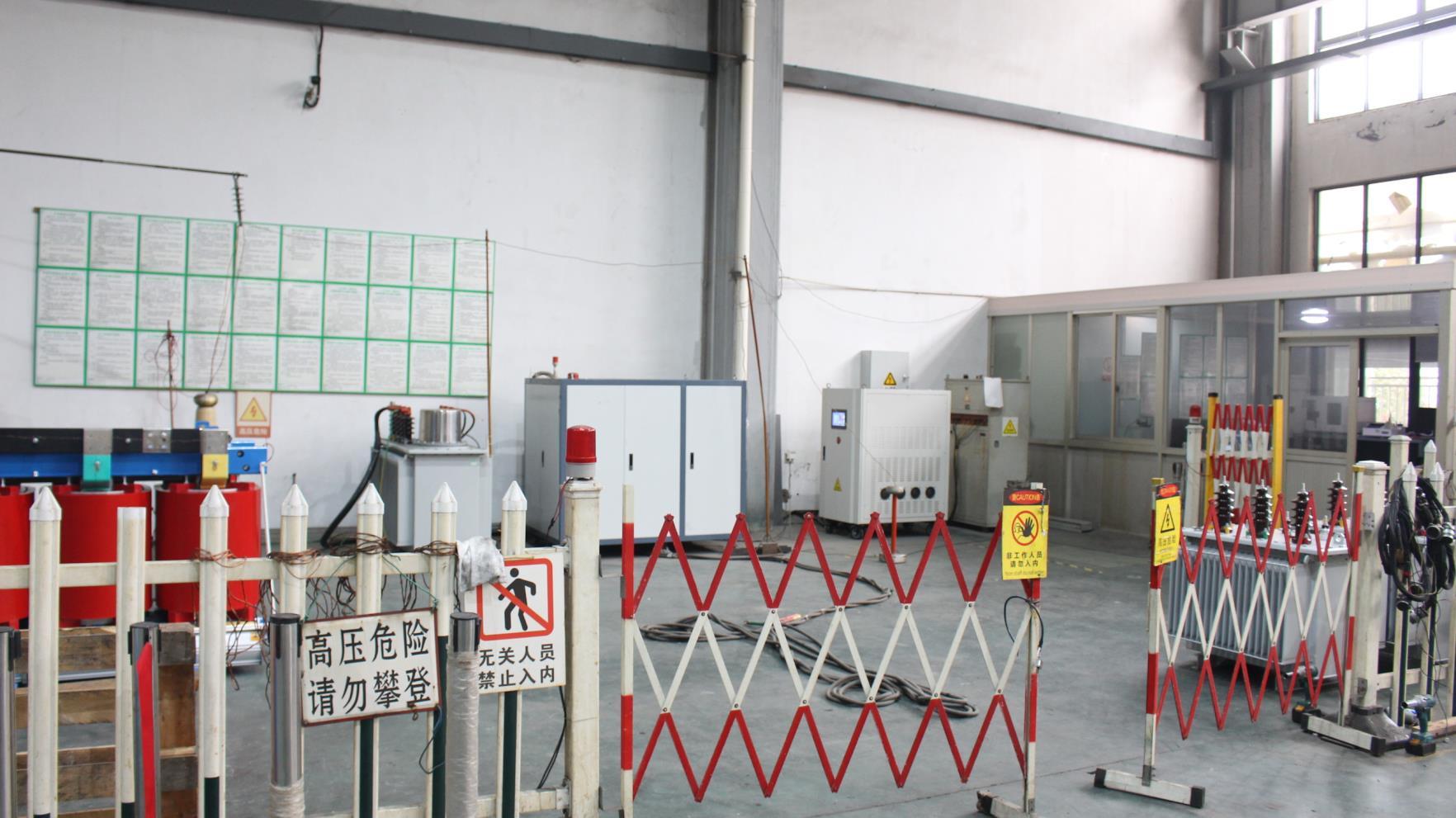
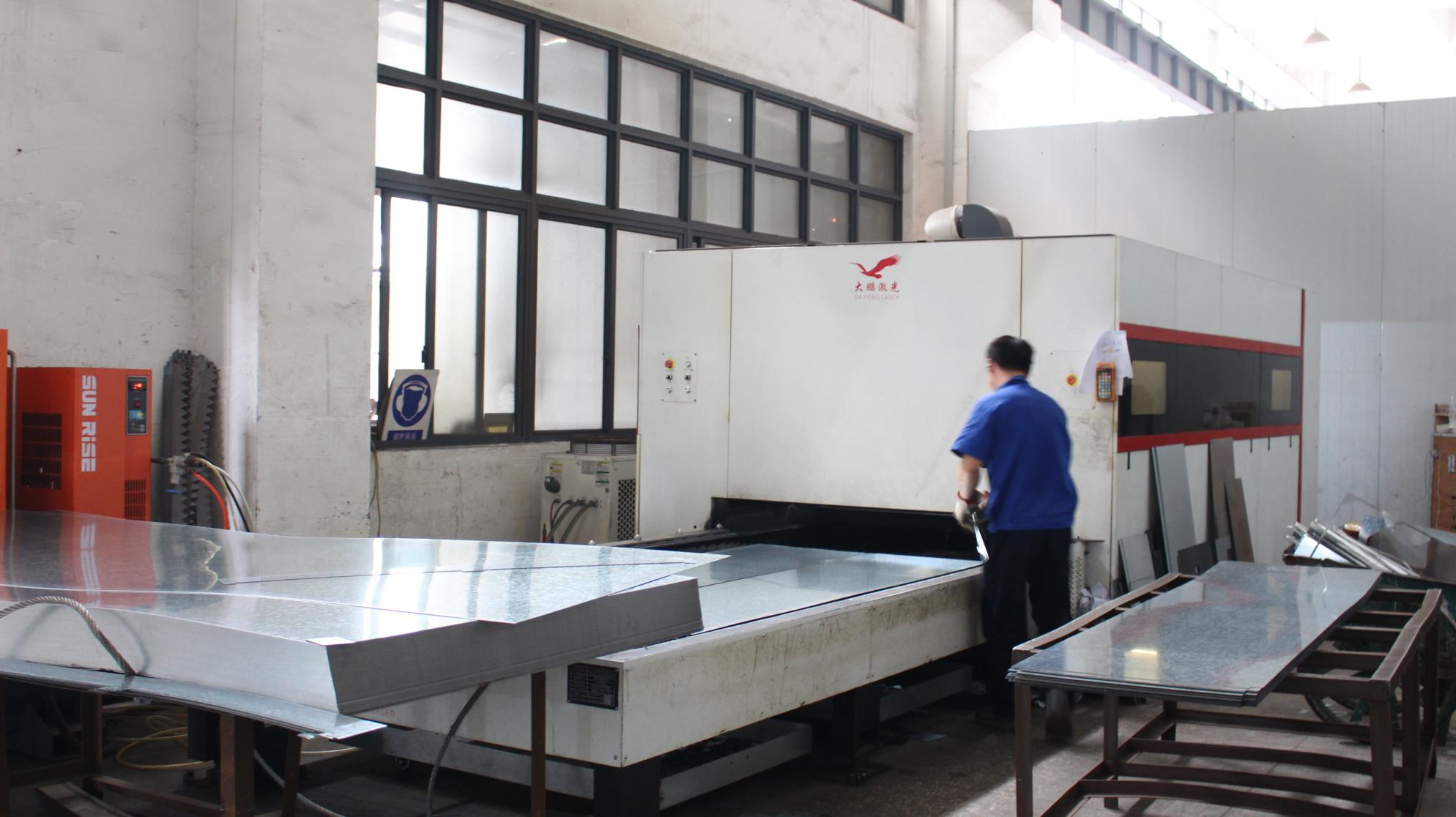
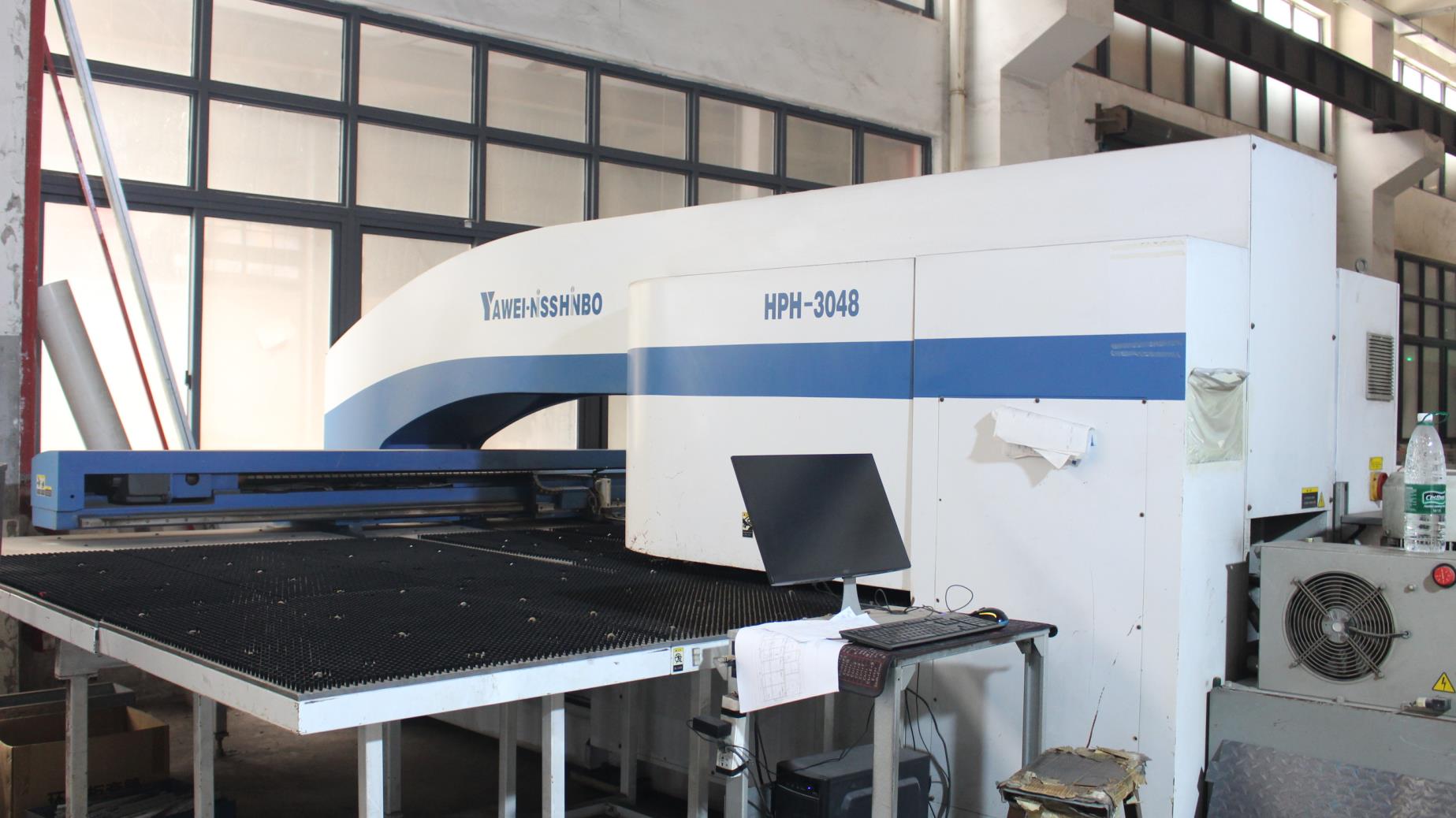
Request SpecsEvery substation is fabricated and tested within Zeno Electric's ISO-certified manufacturing facility to guarantee maximum reliability before global shipment.
Importing medium and high-voltage power substations into Panama requires specialized handling, logistics management, and regulatory customs clearings. At Zeno Electric, we have refined this process through years of shipping major power components to the Latin American region.
Key stages in our global shipping and logistics process:
Once cargo arrives in Panama, local transport requires specialized low-boy heavy haulers capable of traversing winding routes to mountain wind farm sites (e.g. Cerro Azul or Toabré). Zeno Electric works closely with your logistics team to supply precise center-of-gravity schematics, lift-point layouts, and detailed transport dimensions. This prevents clearance issues beneath local bridges and high-voltage transmission lines.
Get immediate answers to the most common engineering and shipping questions related to integrating Chinese step-up substations into the Panamanian grid.
Yes. Every unit manufactured for the Panamanian market is built with core laminate geometries and magnetic fluxes optimized specifically for 60Hz. We ensure that transformer impedances and voltage ratios match the exact requirements of local distributors such as ENSA and Naturgy, as well as ETESA transmission line integration rules.
We apply a multi-layered marine-grade protective coating compliant with ISO 12944 C5-H or C5-M requirements. The step-up transformer enclosures, radiators, and primary cable boxes undergo shot-blasting followed by epoxy zinc-rich priming, intermediate epoxy micaceous iron oxide coatings, and polyurethane topcoats. We also use high-grade silicone gaskets and 316 stainless steel external hardware.
Yes. We routinely customize the low-voltage control and protection panel. We can install and wire SEL protection relays (such as the SEL-751 or SEL-787), Siemens SIPROTEC units, or ABB Relion relays based on your local utility’s interconnect specification. This guarantees smooth engineering handshakes at commissioning.
Our typical production time is 12 to 16 weeks from drawing approval, depending on the MVA capacity and engineering customization requested. Ocean transit to the Port of Balboa or Port of Cristobal takes an additional 21 to 28 days. This total timeline is significantly faster than domestic US/EU suppliers, who often quote over 12 months.
Yes, we supply oil-immersed transformers using FR3 natural ester fluid or other high-biodegradability plant-based oils. This is particularly important for wind and solar projects located in environmental buffer zones or near river basins in Coclé and Veraguas. Natural ester fluids offer a much higher flashpoint (above 300°C), reducing fire risk relative to mineral oil.
Every step-up substation undergoes routine tests in our Ningbo testing facility in accordance with IEC 60076 and IEEE C57.12 standards. This includes winding resistance measurements, voltage ratio verification, phase displacement checks, no-load loss and impedance testing, and applied voltage/induced voltage dielectric tests. We invite clients or third-party inspection firms (like SGS or Bureau Veritas) to witness these Factory Acceptance Tests (FAT).
Ensure grid connection compliance and safeguard long-term ROI with our customized, high-reliability wind power step-up substations. Speak with an electrical engineer today.
 Zeno Electric