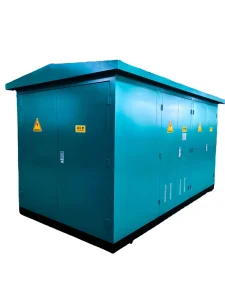
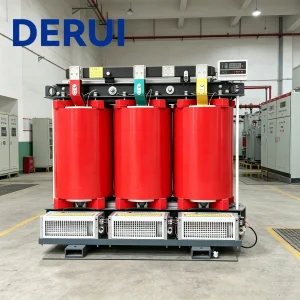
Top 4 optimized prefabricated power transmission units tailored for high-wind environments.
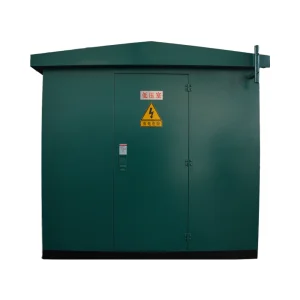
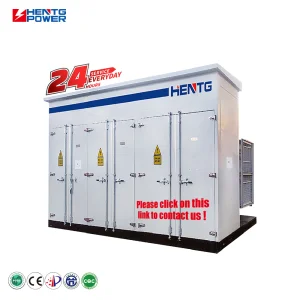
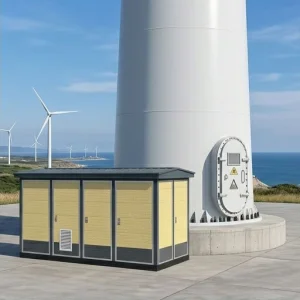
The global renewable energy shift has triggered major developments in the Russian Federation's wind generation sector. Vast, open territories spanning from the windswept plains of Rostov and Ulyanovsk to the coastal zones of Murmansk and the Far East present lucrative opportunities for large-scale utility installations. However, scaling wind power in Russia involves navigating distinct challenges, primarily governed by extreme climatic diversity and strict regulatory structures.
Crucial to this infrastructure are wind power step-up substations, which act as the vital bridge between low-voltage wind turbines and the high-voltage national grid. Under severe environmental conditions, standard commercial substations run the risk of catastrophic insulation failure, structural fracturing of outdoor steel structures, and accelerated aging of internal winding materials. This is why engineering resilience is critical for developers looking to maximize their levelized cost of energy (LCOE).
Russia's wind energy zones are classified under UHL1/HL1 climatic categories (according to GOST 15150-69). Equipment installed in these environments must withstand operational temperatures as low as -50°C. Standard steel alloys become brittle under these circumstances, making custom cold-resistant high-tensile steel structural plating and low-viscosity transformer oils essential.
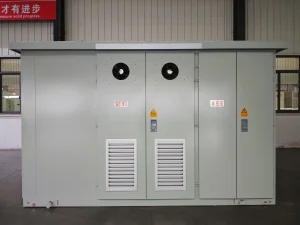
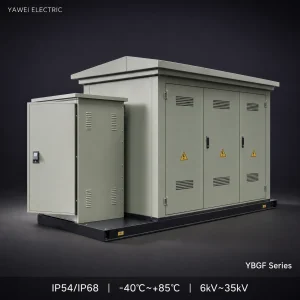
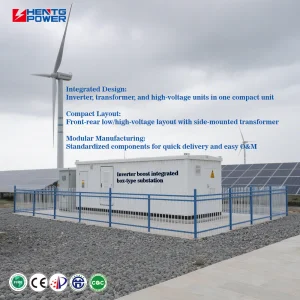
Typically, wind power step-up substations utilize step-up transformer technology configured from 0.69kV, 1kV, or 3.15kV to 10kV, 35kV, or 110kV. These integrated box-type installations contain medium-voltage switchgear (often gas-insulated GIS or air-insulated AIS), low-voltage distribution modules, step-up transformers, and sophisticated supervisory control systems. Modern systems incorporate smart electronic devices (IEDs) that utilize the IEC 61850 protocol, enabling unmanned substation operations in remote locations.
When exporting electrical installations to Russia, meeting general international electrical standards (like IEC or IEEE) is only the baseline. True compliance demands adaptation to national GOST and EAC (Eurasian Conformity) regulations. Zhejiang Zeno Electric Co., Ltd. customizes its transformer substations to handle these requirements through several key design upgrades:
1. Cold-Resistant Structural Construction: Structural enclosure panels are manufactured from hot-rolled carbon structural steel or high-durability Aluzinc steel plates, coated with C4-C5 classification paints. Seals are made of special silicone rubber polymers that maintain elasticity down to -60°C, preventing moisture ingress during seasonal freezing and thawing cycles.
2. Low-Temperature Insulation Oils & Dry-Type Alternatives: For oil-immersed substations, we utilize special low-viscosity silicone or premium naphthenic oil. These fluids prevent coagulation and maintain natural convection cooling at sub-zero temperatures. For environments where environmental contamination is a risk, we deploy SCB11/SCB13 cast resin dry-type transformers, engineered to avoid micro-cracks under sudden thermal expansion.
3. Condensation Management: The sharp temperature fluctuations of high-latitude regions can lead to rapid condensation inside substation compartments, raising the risk of short-circuits. Zeno Electric addresses this by installing automatic, sensor-driven heating systems coupled with forced-ventilation dampers. This setup maintains interior temperatures above the dew point.
Zhejiang Zeno Electric Co., Ltd. is a national high-tech enterprise located in Ningbo, with a registered capital of 52 million yuan. The company integrates research and development (R&D), manufacturing, sales, and service of advanced power equipment and energy systems.
Rooted in Ningbo and supported by a strong engineering and technical team, Zeno Electric has steadily expanded its business across China and international markets. Through continuous innovation and quality-driven development, the company has become a trusted provider in the power and energy industry, with growing influence in both utility and industrial sectors.
With a focus on sustainable development and smart energy transformation, we are committed to delivering safe, efficient, and intelligent power solutions that support the global transition toward cleaner and more digitalized energy systems.
Zhejiang Zeno Electric Co., Ltd. specializes in power equipment and integrated energy system solutions. Our product portfolio covers a wide range of advanced technologies, including:
In addition, we undertake turnkey power engineering projects up to 220kV, providing end-to-end services that include system planning, engineering design, equipment manufacturing, installation, commissioning, and long-term maintenance.
To better serve diverse customer needs, we offer fully customized, one-to-one energy solutions tailored to specific project requirements. Our integrated service model helps clients:
Under E-E-A-T guidelines, we demonstrate our engineering capability and factory quality control steps through complete operational transparency.
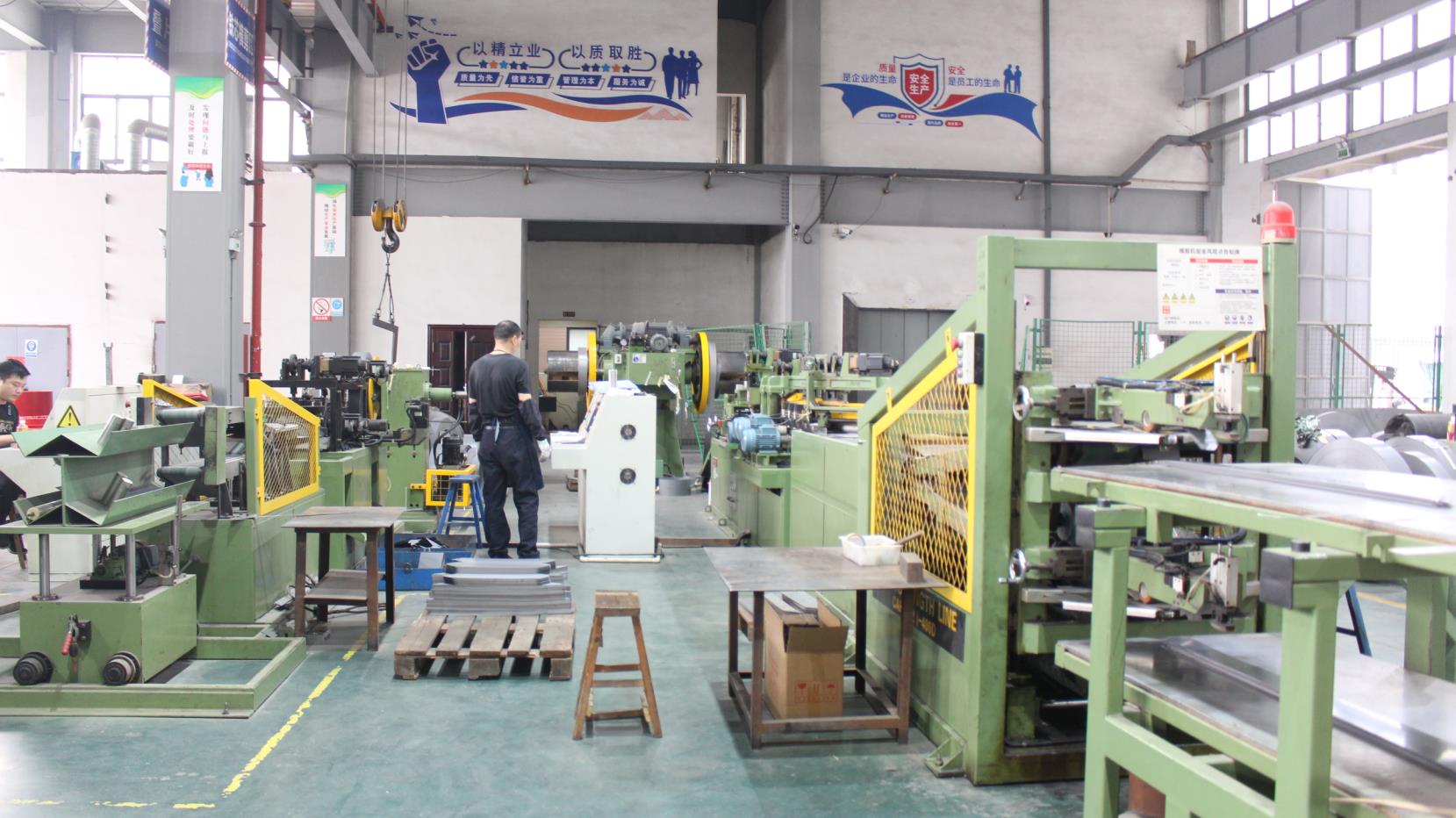
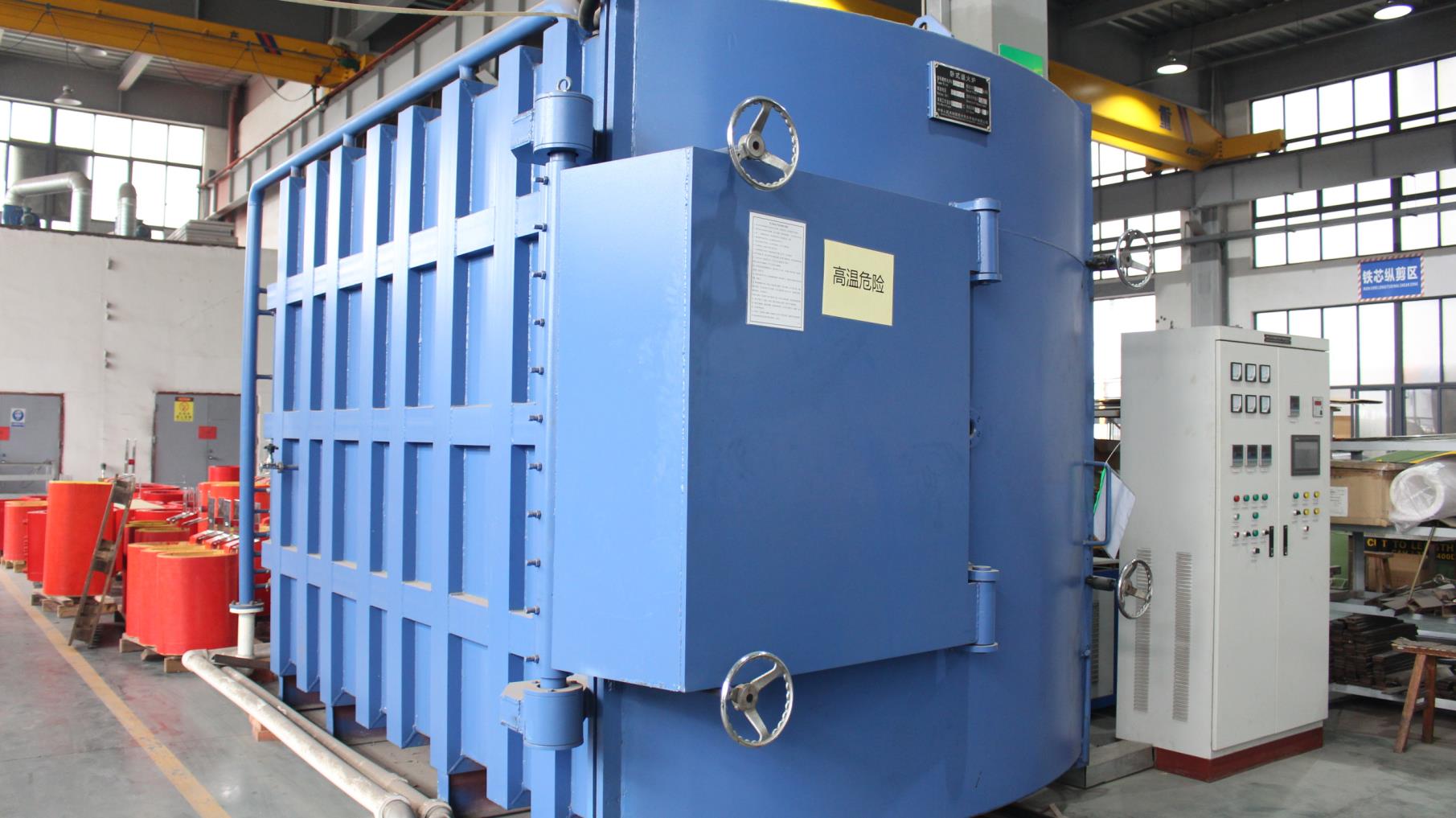
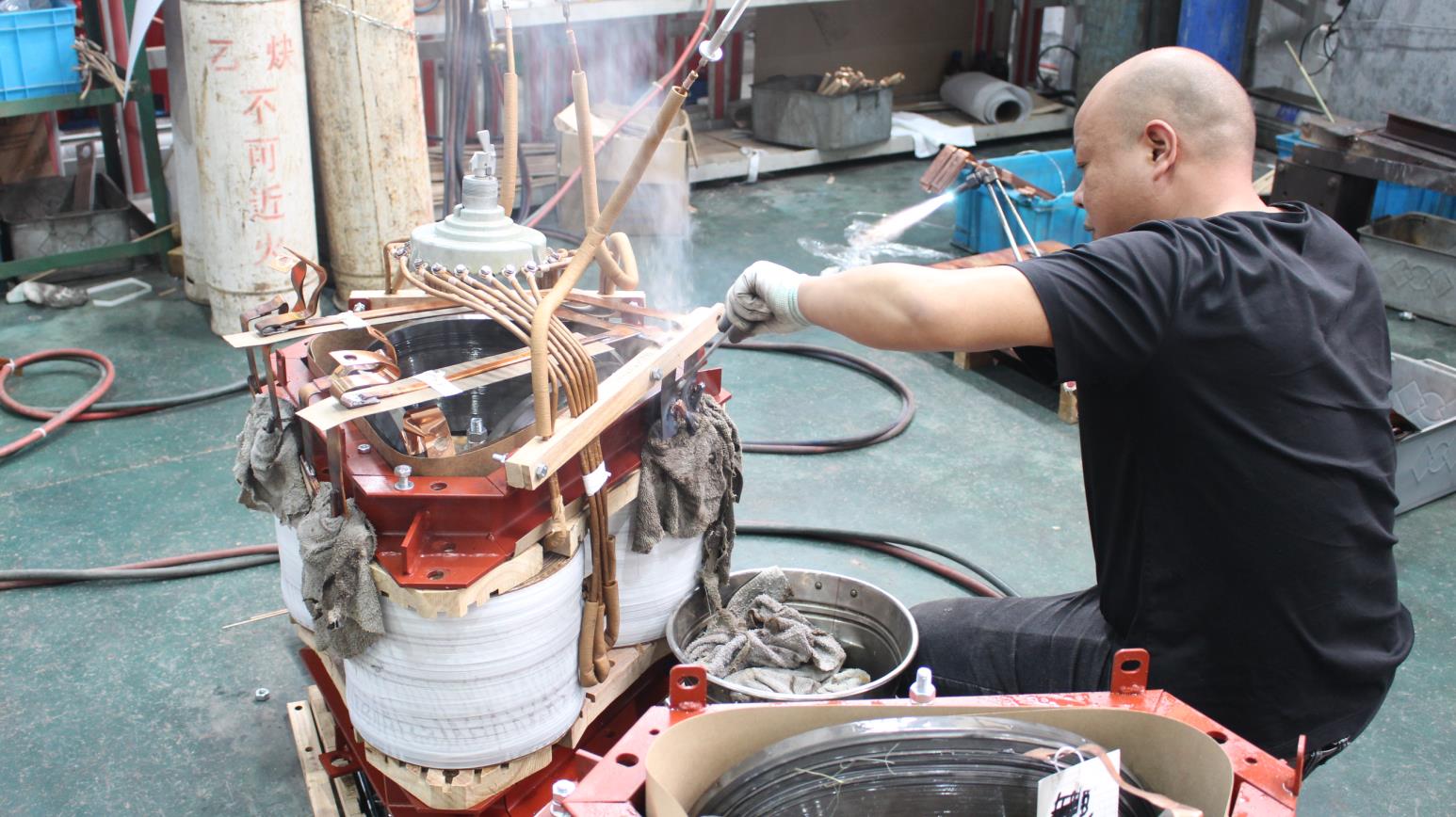
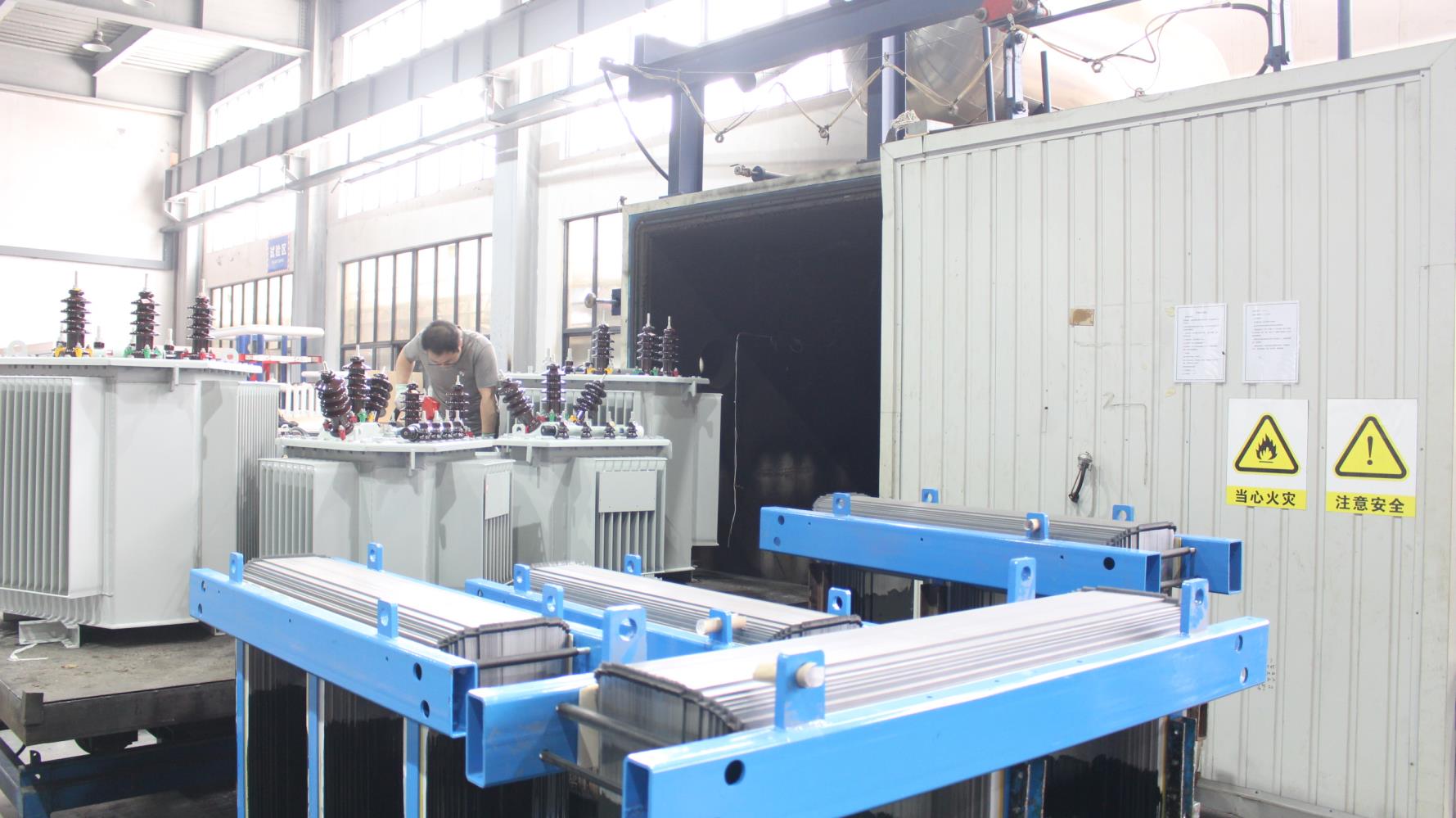
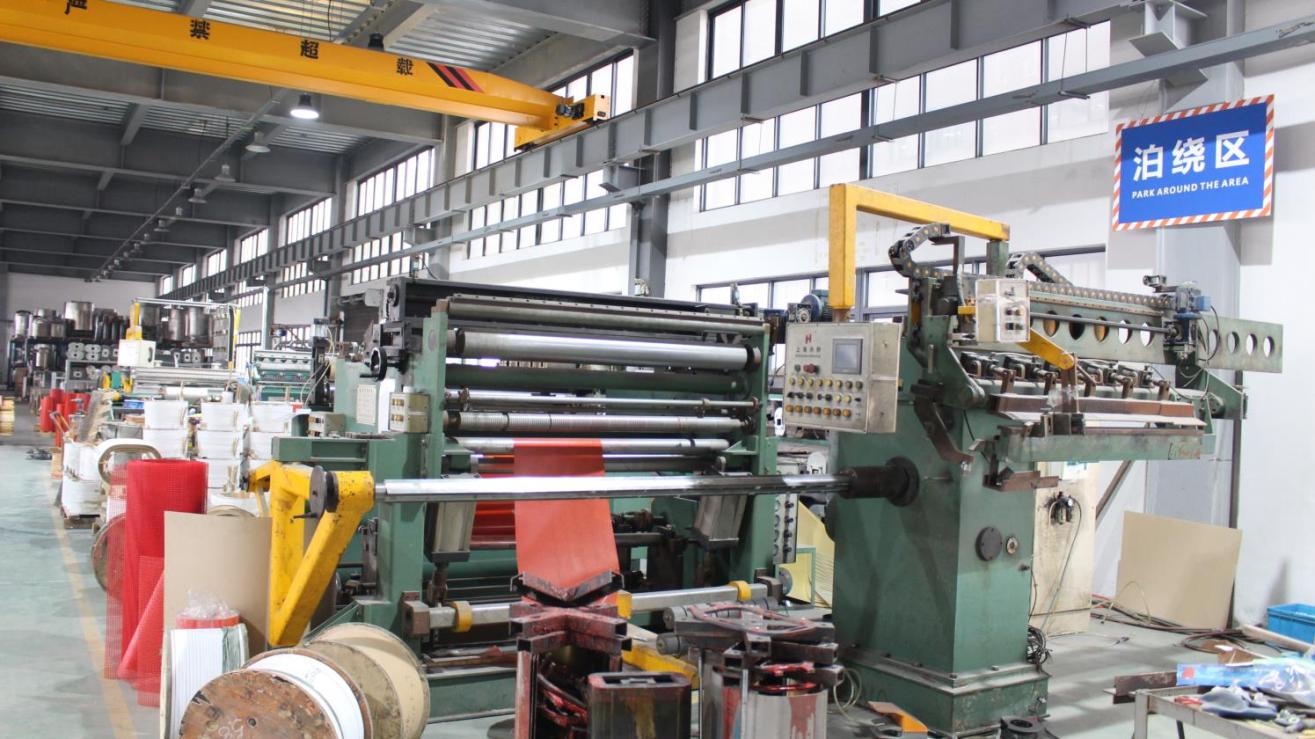
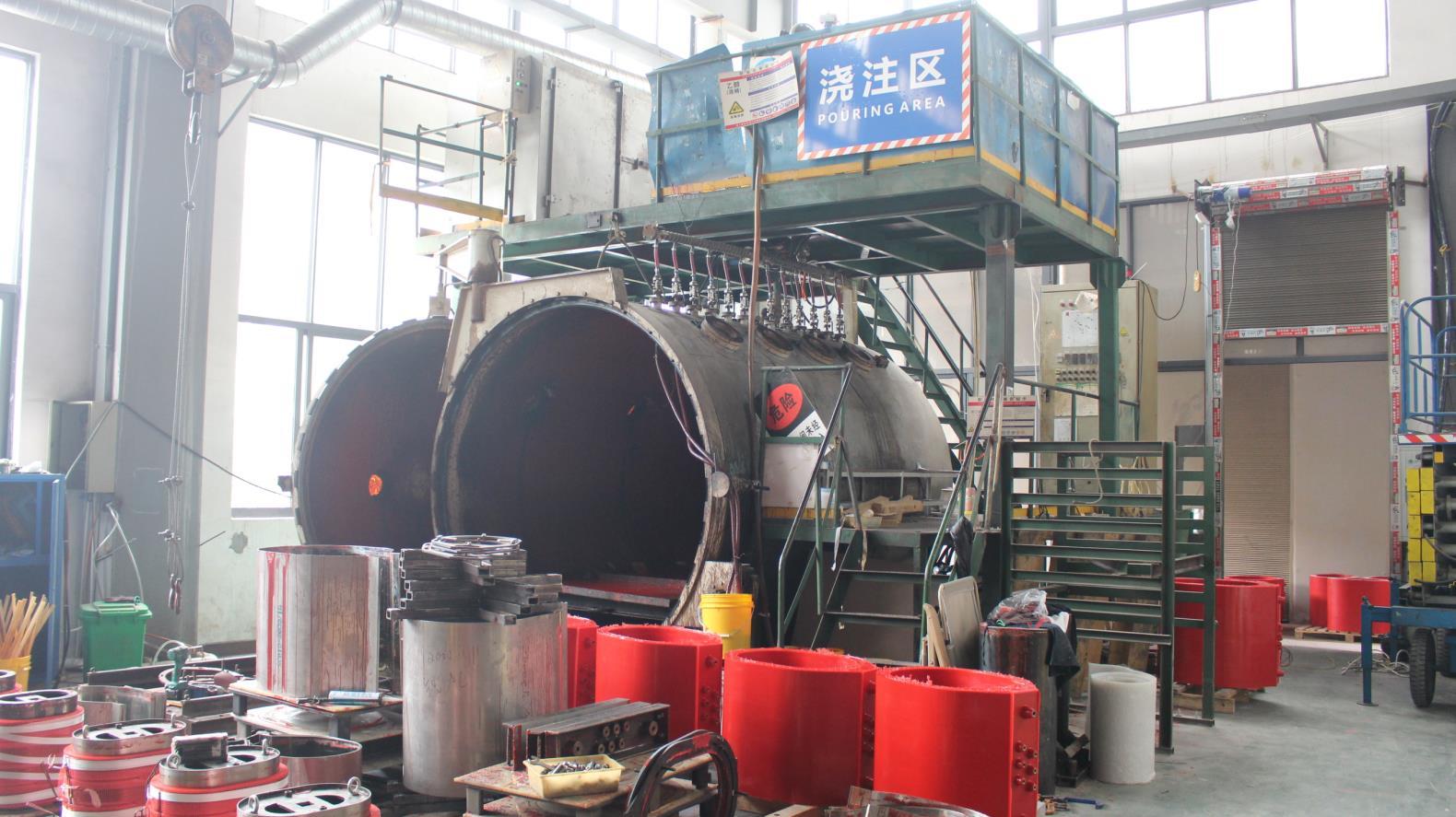
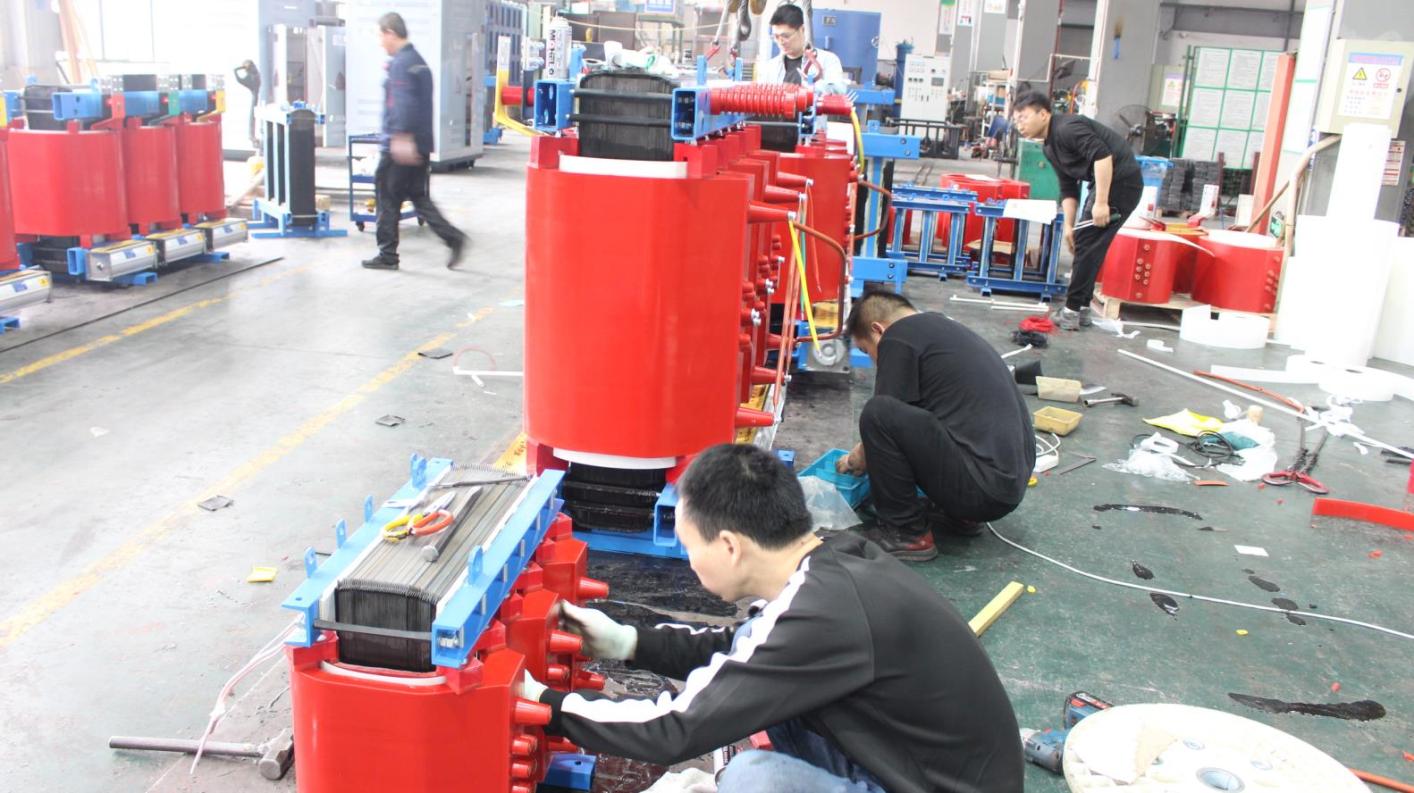
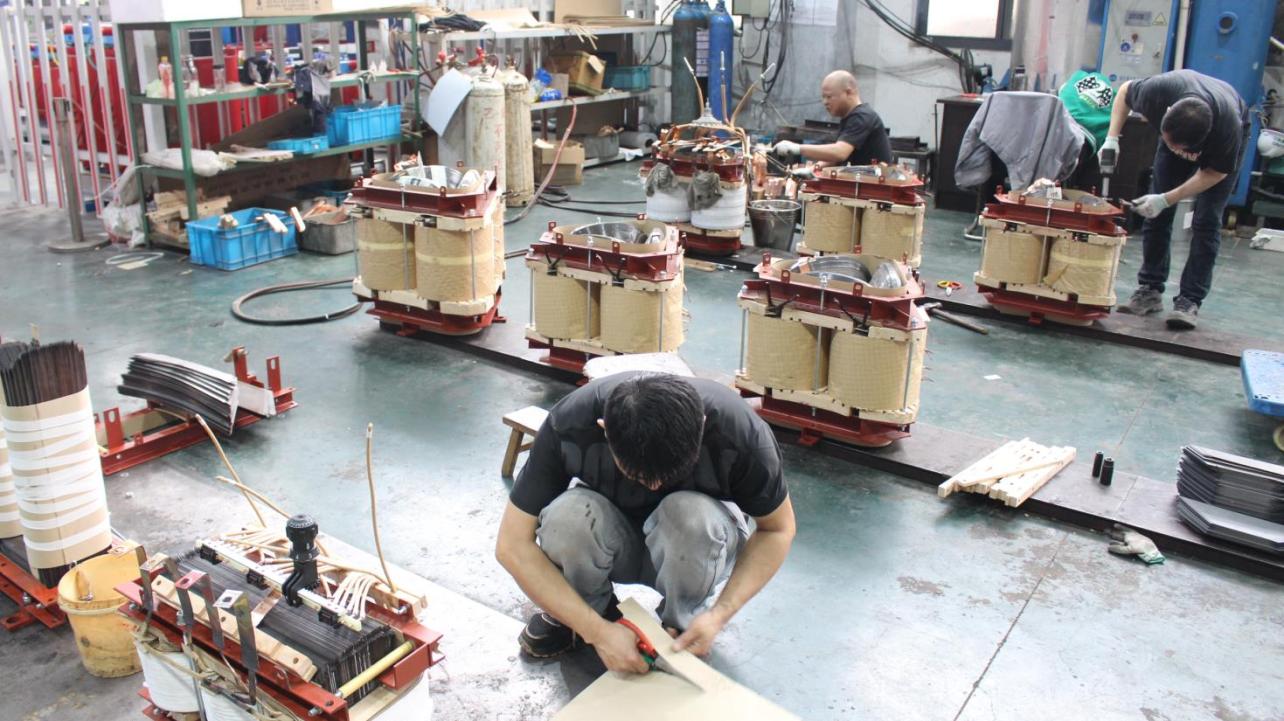
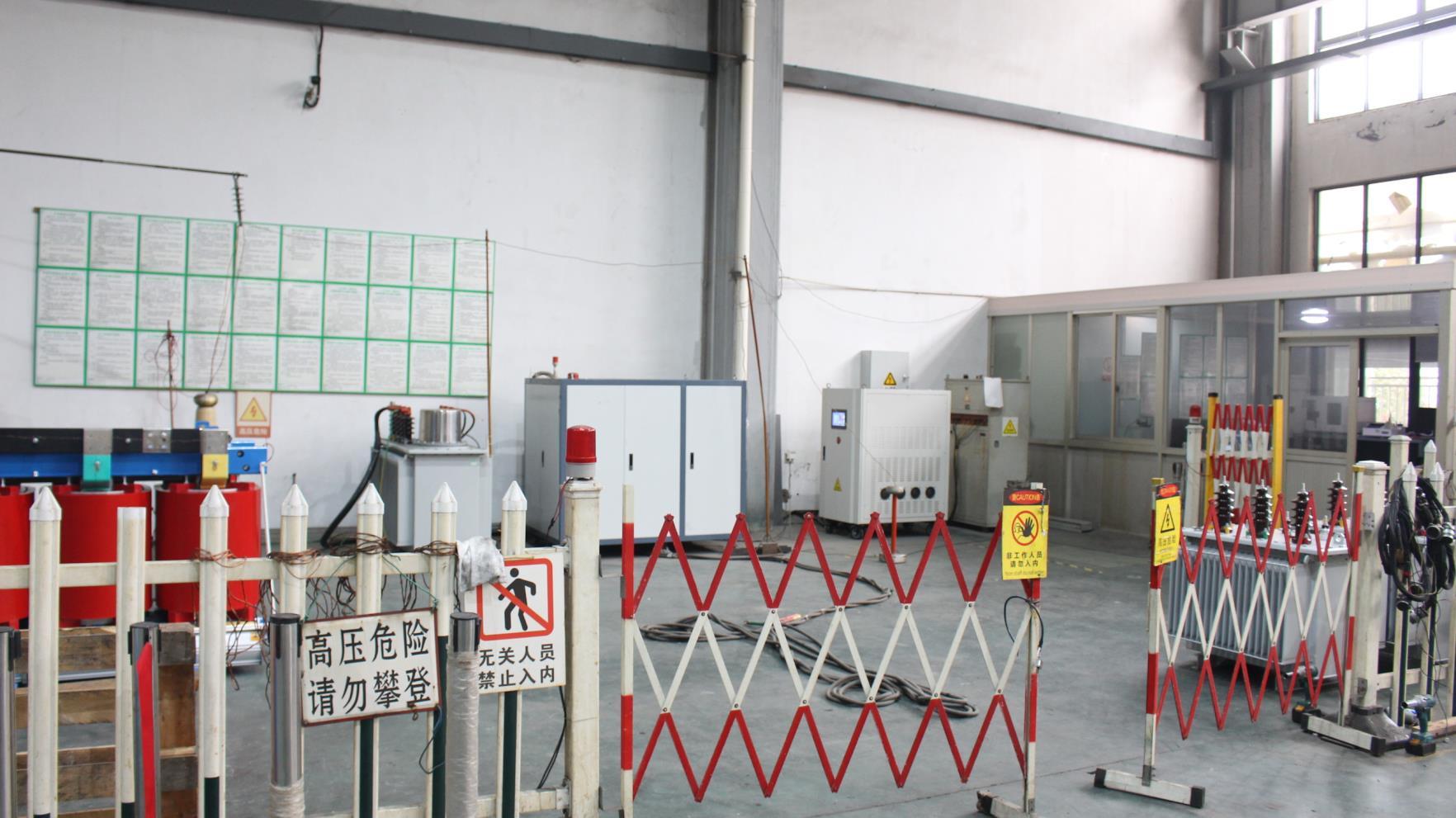
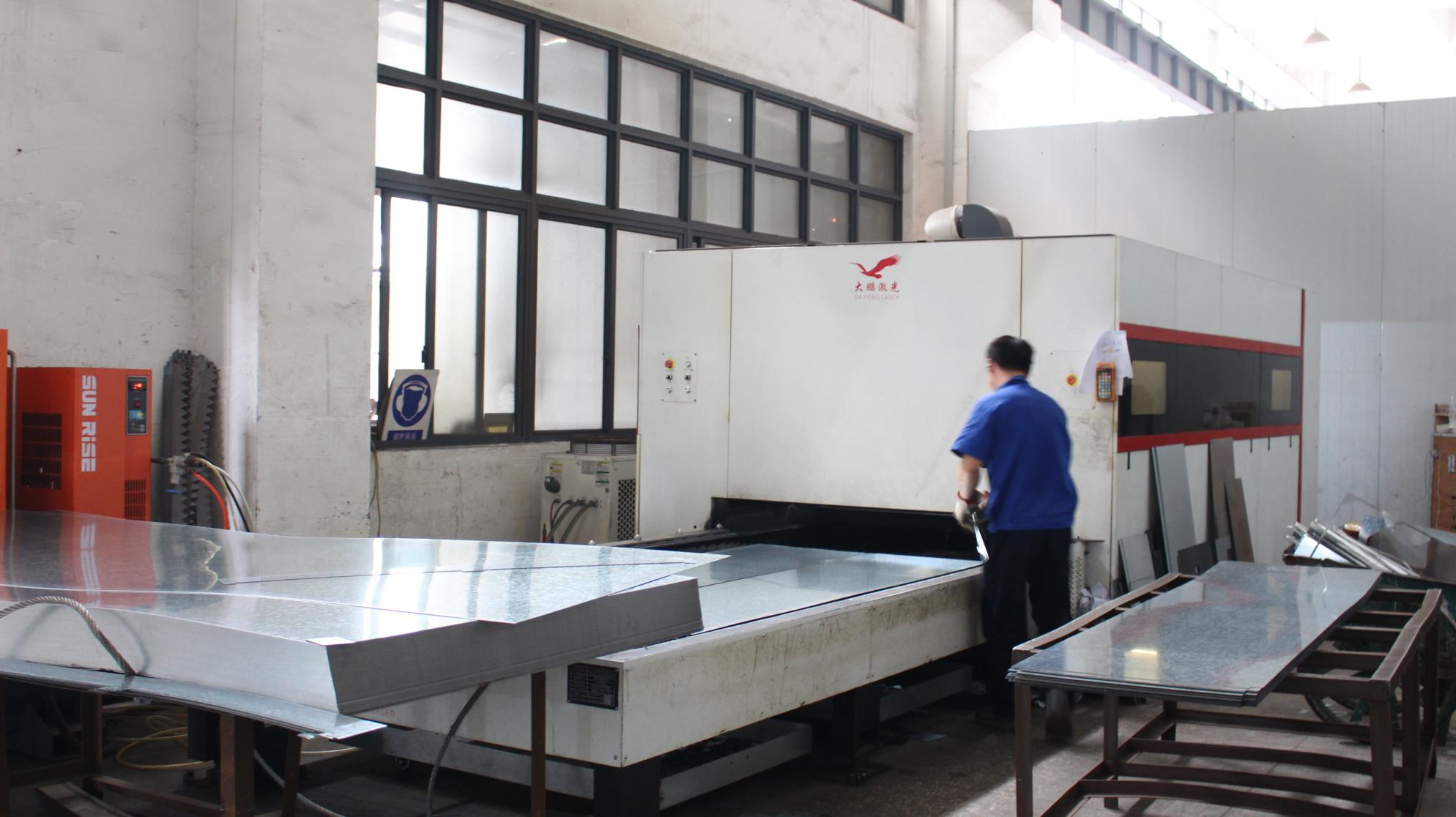
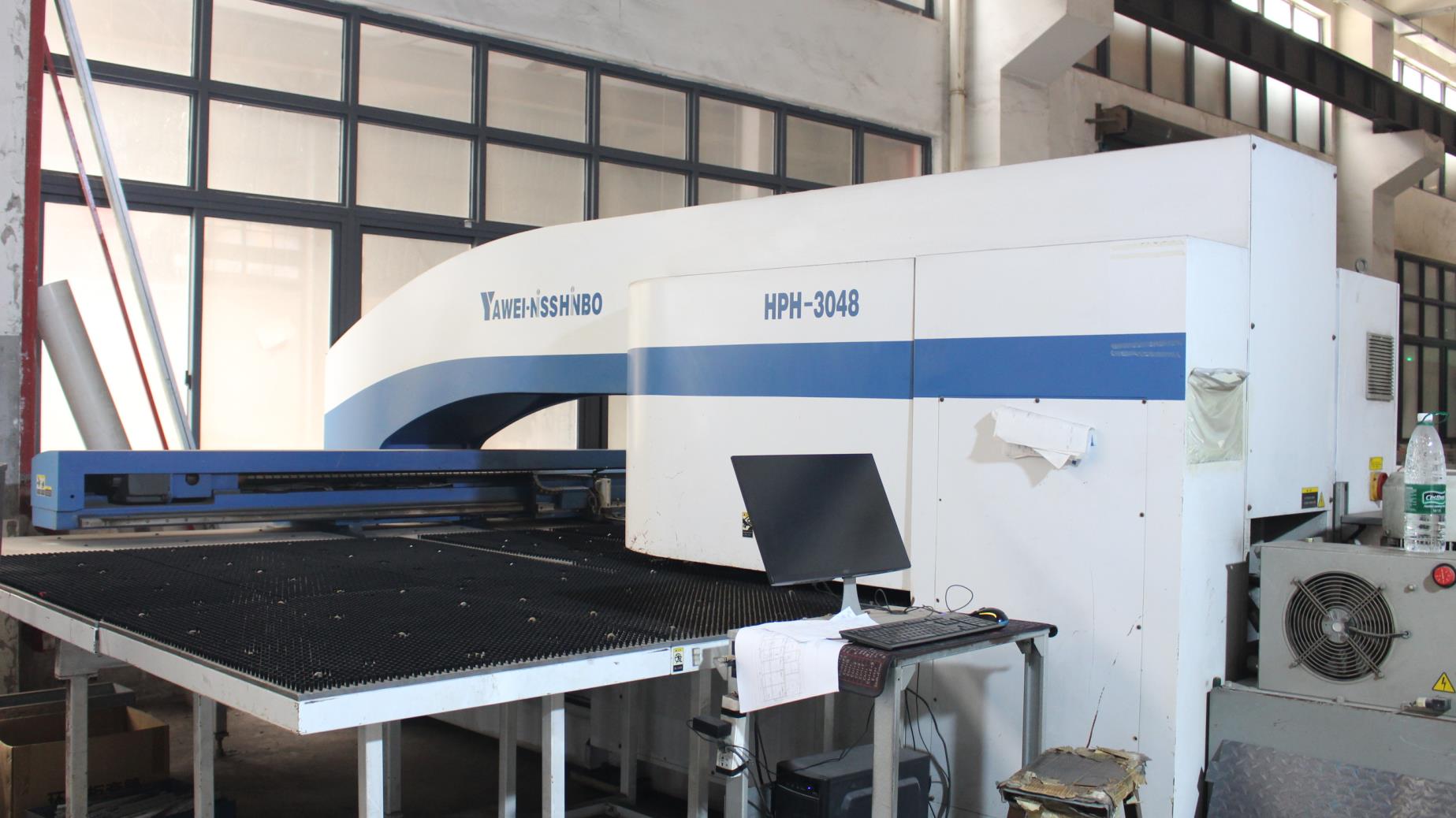
Operating high-voltage grid equipment in Russia requires strict compliance with domestic technical regulations. Wind power step-up substations must meet the requirements of the Eurasian Economic Union (EAEU) technical standards, specifically TR CU 004/2011 (LVD Safety) and TR CU 020/2011 (Electromagnetic Compatibility).
At Zhejiang Zeno Electric Co., Ltd., we handle the full cycle of regulatory alignment. Our engineering department designs and builds equipment according to PUE (Rules for Electrical Installations) requirements, ensuring seamless inspection and commissioning by Rostekhnadzor. We also supply complete technical passports, electrical design drawings, and operations manuals in Russian to streamline site integration.
Our structural designs undergo rigorous testing to withstand heavy seismic loads, which are common in coastal and mountainous wind farm locations. This ensures structural integrity up to Magnitude 9 on the MSK-64 scale.
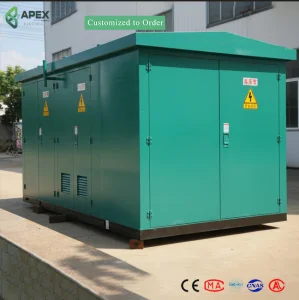
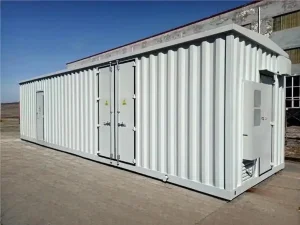
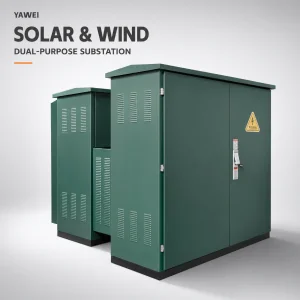
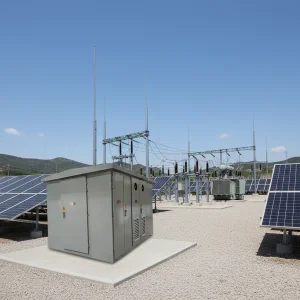
Explore our full line of custom wind and solar power step-up substations.
 Zeno Electric