 Zeno Electric
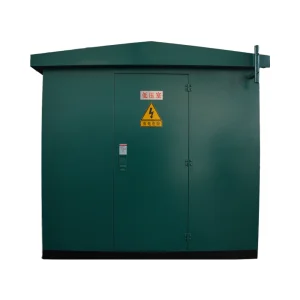
Engineered for immediate integration into Mumbai's industrial grid and wind-solar hybrid projects.
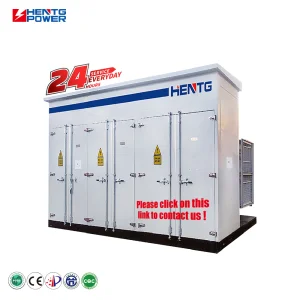
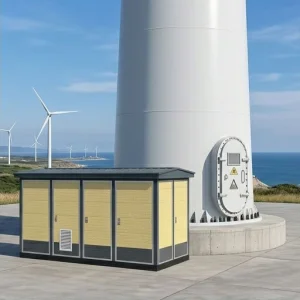
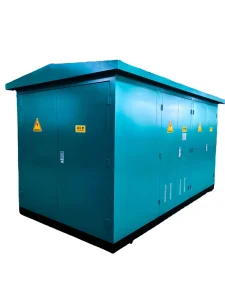
As the commercial capital of India, Mumbai is seeing a massive surge in clean energy demand. The state of Maharashtra, combined with neighboring renewable hubs in Gujarat, forms the primary corridor for India's wind-solar hybrid installations. To meet the ambitious national target of 500 GW of non-fossil fuel capacity, utility developers in Mumbai are aggressively implementing high-performance wind power step-up substations to elevate wind turbine generation voltages (typically 690V to 1.5kV) up to standard transmission levels (33kV to 110kV/220kV).
Operating in coastal areas like the Mumbai Metropolitan Region introduces severe environmental challenges. Wind step-up systems must resist high humidity, saline air corrosion, and heavy monsoons. This requires local industrial projects to deploy hermetically sealed, IP54 or IP65 rated prefabricated substations that protect active magnetic components and medium-voltage switchgear from atmospheric contaminants.
Globally, wind power has moved from a supplementary energy source to a core baseload contributor. This shift demands unparalleled grid stability. Step-up substations are no longer simple step-up transformers; they are complex grid-connection hubs. They must now feature **Low-Voltage Ride-Through (LVRT)** support, transient overvoltage protection, and advanced harmonic filtration to counteract the high-frequency switching noise of modern power electronic converters.
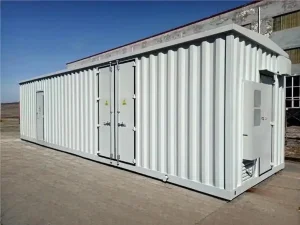
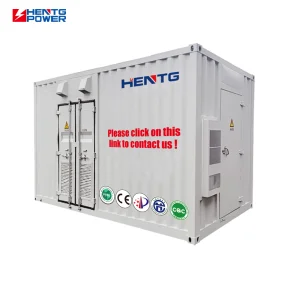
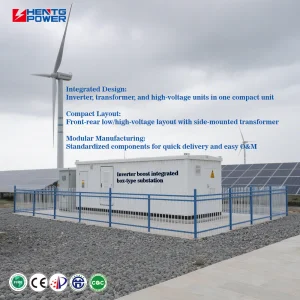
Whether for onshore installations in the windy corridors of North America and Europe, or offshore wind complexes in the North Sea, the demand for space-saving, ready-to-plug containerized substations is growing exponentially. Compact, pad-mounted, or European-style box designs reduce site preparation time by up to 70%, offering a rapid deployment cycle for engineering, procurement, and construction (EPC) firms globally.
Combining state-of-the-art automation, supply chain density, and strict international quality standards.
Zhejiang Zeno Electric Co., Ltd. is a national high-tech enterprise. Our engineering teams utilize 3D electromagnetic and thermal simulation software to model substation performance under extreme fault conditions, ensuring high reliability in field installations.
Based in Ningbo, Zeno Electric benefits from one of China's most dense electrical engineering clusters. This location grants us immediate access to high-permeability silicon steel sheets, oxygen-free copper wires, and top-tier switchgear components, reducing production lead times.
Every step-up transformer and prefabricated box substation complies strictly with international standards including IEC 60076, IEEE C57, CE, and GB. Our products are engineered to pass rigorous routine and type tests before dispatch.
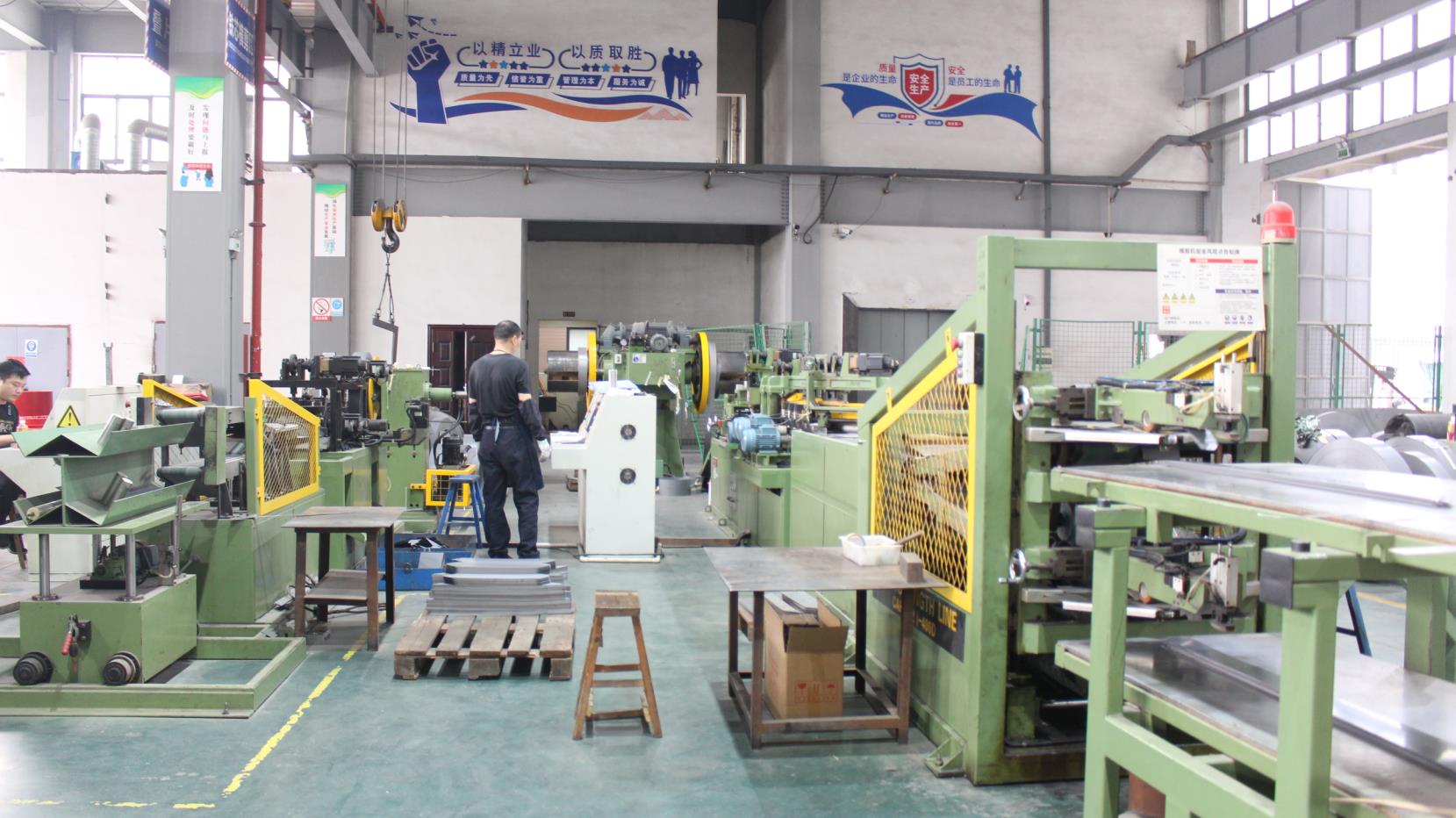
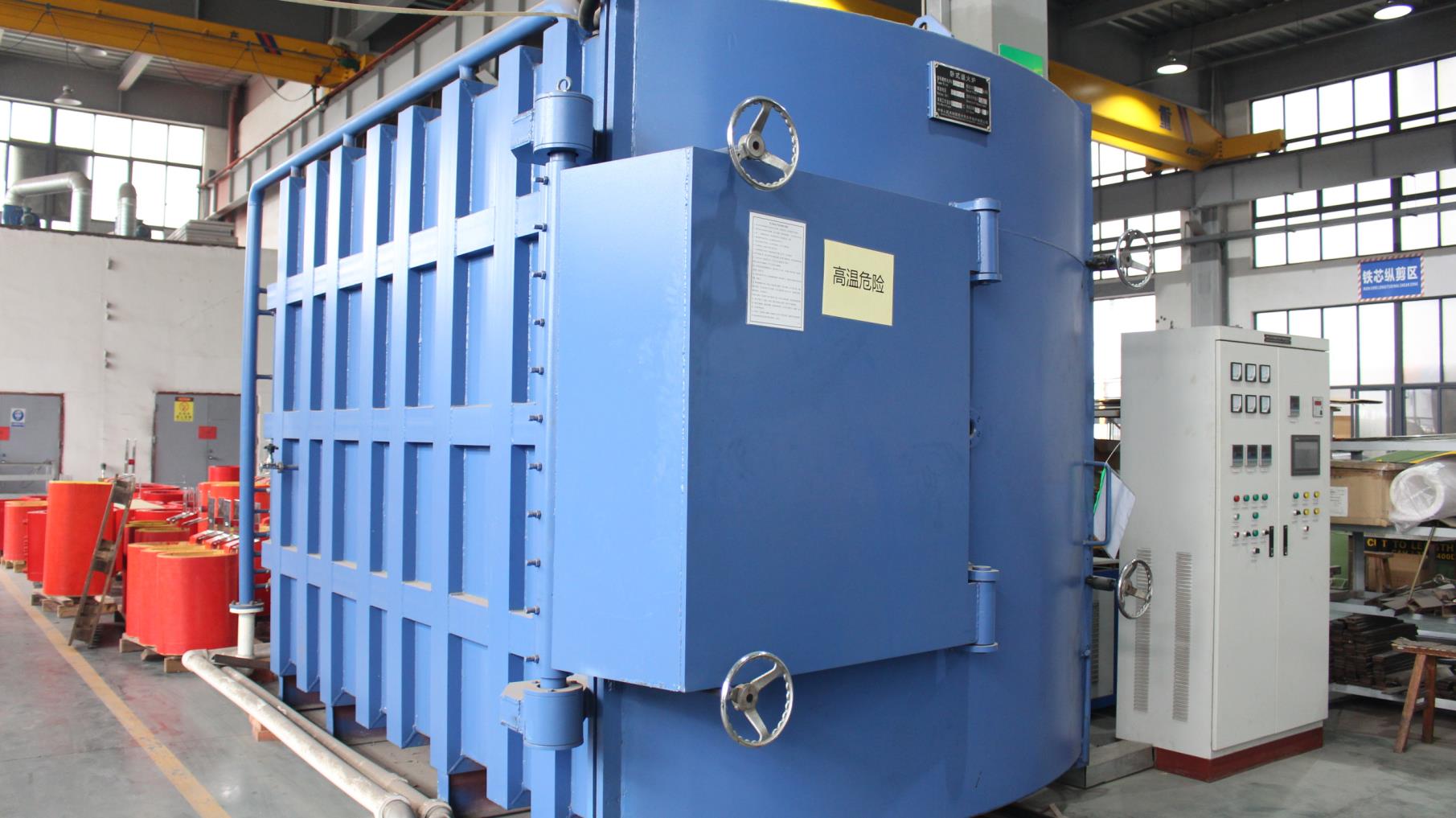
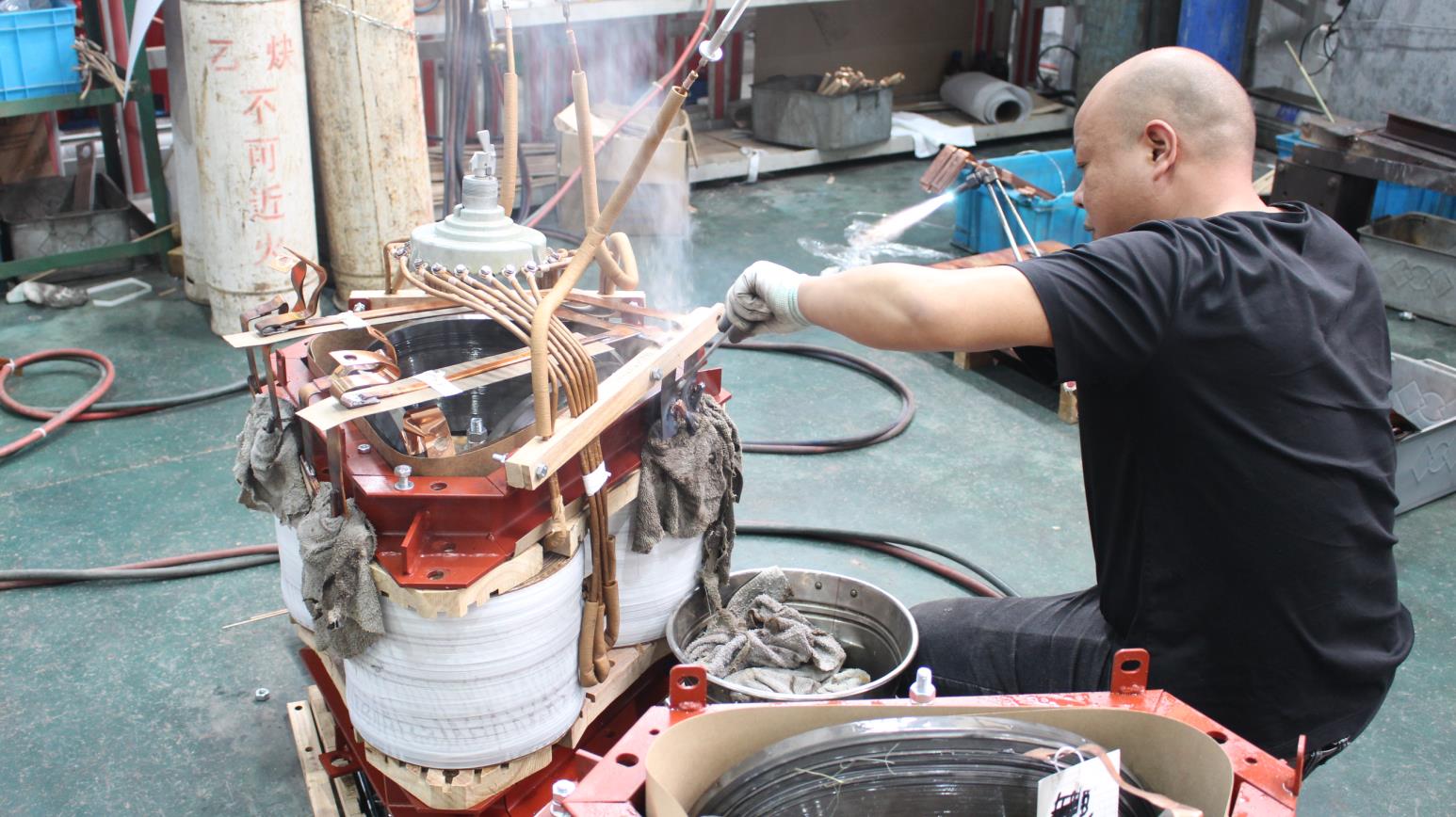
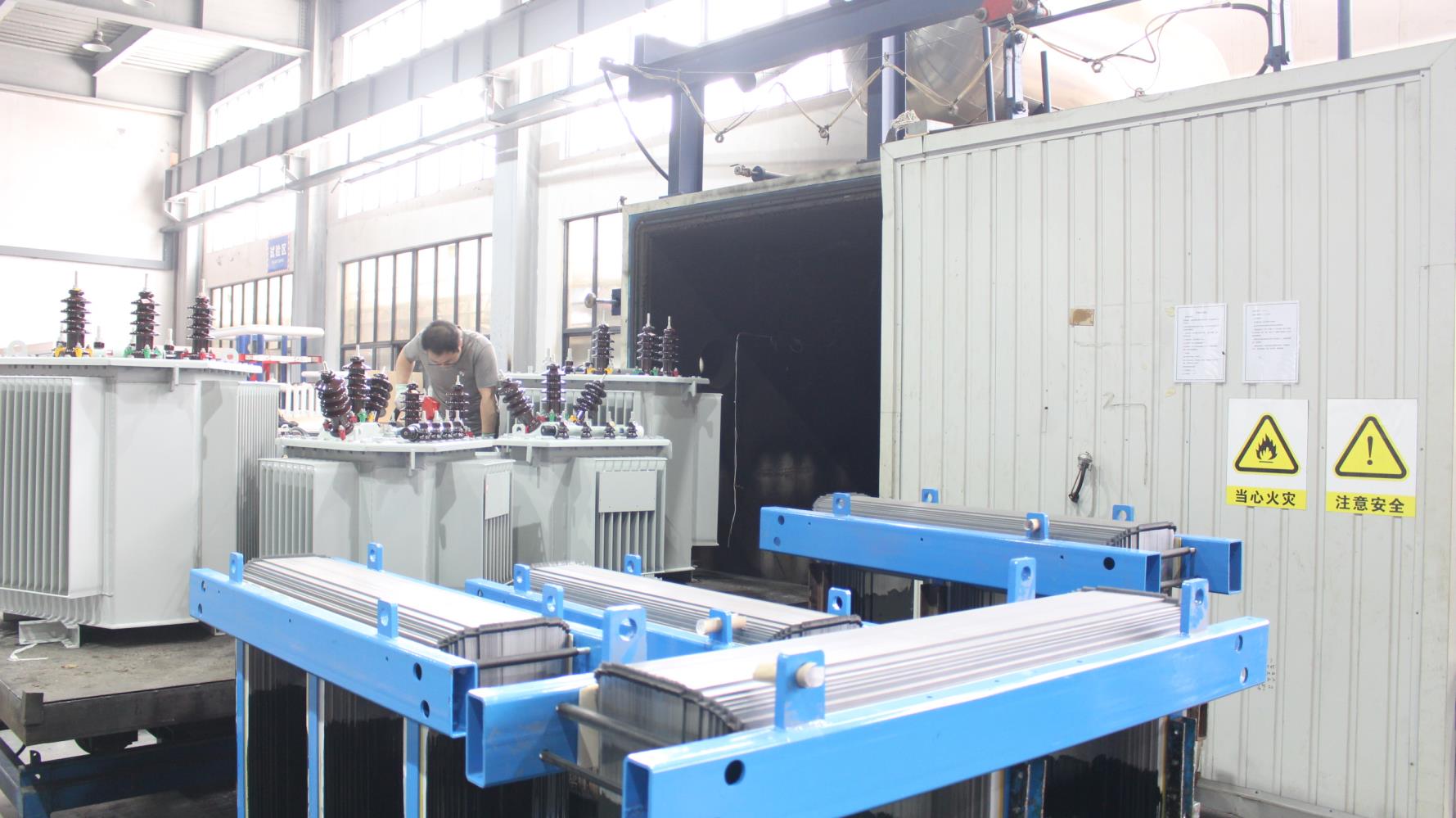
Our integration of vertically coordinated manufacturing—from CNC steel cutting and structural enclosure tempering to vacuum oil filling and automated winding—allows us to maintain tight control over product quality. This level of oversight ensures that our substations provide continuous operation over an expected 30-year lifecycle, even under fluctuating wind loads and demanding environmental conditions.
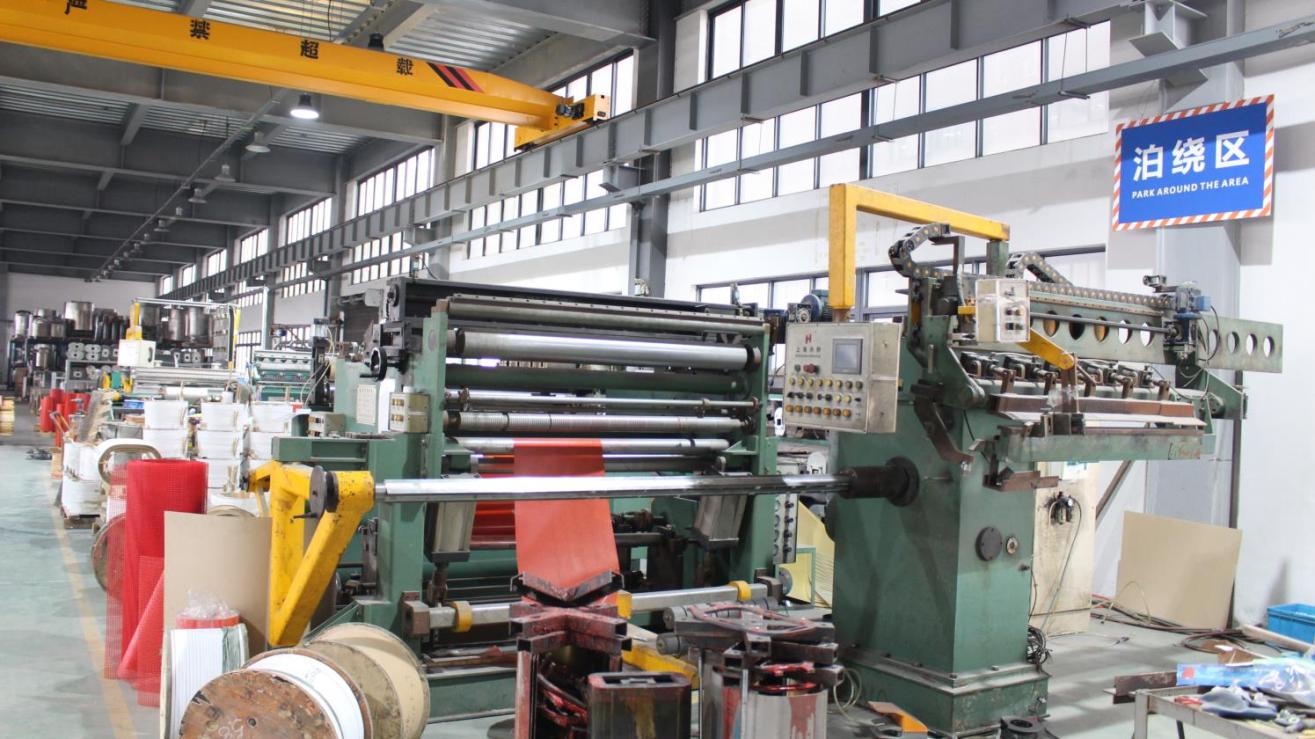
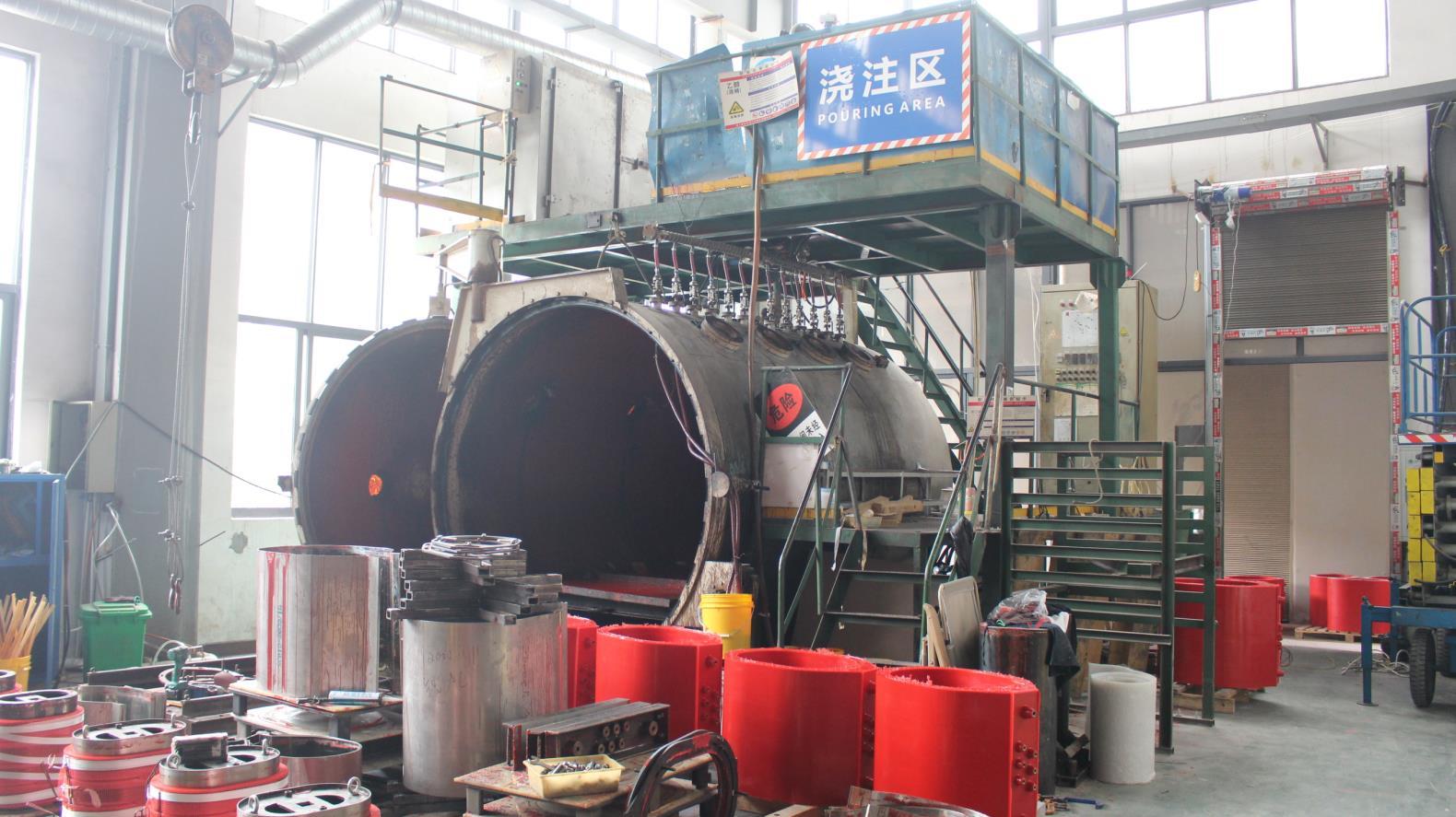
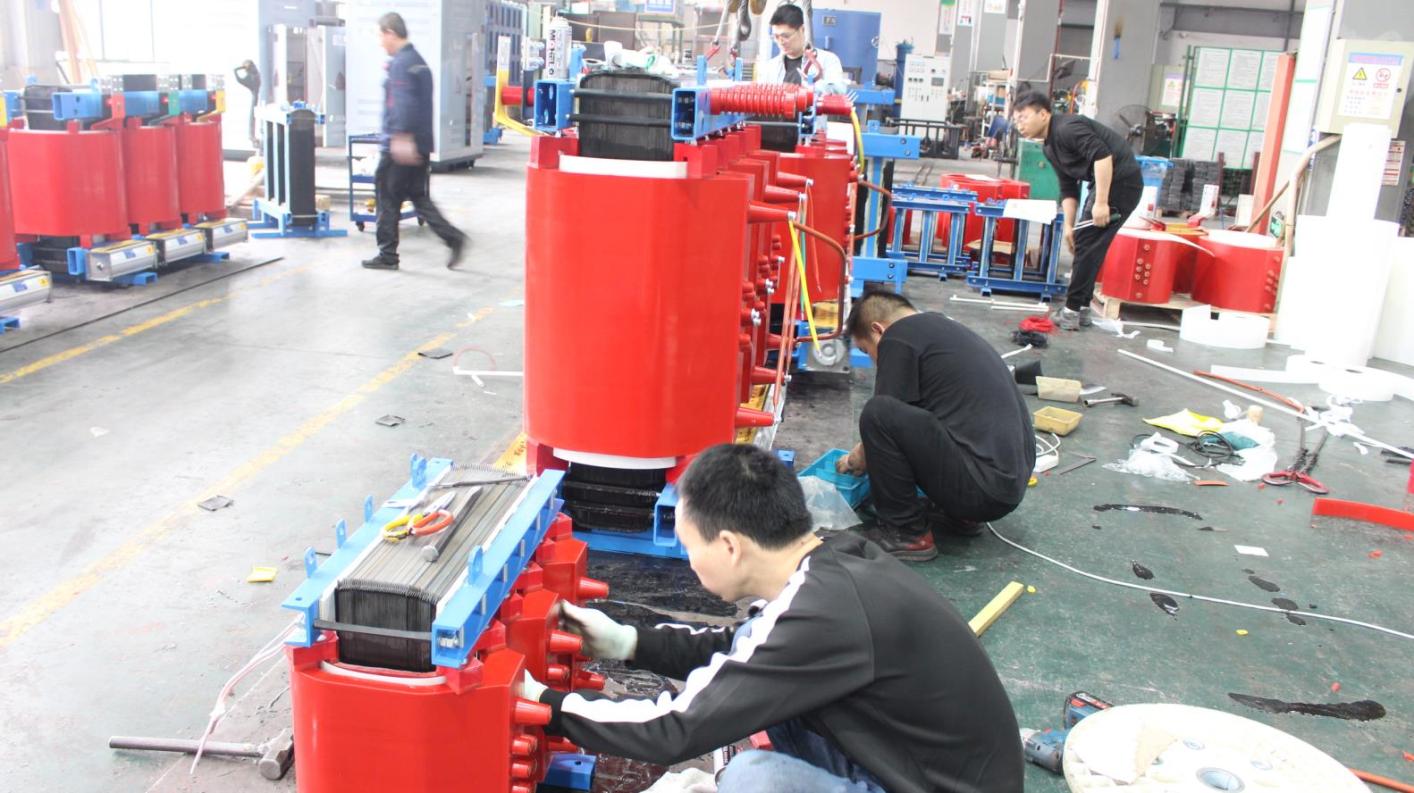
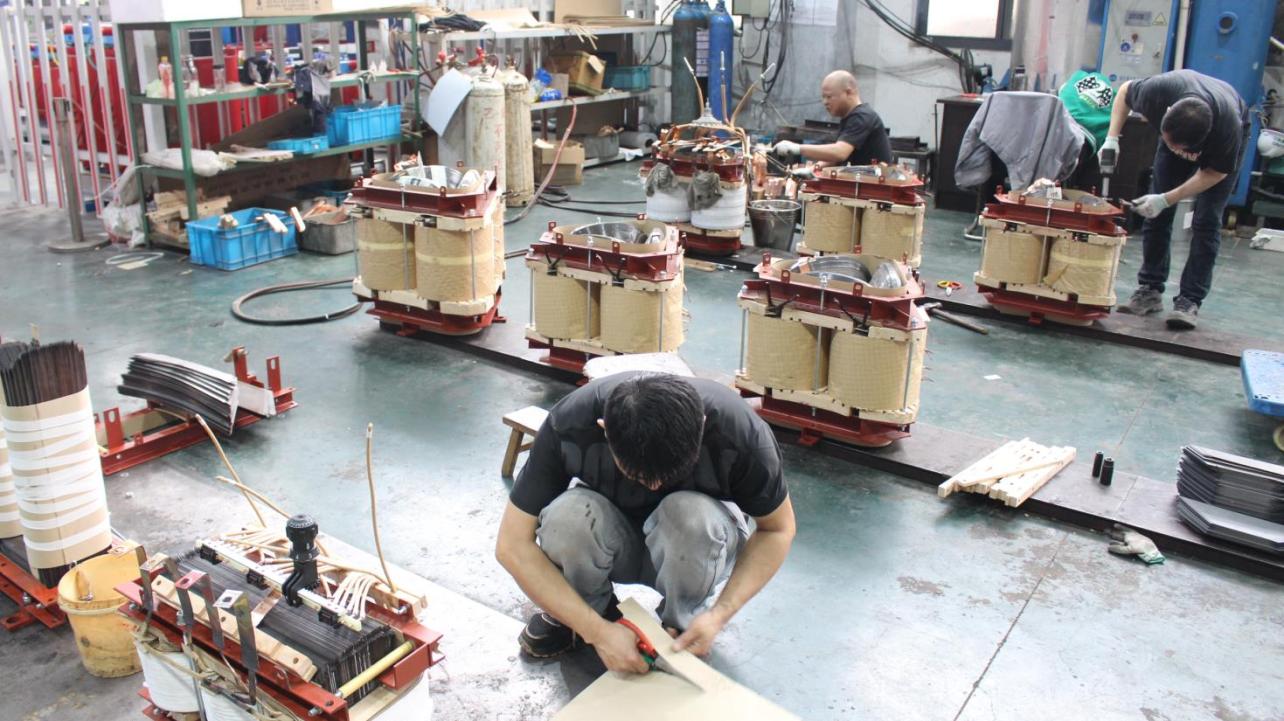
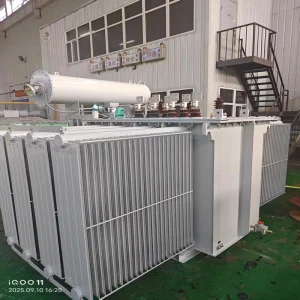
A visual insight into our state-of-the-art Ningbo production facility, where safety and reliability are built into every component.
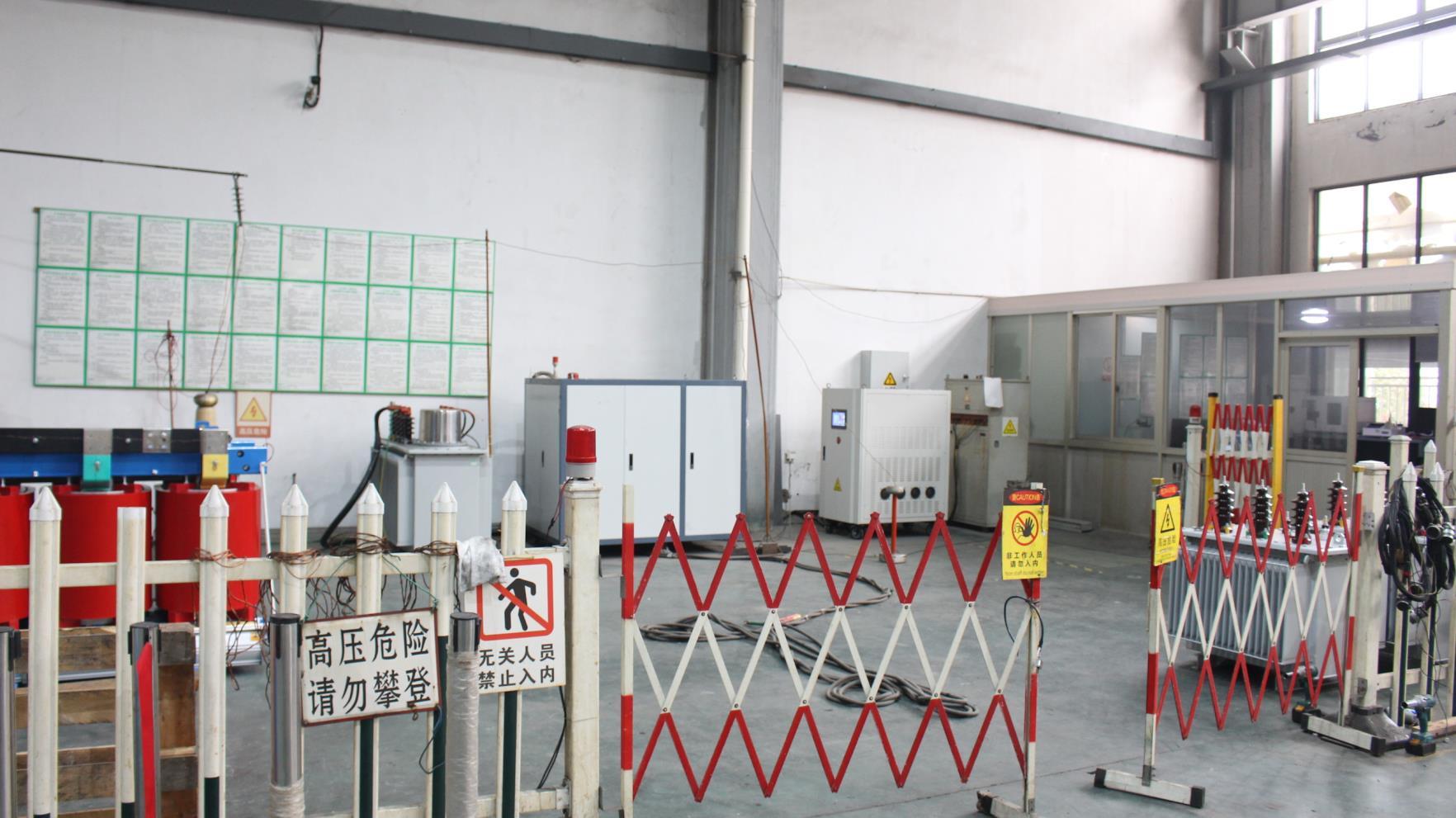
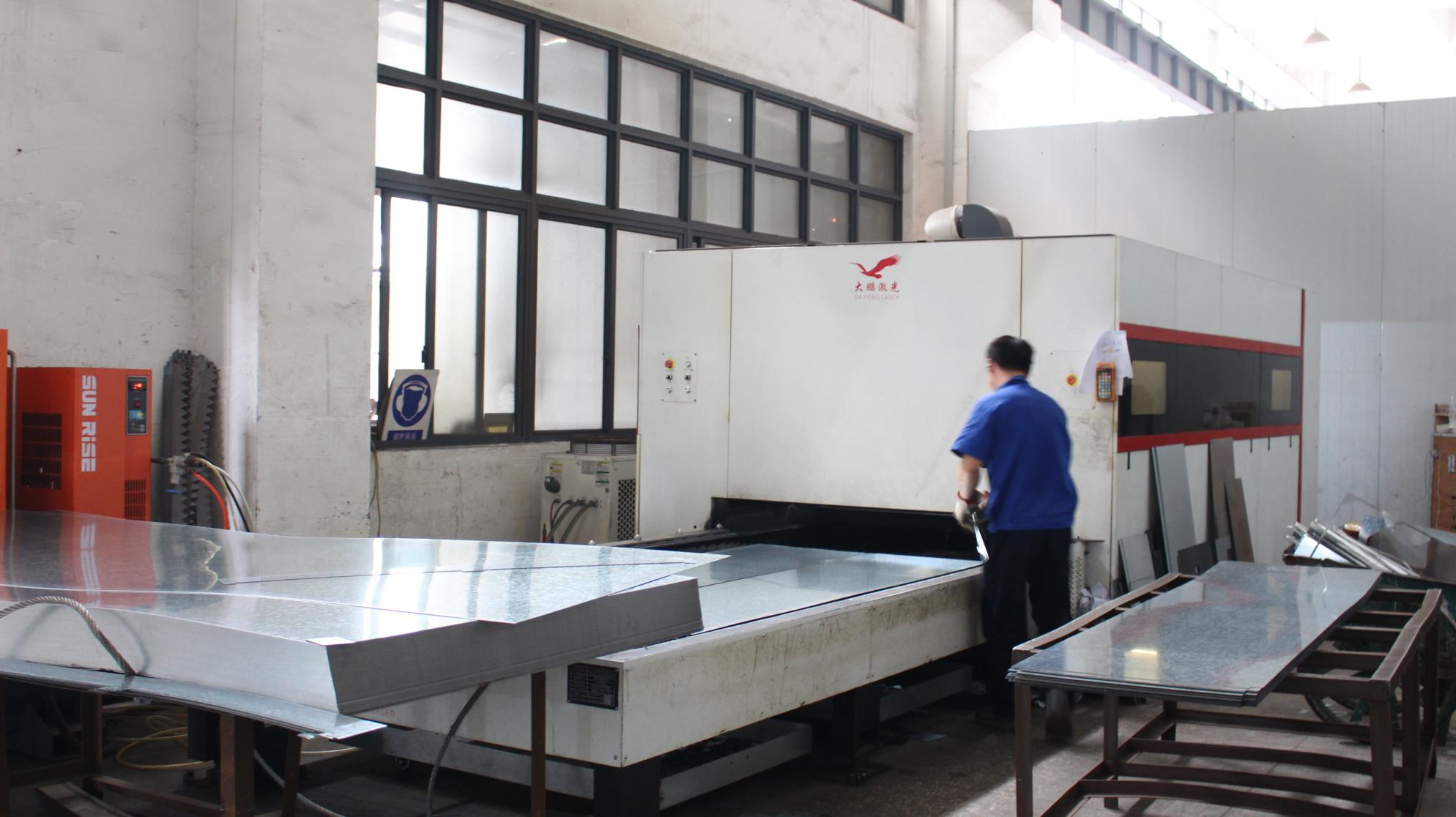
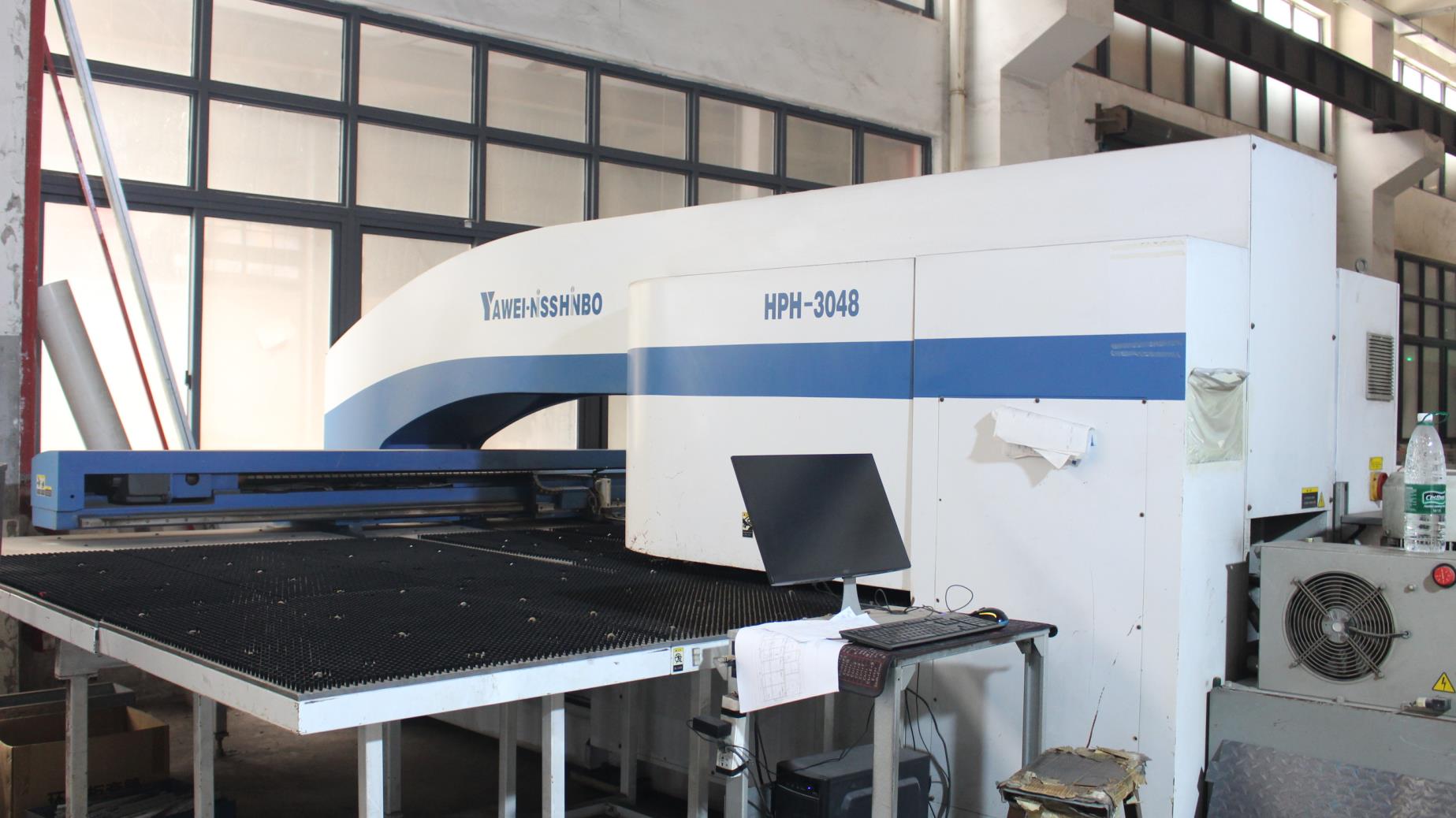
How our customized designs address heavy rain, coastal salt spray, and urban footprint limitations.
Substations operating in coastal areas like Mumbai are exposed to high humidity and salt spray, which can accelerate the corrosion of steel enclosures and busbars. Zeno Electric addresses this by utilizing hot-dip galvanized steel plates treated with epoxy paint, achieving a C5-I or C5-M anti-corrosion rating. This ensures long-term resistance to salt mist and moisture, helping prevent structural degradation.
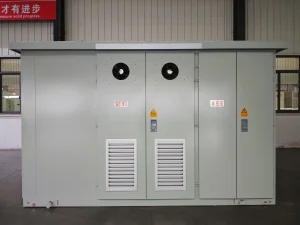
Mumbai's monsoon season brings heavy, prolonged rainfall alongside high temperatures. This climate requires dual-protection designs. Our substations feature specialized labyrinths on ventilation louvers to prevent rainwater ingress, combined with active thermal ventilation systems that operate automatically when internal temperatures rise, maintaining components within optimal thermal limits.
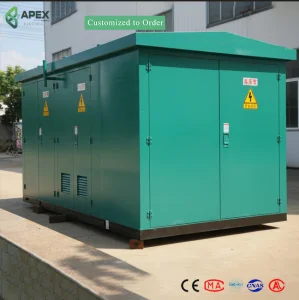
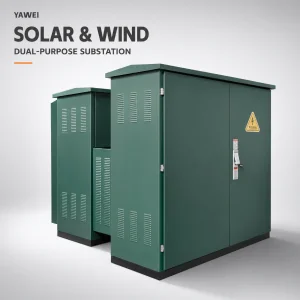
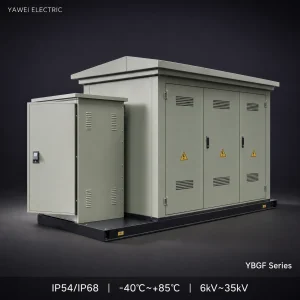
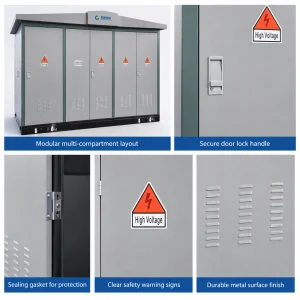
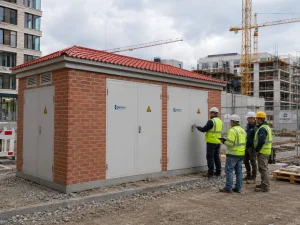
In densely populated metropolitan areas like Mumbai, substation footprints are often constrained. Our compact, prefabricated European-style and pad-mounted substations are designed to integrate the transformer, high-voltage switchgear, and low-voltage distribution panels into a single enclosure, minimizing the land area required for installation.
Modern grid codes require wind substations to communicate real-time telemetry to regional utility control centers. Zeno Electric integrates RTUs (Remote Terminal Units) and optical fiber communications supporting IEC 60870-5-104 and Modbus protocols. This allows operators in Mumbai to monitor parameters such as winding temperatures, oil levels, and switch positions remotely.
Important engineering specifications and factors for EPC contractors to evaluate when sourcing renewable-ready substations.
Explore our broader range of high-efficiency step-up, prefabricated, and containerized energy substations.
Get technical answers to common questions about wind power step-up substations from our engineering team.
A wind power step-up substation increases the low voltage generated by wind turbines (usually 690V, 1.2kV, or 1.5kV) to a medium-voltage level (typically 11kV, 22kV, 33kV, or 35kV) for distribution through the wind farm's collector grid. In some configurations, larger substations step the voltage up further to transmission levels (such as 110kV or 220kV) to connect directly to the main utility grid, helping minimize transmission losses over long distances.
Our units utilize hot-dip galvanized steel plates with multi-layer epoxy powder coatings to achieve high corrosion protection ratings (C4 to C5-M). Gaskets and sealing materials are selected for UV and salt spray resistance, achieving IP54 or higher ratings. Ventilation inlets are designed with maze structures and filters to prevent heavy monsoon rains and airborne particles from entering, while automated forced air cooling manages internal heat levels.
European-style box substations place the high-voltage switchgear, transformer, and low-voltage distribution panels in separate compartments within a single enclosure, allowing easy access for maintenance from the inside or through dedicated doors. American-style substations (often called pad-mounted transformers) integrate the transformer core and coils inside the same oil tank as the high-voltage load break switches and fuses. This design is highly compact and cost-effective, though it offers less separation between components.
Yes, our units can be configured with intelligent monitoring systems. We integrate Remote Terminal Units (RTUs) and sensors that transmit critical operating parameters—including oil level, winding temperature, gas pressure, and circuit breaker status—using standard protocols like Modbus, IEC 60870-5-104, or IEC 61850. This enables integration with SCADA networks for remote monitoring and diagnostics.
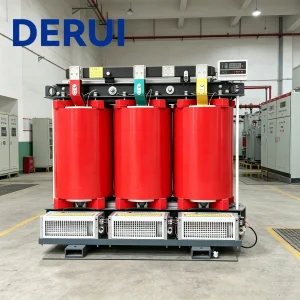
We offer both oil-immersed (ONAN/ONAF) and dry-type (AN/AF) configurations. Oil-immersed units are commonly chosen for outdoor wind applications due to their efficient heat dissipation and robust insulation. For urban areas or indoor installations with strict fire-safety regulations, we provide cast-resin dry-type transformers (such as our SCB11 series) which eliminate the risk of oil leaks and fire hazards.