Advanced medium-voltage (MV) and high-voltage (HV) transformer step-up configurations customized to comply with CAISO and Rule 21 interconnection regulations.
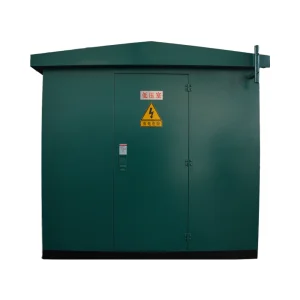
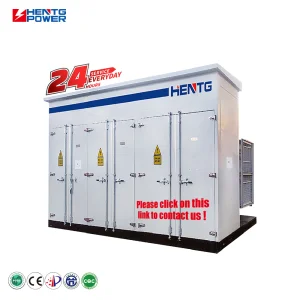
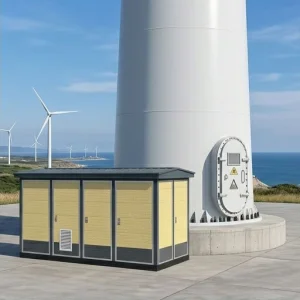
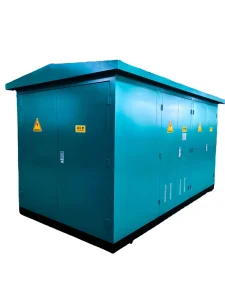
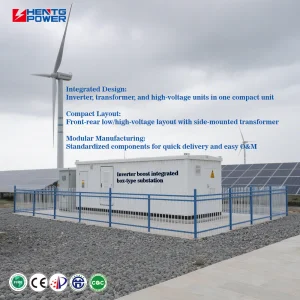
The San Francisco Bay Area is a vital driver of California's ambitious Senate Bill 100 goals, targeting 100% clean, zero-carbon electricity by 2045. To accommodate the integration of offshore wind assets along the Northern California coast (such as the Humboldt Bay lease areas) and regional onshore repowering projects in the Altamont Pass, the localized grid infrastructure requires highly specialized wind power step-up substations. These units serve as critical energy translation gateways, stepping up low or medium output voltage from modern variable-speed wind turbine generators to high-voltage transmission levels suitable for the Pacific Gas and Electric (PG&E) network and CAISO dispatch.
Deploying energy equipment in Northern California entails strict regulatory, environmental, and engineering constraints. The San Francisco Bay Area features microclimates marked by high marine salinity, corrosive coastal fog, and heavy seismic activity along the San Andreas Fault Zone. Standard off-the-shelf step-up transformers are insufficient. Wind developers require engineered step-up substations rated for high seismic resilience (complying with IEEE 693 standards), containing coastal-grade corrosion protection (C5-M environment class), and incorporating smart grid management modules for real-time SCADA communication.
At the utility-scale level, wind turbine generators produce electrical power at low voltages (commonly 690V, 600V, or 1000V). Transporting raw low-voltage energy across large wind farms leads to high ohmic copper losses ($I^2R$). The primary role of a step-up substation is to boost voltage immediately at the base of the tower (or inside the nacelle in offshore designs) to medium voltage collector levels, typically 13.8kV, 21kV, or 34.5kV. A secondary substation then upgrades this medium-voltage level to high-voltage transmission levels (such as 115kV or 230kV) at the point of common coupling (PCC).
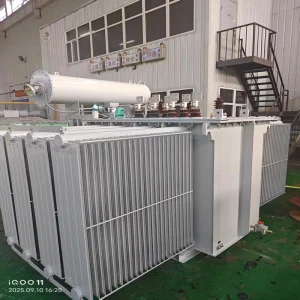
Our company constructs step-up substations utilizing cutting-edge liquid-immersed (FR3 ester oil or mineral oil) and dry-type technologies. For outdoor municipal or marine wind projects around San Francisco, we integrate specific engineering countermeasures:
| Substation Component | Standard Specification | SF/CA Market Specific Configuration |
|---|---|---|
| Transformer Fluid | Mineral Oil (ONAN/ONAF) | Biodegradable FR3 Natural Ester Fluid (High Fire-Point) |
| Enclosure Rating | NEMA 3R / IP54 | NEMA 4X / IP65 Stainless Steel (Marine Grade Corrosive Salt Air Resistant) |
| Seismic Classification | Standard IBC Code | IEEE 693-High Performance Level (San Francisco Bay Fault Zone ready) |
| Switchgear Protection | Standard Air Insulated | Intelligent Compact SF6-Free Gas Insulated Switchgear (GIS) |
| Harmonic Mitigation | Standard Filtering | IEEE 519 Compliant Active Harmonic Filters for Variable Grid Integration |
Zhejiang Zeno Electric Co., Ltd. - Empowering Global Power Grids
Zhejiang Zeno Electric Co., Ltd. is a national high-tech enterprise located in Ningbo, with a registered capital of 52 million yuan. The company integrates research and development (R&D), manufacturing, sales, and service of advanced power equipment and energy systems.
Rooted in Ningbo and supported by a strong engineering and technical team, Zeno Electric has steadily expanded its business across China and international markets. Through continuous innovation and quality-driven development, the company has become a trusted provider in the power and energy industry, with growing influence in both utility and industrial sectors.
With a focus on sustainable development and smart energy transformation, we are committed to delivering safe, efficient, and intelligent power solutions that support the global transition toward cleaner and more digitalized energy systems.
Comprehensive Electrical Power & Renewable Energy Distribution Infrastructure
Zhejiang Zeno Electric Co., Ltd. specializes in power equipment and integrated energy system solutions. Our product portfolio covers a wide range of advanced technologies, including:
In addition, we undertake turnkey power engineering projects up to 220kV, providing end-to-end services that include system planning, engineering design, equipment manufacturing, installation, commissioning, and long-term maintenance.
To better serve diverse customer needs, we offer fully customized, one-to-one energy solutions tailored to specific project requirements. Our integrated service model helps clients:
With a strong emphasis on innovation, quality, and service excellence, Zeno Electric is committed to becoming a leading provider of intelligent power and energy solutions, empowering customers with safer, greener, and more efficient electricity usage.
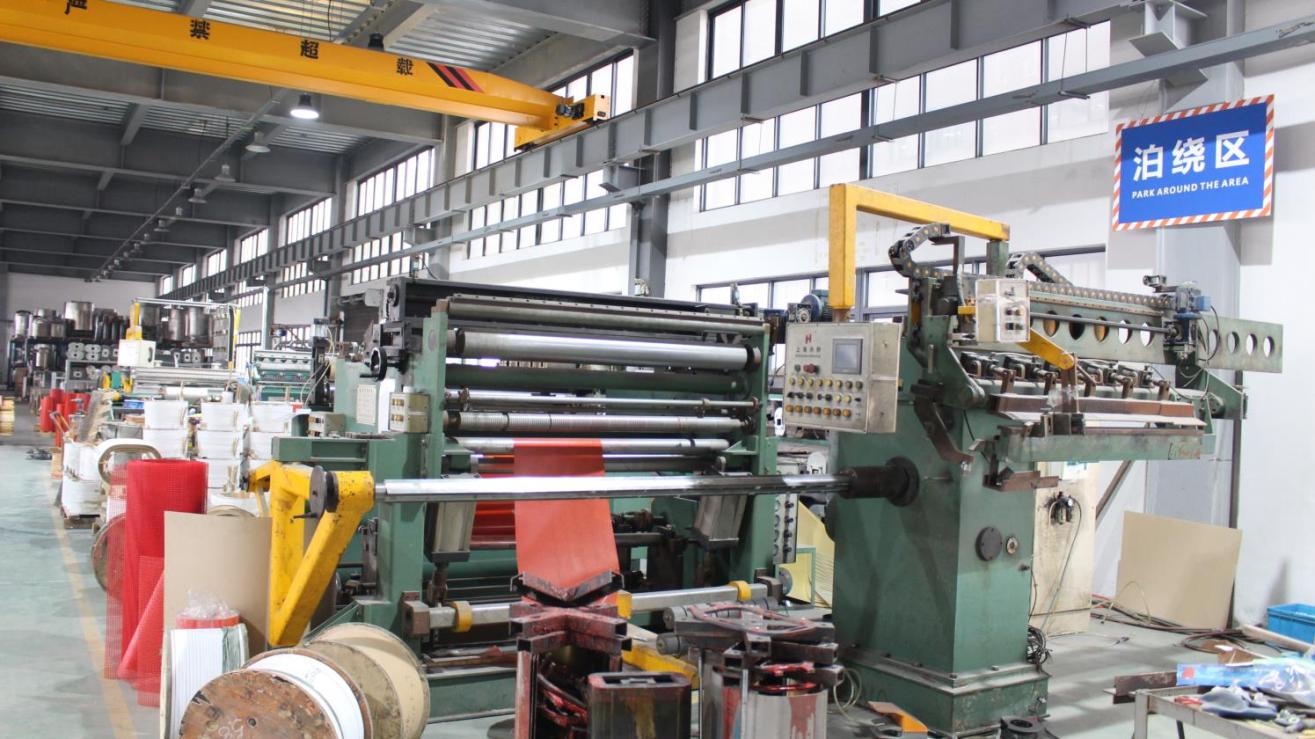
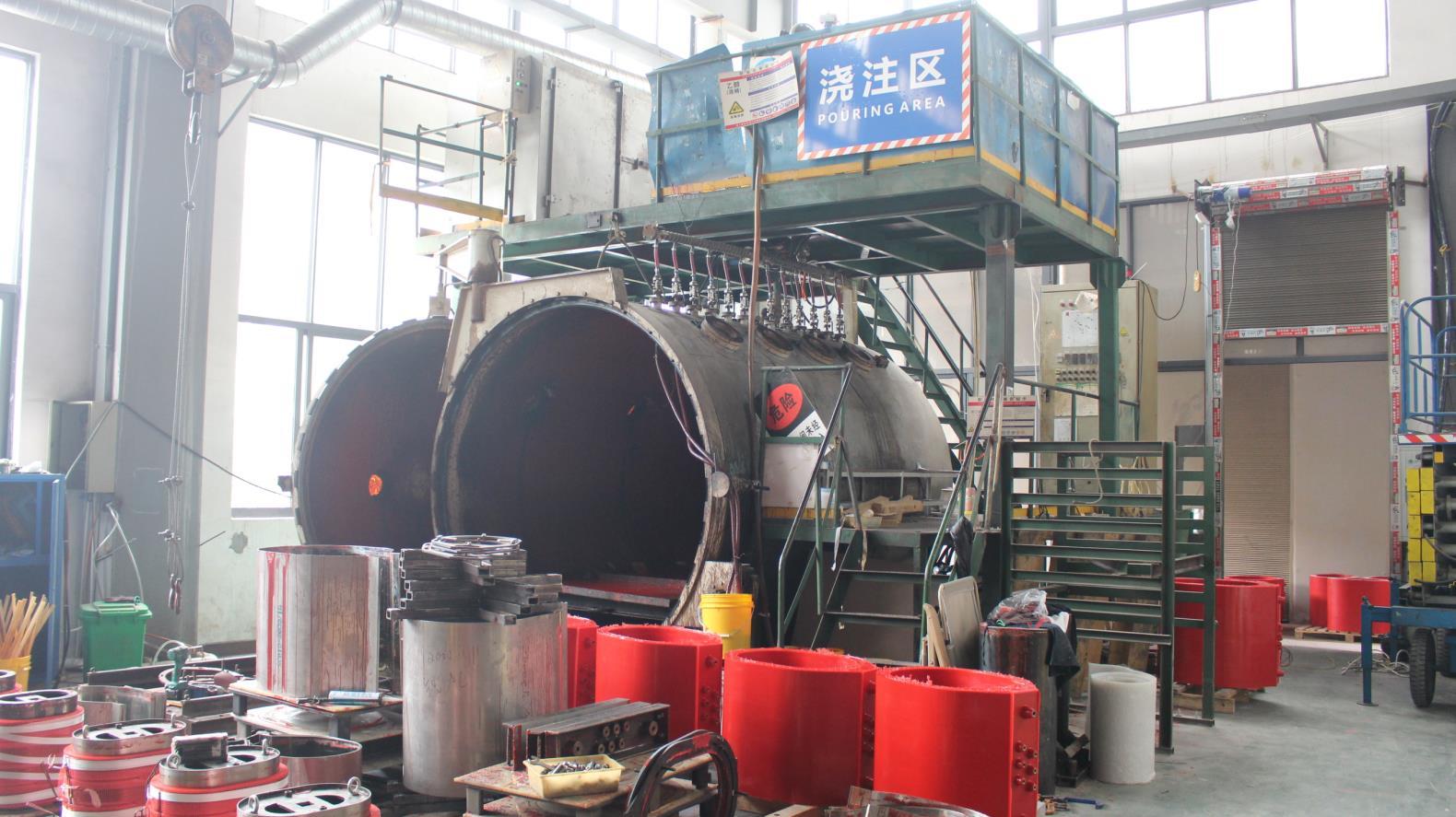
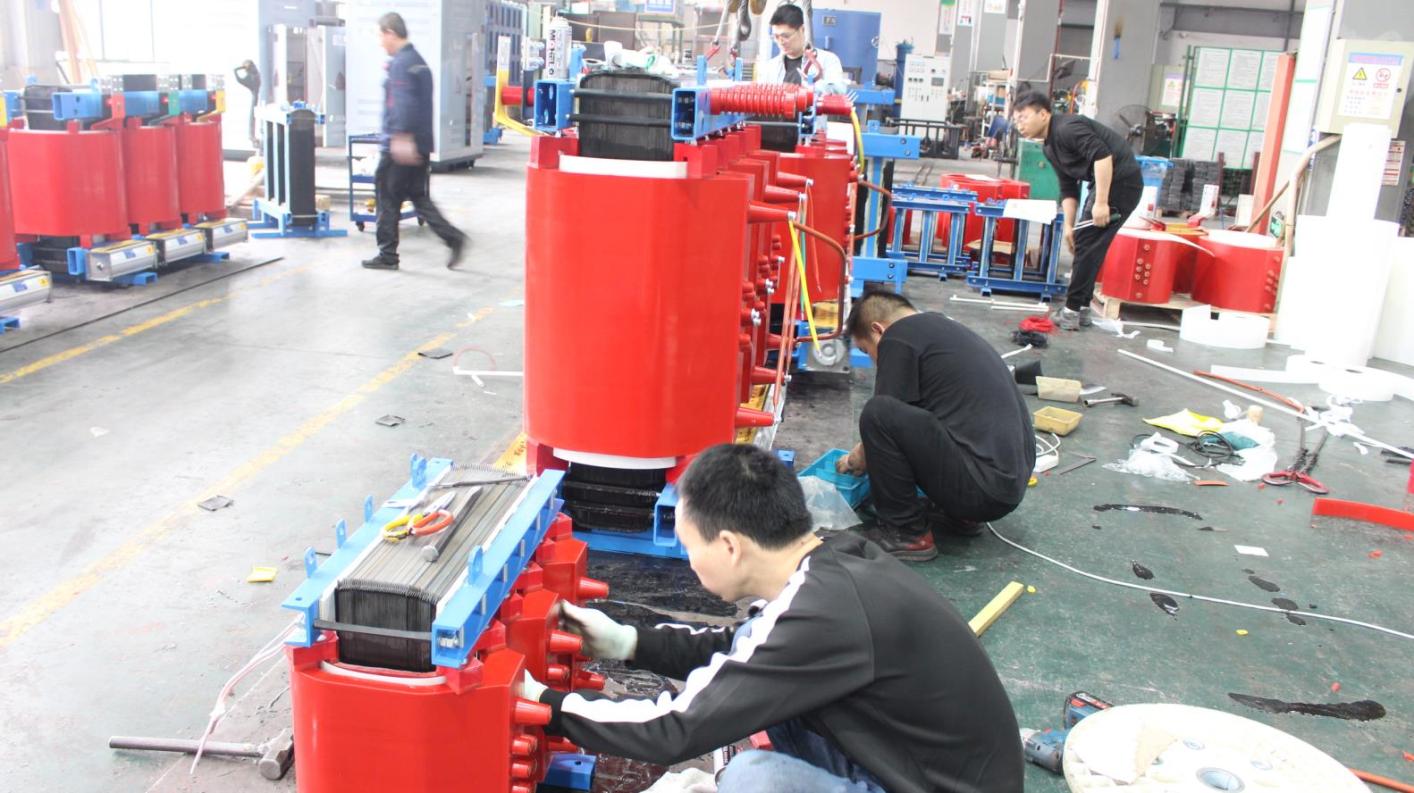
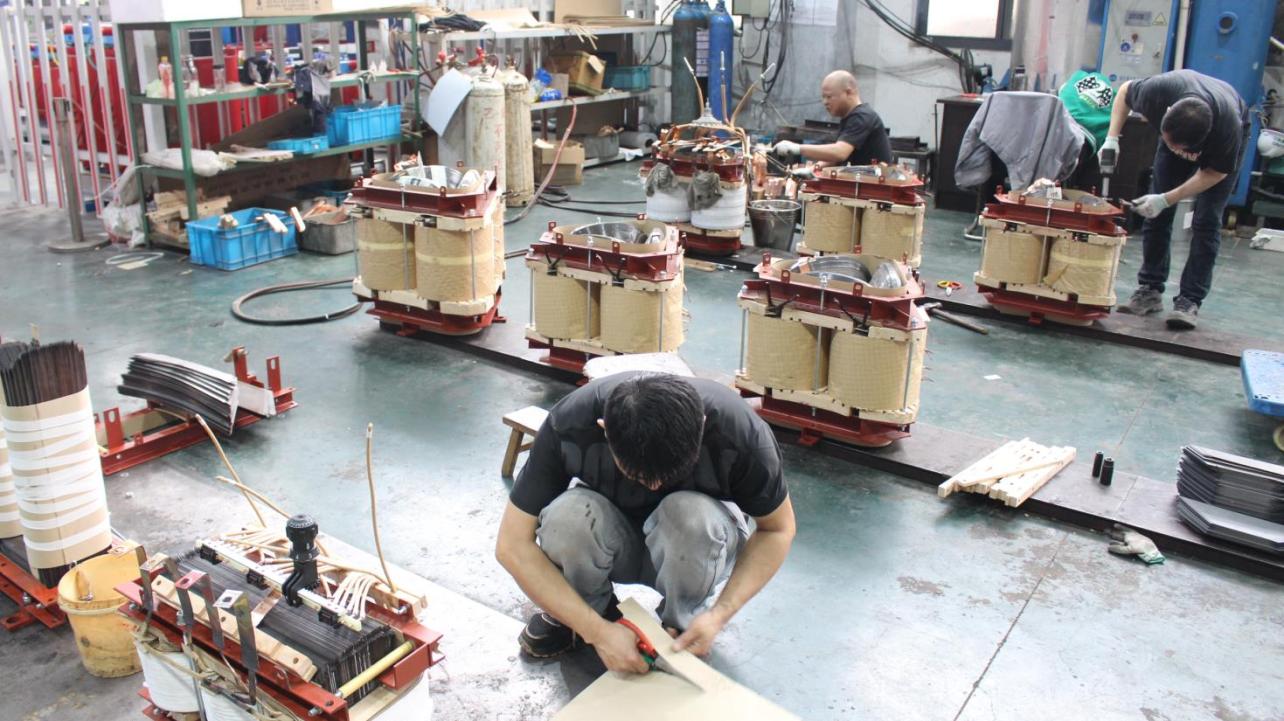
Step-by-step documentation of our quality control pipeline, ensuring reliable performance in harsh environments.
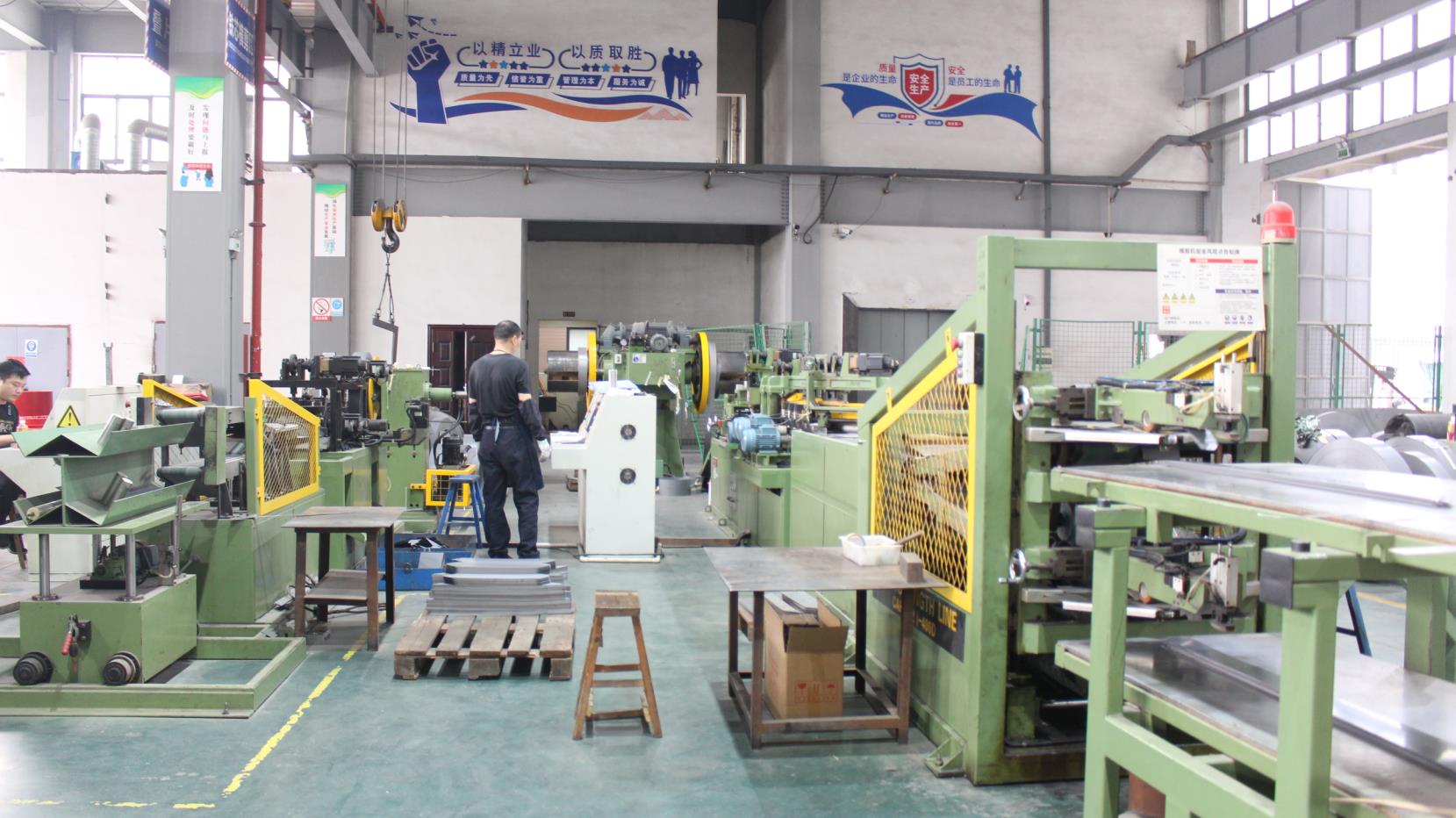
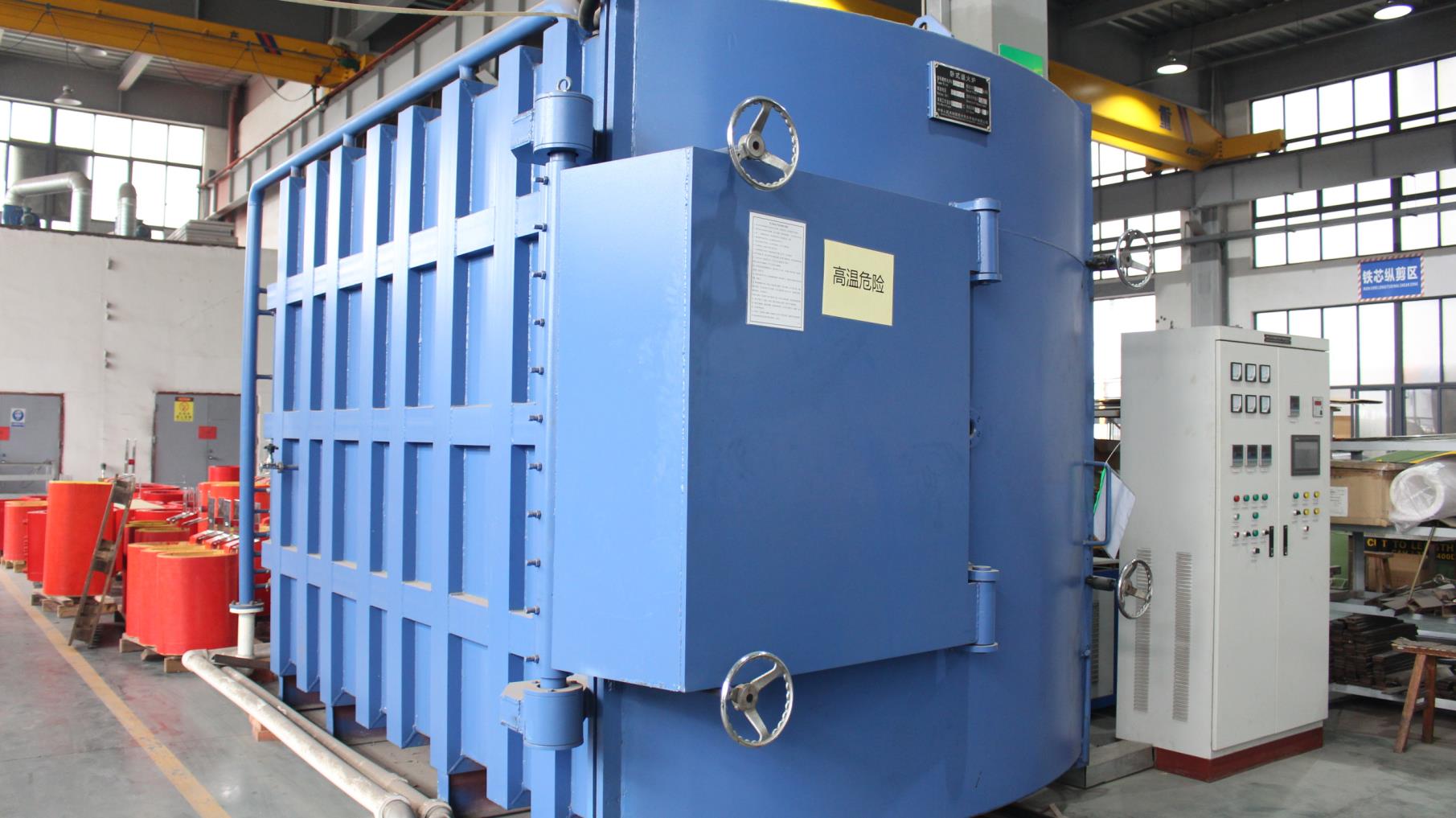
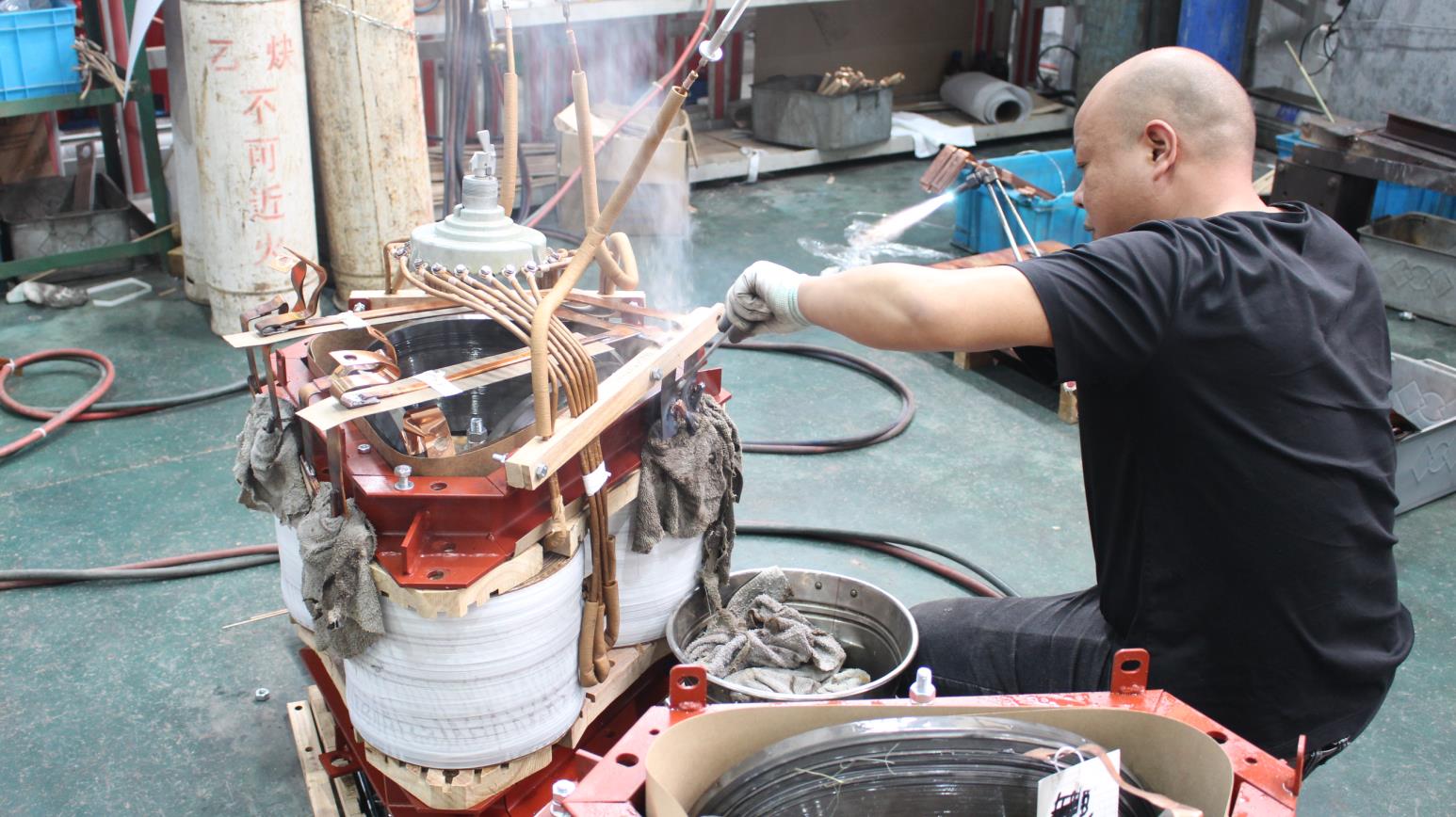
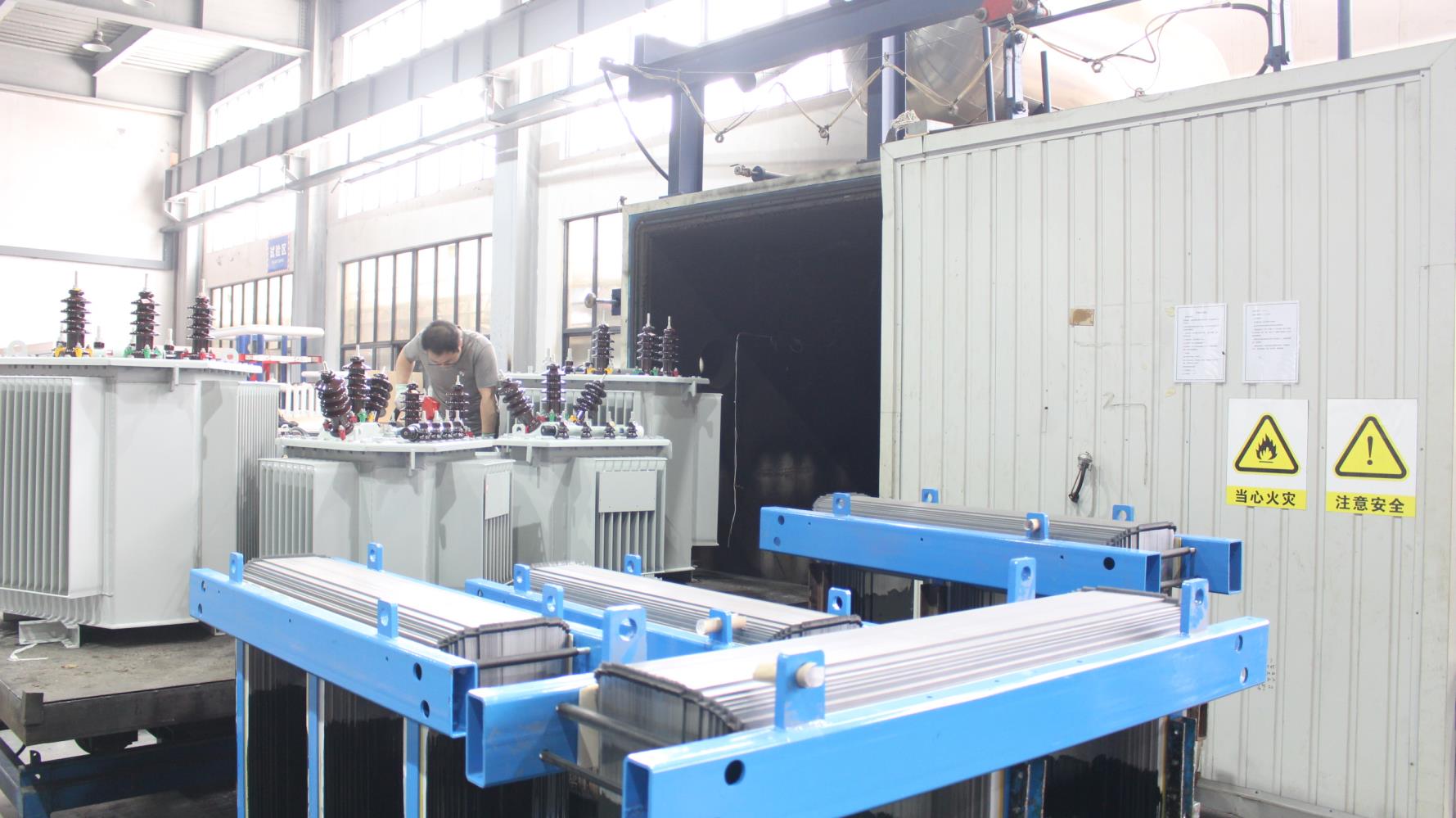
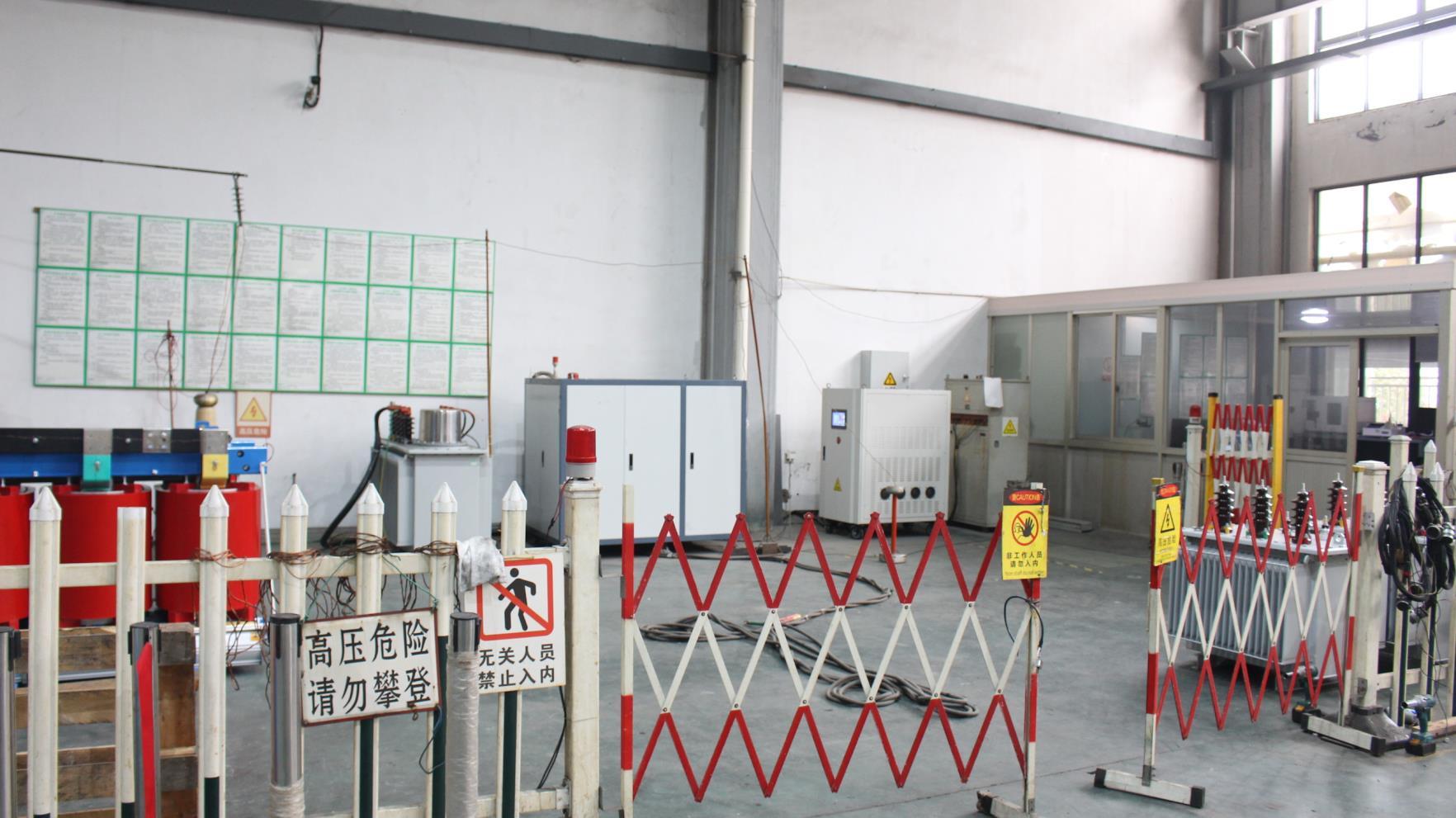
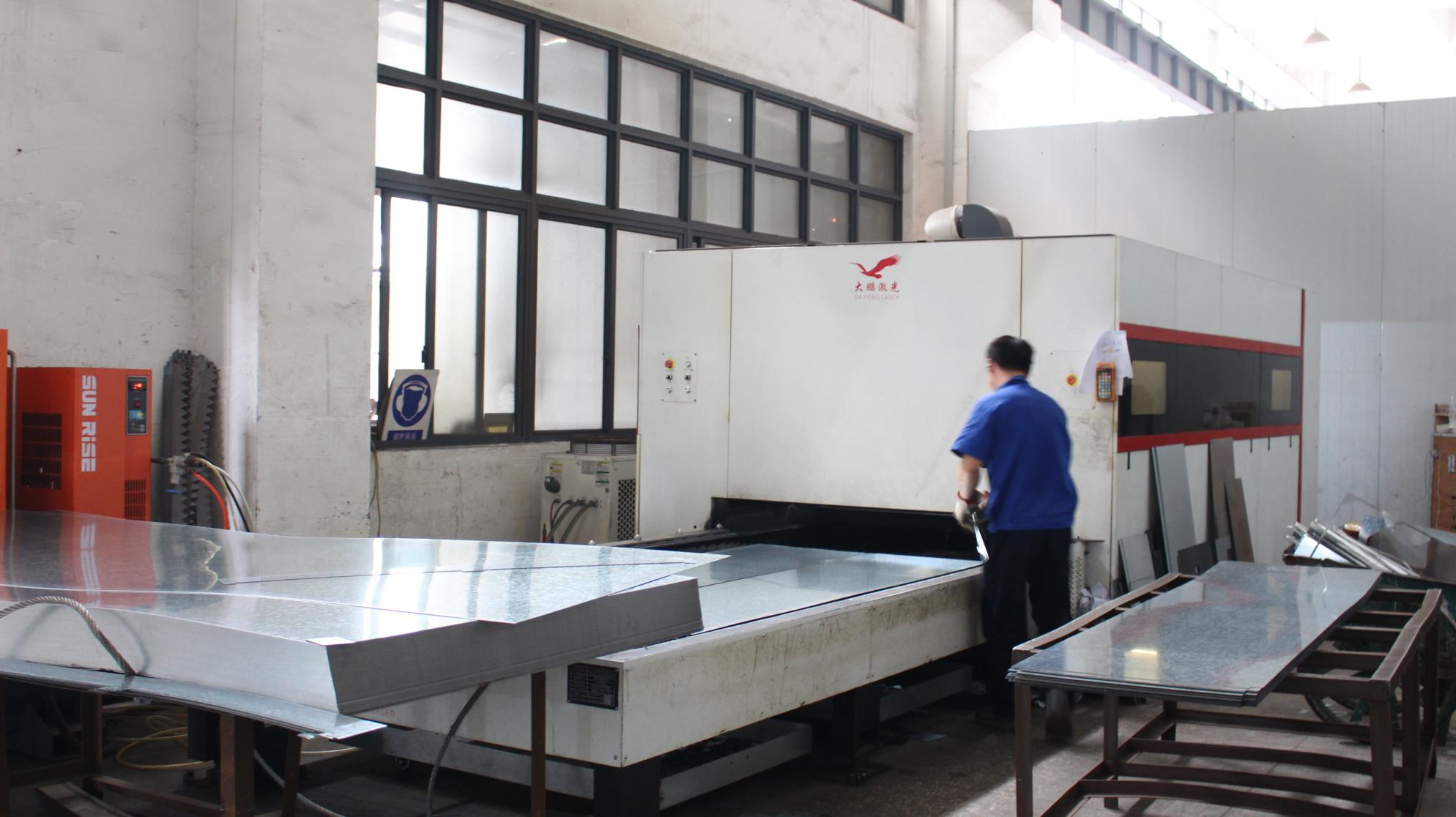
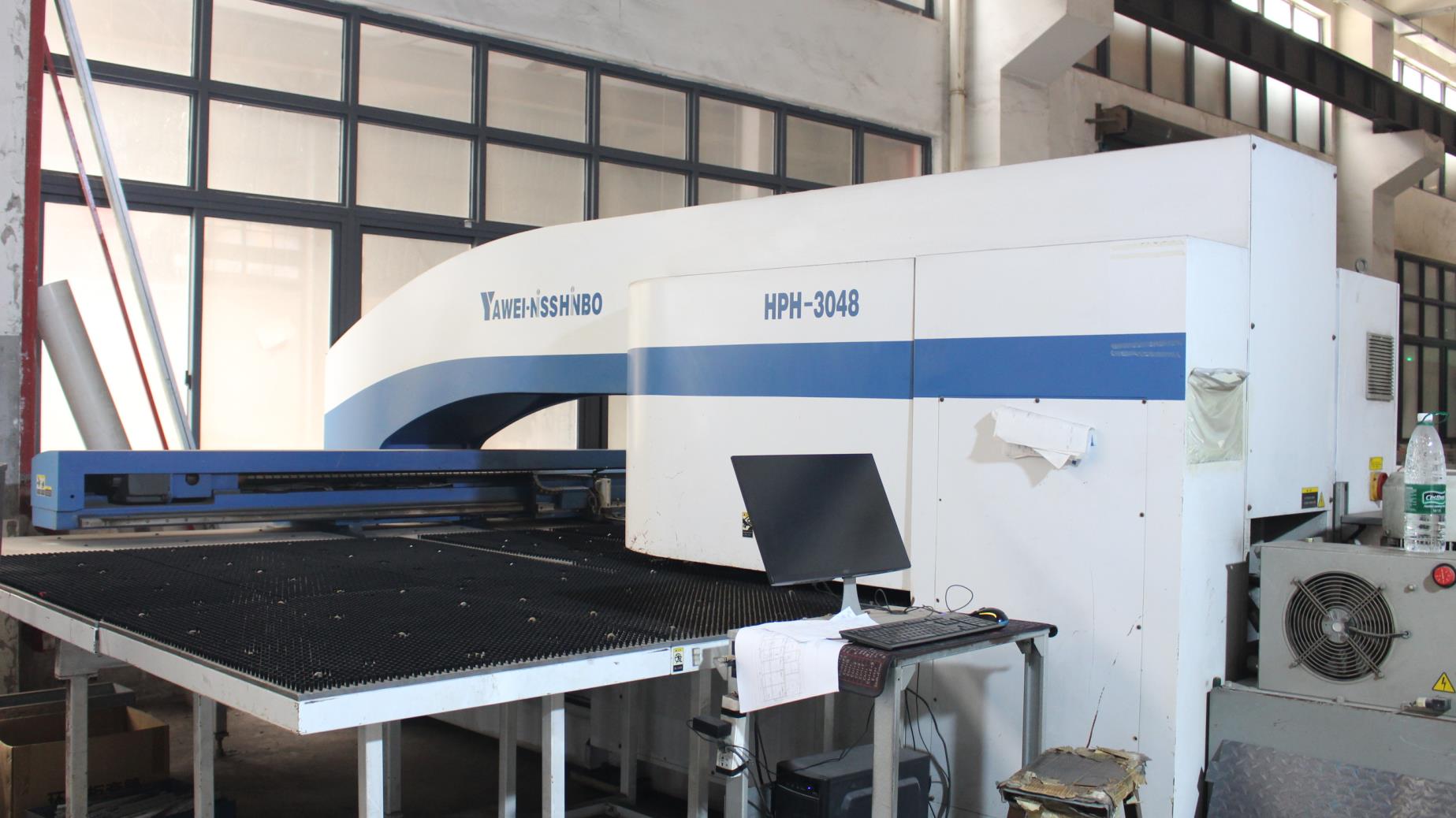
The application parameters of a wind power step-up substation vary depending on the local geographical landscape and electricity grid topology. Understanding these localized application scenarios helps design the right balance between cooling mechanisms, protective relays, and enclosure footprints.
Offshore wind projects and near-shore installations in Northern California are exposed to coastal marine environments. Moisture laden with salt particles forms a highly conductive electrolyte layer on insulation surfaces, increasing the risk of flashover and structural corrosion. Our specialized substations for coastal San Francisco applications utilize stainless steel enclosures (316L grade) painted with multi-layer epoxy powder coatings. Sealed oil-immersed compartments prevent ambient marine air from contacting internal dielectric components, prolonging the operational lifespan under harsh, salty conditions.
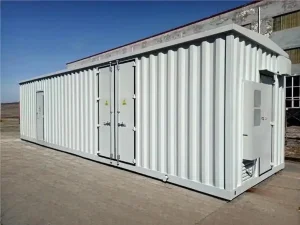
Inland wind farms face high ambient summer temperatures and dry, dusty conditions. Substations require optimized thermal heat dissipation capacities. Air filters on intake louvers must prevent dust blockages while maintaining airflow. For these environments, we supply outdoor containerized transformer designs that combine natural cooling with thermostatically controlled external forced air. Built-in smart monitoring alerts grid operators when dust buildup reduces cooling efficiency, enabling proactive maintenance.
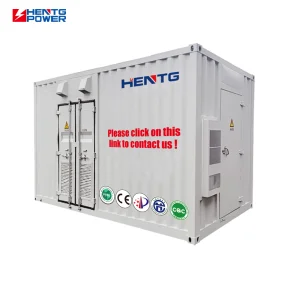
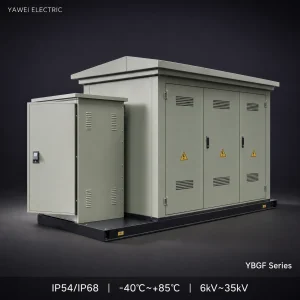
Urban microgrids in San Francisco require compact footprints and low noise levels. We design dry-type cast resin transformer step-up substations specifically for commercial zones, high-density campuses, and municipal infrastructure. Free of combustible dielectric liquids, these units can be installed directly inside or immediately adjacent to buildings. Their compact footprint enables seamless integration alongside energy storage facilities (BESS) and commercial solar arrays.
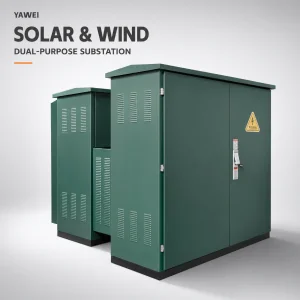
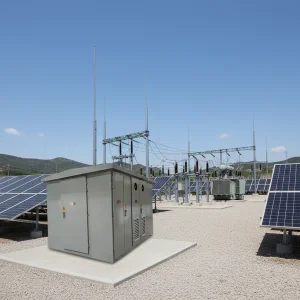
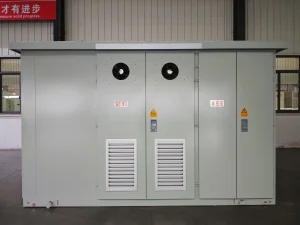
Explore our complete range of customized renewable energy step-up substations, featuring high-efficiency designs, weather-proof engineering, and smart grid support.
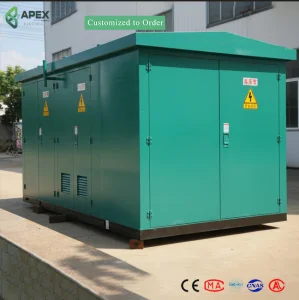
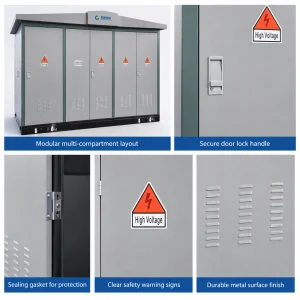
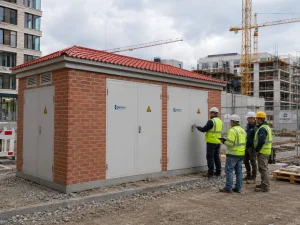
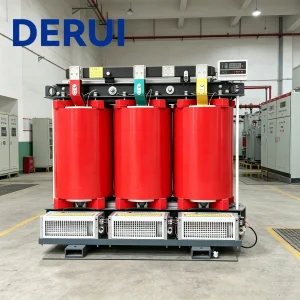
Grid integration in the Western Electricity Coordinating Council (WECC) territory requires alignment with localized technical codes. For San Francisco-based utilities and developers, compliance with the following standards is integrated directly into our step-up substation engineering pipeline:
Looking to the future, our engineering roadmap prioritizes replacing SF6 insulating gas with environmentally friendly alternative gases and expanding smart diagnostics. By integrating optical fiber temperature sensors directly into wind step-up transformer windings, operators can monitor real-time thermal conditions, enabling predictive load profiling and extending the lifespan of critical grid assets.
Technical answers regarding the application, compliance, and design of wind step-up substations in California.
 Zeno Electric