 Zeno Electric
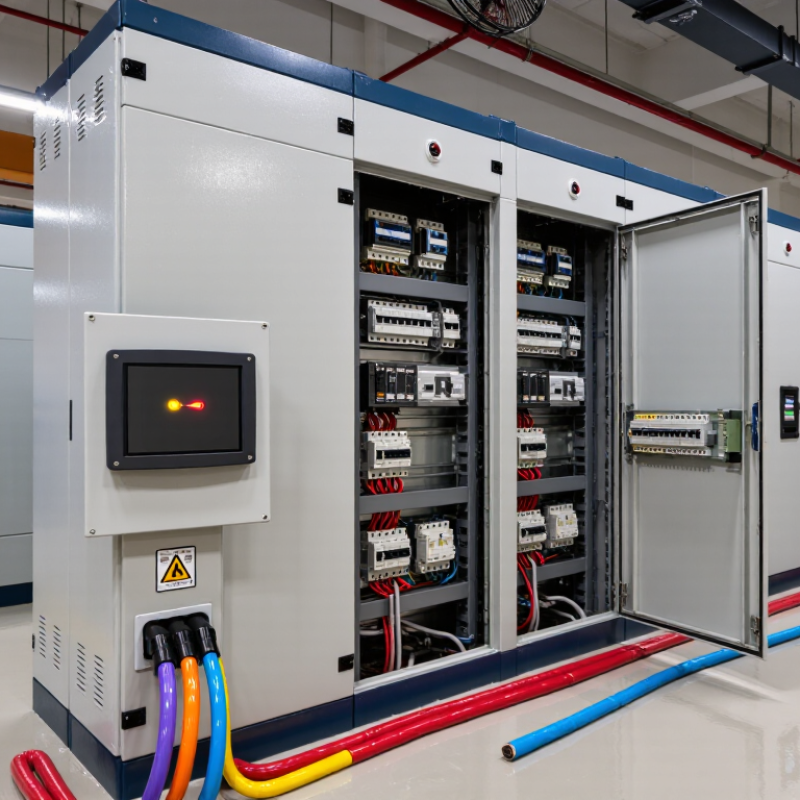
Why Is My High Voltage Switchgear Tripping?
High-voltage switchgear tripping means its protection system detected an unsafe electrical condition and opened the circuit. This action helps limit equipment damage, fire, and shock hazards. Common causes include short circuits, earth faults, excessive current, insulation failure, or incorrect protection settings. A trip is not always a switchgear defect. Sometimes, it reveals trouble in a cable, transformer, motor, or connected load.
The trip record provides valuable evidence. Qualified technicians should check relay indicators, fault codes, current levels, and event timestamps before resetting anything. They may inspect cable terminations for heat marks, moisture, loose connections, or cracked insulation. Dust can also support tracking across insulating surfaces. A clean enclosure does not prove a healthy system. That assumption often causes delays. In some cases, repeated tripping comes from a temporary fault, but repeated resets can worsen hidden damage. Testing may require insulation resistance checks, contact inspection, and protection coordination review by authorized high-voltage personnel.
Tips: Keep people away from the equipment after a trip. Do not open panels or reset the device without proper training and isolation procedures. Record the exact time, load condition, weather, unusual sounds, burning smells, and visible alarms. Share this information with a licensed electrical professional. A small detail can change the diagnosis.
