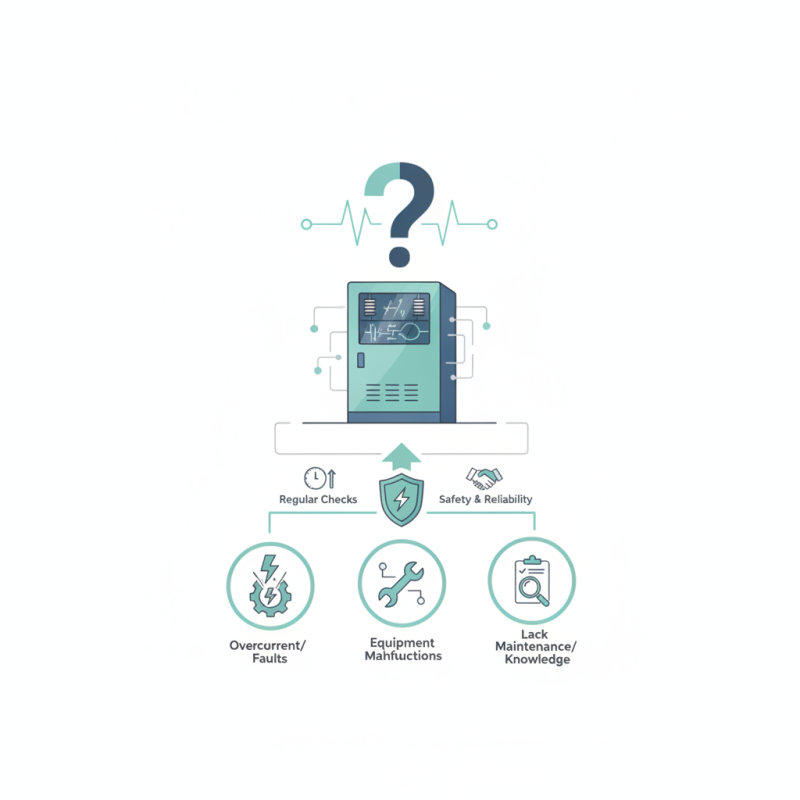
Understanding why your high voltage switchgear is tripping can be a complex issue. Experts in the field emphasize the importance of identifying the root causes. "Regular maintenance can prevent unexpected trip events," says John Smith, a renowned electrical engineer with over 20 years of experience. Knowing why is my high voltage switchgear tripping is crucial for ensuring safety and reliability in electrical systems.
High voltage switchgear trips can occur for various reasons. Overcurrent, ground faults, or equipment malfunctions are common culprits. It's essential to analyze each situation carefully. Electrical systems are sensitive; a minor fault can lead to significant disruptions. Often, users overlook signs of wear or potential failures. These issues may escalate if not addressed promptly.
In some cases, knowledge of the equipment is lacking. This often leads to confusion and frustration. Understanding why is my high voltage switchgear tripping requires thorough investigation. Observing patterns and doing regular checks can provide insights. Learning from past incidents helps mitigate future risks. Seeking expert advice can enhance your understanding and effectiveness in handling these challenges.
Understanding the Functionality of High Voltage Switchgear
High voltage switchgear plays a vital role in electrical systems, ensuring safety and reliability. It acts as the control point for electrical equipment, managing both power distribution and protection. When the switchgear trips, it indicates that something unusual is happening. Understanding these functionalities helps in diagnosing issues effectively.
Most high voltage switchgear includes circuit breakers, isolators, and fuses. Circuit breakers automatically interrupt electrical flow during faults, preventing damage. But what causes them to trip? Faults can stem from overloads, short circuits, or insulation failures. Regular maintenance and inspections can help identify potential issues before they become problematic.
It's essential to recognize the signs of malfunction. A sudden increase in temperature around the switchgear can indicate overload. If the switchgear trips frequently, it may suggest a deeper problem. Troubleshooting these signs can involve a critical look at the system's design and load management. Failing to address these issues can lead to more severe disruptions or even catastrophic failures in the system.
Common Causes of High Voltage Switchgear Tripping
High voltage switchgear is critical for electrical safety and efficiency. However, tripping occurs frequently due to several reasons. One significant cause is overcurrent, which can happen when equipment is overloaded. According to a recent report from the International Electrical & Electronic Engineers (IEEE), nearly 30% of switchgear failures are attributed to overload conditions.
Another common issue is insulation failure. Deterioration of insulation systems can lead to short circuits. The Electrical Safety Foundation International (ESFI) noted that almost 25% of electrical failures are due to insulation breakdown. Regular maintenance and monitoring of humidity levels are vital to combat this problem.
Additionally, environmental factors play a significant role. Dust, moisture, and extreme temperatures can impact switchgear performance. The Institute of Electrical and Electronics Engineers (IEEE) stated that external contaminants contribute to about 15% of all switchgear issues. Organizations must assess their equipment regularly to mitigate these risks. Understanding these causes is essential for improving the reliability of high voltage switchgear systems.
Identifying Electrical Issues Leading to Switchgear Trips
High voltage switchgear plays a crucial role in electrical distribution systems. Understanding why it trips can prevent unnecessary downtime. Common issues often stem from electrical faults. Overcurrents can lead to overheating. This results in thermal tripping. Ground faults are another concern. They occur when electricity escapes to the ground, posing serious hazards.
Improper maintenance can exacerbate these problems. Regular inspections are essential. Dust and moisture can accumulate and disrupt operations. Insulation degradation happens over time. It's vital to monitor insulation resistance regularly. Diagnostic tools can help identify weak spots before they cause issues.
Tripping can also be linked to external factors. Lightning strikes may induce surges. Environmental changes can impact equipment performance. This includes temperature fluctuations and humidity. Awareness of these factors is critical for facility managers. They should foster a culture of vigilance and regular training. Such practices enhance reliability and ensure safety in operations.
Understanding High Voltage Switchgear Trips
Preventive Measures to Reduce Switchgear Trip Incidents
High voltage switchgear tripping incidents can cause severe operational disruptions. According to a report by the Electric Power Research Institute, up to 30% of unplanned outages in substations are due to switchgear failures. This highlights the need for preventive measures to mitigate such issues. Regular maintenance, including thorough inspections and timely replacements, is crucial. Many facilities neglect this due to budget constraints, leading to unforeseen costs.
Another essential preventive measure is training personnel to recognize early warning signs. Data shows that human error contributes to 70% of electrical failures. By equipping staff with the knowledge to monitor systems closely, organizations can reduce unnecessary trips. Additionally, implementing predictive maintenance technologies can offer real-time insights, allowing for proactive interventions.
Regular testing of protective devices is equally vital. According to the International Electrotechnical Commission, about 20% of switchgear malfunctions stem from faulty relays. Routine testing can identify these failures early and significantly decrease tripping incidents. Yet, some companies skip this step, often due to a false sense of security. A balanced approach combining maintenance, training, and technology can create a more reliable high voltage environment.
10 Tips to Understand Why Your High Voltage Switchgear is Tripping? - Preventive Measures to Reduce Switchgear Trip Incidents
| Tip No. |
Tip Description |
Preventive Measure |
Potential Impact |
| 1 |
Check for Overloads |
Monitor load conditions regularly |
Reduces risk of equipment damage |
| 2 |
Inspect Circuit Breakers |
Perform routine manual checks |
Ensures reliability of protection system |
| 3 |
Test Protective Relays |
Conduct annual testing for accuracy |
Increases dependability in fault conditions |
| 4 |
Maintain Insulation Integrity |
Regular insulation resistance testing |
Prevents short circuits and grounding issues |
| 5 |
Ensure Proper Cooling |
Check the cooling system functionality |
Prevents overheating events |
| 6 |
Verify Wiring Connections |
Inspect terminals and connections |
Minimizes risk of electrical failures |
| 7 |
Update Software and Settings |
Regularly update control software |
Enhances operational efficiency |
| 8 |
Evaluate Fault Current Levels |
Analyze system fault tolerance |
Reduces risk of catastrophic failures |
| 9 |
Conduct Regular Training |
Provide ongoing staff training programs |
Improves response to switchgear issues |
| 10 |
Document Maintenance Activities |
Keep thorough records of all maintenance |
Enhances future maintenance planning |
Importance of Regular Maintenance for High Voltage Switchgear
High voltage switchgear is critical for electrical systems. Regular maintenance is essential to ensure its reliability. Neglect can lead to unexpected failures and unsafe conditions. Inspections should focus on connections, insulation, and operational performance. Scheduled checks help identify potential issues before they escalate.
Without regular maintenance, switchgear may exhibit problems like overheating or tripping. These issues can arise from dust accumulation or corrosion. Inadequate maintenance often leads to equipment failure. Technicians should monitor for harmful trends during inspections. Using advanced diagnostic tools can reveal hidden faults.
A consistent maintenance schedule promotes safe operation. It builds trust with employees relying on electrical systems. Organizations must prioritize these practices for long-term success. Failing to do so might mean facing significant downtime. The consequences of neglecting maintenance are often overlooked but should not be underestimated.
Conclusion
Understanding why is my high voltage switchgear tripping involves delving into its core functionalities and identifying prevalent causes of such trips. High voltage switchgear serves as a critical component in electrical systems, ensuring safe and efficient power distribution. Common triggers for tripping include electrical overloads, short circuits, equipment malfunctions, and environmental factors like heat or moisture.
To address these issues, it’s essential to regularly identify and rectify any underlying electrical problems that could lead to trips. Implementing preventive measures, such as proper load management and timely inspections, can significantly reduce incidents of switchgear tripping. Additionally, the importance of a regular maintenance schedule cannot be overstated, as it helps ensure the reliability and longevity of your high voltage switchgear, ultimately minimizing unexpected disruptions in power supply.

 Zeno Electric