The increasing reliance on solar energy raises concerns about system efficiency, especially during peak hours. Experts are asking, "why do solar substations overheat during peak hours?" Dr. Emily Chen, a leading power systems engineer, notes, "The design and management of solar substations directly impact their thermal performance."
Solar substations play a crucial role in converting solar energy into usable power. However, factors like high ambient temperatures and inadequate ventilation significantly contribute to overheating. During peak hours, substations face maximal load conditions, intensifying these issues. Heat accumulation leads to equipment stress, potentially causing failures that disrupt energy supply.
Understanding the complications that arise in solar substations is essential for improving their durability. Innovating solutions is vital. The industry must address these challenges to ensure the sustainability of solar energy systems. As Dr. Chen emphasizes, "Mitigating overheating is key to a reliable energy future." This ongoing dialogue is critical, but it also highlights areas needing attention and improvement.
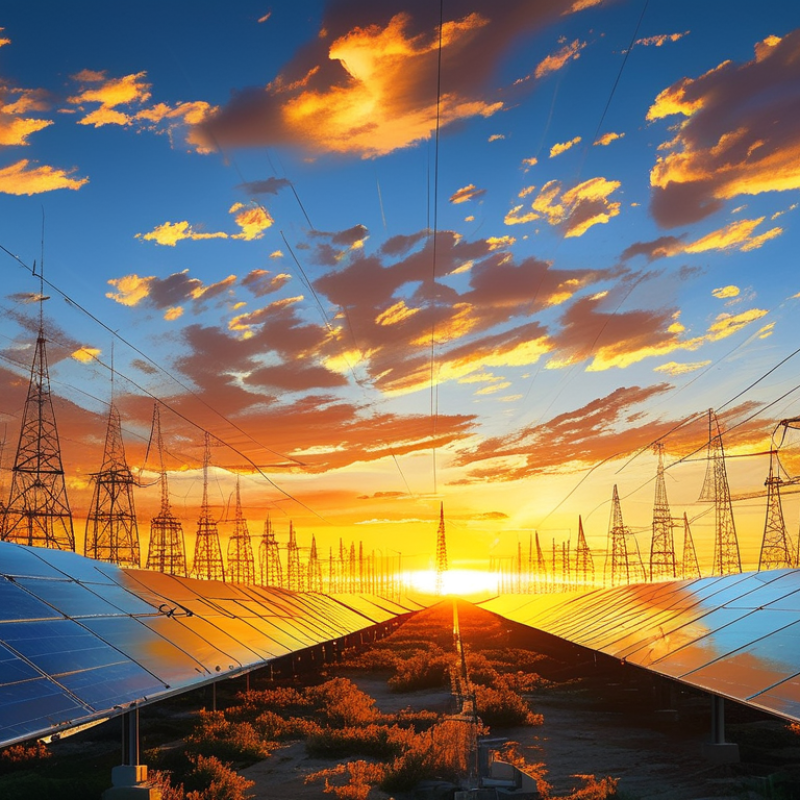
Solar substations play a critical role in converting and distributing energy from solar panels. However, during peak hours, they often overheat. This overheating can be attributed to several factors worth exploring. One major contributor is the increased current flow. When solar energy production peaks, the amount of current flowing through the substation rises significantly. This can lead to elevated temperatures in transformers and other electrical components. Cooling systems may struggle to maintain optimal temperatures under such high demands.
Another factor is the ambient temperature. During summer months, external temperatures rise. This increase can exacerbate the internal heat generated by the substation. Insufficient ventilation further compounds the issue. Many substations may not have adequate airflow, leading to heat build-up. A design flaw in older substations could result in these systems lacking the proper airflow mechanisms. Additionally, regular maintenance is often overlooked, which can lead to dust accumulation and decreased efficiency of cooling systems.
In some cases, the placement of the substation can also impact its performance. Substations located in direct sunlight or areas with poor shading can absorb more heat. A lack of landscape planning can make these facilities vulnerable to temperature spikes. Recognizing these challenges is crucial for improving solar substation resilience. Addressing these factors can help mitigate overheating issues.
Solar substations are critical in managing energy flow. During peak hours, they often experience overheating. This is notably influenced by high solar radiation, which raises equipment temperature, leading to inefficiencies. According to industry data, equipment can exceed optimal operating temperatures by 20%.
High solar radiation directly impacts cooling systems in substations. Components like inverters and transformers generate heat under intense solar exposure. Elevated temperatures can degrade insulation and performance. Studies show that prolonged exposure to high temperatures can reduce lifespan by up to 30%. It’s crucial to design systems that can mitigate these effects.
Yet, not all substations are equipped to handle peak demands. Some lack adequate ventilation or heat dissipation strategies. Effective thermal management is still a challenge in many installations. Regular audits of cooling systems are necessary to ensure reliability. Adjusting operations based on thermal performance data can help maintain optimal conditions.
| Tip Number | Factors Contributing to Overheating | Impact of High Solar Radiation | Mitigation Strategies |
|---|---|---|---|
| 1 | Inadequate cooling systems | Increases in ambient temperatures lead to equipment stress | Regular maintenance of HVAC systems |
| 2 | Poor airflow around equipment | Solar radiation heats surfaces, raising temperatures | Ensure proper spacing and ventilation |
| 3 | Overloaded equipment | High loads cause increased heat generation | Distribute load evenly across substations |
| 4 | Aging equipment | Older equipment has lower efficiency | Upgrade to newer technology |
| 5 | Environmental factors (dust, dirt) | Debris reduces heat dissipation | Regular cleaning protocols |
Solar substations are crucial in managing the energy produced by solar power systems. However, during peak hours, these facilities often experience overheating, leading to risks in efficiency and safety. One of the primary cooling mechanisms employed is natural ventilation, which relies on heat dissipation through airflow. While effective, its performance diminishes under extreme heat. A study published in the Journal of Solar Energy Engineering noted a 30% decrease in cooling efficiency when temperatures rise above 90°F.
To mitigate overheating, active cooling solutions, like air conditioning systems, are used. However, these systems consume significant energy, potentially negating some benefits of solar energy generation. According to the U.S. Department of Energy, up to 10% of a substation's output can be wasted on cooling. This raises concerns about sustainability in design methods, where integrating passive cooling solutions might yield better long-term results.
Regular maintenance is critical. Over time, dust and debris accumulate, obstructing airflow in cooling systems. Ensuring clean filters and unobstructed vents can significantly enhance cooling performance. Operators must continuously monitor thermal conditions for their substations. Despite advancements, the technology still has room for improvement, particularly in hybrid cooling strategies that blend active and passive solutions.
Solar substations face increasing risks of overheating during peak hours. A primary factor is the load demand. As temperatures rise, so does the energy consumption from residential and commercial users. More devices and air conditioning units are working, leading to excessive electricity flow through the system.
Energy transfer efficiency also plays a crucial role. If components in the substation are not optimized, energy losses occur. This inefficiency generates heat, contributing to potential overheating. Factors like improper cable sizing and lack of cooling measures can exacerbate this issue.
Monitoring the load demand and improving energy transfer can mitigate these overheating risks. Substation operators should regularly assess system performance. They need to ensure that equipment is rated for peak demand. This proactive approach can help prevent overheating and extend the life of electrical components.
This chart illustrates the temperature variations in solar substations throughout different times of the day. Observations show that peak hours, particularly around noon and the afternoon, experience significant temperature increases, indicating higher overheating risks associated with load demand and energy transfer dynamics. Effective management strategies are essential to mitigate these risks during peak hours.
Overheating in solar substations can lead to failures. During peak hours, these systems handle maximum energy input. This creates stress on components. Data from the National Renewable Energy Laboratory indicates that substation temperatures can rise by up to 15% during peak efficiency times.
Implementing cooling measures can reduce this risk. For instance, enhancing ventilation systems allows for better airflow. According to a study by the Electric Power Research Institute, adding reflective coatings to surfaces can decrease heat absorption. This simple change can cut the temperature in critical areas significantly.
Regular maintenance checks also play a crucial role. Identifying worn-out components early can prevent heat buildup. Equipment should be monitored for signs of overheating, such as discoloration or burnt smells. The necessity of immediate repair cannot be overstated. Even with advancements, solar substations require ongoing scrutiny to ensure they perform optimally. Simple adjustments can make a big difference in efficiency.
: Natural ventilation is a major mechanism, relying on airflow to dissipate heat. However, its efficiency decreases in extreme heat.
Research indicates a 30% drop in cooling efficiency when temperatures exceed 90°F, impacting overall performance.
Active cooling, like air conditioning, can consume significant energy, reducing the sustainability benefits of solar generation.
Dust and debris can block airflow. Keeping filters clean enhances performance and prevents overheating.
Increased energy consumption during peak hours causes excessive electricity flow, raising temperatures in the system.
Inefficient energy transfer can generate heat, increasing overheating risks. Proper optimization is crucial for system reliability.
Regular assessments of system performance and ensuring equipment meets peak demand can help prevent overheating issues.
These strategies combine active and passive cooling methods. There is potential for improvement in their design and efficiency.
Monitoring thermal conditions continually and adjusting cooling measures based on demand can enhance efficiency.
Yes, despite advancements, there is still potential to enhance hybrid cooling strategies and overall system design.
Solar substations play a crucial role in the efficient distribution of solar energy; however, understanding why do solar substations overheat during peak hours is essential for optimal performance. Several factors contribute to this overheating issue, including high solar radiation impacting equipment temperatures and the increased load demand during peak production times. The efficiency of existing cooling mechanisms can often fall short amidst the intense heat and high energy transfer requirements, exacerbating the risk of overheating.
To mitigate these risks, it is vital to implement preventative measures such as improving ventilation, optimizing energy transfer processes, and regularly maintaining cooling systems. By addressing these contributing factors and enhancing cooling strategies, solar substations can operate safely and efficiently, minimizing overheating incidents during peak hours.

Zeno Electric