Outdoor energy storage cabinets are essential for modern energy solutions. However, they are often exposed to harsh weather conditions. This exposure can lead to corrosion, compromising their efficiency and longevity. Understanding how to protect outdoor energy storage cabinets from corrosion is vital for maximizing their performance.
Corrosion can result from humidity, rain, and temperature fluctuations. These factors can lead to rust and deterioration of the cabinet materials. Regular maintenance is crucial in preventing these issues. Simple strategies can significantly extend the life of these cabinets. For instance, applying protective coatings can shield surfaces from moisture. Ventilation can also reduce humidity levels around the cabinets.
Investing time in protective measures is often overlooked. Many users may neglect these precautions, resulting in costly repairs. Proper care requires attention to detail and consistent monitoring. It's essential to create a scheduled maintenance plan to ensure ongoing protection from corrosion. By doing so, users can enhance the reliability and efficiency of their outdoor energy storage solutions.
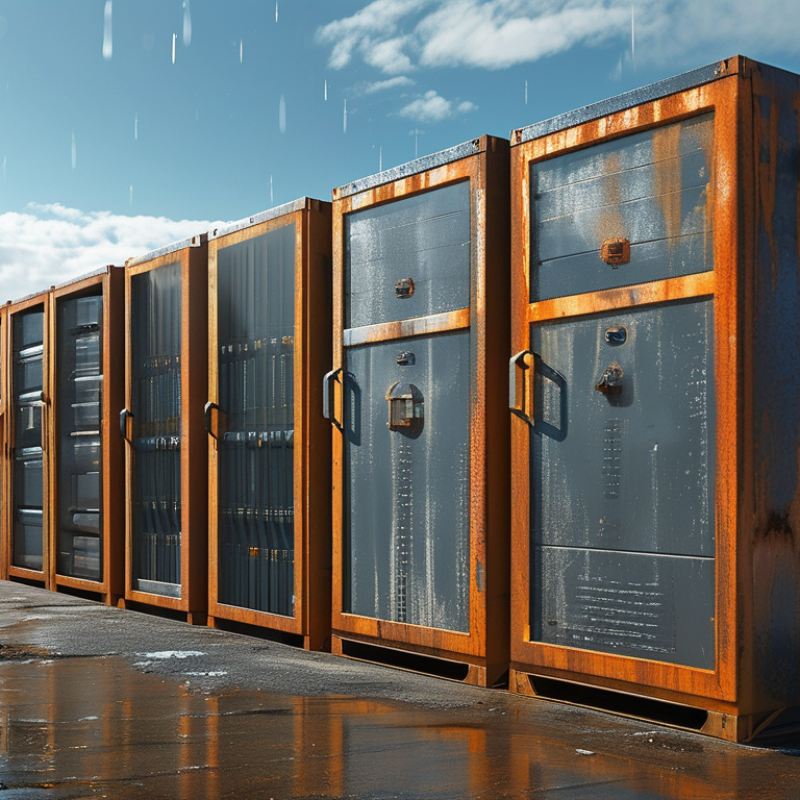
When selecting materials for outdoor energy storage cabinets, it's critical to consider corrosion resistance. Galvanized steel is a popular choice due to its protective zinc coating. This barrier helps prevent rust and extends the cabinet's lifespan. Another option is stainless steel, known for its outstanding corrosion resistance. However, it can be more expensive and may still tarnish over time if not properly maintained.
Plastic composites offer a lightweight alternative. These materials are naturally resistant to corrosion and do not require additional coatings. They can endure harsh weather, making them suitable for outdoor environments. However, some composites may degrade under UV exposure. Regular inspections are essential to identify any signs of wear.
Additionally, applying preventive coatings can enhance the durability of any material used. Powder coating is an effective way to add a protective layer. This method can provide a robust finish that withstands the elements. Yet, even with the best materials, proactive maintenance is needed to ensure the longevity of outdoor energy storage cabinets. Consider the local climate and specific conditions when making your material choice.
Outdoor energy storage cabinets face harsh conditions. Corrosion is a significant threat. Proper coatings and finishes play a crucial role in offering protection. They create a barrier against moisture, chemicals, and temperature extremes. Selecting the right type of coating is essential. Certain coatings offer better resistance to rust and wear than others.
Choosing a high-quality finish also enhances the cabinet's longevity. Manufacturers often recommend specific finishes based on the expected environmental conditions. However, following these guidelines can sometimes be challenging. For example, specific regions may experience unpredictable weather, impacting the coating's effectiveness. Regular inspection and maintenance can identify any deterioration before it becomes a serious issue.
It’s important to remember that not all coatings are perfect. Some may chip or peel over time, especially in extreme climates. Reflecting on past choices can help improve future decisions. Investing in education about coatings can lead to better protection strategies. Understanding these factors is key for anyone looking to safeguard their outdoor energy storage cabinets.
Corrosion is a significant concern for outdoor energy storage cabinets. Various environmental factors contribute to this issue. Moisture is often the primary culprit. High humidity levels can accelerate the oxidation of metals, leading to structural damage. A study by the National Association of Corrosion Engineers states that corrosion costs the industry over $276 billion annually in the United States alone. It reveals just how critical the challenge of protecting cabinets is.
Another critical factor is exposure to salt. Coastal environments, in particular, are prone to salt spray. This salty moisture fosters corrosive reactions, especially in unprotected metals. UV radiation from the sun can weaken protective coatings, making cabinets vulnerable. Research indicates that over time, these environmental stresses can reduce the lifespan of energy storage systems significantly.
**Tip:** Regularly inspect cabinets for signs of corrosion. Look for any flaking paint or rust spots. Early detection can save costs.
Choosing the right materials is also essential. Stainless steel may resist corrosion better than other metals, but it’s not immune. Applying anti-corrosive coatings can provide an additional defense layer. However, these coatings must be reapplied periodically as they degrade under environmental conditions.
**Tip:** Consider a protective shelter or enclosure. This addition can mitigate direct exposure to harsh weather elements.
Outdoor energy storage cabinets face corrosion risks. Routine maintenance can drastically prolong their lifespan. Regular inspections are crucial. Check for signs of rust, paint chipping, or metal fatigue. Addressing these issues early can prevent larger problems later.
Cleaning surfaces with a mild detergent helps remove dirt and grime. This simple step enhances the protective coatings. Additionally, consider applying a fresh coat of weather-resistant paint every few years. This practice can significantly improve durability. However, remember to choose the right type of paint. Not all paints offer the same level of corrosion resistance.
Sealing joints and openings is another effective method. Water can penetrate through tiny gaps, leading to accelerated corrosion. Inspect seals regularly and replace them if needed. Remember that even small issues can accumulate into significant concerns. Engage in discussions with professionals who have experience in maintenance practices. They can provide valuable insights tailored to your specific conditions.
| Maintenance Practice | Frequency | Benefits | Tools Required |
|---|---|---|---|
| Clean the cabinets | Monthly | Removes dirt and contaminants that cause corrosion | Mild detergents, soft cloths, and brushes |
| Inspect for rust | Bi-weekly | Early detection of corrosion allows for timely repairs | Inspection tools, flashlight |
| Apply protective coatings | Annually | Provides a barrier against moisture and contaminants | Protective paint or corrosion-resistant sprays |
| Check ventilation | Quarterly | Prevents moisture buildup inside cabinets | None |
| Ensure proper drainage | After heavy rain | Minimizes water collection that can lead to corrosion | Shovel, drainage tools |
Corrosion is a significant concern for outdoor energy storage cabinets. Innovative technologies play a crucial role in preventing this issue. One promising method is the use of specialized corrosion-resistant coatings. These coatings form a protective barrier, shielding the metal surfaces from harsh environmental factors. They are applied in layers, ensuring maximum protection and longevity.
Another exciting advancement is the incorporation of nanotechnology. Nanoparticles can enhance traditional materials, making them more resistant to corrosion. This technology works at a molecular level, creating stronger bonds and preventing the formation of rust. Systems designed with these materials show remarkable durability, even in aggressive outdoor environments.
In addition to these technologies, monitoring corrosion in real-time is becoming increasingly important. Sensors can track the condition of storage cabinets, providing valuable data. However, integrating these systems requires careful planning and may not always be foolproof. It is essential to regularly assess their effectiveness and make adjustments as needed. Such proactive measures can ensure energy storage systems remain safe and reliable over time.
: Coatings create a barrier against moisture, chemicals, and temperature extremes, preventing corrosion.
Regular inspections should check for rust, paint chipping, and signs of metal fatigue.
Cleaning surfaces with a mild detergent can remove dirt, enhancing the effectiveness of coatings.
Yes, applying weather-resistant paint every few years can improve durability significantly.
Some coatings may chip or peel, especially in extreme climates, requiring reflection on choices made.
Sealing joints and openings effectively prevents water penetration, reducing corrosion risks.
Nanotechnology enhances materials at a molecular level, creating stronger bonds that help resist corrosion.
Yes, sensors provide real-time data on cabinet conditions, but must be regularly assessed for effectiveness.
Addressing rust early can prevent larger problems, so tackle it promptly to ensure longevity.
Investing time to learn about coatings and their effectiveness can lead to improved protection strategies.
To effectively address how to protect outdoor energy storage cabinets from corrosion, it is essential to select the best materials that inherently resist corrosion. Using corrosion-resistant metals, such as stainless steel or aluminum, ensures that the cabinets can withstand environmental stresses. Additionally, applying proper coatings and finishes is crucial, as these protective layers enhance the cabinets' resistance against rust and deterioration.
Environmental factors such as humidity, salt exposure, and temperature fluctuations play significant roles in the corrosion process. Therefore, adopting routine maintenance practices, including regular inspections and cleaning, extends the life of energy storage cabinets. Furthermore, innovations in corrosion prevention technologies, such as advanced polymers and surface treatments, offer promising solutions for enhancing durability. By integrating these strategies, one can significantly safeguard outdoor energy storage cabinets against corrosion.

Zeno Electric