Prefabricated substations are gaining attention in the energy sector. They offer a compelling advantage over traditional concrete installations. Industry expert Dr. Emily Chen, a leading engineer in electrical infrastructure, states, "Prefabrication reduces onsite labor and time, essential for modern demands." This insight highlights a crucial benefit of prefabricated systems.
Why are prefabricated substations faster to install than concrete ones? The answer lies in their design and assembly processes. Prefabricated units are constructed off-site, minimizing the complexity of construction timelines. Once delivered, they can be quickly connected to existing systems, completing installations in days rather than months.
In terms of reliability, prefabricated technology has proven effective. It provides streamlined solutions with fewer variables to manage. However, challenges remain. Misalignments during site connections can cause delays. Therefore, careful planning is still necessary. Ultimately, prefabricated substations present a remarkable opportunity to enhance efficiency in the energy industry, answering the question of speed versus traditional methods.
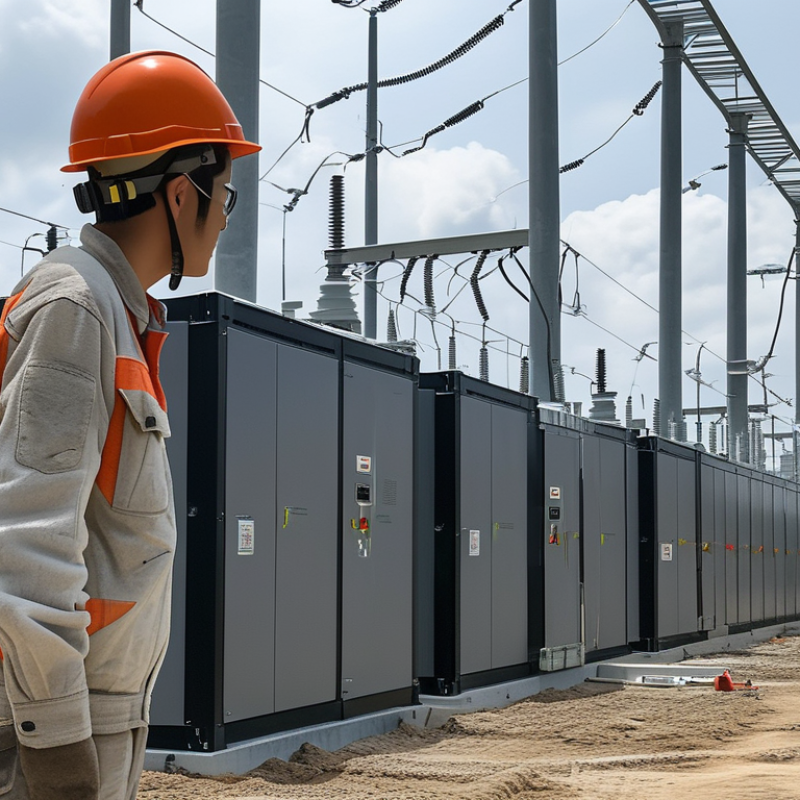
Prefabricated substations offer numerous advantages over traditional concrete options, especially in terms of installation speed. A report by the International Energy Agency states that prefabricated systems can reduce installation time by 30% compared to concrete. This decrease in time is primarily due to the modular design, which allows for off-site assembly. Components are manufactured in a controlled environment, ensuring quality and minimizing delays.
Moreover, these substations are lighter than concrete constructions. This characteristic simplifies transportation and installation, further expediting the process. According to industry studies, prefabricated substations can be ready for operation within weeks, compared to months for concrete alternatives. This efficiency translates to reduced labor costs and quicker deployment in critical situations.
Despite these benefits, challenges exist. Not all regions are equipped to handle prefabricated structures. Local regulations or lack of understanding can slow adoption. Additionally, while prefabricated solutions are typically more efficient, unforeseen site challenges can arise. Addressing these issues requires thorough planning and communication among all stakeholders. Adapting to prefabricated technology calls for a shift in mindset, balancing benefits with potential obstacles.
Prefabricated substations are changing the energy landscape. Their installation process is efficient and streamlined. The method often includes several key steps.
Initial site preparation is crucial. This might involve clearing land and ensuring access. The ground must be leveled. This process can take several days, depending on conditions. Once the site is ready, cranes transport the prefabricated unit to the location. This allows for quick setup, often within hours.
After placement, connection to power lines follows. Electricians integrate the substation. They focus on safety and efficiency. Studies show that these stations can reduce installation time by up to 30% compared to traditional concrete options. Despite benefits, challenges can arise. Weather effects can delay arrangements. Yet, overall, the advantages of prefabricated systems shine through in time-saving aspects.
The construction time for prefabricated substations often outpaces traditional concrete installations. According to a recent industry report, prefabricated substations can be assembled on-site in as little as 50% of the time required for concrete versions. This difference primarily stems from the modular nature of prefabricated units. They arrive at the site mostly pre-assembled, reducing on-site construction activities significantly.
Experts highlight that concrete installations might involve extensive groundwork. This includes extensive foundation work and time-consuming curing processes. Conversely, prefabricated substations require minimal site preparation. This typically involves only the placement of the unit, which can often be completed in a matter of days. An analysis by the International Electrotechnical Commission indicates that effective project management can further reduce delays, making prefabrication increasingly appealing.
Yet, it’s crucial to reflect on the potential challenges. While prefabrication offers speed, site conditions such as soil quality or accessibility can complicate the installation process. Industry surveys show that about 15% of projects face unexpected delays due to site issues. Therefore, while prefabricated substations promise efficiency, their success relies on thorough site assessments and planning.
Prefabricated substations offer a distinct advantage in energy projects, mainly due to their cost-effectiveness. Building these modules off-site reduces labor and material costs. Additionally, prefabricated options can shorten the construction timeline significantly. This can lead to quicker project completion and faster return on investment.
Cost-effectiveness is often reflected in labor savings. Traditional concrete installations require extensive groundwork and on-site labor, which can be unpredictable. Prefabricated substations, in contrast, allow for assembly with fewer workers in less time. This efficiency can lead to fewer delays. Energy companies often face strict deadlines; every day counts.
Tips: When considering prefabricated options, weigh the long-term costs. Analyze the maintenance and operational needs of your project. Also, be mindful of potential transportation challenges. While prefabricated structures are convenient, logistics can sometimes complicate their deployment. Understanding the full scope ensures you maximize the benefits.
The shift toward prefabricated substations reflects a growing emphasis on sustainability within the energy sector. Research indicates that prefabricated designs can cut construction time by up to 50%. This is crucial, as slower installations often lead to increased carbon emissions. By reducing the on-site construction duration, we also minimize the environmental footprint associated with heavy machinery and extended work hours.
The environmental benefits extend beyond mere installation times. Prefabricated substations utilize modular components that reduce waste. Industry reports indicate that traditional concrete constructions can generate as much as 40% more waste. By contrast, prefabrication encourages more efficient resource use, allowing for recycled materials in production. This approach aligns with global sustainability goals, emphasizing reduced material consumption and the minimization of ecological disturbances during installation.
However, it is essential to address potential drawbacks. While prefabricated options often excel in efficiency, they can present challenges when it comes to customization. As environments and requirements differ, off-the-shelf solutions may not always fit unique project needs effectively. Future studies need to explore the long-term durability of these materials compared to traditional options. Balancing rapid deployment with structural integrity remains a key consideration in advancing sustainable practices.
: The main advantage is reduced construction time, often completing in about 50% less time.
They arrive mostly pre-assembled, needing only placement, which can be completed in days.
Site conditions like soil quality and accessibility can complicate the installation process.
By reducing labor and material costs due to off-site building and shorter construction timelines.
Shorter installations lead to minimized carbon emissions and reduced use of heavy machinery.
Yes, off-the-shelf solutions may not fit specific project requirements effectively.
It encourages efficient resource use, generating less waste compared to traditional concrete constructions.
Yes, transportation challenges can complicate deployment despite their convenience.
Maintenance and operational needs, along with potential transportation challenges, should be evaluated.
Yes, future studies need to investigate long-term durability versus conventional materials.
Prefabricated substations offer numerous advantages over traditional concrete options, primarily in their installation efficiency. The step-by-step installation process of prefabricated substations is streamlined, allowing for quicker assembly on-site compared to the lengthy curing and setup times associated with concrete structures. This aspect directly answers the question of why are prefabricated substations faster to install than concrete ones, as they can be manufactured off-site and delivered ready for connection.
Moreover, prefabricated substations not only reduce construction time but also present cost-effectiveness in energy projects and promote sustainable practices with a lower environmental impact. Their modular design minimizes waste and allows for easier upgrades and relocations, making them an attractive option for modern energy infrastructure. Overall, prefabricated substations represent a forward-thinking solution that enhances efficiency and sustainability in the energy sector.

Zeno Electric