When considering solar energy systems, understanding what maintenance does a PV combiner box need is crucial. A PV combiner box plays a vital role in solar installations by connecting multiple solar strings and protecting the system. Without proper maintenance, issues can arise that affect performance and safety.
Regular inspections are essential. Technicians should check for loose connections and signs of corrosion. Keeping the box clean helps prevent dirt buildup that can interfere with electrical connections. Moreover, environmental factors, such as moisture and extreme temperatures, can impact the box's condition. Operators must be aware of these factors throughout the year.
While many know the importance of maintenance, it's easy to overlook minor details. A small issue can escalate, leading to significant failures. Addressing common problems, like a blown fuse or damaged wiring, can prevent costly repairs. Understanding these maintenance needs helps ensure longevity and efficiency in solar energy systems.
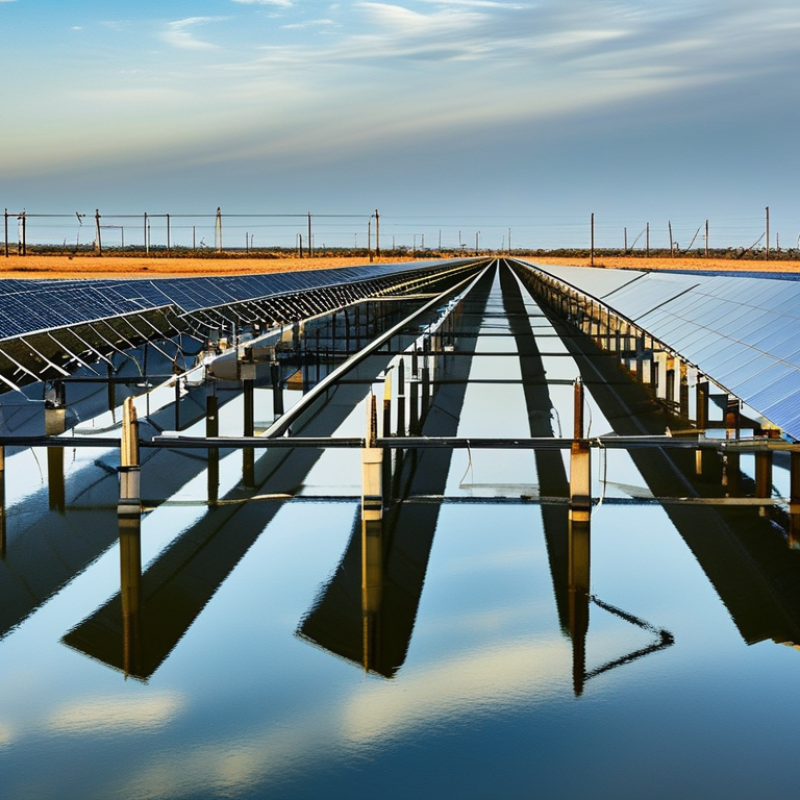
A PV combiner box plays a crucial role in solar energy systems. It is designed to consolidate multiple photovoltaic (PV) strings into a single output. This device enhances efficiency and simplifies wiring, making maintenance more manageable. The box contains fuses that protect against overcurrent events, ensuring the integrity of the entire system.
However, understanding its operation is vital. Many users overlook the importance of regular inspections. Dust, moisture, or corrosion can compromise performance. Inadequate maintenance may lead to system failures. Users should periodically check connections, especially during seasonal changes. A more proactive approach to maintenance can prevent costly repairs and downtime.
Safety is paramount when working around a PV combiner box. Always disconnect power before performing any maintenance. Familiarity with the layout and components will reduce risks. Unexpected challenges may arise, and being prepared can make a difference. Engaging with professionals for periodic evaluations is often beneficial. Making the effort to stay informed helps ensure the longevity of the solar energy system.
Routine inspections and visual checks are crucial for maintaining a photovoltaic (PV) combiner box. Studies indicate that about 70% of solar PV system failures stem from poor maintenance practices. Regular inspections help in identifying potential issues early. Checking for signs of corrosion and loose connections can prevent costly repairs. Even minor issues can lead to significant energy losses.
Visual checks should include examining the box for any physical damage. Look for cracks or signs of wear. Dust accumulation on components can also affect performance. The National Renewable Energy Laboratory (NREL) suggests that visual inspections should occur at least every six months. This frequency allows for timely interventions. Furthermore, around 30% of maintenance costs can be attributed to unforeseen failures, which can be mitigated with routine checks.
While inspections are vital, many operators do not follow recommended schedules. Factors such as access issues or lack of trained personnel may hinder thorough examinations. Regular training on best practices can significantly enhance the maintenance process. Establishing a checklist for inspections can also improve accountability. Ultimately, a proactive approach to maintenance is the best way to ensure the longevity of a PV combiner box.
| Maintenance Task | Frequency | Description | Notes |
|---|---|---|---|
| Visual Inspection | Monthly | Check for physical damage and signs of wear. | Pay attention to connectors and enclosures. |
| Torque Check | Quarterly | Ensure all connections are secure and properly torqued. | Refer to specifications for torque values. |
| Cleanliness Check | Semi-Annually | Remove dust, dirt, and debris from the combiner box. | Use appropriate cleaning methods for electrical components. |
| Electrical Testing | Annually | Verify the voltage and current output of the combiner box. | Use a multimeter for accurate readings. |
| Component Replacement | As Needed | Replace fuses and any damaged components. | Always use compatible replacements. |
Cleaning and maintaining electrical connections in a PV combiner box is crucial for optimal performance. Regular inspections should occur at least twice a year. A study by the National Renewable Energy Laboratory (NREL) indicates that poor connections can reduce system efficiency by up to 20%. Corrosion and dirt buildup often impede electricity flow. Even a small amount of oxidation can disrupt power transmission significantly.
To ensure reliable operation, all electrical connections should be checked for tightness and signs of wear. Use a torque wrench to verify connections meet manufacturer specifications. Additionally, applying a protective coating can reduce oxidation risk. In environments with high humidity or salt spray, stricter maintenance might be necessary. Moreover, cleaning methods can vary. Use appropriate solvents and non-abrasive materials to avoid damaging components.
While many focus on solar panel cleanliness, neglecting the combiner box is risky. It houses critical connections that play a vital role in system efficiency. Regular maintenance can prevent unexpected operational issues. Monitoring the environment around the box is essential, too. Conditions can change, leading to unanticipated expenses. Keeping a structured maintenance schedule can ultimately safeguard investments in solar technology.
When it comes to maximizing the performance of a PV combiner box, testing and monitoring are crucial. Regularly checking the connections can help prevent overheating and failures. Regular inspections should be part of your maintenance routine. Look for signs of wear, corrosion, or loose connections. These small details can make a big difference in how effectively the system operates.
Monitoring can involve the use of specialized tools. Current and voltage readings should be taken periodically. This will give insights into the overall health of the solar array. Software solutions can assist in tracking performance over time, but manual checks are also essential. A human touch often catches issues that machines may overlook.
While automation in monitoring is helpful, it’s not infallible. Relying solely on digital systems can lead to gaps in data. Periodic hands-on inspections should not be neglected. A balanced approach combines both automatic and manual methods, ensuring a comprehensive understanding of the system's condition. Engaging with the health of your PV combiner box fosters a proactive rather than reactive maintenance strategy.
When considering upgrades for a PV combiner box, timing is crucial. Regular inspections can identify issues. According to the National Renewable Energy Laboratory, improper maintenance can reduce system efficiency by 20%. Therefore, regular checks are essential.
If components show wear, replacement should be considered. Sunlight exposure can weaken materials over time. An estimated 15% of systems experience wiring degradation after five years. Upgrading to newer technology can improve efficiency and performance.
Financial benefits also play a role. A study by the Solar Energy Industries Association indicates that upgraded systems can yield a 25% return on investment within the first three years. Assessing and upgrading systems not only enhances performance but also extends their lifespan. Risking outdated technology may lead to higher energy costs. Careful consideration ensures long-term viability.
: Routine inspections help identify potential issues early. They can prevent costly repairs and energy losses.
Visual checks should occur at least every six months for effective maintenance.
Inspect for physical damage, corrosion, loose connections, and dust accumulation on components.
Poor connections can reduce system efficiency by up to 20%, impacting overall performance.
Check for tightness and wear. Use a torque wrench and apply protective coatings as needed.
Consider replacement if components show wear or if exposure to sunlight has weakened materials.
Upgraded systems can yield a 25% return on investment within the first three years.
Access issues and a lack of trained personnel can hinder thorough examinations.
Regular training on best practices improves maintenance processes and accountability during inspections.
Neglecting maintenance can lead to unexpected operational issues and higher long-term energy costs.
A PV combiner box plays a crucial role in solar power systems by combining multiple strings of solar panels into a single output, enhancing efficiency and safety. To ensure optimal performance, it is essential to understand what maintenance does a PV combiner box need. Regular inspections and visual checks should be performed to identify any physical damage or wear and tear. It’s also vital to clean and maintain electrical connections to prevent corrosion and ensure reliable electrical flow.
In addition to routine checks, testing and monitoring the system's performance can help detect issues early, allowing for timely interventions. Depending on the condition and technological advancements, regular evaluation of the need for replacement or upgrades is also beneficial. By following these maintenance practices, the longevity and efficiency of a PV combiner box can be effectively maintained, ensuring a reliable solar energy system.

Zeno Electric