Voltage drop is a critical issue in photovoltaic substations, affecting efficiency and performance. According to the National Renewable Energy Laboratory (NREL), losses from voltage drops can exceed 10% of generated energy. Understanding what causes voltage drops in photovoltaic substations is essential for optimization.
Dr. Emily Zhang, a leading expert in solar energy systems, states, “Identifying and mitigating voltage drop factors is crucial for maintaining system efficiency.” Several factors cause these drops, including cabling length, connector quality, and load variability. Each component contributes to potential efficiency losses that need identification and troubleshooting.
Inadequate inspections often overlook these details. Regular monitoring of connections can significantly enhance overall performance. Industry best practices suggest implementing advanced diagnostic tools to pinpoint problems early. However, the complexity of substation designs can mask voltage drop issues. As systems grow in scale and sophistication, ongoing evaluation becomes vital for ensuring reliability.
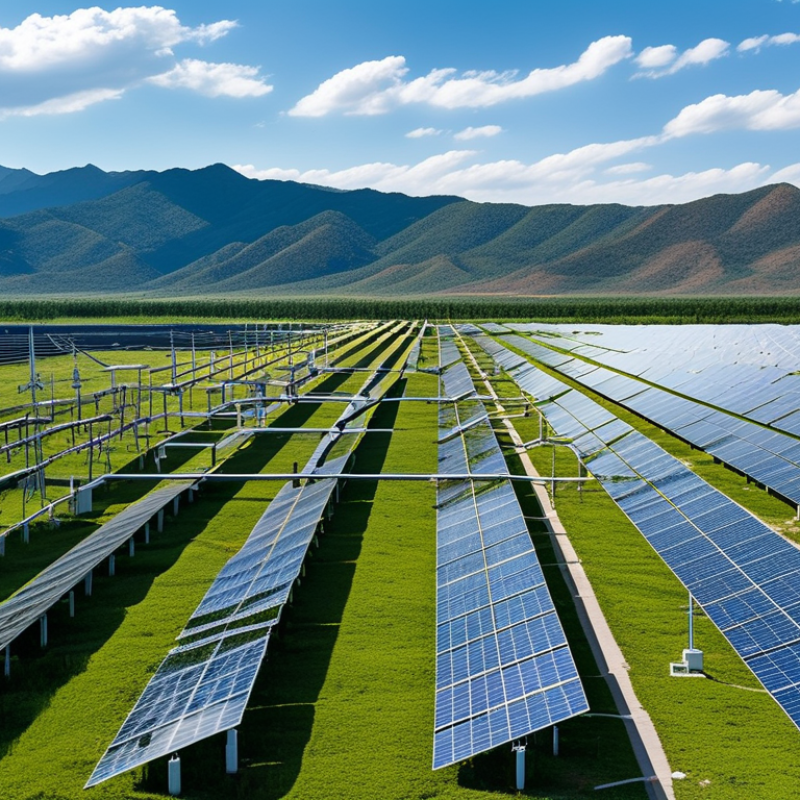
Understanding Voltage Drops in Photovoltaic Systems
Understanding voltage drops in photovoltaic systems is crucial for maintaining efficiency.
Voltage drops can occur due to various factors, such as long cables or poor connections. These drops can significantly impact the overall performance of the system.
Identifying the causes is essential for effective troubleshooting and enhancing energy output.
To prevent voltage drops, ensure your wiring is the correct gauge for the distance it covers.
Using thicker cables reduces resistance and mitigates voltage loss, especially in larger setups.
Inspect all connections regularly. Loose or corroded connections can introduce resistance and lead to significant drops.
It is beneficial to utilize monitoring tools to track voltage levels.
These tools provide real-time data and alerts for any irregularities.
Regular maintenance practices are necessary, but they often get overlooked.
Develop a routine inspection system to evaluate all components.
This proactive approach will help catch issues early, ensuring system reliability and performance.
Factors Contributing to Voltage Drops in Substations
In photovoltaic substations, voltage drops can significantly impact efficiency and power output. Several factors contribute to these drops. One primary cause is the distance between the solar panels and the inverters. The longer the distance, the higher the resistance in the wiring. This leads to energy loss, impacting system performance.
Temperature fluctuations also play a vital role. High temperatures can increase resistance in cables, causing further voltage drops. A recent study indicated that operating at elevated temperatures can reduce power output by up to 10%. The quality of equipment, including connectors and cables, is crucial too. Poor-quality materials can increase resistance and lead to more drops.
Tip: Regularly inspect your connections and cables for any signs of wear or damage. This can help mitigate voltage drops.
Additionally, environmental factors such as shading from trees or buildings can reduce output and exacerbate voltage issues. The electrical load impacts voltage stability. Analyzing real-time data can help identify when and where drops occur.
Tip: Implementing smart monitoring solutions can provide valuable insights into voltage levels in real-time. This allows for proactive measures before issues escalate. Identifying all these factors helps create a more robust photovoltaic system.
Methods for Measuring Voltage Drops in Photovoltaic Substations
In photovoltaic substations, measuring voltage drops is crucial for system performance. Accurate voltage measurements help in identifying issues related to energy losses. Technicians often use tools like multimeters and data loggers to capture real-time voltage readings. These devices are essential for pinpointing where voltage drops occur, ensuring operational reliability.
While measuring, it’s important to consider the environmental factors. Temperature fluctuations and humidity can affect readings. Sometimes, temporary connections might lead to inaccurate results. Regular maintenance can mitigate these errors, but human oversight can still lead to misleading data. Thus, understanding the context of measurements is essential.
Implementing advanced technologies, such as smart sensors, can improve accuracy. These sensors provide continuous monitoring and can send alerts when drops exceed thresholds. However, integrating new technology requires training. Additionally, false positives can lead to unnecessary maintenance efforts. Continuous reflection on measurement practices ensures that data remains reliable and meaningful for effective management.
Causes of Voltage Drops in Photovoltaic Substations
Analyzing Equipment and Wiring Configurations for Efficiency
In photovoltaic substations, voltage drops can significantly impact overall efficiency. Understanding equipment and wiring configurations is critical. Focus on the distance between solar panels and inverters. Longer distances often lead to more voltage drops. Evaluate the thickness of wiring as well. Thinner wires can increase resistance, further contributing to losses.
Connections between equipment also matter. Poorly made or corroded connections can create additional resistance. Inspect all terminals to ensure they are secure and clean. Regular maintenance is essential to catch these issues before they escalate. Keep an eye on junction boxes as well. They can be points of failure if not regularly monitored.
Consider the inverter specifications, too. Some models may not handle voltage drops efficiently. It's crucial to choose inverters that suit your specific configurations. For larger setups, utilize multiple inverters to minimize potential voltage loss. Reviewing the entire system holistically can help identify latent issues and improve performance. Regular assessments will help maintain efficiency over time.
Implementing Solutions to Mitigate Voltage Drops in PV Systems
Voltage drops in photovoltaic (PV) systems can significantly impact efficiency and energy output. Identifying the root causes is essential for developing effective solutions. Factors such as cable length, gauge, and connections often contribute to voltage drops. Poorly designed layouts, especially in large installations, may result in voltage loss. Regular inspections and monitoring are crucial.
To mitigate voltage drops, it's essential to implement appropriate design strategies. Choosing the right cable size can reduce resistive losses. Minimizing distances between the solar panels and inverters is key. Also, ensure all connections are secure and corrosion-free. Regular maintenance checks enhance system reliability. However, many systems overlook these practices. Operators should proactively assess their infrastructure.
Another focus area is the inverter performance. An underperforming inverter can also cause voltage drops. This might be due to outdated technology or improper settings. Upgrading equipment may be necessary. Additionally, system operators should stay informed about evolving technologies. Embracing innovative solutions can enhance overall efficiency. Continuous education and adaptation are vital for improving PV system performance.
FAQS
: Voltage drops can result from long cables, poor connections, or inadequate equipment specifications.
Use the correct gauge wiring. Thicker cables can reduce resistance and minimize voltage loss.
Regular inspection catches loose or corroded connections that can lead to significant voltage drops.
Monitoring tools track voltage levels and alert you to irregularities, ensuring timely actions can be taken.
Longer distances between solar panels and inverters often lead to higher voltage drops.
Poorly made or corroded connections increase resistance, so secure and clean terminals are essential.
Ensure your inverter specifications match your system's needs to handle voltage drops effectively.
Many operators neglect regular checks, which can lead to unnoticed issues that affect performance.
Outdated inverters may not perform well, leading to potential voltage drops and energy losses.
Continuous education on evolving technologies and innovations can help enhance your system’s efficiency.
Conclusion
This article explores what causes voltage drops in photovoltaic substations, which can significantly impact the overall efficiency of solar energy systems. It begins with a comprehensive understanding of voltage drops in photovoltaic systems and identifies key factors such as resistance in wiring, load variations, and equipment design that contribute to these drops. The article emphasizes the importance of accurately measuring voltage drops using appropriate methods and tools, as these measurements are critical for identifying inefficiencies.
Furthermore, the analysis of equipment and wiring configurations is crucial in optimizing performance within substations. By implementing targeted solutions—such as upgrading wiring, enhancing connectivity, and improving system design—stakeholders can mitigate voltage drops effectively. Ultimately, this proactive approach ensures that photovoltaic systems operate at peak efficiency, maximizing energy production and reliability.

 Zeno Electric