The transition from air insulated switchgear (AIS) to gas insulated switchgear (GIS) marks a significant advancement in electrical infrastructure. Increasing urbanization and demand for space-efficient solutions drive this shift. GIS systems occupy up to 90% less space than their AIS counterparts, as reported by the International Electrotechnical Commission (IEC). This is crucial in densely populated areas where land is limited.
Why is gas insulated switchgear preferred over air insulated? GIS offers enhanced reliability and lower maintenance costs. A study by the Electric Power Research Institute (EPRI) highlights that failure rates for GIS are lower, contributing to improved uptime in critical applications. Moreover, GIS can operate effectively in severe environmental conditions. It also avoids the issues of pollution and wildlife interference commonly associated with AIS, highlighting its suitability for various settings.
Despite these advantages, GIS technology does have drawbacks. Initial costs can be higher, and the technology can be complex. Therefore, understanding when to implement GIS requires careful consideration of operational needs and long-term benefits. As the industry evolves, further insights will shape best practices in switchgear application.
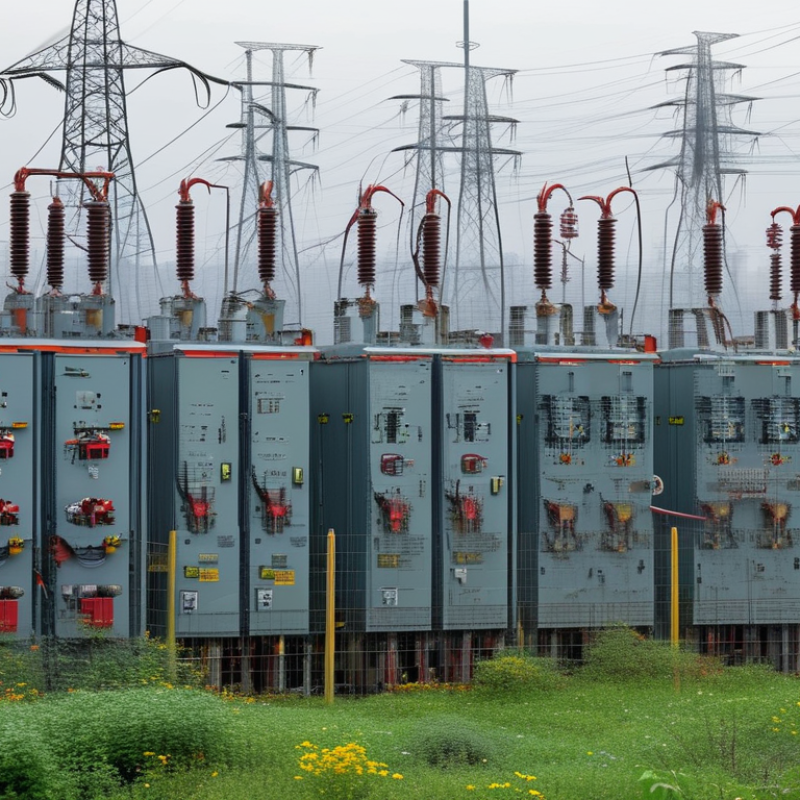
Advantages of Gas Insulated Switchgear Over Air Insulated Switchgear
Gas Insulated Switchgear (GIS) offers several advantages over traditional Air Insulated Switchgear (AIS). One notable benefit is space efficiency. GIS units require significantly less space. This feature is particularly valuable in urban areas where land is scarce. A compact design allows for more flexible electrical layouts, optimizing usage of available land.
Another key advantage is lower maintenance requirements. GIS technology is insulated with gas, which is less prone to degradation than air. This reduces the frequency of necessary maintenance checks. As a result, the long-term operational costs can decrease. Additionally, GIS components often have a longer lifespan, providing better returns on investment.
However, some challenges exist. The initial costs for GIS can be higher than AIS. This can deter certain projects or companies from choosing GIS. Yet, the benefits of durability, reduced space, and lower maintenance often justify this investment. Organizations need to weigh these factors carefully when deciding on the best option for their electrical systems.
Key Applications of Gas Insulated Switchgear in Modern Utilities
Gas Insulated Switchgear (GIS)
has become increasingly relevant in modern utilities. Its compact design allows for installation in space-constrained environments. This is particularly beneficial in urban areas where real estate is expensive. GIS systems excel in aesthetic integration, maintaining urban landscapes while ensuring reliability.
One key application is in renewable energy integration. With the rise of solar and wind, GIS plays a crucial role. It efficiently manages the high voltage generated by these sources. Furthermore, GIS is ideal for smart grid implementations. It supports advanced monitoring and control systems, enhancing operational efficiency.
Despite its advantages, GIS systems have a higher initial cost. Utilities must evaluate budget constraints against long-term benefits. This decision can be challenging. Additionally, the technical expertise required for maintenance may not be readily available everywhere. As the industry evolves, knowledge transfer will be essential. Investing in training can mitigate this risk.
Environmental and Safety Benefits of Gas Insulated Switchgear
Gas Insulated Switchgear (GIS) has emerged as a superior alternative to traditional Air Insulated Switchgear (AIS), particularly due to its environmental and safety benefits. GIS uses sulfur hexafluoride (SF6), a gas with excellent insulation properties. This means smaller equipment can be installed in compact spaces. The reduction in physical footprint minimizes environmental disruption, preserving natural habitats.
Safety is a key consideration. GIS is robust and can operate in challenging climates or remote locations. It significantly lowers the risk of equipment failures and the associated hazards. With fewer components exposed to the elements, maintenance is less frequent. This leads to decreased downtime and fewer safety incidents on-site.
Tips for Implementation: Consider the specific environment before choosing switchgear types. GIS might be ideal for urban settings due to its compact design. Additionally, proper training for personnel is crucial. Ensure the team understands SF6 handling protocols. Awareness reduces risks and enhances safety in the workplace. Always evaluate the long-term impact on the surroundings when planning installations. This reflection helps balance infrastructure needs with ecological integrity.
Cost Considerations and Long-term Savings of Gas Insulated Solutions
Gas Insulated Switchgear (GIS) offers significant long-term savings compared to traditional Air Insulated Switchgear (AIS). A report from the International Energy Agency noted that gas-insulated solutions require less land space. This leads to lower real estate costs, especially in urban areas where land is scarce. GIS installations can be placed closer to load centers. This reduces the length of electrical connections, which, in turn, minimizes energy losses.
When evaluating cost considerations, maintenance plays a crucial role. GIS generally requires less maintenance than AIS due to its sealed environment. The lifetime maintenance costs of GIS can be up to 30% lower. A study by the Electric Power Research Institute indicated that GIS installations could have a lifespan exceeding 30 years, whereas AIS typically lasts about 20 years. This longevity supports a compelling cost-benefit analysis for GIS solutions.
However, upfront costs for GIS systems may be higher. Companies face a decision: invest more initially or pay for higher ongoing costs with AIS. It's vital to consider not just immediate expenses but the long-term financial picture. Over time, GIS can offer lower operational costs and greater reliability. Decision-makers should weigh these factors carefully.
Cost Considerations and Long-term Savings of Gas Insulated Solutions
| Criteria |
Gas Insulated Switchgear (GIS) |
Air Insulated Switchgear (AIS) |
| Initial Installation Cost |
Higher |
Lower |
| Space Required |
Less |
More |
| Maintenance Costs |
Lower |
Higher |
| Lifespan |
30+ years |
20-30 years |
| Environmental Impact |
Lower |
Higher |
| Long-term Savings |
Higher |
Lower |
Comparative Analysis of Performance in Challenging Environments
Gas Insulated Switchgear (GIS)
presents distinct advantages in challenging environments, particularly where space and climate pose significant constraints. According to industry studies, GIS equipment requires only
one-third of the space compared to traditional Air Insulated Switchgear (AIS). This compact design is crucial in urban settings where
land is at a premium. Additionally, GIS can operate effectively in extreme weather conditions, including high humidity and pollution levels.
Performance data reveals that GIS systems maintain a higher reliability rate in adverse conditions. A recent report found that GIS experienced less than
0.1% failure rate in coastal areas prone to salt contamination. In contrast, AIS showed a failure rate exceeding
4% under similar circumstances. Such discrepancies highlight GIS’s capability to endure environments that would compromise traditional systems.
However, the initial investment for GIS can be higher, which prompts some organizations to reconsider their options.
Another consideration is maintenance. GIS typically requires less frequent servicing due to its sealed design. This can lead to lower operational costs over
time. However, GIS technology demands skilled personnel for setup and troubleshooting. Some companies may face challenges in sourcing trained staff. Industry insights
suggest that while GIS has notable advantages, the need for expertise may hinder adoption in certain regions.
FAQS
: GIS is a compact electrical system that uses gas for insulation. It is suitable for tight spaces, especially in cities.
GIS efficiently manages voltage from solar and wind energy. It integrates well with advanced grid systems for better control.
GIS reduces risk due to fewer exposed components. It can operate reliably in harsh environments, decreasing safety incidents.
GIS has a sealed environment, leading to fewer maintenance needs. This results in lower downtime for utilities.
Companies must evaluate their environment and necessary training. Understanding SF6 handling is crucial for safety.
Yes, GIS often offers long-term savings. It typically has lower maintenance costs and a lifespan exceeding 30 years.
The initial investment for GIS can be higher than traditional systems. Companies must weigh upfront costs against long-term benefits.
GIS has a smaller footprint, preserving green spaces. It integrates well into city designs without compromising aesthetics.
Technical expertise for GIS maintenance might be scarce. Training staff ensures safer operations and reduces future risks.
GIS requires less space than traditional switchgear. This is particularly valuable in urban settings where land is costly.
Conclusion
Gas Insulated Switchgear (GIS) is increasingly preferred over Air Insulated Switchgear (AIS) for several compelling reasons. Firstly, GIS offers significant advantages in terms of space efficiency and reliability, making it ideal for urban environments where land is at a premium. Its compact design requires less physical space, allowing for more flexible installation options. Additionally, GIS excels in performance under challenging environmental conditions, such as extreme temperatures and pollution, which enhances the overall reliability of the power networks.
Moreover, the environmental and safety benefits of GIS cannot be overstated. Its insulation materials are less harmful than those used in AIS, contributing to lower ecological impact and enhanced operational safety. Cost considerations also highlight why gas insulated switchgear is preferred over air insulated systems; while initial investment may be higher, long-term savings in maintenance, space, and improved lifespan make GIS a financially sound choice for modern utilities.

 Zeno Electric