10 Essential Tips for Winter Maintenance of Outdoor Energy Storage Systems?

Time:2026-06-15 Author:Oliver
0%

Winter poses unique challenges for outdoor energy storage systems. Proper care is vital to ensure efficiency during the colder months. This article explores how to maintain outdoor energy storage systems in winter, emphasizing best practices and considerations.

As temperatures drop, the performance of energy storage systems can decline. Knowing how to insulate and protect your system is crucial. Neglecting these steps can lead to decreased capacity and lifespan. For instance, inadequate insulation can expose your system to freezing temperatures, leading to potential damage.

Regular maintenance checks are essential. Inspect connections, battery health, and the overall structure. Moisture accumulation can harm components. Addressing these issues proactively ensures reliable performance. Equip yourself with knowledge and tools to make winter maintenance a routine. The long-term benefits will be evident when spring arrives.
10 Essential Tips for Winter Maintenance of Outdoor Energy Storage Systems?

Winterization of Outdoor Energy Storage Systems

Winterizing outdoor energy storage systems is essential for their longevity and performance. Cold weather can have significant effects on battery efficiency. Keep in mind that temperature fluctuations can lead to reduced capacity. Proper maintenance can mitigate risks.

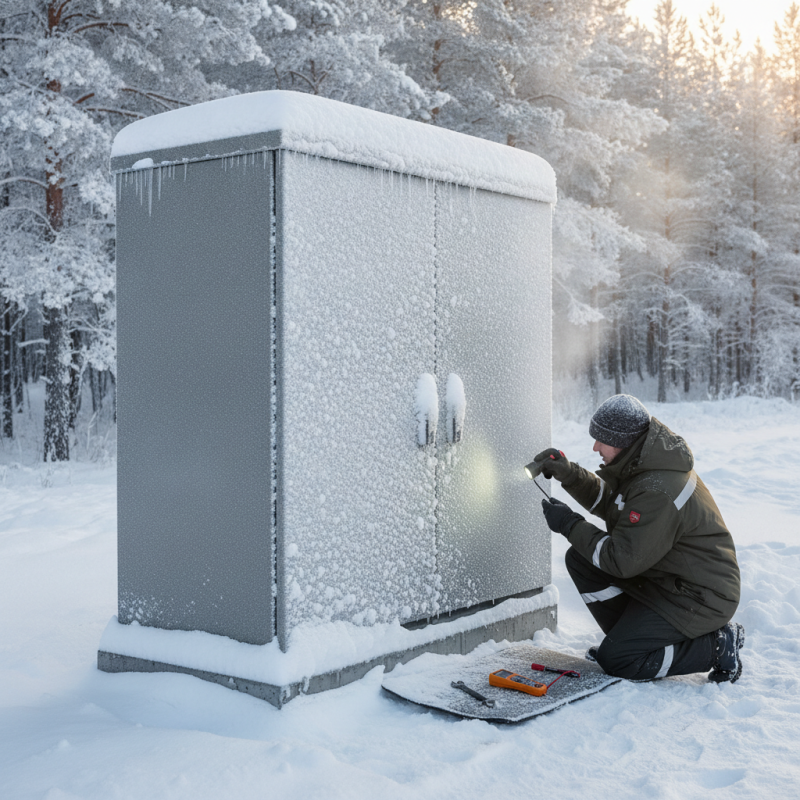
To start, inspect your energy storage systems regularly. Look for any signs of wear and tear. Snow and ice can accumulate on energy storage units. Remove any debris to prevent damage. Regularly check the connections; loose or corroded connections can be problematic during winter months.

Battery performance can drop dramatically in low temperatures. Insulating battery enclosures can help maintain optimal conditions. Consider using thermal blankets specifically designed for battery protection. Additionally, monitor the charge levels carefully. Keeping batteries fully charged prevents freezing. Ensure that your system is equipped with temperature monitoring solutions for real-time data.

Inspecting and Maintaining Battery Health in Cold Weather

Winter affects battery health significantly. Cold temperatures can reduce battery efficiency. Studies show that lithium-ion batteries can lose up to 20% of their capacity when temperatures drop below freezing. Proper maintenance is critical to ensure energy storage systems remain reliable during these months.

Regular inspections are essential. Look for signs of corrosion or physical damage on connections. Ensure the battery enclosure is clean and insulated. Insulation can help maintain optimal operating temperatures. Monitoring the state of charge is necessary. Operating below 30% charge can lead to deeper discharges. This will affect lifespan and reliability.

Testing battery voltage regularly is also a good practice. A significant drop can signal potential issues. According to a 2021 report by the Energy Storage Association, timely maintenance can extend battery life by up to 20%. Mistakes can happen, especially during hasty seasonal preparations. Reflecting on past maintenance efforts provides valuable insights. It’s crucial to adapt and learn for future seasons.

10 Essential Tips for Winter Maintenance of Outdoor Energy Storage Systems

Tip Number Tip Description Frequency Recommended Action
1 Check battery voltage levels Monthly Use a multimeter to measure voltage
2 Inspect for corrosion Monthly Clean terminals with a mixture of baking soda and water
3 Inspect cable connections Monthly Ensure all connections are tight and free of damage
4 Verify temperature control systems Monthly Check heaters and insulation integrity
5 Monitor ambient temperature Weekly Use a thermometer to ensure temperatures are within limits
6 Check for physical damage Bi-monthly Inspect for cracks or breaches in enclosure
7 Ensure proper ventilation Monthly Verify that vents are not blocked by snow or debris
8 Test load capacity Quarterly Run a load test to assess performance
9 Evaluate charger performance Monthly Check charger output through measurements
10 Review maintenance records Monthly Ensure all inspections are documented

Protecting Energy Storage from Snow and Ice Accumulation

Winter maintenance for outdoor energy storage systems is crucial for ensuring optimal performance during colder months. Snow and ice accumulation can pose significant risks to storage systems. Research indicates that heavy snow can weigh down equipment, leading to potential structural damage. For instance, a foot of wet, heavy snow can exert over 20 pounds of pressure per square foot. This burden can compromise the integrity of outdoor systems.

One essential tip is to regularly monitor the accumulation of snow and ice. Remove any buildup as soon as possible. Using a soft-bristle broom can prevent scratching delicate surfaces. Additionally, consider installing a roof heating element to melt snow before it accumulates. This proactive approach reduces maintenance headaches and long-term damage risks.

Another important measure is to check the insulation of storage units. Proper insulation prevents freezing and inefficient energy retention. According to the International Energy Agency, poorly insulated systems can lose up to 30% of their energy capacity in cold conditions. Conducting routine inspections ensures lasting performance and reliability. Failure to address these concerns can lead to costly repairs and diminished functionality.

Optimizing Warmth and Insulation for Enhanced Performance

Winter maintenance of outdoor energy storage systems is crucial for optimal performance. Proper warmth and insulation can significantly enhance system efficiency during colder months. Start by checking insulation around the storage units. Insulation should be thick enough to minimize heat loss. Consider adding reflective materials that can further trap warmth.

Keeping the energy systems away from harsh winds helps too. Wind barriers can safeguard the systems and maintain internal temperatures. Regularly inspect for any gaps or damaged insulation. These issues can lead to energy losses that might go unnoticed until it’s too late. Also, use a thermometer to monitor temperature fluctuations. Ensure that all components remain within their optimal temperature range.

Regular checks on seals and connections can prevent cold air intrusion. Cold weather can cause materials to contract, affecting seals’ effectiveness. Using weatherproof coverings can also improve performance. Evaluate if these coverings are sufficient or if they need replacing. Remember, even small adjustments can lead to significant improvements in energy efficiency during winter.

Monitoring System Efficiency Amidst Winter Temperature Fluctuations

Winter can significantly impact the efficiency of outdoor energy storage systems. As temperatures fluctuate, performance may decline. Regular monitoring is crucial for maintaining system efficiency. This involves checking battery health, inverter functionality, and energy output regularly. Depending on local climate conditions, adjustments might be needed to ensure consistent performance.

Temperature swings can lead to reduced battery performance. Cold weather often results in lower charge capacities. Users should monitor their systems closely, especially during severe weather events. Observing changes in energy output can help identify issues early. This proactive approach can save time and reduce maintenance costs.

Checking the insulation of your storage units is vital. Proper insulation can minimize thermal fluctuations and maintain optimal operating temperatures. Furthermore, evaluate potential heat sources, like solar panels. These can enhance overall efficiency. It's important to remain vigilant and prepared for unexpected challenges that winter might bring. Monitoring isn't just about preventing failures; it's also about optimizing performance through seasonal changes.

Winter Maintenance Efficiency of Outdoor Energy Storage Systems

FAQS

: Why is winterization important for outdoor energy storage systems?

: Winterization helps maintain the longevity and performance of energy storage systems in cold conditions.

How does cold weather affect battery efficiency?

Cold temperatures can reduce battery efficiency by up to 20%, impacting capacity significantly.

What maintenance should I perform on my energy storage system?

Regularly inspect for wear, clean the enclosure, and check connections to prevent issues.

How can I protect my batteries from freezing?

Keep batteries fully charged and consider using thermal blankets for insulation.

What should I do if snow accumulates on my energy storage unit?

Remove the snow promptly using a soft-bristle broom to avoid damage to surfaces.

How does insulation impact energy storage performance?

Proper insulation can prevent freezing and reduce energy loss, improving overall efficiency.

What is the risk of operating a battery below 30% charge?

Operating below this level can lead to deeper discharges, affecting lifespan and reliability.

How can real-time monitoring help in winter maintenance?

Temperature monitoring provides real-time data, helping to maintain optimal battery conditions.

What are the consequences of neglecting winter maintenance?

Neglect can lead to costly repairs and diminished system functionality over time.

How can I learn from past maintenance efforts?

Reflecting on previous practices can provide insights to improve future seasonal preparations.

Conclusion

In order to effectively understand how to maintain outdoor energy storage systems in winter, it is crucial to follow several essential tips. First, winterization involves preparing the systems for harsh weather conditions, ensuring they can withstand freezing temperatures. Inspecting and maintaining battery health is vital during cold months, as low temperatures can impact performance and longevity.

Additionally, protecting energy storage systems from snow and ice accumulation is important to prevent damage and ensure optimal operation. Proper warmth and insulation can significantly enhance performance, keeping the systems functioning efficiently. Lastly, monitoring system efficiency amid winter temperature fluctuations will help in identifying any potential issues early on, thereby safeguarding the energy storage systems throughout the winter season. By adhering to these guidelines, you can ensure the reliability and effectiveness of outdoor energy storage systems during winter.

Oliver

Oliver

Oliver is a seasoned marketing professional with a wealth of expertise in driving brand awareness and engagement. With a deep understanding of our company's product offerings, he consistently delivers high-quality content that enriches our professional blog. His insights not only shed light on......