Upgrade Your Old Low Voltage Power Equipment Effectively?

Time:2026-07-03 Author:Sienna
0%

Upgrading old low voltage complete power equipment is essential for improved efficiency and safety. Many users struggle with outdated systems. They may wonder how to upgrade old low voltage complete power equipment effectively. Understanding this process can prolong the lifespan of your machinery while enhancing performance.

New technologies are constantly emerging. Implementing them can be daunting, especially for those unfamiliar with electrical upgrades. This challenge can lead to mistakes and frustration. Consider seeking expert advice or consulting guidelines from reputable sources. Researching best practices is critical for ensuring a successful upgrade.

Sometimes, the initial cost of upgrading can be intimidating. However, the long-term benefits outweigh the expenses. Enhanced energy efficiency can lead to significant savings. Reflect on the potential impact of your decisions. Upgrading may seem complicated, but the rewards are worth the effort.
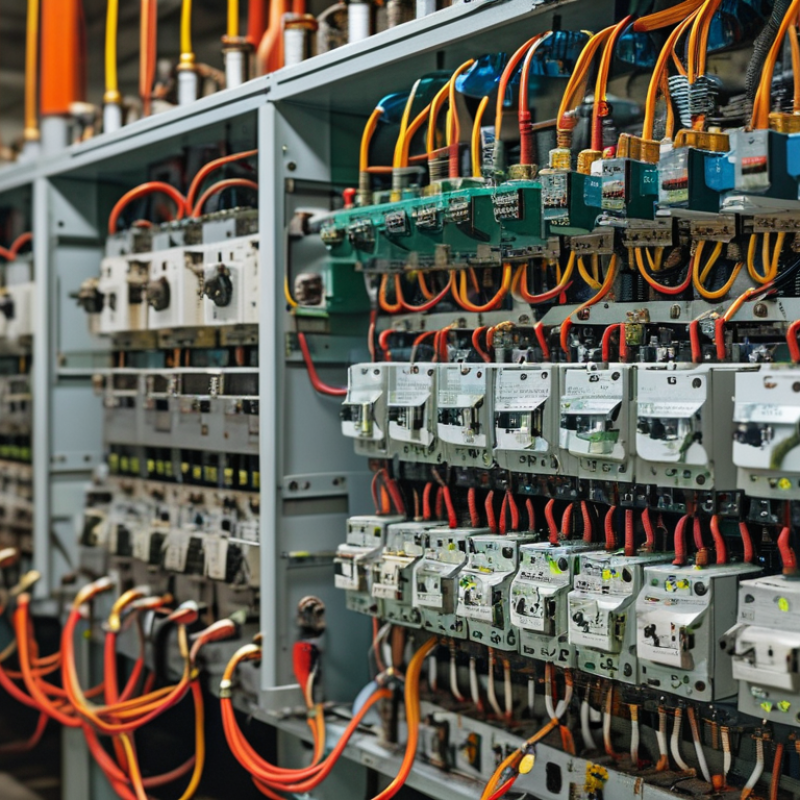
Upgrade Your Old Low Voltage Power Equipment Effectively?

Understanding Low Voltage Power Equipment and Its Importance

Low voltage power equipment plays a critical role in various industries, facilitating safe and efficient operation. According to the Electric Power Research Institute, approximately 80% of electrical equipment operates at low voltage levels. This category includes transformers, motors, and control devices, which are essential for maintaining power distribution and automation. Moreover, low voltage systems often require less maintenance and are more cost-effective compared to high voltage counterparts.

Understanding the importance of low voltage equipment is fundamental for enhancing operational safety. Devices operating below 1,000 volts significantly reduce electric shock risks. In many facilities, outdated equipment can pose dangers, such as higher failure rates and inefficiencies. A report from the International Electrotechnical Commission found that renovating old systems can improve performance by up to 30%. However, many companies hesitate, often overlooking the need for upgrades or fearing the associated costs.

With the increasing adoption of smart technologies, upgrading old systems is becoming a necessity. New equipment can provide real-time monitoring, enhancing reliability and efficiency. However, many facilities still run on outdated technology, which can lead to increased energy consumption and decreased reliability. It’s essential for industry stakeholders to remain mindful of these risks when considering equipment updates.

Identifying Signs that Your Equipment Needs an Upgrade

When evaluating low voltage power equipment, several signs indicate that an upgrade may be necessary. Noticeable fluctuations in voltage can disrupt operations. If your equipment frequently trips or shuts down unexpectedly, this may signal that it's struggling to meet demands. These interruptions not only cause frustration but also lead to increased maintenance costs.

Another critical indicator is inefficiency. If equipment consumes more energy than before yet delivers less performance, it's time to assess potential upgrades. Excessive wear and tear on components can result in unreliable output. Furthermore, outdated technology may lack important safety features. Ensure that your equipment meets the current standards to protect both your operations and your workforce.

Lastly, listen to your equipment. Strange noises or overheating can point to underlying issues. Small problems, if ignored, can escalate quickly. Regular monitoring not only saves money in the long run but also supports overall productivity. Staying ahead of these signs ensures that you maintain a reliable power supply. Upgrading may feel daunting, but it's a necessary step for improvement.

Signs that Your Low Voltage Power Equipment Needs an Upgrade

Evaluating Options for Upgrading Your Low Voltage Power Equipment

Upgrading low voltage power equipment involves critical decisions. It's essential to assess your existing systems. Consider their age, performance, and reliability. Older equipment may be inefficient or prone to failures. Maintaining outdated systems can lead to increased costs over time.

Next, explore different upgrade options. Modern equipment often offers improved energy efficiency. Evaluate the energy consumption of any potential upgrade. Look for features like advanced monitoring systems. These can help you track usage and identify issues. Don't overlook the installation process. It can be complex and may require professional help.

Reflect on budget constraints as well. An upgrade may require significant investment. However, the long-term savings could justify the costs. Compare the upfront costs with potential savings. It's also wise to look for incentives or grants. They can make upgrading more feasible. Choosing the right path may not be straightforward. Weigh the pros and cons carefully.

Step-by-Step Guide to Upgrading Components Effectively

Upgrading low voltage power equipment can significantly enhance efficiency and performance. A detailed approach ensures you make the right choices. Start with assessing your current components. For example, a 2021 report noted that 70% of outdated equipment fails to meet modern efficiency standards. This highlights the importance of evaluation before any upgrade.

Next, focus on replacing key components such as transformers and circuit breakers. Newer models are designed to handle higher loads while maintaining better energy efficiency. According to the IEEE, upgrading to newer circuit designs can lead to a 15-20% decrease in energy loss. Keep in mind, this can result in notable cost savings over time.

Consider the installation process as well. Improper adjustments can lead to issues such as increased downtime or safety risks. Be sure to follow manufacturer guidelines. Experts recommend consulting with a certified technician for complex setups. This can prevent costly mistakes. Every upgrade should also be analyzed for its long-term viability. Not all updates produce immediate results, and some may require refinement. Evaluation should be an ongoing process.

Best Practices for Maintaining Upgraded Low Voltage Equipment

Maintaining upgraded low voltage power equipment requires attention to detail. Regular inspections are crucial. Check for loose connections or signs of wear. It's surprising how small issues can escalate. A tiny frayed wire can lead to bigger problems. Schedule maintenance every six months to catch these before they develop.

Documentation plays a significant role in effective maintenance. Keep records of all upgrades and repairs. This can help in identifying patterns or recurring issues. Additionally, train your team on the specific needs of new equipment. They should understand the unique characteristics of upgraded systems. Empowering them fosters accountability and ensures nothing is overlooked.

Lastly, embrace a proactive approach. Stay informed about advancements in low voltage technologies. Attend workshops or webinars to enhance your knowledge. Seek feedback from your team on what works and what doesn’t. Reflecting on these experiences informs better practices in the future. Regular revisits to your maintenance protocols keep your systems running efficiently.

FAQS

: What is low voltage power equipment important for?

: It plays a critical role in safe and efficient operation across various industries.

How does low voltage equipment enhance safety?

Devices operating below 1,000 volts significantly reduce the risk of electric shocks.

What signs indicate that your equipment needs an upgrade?

Look for voltage fluctuations, unexpected shutdowns, and increased maintenance costs.

Why is inefficiency a sign for upgrades?

If equipment uses more energy but delivers less performance, performance needs reevaluation.

What issues arise from outdated technology?

Older systems may lack essential safety features and can increase operational risks.

How can monitoring help with equipment reliability?

Regular checks can identify small problems before they escalate into larger issues.

What factors should be considered before upgrading?

Assess the age, performance, reliability, and installation complexities of current systems.

How can an upgrade impact costs?

While initial investment may be high, long-term savings may justify the expense.

What features should you look for in new equipment?

Advanced monitoring systems can help track usage and identify potential issues.

Are there financial assistance options for upgrades?

Explore grants or incentives that may make upgrading more feasible and affordable.

Conclusion

Upgrading old low voltage power equipment is essential for ensuring efficiency and reliability in various applications. Understanding the significance of such equipment is the first step, as it plays a crucial role in maintaining safety and performance standards. Key signs indicating that your equipment may need an upgrade include frequent malfunctions, reduced efficiency, and outdated technology.

To effectively learn how to upgrade old low voltage complete power equipment, one must evaluate available options, which may include replacing components, enhancing existing systems, or utilizing new technology. A step-by-step guide can facilitate this process, detailing how to check compatibility, installation, and testing of new parts. Furthermore, maintaining upgraded equipment involves best practices such as regular inspections, optimal usage, and timely updates to ensure longevity and peak performance. By following these guidelines, users can successfully modernize their systems and improve overall functionality.

Sienna

Sienna

Sienna is a skilled marketing professional with a deep expertise in our company’s core products and services. With a passion for innovation and detail, she plays a pivotal role in crafting insightful blog posts that not only highlight the unique features of our offerings but also provide valuable......